| Author |
 Replies: 20 / Views: 1,822 Replies: 20 / Views: 1,822 |
Page 2 of 2
|
|
|
|
Pillar of the Community
United States
1915 Posts |
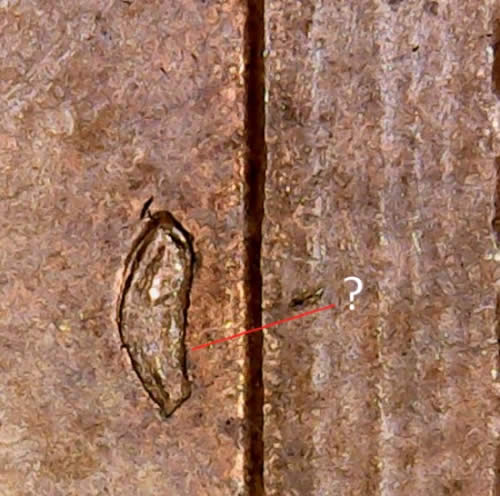
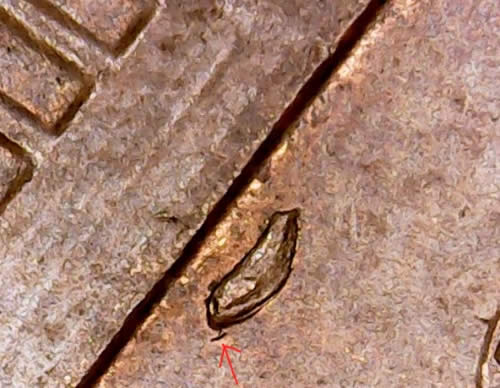
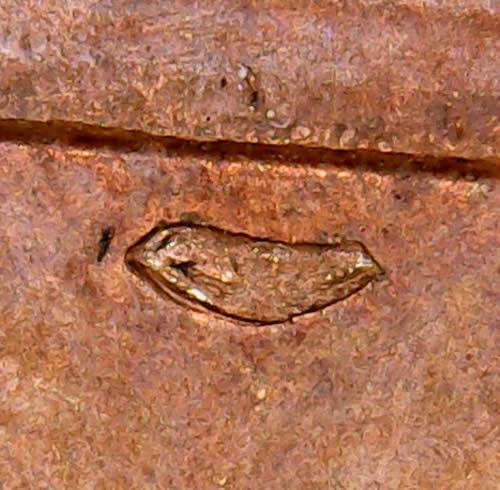
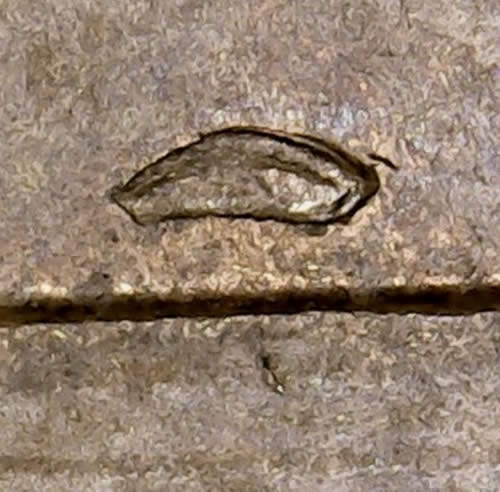
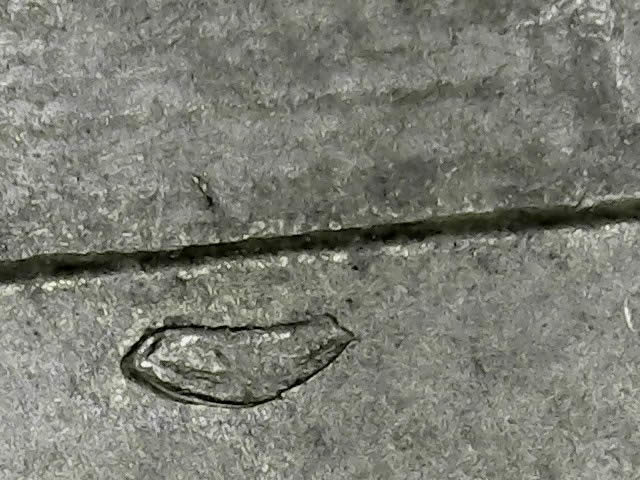
Sometime in the middle of 1982, the mint switched from copper blanks to copper coated zinc blanks. Gas bubbles from the zinc cause the swelling of the thin copper plating.
|
|
Pillar of the Community
United States
3360 Posts |
I like it!  |
|
Pillar of the Community
 United States
3656 Posts |
Thanks Pete me too. I just need to figure out what it is. It caught me off guard to see it out in the middle like that. It thought maybe some misplaced material from some of the other devices on the coin, but upon inspection there is nothing missing elsewhere.
|
|
Pillar of the Community
United States
1915 Posts |
It reminds me of this one I posted a few weeks back. 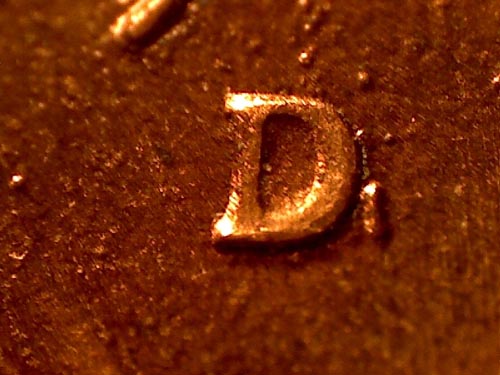 |
|
Pillar of the Community
United States
3656 Posts |
I couldn't find your post on that. Was anything decided on what had caused it? Was it the Die Dent that you were referring to?
|
|
Pillar of the Community
United States
1915 Posts |
|
|
Pillar of the Community
United States
740 Posts |
Looks like it can be a IDB to me, check out the last one here: (IDB-1c-2014-01) http://cuds-on-coins.com/lincoln-ce...b-1959-2008/In person, do you happen to see any die cracks that come from the blob? (something like the red areas in the image below) It's hard to tell but it looks like there might be a crack branching off on the right side. 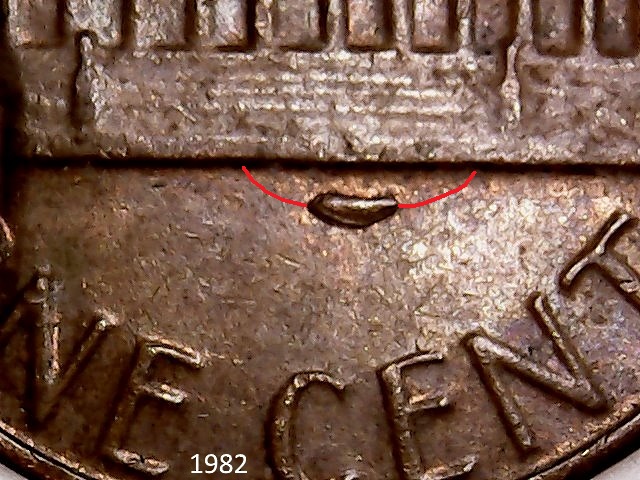 Edited by BlueSolo
02/01/2016 2:16 pm
|
|
Pillar of the Community
United States
3656 Posts |
|
|
Pillar of the Community
United States
740 Posts |
Maybe someone experienced can answer this: If something is a die dent, wouldn't you expect to see a pit around the blob? Just like when you scratch a coin, the metal has to go somewhere, so it is pushed up around the scratch. When a die is dented/scratched the metal will become raised around the damage. Then when the coin is struck it should leave an area lower around the raised blob. Which would make this an IDB right? See this page for an example: (see how there is a pit around the die dent) http://koinpro.tripod.com/Articles/...LikeDent.htmEdited by BlueSolo
02/01/2016 4:57 pm
|
|
Pillar of the Community
United States
1915 Posts |
I think you could expect to see some of that right after it happend. But I would think after a few strikes that would be worn down to the level of the field.
|
|
Pillar of the Community
United States
740 Posts |
Seal, you would then expect parts such as inset letters (2005 OIV 5 cent) to wither away just as fast
Edited by BlueSolo
02/01/2016 9:17 pm
|
|
Pillar of the Community
United States
1915 Posts |
No because the way they are made, If you notice that the deepest part of those letters is narrower than the outside edges where they meet the field. This is because they are cone shaped. The edge on a dent in the die would curve upward slightly as it was displaces and the edge would be narrow and pointy.
Edited by seal006
02/01/2016 10:28 pm
|
|
Pillar of the Community
United States
3656 Posts |
I wrote into JC Stevens at cudsoncoins website about this and conclusion is Die Chip (since it is a solid clump)
His final response " it's a toss up (Gas bubble/Die Chip ). I have seen Die Chips that are not connected to a device, but not many."
He even offered to sent me a picture of one next time he comes across one.
So pretty cool to me.
Thanks for all your responses.
|
|
Pillar of the Community
United States
1915 Posts |
Very cool indeed. It is pretty amazing how you can rub elbows with the experts. I do not know many hobbies that are like that.
|
|
Pillar of the Community
United States
3656 Posts |
You have got right. As I have been finding out through my posts - we are fortunate to have the top experts as part of this forum. This is the most amazing Forum and I am glad to be a part of it. I wish I had started getting into this hobby years ago (when my vision was better).
|
|
Page 2 of 2
|
Replies: 20 / Views: 1,822 |
Page 2 of 2
|







 First Page

 Posted 02/01/2016 09:24 am