| Author |
 Replies: 22 / Views: 2,200 Replies: 22 / Views: 2,200 |
Page 2 of 2
|
|
|
|
Valued Member
 Russian Federation
417 Posts |
Wow thanks, you are so deep it this type of error. I saw Blakesley effect but didn't know it has a name. There's no info about it in russian articles. +2 words to my vocabulary.
Buy them, price for all 4$ with shipping.
Edited by flying_teapot
02/24/2018 08:51 am
|
|
Pillar of the Community
United States
3463 Posts |
Quote:
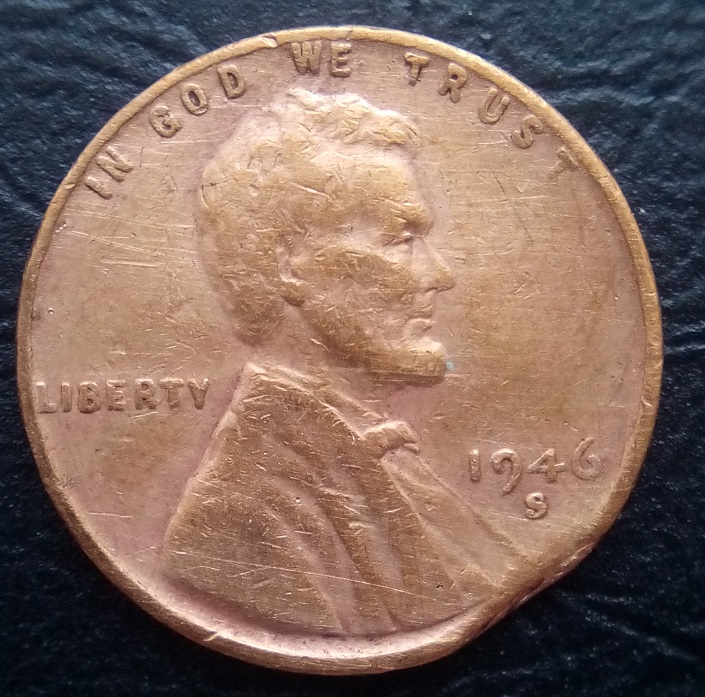
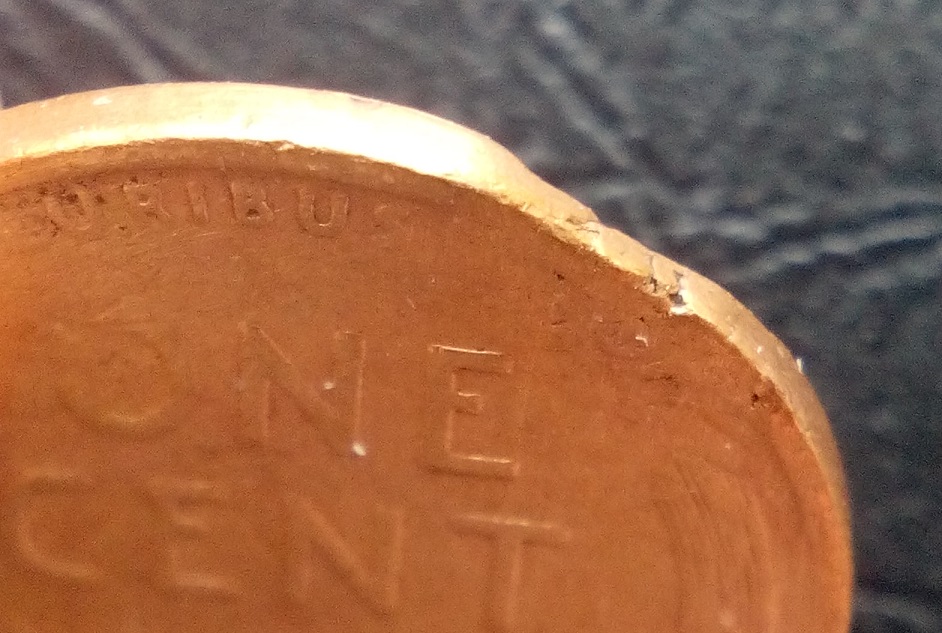
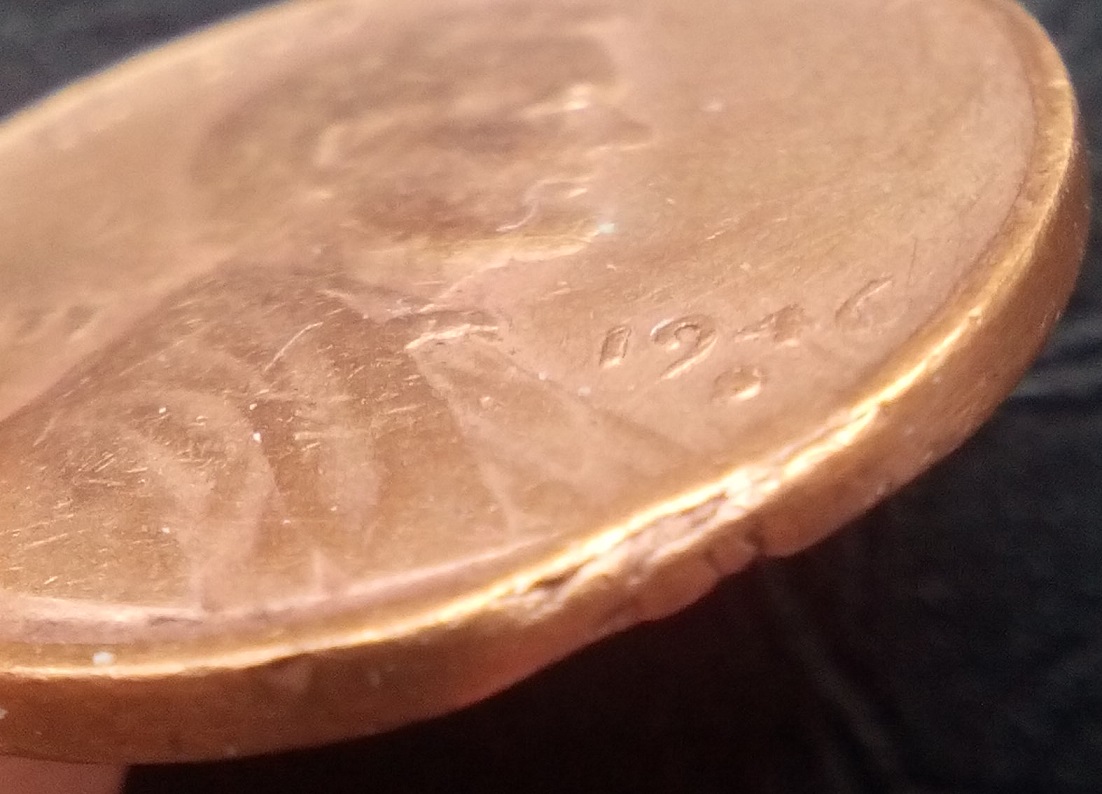
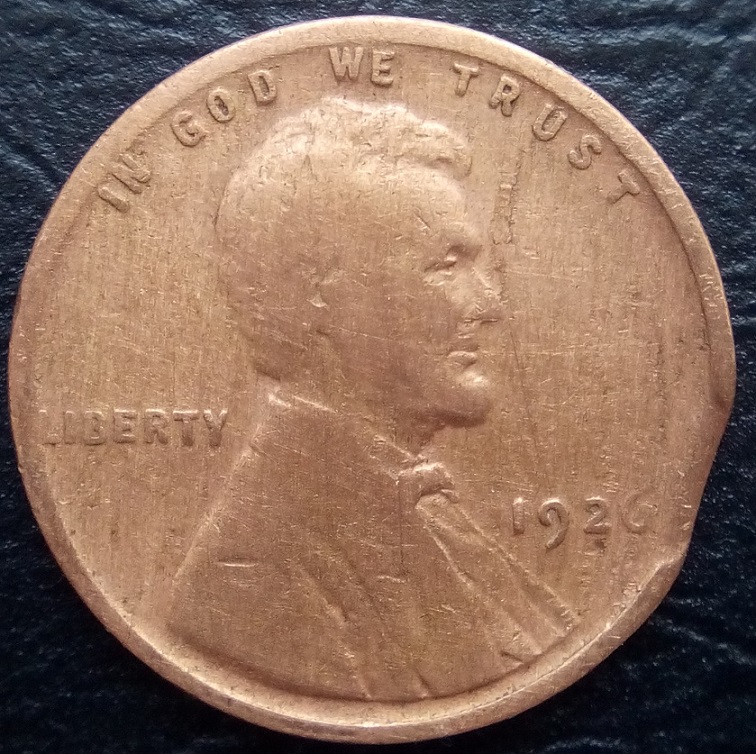
Incomplete planchet vs clipped difference? The technical term is "incomplete planchet", a clipped planchet is the same thing. |
|
Moderator
 United States
56855 Posts |
Because of the condition of the 2 clipped planchets I would pass.The MAD with a Grease Filled Die is no big deal either. All would be a "fun find" from circulation,but not worth buying them...IMHO. John1  Edited by John1
02/24/2018 09:41 am
|
|
Valued Member
Russian Federation
417 Posts |
It's a deal for me, because it's Russia. No way to get it from change, and there's was only offer with this type of error  There's no more clipped planchet too. Quote:The MAD with a Grease Filled Die is no big deal either. All would be a "fun find" from circulation,but not worth buying them... Edited by flying_teapot
02/24/2018 09:54 am
|
|
Bedrock of the Community
United States
62064 Posts |
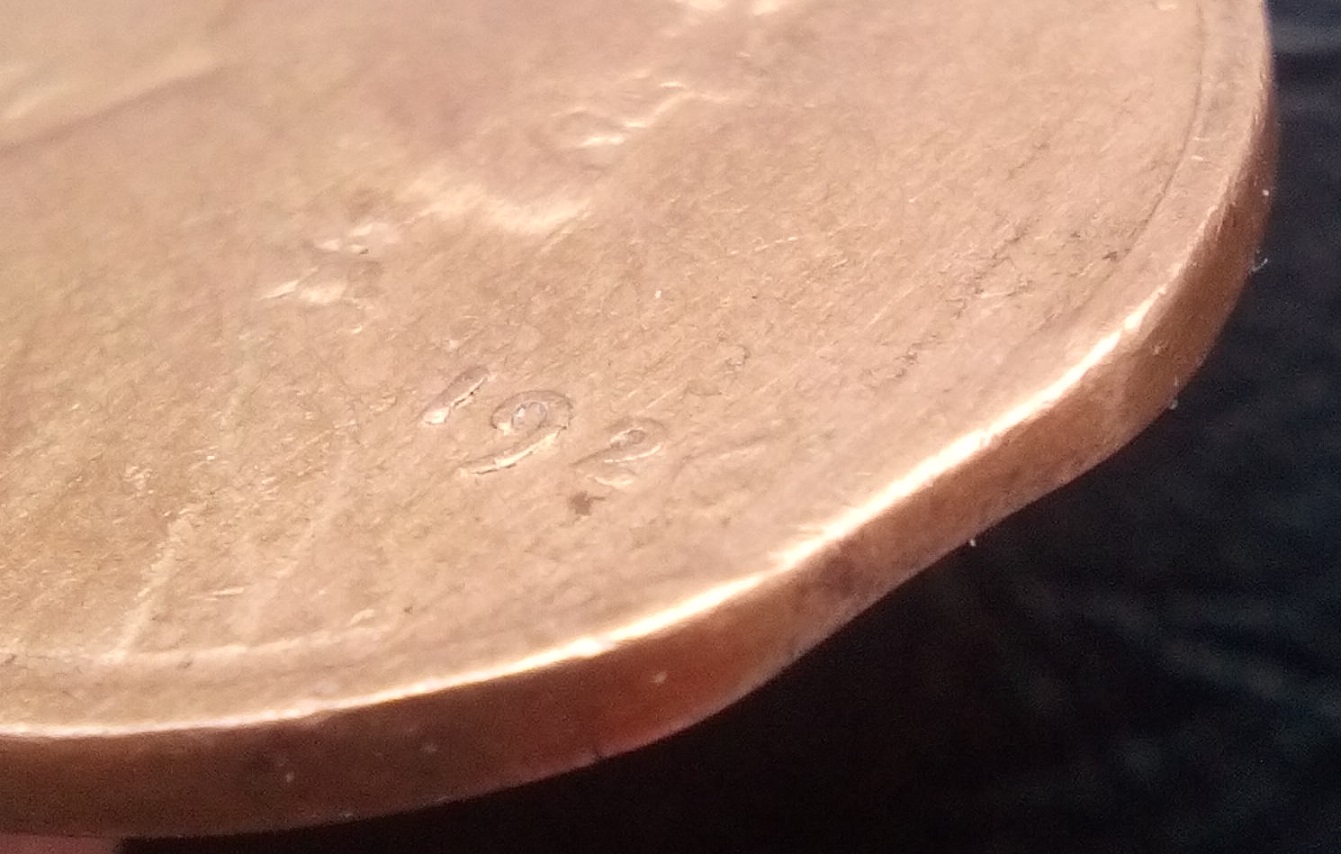
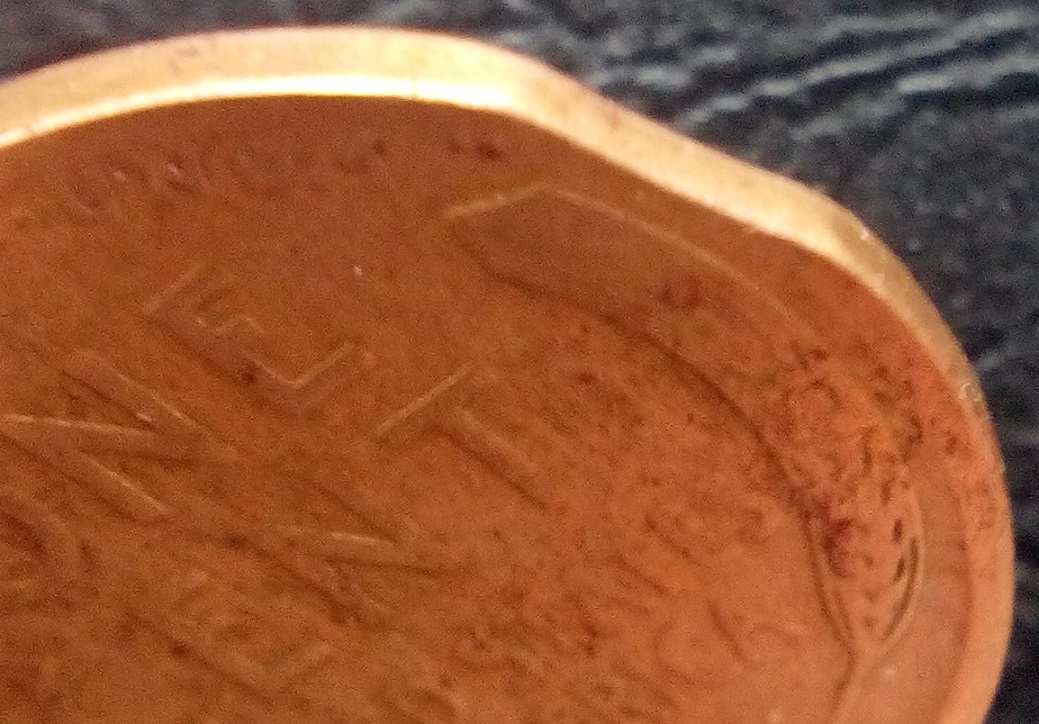
A coin can be a incomplete planchet if there are clipped areas on the coin. So the term for the coin is an incomplete planchet. While the areas you are looking at as missing metal, are called clipped areas. (even straight clips are called that even though the straight area is over the edge of the stock material.
|
|
Valued Member
Russian Federation
417 Posts |
|
|
Pillar of the Community
United States
3463 Posts |
What happened to them?
Did you clean them or did they come that way?
|
|
Valued Member
Russian Federation
417 Posts |
They came in a very bad condition, even worse then were in photos. Almost all details on 1946 were in green gunk, 1926 was almost all green. Didn't see any ways, but now they look bad too  Edited by flying_teapot
03/13/2018 10:08 am
|
|
Pillar of the Community
United States
2563 Posts |
Oh man, you really shouldn't have cleaned them how you did, though...
I can see you used either the ketchup or coke method, and it ruined the value of the coins, no matter how clean they look now compared to how they were. The surfaces are now stripped and the surfaces dull and lifeless.
You should have used 100% pure acetone and a toothpick, and even if it has gunk still on it, it's better than having the surfaces stripped off of the coins. It's a beginner mistake, but don't clean any coins if you want to keep a nice/respectable collection. I cleaned many nice coins that I really wish I hadn't when I started out. Just use acetone, let it sit for a while, and it'll be fine! Both coins were in okay condition before...
|
|
Valued Member
Russian Federation
417 Posts |
Yes, it was a mistake. Next time I won't do it with copper coins.
|
|
Pillar of the Community
United States
2563 Posts |
Quote:
Next time I won't do it with copper coins NO! Not with any coins! Only use acetone because using whatever you did, coke, ketchup, etc. will ruin silver, nickel, copper, aluminum, platinum, palladium, iron, whatever kind of metal you use it on! Edited by CoinCollector2000
03/13/2018 10:17 am
|
|
Valued Member
Russian Federation
417 Posts |
|
|
Bedrock of the Community
United States
62064 Posts |
The pink color is the give away for excessive cleaning. The cleaning removes a layer or more off the coins. The grade goes down 2 grades when they are cleaned. (if you can find someone willing to buy them) Most collectors won't by a problem coin.
|
|
Pillar of the Community
United States
8715 Posts |
To be honest, they looked better before you cleaned them. Never use anything but a soak in 100% acetone to clean a coin.
|
|
Pillar of the Community
United States
2563 Posts |
Seems like a rather inexpensive learning curve though  |
|
Page 2 of 2
|
Replies: 22 / Views: 2,200 |
Page 2 of 2
|






 First Page


 Posted 02/24/2018 08:51 am