| Author |
 Replies: 25 / Views: 3,282 Replies: 25 / Views: 3,282 |
Page 2 of 2
|
|
|
|
Pillar of the Community
United States
3495 Posts |
Anastasius Follis AD 512-17 SB 19 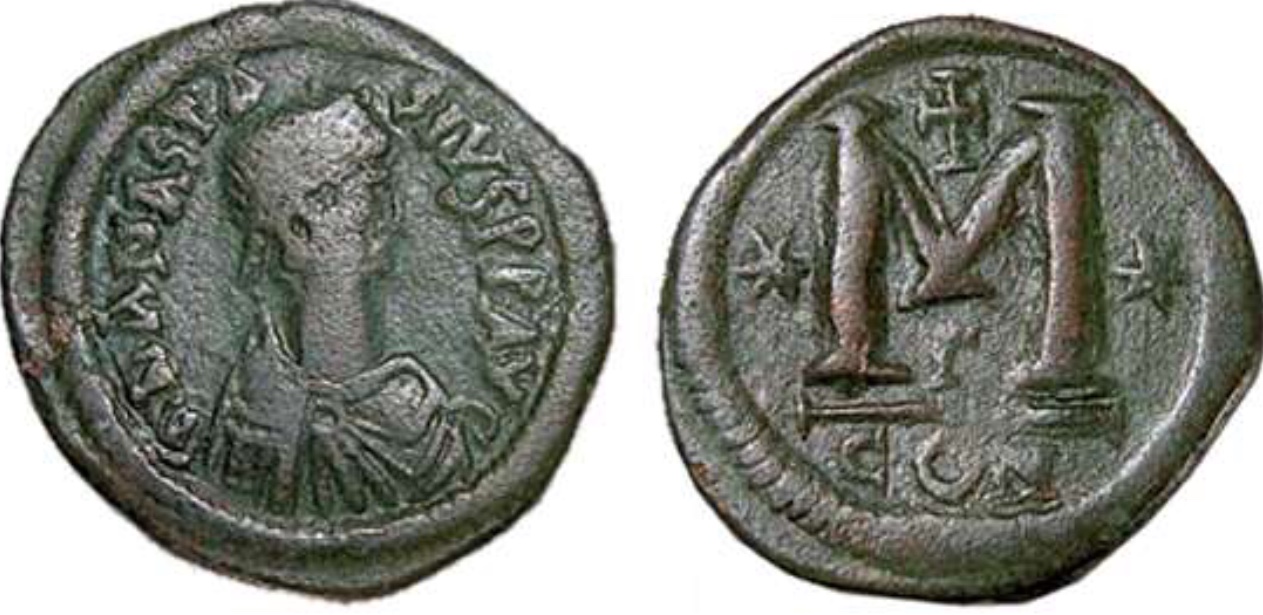 |
|
Valued Member
 United States
224 Posts |
Looks like you nailed it. Thanks! Here's a better bust photo. Two questions. 1. How did you find it with only CON showing? 2. Should I use a bit of Ren Wax on it? 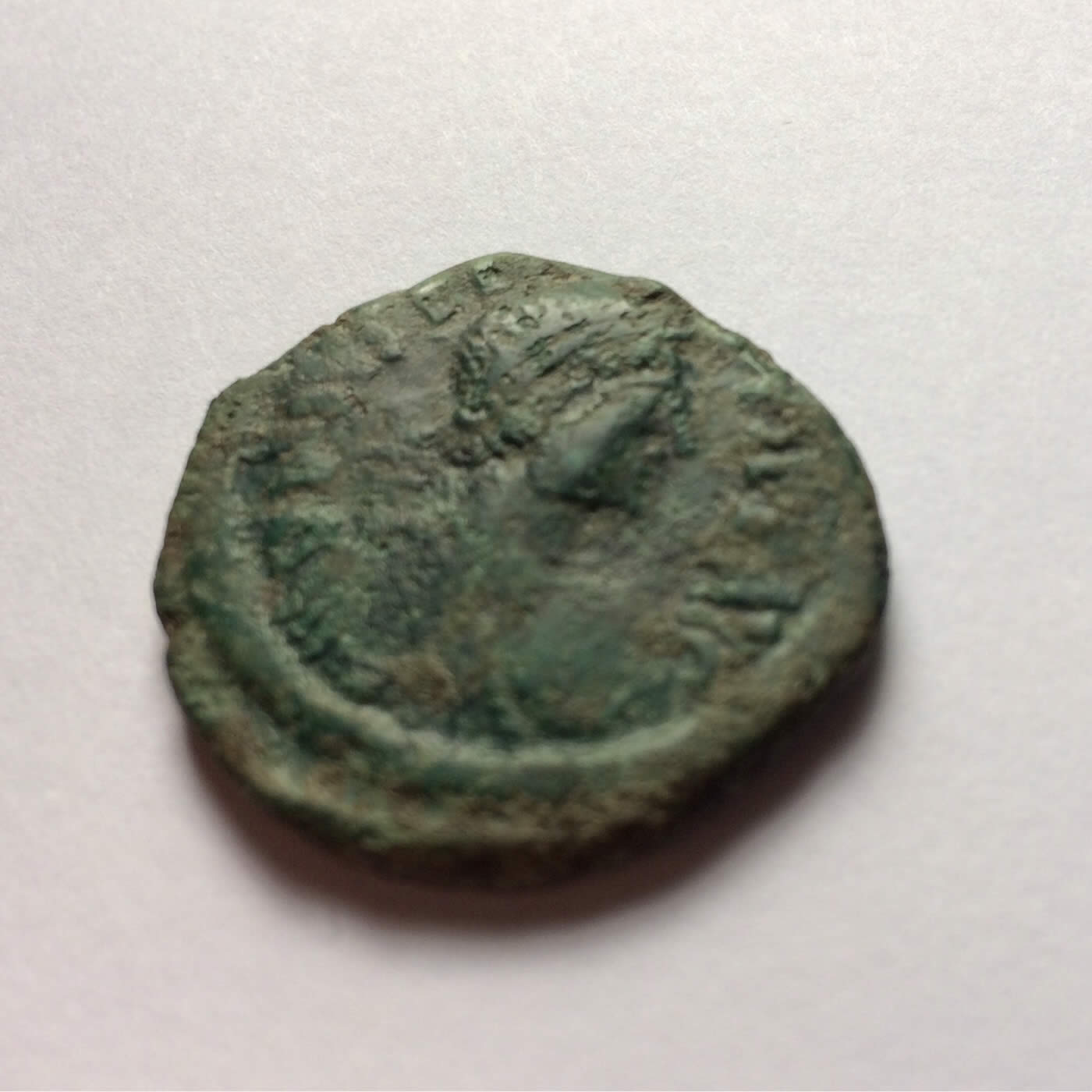 |
|
Pillar of the Community
United States
3495 Posts |
One thing you will eventually learn is that certain types of coins were only produced during specific periods.
Whether we are talking about the S C reverses from Antioch or the 'good' silver antoniniani of the early 3rd century, monogram reverses of the late 4th early 5th century or in this case the larger bronzes of the early Byzantine period.
There are only so many emperors it could be based on the reverse M and the portrait with a profile.
Most Byzantine you might notice are facing portraits.
I saw the letters ST and not being particularly big on Byzantine the first thought was Justinian.
The lack of the ANNO on the left reverse and the gamma officina mark were two more clues.
Realizing that ANASTASIVS satisfied the ST clue I turned to Wildwinds and searched for a large M with gamma below and stars on either side.
It really isn't rocket science.
Just follow the clues and by process of elimination reduce the search list to a manageable size
|
|
Pillar of the Community
United States
3495 Posts |
Looking at your new pic it looks more like it reads IVSTINIANVS
|
|
Valued Member
United States
224 Posts |
Thanks for the lesson. I use Wildwinds a lot, but wasn't able to narrow this one down first. Learning curve will be long — but enjoyable.
What do you think about a bit of REN Wax?
|
|
Pillar of the Community
United States
3495 Posts |
I couldn't hurt I was accustomed to using Blue Ribbon cleaner & preservative. But the EPA made them take out all the 'good stuff'. I have seen old 1 oz bottles that I used to pay $6 selling for 50 clams on ebay ! Give it an acetone bath then do the wax. Patinated bronze looks much better (and more detailed) with a thin coat of oil or wax |
|
Moderator
 United States
23731 Posts |
|
|
Valued Member
United States
224 Posts |
Thank you both for the ID help. And never would have thought of acetone. Do you use acetone + wax on most coins? Just luck that my nicest looking coin is a Byzantine, when I only have a few.
|
|
Pillar of the Community
United Kingdom
701 Posts |
This is what can happen when people think they are improving a coins appearance - not done by me. 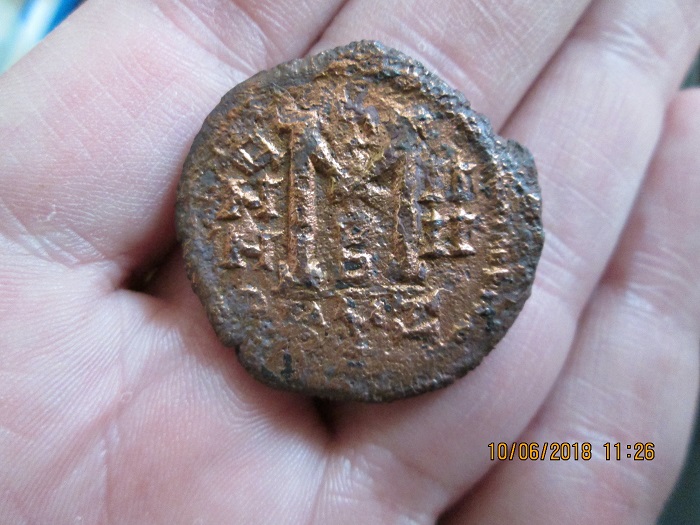 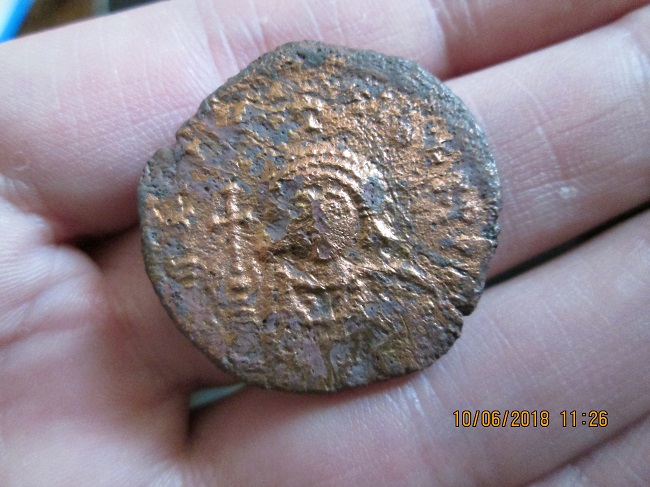 I would much rather own a coin in a crusty condition than one that has been ruined. |
|
Moderator
United States
23731 Posts |
I hate to see that, a nice coin ruined.
|
|
Pillar of the Community
United States
3495 Posts |
Truly awful I had my own "disaster" a few years back I picked up a small lot of Postumus bronzes from a seller in France Based on the evidence I presume he had dug them up as a detectorist out in the field. I really only wanted the largest that had a trireme reverse and the rest I sold off to recoup most of the expense. The second largest Sestertius had a lovely glossy green patina but a few edge chips exposing BD beneath. The more I tried to rid the cancer the more the edges chipped until the entire rim was exposed. And still the BD persisted ! Well stage 4 cancer calls for extreme measures if anything was to be saved at all. Using a 'secret' recipe I proceeded to bathe the coin for an extended period of time with slow but certain results. After about one week my bottle of 'secret' sauce was finished and I fetched another from the kitchen closet. Unwittingly I opened a bottle that was double the strength of the one previously used ! I changed the bath water and set the coin back on the shelf. Around two days later I went to check on it. 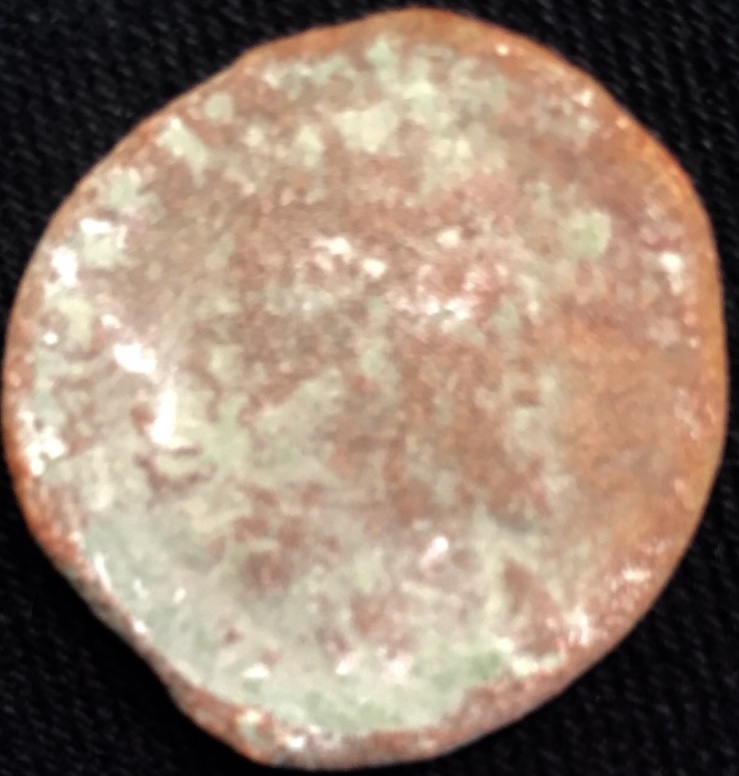 The glossy green patina had ALL been stripped away A hard lesson learned Fortunately for me the patient had already been diagnosed as probably terminal |
|
Pillar of the Community
United States
636 Posts |
Sorry, I don't know anything about using REN Wax. If you wish, the green "bronze disease" can often be removed by soaking for a week or two in a solution of sodium sesquicarbonate. To make this solution you can dissolve 10.6 grams sodium carbonate (washing soda) and 8.4 g sodium bicarbonate (baking soda) in 100 mL distilled water. I have had good success with several Byzantine and other coins with this method.
|
|
Valued Member
United States
224 Posts |
Thanks, Seeker! I'll mix up some of that. One more arrow in the quiver. Renaissance Wax is a protective wax put on when all cleaning is complete, like waxing your car. Used by the British Museum on coins and other antiques. Looks good! Available at ebay. |
|
Valued Member
Canada
266 Posts |
Looks more like Justin I to me. It seems to end at "VSTI: on the left side, Justinian's coins usually go up to "VSTINI". 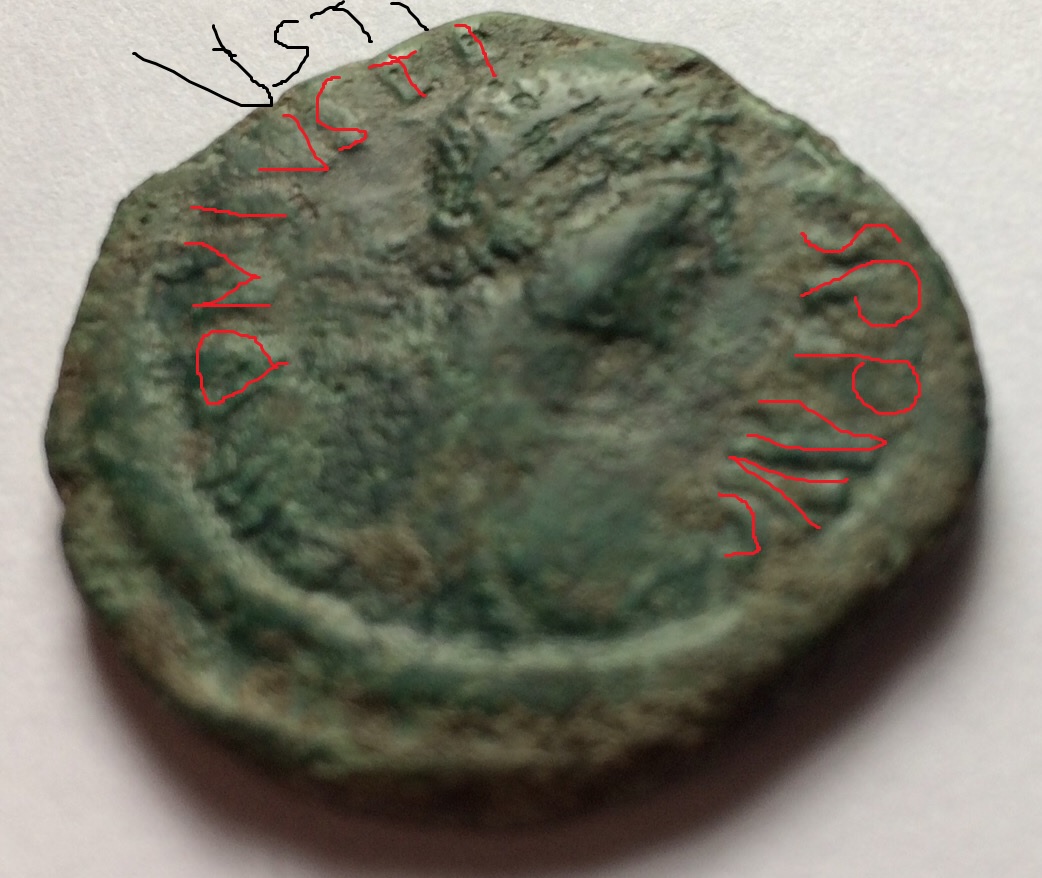 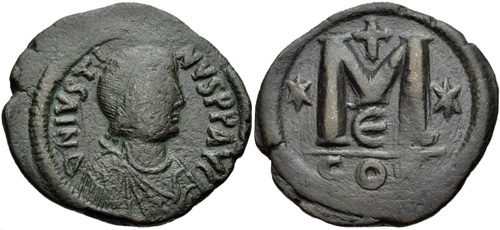 |
|
Moderator
United States
23731 Posts |
I considered that also, but I believe the part of the legend is off flan and the bust looks now like Justinian than Justin.
|
|
Page 2 of 2
|
Replies: 25 / Views: 3,282 |
Page 2 of 2
|







 First Page

 Posted 06/09/2018 08:43 am





