| Author |
 Replies: 28 / Views: 10,495 Replies: 28 / Views: 10,495 |
Page 2 of 2
|
|
|
|
Valued Member
United States
444 Posts |
I wouldn't normally clean a coin, but sometimes there so bad they have no numismatic value anyways, especially if you can't tell what they are. So once I figured there really wasn't any value in the state it was in, I would try to clean it up, to help identify it. Here's an example of one I cleaned up and found out out it was different than what I thought it was before cleaning. 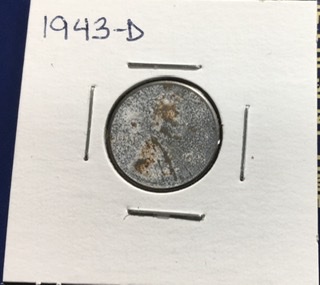 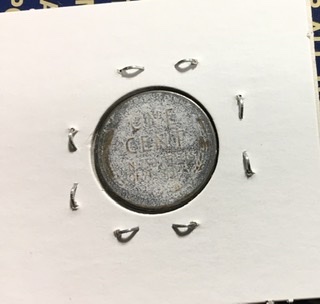 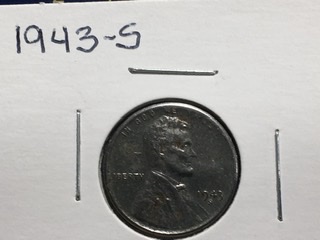 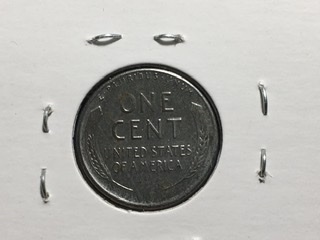 In this case I don't think I lost value. Please let me know if I'm wrong, and I won't do this again. Thanks |
|
Bedrock of the Community
United States
10635 Posts |
This certainly isn't the first time this subject has come up. As suggested, do a search within our community for more details. I wouldn't recommend cleaning your coins in any fashion, period, but maybe that's just me. My golden retriever ate a roll of 2019 pennies, all 50 in one gulp. I didn't see them go in, but picked the results on one of our nightly walks. What her stomach acid did to those shiny new pennies wasn't pretty. (No dogs were harmed in this "tail", not to worry). Moral to this story is any sort of acid isn't good for your coins. Use your rotten pennies to buy better ones. You'll never know what those nasty ones have gone through before they reached you.  |
|
Rest in Peace
United States
18456 Posts |
You can also use oil & vinegar for your crusty coins . When your finished you can use it on your salad for a tasty treat .  |
|
New Member
United States
17 Posts |
olive oil may clean it up without causing damage to the coin
|
|
Bedrock of the Community
United States
10635 Posts |
No, do not use olive oil either. Olive oil is an acid! Look it up.
|
|
Bedrock of the Community
United States
17884 Posts |
Olive oil is SLIGHTLY acidic, nowhere close to what Vinegar is. (and acetic acid is considered a weak acid)
|
|
Bedrock of the Community
United States
10635 Posts |
Acid is acid. And how long is too long? Keep it away from my coins.
|
|
Pillar of the Community
United States
1667 Posts |
If it's a circulated coin and not mint state... if it's not a rare date that you are aware of where improper cleaning could cost you money...
If it's filthy and circulated running it under water and rubbing it with your fingers isn't going to hurt it any more than it sitting in someone's wet pocket all of a rainy day.
I'd avoid chemicals or soaps, detergents, acids, salts, all that jazz... but on a filthy dirty coin I've even gone as far as a soft toothbrush and running hot water because hey its no worse in my opinion that a year or more in circulation was.
Mint state, uncirculated, proof coins are a different story. I don't think you should do anything to them unless you're looking to devalue them, or like silver, if you want them to be bullion only.
Dirty circulated coins... yeah I don't think it's a big deal to clean with some water and some light rubbing. I think distilled water would be better than tap water though, it won't have chemicals in it like chlorine or flouride.
Anyways. My 2 cents. If it's circulated, it's not going to be much worse than circulated. It than he chemicals and acids/corrosives that really discolor or destroy coins from people's cleaning attempts.
Like someone using a rag and a can of brasso. Lol
Edited by Big-Kingdom
12/21/2019 11:11 am
|
|
Pillar of the Community
United States
1543 Posts |
Quote:
Acid is acid Water is acid and also a base. |
|
New Member
United States
15 Posts |
Numismatics are nut cases lol. 99.9% of the people asking about cleaning coins have metal detected coins. I can barley distinguish the value by judging it's size. But don't clean it tho oooohhhh lol
|
|
Bedrock of the Community
United Kingdom
18895 Posts |
Reading this thread makes me understand why some people call clad US coins 'Sandwich Coins'... Seriously, the only time I ever clean coins with sauce is when I am preparing pennies to squash! I like to get the reverse as clean as possible so that the design elements don't spoil the elongate design, but leave the main obverse toned so that the date will still be visible after the coin is squashed! Four pennies I squashed in the same machine in Salem, MA: 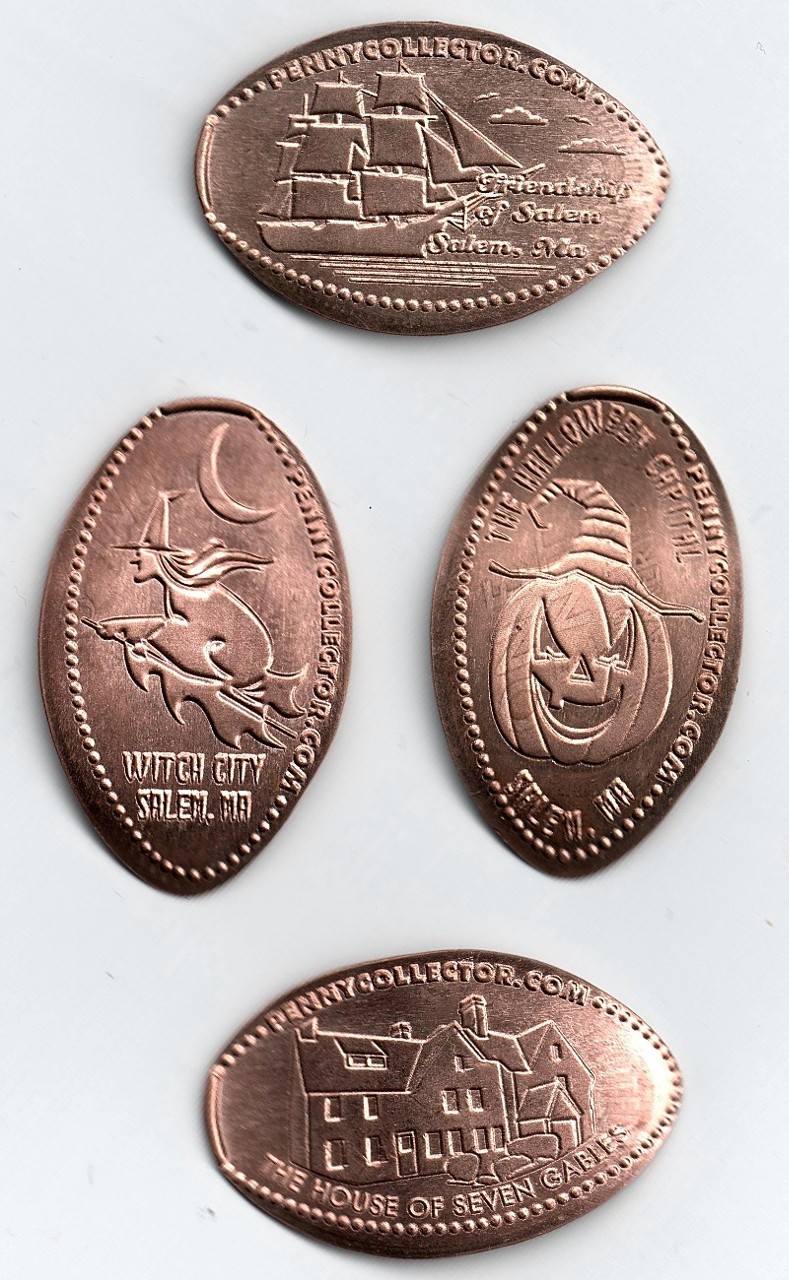 The obverses of two of the above coins: 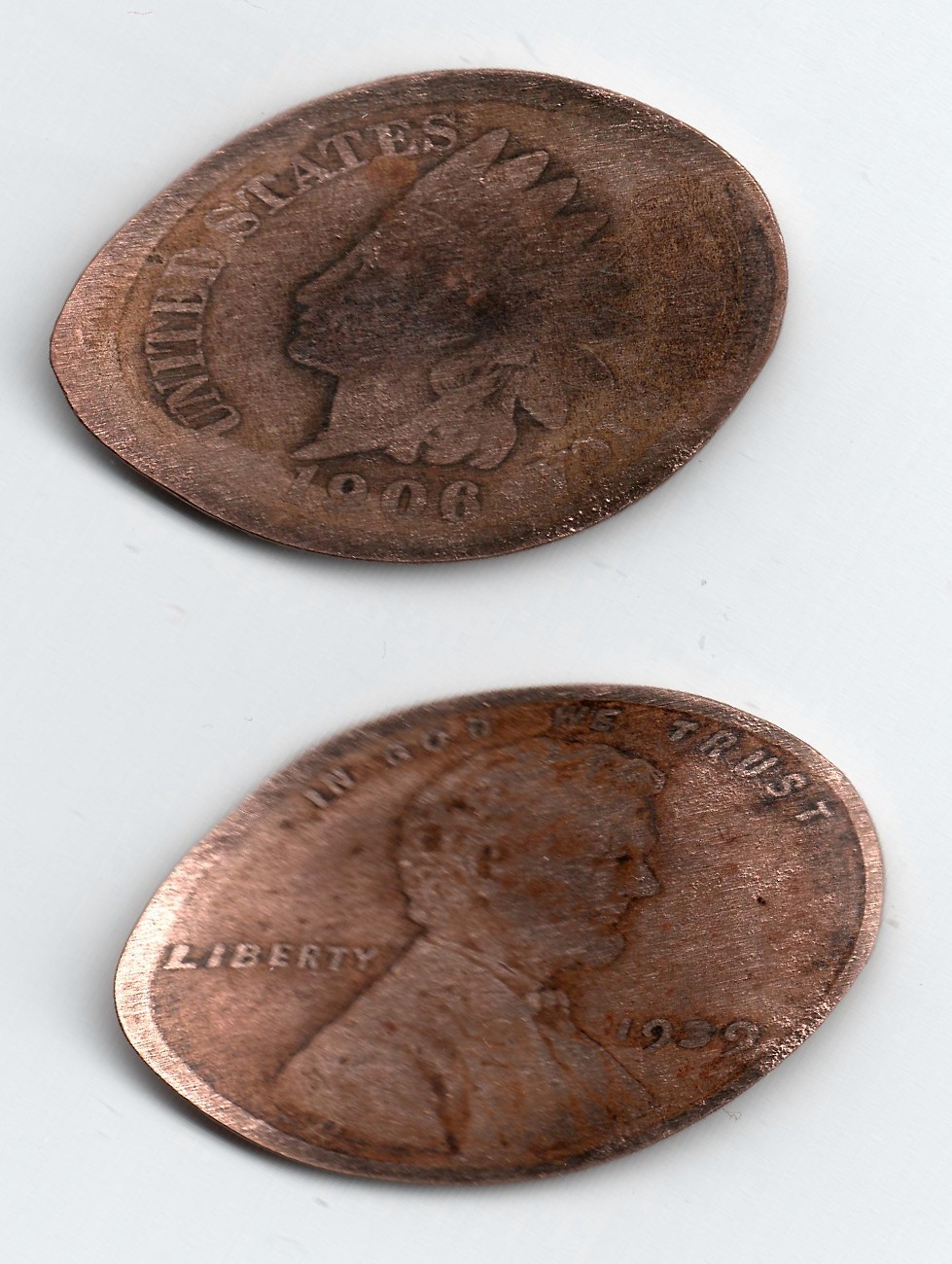 |
|
Bedrock of the Community
United States
20050 Posts |
Quote:
Numismatics are nut cases lol. 99.9% of the people asking about cleaning coins have metal detected coins. I can barley distinguish the value by judging it's size. But don't clean it tho oooohhhh lol See my response: http://goccf.com/t/343807#2943211Lincoln Cent Lover!VERDI-CARE™ INVENTOR https://verdi.care/
|
|
Forum Dad
 United States
24232 Posts |
Quote:
Numismatics are nut cases lol. 99.9% of the people asking about cleaning coins have metal detected coins. That is 99.9% NOT true. In fact, most times they are NOT detected coins. They are circulated coins that people want to shine more. |
|
Bedrock of the Community
United States
19610 Posts |
Agree. In my experience, the urge to clean coins is driven by the desire to have shiny coins--and the vast majority of those coins are circulated examples, not detector finds.
|
|
Pillar of the Community
United States
2322 Posts |
Justinberry- You are very ignorant.
Typically it's just a circulated example.
Rarely is it a dug coin.
You realize when you know how to think, it empowers you far beyond those who know only what to think.
-Neil deGrasse Tyson
|
|
Page 2 of 2
|
Replies: 28 / Views: 10,495 |
Page 2 of 2
|








 First Page


 Posted 12/08/2019 01:54 am


