| Author |
 Replies: 23 / Views: 3,335 Replies: 23 / Views: 3,335 |
Page 2 of 2
|
|
|
|
Pillar of the Community
United States
5240 Posts |
Puzzling that it weighs 2.5 grams with the apparent damage. Someone needs to give Mike Diamond a shout.
|
|
Pillar of the Community
Canada
2533 Posts |
I guess I'm the contrarian here, but I'm not convinced it's entirely PMD with the way the rim on the right side fades into the clip. The one on the left doesn't seem as promising. But the weight is bizarre... What does the clip on the right side look like from the edge? |
|
Bedrock of the Community
United States
62064 Posts |
Did you punch in on the tare button. That will set you scale back to zero. Then check the weight.
|
|
Valued Member
United States
221 Posts |
It is still way too light to be bronze.
I agree with the OP's proposition that it would be a 20% clip if the clips are clips because (3.1-2.5)x100/3.1=19%, and therein lies the problem...
Divide the coin into fifths (20%). Now mentally lay those clipped pieces in each slice of that pie. Not close to equaling that slice, is it?
|
|
Valued Member
United States
221 Posts |
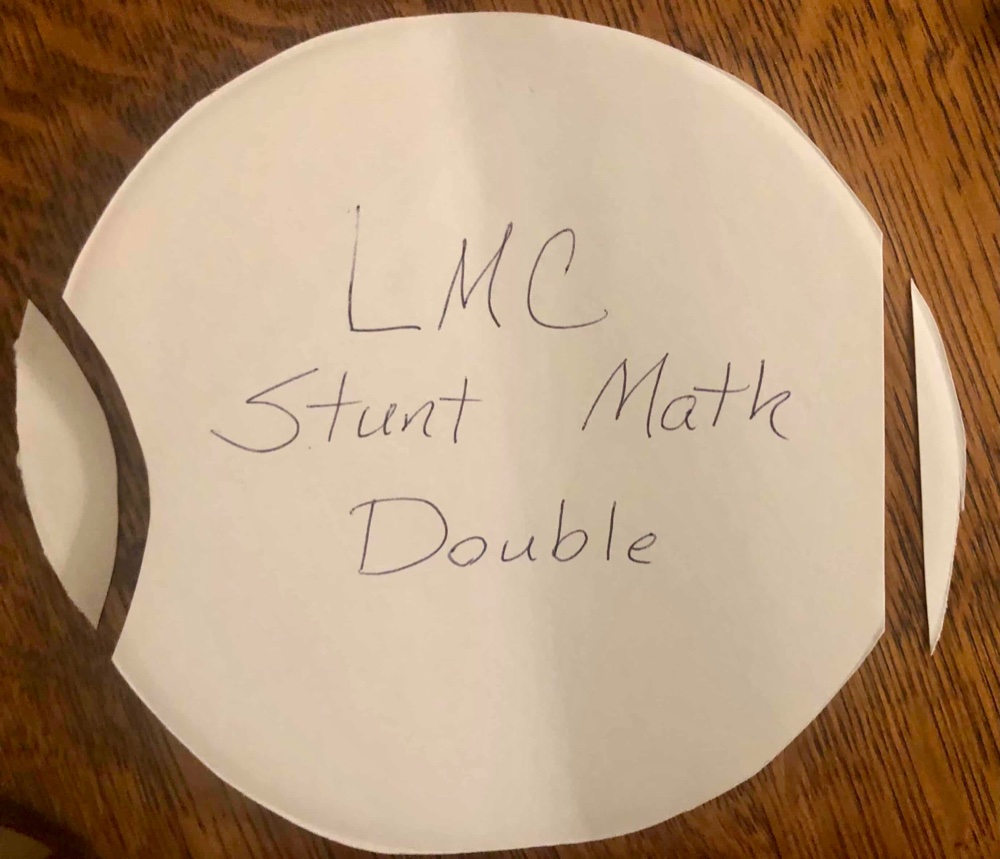 So, in a variation of the ancient, precomputer age method of integration called "cut-and-weigh" paper, I weighed the whole of my model cent and the model cent after clips. I am working from a phone screen. If I were using a computer, I would print the image of the cent and work from that. As is, I think I got close to the correct proportions. Anyway, the percentage of clipped area inferred from the weight is only about 5.9%. 5.9% of a 2.5 gram zincoln only knocks off 0.15 grams, so 2.4 or 2.3 grams on OP's balance. . 5.9% of a 3.1 gram bronze planchet only knocks off 0.18 grams. On the OP's balance, that would show as 2.9 grams. The stated measured weight of 2.5 grams is closer to which one? Edit for spelling and for some sloppiness with significant figures. Edited by Numiscrat
05/12/2021 11:57 pm
|
|
Valued Member
United States
221 Posts |
I realize that the coin will have a more variable weight distribution across it (higher mass per unit area at rims and in the middle with higher relief devices) than my model, but this picture is closer to representing a 20% clip. I crept in to the correct weight by gradually snipping off pieces. I have a feeling that we may overestimate clip area on a coin the same way most of us would grossly overestimate blood loss by looking at what has splattered on the floor, or soaked into our pants leg.... Don't ask. 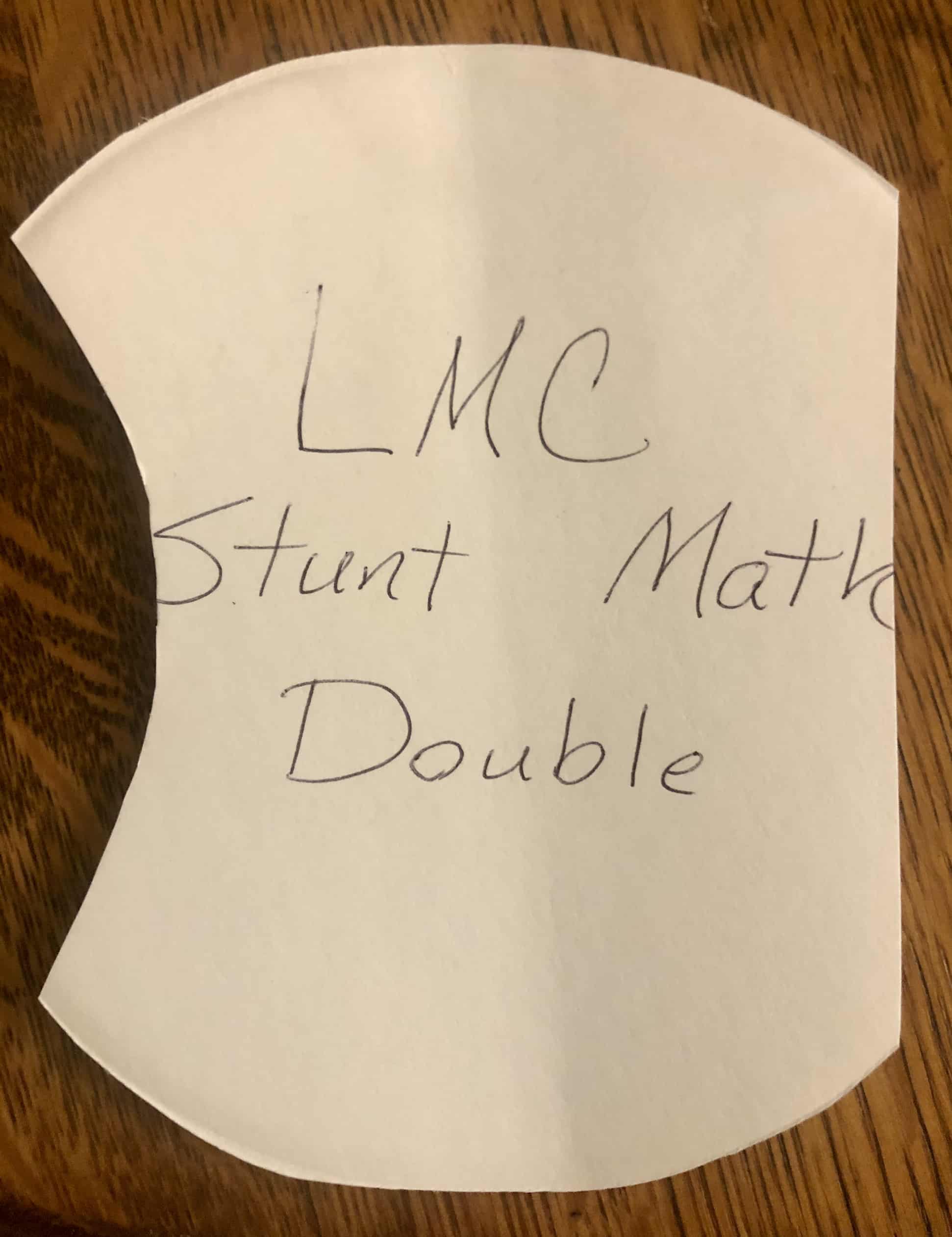 |
|
Pillar of the Community
2145 Posts |
Quote:
The stated measured weight of 2.5 grams is closer to which one? So painting the zinc core surface, that was exposed when the cuts were made with a heavy metallic copper paint, actually could have brought the coin back into zinc cent tolerances?  And I'm sticking to the paint theory - otherwise how do you explain the copper colored cuts when @coop stated about seeing the copper plating? EDIT - where's @Silviosi when we need him. Wish we had a "TAGGING" option. Edited by Rothery
05/12/2021 11:08 pm
|
|
Valued Member
United States
221 Posts |
I am not sure if those are clips or not, but the metal core looks more like zinc than copper to me. I am firmly in the "zinc" camp unless the 2.5 gram weight is wildly inaccurate. The color on the cut edge might be tarnish, a foreign substandard, or a pale shiny surface reflecting the colored light bouncing from a nearby colored surface. It looks paler than the copper surface, to me. It also has the grainy appearance of a broken off piece of zinc. As far as weight... Allowing for tolerances in the weight of a zinc LMC (plus or minus 0.13 grams) plus the uncertainty of the measurement of a scale that only measures to the nearest 0.1 gram (something + or - on the order of the last decimal place is a good place to start in the absence of calibration data or specs) a measured value of 2.5 grams for a clipped zinc LMC seems to be within the range of what we could expect. That uncertainty would account for the 0.1 - 0.2 grams (by my experiment above) or so of material that is obviously missing. So, that can explain the OP's measured weight of a 2.5 gram for a clipped zinc cent without invoking a paint hypothesis or anything else, but it won't reach far enough to cover the bronze planchet hypothesis. This amount of effort expended on this subject is probably overkill, but I'd rather do math, read about coins, and perform experiments than work on my taxes, so the rest of you are just going to suffer my ramblings.... Please forgive me. |
|
Bedrock of the Community
United States
10635 Posts |
I'm in the PMD camp on this one.  |
|
Pillar of the Community
United States
7368 Posts |
 with Bruce |
|
Pillar of the Community
United States
1427 Posts |
Another thing to point out is the strike of the coin, it would be weakrer around the clips, as well as the clips bulging in the middle.
|
|
Pillar of the Community
United States
2752 Posts |
These two clips are genuine. The clip on the right shows fadeout and taper of the design rim as it approaches the clip. As for the clip on the left, the I of LIBERTY and the U of UNITED show metal flow next to the clipped edge. The two clipped edges do not show the classic cut-and-tear texture of a curved (concave) clip, but this feature is variably expressed. The edge should appear copper-colored whether it's a zinc cent or a copper-alloy cent. Color, luster, and the possible presence of microscopic bumps on the obverse suggests this is a copper-plated zinc cent. The zinc stock may have been thicker than normal, with the missing mass coincidentally returning it to specification weight.
Error coin writer and researcher.
|
|
Bedrock of the Community
United States
62064 Posts |
Thanks Mike. Boi due I pheele dum.
|
|
Pillar of the Community
2145 Posts |
Quote:
Boi due I pheele dum Move over Coop, ya got company -   |
|
Valued Member
 United States
81 Posts |
thank you for all the advice and help.i will be sending to NGC after this weekend so ill upload photos of the coin once its been slabbed. again thank you all.
|
|
Page 2 of 2
|
Replies: 23 / Views: 3,335 |
Page 2 of 2
|








 First Page


 Posted 05/12/2021 9:05 pm


