| Author |
 Replies: 28 / Views: 3,636 Replies: 28 / Views: 3,636 |
Page 2 of 2
|
|
|
|
Pillar of the Community
United States
1962 Posts |
Another example, sold by Cayon in 2014. "Could" possibly be the original host coin, but not certain. 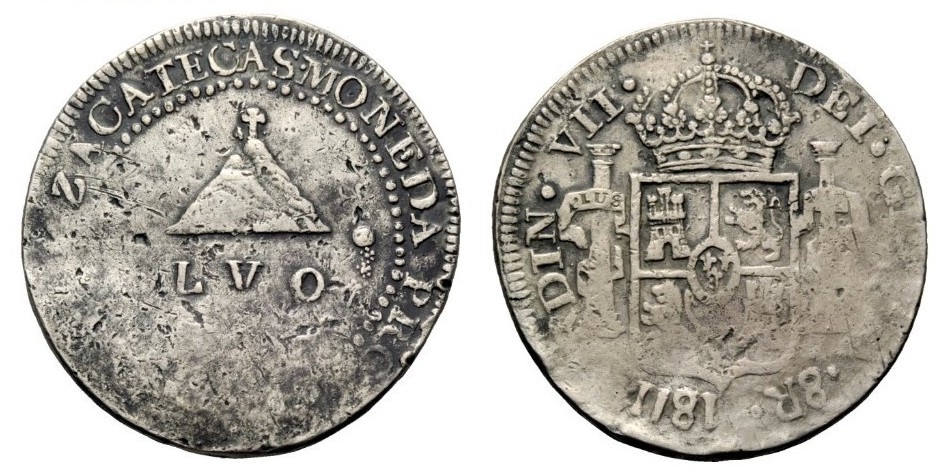 |
|
Valued Member
 United States
134 Posts |
Another one up for sale, this time with an LCM counterstamp... 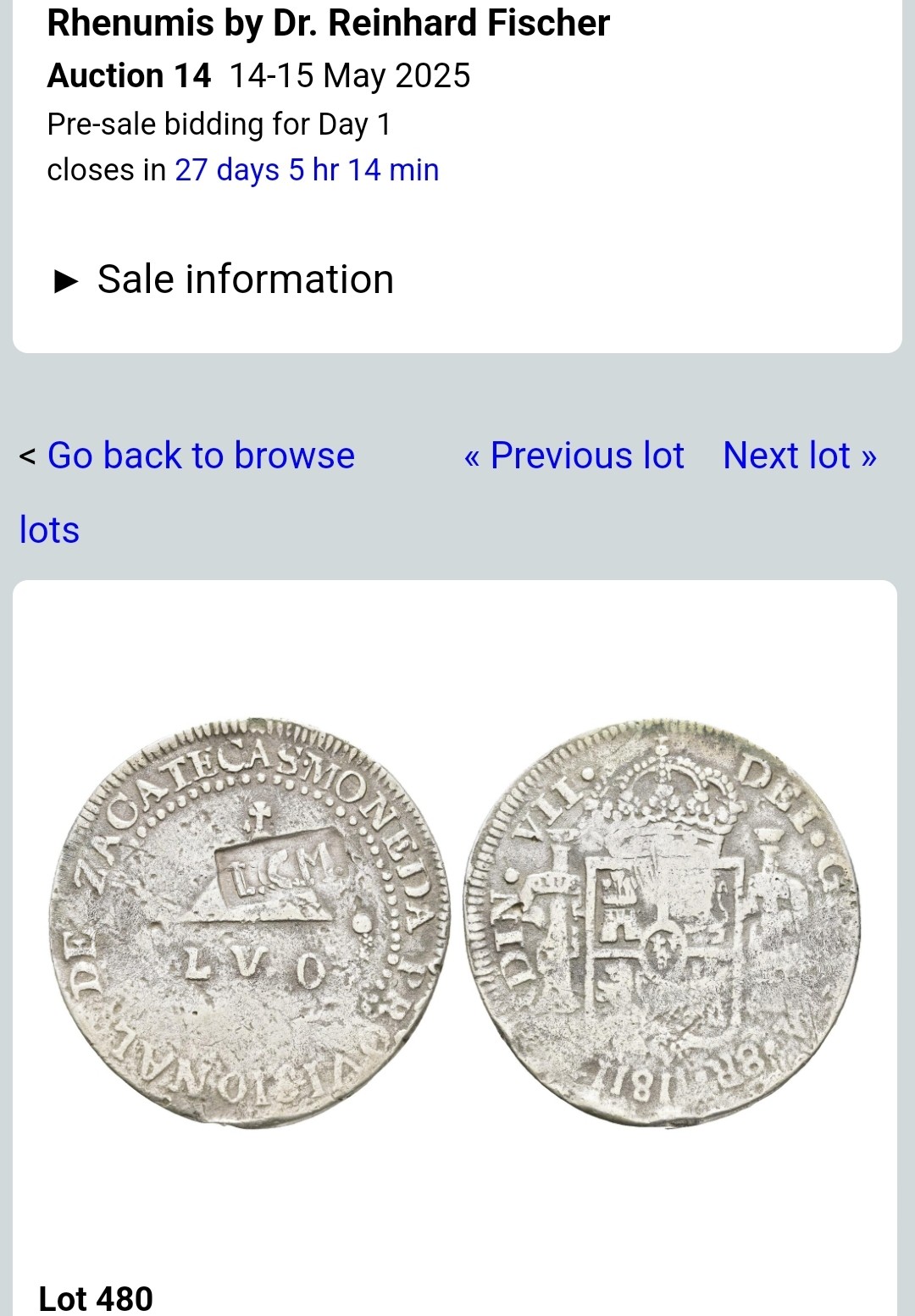 |
|
Pillar of the Community
United States
1761 Posts |
Wondering if this LCM stamp is also a counterfeit stamp? Will check over the next week. Interesting post 3/50!
|
|
Pillar of the Community
United States
3361 Posts |
"Two minutes ago I would have sold my chances for a tired dime." Fred Astaire
|
|
Valued Member
United States
134 Posts |
There are a few on Heritage that I suspect are CCCs. I will post a few screenshots when I have a chance to do a detailed look and comparison with Ramirez's reference book.
Edited by threefifty
04/21/2025 5:19 pm
|
|
Pillar of the Community
United States
3361 Posts |
The coins from Auctions 351 and 3115 look cast.
"Two minutes ago I would have sold my chances for a tired dime." Fred Astaire
|
|
Pillar of the Community
United States
1761 Posts |
That LCM stamp IMO is also bogus with the double C and right upright recut 'L' - not seen in any other recorded specimen in my reference library specimen of previous LCM auction specimens (~18 different types) along with this bogus CCC host.
Edited by colonialjohn
04/24/2025 3:56 pm
|
|
Pillar of the Community
United States
3361 Posts |
Won a 1/2 reale 1811 on CNG yesterday. Photos when I get it. Peaks are outlined, lettering is good. LVO's are very hard to find these days. Hope it's real.
"Two minutes ago I would have sold my chances for a tired dime." Fred Astaire
|
|
Valued Member
United States
134 Posts |
Congrats! I put in a few early bids for that one, nice coin. My opinion is that it is genuine. I still need to sit down and look through the Heritage coins you linked in detail.
|
|
Pillar of the Community
United States
3361 Posts |
Thanks threefifty. I have a very worn 1811 bust with some of the provincial lettering but this is the first LVO.
"Two minutes ago I would have sold my chances for a tired dime." Fred Astaire
|
|
Pillar of the Community
United States
3361 Posts |
The 1811 1/2 reale LVO arrived. It appears to have been gold plated at one time. It is 0.4 grams heavier than a normal colonial 1/2 reale. With cross lighting the full peak outline can be seen but it is weak at the top.The lettering is strong and it's well centered. It looks struck rather than cast. The next time I go to the local coin shop I'll get an XRF. 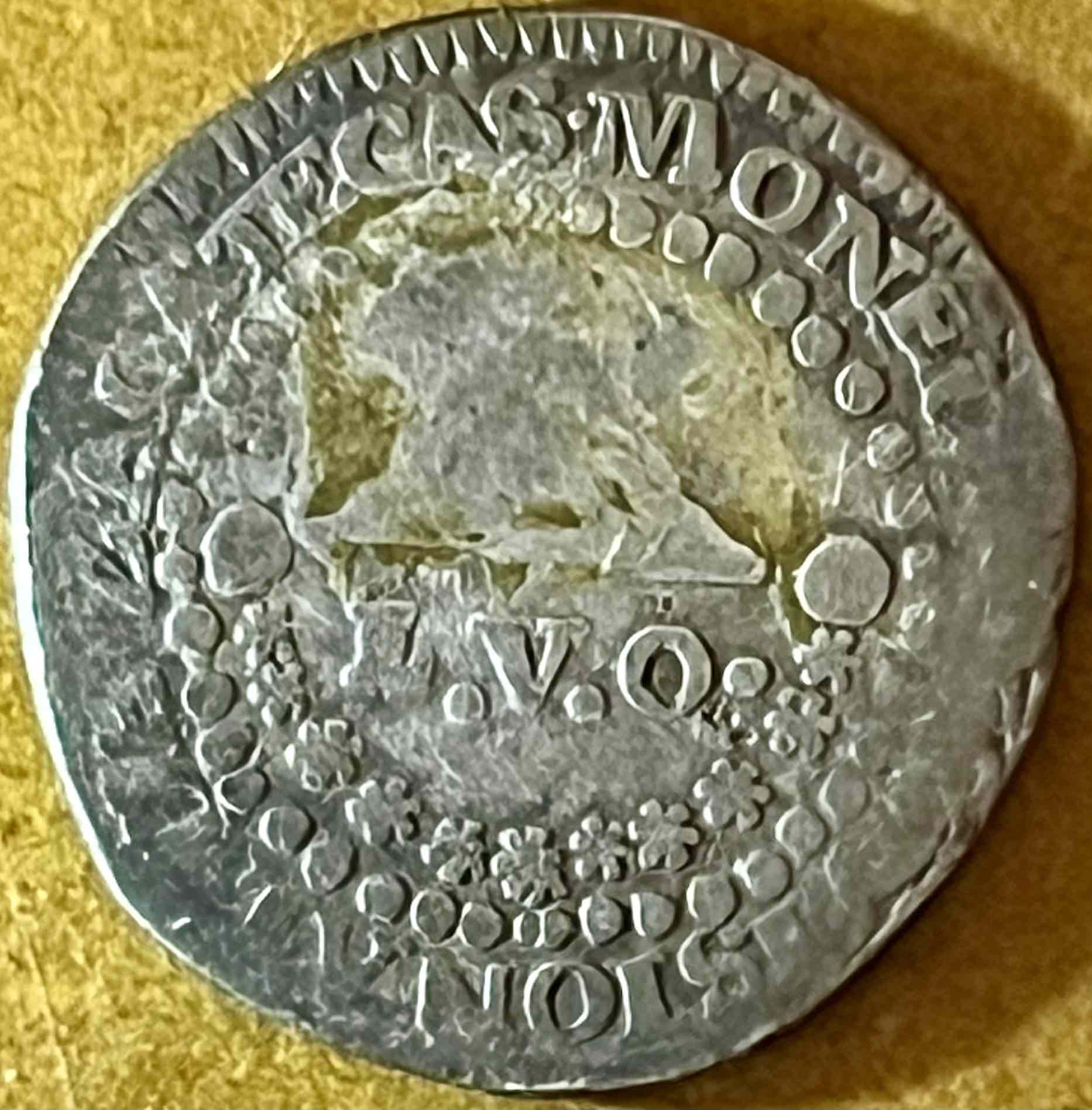 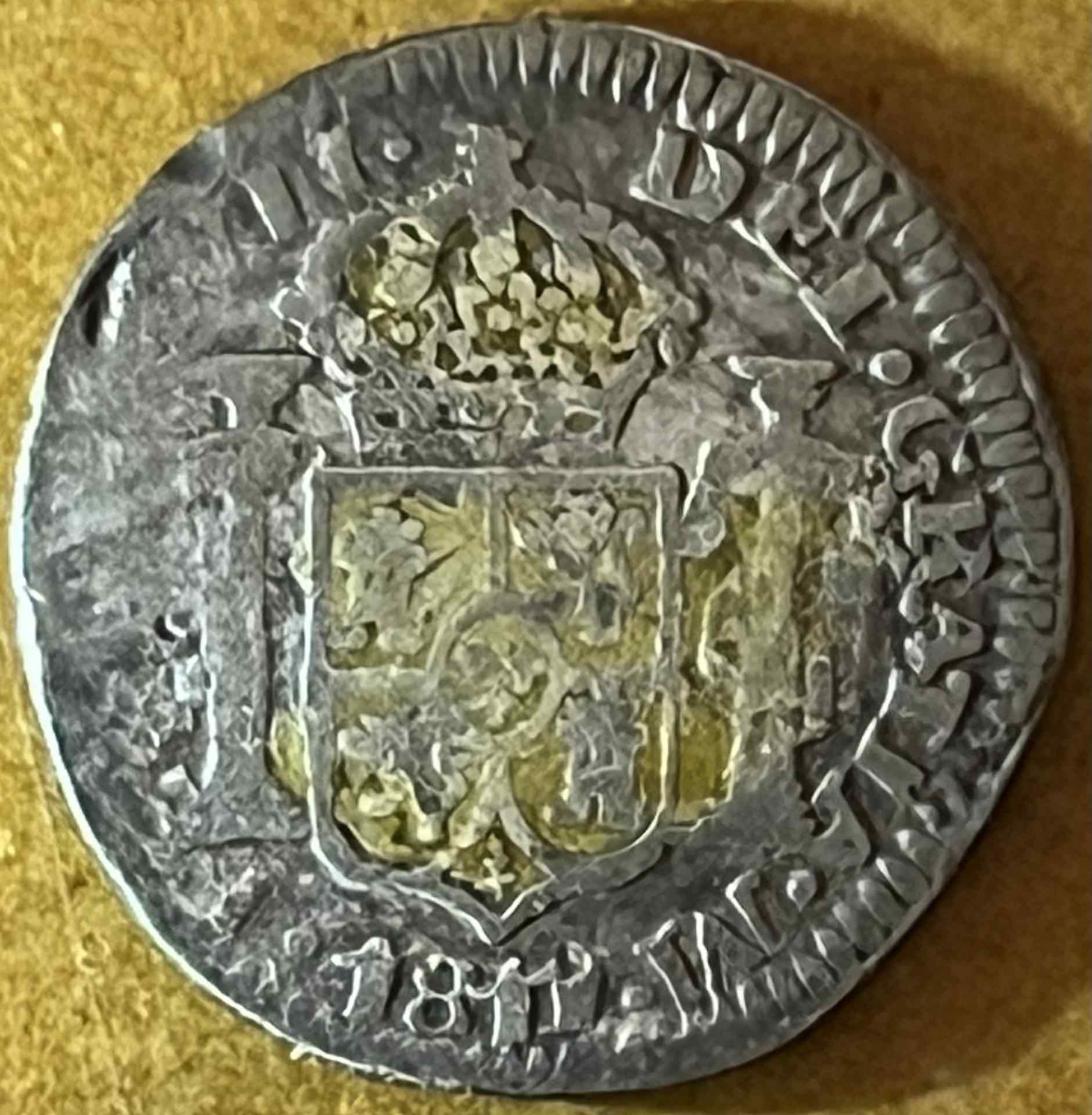 "Two minutes ago I would have sold my chances for a tired dime." Fred Astaire
Edited by thq
05/13/2025 7:50 pm
|
|
Valued Member
United States
134 Posts |
Really nice coin thq. The auction listing referred to the yellow color as adhesive residue, so you think it might be gold plating instead?
|
|
Pillar of the Community
United States
3361 Posts |
The XRF might be able to sort that out. I'll soak it in water to see if it comes off. It's on both sides in the center, not what I'd expect for someone cementing the coin to a surface. I wonder whether someone might have tried to pass it off as a 1/2 escudo. The two Heritage 1/2 reale LVO's don't show weights. There's an ebay 2R LVO listed right now that's significantly overweight. "Two minutes ago I would have sold my chances for a tired dime." Fred Astaire
|
|
Valued Member
United States
134 Posts |
It's a good time for LVOs right now with 4 on ebay that I can think of. I think you probably mean the local arms 2R. There was a presentation at USMEX several years ago by Juan Felipe Ramirez and I recall his contention was the local arms issues were intentionally heavier with higher purity silver to help encourage acceptance of the coinage. |
|
Pillar of the Community
United States
3361 Posts |
Water soaking removed the yellow residue on the coin. The peak and shield are now better defined.
I got an XRF today. 100% silver. I was worried about the coin being debased, not excessively pure. Here's my theory. Zacatecas had very sophisticated silver refining and smelting capability in 1810, but Mexico City did the alloying and coinage. The new Zacatecas government was left with coining their refined silver. I have not been able to find records for silver purity for Zacateca's Patio process, but a Patio silver bar from Gould and Curry in 1860's Virginia City has a marked purity of 96.8%. The rest of the jump to 100% maybe due to surface oxidation. Or possibly due to the higher purity of Spanish silver. Atocha ingots are typically 99% or above.
The people at the shop said send it in and get it slabbed.
"Two minutes ago I would have sold my chances for a tired dime." Fred Astaire
Edited by thq
05/15/2025 8:57 pm
|
|
Page 2 of 2
|
Replies: 28 / Views: 3,636 |
Page 2 of 2
|







 First Page
 Posted 04/17/2025 3:28 pm





