| Author |
 Replies: 31 / Views: 1,431 Replies: 31 / Views: 1,431 |
Page 3 of 3
|
|
|
|
Pillar of the Community
United States
1709 Posts |
 To upload images, click on the "add images" button below the text box if you are replying from directly at the bottom of the topic. Once the full response page loads (the one with a yellow bar of "helpful posting links" at the top), there is an "Upload Image" link in between the text box and the "Post new reply" button. Please crop your images as best possible, and best of luck with the collection! |
|
New Member
 United States
22 Posts |
|
|
Pillar of the Community
 United States
8052 Posts |
|
|
Valued Member
United States
96 Posts |
The best thing that I can think to do to determine value is take 80% of recent ebay sales. If you were to sell them on ebay, only about 80% of the sale price would actually go to you. I would highly discourage you from selling to a traveling buying event. A local coin shop would be the best if you are wanting to liquidate everything quickly, but in order to get the maximum value in a reasonable amount of time, I would set up listings on ebay at or a few dollars below the lowest price that each coin is currently available for. The best way to determine condition for pricing purposes is to look at the PCGS photograde website linked below. https://www.pcgs.com/photogradeI have only been on this forum a few months, but I have found that this is definitely the place to come if you want an honest, unbiased opinion that is in your best interest. I am curious to see more pictures and hear updates, best of luck! |
|
Valued Member
United States
96 Posts |
I would also agree that a bluebook is far more accurate at determining selling value that the RedBook. |
|
Pillar of the Community
 United States
6853 Posts |
Quote:
I think this is close to bullion value, but due to the exceptionally high bullion price right now, that's what's happened to many such items.  https://en.numista.com/311551 https://en.numista.com/311551 |
|
New Member
United States
22 Posts |
Whew. Finally finished initial inventory of the coins, with at least some level of pictures of all of them. My spreadsheet has 124 line items; some individual higher-value coins, some are sets e.g. a whole bunch of envelopes or sheets. Here's a bunch of rolls. Generally most things like this are mid-20th-century. 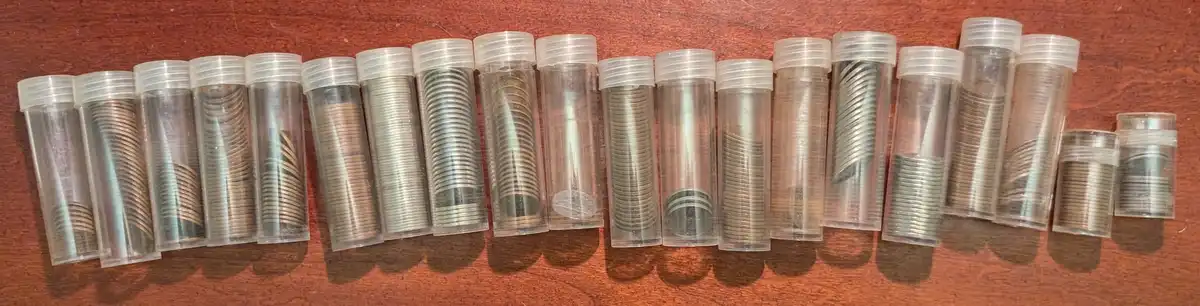 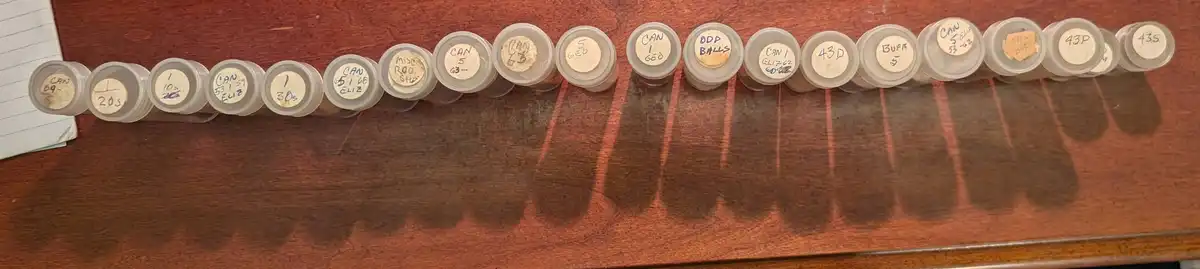 Most of those are lower-value things, though I know that one roll of silver Roosevelts is nice. |
|
New Member
United States
22 Posts |
An example of what I'm dealing with - gobs of basic stuff including a lot that is not well marked, and in sheets. This is a notebook of US coins - there's also one of Canadian and one of world coins (that one is really cool) 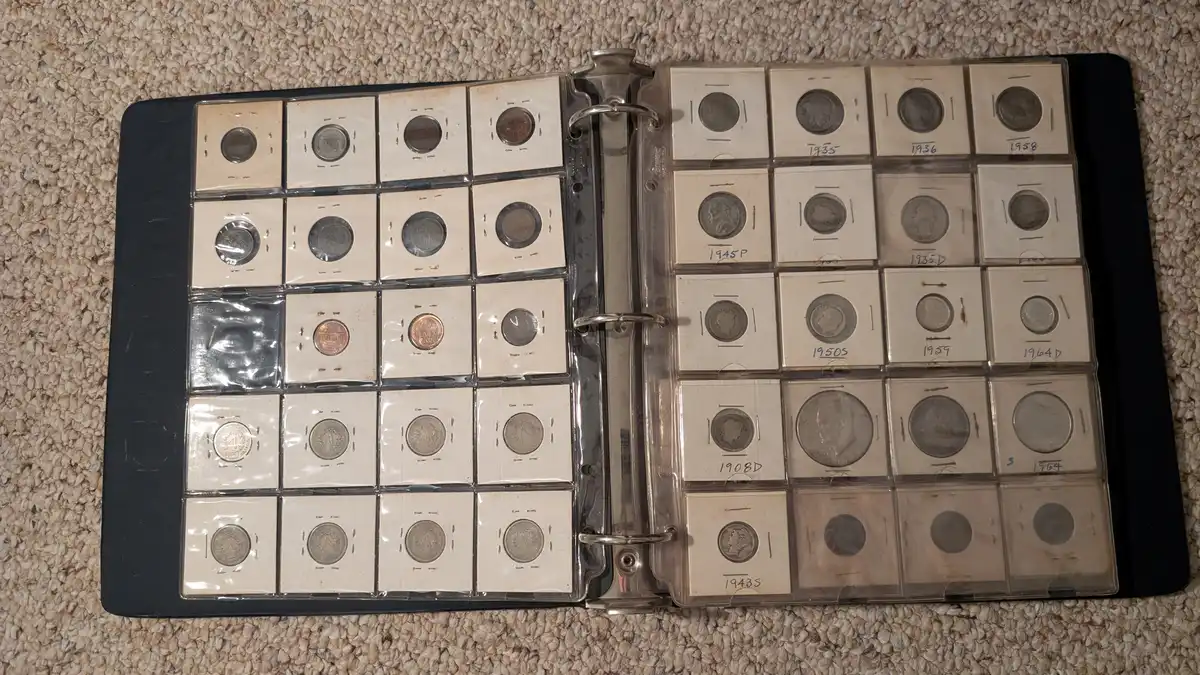 |
|
New Member
United States
22 Posts |
However there are some good higher-value certed ones amongst: 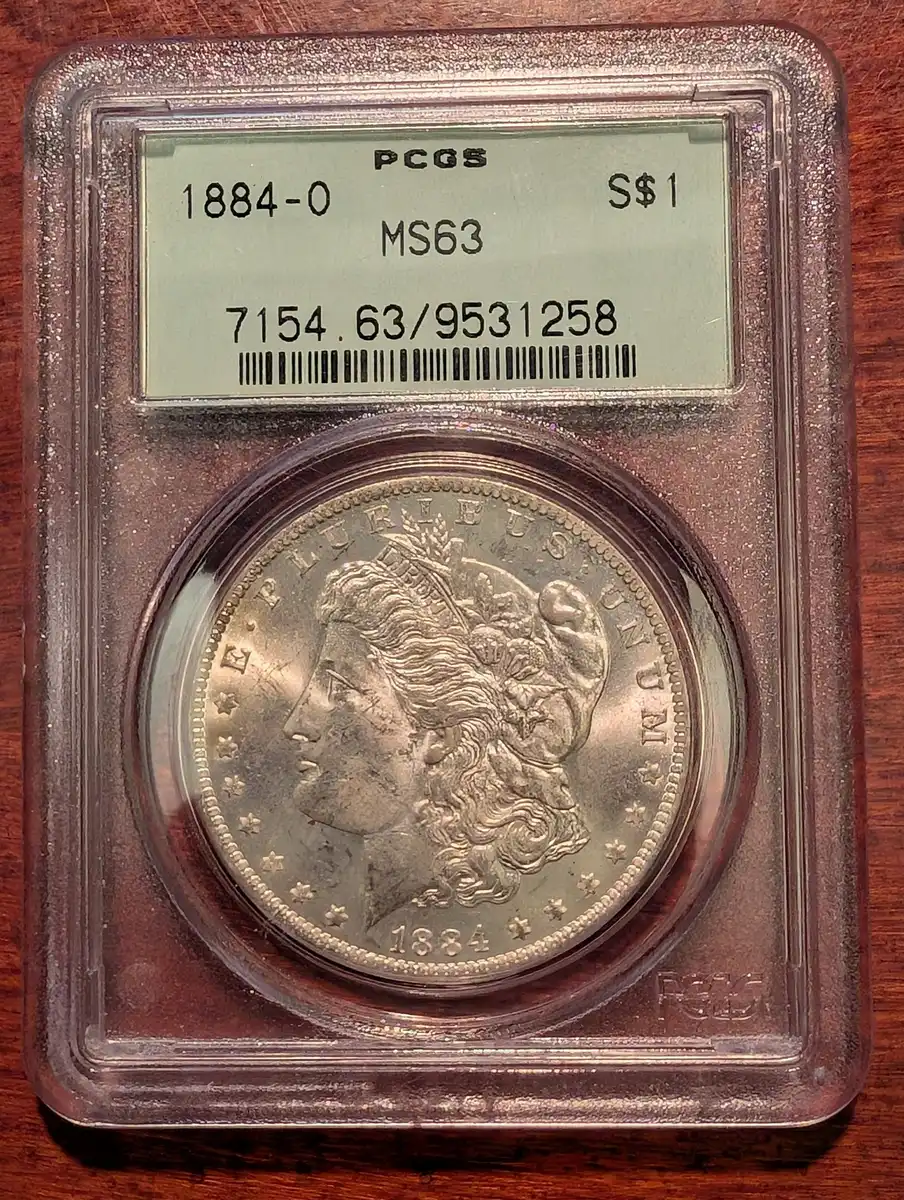 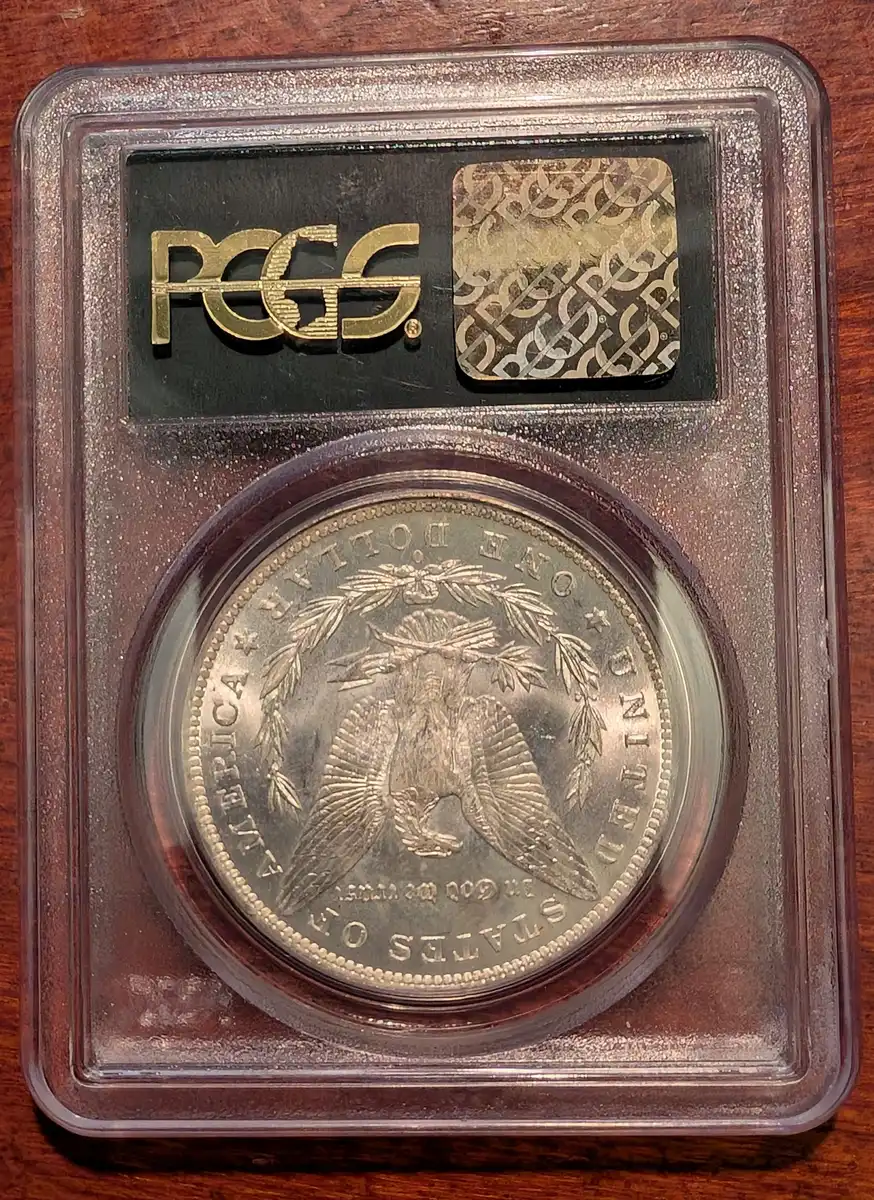 Edited by WolfStock
08/01/2026 07:44 am
|
|
New Member
United States
22 Posts |
Thanks for the tip on the blue book. I had seen about that and wondered. I'll be getting the 2027 one when it comes out, which is really soon.
Also thanks for the links to the other sites.
|
|
Bedrock of the Community
United States
19563 Posts |
Feels like a peek in the window of a combination toy store and milkshake joint--very cool in my eyes!
|
|
New Member
United States
22 Posts |
Yeah I love this stuff. Though it does make me a bit melancholy since Dad passed away a couple of years ago, and he's not around to talk with about this.
He lived a good life, and we did spend tons of time talking about his past and life, looking at pictures, etc. I regret not spending more time specifically talking about his collections though.
(I also got his stamp collection - don't get me started. That's going to be painful, as it's a huge collection of low-value stuff. I won't even touch that until after I retire.)
|
|
Moderator
United States
195559 Posts |
Thank you for sharing the photos.  |
|
New Member
United States
22 Posts |
Went to good coin shop and sold most of the easy high-value stuff yesterday. Unfortunately I wasn't quite as well-prepared as I could have been. Might not have gotten as much as I could have, but its a significant drive from where I live, and since this is an inherited collection and I want to send funds to family I wanted to just get it done. Sold most of the Morgans for a decent price I think, and sold much of the junk silver. After looking more this morning I probably could have gotten more for the junk silver than I did. I got 30x face value, which works out to be about 61% of spot melt. At the time when presented the 30 number I wasn't sure how to do the math, and just trusted them (it's a good shop, that's been around for about 40 years), but in hindsight should have done the math before going and set a higher threshold and not accepted that. Oh well. Note to self - do more homework before doing that again. All the rest was either not worth their time, or is enough of a mixture that I need to spend a lot more time filtering through and deciding if I want to sell vs keep, and if selling how much I want to get. May go back sometime down the road, or just sell on ebay etc. (as a "not worth the time" extreme example - there are several sheets with dozens of flips of just plain wheat pennies - like literally the flip costs more than the coin itself! Can't believe my dad did that.) |
|
Moderator
United States
195559 Posts |
You probably did well. Remember, a coin dealer needs to make a profit, so you are not going to get what you would when selling directly to a collector. However, direct sales requires more time and effort, which is akin to money.
|
|
Page 3 of 3
|
Replies: 31 / Views: 1,431 |
Page 3 of 3
|







 First Page
 Previous Page

 Posted 07/31/2026 06:38 am





