By popular demand - OK, at the suggestion of two - I present a review of the classic-era US commemorative coins that are very often a surprise to most collectors in terms of which of their designs is officially on the obverse and which is on the reverse.
The traditional convention - not law - for
US coins has been that the date is found on the obverse and the denomination is on the reverse. (All bets have been off, however, since the
Statehood Quarter's Program was launched in 1999.) Second to the date/denomination "rule" is the convention that the obverse of a coin is the side with the portrait or main device. But, as neither of these traditions are codified, variations exist in quantity with the US commemorative coin series.
Among the classic-era US commemorative half dollars:
The
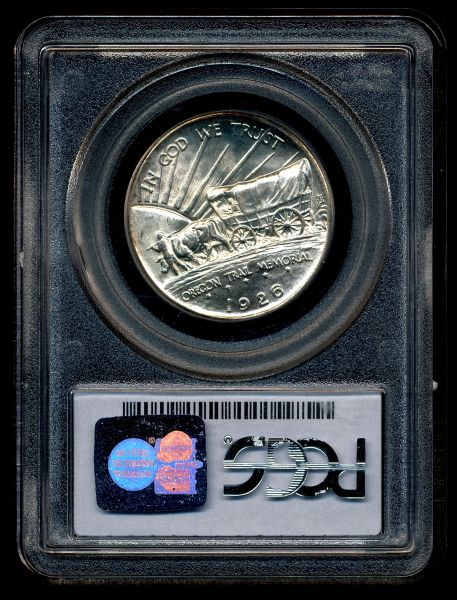
1926-39 Oregon Trail Memorial Half Dollar tops the list as the commemorative half dollar that garners the most design discussion and debate. Per the US Mint, the official obverse of the coin is the side that depicts the Conestoga wagon heading west toward the setting sun. A quick look at
TPG encapsulations ("slabs") and dealer/collector 2x2's will tell you, however, that, today, most in the hobby consider the side with the standing Native American to be the obverse. It is also reported that
James Earle Fraser and
Laura Gardin Fraser, the husband and wife co-designers of the coin, considered the Native American ("Indian" at the time) to be on the obverse.
In the Mint's defense, the side with the wagon features the mintage date and the Native American side specifies the coin's denomination (i.e., in line with traditional conventions).
1926-39 Oregon Trail Memorial Half Dollar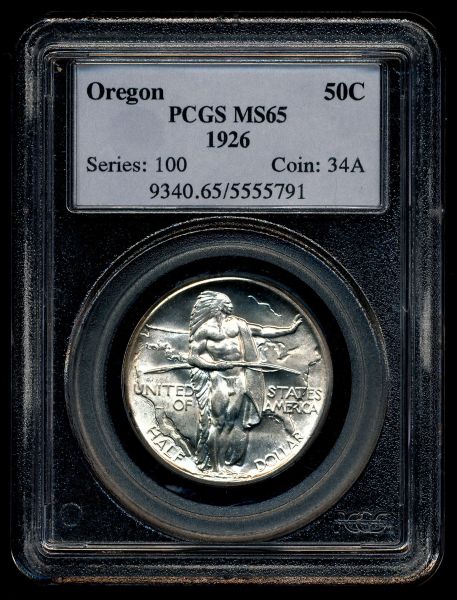
Next up is the
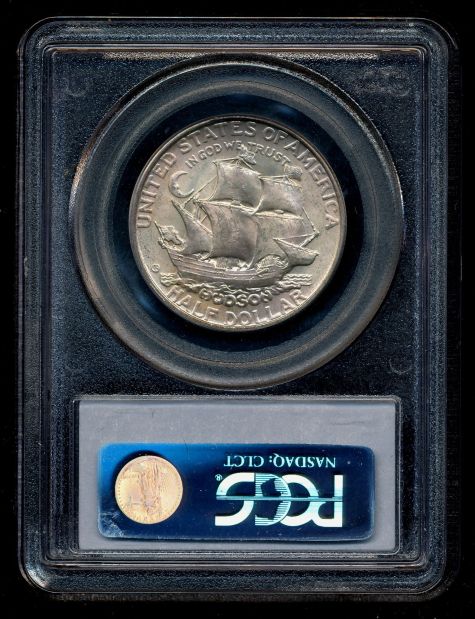
1935 Hudson, NY 150th Anniversary Half Dollar. The "Neptune riding a whale" design (adapted from the Hudson City Seal) is generally considered to be on the coin's obverse. The placement of the coin's dates and denomination notwithstanding, the Mint considers Neptune and the whale to be on the coin's reverse with Henry Hudson's
Half Moon sailing ship found on the obverse.
1935 Hudson, NY Sesquicentennial Half Dollar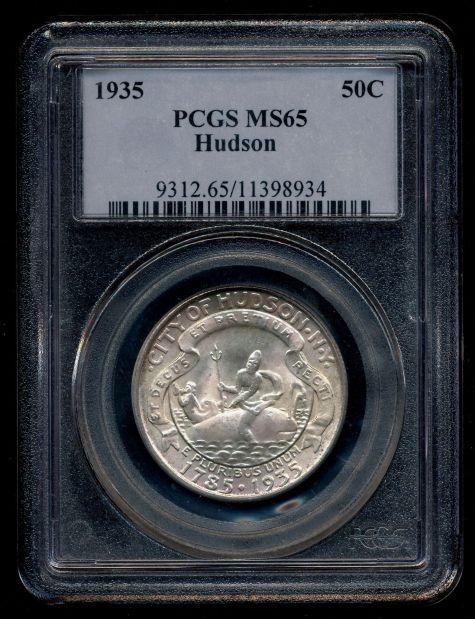
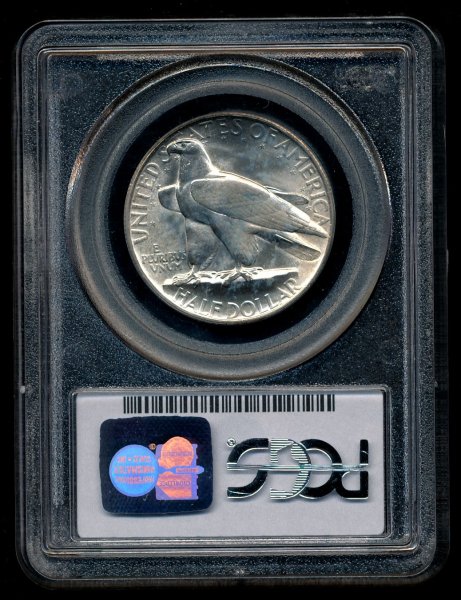
The next one is likely to surprise the majority...The eagle design of the
1935 Connecticut Tercentenary Half Dollar is considered by the Mint to be on the obverse side, with the Charter Oak filling the coin's reverse. When was the last time you considered the Charter Oak
not to be on the coin's obverse? The coin is another that flies in the face of the obverse-date / reverse-denomination convention.
1935 Connecticut Tercentenary Half Dollar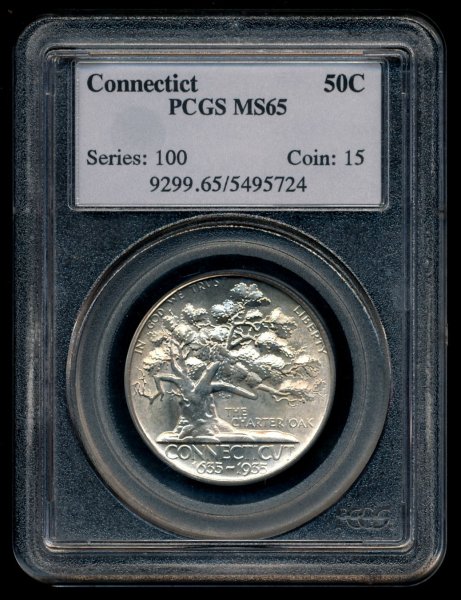
Each of the two designs used on a half dollar to help commemorate the
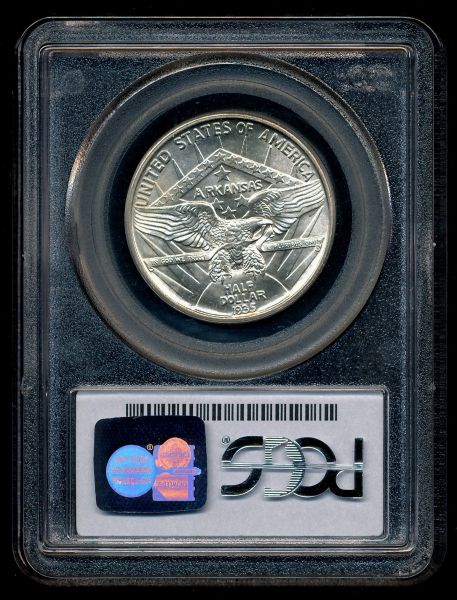
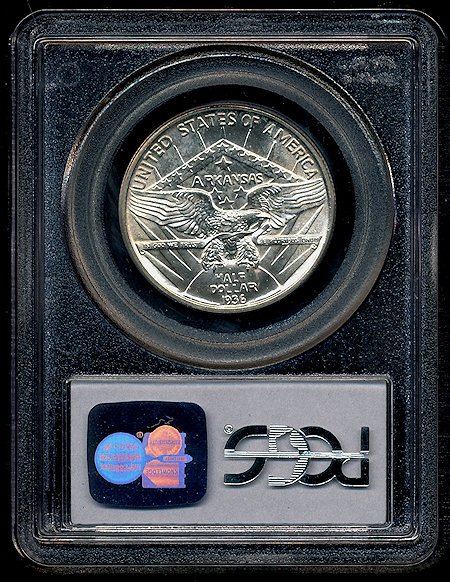
Arkansas Statehood Centennial features one or more portraits on one of its sides with a bold eagle displaying outstretched wings on the other. The grading services, and most collectors, view the conjoined portraits of
Liberty and the Native American chief, or the portrait of Senator Joseph T. Robinson, to be the obverse design on their respective coin. In fact, however, the official obverse of the coin is the side that features the eagle design.
Arkansas Statehood Centennial - Miss Liberty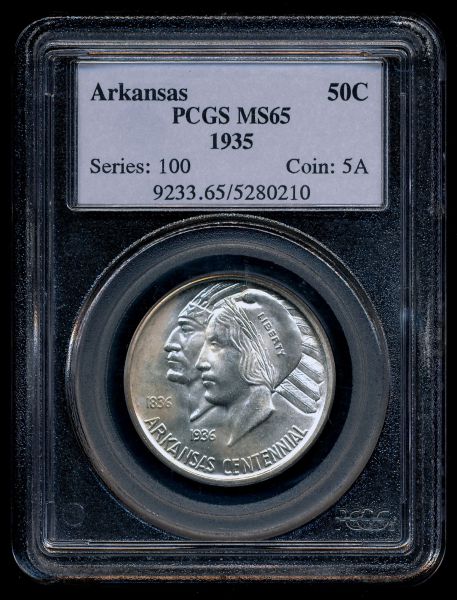
 Arkansas Statehood Centennial - Robinson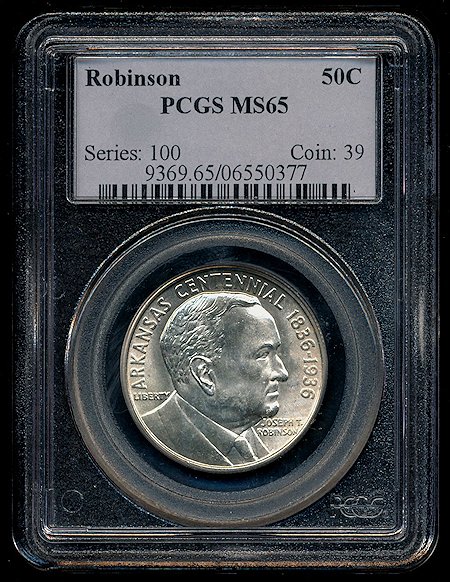
The
1936 Wisconsin Territorial Half Dollar is another commemorative piece at which many collectors shake their head when they learn that the Mint considers the side with the badger to be the coin's obverse, with the adaptation of the Wisconsin Territorial Seal being the reverse design. I made the mistake for many years before learning the official view of the designs.
1936 Wisconsin Territory 75th Anniversary Half Dollar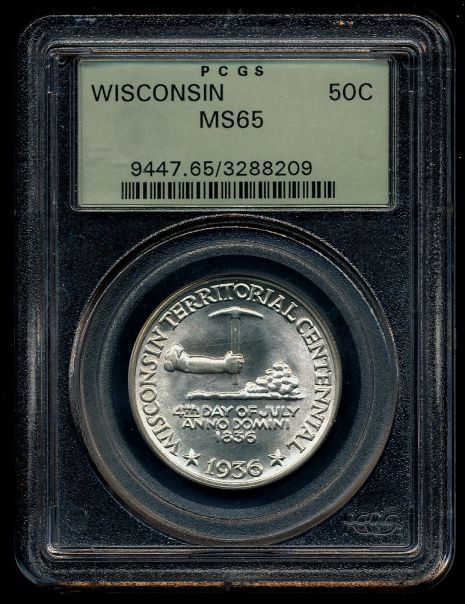
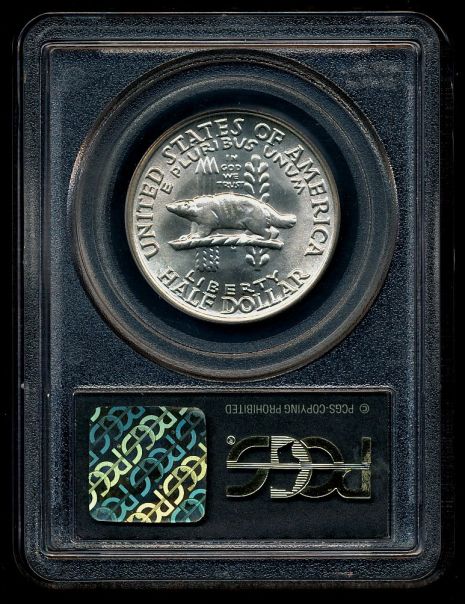
I've examined many dozens of examples of the
1936 York Country Tercentenary Half Dollar over the years - in PCGS holders, NGC holders, Capital Plastics holders, cardboard 2x2s, etc. - but I don't recall a single one presenting Brown's Garrison as being on the obverse side. The Mint. however, considers the Garrison to be on the obverse and the York County Seal to be on the reverse.
1936 York County Tercentenary Half Dollar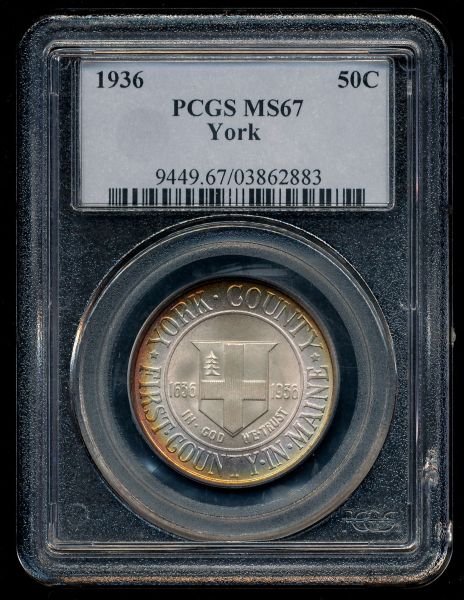
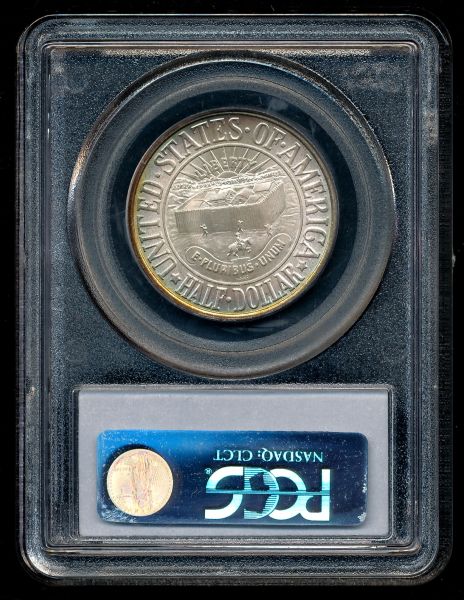
So, whether you agree with the Mint or not, now you know its thoughts on the above.
If a coin from the classic-era series wasn't included here, it indicates that the Mint and today's collectors are in sync regarding the coin's obverse and reverse designs.
Hope you enjoyed the review!
For more about any of the coins referenced here, check out:
Commems Collection.






 Posted 01/04/2022 3:09 pm