Most coin bills proposing classic-era commemorative coins were dedicated bills with a single purpose (e.g., colonial anniversary year, statehood anniversary year, city founding anniversary, etc.). There were, however, some that included two or more specified purposes in their titles. Following are the group of commemorative coins for which two or more commemorative purposes were identified in their respective enabling legislation.
Note: I have not included coins that have their authorization embedded in a Act connected to a World's Fair/Exposition, as such bills, by their nature, have multiple purposes with most unrelated to the included commemorative coin. In each of the Act titles listed below, I've added a number
(in blue) to indicate the objectives of the bill/Act; these numbers did not appear in the original legislation.
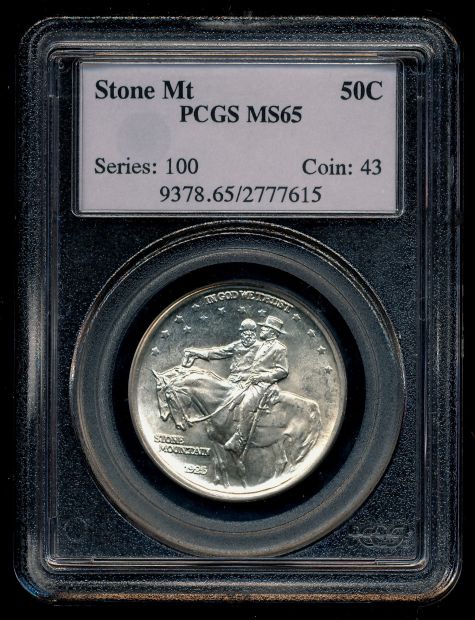
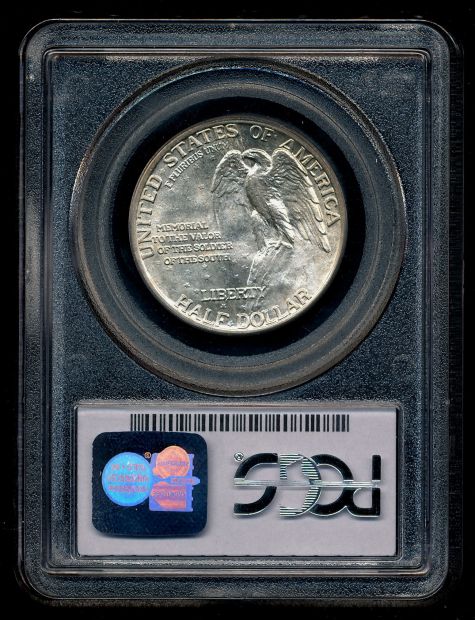
1925 Stone Mountain MemorialThe Stone Mountain half dollar was the first commemorative coin program to feature multiple objectives. Its Act reads: "An Act To authorize the coinage of 50-cent pieces
(1) in commemoration of the commencement on June 18, 1923, of the work of carving on Stone Mountain, in the State of Georgia, a monument to the valor of the soldiers of the South, which was the inspiration of their sons and daughters and grandsons and granddaughters in the Spanish-American and World Wars, and
(2) in memory of Warren G. Harding, President of the United States of America, in whose administration the work was begun.
Of course, the Warren G. Harding reference did not make its way to the final coin. (See
1925 Stone Mountain Memorial - President Harding Removed for more on this topic.
 1926-39 Oregon Trail Memorial
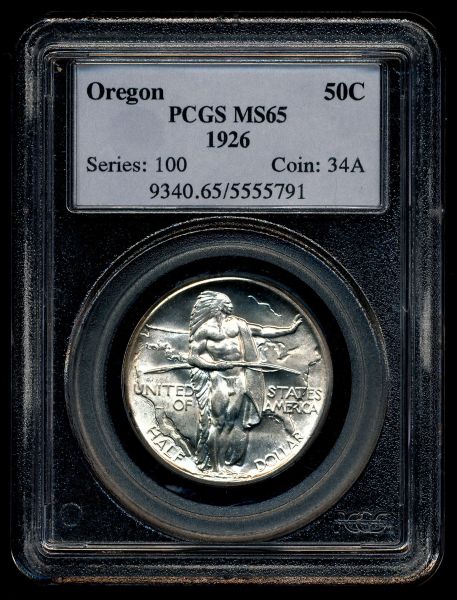
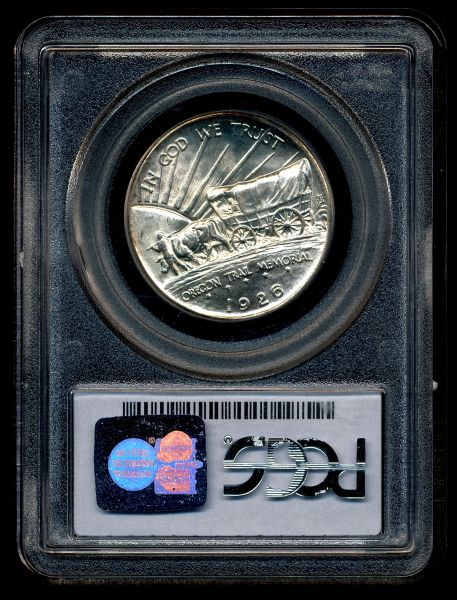
The long title of the Oregon Trail half dollar includes several objectives: "An Act To authorize the coinage of 50-cent pieces
(1) in commemoration of the heroism of the fathers and mothers who traversed the Oregon Trail to the Far West with great hardship, daring, and loss of life, which not only resulted in adding new States to the Union but earned a well-deserved and imperishable fame for the pioneers;
(2) to honor the twenty thousand dead that lie buried in unknown graves along two thousand miles of that great highway of history;
(3) to rescue the various important points along the old trail from oblivion; and
(4) to commemorate by suitable monuments, memorial or otherwise, the tragic events associated with that emigration-erecting them either along the trail itself or elsewhere, in localities appropriate for the purpose, including the city of Washington.
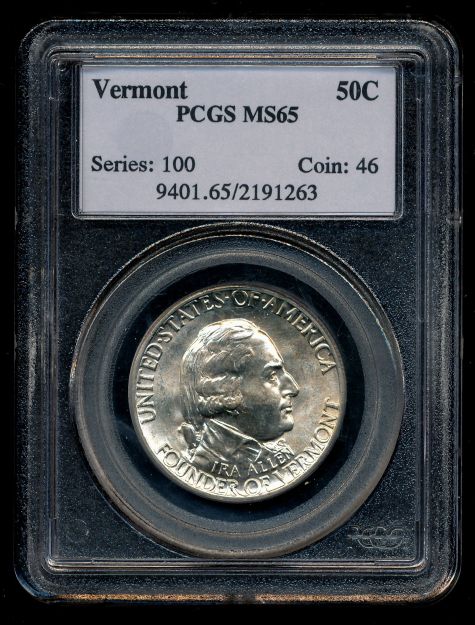
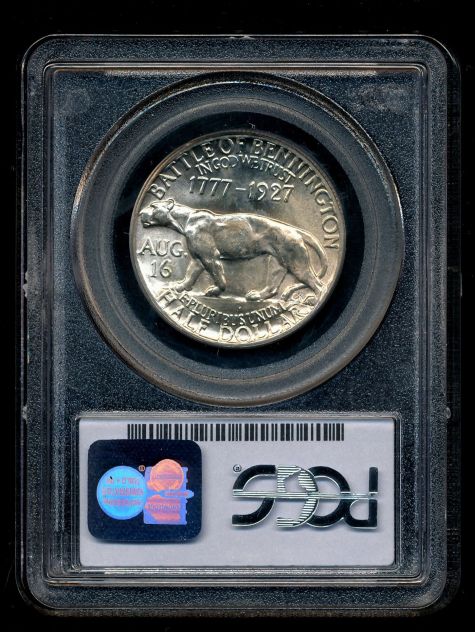
 1927 Battle of Bennington / Vermont Independence Sesquicentennial
The title of the Bennington / Vermont Independence half dollar Act reads: "An Act To authorize the coinage of silver 50-cent pieces
(1) in commemoration of the one hundred and fiftieth anniversary of the Battle of Bennington and
(2) the independence of Vermont..." Clearly, a dual purpose commemorative coin!
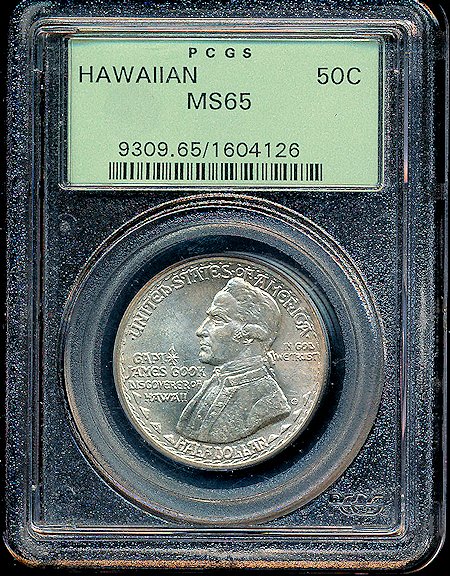
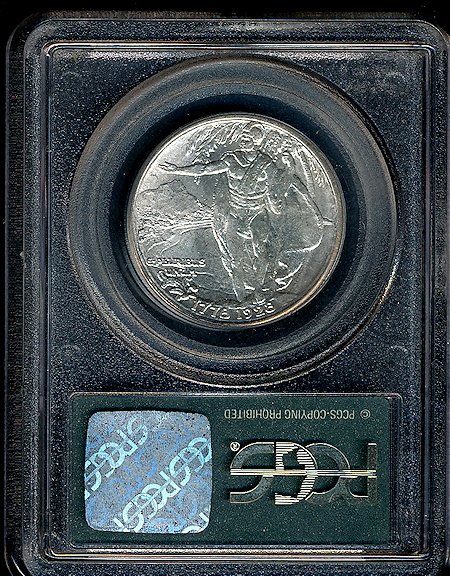
 1928 Hawaiian (European) Discovery Sesquicentennial
The title of the Hawaiian Sesquicentennial half dollar Act reads: "An Act To authorize the coinage of silver 50-cent pieces
(1) in commemoration of the one hundred and fiftieth anniversary of the discovery of the Hawaiian Islands by Captain James Cook, and
(2) for the purpose of aiding in establishing a Captain James Cook memorial collection in the archives of the Territory of Hawaii.
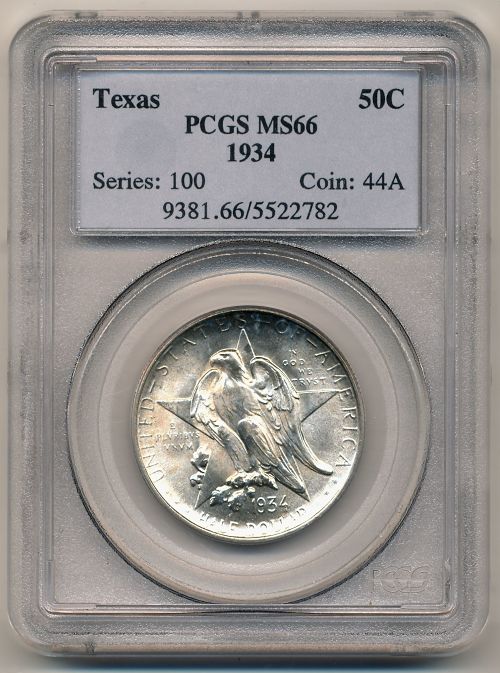
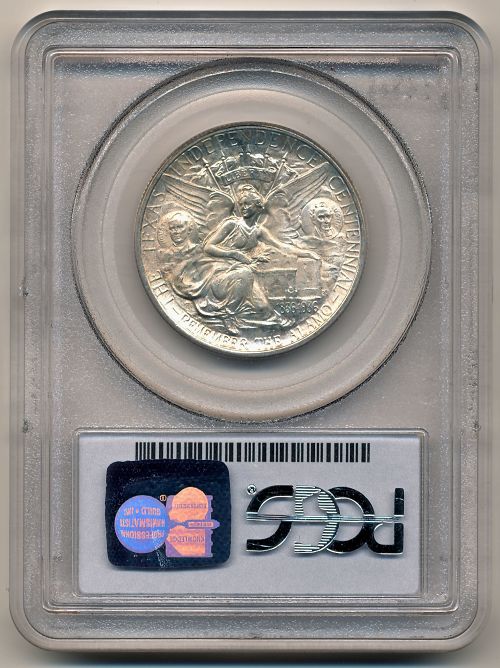
 1934-38 Texas Independence Centennial
The title of the Texas Centennial half dollar reads: "To authorize the coinage of 50-cent pieces
(1) in commemoration of the one hundredth anniversary in 1936 of the independence of Texas, and
(2) of the noble and heroic sacrifices of her pioneers, whose revered memory has been an inspiration to her sons and daughters during the past century.
 1936 Elgin, IL Centennial
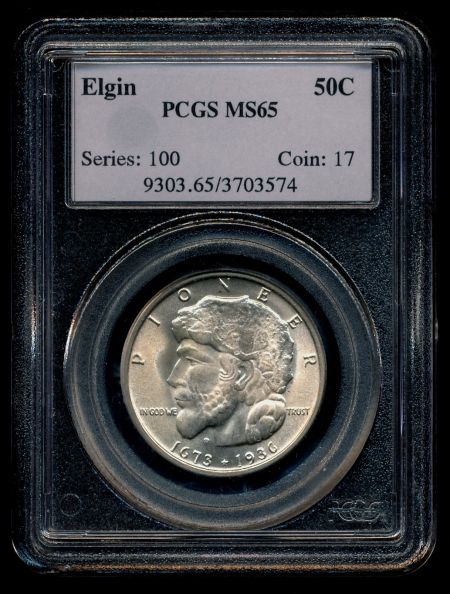
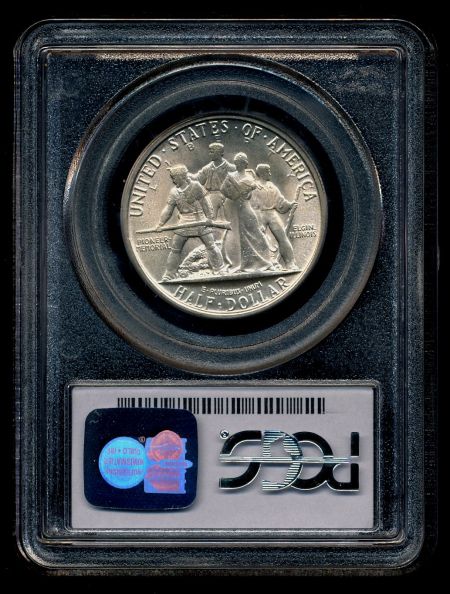
Though related, the Elgin legislation had two distinct purposes, its Act reads: "To authorize the coinage of 50-cent pieces
(1) in commemoration of the one hundredth anniversary of the founding of the city of Elgin, Illinois, and
(2) the erection of a heroic Pioneer Memorial."
 1936 Norfolk, VA Bicentennial / Tricentennial
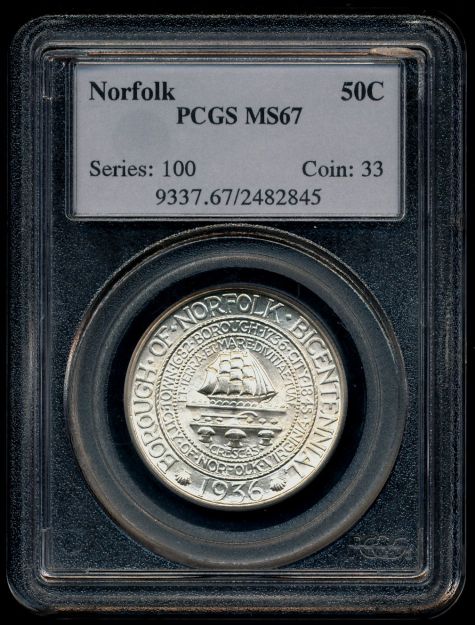
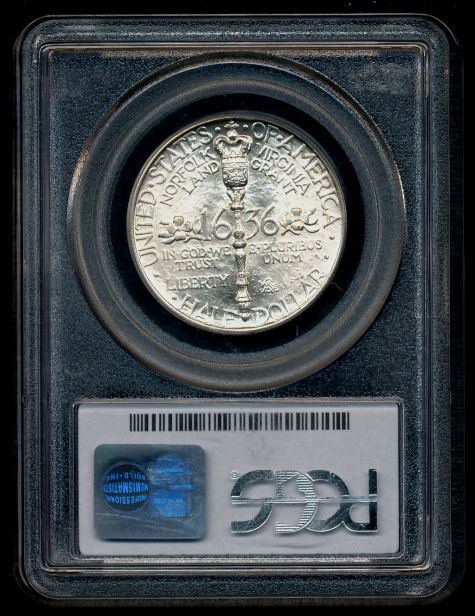
The 1936 Norfolk half dollar is possibly the most obvious of the multi-objective coins - its obverse highlights the 200th anniversary of the Borough of Norfolk, while its reverse prominently presents notice of Norfolk's land grant in 1636. The coin's Act reads: "To authorize the coinage of 50-cent pieces
(1) in commemoration of the three hundredth anniversary of the original Norfolk (Virginia) land grant and
(2) the two-hundredth anniversary of the establishment of the city of Norfolk, Virginia, as a borough.
 1937 Roanoke Colony Memorial
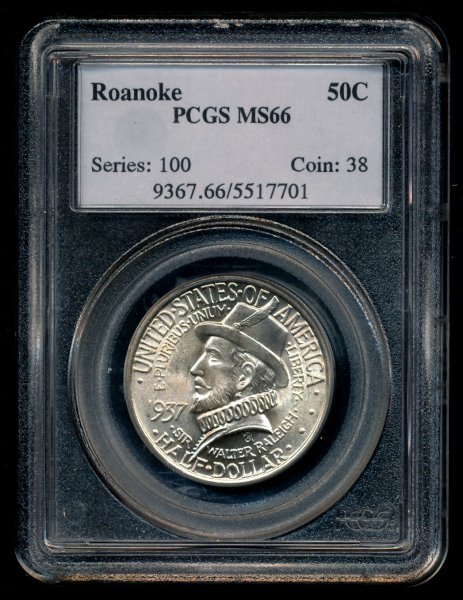
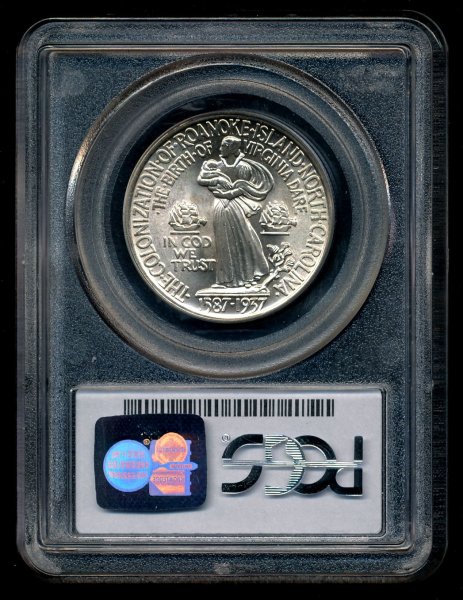
The Roanoke half dollar commemorates two related but independent events. The coin's Act reads: "To authorize the coinage of 50-cent pieces
(1) in commemoration of the three hundred and fiftieth anniversary of Sir Walter Raleigh's colony on Roanoke Island, North Carolina, known in history as the Lost Colony, and
(2) the birth of Virginia Dare, the first child of English parentage to be born on the American continent.
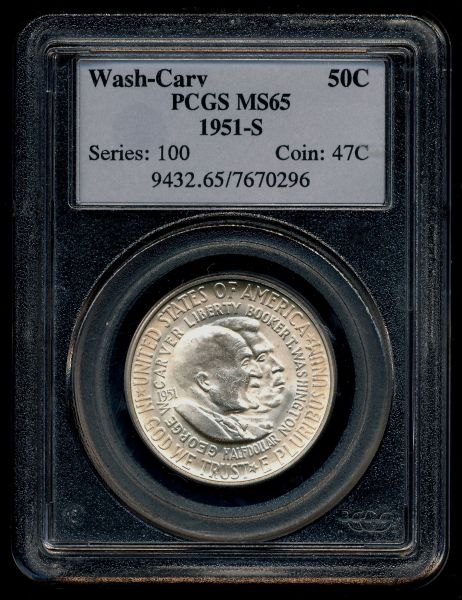
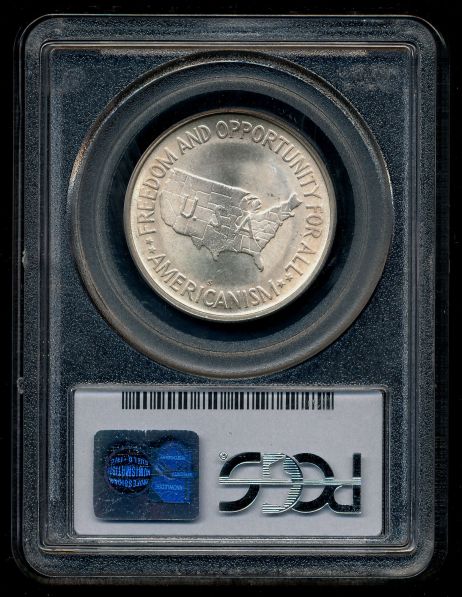
 1951-54 George Washington Carver - Booker T. Washington
Due to the George Washington Carver - Booker T. Washington half dollar being the result of an amendment to the original Booker T. Washington Birthplace Memorial Act, it is necessary go beyond the title of GWC-BTW Act to read "That in order to commemorate the lives and perpetuate the ideals and teachings of
(1) Booker T. Washington and
(2) George Washington Carver, two great Americans." in its body. Funds from coin sales went to support the BTW Birthplace Memorial in Virginia and the GWC Monument in Missouri.
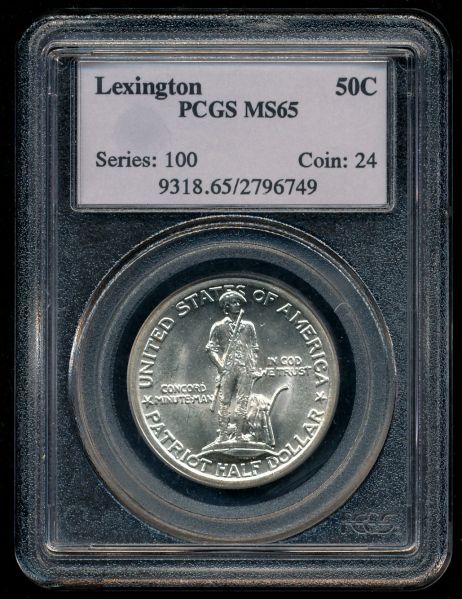
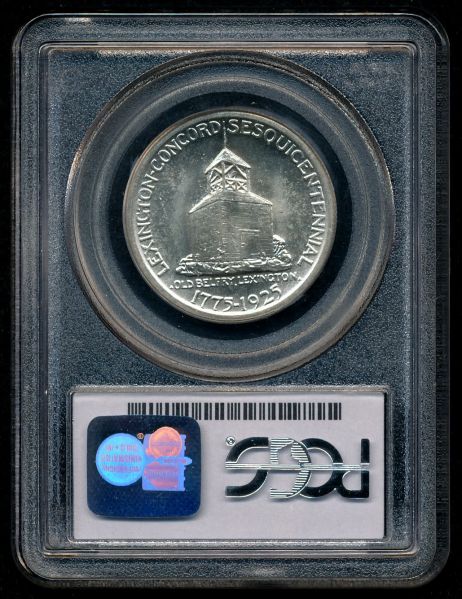
 HONORABLE MENTION1925 Battle of Lexington-Concord Sesquicentennial
The 1925 Battle of Lexington-Concord Sesquicentennial Half Dollar appears to be an obvious "dual purpose" commemorative half dollar as it simultaneously commemorates the 1775 events that took place in Lexington and Concord, two separate towns in Massachusetts - it even dedicates a side to each. History links the two so closely, however, that the battles are generally thought of as "one." The coin's Act, from a Joint Resolution that established a US Commission for the anniversary, refers to the events as: "...the Battle of Lexington and Concord..." in the singular vs. plural. In deference to those living in each town, who I'm sure are proud of their town's individual history, I include the coin here.
Did I get 'em all?
For more of my topics on commemorative coins and medals, including more on the history and design of each of the half dollars presented here, see:
Commems Collection.







 Posted 10/04/2022 10:11 am