I've posted before about the 1928 Hawaiian (European) Discovery Half Dollar and the US Congress, but did not focus on the bill that led to the coin. Such is the focus of this post. (See link to the previous posts below.)
In December 1927, Victor S. (Kaleoaloha) Houston of the Territory of Hawaii - a non-voting (Republican) delegate to the House of Representatives - introduced a bill calling for "the coinage of silver 50-cent pieces in commemoration of the one hundred and fiftieth anniversary of the discovery of the Hawaiian Islands by Captain James Cook, and for the purpose of aiding' in establishing a Captain James Cook memorial collection in the archives of the Territory of Hawaii."
The bill called for 10,000 coins without placing a restriction on the mints that could be used for coinage. As typical for the time, the bill did not specify a year/date to appear on the coins, include any restrictions on ordering the coin and did not include an expiration date. This opened the door to the possibility of P/D/S sets and/or a multi-year coin program. (Fortunately for collectors, such possibilities were not explored by the Cook Sesquicentennial Commission of Hawaii, and all of the coins were all struck in Philadelphia and dated "1928.")
The bill was immediately referred to the House Committee on Coinage, Weights, and Measures. The Committee viewed the bill favorably, and, after holding a Hearing on it, reported it without amendment and with a recommendation to pass. In its Report, the Committee referenced the letter received from Secretary of the Treasury Andrew Mellon in which he stated that his "department would interpose no objection to the enactment of this legislation."
With the Committee Report in hand, the House passed the bill without objection and sent it on to the Senate for its consideration. Once received in the Senate, it was referred to its Committee on Banking and Currency. The Senate Committee echoed the views of the House Committee, and reported the bill without amendment and also recommended that it pass. The Senate passed the bill without challenge and thus paved the way for it to be sent on to the President once each chamber examined and signed the approved version.
US President Calvin Coolidge signed the bill into law on March 7, 1928. With his signature, Coolidge officially created the first classic-era commemorative coin for a US Territory (Hawaii did not become a State until 1959.).
1928 Hawaiian (European) Discovery Sesquicentennial Half Dollar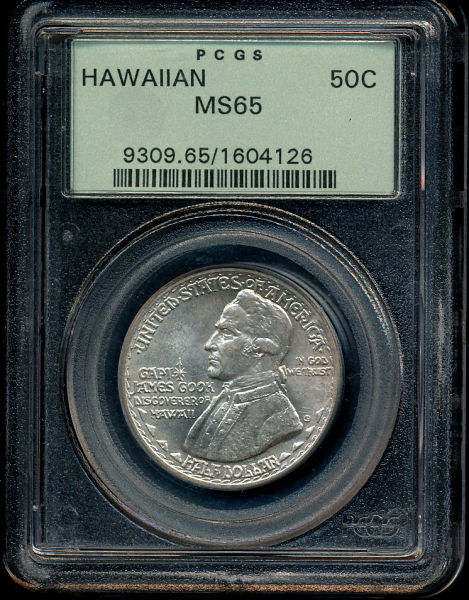
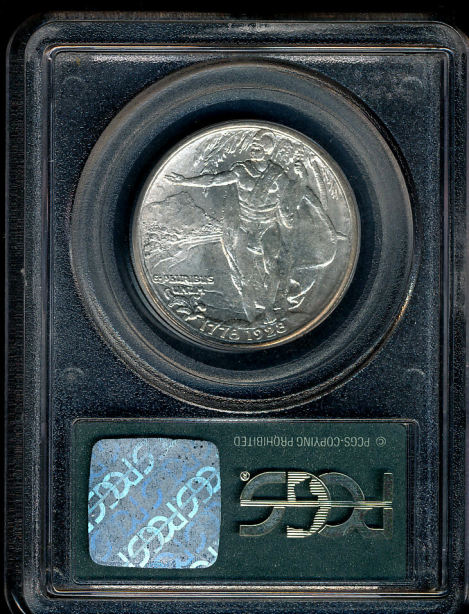
For previous "Hawaiian Half Dollar and the US Congress" posts, see:
-
1928 Hawaiian (European) Discovery Sesquicentennial - Revisited (Hearing Discussion)-
1928 Hawaiian (European) Discovery Sesquicentennial - Revisited #2For more of my topics on commemorative coins and medals, including more on the history and design of the Hawaiian half dollar, see:
Commems Collection.










 Posted 10/06/2022 10:28 am


