Collectors of the classic-era of US commemorative coins are generally familiar with the conjoined portraits of George Washington and the Marquis de Lafayette found on 1900 Lafayette Memorial Dollar, but there could have been more "heads" in the design! If "two heads are better than one" - what would three or four or five give you!
Marquis de Lafayette Portait - Circa 1824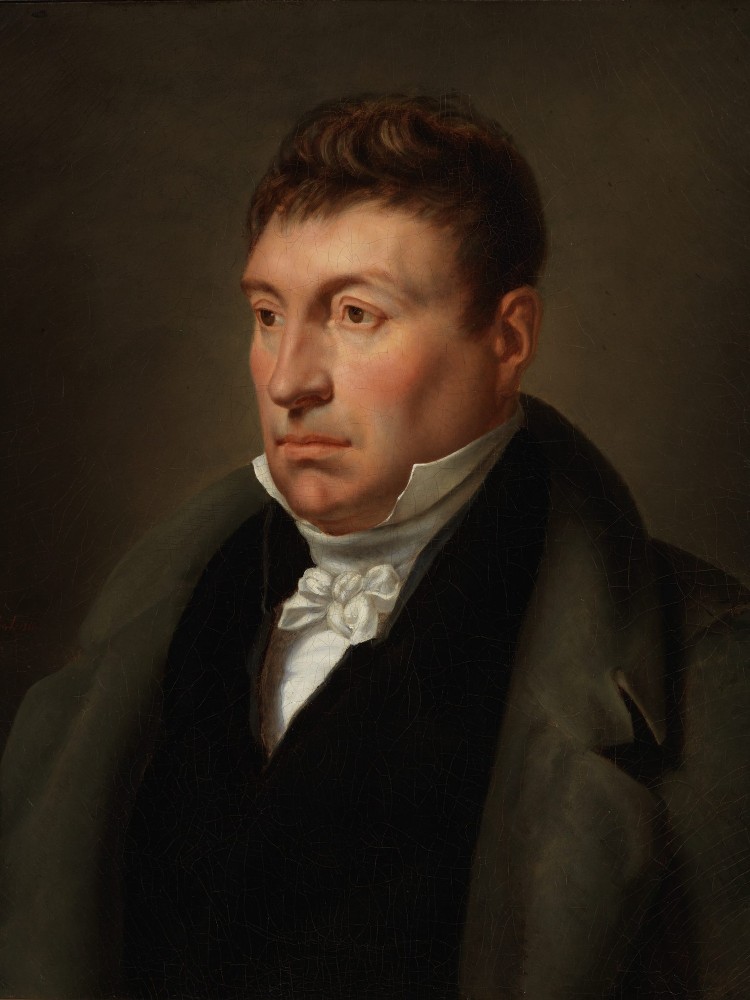 (Image Credit: US State Department, Diplomatic Reception Rooms, Washington, DC.)
The April 2, 1899 issue of the
Los Angeles Herald ran a story regarding the upcoming Lafayette Memorial Dollar and stated that Robert J. Thompson, the Secretary of the Lafayette Memorial Commission (the coin's sponsor/beneficiary) had suggested to George Evans Roberts, the Director of the US Mint, an obverse design featuring five portraits. Thompson suggested portraits of Lafayette, George Washington, Abraham Lincoln, U. S. Grant and WIlliam McKinley (the then-current US President). In addition, facsimile signatures of Lincoln and Lafayette were to be included, if possible.
For the reverse, Thompson suggested using the prayer of Lafayette for the United States:
"May this immense temple of freedom ever stand a lesson to oppressors, an example to the oppressed, and a sanctuary for the rights of mankind! And may these happy United States attain that complete splendor and prosperity which will illustrate the blessings of their government, and for ages to come rejoice the departed souls of its founders."
Quite a lengthy quote to be inscribed on a coin!
Use of facsimile signatures within the design was dismissed fairly early in the design process and President McKinley made it clear that he did not support the use of his portrait on the coin. (He would appear, posthumously, on one of the commemorative Gold Dollars struck for the Louisiana Purchase Exposition a few years later.)
Charles Barber, Chief Engraver of the US Mint, opposed the use of Lafayette's prayer considering it not to be a "suitable subject;" he preferred to go with a design featuring the planned Lafayette equestrian monument. Thompson asked about increasing the size of the silver dollar to support the long quote, but Barber objected to this "suggestion" on technical grounds.
In the end, Barber's conjoined portrait design of just Lafayette and Washington on the obverse with the Lafayette Monument on the reverse won out and they were turned into models to prepare coinage dies. But imagine if Thompson had gotten his original design suggestions - collectors whould have a very different coin in their cabinets!
1900 Lafayette Memorial Silver Dollar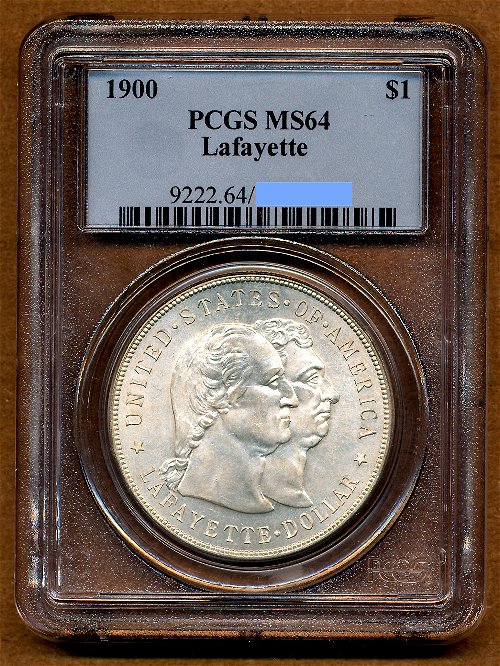
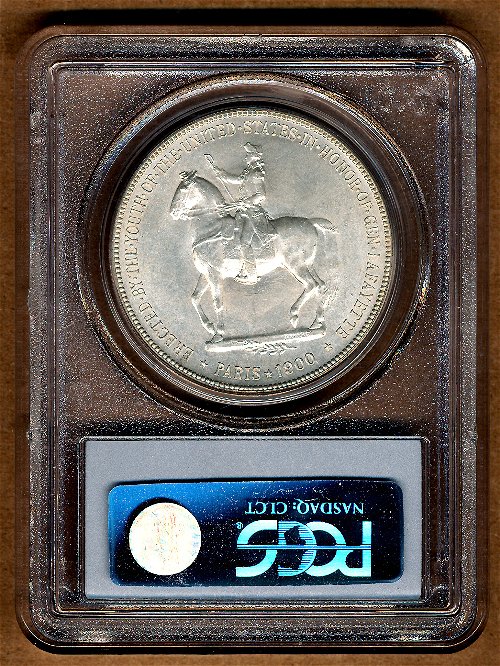
For additional discussion of the coin's design elements, see:
-
1900 Lafayette Memorial Dollar - Design Discussions(The list of links includes a post about the potential "inspiration" of Barber's obverse design - the 1881 Yorktown medal.)
For other of my posts about commemorative coins and medals, including a number about the New Rochelle, see:
Commems Collection - follow the US Classic link.







 Posted 05/23/2024 12:38 pm





