Collectors of modern-era US coinage are undoubtedly aware of the US' 1975-76 Bicentennial Quarter, Half Dollar and Dollar coins. But, this three-coin commemorative series was not the original proposal. A two-coin (Half Dollar and Dollar) issue was proposed previously - in two differing approaches.
1975-76 US Bicentennial Quarter Dollar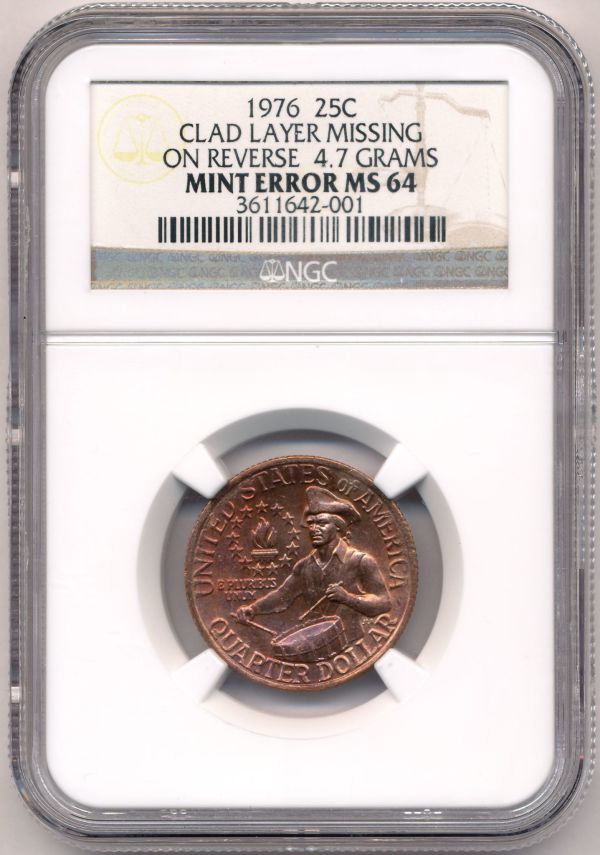 1975-76 US Bicentennial Half Dollar
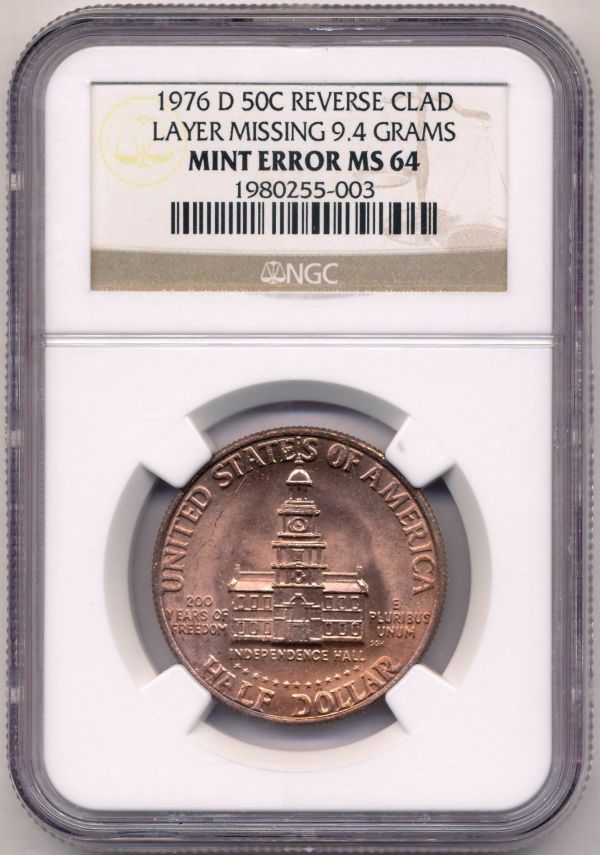 1975-76 US Bicentennial Dollar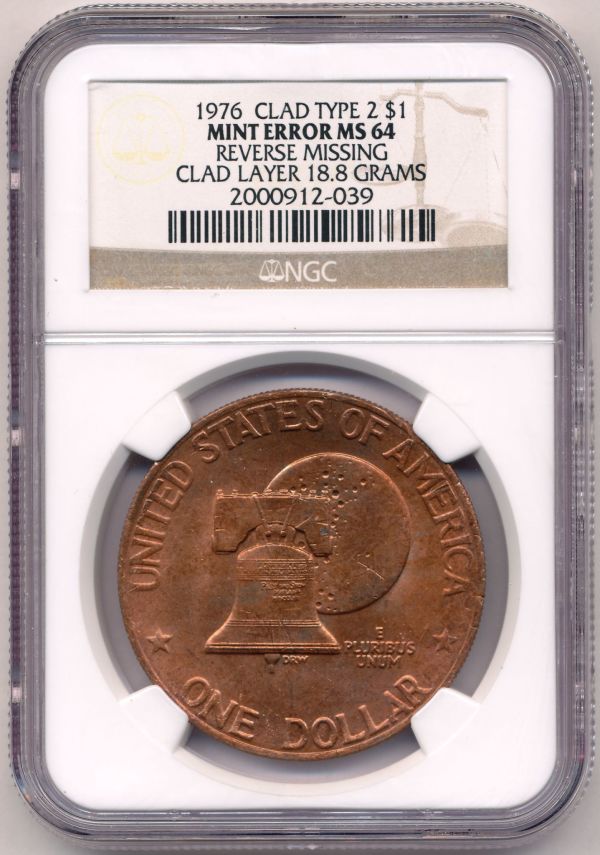
(I've presented my Missing Clad Layer error coin set here. If you'd like to read more about the coins, see:
1976 Bicentennial Clad Layer Errors.)
Turning the clock back to January 1973...
Richard C. White (D-TX) introduced a coin bill in the House of Representatives ("House") that called for "special" half dollar and dollar coins to commemorate the Bicentennial of the American Revolution. "Special" was the key word in the bill as it meant that the proposal was for coins that were to be in addition to the regular (i.e., non-commemorative) circulation coinage of the denominations. The bill was referred to the House Committee on Banking and Currency with further referral to is Subcommittee on Consumer Affairs.
Roughly two months later, in March 1993, Wright Patman (D-TX) (along with Leonor Kretzer Sullivan (D-MO), William Beck Widnall (R-NJ) and Chalmers Pangburn Wylie (R-OH)) introduced in the House a coin bill that called for use of a Bicentennial design on the reverse of the half dollar and dollar. It proposed a "special" design vs. a new, "special" coin. The bill specified that rather than bearing the date of coinage, the coins were to feature the dual dates of "1776-1976." The design changes were to be used for all coins of the designated denominations struck between July 4, 1975 and December 31, 1976. The bill was referred to the House Committee on Banking and Currency with further referral to is Subcommittee on Consumer Affairs..
Neither bill specified a maximum limit on the mintage of the bicentennial coins, leaving the needed production to be decided by the Secretary of the Treasury.
A Subcommittee Hearing was held in May 1973. At the Hearing, the Treasury Department presented its preference for the Patman bill vs. the White bill due to the fact that "it would not require the minting of special coins but would permit the use of the regular coinage to commemorate the bicentennial. The regular coinage could be used without seriously disrupting the Mint's regular production capacity and without causing a shortage of circulating coins due to hoarding and profiteering."
Though discussed at the Hearing, neither of the described Bicentennial Coinage bills was reported or considered by the House. The bill that called for the now-familiar three-coin program was also introduced in March 1973, in the Senate. It proceeded through Congress, and was signed into law in October 1973; it largely conformed to the Treasury Department's recommendations/preferences. (I'll visit that bill's journey in a future post.)
For other of my posts about commemorative coins and medals, including other US Bicentennial coin stories, see:
Commems Collection.







 Posted 06/13/2025 12:07 pm





