| Author |
 Replies: 12 / Views: 238 Replies: 12 / Views: 238 |
|
|
Pillar of the Community
United States
664 Posts |
|
|
|
|
Bedrock of the Community
United States
19995 Posts |
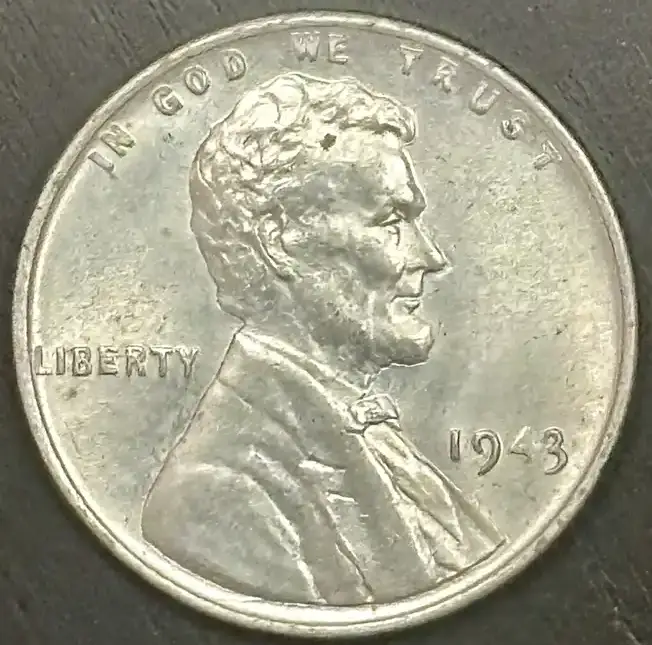
Looks to have seen some circulation. AU-55
|
|
Pillar of the Community
 United States
2269 Posts |
I agree with BadThad; there is nothing special here, sorry!
|
|
New Member
United States
14 Posts |
I agree - definitly AU - 55 on the high side, 53 on the low side.
|
|
Bedrock of the Community
United States
19322 Posts |
Looks to be mid to high range AU. Nice album hole filler.
|
|
Bedrock of the Community
United States
76038 Posts |
I agree with the AU grade. It's definitely seen a little bit of circulation.
Errers and Varietys.
|
|
Moderator
United States
15648 Posts |
Yep - circulated coin.
You need to get in the habit of cropping your images. We don't need to see all of that blank space!
Take a look at my other hobby ... http://www.jk-dk.art |
|
Bedrock of the Community
 United States
18778 Posts |
I think its closer to AU53 than 55
|
|
Pillar of the Community
United States
7534 Posts |
|
|
Pillar of the Community
United States
909 Posts |
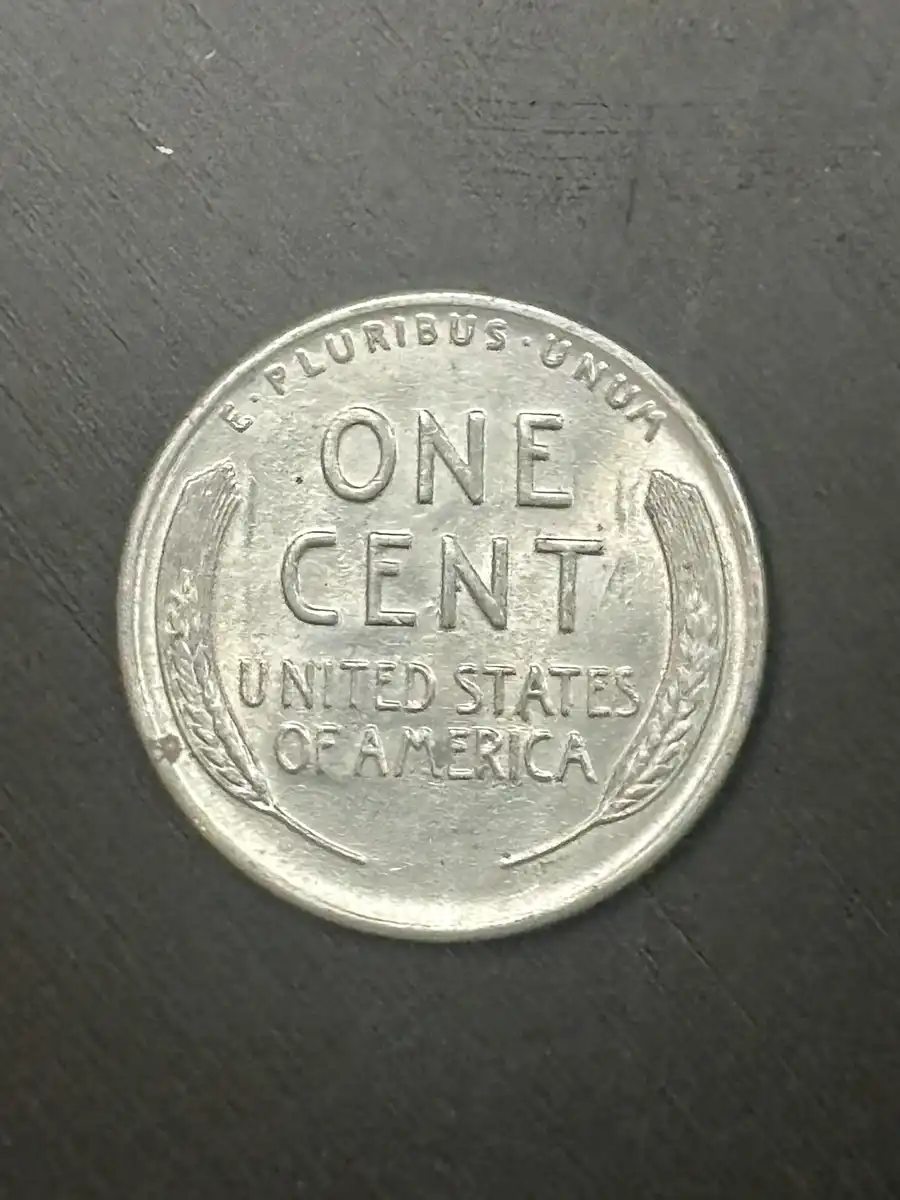
My experience with wheats is that they have to have fairly full wheat lines to get into "fine" range, and full lines at the upper end of fine. This one does not seem to be there to me.
Edited by PlumCrazy814
Yesterday 7:37 pm
|
|
Pillar of the Community
United States
3333 Posts |
I agree with BasThad, mid AU.
|
|
Bedrock of the Community
United States
18778 Posts |
PlumCrazy814, one of the great things about this forum is that we all have the opportunity to share knowledge and learn from one another. I thought I'd add a little context to your comment about this coin that may be helpful when evaluating pieces like this.
The 1943 steel cent is composed of a steel core with a thin zinc coating, creating a much harder surface than the copper cents most collectors are familiar with. Because of this, it's important to distinguish between strike characteristics and actual wear. For example, the softness you're noticing on the wheat spikes may be the result of the strike rather than circulation.
When assessing any coin, it's helpful to look at the coin as a considering not only the high points, but also the remaining luster, overall surface preservation, and whether the observed weakness is consistent with the way that particular series was struck.
I think everyone agrees that this coin is not Uncirculated, but it's still a good example of why understanding the characteristics of a specific series is important before drawing conclusions about wear. Some coin series are much more prone to strike weakness than others due to the hardness of the metal, die wear, or the minting process itself.
These kinds of discussions are one of the reasons this forum is so valuable. We all bring different experiences to the table, and sharing those perspectives helps everyone become better at evaluating coins.
|
|
Moderator
United States
191366 Posts |
|
| |
Replies: 12 / Views: 238 |
|






 ***
***


 Posted 07/25/2026 8:14 pm





