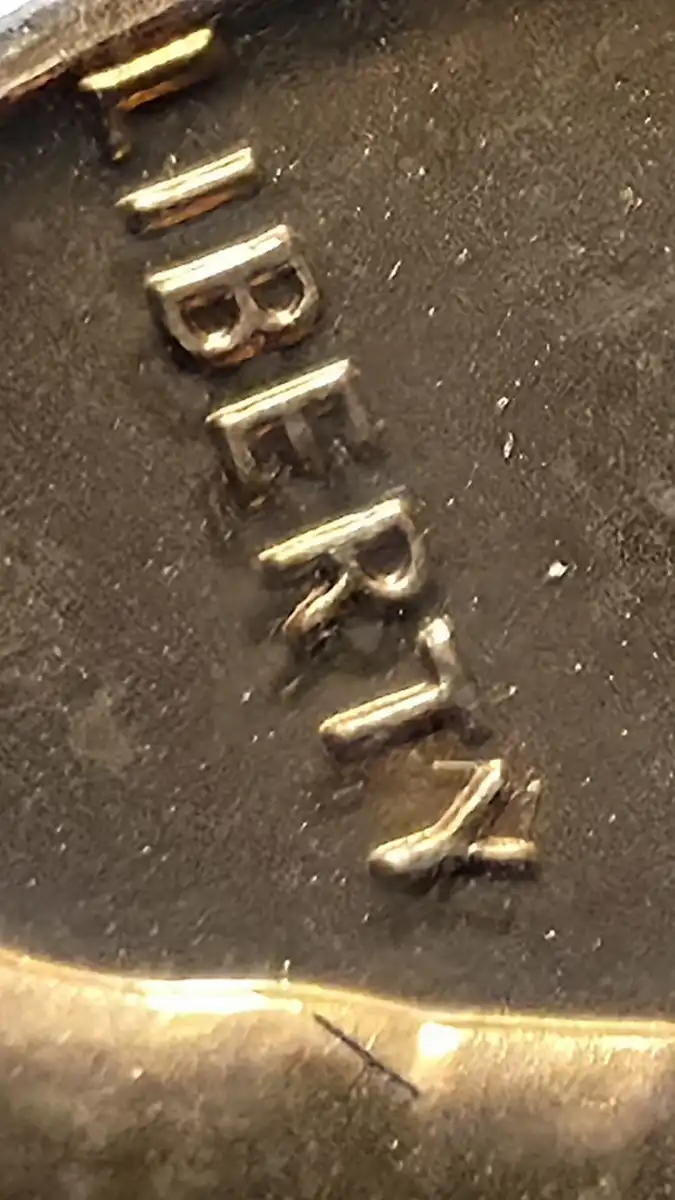
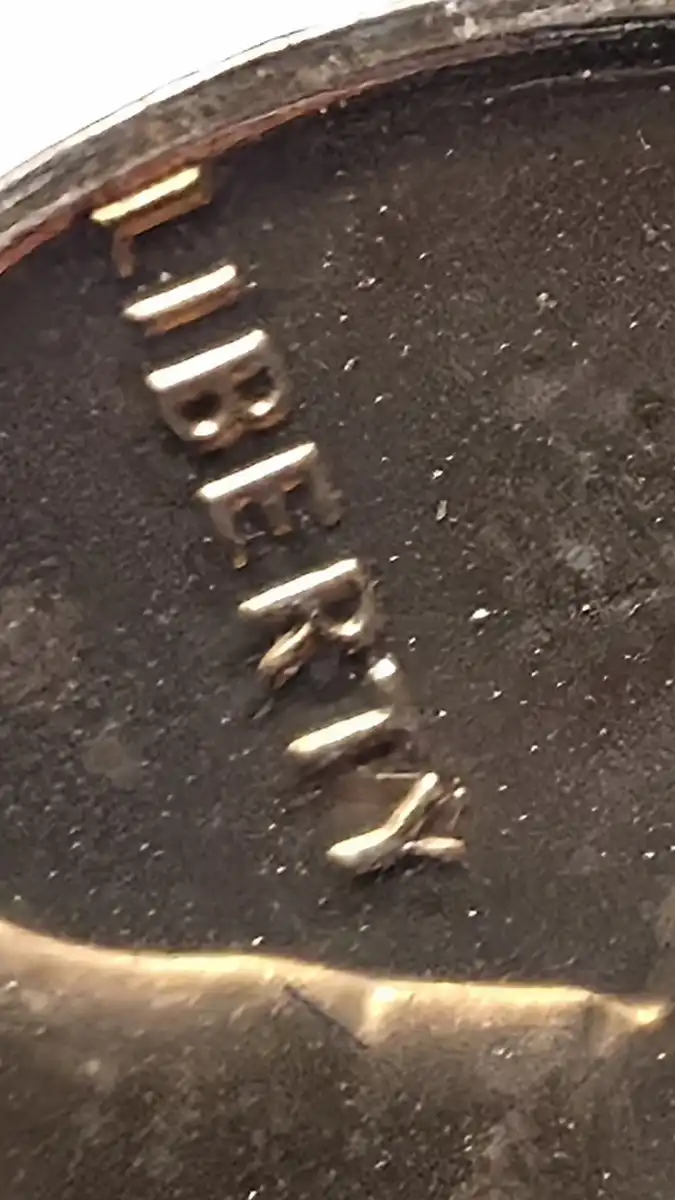
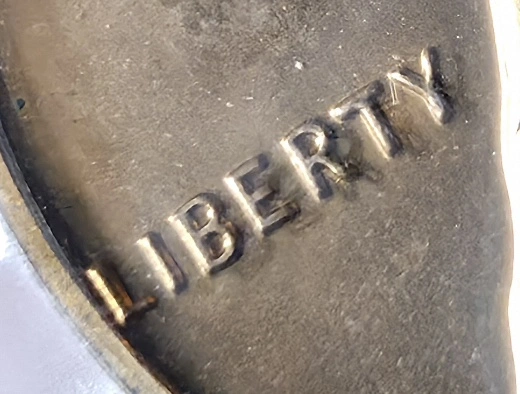
this could be from either shadowing in the photo or there may be some
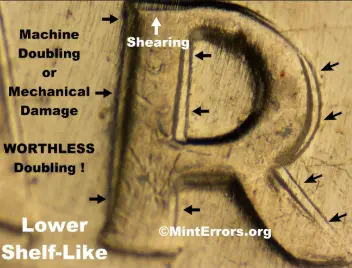
Machine Doubling here which is fairly common and has no added collector value. there a several ways this can occur.
Improper Die Seating
If the die is not fully seated in the press, it can move or bounce during the strike. This causes a secondary impression that pushes metal aside, producing a flat "shelf" effect
Vibration or Oscillation in the Press
High&-speed coin presses generate vibrations that can travel through the machinery. If these vibrations affect the die&-planchet contact, the die may shift slightly in the final milliseconds of the strike, creating a
Mechanical Doubling.
Die or Press Misalignment
Even small misalignments between the die and the planchet can cause the die to move during the strike. This is more likely if the die is worn, loose, or if the press is not perfectly calibrated
Ejection or Shift During Strike
In some cases, the die may shift due to the ejection mechanism or mechanical "shift" in the press, especially if the planchet is not held firmly in place
Surface Metal Displacement
The shifting die displaces surface metal, creating a flat, uneven edge on the design feature. This is different from the rounded, offset images seen in true doubled dies










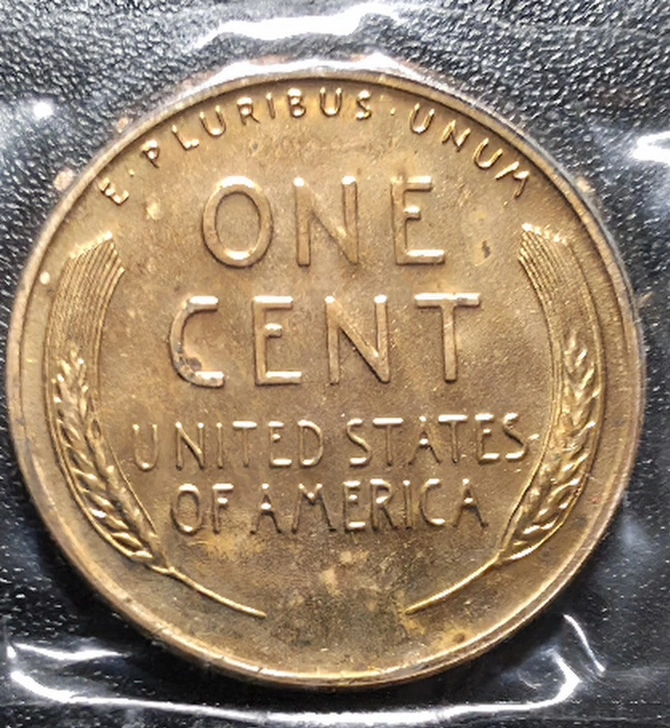


 Posted Today 6H 50M ago


