| Author |
 Replies: 13 / Views: 272 Replies: 13 / Views: 272 |
|
|
Pillar of the Community
United States
6163 Posts |
I'm posting this in response to a recently posted 1957 Lincoln Cent by MintedNotPrinted. Both coins show one strongly struck side and one very soft side. This effect can be from a one-sided acid bath, but at least on this one the opposite side would suggest that a thin layer of lamination was lost after the strike. For now, I am not 100% sure on this coin and still pondering it as I just found it two days ago. Weight is 2.66g and diameter is 19.0 1958 Lincoln Wheat cent mint error - split after strike 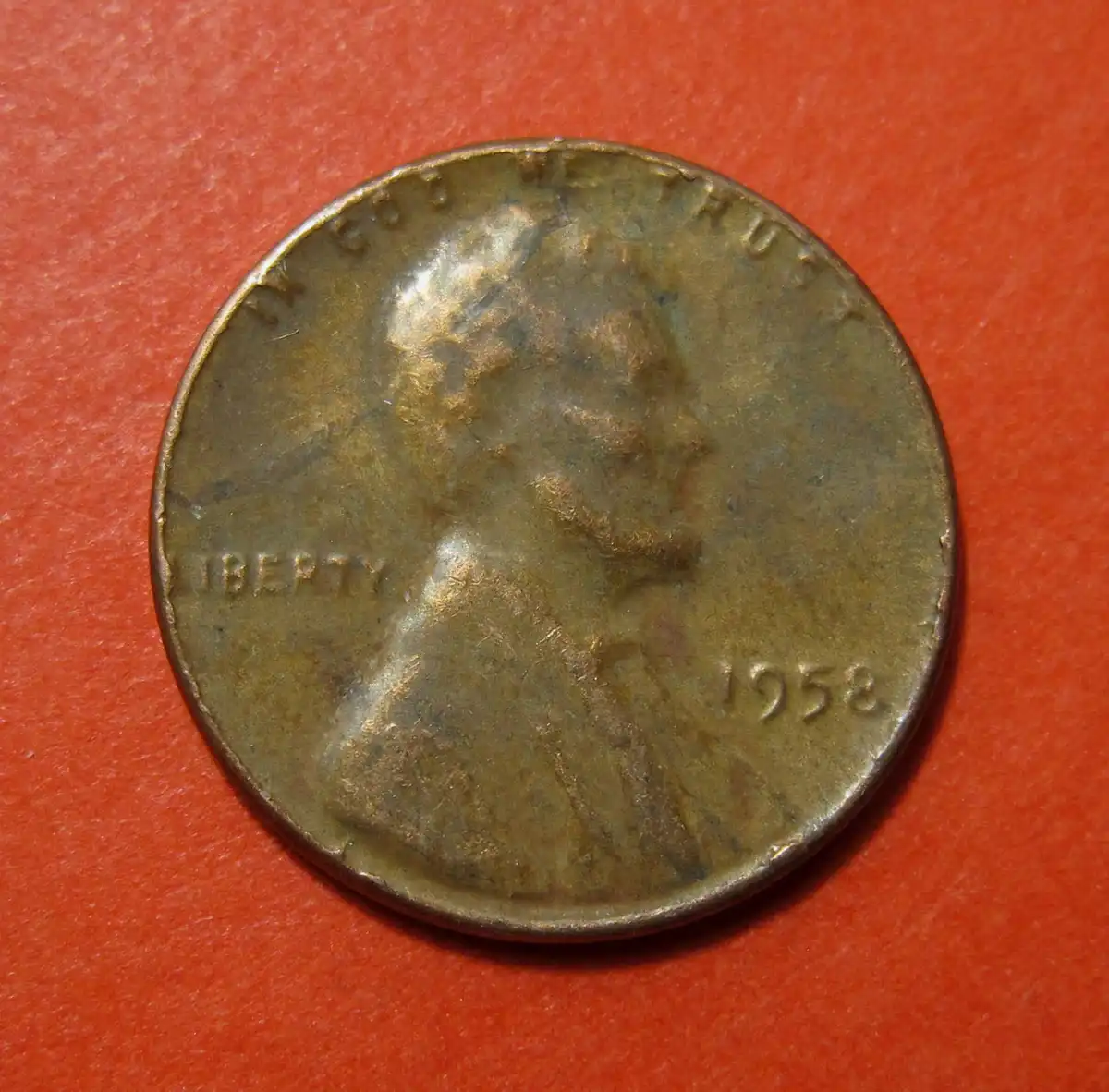 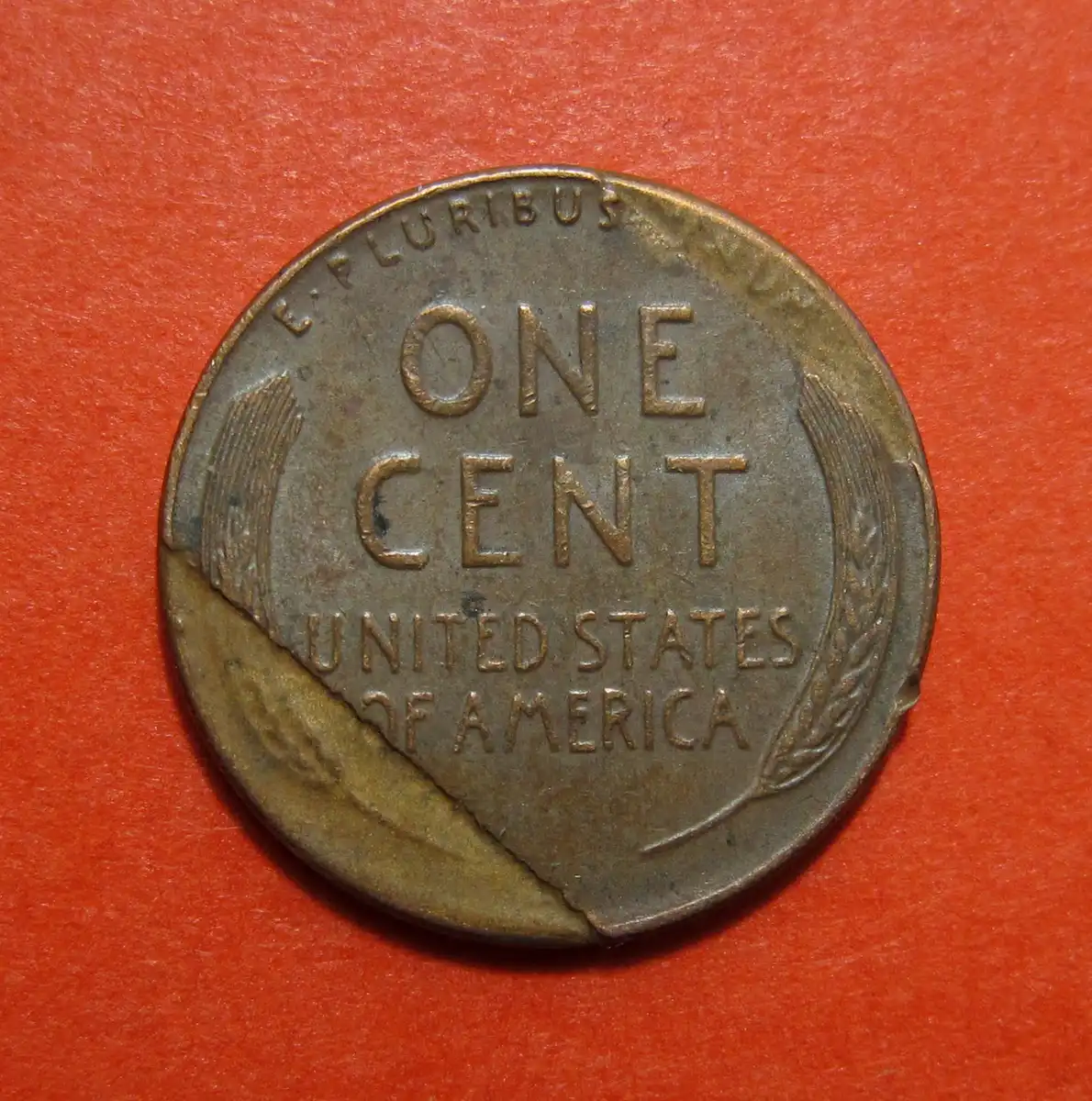 |
|
|
|
Moderator
 United States
193047 Posts |
Very interesting!  |
|
Pillar of the Community
United States
1478 Posts |
That's a very cool example, tropicalbats, with the split on either side. I'll definitely be weighing mine tonight...
Thanks for posting!
(Edit corrected typo)
Edited by MintedNotPrinted
08/17/2026 2:30 pm
|
|
Bedrock of the Community
United States
77166 Posts |
Interesting find.  Errers and Varietys.
|
|
Bedrock of the Community
United States
19422 Posts |
|
|
Moderator
United States
103063 Posts |
very cool cent TB, but do you think that the reverse side had pate on it as it was dipped in the acid, thus protecting most of the design elements?
|
|
Pillar of the Community
 United States
6163 Posts |
I've thought of that. Seems reasonable but the coin does not seem to be out of round with thinner rims where the surface is removed than in the areas where it is well-struck.
|
|
Valued Member
United States
101 Posts |
|
|
Moderator
United States
15753 Posts |
A very interesting coin TB. The lower left portion ion the reverse resembles a lamination that fell off post strike.
I have no idea why the obverse shows such a weak strike.
Take a look at my other hobby ... http://www.jk-dk.art |
|
Pillar of the Community
United States
6163 Posts |
I should think the upper right portion of the reverse also resembles a lamination that fell off post strike. My thought is that the entire obverse lost a thin lamination as well creating the soft strike appearance.
|
|
Pillar of the Community
 United States
6753 Posts |
Lost lamination seems like a good bet. The reverse alone can't account for a missing half gram of material.
|
|
Pillar of the Community
United States
2773 Posts |
Quote:
Lost lamination seems like a good bet. The reverse alone can't account for a missing half gram of material. To me the lam loss of an entire obverse and partial reverse would drop the weight more than half a gram. I'm thinking PMD but maybe not acid. The area just east of the "s" in pluribus might hold so clues if we could get a closer look. It looks discolored there consistent with the "loss" areas. |
|
Pillar of the Community
United States
3404 Posts |
|
|
Pillar of the Community
United States
6163 Posts |
Still can't say one way or the other on this thing. It's odd and just won't fit neatly into an answer. 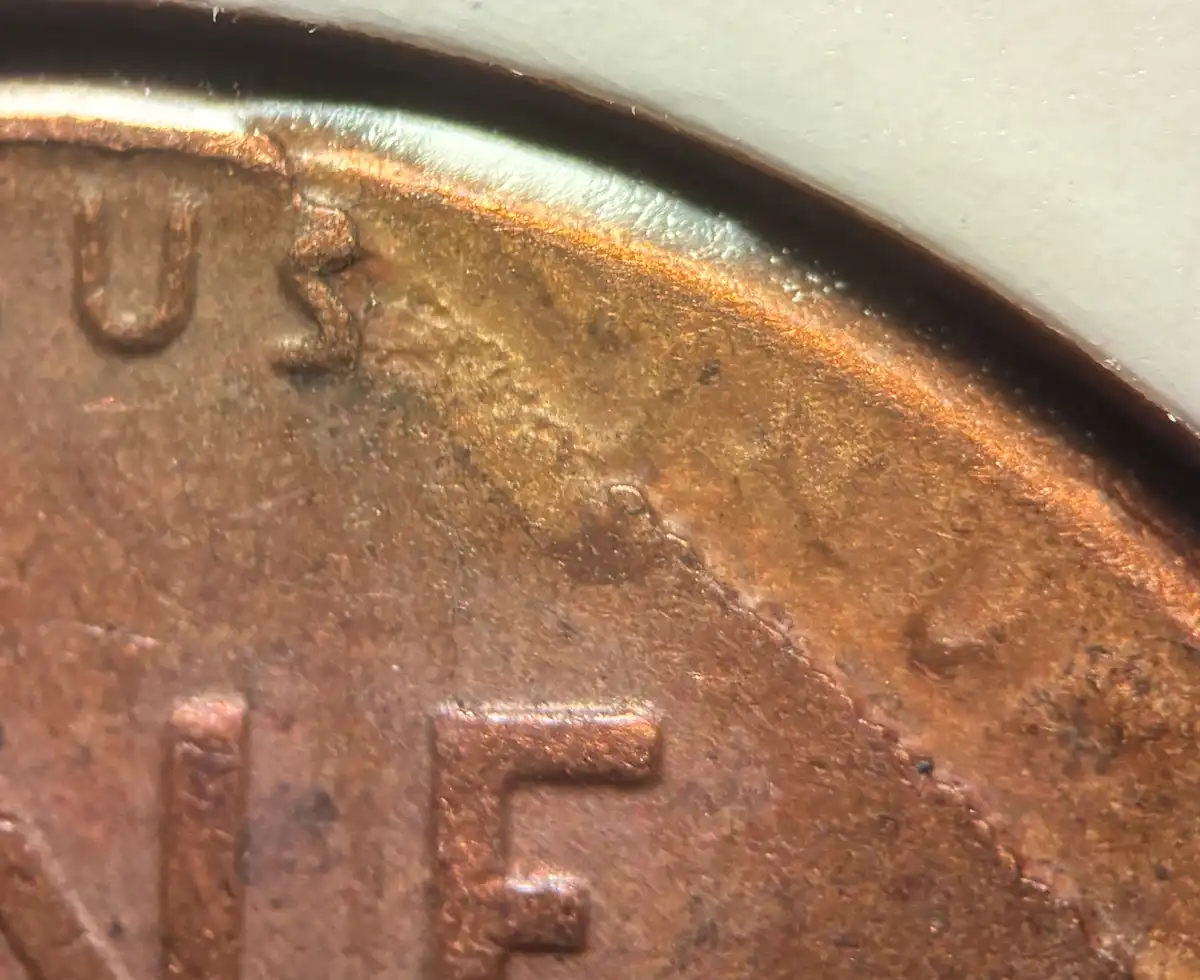 |
| |
Replies: 13 / Views: 272 |
|










 Posted 08/17/2026 12:28 pm


