| Author |
 Replies: 10 / Views: 178 Replies: 10 / Views: 178 |
|
|
Moderator
 United States
34521 Posts |
"If you climb a good tree, you get a push."
-----Ghanaian proverb
"The danger we all now face is distinguishing between what is authentic and what is performed."
-----King Adz
|
|
|
|
Bedrock of the Community
Canada
21807 Posts |
Nice pick up, never seen that one before, probably
because of the low mintage.
|
|
Bedrock of the Community
United States
27020 Posts |
Wow, Spence - that's a fantastic acquisition!
Inordinately fascinated by bits of metal with strange markings and figures
|
|
Moderator
United States
193640 Posts |
An outstanding addition to your collection!  |
|
Bedrock of the Community
United Kingdom
18354 Posts |
Very nice!  |
|
Moderator
Australia
16949 Posts |
I have one of the 1788 versions of this token, with the same obverse but a pineapple reverse. The "pineapple pennies" are quite popular here in Australia, due to the tropical theme and the 1788 date.
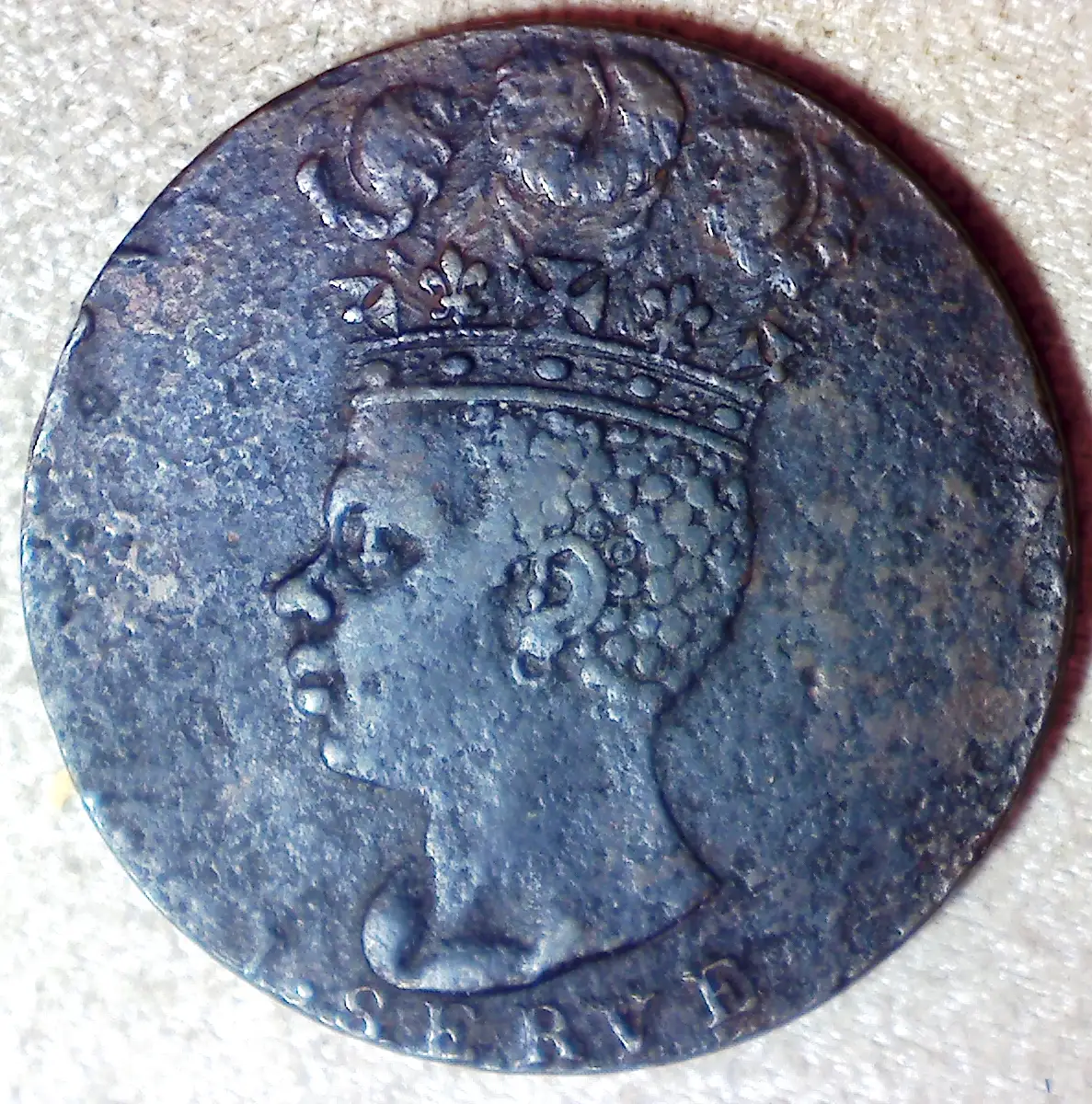
The symbolism of the obverse is interesting: we have a negro-head, crowned with the ostrich-feather coronet and the motto "I serve". What does all this mean?
First, you need to know that the ostrich-feather crown is the badge of the Prince of Wales. Likewise, the "I serve" motto is derived from the German motto of the Principality of Wales, "Ich Dien". There thus seems to be some derogatory symbolism towards the Prince of Wales on this coin (comparing him to a negro slave). What could have caused such offence?
In 1788, the Regency Crisis hit the British government. "Mad king" George III had slipped fully into insanity, to the extent it was obvious to everyone he was not fit and competent to rule. However, it was unclear about how to appoint a Regent to rule on his behalf - there was no legal precedent for this happening. The royal heir, the Prince of Wales and the future king George IV, believed it was his right to automatically become Regent, but the British Parliament believed that they alone had the right to appoint a Regent and that the Prince had no more "right" to the job than anybody else. As it happened, the Prime Minister of the day (William Pitt the Younger) believed that Prince George probably was the logical candidate for Regent, but the arrogant way the not-very-popular Prince went about the whole matter caused a division in Parliament. George III eventually recovered enough to resume royal duties, but the issue remained unresolved.
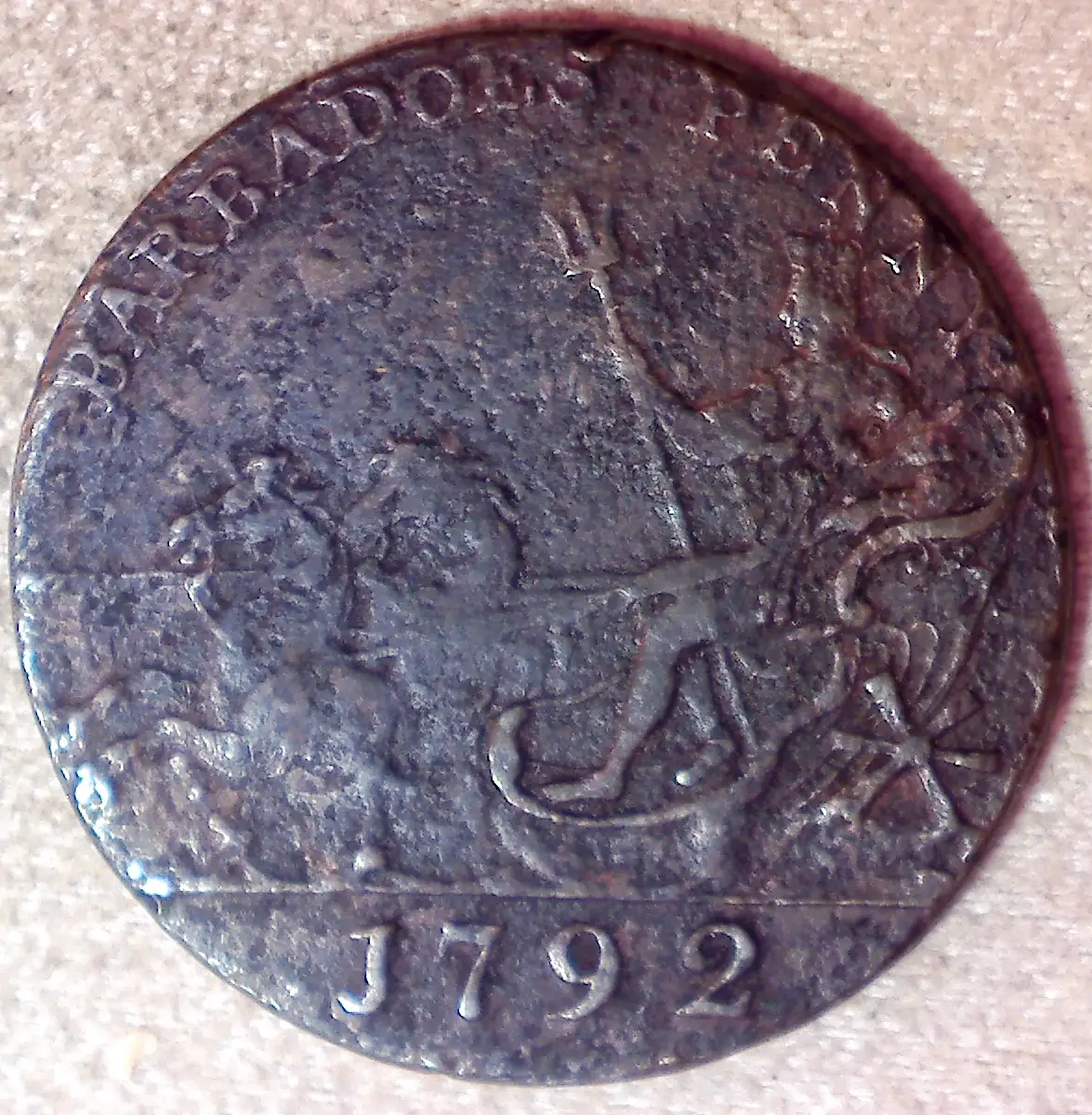
The token was issued by aristocratic plantation-owner Philip Gibbes, who seems to have advocated "middle path" attitudes to other burning issues of the day (such as the American colonies and the issue of slavery); I don't believe it's otherwise recorded which side of the Regency debate he landed on, but the tokens give evidence we was not a fan of the Prince. The token-issuers support for King George III is also highlighed onthe reverse, where George III is depicted as none other than Neptune. The message of the tokens seems clear: the Prince's job is to serve the government and people, not to please himself, and The Prince might be heir and Regent, but he's not the real King.
Don't say "infinitely" when you mean "very"; otherwise, you'll have no word left when you want to talk about something really infinite. - C. S. Lewis
|
|
Bedrock of the Community
United States
77562 Posts |
Awesome addition, Spence! Errers and Varietys.
|
|
Moderator
 United States
34521 Posts |
Thx all for the kind notes and especially to @sap for the history lesson! Pls feel to post yours here or else provide a link to where you have posted it previously so that folks can compare the two designs.
"If you climb a good tree, you get a push."
-----Ghanaian proverb
"The danger we all now face is distinguishing between what is authentic and what is performed."
-----King Adz
|
|
Moderator
Australia
16949 Posts |
Can do.  It's listed in the old Krause catalogues as KM# Tn8. Mine's pretty much worn flat - seems to have seen heavy circulation in its day. 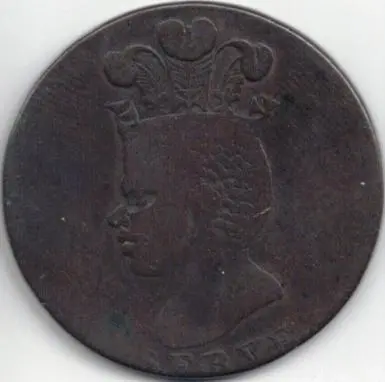 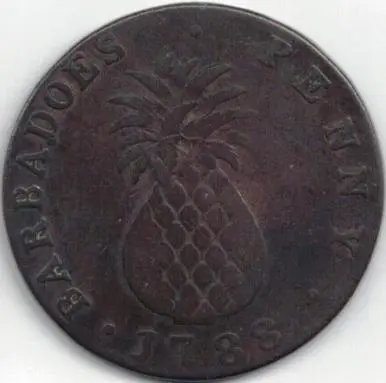 Some more trivia: as far as I can determine, that 1792 penny design is the first appearance of a trident on any symbol representing Barbados - thus, your coin marks the earliest appearance of the "trident of Barbados" as a national symbol. The "colonial badge" depicting Neptune was not formally adopted until 1865, and appears to have been copied from this token. The modern trident, as appearing on the flag, is "broken" (just the head), symbolizing that Barbados has broken its old colonial ties with Britain - though Barbados did not become a republic until 2021. Don't say "infinitely" when you mean "very"; otherwise, you'll have no word left when you want to talk about something really infinite. - C. S. Lewis
|
|
Moderator
United States
103872 Posts |
Those are fabulous token Spence and SAP! Very nice pick Spence |
|
Moderator
United States
193640 Posts |
Thank you for sharing that information, Sap. |
| |
Replies: 10 / Views: 178 |
|







 Posted Yesterday 1:53 pm





