|
This page may contain links that result in small commissions to keep this free site up and running.

Welcome Guest! Registering and/or logging in will remove the anchor (bottom) ads and the security checks. It's Free!
To participate in the forum you must log in or register. | Author |
 Replies: 760 / Views: 118,806 Replies: 760 / Views: 118,806 |
|
|
|
Pillar of the Community
United States
4778 Posts |
It's now the 20th where I am, sooo.... thought I'd post now  This my only coin of him. AugustusObv: PERM CAES AVG, bare head left Rev: IVLIA TRAD within oak wreath, Julia Traducta mint  |
|
Pillar of the Community
United States
870 Posts |
It is now the 20th here also. This is my only Imperial Augustus. I have a provincial but don't have a pic of it. Maybe Ill take one when I get up in the morning. AR Denarius, 2 B.C. â€" A.D. 4, Lugdunum, 19.1mm, 3.46g, 180°, RIC I 207. Obv: CAESAR AVGVSTVS DIVI F PATER PATRIAE. Laureate head right. Rev: C L CAESARES AVGVSTI F COS DESIG PRINC IVVENT. Caius and Lucius standing, hands on shields with spear behind; simpulum and lituus above.  |
|
Pillar of the Community
United Kingdom
2121 Posts |
My Augustus denarii Obv:â€" CAESAR AVGVSTVS DIVI F PATER PATRIAE, Laureate head right Rev:â€" C L CAESARES AVGVSTI F COS DESIG PRINC IVVENT, Caius and Lucius Caesars togate stand facing, each resting hand on a round shield with spear behind, above center on left a simpulum right and on r. a lituus left Minted in Lugdunum. B.C. 2 to A.D. 4. Ref:â€" BMC 533. RIC I Augustus 207  Obv:â€" CAESAR AVGVSTVS, Bare headed bust of Augustus right Rev:â€" Round shield inscribed S • P • Q • R/CL • V in two lines Minted in Spanish mint (Emerita?). 19-18 B.C.. Reference:â€" RIC I Augustus 42a. RSC 294.  Obv:â€" AVGVSTVS DIVI F, Bare head right Rev:â€" IMP X either side of Apollo Citharoedus standing left with lyre, ACT in exe, Minted in Lugdunum. 15 - 13 B.C. Reference:â€" BMC 461. RIC I Augustus 171a. RSC 144  Obv:â€" AVGVSTVS DIVI F. Augustus, bare head, right Rev:â€" IMP. XI below capricorn right, holding globe Minted in Lugdunum. 12 B.C. Reference:â€" BMC 465. RIC I Augustus 174  Martin |
|
Valued Member
Spain
319 Posts |
If we pick up his colonial coins,it will be a long,long topic.....
|
|
Moderator
 United States
23731 Posts |
Here are several of mine from the provinces. 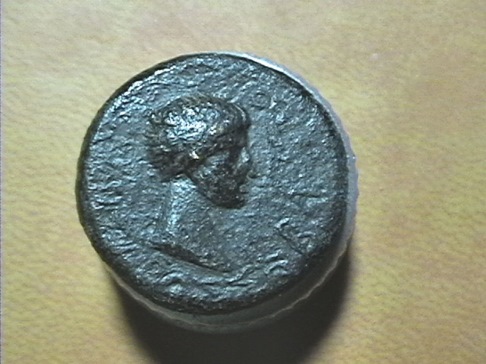 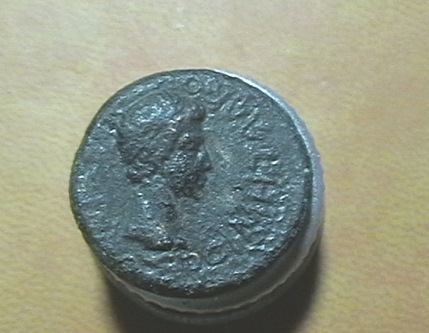 Thrace Augustus & Rhoemetakles I Moushmov 5782. PRC 1718 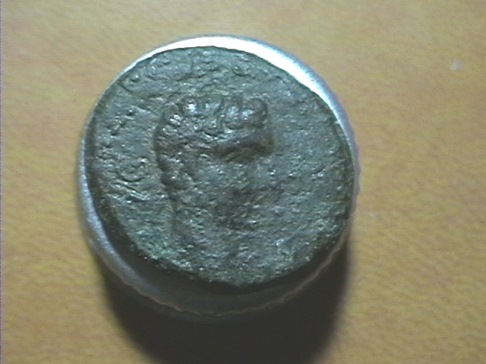 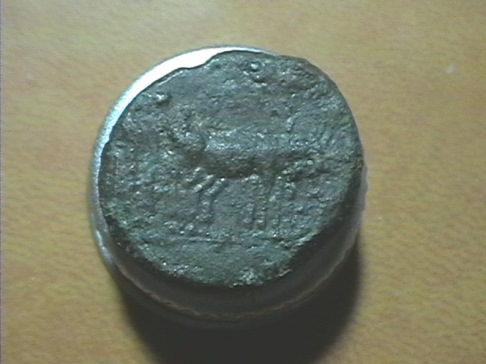 From Philippi Semis rpc 1656 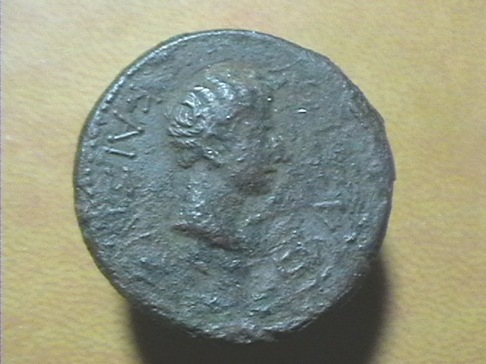 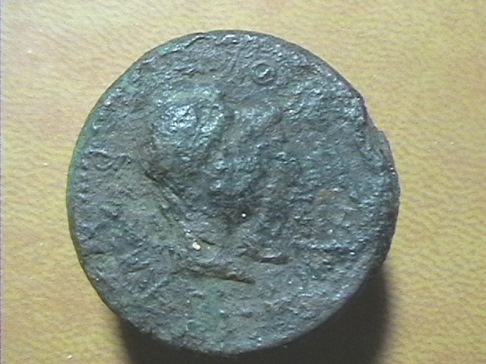 From Thrace Augustus, Rometakles I and Queen Pythodoris 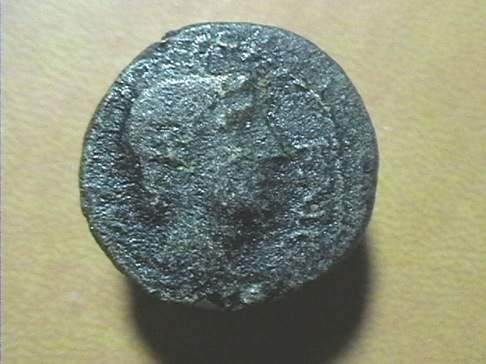 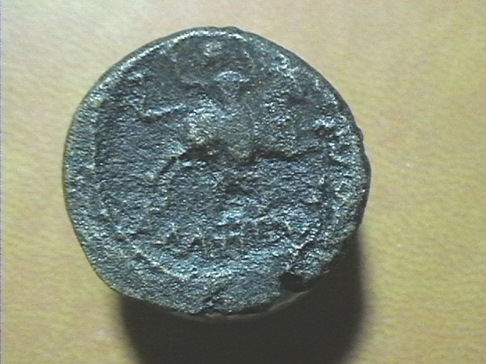 From Amphilpolis Augustus Artemis riding a Bull Moushmov 6035 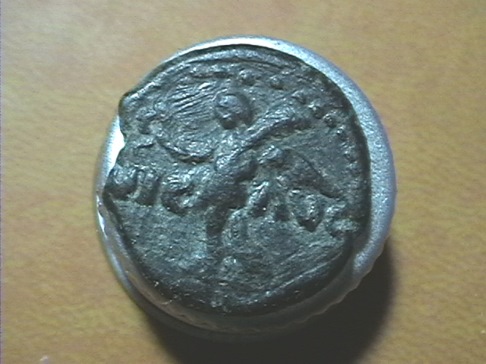 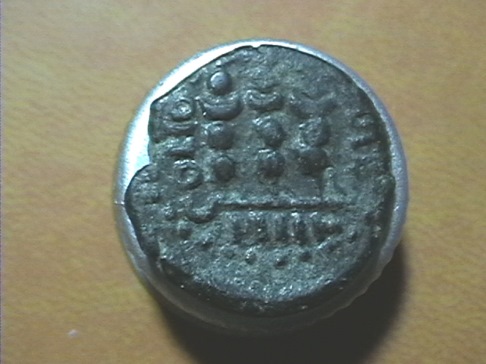 Fom Philippi Commerating the Battle of Philippi VIC AVG COHOR PRAE PHIL RPC 1651 Edited by echizento
01/20/2013 07:08 am
|
|
Pillar of the Community
Bulgaria
843 Posts |
Philippi(?). Augustus AE17 (Semis). AVG, head right / Two colonists plowing right with two oxen. BMC (Parium) 86-88. 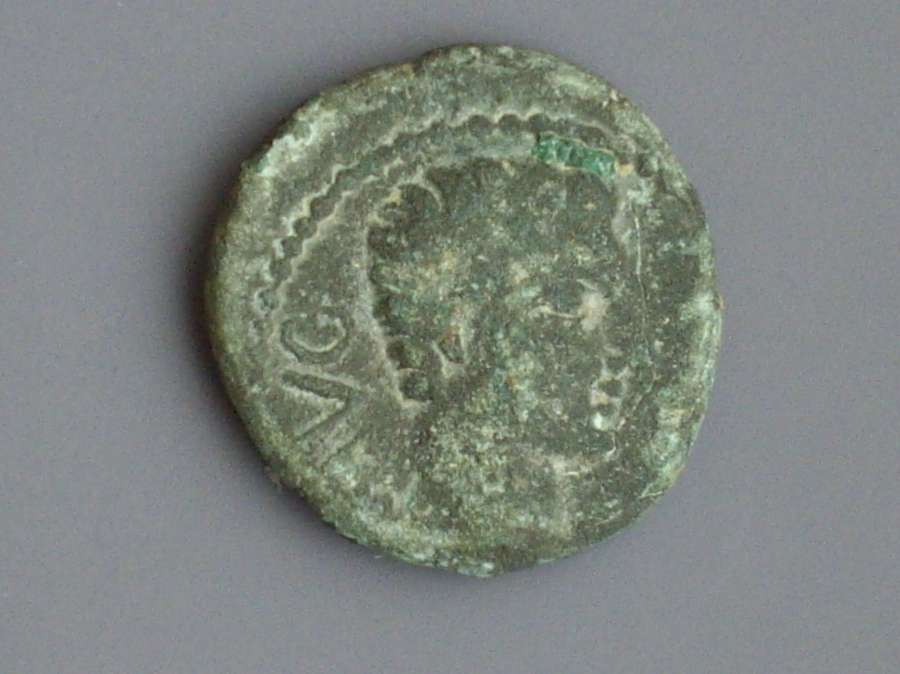 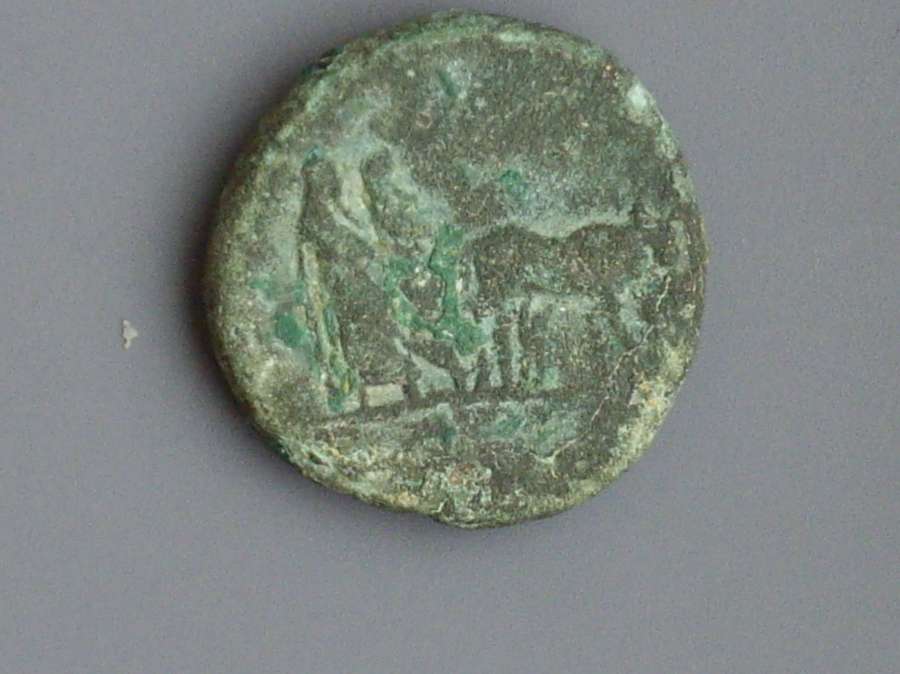 Philippi(?). Augustus AE17 (Semis). AVG, head right / Two colonists plowing right with two oxen. BMC (Parium) 86-88. 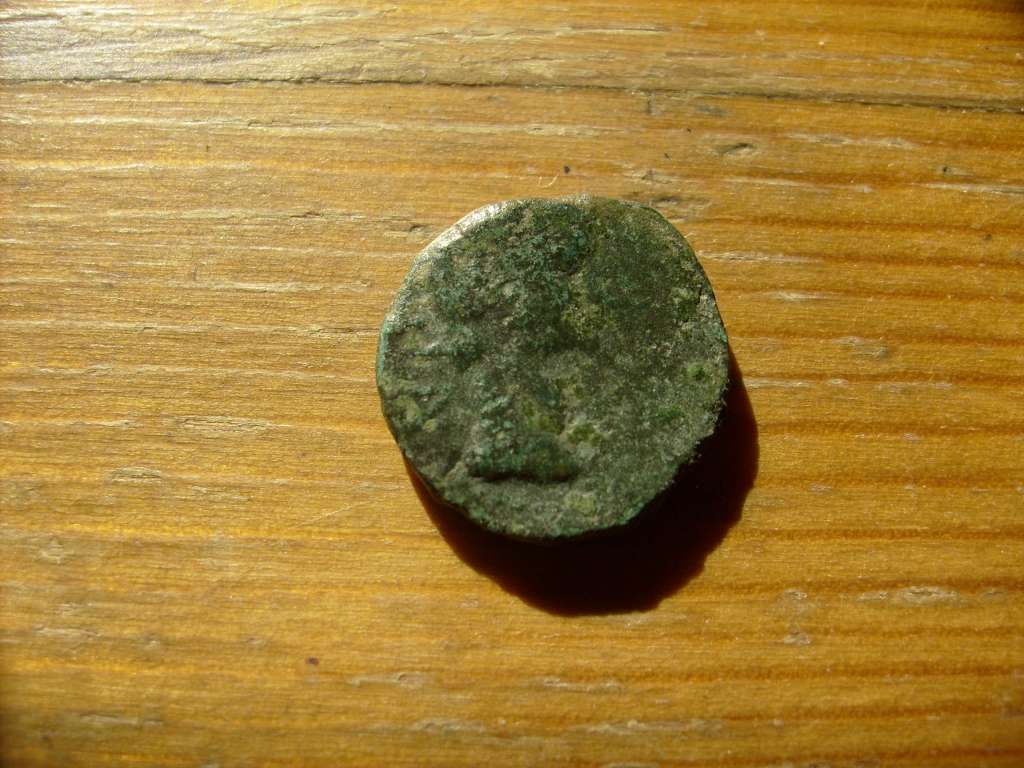 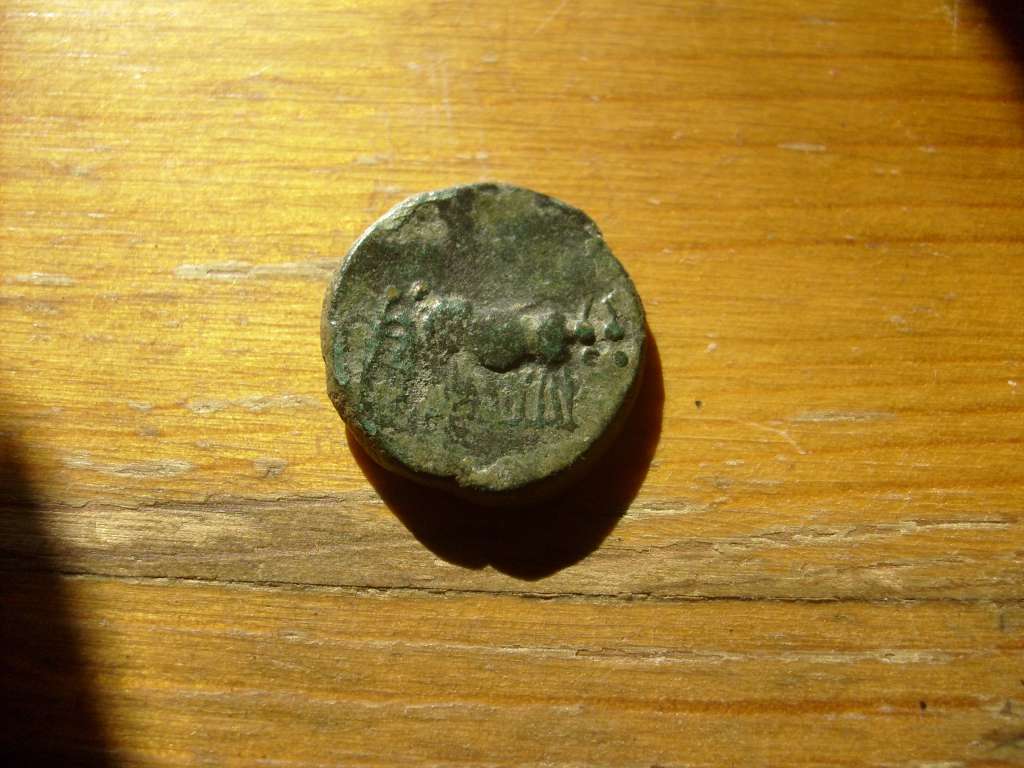 Macedon, Philippi, AE 19mm (Semis). VIC AVG, Nike standing left on globe, holding wreath and palm / COHOR PRAE PHIL, three military standards.   Augustus, AE24, Kingdom of Thrace. BASILEWS ROIMHTALKOU, jugate heads of King Rhoemetalkes & Queen Pythodoris right / KAISAROS SEBASTOU, bare head of Augustus right. 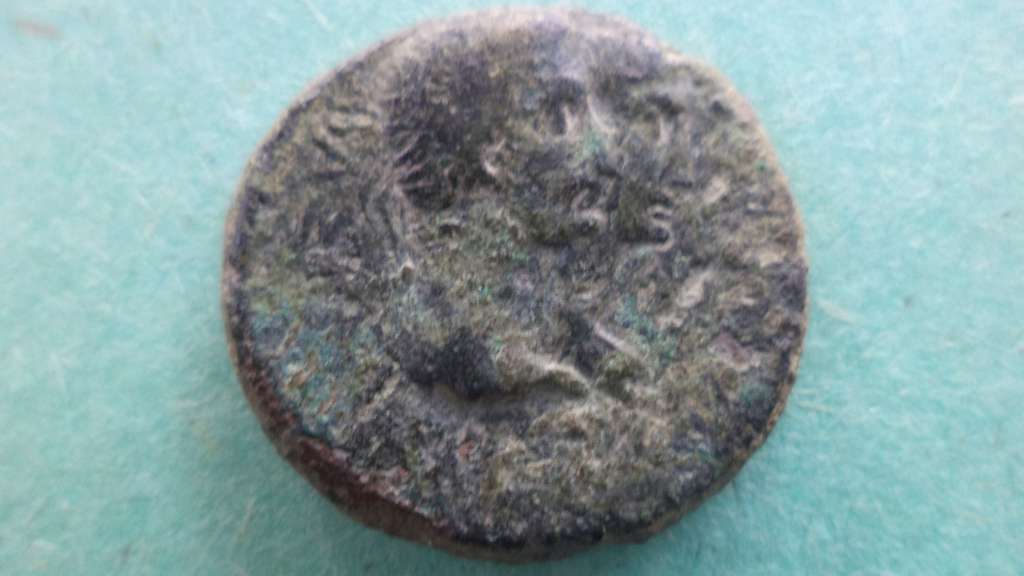 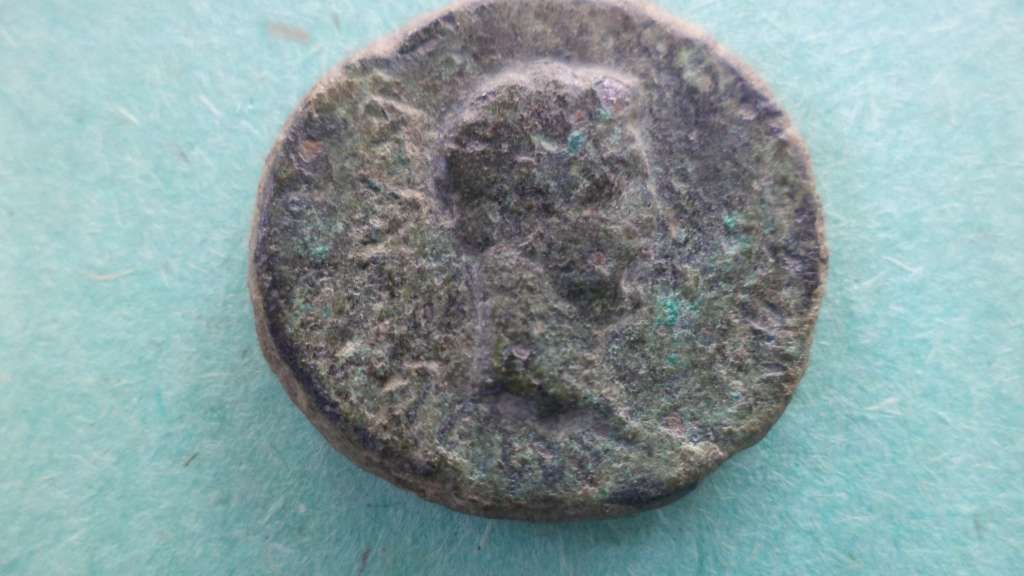 this one is really rare CAPRICORN - Zodiac sign of Augustus - Roman Emperor: 27 B.C. - 14 A.D. Divus Augustus Cilicia, 14 A.D. Very Rare. CAP ΣEBAΣTON, Bare head right. ΘEON AYTOKP A TOPA, capricorn right, holding globe, bearing cornucopia on back. 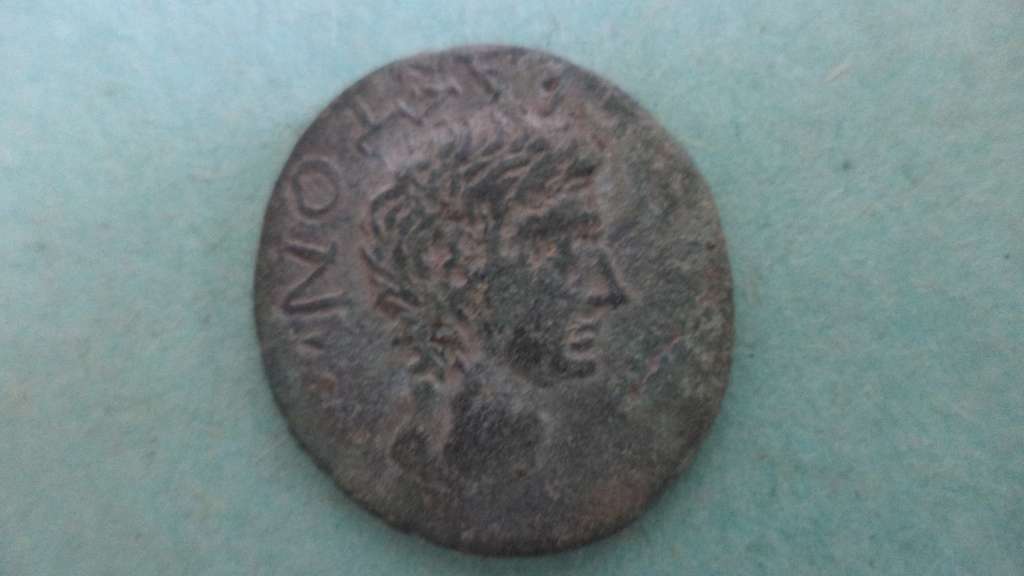 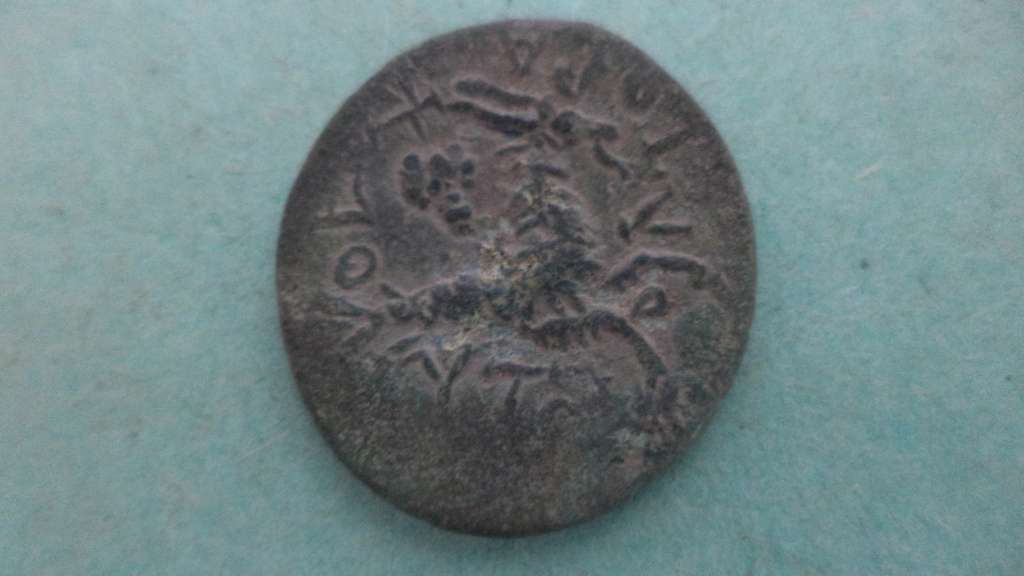 http://www.ebay.com/itm/Divus-Augus...330708261366 http://www.ebay.com/itm/Divus-Augus...330708261366 |
|
Valued Member
Spain
319 Posts |
Octavian (later AUGUSTUS)... RSC 90 sear5 #1545 Octavian denarius. c36 BC. IMP CAESAR DIVI F AIII VIR ITER R P C Bare head right. / COS ITER ET TER DESIG Julius Caesar standing in temple of four columns, frontal inscribed DIVO IVL, altar at left. RSC 90; Syd 1338; Cr540/2. 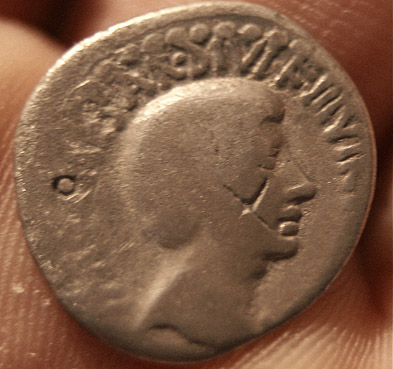 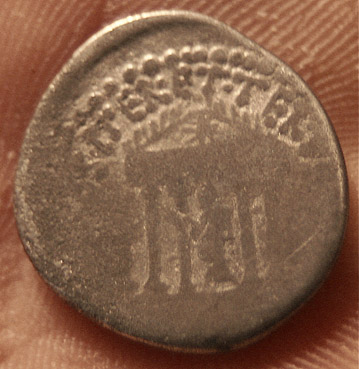 RIC 169 Sear'88 #486 Augustus Denarius. Lugdunum mint, struck 15-13 BC. AVGVSTVS DIVI F, bare head right / Bull butting left, IMP X in exergue. RIC 169, RSC 141. 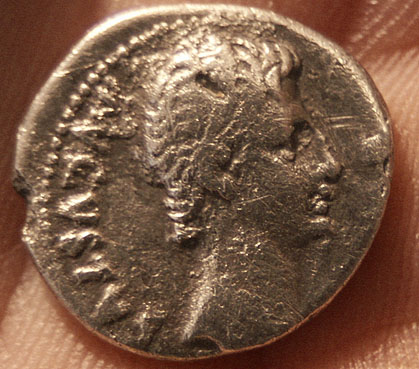 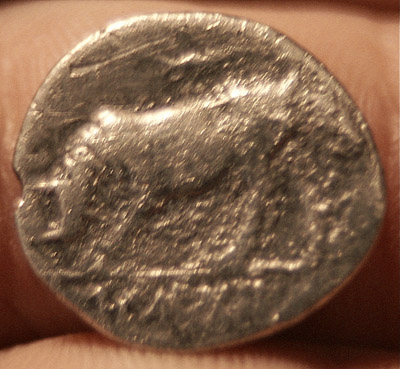 |
|
Valued Member
Spain
319 Posts |
Some spanish colonial coins... IRIPPO 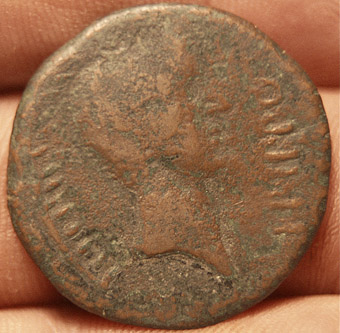 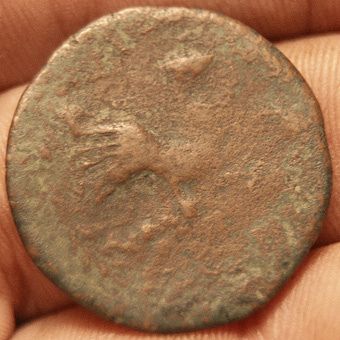 ILERDA 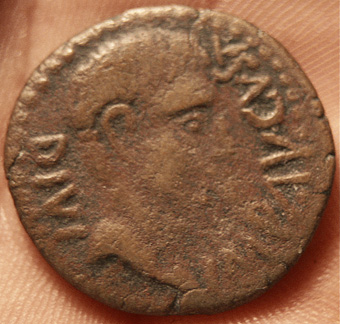 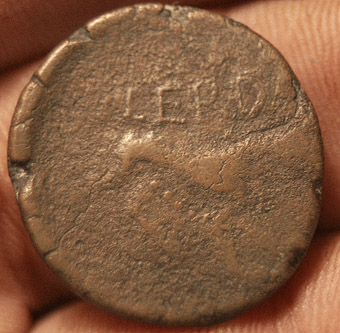 |
|
Pillar of the Community
 United States
4253 Posts |
You guys are too anxious. I wanted to place a short blurb about each ruler as we began posting those particular coins.
'Augustus'
Gaius Julius Octavius
(63 BC - AD 14)
The future emperor Augustus was born into an equestrian family as Gaius Octavius at Rome on 23 September 63 BC. His father, Gaius Octavius, was the first in the family to become a senator, but died when Octavian was only four. It was his mother who had the more distinguished connection. She was the daughter of Julia, sister to Julius Caesar.
He was of short stature, handsome and well proportioned and he possessed that commodity so rare in rulers - grace. Though he suffered from bad teeth and was generally of feeble health. His body was covered in spots and he had many birthmarks scattered over his chest and belly.
As for his character it is said that he was cruel when young, but became mild later on. This, however, might just be because, as his position became more secure, the need for brutality lessened. For he was still prepared to be ruthless when necessary. He was tolerant of criticism, possessed a good sense of humour, and had a particular fondness for playing dice, but often provided his guests with money to place bets.
Although unfaithful to his wife Livia Drusilla, he remained deeply devoted to her. His public moral attitudes were strict (he had been appointed pontifex (priest) at the age of fifteen or sixteen) and he exiled his daughter and his grand-daughter, both named Julia, for offending against these principles.
Octavian served under Julius Caesar in the Spanish expedition of 46 BC despite his delicate health. And he was to take a senior military command in Caesar's planned Parthian expedition of 44 BC, although at the time being only 18 years old.
But Octavian was with his friends Marcus Agrippa and Marcus Salvidienus Rufus in Apollonia in Epirus completing his academic and military studies, when news reached him of Caesar's assassination.
At once he returned to Rome, learning on the way that Caesar had adopted him in his will. No doubt this only increased his desire to avenge Caesar's murder.
By 32 BC the agreement made at Tarentum (an extension of the Treaty of Brundisium by four years) strictly speaking had run its course and the Triumvirate ceased to be. Octavian tried to maintain the charade that he really wasn't exercising any powers.
When Antony divorced Octavia, Octavian lashed out by reading out in public Antony's will, which had quite illegally come into his possession.
This will promised not only large inheritances to his children by Cleopatra, but it also demanded that, should he die in Italy, his body should be returned to Cleopatra in Egypt. Antony's will was the final straw. For in all Rome's eyes, this could never be the will of a true Roman. The senate declared war.
At Actium on the west coast of Greece on 2 September 31 BC the fateful battle took place. Once again it was Agrippa who commanded the forces on behalf of his friend Octavian and won victory.
Both Antony and Cleopatra committed suicide. The vast treasures of Egypt fell to Octavian, and Egypt itself became a new Roman province.
Octavian's next, highly questionable act was to put to death Cleopatra's son Caesarion. Caesarion in fact was the child of Cleopatra and Julius Caesar. Octavian being the adoptive son of Caesar, he in essence ordered the death of his step-brother.
Victory of Actium had given Octavian the undivided mastery of the Roman world. But this position had once been held before by Julius Caesar. Octavian was not one to forget what fate had befallen Caesar. In order to prevent a similar demise, he needed to create a new constitution.
Hence on January 27 BC Octavian in the so-called 'First Settlement' went through a strangely orchestrated ceremony in which he 'surrendered' all his power to the senate - thus restoring the Republic. It was a purely symbolical sacrifice as he receiving most of the very same power right back again.
The entire effort were meticulously planned and overseen by his supporters and associates. Octavian received into his personal control, for ten years, the vitally important provinces of Egypt, Cyprus, Spain, Gaul and Syria. Also he was contually re-elected as consul from 31 to 23 BC.
Further he now received the name 'Augustus', a slightly archaic term, meaning 'sacred' or 'revered'. Augustus apparently preferred the term 'princeps' (first citizen) which he had been granted, though he also kept the title imperator to point out his position as military chief of staff.
Augustus was undoubtedly one of the most talented, energetic and skillful administrators that the world has ever known. The enormously far-reaching work of reorganization and rehabilitation which he undertook in every branch of his vast empire created a new Roman peace with unprecedented prosperity.
|
|
Pillar of the Community
United Kingdom
2121 Posts |
I think any thread related to stevex6 will be a bit anarchic. I think clearer instructions and guidance would help.
The fact that there are so many timezones across the world involved makes scheduling and coordination a bit of a challenge.
I European members wait for the go-ahead from the US then they might not be able to post until the evening etc. (assuming a working day in the middle) etc....
Just some thoughts.
Martin
|
|
Pillar of the Community
United States
5155 Posts |
Great coins, I wish I had an Augustus Denarius.
|
|
Pillar of the Community
United States
4253 Posts |
Quote:
European members wait for the go-ahead from the US then they might not be able to post until the evening etc. This is fine by me. However, I think whoever posts the first coins of any particular ruler should also post the blurb about the ruler. It doesn't have to me. |
|
Valued Member
Spain
319 Posts |
For certanly coins...must we wait for the ruler that struck them?
Exemple--Agripina Senior,was niece of AUGUSTUS,but her coin was under Claudius...?
|
|
Pillar of the Community
United States
4253 Posts |
I own 17 Octavian/Augustus coins, so I will only pick out a cross section of the better of them. AE As, RIC 230 struck at Lugdunum, 15-10 BC 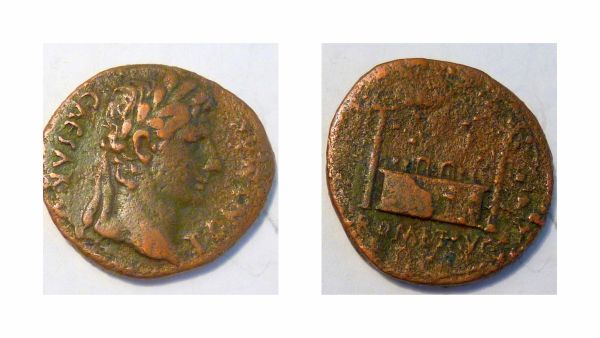 AE Quadran, RIC 465 struck at Rome, 5 BC 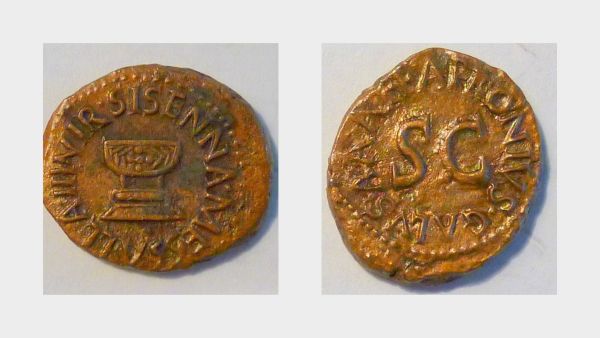 AR Denarius, RIC I 167a, struck at Lugdunum, 15-13 BC 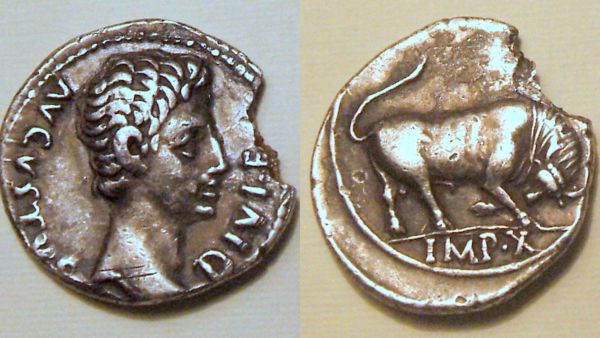 AR Denarius, RIC 210, struck at Lugdunum, 2-4 BC 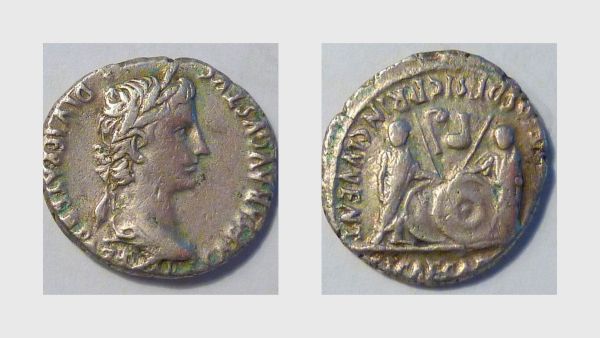 AE As, RIC 81 (tib), struck at Rome, 22-30 AD 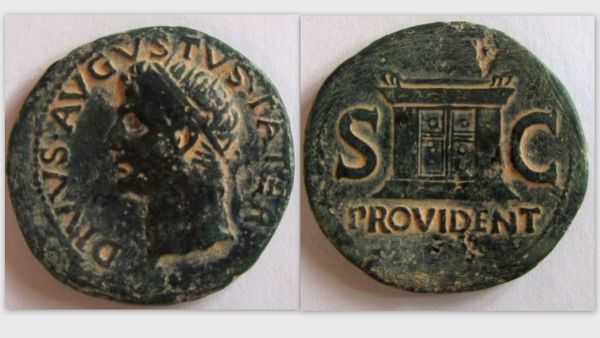 Æ 25 As, RPC 129, struck at Colonia Patricia (Cordoba - spain), 19/18-2 BC 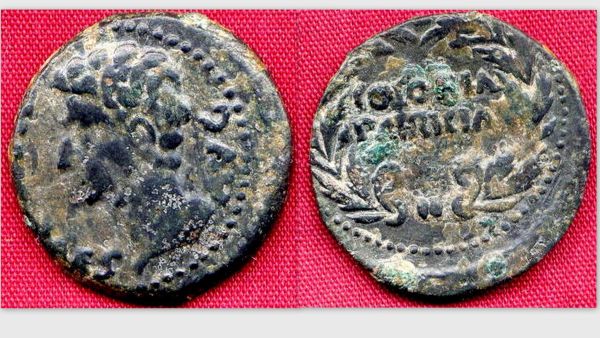 Nero Claudius Drusus, son of Livia Drusilla and the stepson of her second husband, the Emperor Augustus; AE Sestertius, RIC 109, struck at Rome, 41-42 AD 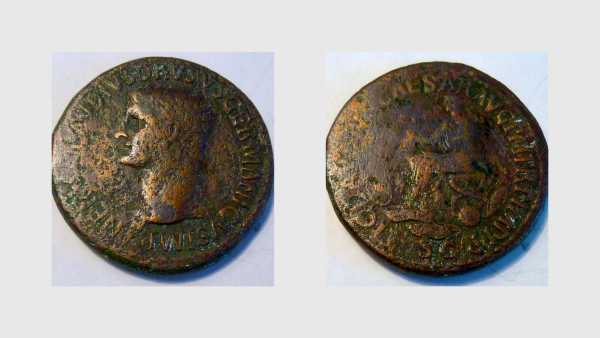 Agrippa AE As, RIC 58, struck at Rome, 37-41 AD 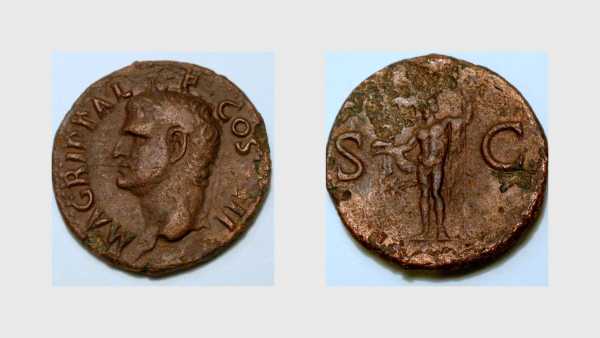 Marcus Anthony, Ionia Silver cistophoric tetradrachm. sturck at Ephesus, 39 BC 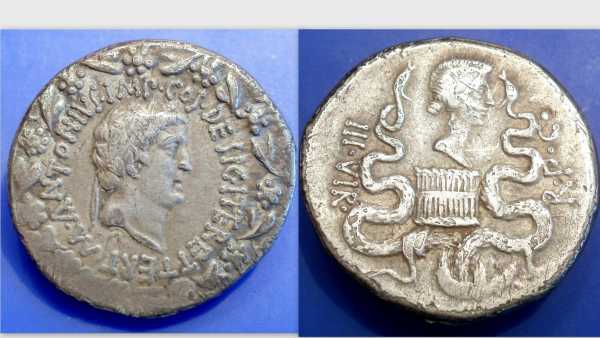 |
|
Pillar of the Community
United States
5155 Posts |
|
| |
Replies: 760 / Views: 118,806 |
To participate in the forum you must log in or register.
Disclaimer: While a tremendous amount of effort goes into ensuring the accuracy of the information contained in this site, Coin Community assumes no liability for errors. Copyright 2005 - 2026 Coin Community Family- all rights reserved worldwide. Use of any images or content on this website without prior written permission of Coin Community or the original lender is strictly prohibited.
Contact Us | Advertise Here | Privacy Policy / Terms of Use
|
| Coin Community Forum |
© 2005 - 2026 Coin Community Forums |
| It took 0.44 seconds to rattle this change. |
 |
|
| |
| |







 First Page
 Previous Page


 Posted 01/20/2013 02:21 am