| Author |
 Replies: 41 / Views: 12,934 Replies: 41 / Views: 12,934 |
|
|
|
Valued Member
Australia
90 Posts |
There is another "Tell Tale" on the Obverse as mentioned by OP nealeffendi above and if we are on the same page  It's the Indent in Rim between Britt and OMN, if present will allways be a Dot Under. I have seen the Dot Under without this indent though, not very many but does exist.  The Indent 1920 English Obverse:  The No Indent 1920 English Obverse:  |
|
Pillar of the Community
Australia
750 Posts |
Ford prefect, that definately makes the identification of that one of mine an absolute certainty.  A picture surely says a thousand words, especially when they are with the clarity of this discussion. That being the case, my digression ..... To yourself and nealeffendi ... www.youtube.com/watch?v=lBEn3a4TIUw |
|
Pillar of the Community
Australia
750 Posts |
Lucky last of them (maybe) .... this one has the die chip on the top of the E, but no crack through the EAL (that I can see) nor spur on 2nd N (that I can see), so this should be one of the 35% nealeffendi refers to (100% less 65% that do). (I have 2 of these, but the other has the dot below quite clear). Please let me know if I've missed something on this one and thanks again for your help. (Promise I won't tackle my 1919's until I get a scope  ) 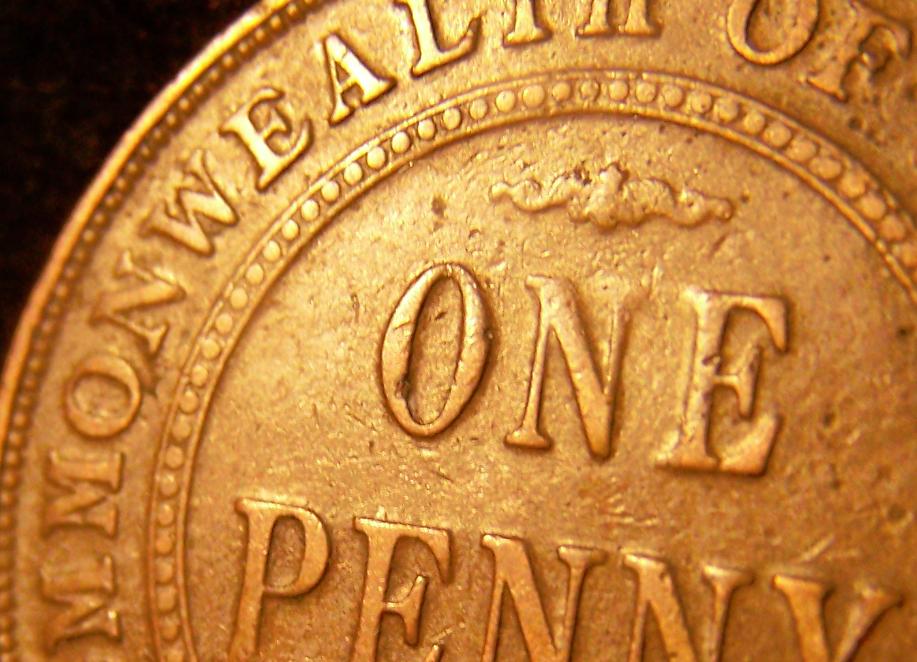 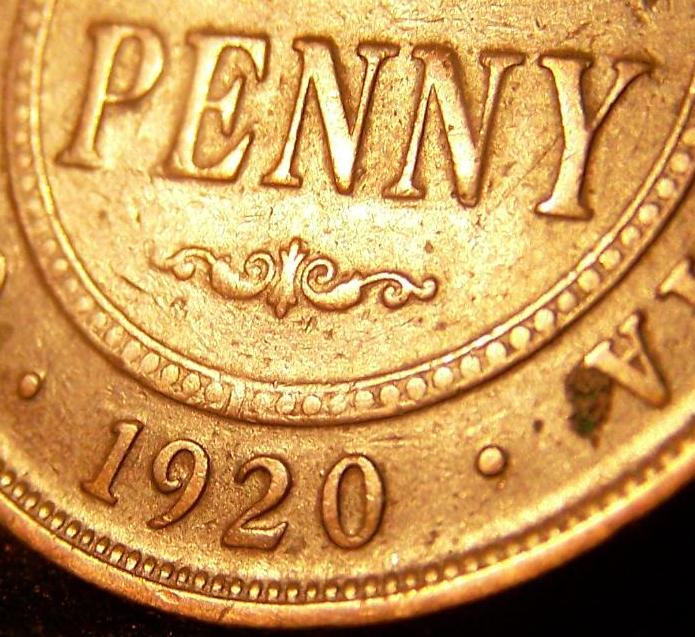 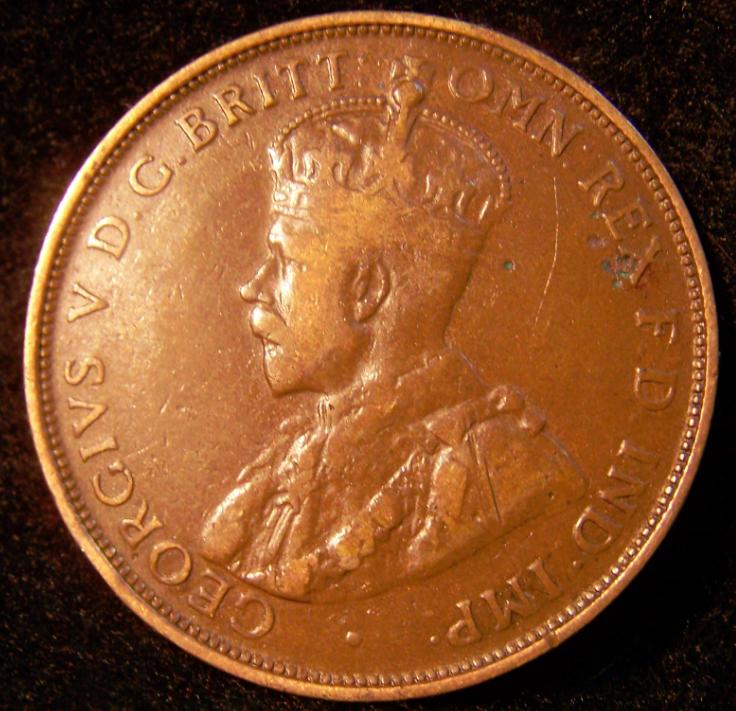 |
|
Valued Member
Australia
90 Posts |
Yep that's an early strike of Dot Under. From what I've observed on this particular die pairing. The Reverse Die Chip on E (Die clash spur usually at the same time) Then The Obverse The Indent above BRITT-OMN on Rim appears. Then the Die Crack IND begins to appear. (This is the most commonly used indicator) Back to Reverse: The Dot is usually all but gone. Late strikes will have the EA Die crack. Fascinating year the 1920. Your next task will be an Indian Obverse 1920 Dot over top scroll only. Genuine examples are very much under appreciated.  |
|
Pillar of the Community
Australia
750 Posts |
I just can't wait to get onto the Indian 1920's. I have around 160 Indians, so in comparison to the 4 London it will be great to see how they pan out. Will wait for my scope though.
Thanks again ford prefect for all your help.
|
|
Pillar of the Community
 Australia
852 Posts |
Ford, you have the info wrong. There are TWO pairs of / English. The more common pair has the line IND IMP with the groove on the rim RITT OM and the less common pair has the die chip at the top of E.
Unicorn,if you really want to drive yourself crazy sorting out the dies then the Indian obverse dies will frustrate you no end. Just going through another 1200 CBLs this past month and have found another die crack through the date (16 different die cracks so far in the date). The lower mintage die pairs are only found at a ratio of 1 in 1000 or less and there are some that are far rarer (I have a couple with only a single example so that is about 1 in 10,000).
|
|
Pillar of the Community
Australia
750 Posts |
Quote:
if you really want to drive yourself crazy It will be a very short trip nealeffendi as I think I'm already there!  |
|
New Member
United States
6 Posts |
I believe I may have a 1920 Australian One Penny coin with no dots here are a couple of pics I've taken. Can I get responses regarding whether or not I'm wrong or right and how much it's worth? 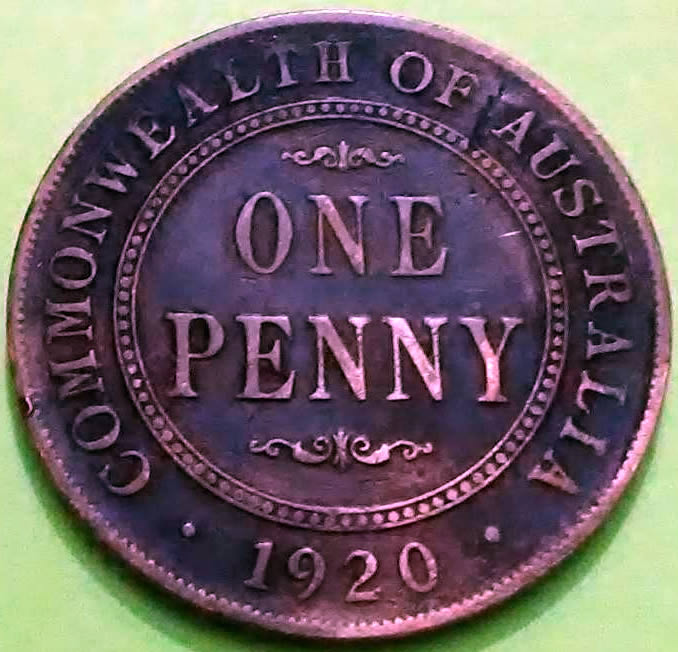 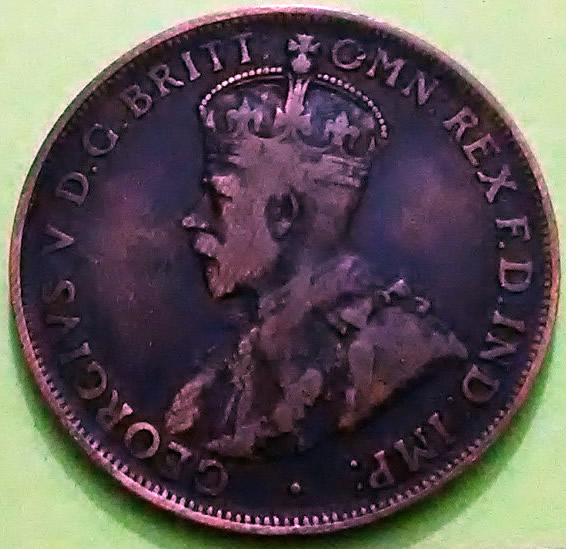 |
|
New Member
Australia
42 Posts |
Sorry OscarC07, your coin is most likely a dot below bottom scroll Indian obverse in about VG grade. The dot may not be readily visible, but the lettering in the reverse legend is curved based, as evidenced by the "L" in AUSTRALIA, which suggests the dot has been obliterated by a filled die as all pennies with CBL on the reverse and an Indian obverse were. Phew!! that was a struggle, but can't claim brownie points as it was an article by nealeffendi that told me that!!
|
|
New Member
Australia
7 Posts |
1920 london no dot? 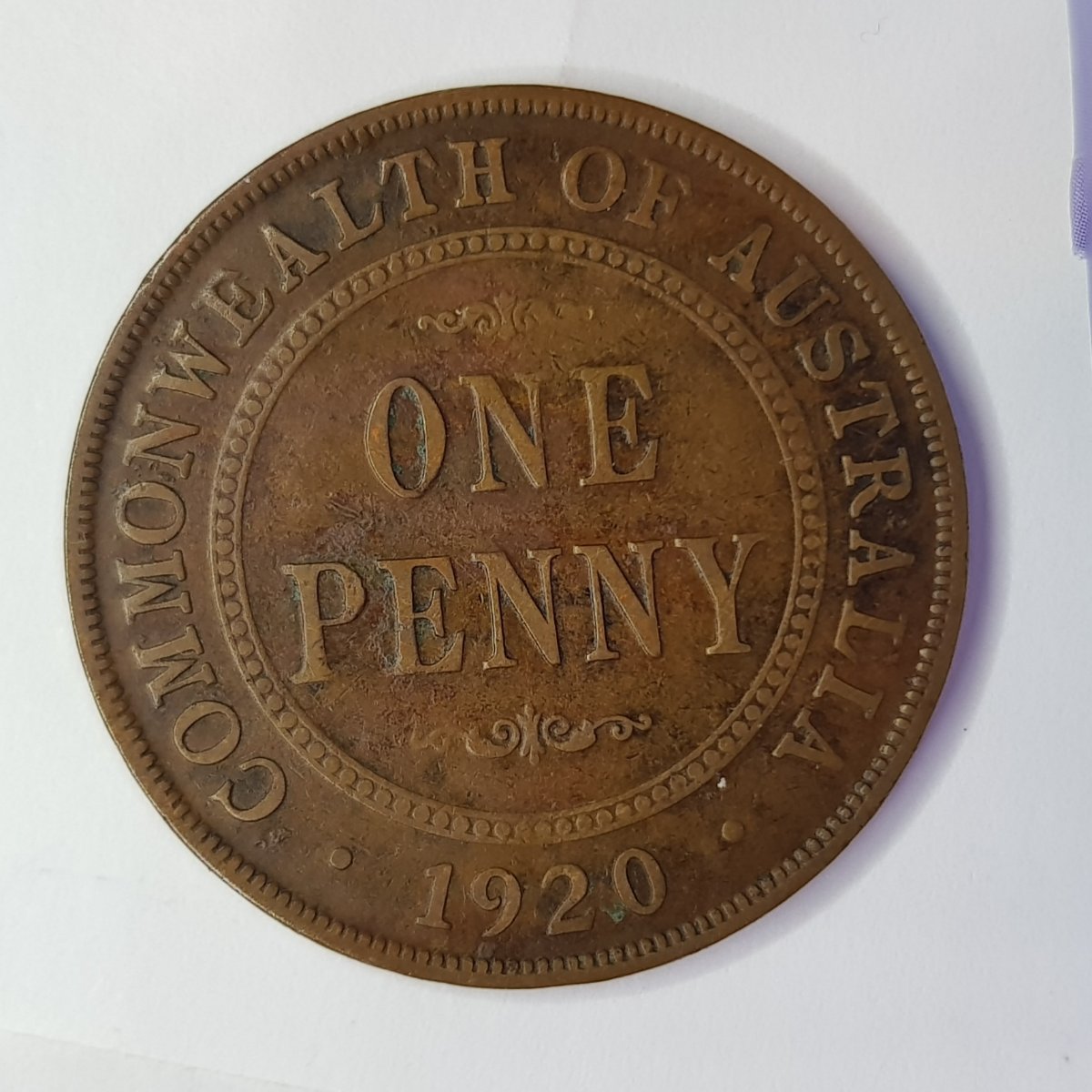 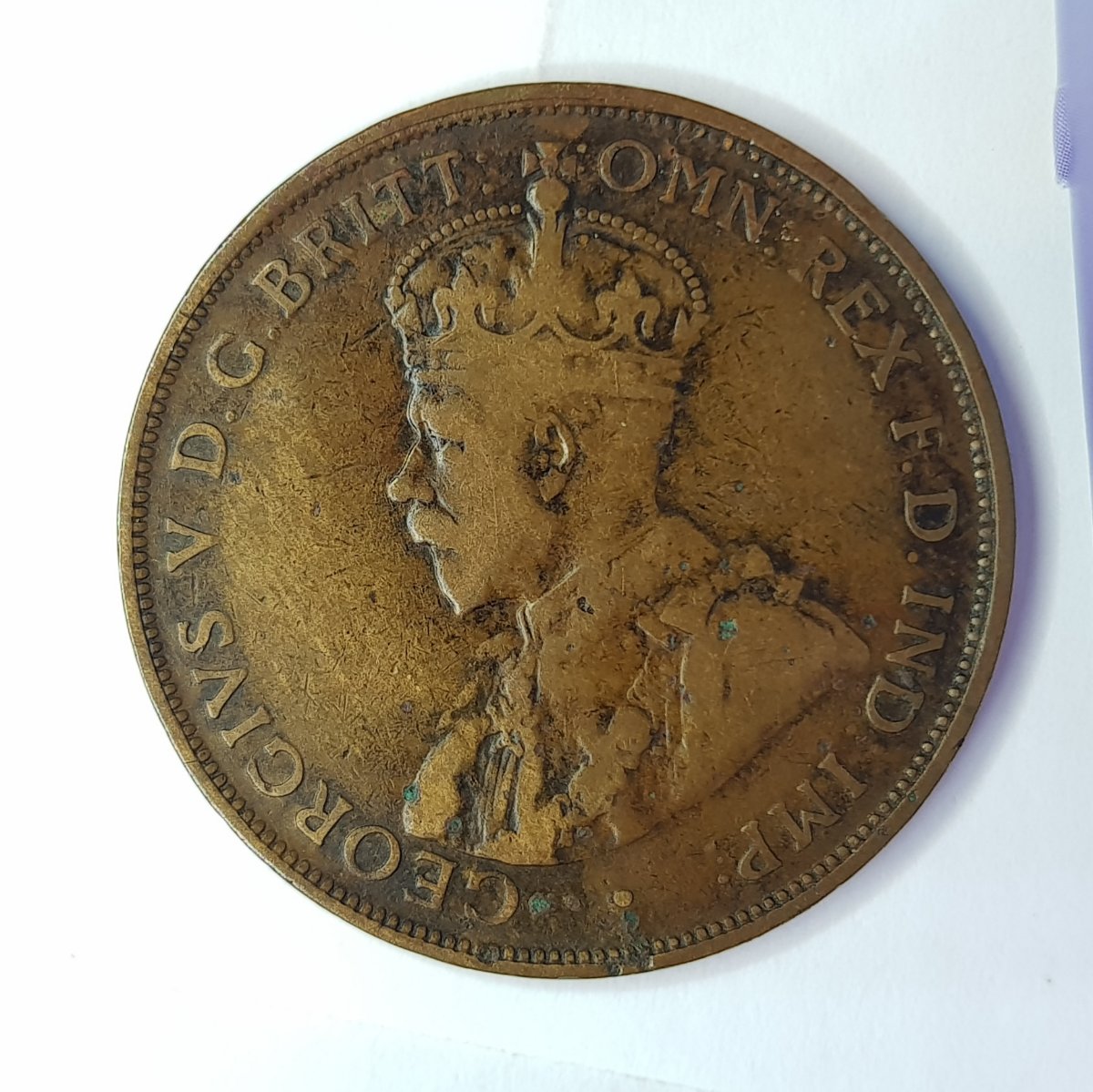 |
|
Pillar of the Community
Australia
606 Posts |
Its a dot below.
You can tell by the flaw on the obverse rim above O in OMN
Watch your top knot
|
| |
Replies: 41 / Views: 12,934 |








 First Page
 Previous Page


 Posted 03/08/2013 04:17 am


