| Author |
 Replies: 1,475 / Views: 158,983 Replies: 1,475 / Views: 158,983 |
|
|
|
Pillar of the Community
New Zealand
526 Posts |
Quote:
Lucky - That hole was probably made by an old fashioned square shaft nail. Nailing a coin above a doorway has long been considered something that brings good fortune to a household (or at least wards off evil). Thanks Lucky - you learn a little everyday I was just reading about the Chinese square holed coins. They string 3 or more of them together with red cord for luck. I might try that - my front doorway has a brick surround and a aluminium frame, the nailing of a coin is not on..... (according to the wife  )  |
|
Pillar of the Community
 United States
4883 Posts |
1949 East Africa 1¢ 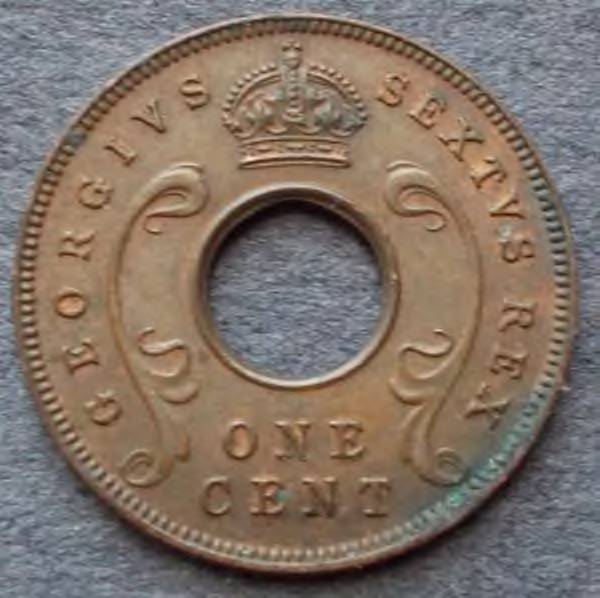 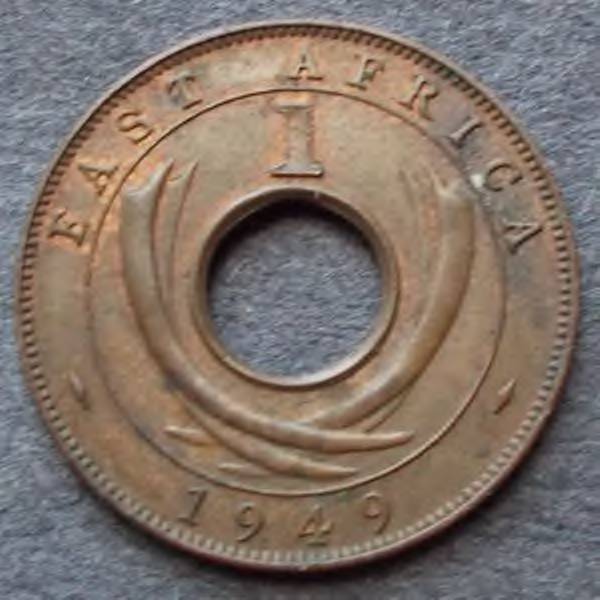 Colligo ergo sum
|
|
Pillar of the Community
United States
4883 Posts |
Belgian Congo 10 centimes 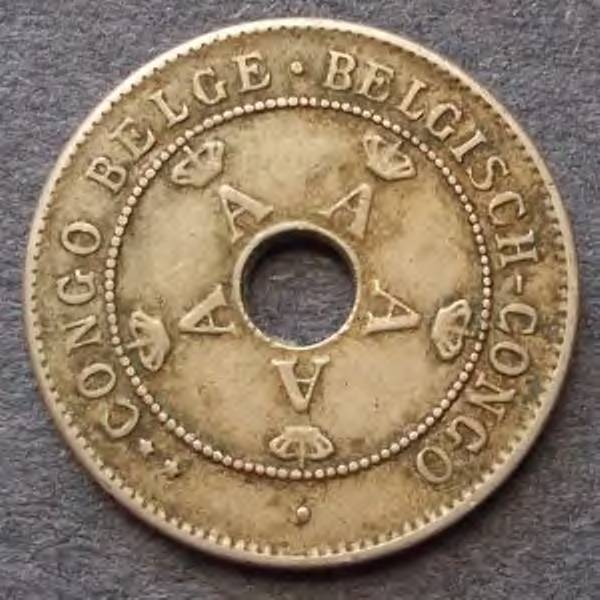 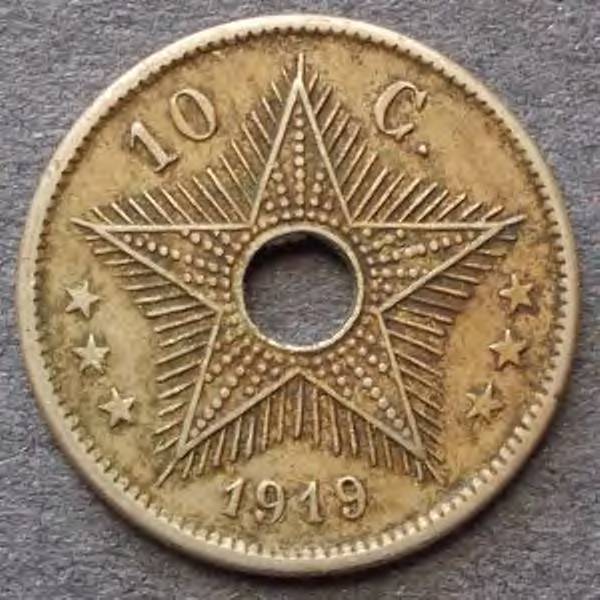 Colligo ergo sum
|
|
Valued Member
United States
309 Posts |
Some large cents with round, drilled or punched center holes have been found in Civil War artillery sites. See Artillery Fuses of the Civil War by Charles H Jones, page 68, with photo credit by Mike O Donnell regarding the Brown Plunger and Disk Detonator pieces. Brown used copper (non sparking) disks often fabricated from large cents in the field. A serrated wire passed through the central hole which should measure 0.18 inches in diameter (about the size of a typical pencil. The disks were about 1.25 inches in outside diameter which matches well with large cents in a pinch. I saw a digger find both a primer and large cent with center hole that would be right for artillery action. I know they were used at Petersburg. Many diggers may have holed large cents but probably never looked them up to see if they belong with artillery artifacts too. The hole has to be in the center, the right size, and the large cent should be dug with artillery artifacts to likely be the real McCoy. Both Matron Head and Coronet Head large cents served this purpose that I know of. I understand large cents with center holes may have served many other functions during the Civil War from fishing lures to spur rowels to pie crust cutters.
|
|
Pillar of the Community
United States
4883 Posts |
Pakistan, 1 pice. Note the disproportionally large hole for this particular issue (a configuration shared with the Indian coins of the same denomination produced during the 1940's under British rule). I wonder how many of these got pressed into service as improvised washers. 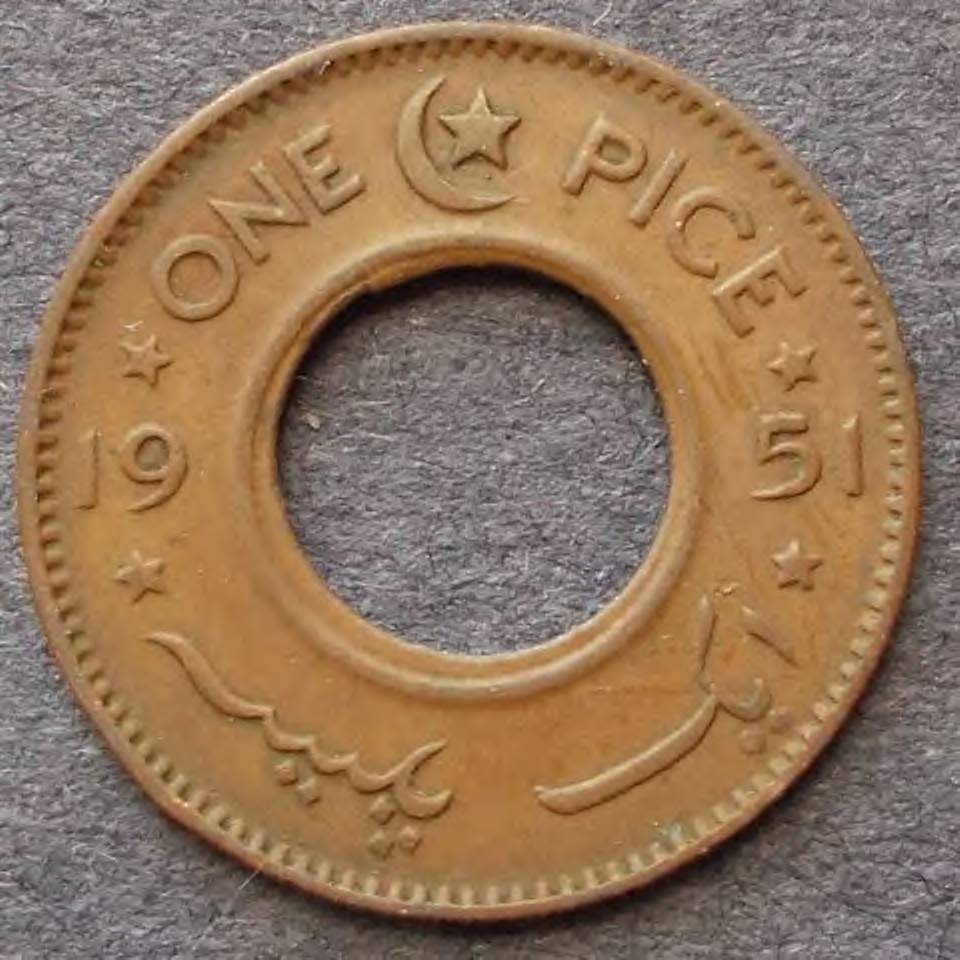 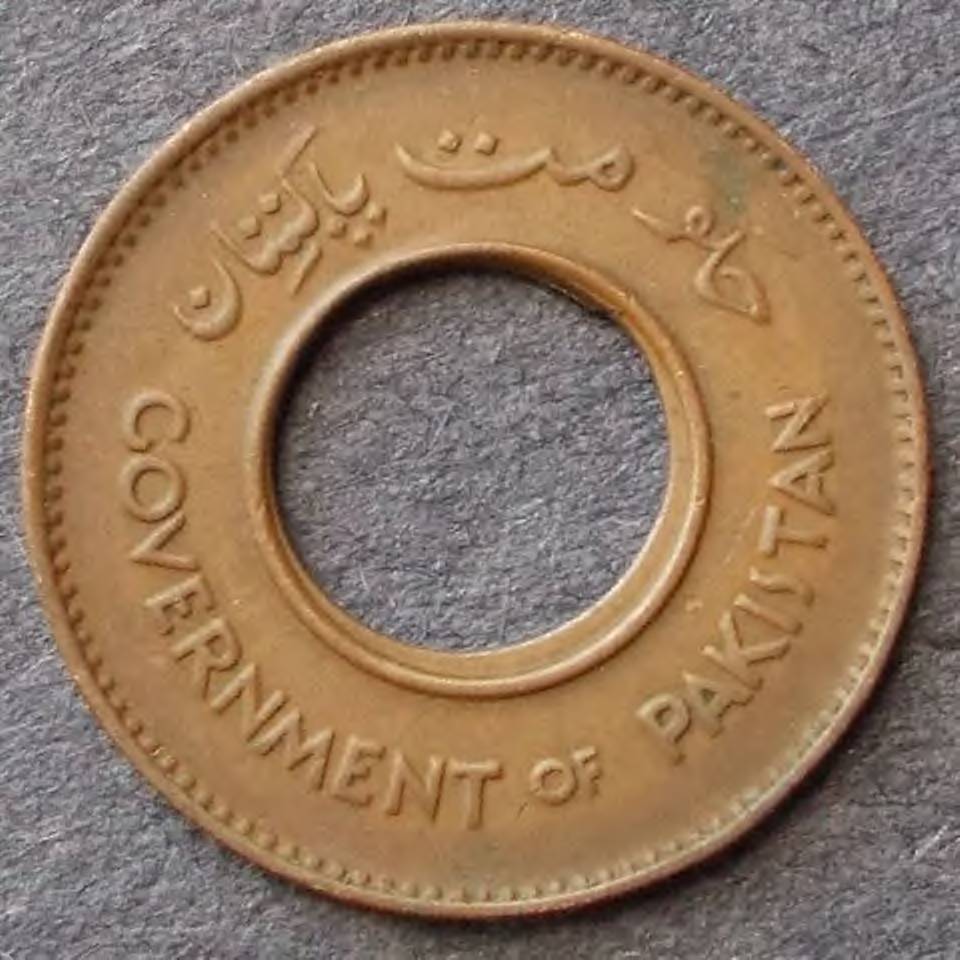 Colligo ergo sum
|
|
Pillar of the Community
United States
4883 Posts |
Victorian Hong Kong, 1 mil. Just 15.4mm in diameter. Very large mintage of 40 million, but given its nominal face value and diminutive size, I'd think its survival rate woulld be less than is typical. 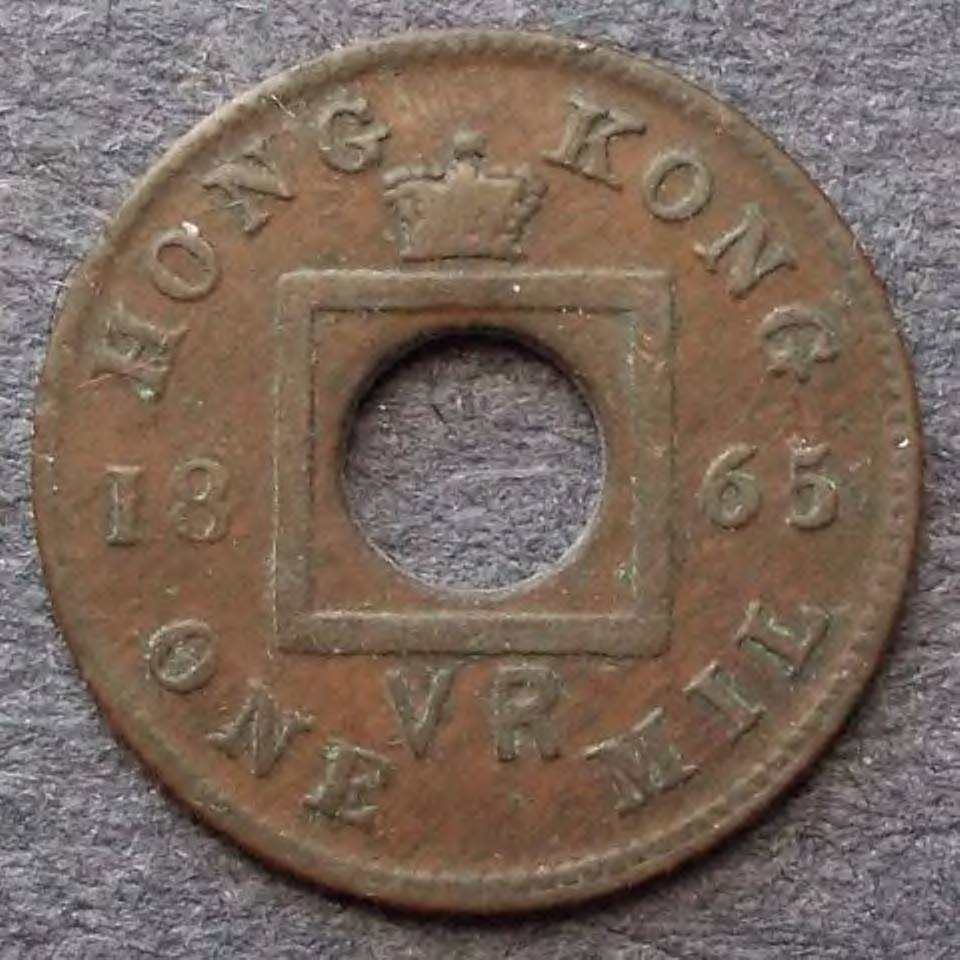 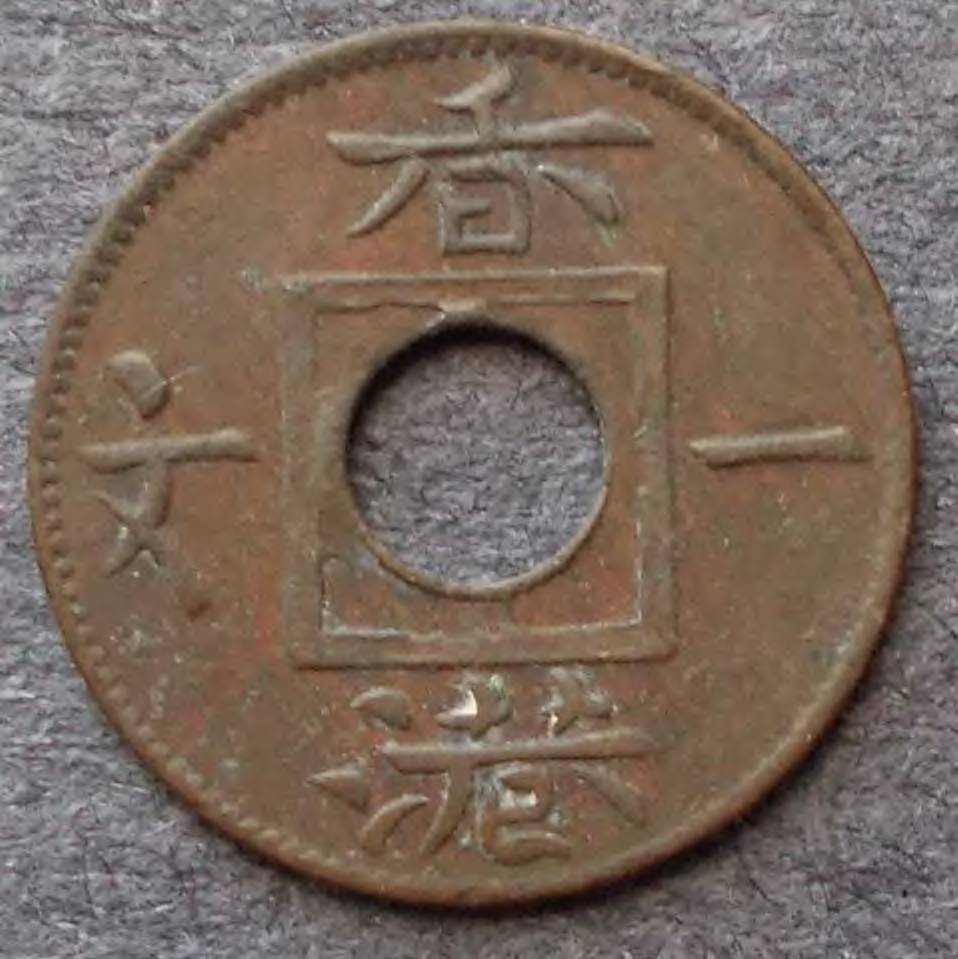 Colligo ergo sum
|
|
Pillar of the Community
United States
4883 Posts |
French Indochina - 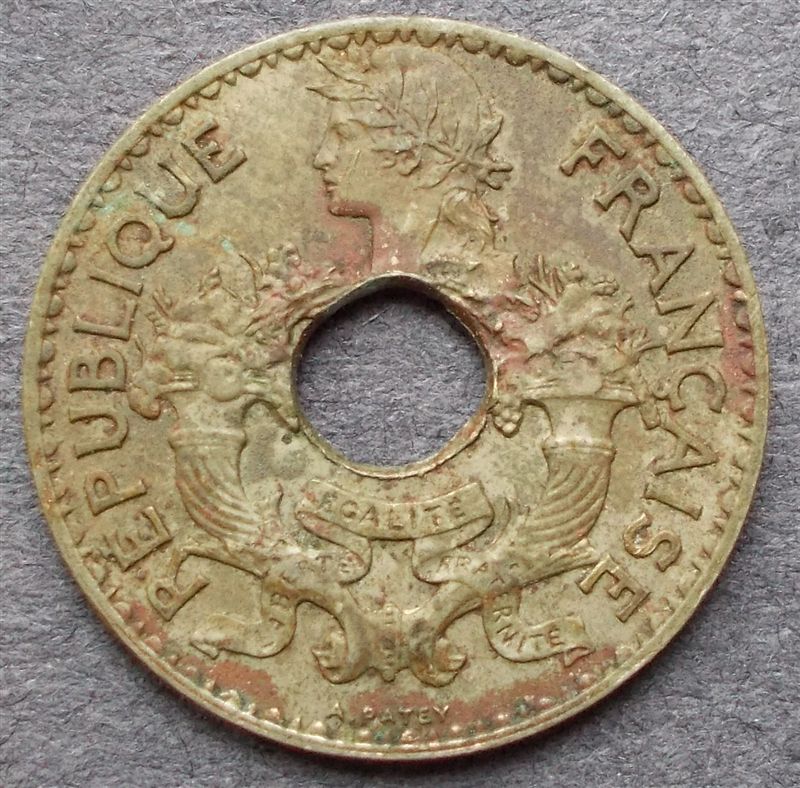 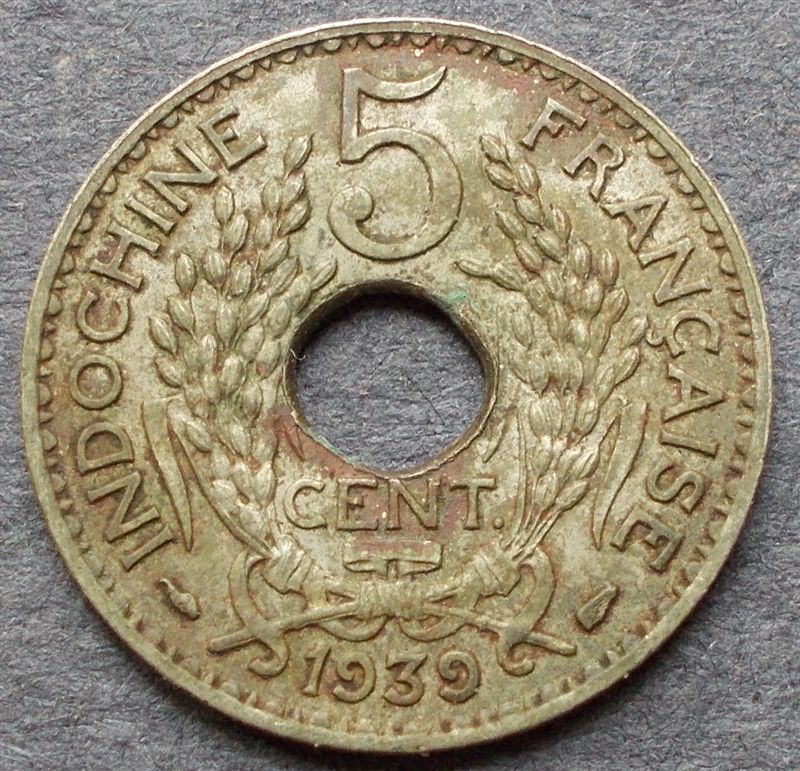 Colligo ergo sum
|
|
Pillar of the Community
United States
4883 Posts |
1918 Munich 15 Pfennig. Made of zinc.   Colligo ergo sum
|
|
Valued Member
United States
204 Posts |
I only have 2 coins with holes in the middle. I got them out of the "bargain bin" at my LCS (Local Coin Shop) for a couple quarters.
|
|
Bedrock of the Community
Canada
21865 Posts |
Kingdom of Belgium 1921 25 Centimes 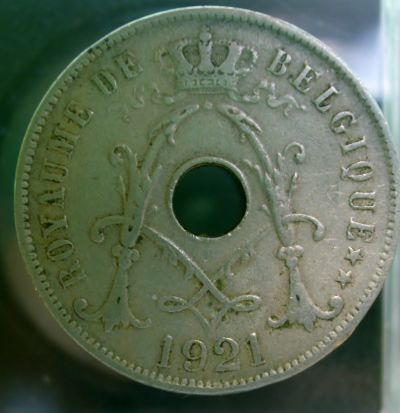 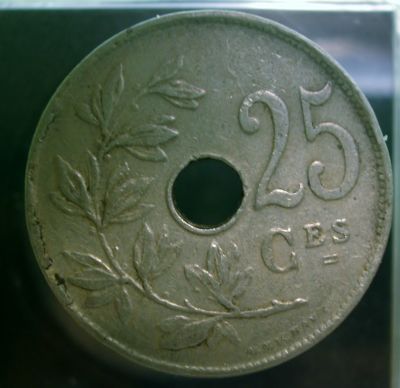 |
|
Pillar of the Community
United States
4883 Posts |
Japan, 10 yen, dating to the last year of the Taisho period, 1926. 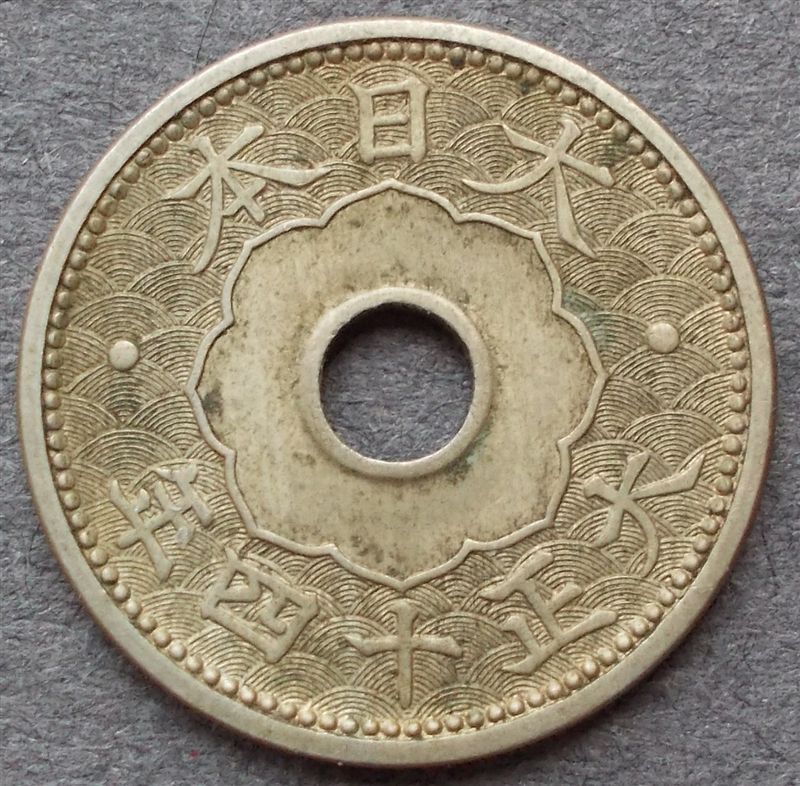 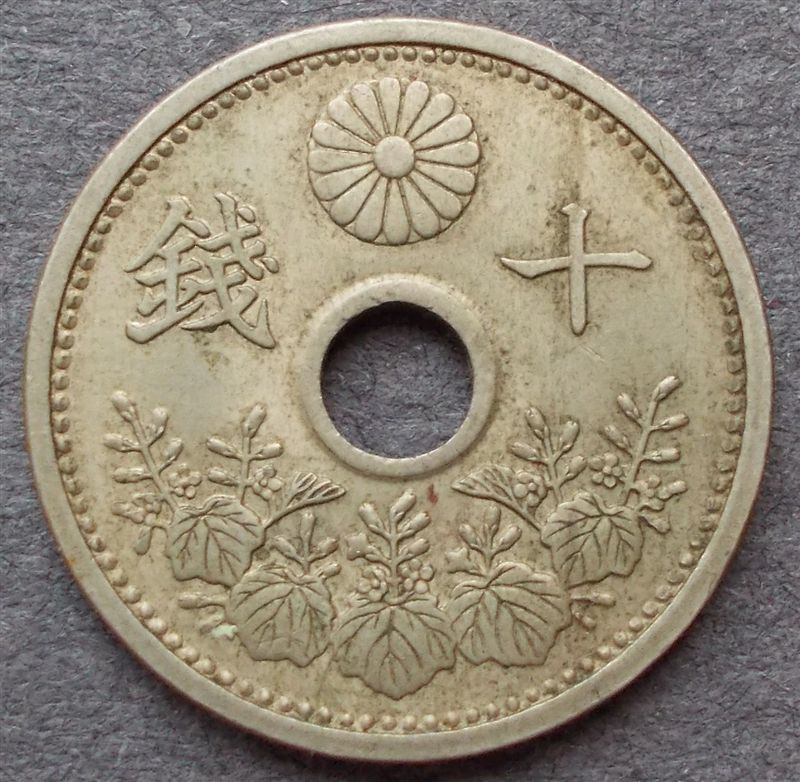 Colligo ergo sum
|
|
Bedrock of the Community
Australia
21789 Posts |
Summary of silver coins with central hole in this thread:
besides the 'holey dollars' of New South Wales and Prince Edward Island, there are the
New Guinea shillings of 1935, '36, '38, and '45, and the
Thailand 10 Satangs of 1941.
Thailand 20 Satangs of 1942. (not mentioned before)
Are there there any other silver coins with a central hole?
|
|
Pillar of the Community
United States
4883 Posts |
French Protectorate of Morocco 25 Centimes. I believe this is the 1921 issue. 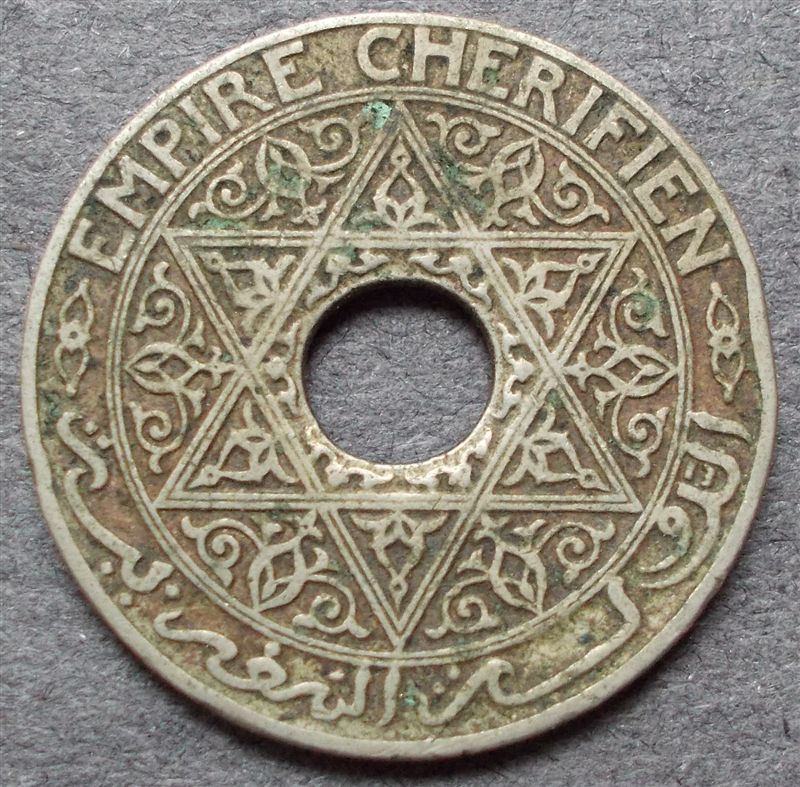 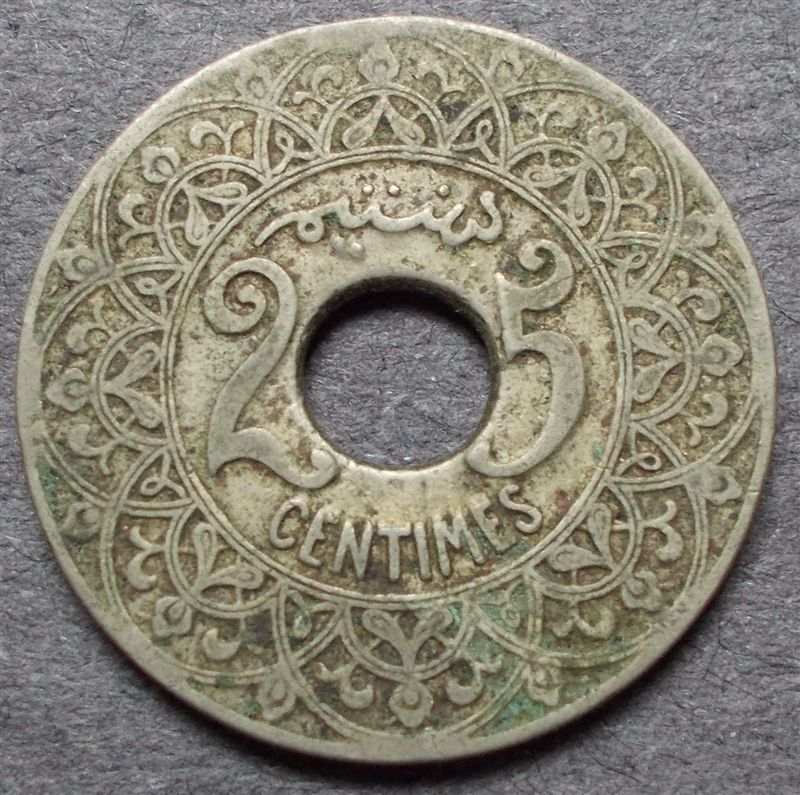 Colligo ergo sum
|
|
Pillar of the Community
United States
731 Posts |
French Indochina 1939 Centime 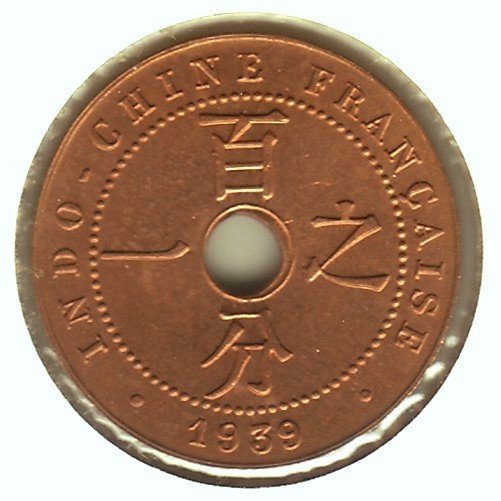 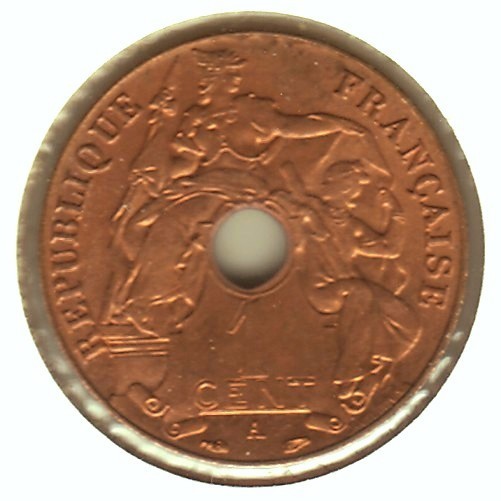 |
|
Pillar of the Community
United States
731 Posts |
British India 1943 Pice 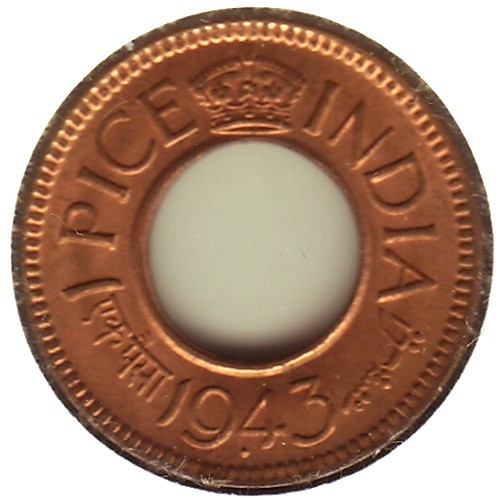 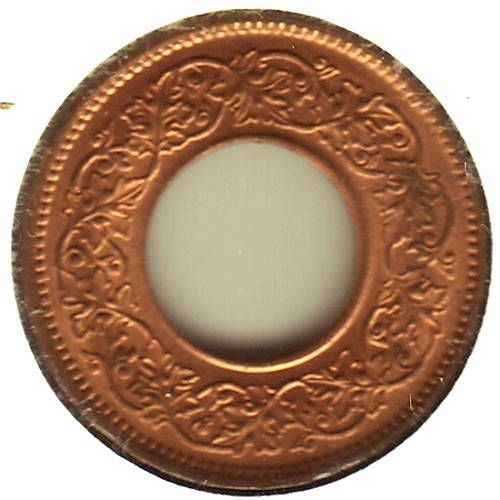 |
| |
Replies: 1,475 / Views: 158,983 |







 First Page
 Previous Page


 Posted 01/05/2015 6:03 pm





