| Author |
 Replies: 480 / Views: 54,255 Replies: 480 / Views: 54,255 |
|
|
|
Valued Member
United States
333 Posts |
Does anybody know where I can get a copy of the article "World's Coinage Uses 24 Chemical Elements", Jay and Marieli, Coin World Feb. 17, 1992, pages 24-25 and Mar. 2, 1992, pages 18-19? Supposedly there's been coinage of molybdenum, vanadium, zirconium, and others I haven't come across yet. I'm thinking those might just be medals or element samples but want to see if they aren't. |
|
Valued Member
United States
333 Posts |
Not posting mine because the pics are coming out badly, but I just got one of these. It's a NCLT from Latvia, 2016. The outer ring and inner core are silver, and the middle ring is perlucor, a transparent ceramic. 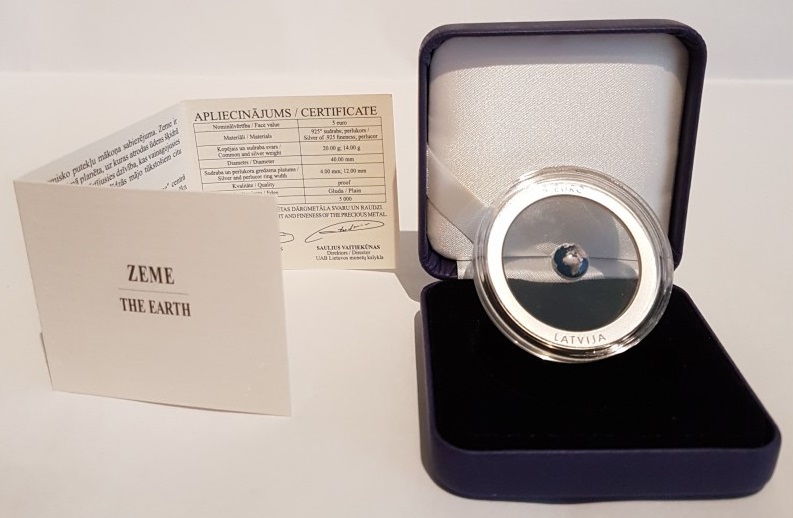 The coin is very sharp and clean to see in person. You can read more about perlucor here: https://www.ceramtec.com/news/id/19...lector-coin/The German 5e's that were released last year are similar in nature, they just use a much thinner, orange polymer band instead of a thick, clear one. Those were meant for circulation, I believe. |
|
Pillar of the Community
 United States
574 Posts |
@nautilator, That's pretty cool! Thanks for posting it! In regards to the Coin World article: your post got me curious since I too have seen many references to the "World's Coinage Uses 24 Chemical Elements" article but have yet to actually read a copy of it. I took a look around online and could not find the actual article posted anywhere. So, I emailed Coin World customer service yesterday and explained why I wanted a copy and asked them if they could provide me with one. I haven't heard back from them yet. I will most likely hear back from them sometime next week. |
|
Valued Member
United States
333 Posts |
I've asked somebody from my club who I think is an ANA member, I think they have a library from which people are allowed to borrow materials from. If I get it, well I'll let you know! I was also thinking recently -- do you have any special storage conditions for any of your items? A lot of them need different storage conditions than most and I've been doing so-so in that regard. I'm especially worried about long-term storage as this sort of thing simply isn't well-studied. To start on that regard, I put my Neukematen (wax-coated pressboard) notgeld in a glassine envelope. When I got mine originally, it was in a soft plastic currency sleeve -- and some of the wax was on the sleeve! I don't know if it was due to heat, age, or pressure. Glassine envelopes seem reasonably safe. I recently bought a flat wooden dollar and it came in an old, browned such envelope and it seems to have no effect on wood, at least. 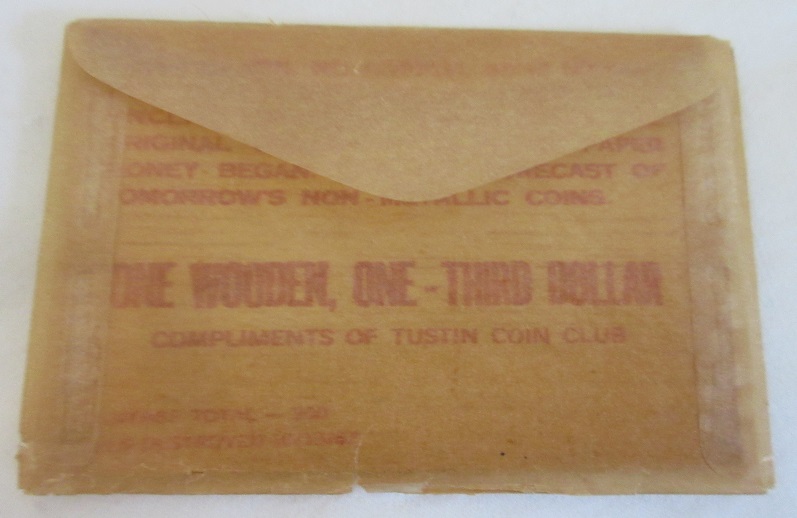 |
|
Pillar of the Community
United States
574 Posts |
@nautilator, That's really good to know about the ANA Library. I will be looking into that next if Coin World doesn't come through. If I can get ahold of a copy of this article I will let you know as well. I keep up my ANA membership current for access to Hugh Wood insurance and NGC direct submission privileges. In regards to long term storage: I actually put quite a bit of thought, effort and expense into the long term storage of my set. Everything in the set is either both certified and encapsulated or in their own individual air tite rounds with labels around the edge except for the bamboo tallie which is in its own 3 by 4 inch 6 mil zip lock bag. The air tites are also each in their own individual 3 by 4 inch 6 mil zip lock bags. Some items didn't fit into standard air tites so I had to make my own modified cases using stapled cardboard Mylar cases shaped to fit inside of thick air tite rounds (as seen in the photos). At the moment set is broken up into two parts which are each contained in modified guard house aluminum 10 slab boxes that I happened to have on hand. The two parts are "Metals and Metalloids" and "Non-Metallic Materials" one box for each with labels on the top of the box stating what is in each box. These aluminum boxes are contained in a Pelican 1300 case that I happened to have on hand. I did this due to the fact that I live in an area that can be quite humid from time to time. The only issue with my current storage setup is that it is a very tight fit with what is currently in the set and there isn't really a whole lot of room to add any possible additional items if needed. So, I'm thinking about maybe purchasing the following (pictured blow) to store everything down the line if I need to add anything new to the set. (PRO-TECT Coin Storage Case Holds 52 PCGS NGC ANACS Graded Coin Holder Slabs) it has room to store everything and has a bit of extra room for any later additions. I also like the fact that it has an area for two rechargeable desiccants (Silica Gel Desiccant Canister, 40Gram, 2-Pack Orange Color Change Desiccant Dehumidifier, Reusable and Safe, No Cobalt II Chloride) (pictured below). 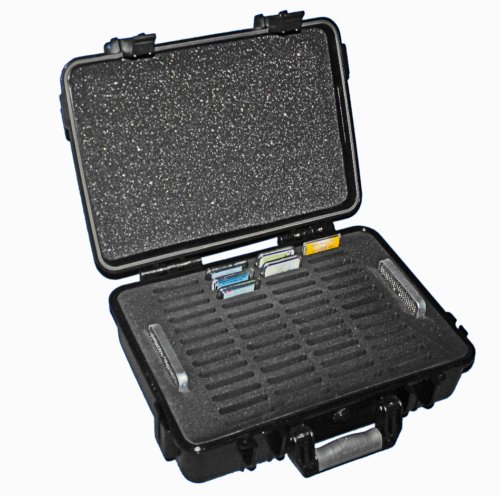 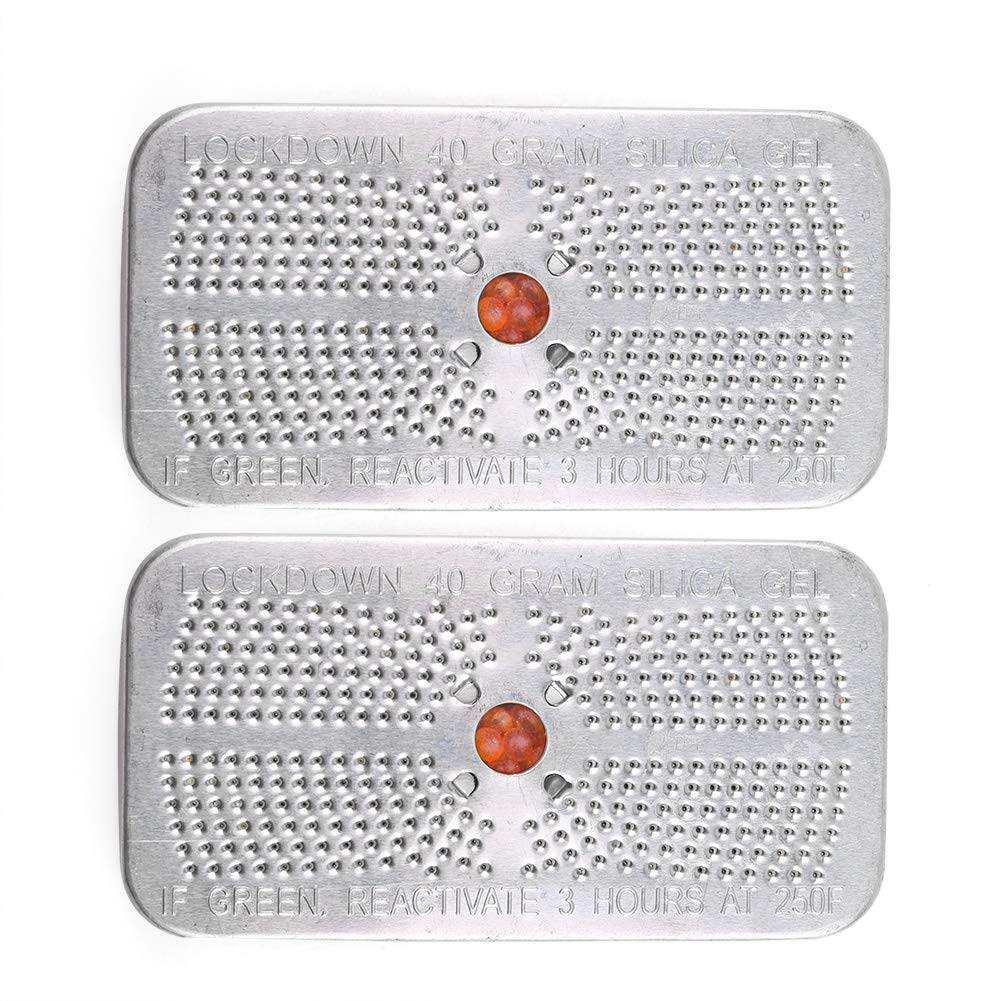 Unfortunately, I only really deal in coins for the most part so I just don't know a whole lot about the possible long term storage options for bills/notes but with that being said only five possible issues come to mind when thinking about long term storage for the more exotic pieces. In my opinion the issues are exposure to UV light, exposure to excessive temperature (heat/cold), oxidization, exposure to moisture, and possible chemical exposure from whatever cases that you are keeping the items in or from the deterioration of those cases. If you can limit these, long term storage shouldn't be a problem. There may be other issues to consider with long term storage but those are the five that come immediately to mind. Anyway, below are some quick photos of my current storage setup. Please let me know what you think and if you have any suggestions. Also, if you have any questions please let me know. Thanks. 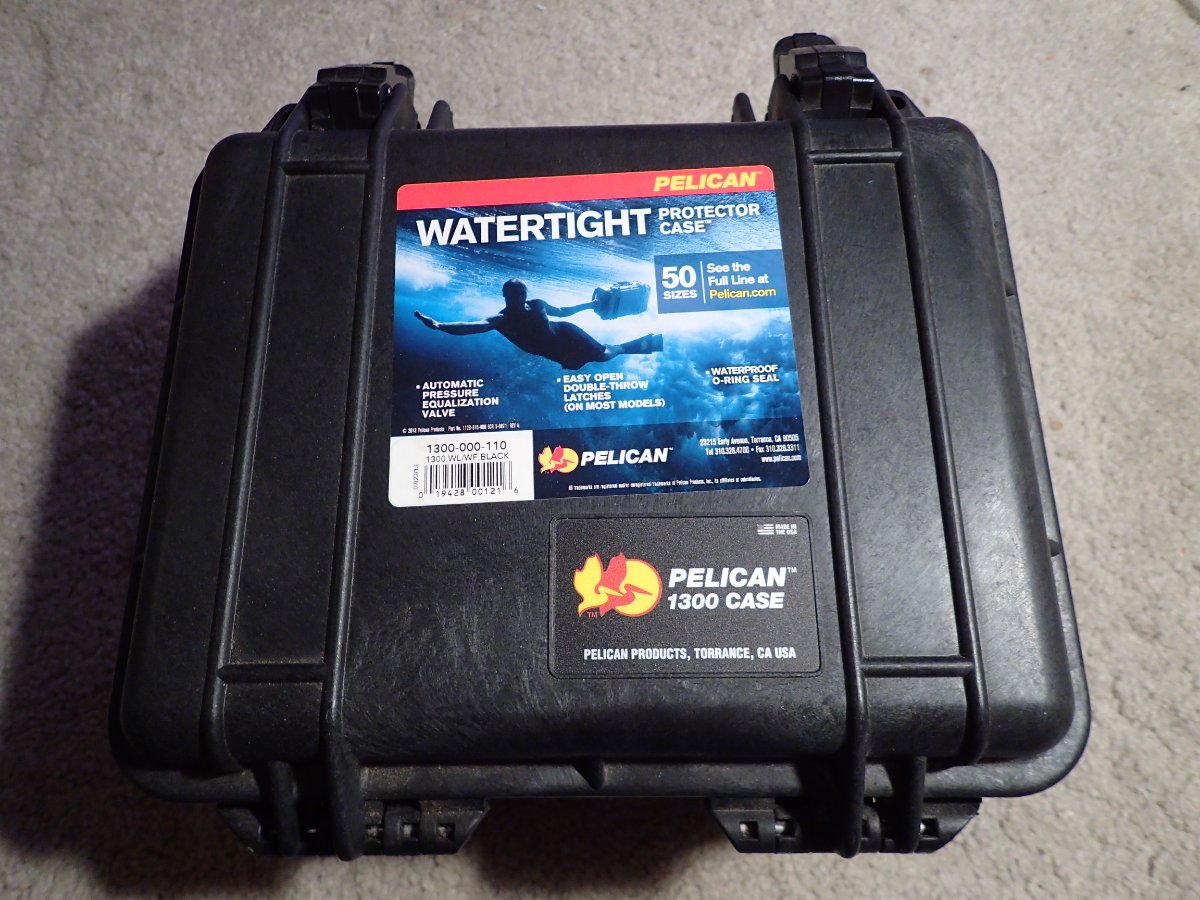 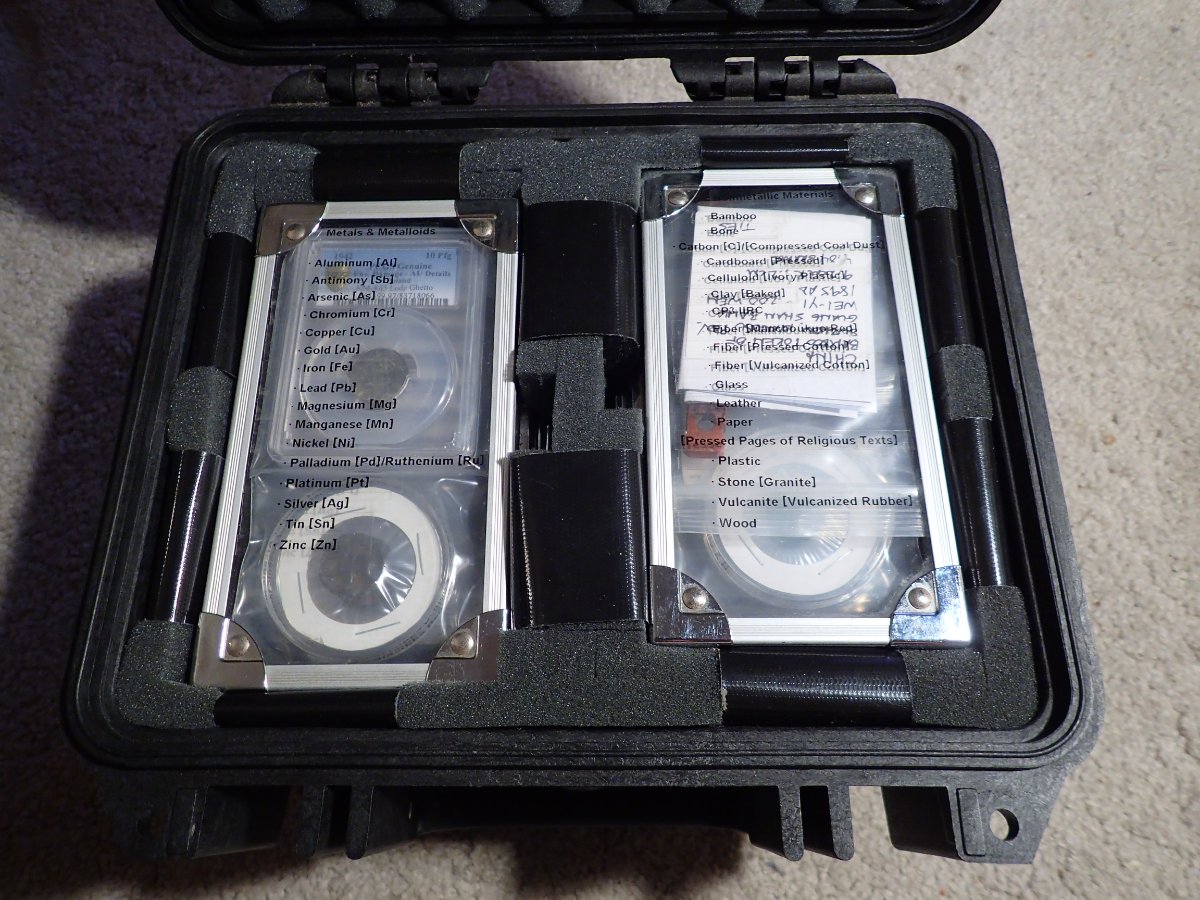 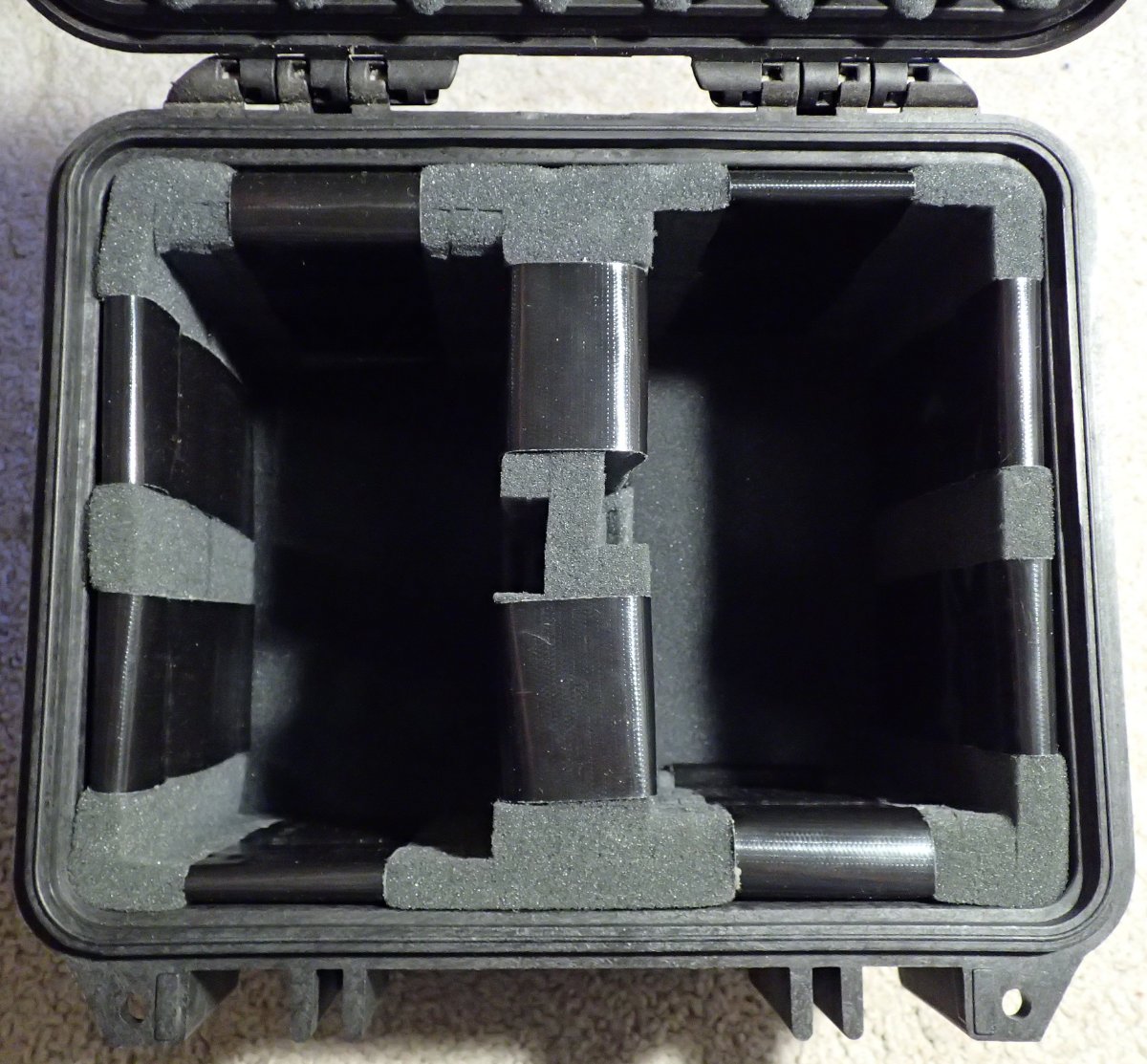 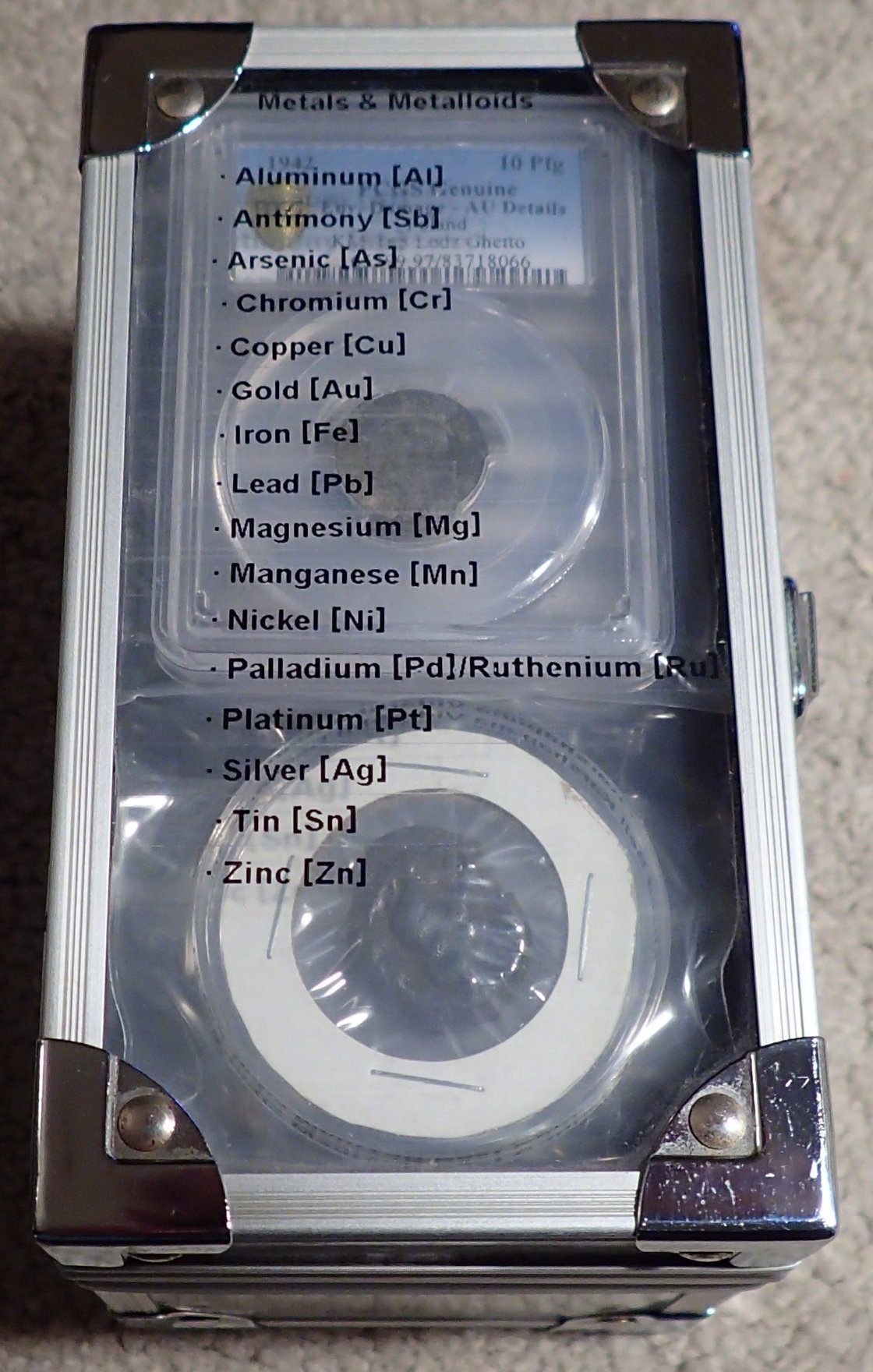 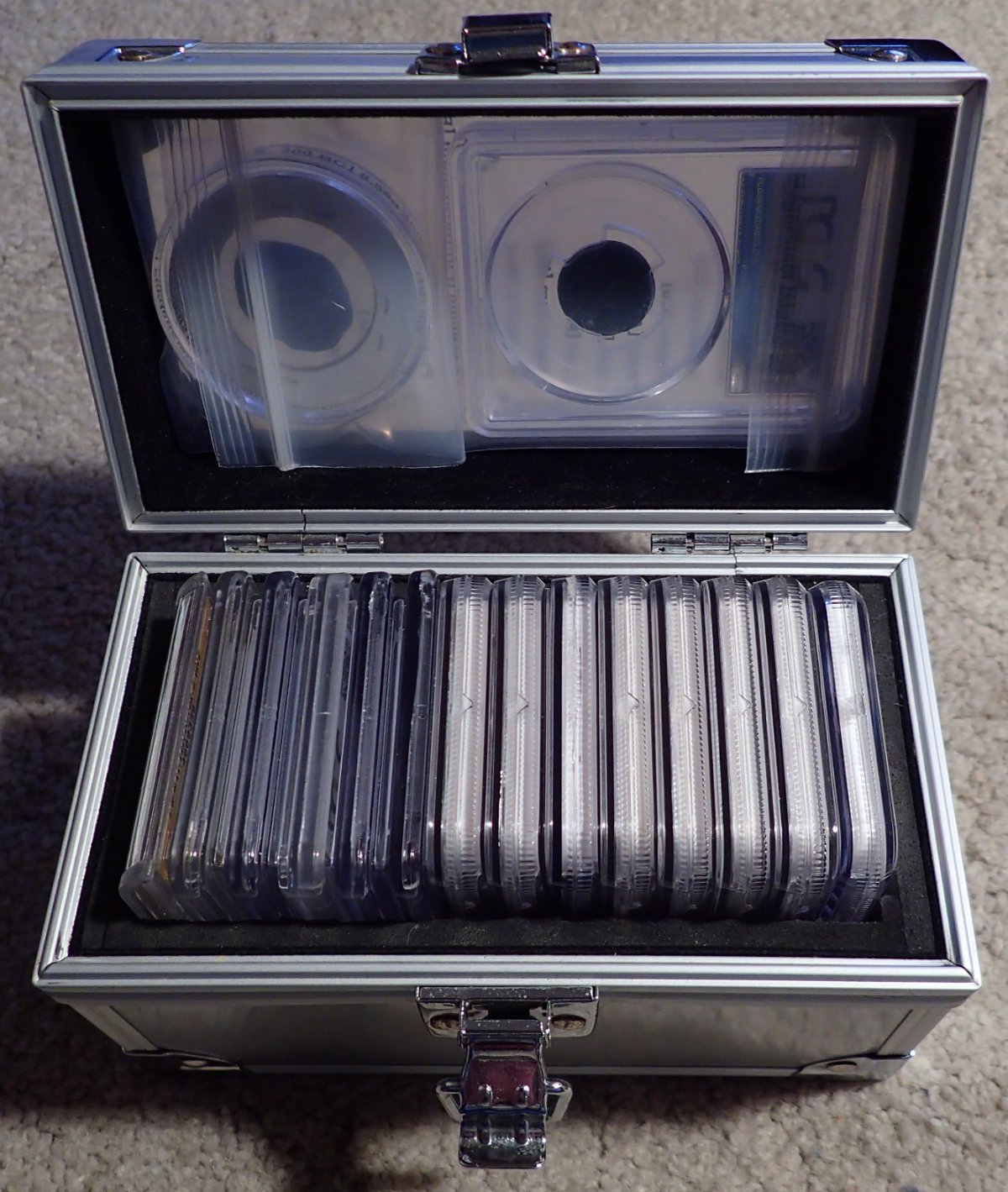 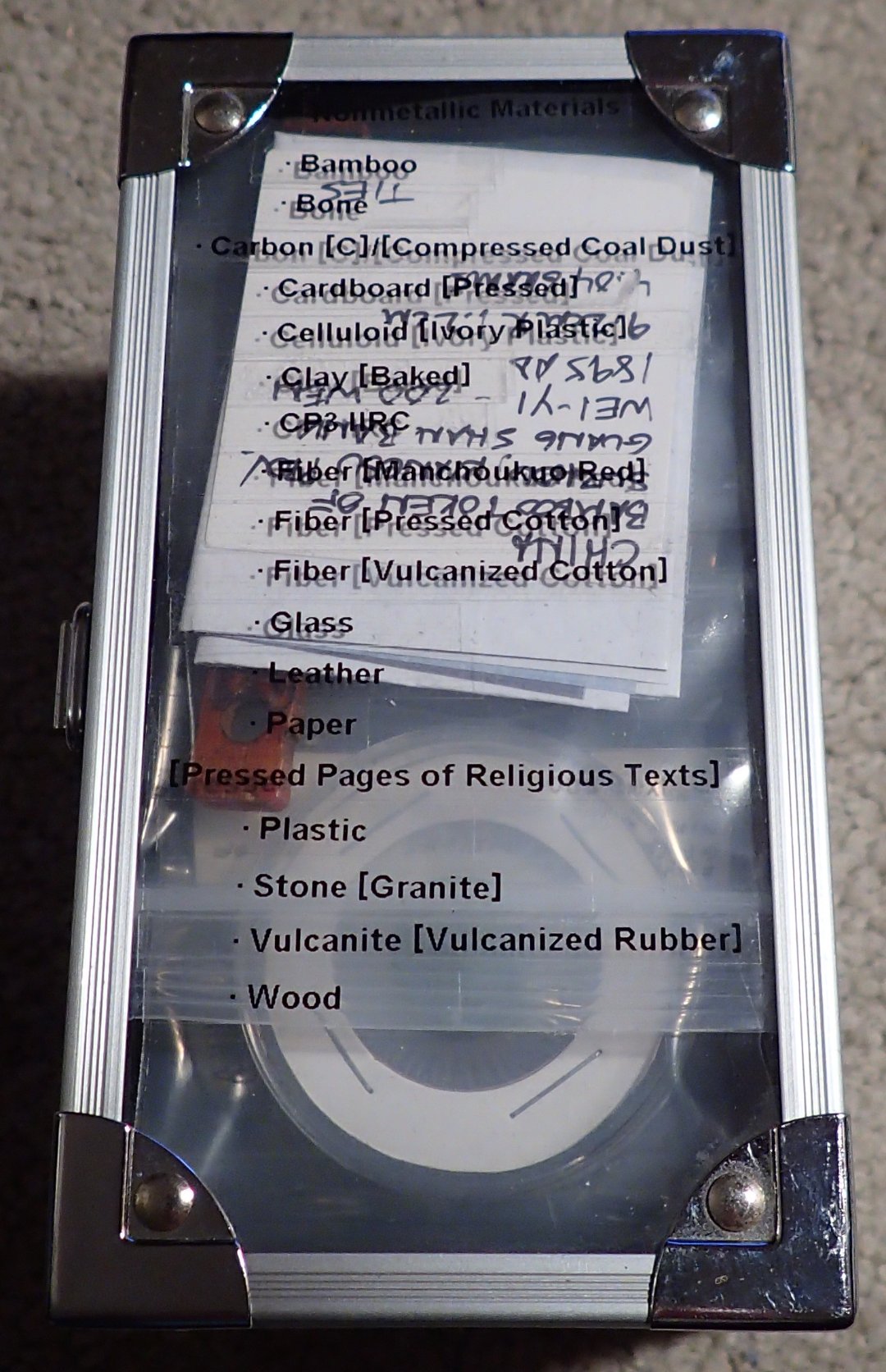 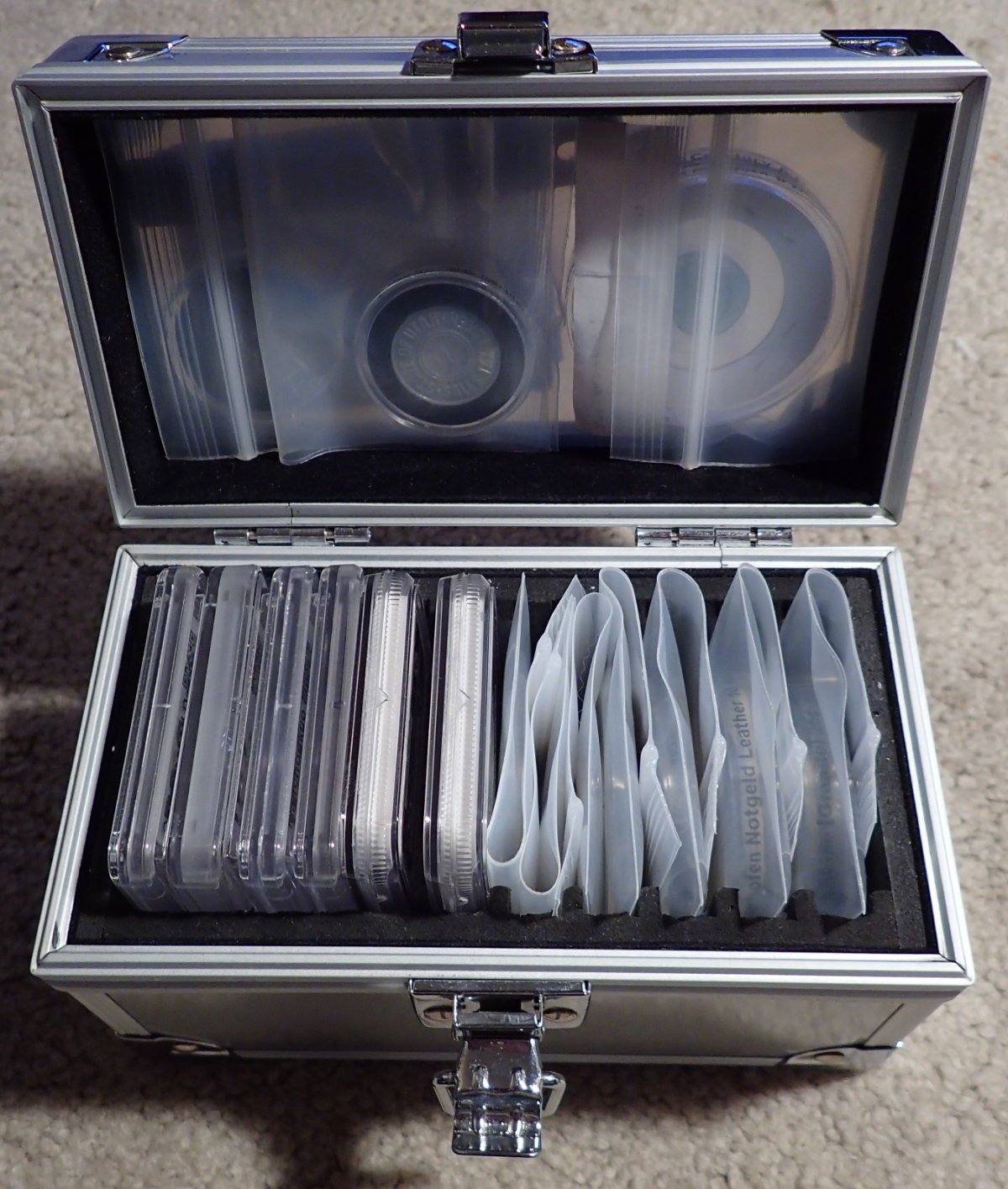 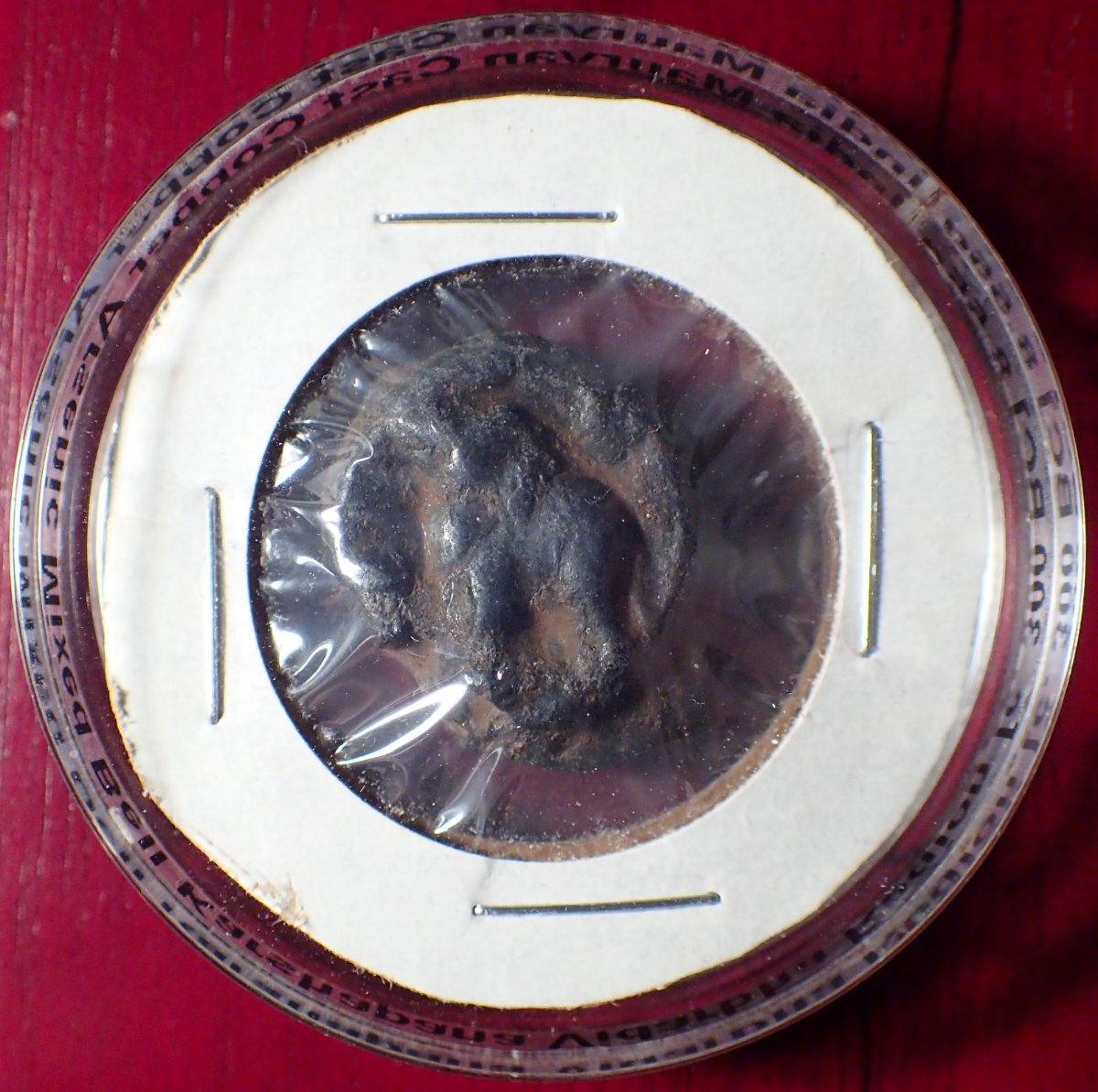 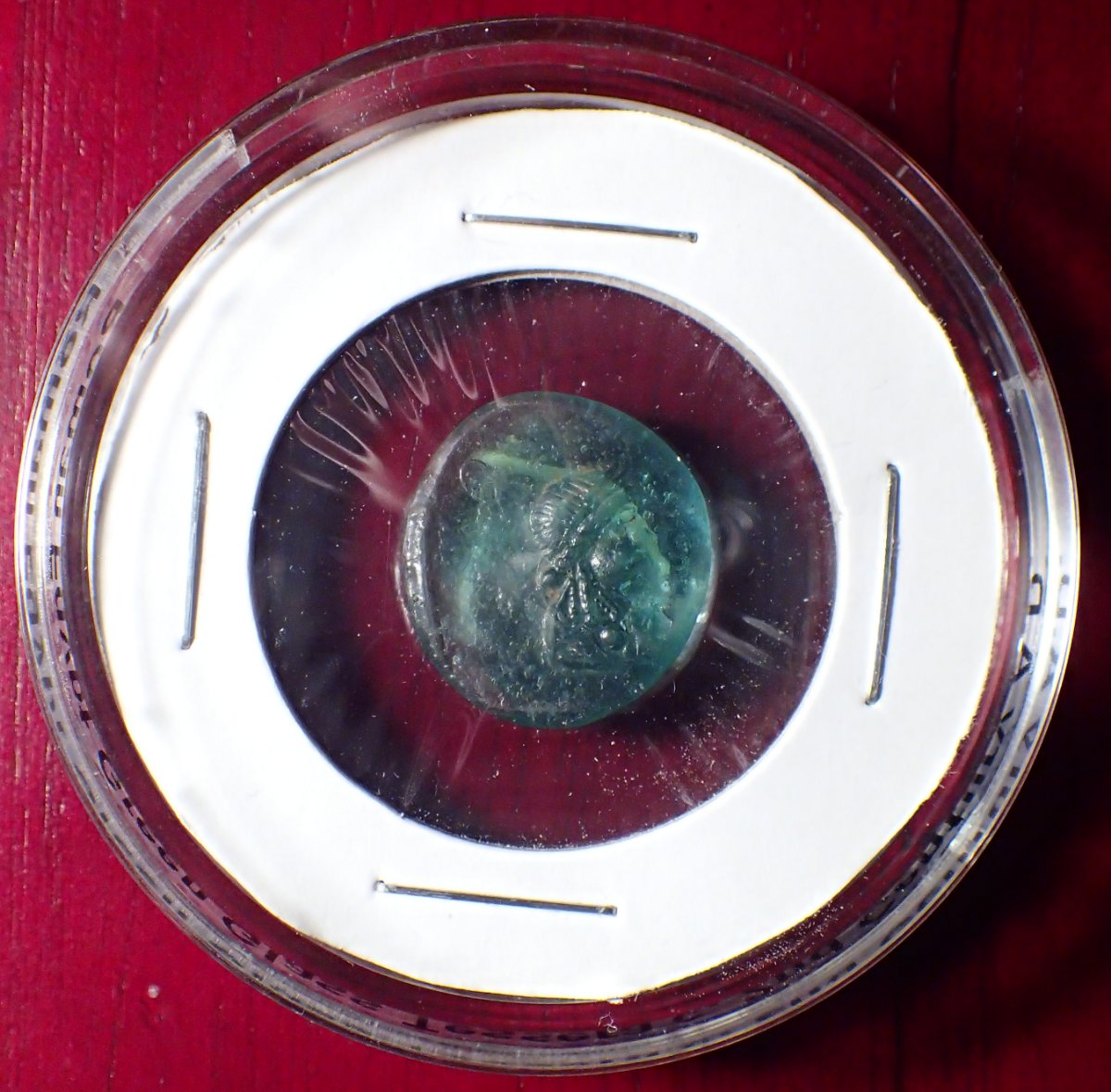 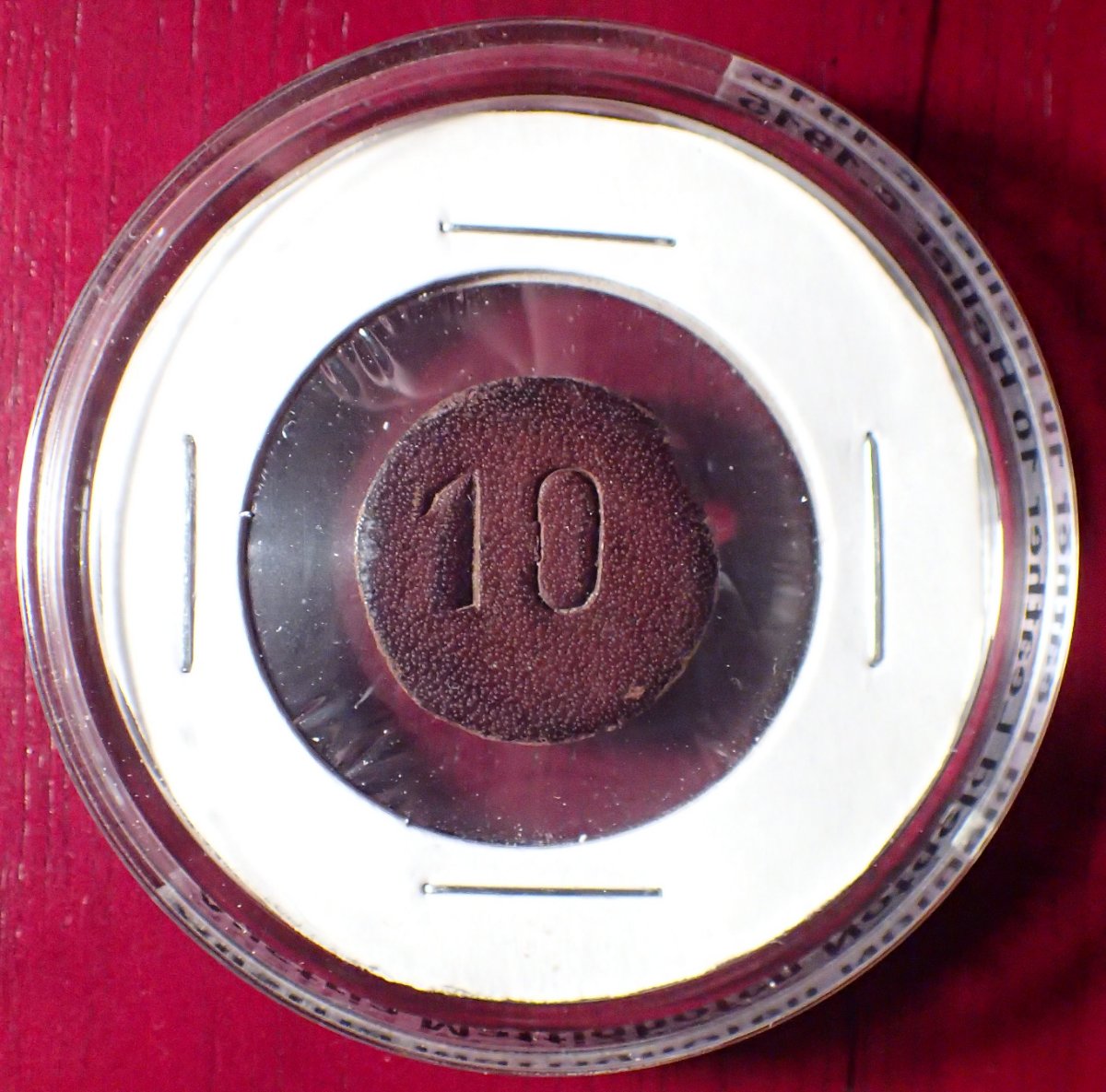 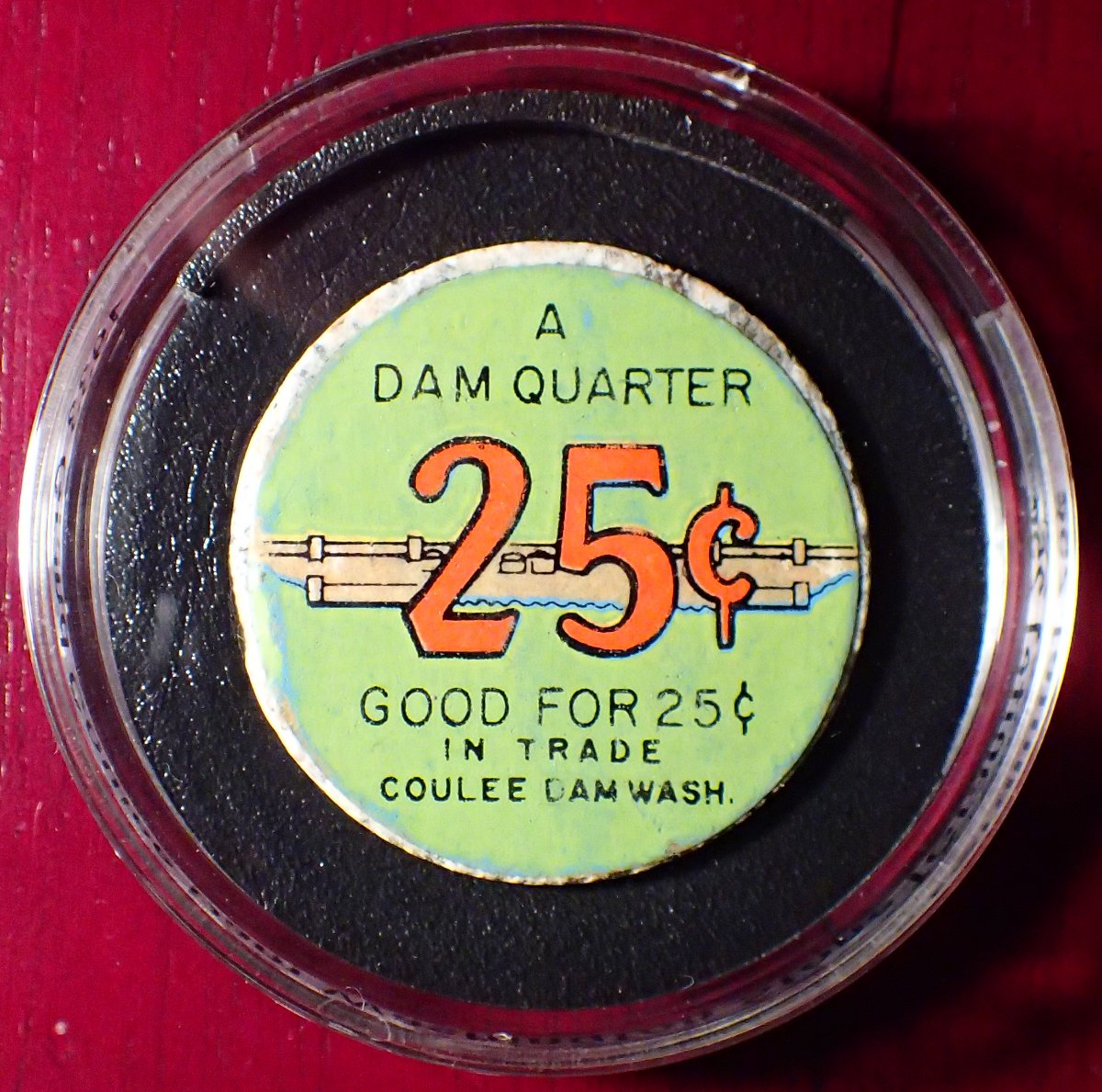 Edited by casualcoincollector
03/17/2019 5:54 pm
|
|
Valued Member
United States
333 Posts |
Wow, far more thorough than me. I'm going to think those over and think how I'd do it in the long run.
Do you have any unusual sized items that you're storing at the moment? For example, my dowmetal scrip and myrtlewood coins are unusually thick and don't fit into decent holders. Down the line I'll be getting some primitive moneys that will be unusually shaped and those will be fun to store. I've got the old Chinese knife money and don't know how to store it. Maybe in a thick plastic bag like the ones you're using.
|
|
Pillar of the Community
United States
574 Posts |
Unfortunately, I don't really have a whole lot of experience storing unusual sized items for long term storage but I would assume that the 6 mil plastic zip lock bags might be the way to go for the time being. I bought mine on ebay and there are usually many different sizes to choose from. Also, how thick is thick? You can get "Thick" air tites that are shown above and they will accommodate most things up to about 6mm to 7mm thick and around 40mm in diameter in that if I remember correctly the Ancient Indian Copper Arsenic coin shown above is about 7mm thick. Edited by casualcoincollector
03/18/2019 04:33 am
|
|
Valued Member
United States
333 Posts |
I'm relatively sure the thickest piece I own is that graphite British advertising token at 10 mm. I'll put the air tites on my to-do list when I get a chance. I've also got large and unusual sized items like the Chinese knife money and kissi penny (do you venture into primitive moneys at all?), and the 3-inch wood medal, and I can't think of any truly satisfying ways of keeping any of them. Speaking of 3-inch pieces of wood, here are two. One is a rare depression-era scrip, while the other is a city anniversary token. As that one states on the side that it's made of plywood, I imagine the one on the left is as well. 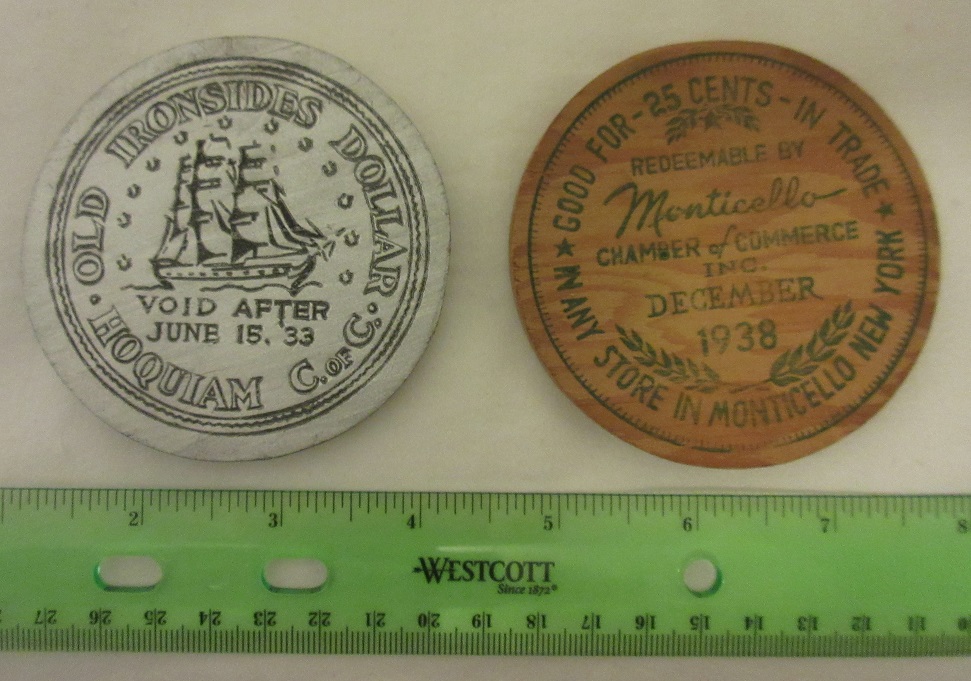 |
|
Moderator
 United States
196288 Posts |
Quote:
Speaking of 3-inch pieces of wood, here are two. One is a rare depression-era scrip, while the other is a city anniversary token. Very nice!  |
|
Bedrock of the Community
United States
79456 Posts |
Nautilator, that's pretty neat.
Errers and Varietys.
|
|
Valued Member
United States
333 Posts |
|
|
Pillar of the Community
United States
574 Posts |
@nautilator, Those are pretty cool! Thanks for posting them! What's the diameter of that graphite one? Since it may fit into a 1 1/4 inch gem jar shown below. 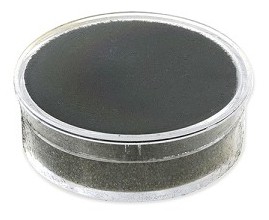 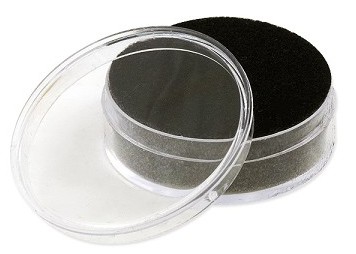 At the moment I don't really venture that much into primitive money but I probably will more down the line. I don't venture into it that much for a couple of reasons. The main reason is that in the case of a fair amount of primitive money types it is only speculated and not proven that the item/items were used as an actual means of exchange (money). The other reason is that at the moment I just don't have the expertise to tell the difference between what is genuine and what is a good fake when it comes to primitive money. That being said there is one piece of primitive money that I have been actively looking for and that is a small Yap Rai Stone. I would love to have an intact example that is under a foot in diameter but they rarely come to the market and they tend to cost a fortune. I do have one piece of primitive money that I picked up a while back. It's a white jade imitation cowrie from Northern China circa 800 to 700 BC. I think that it is pretty cool but to my knowledge it is only speculated that these were actually used as money. They could just as easily have been ornaments of some kind. 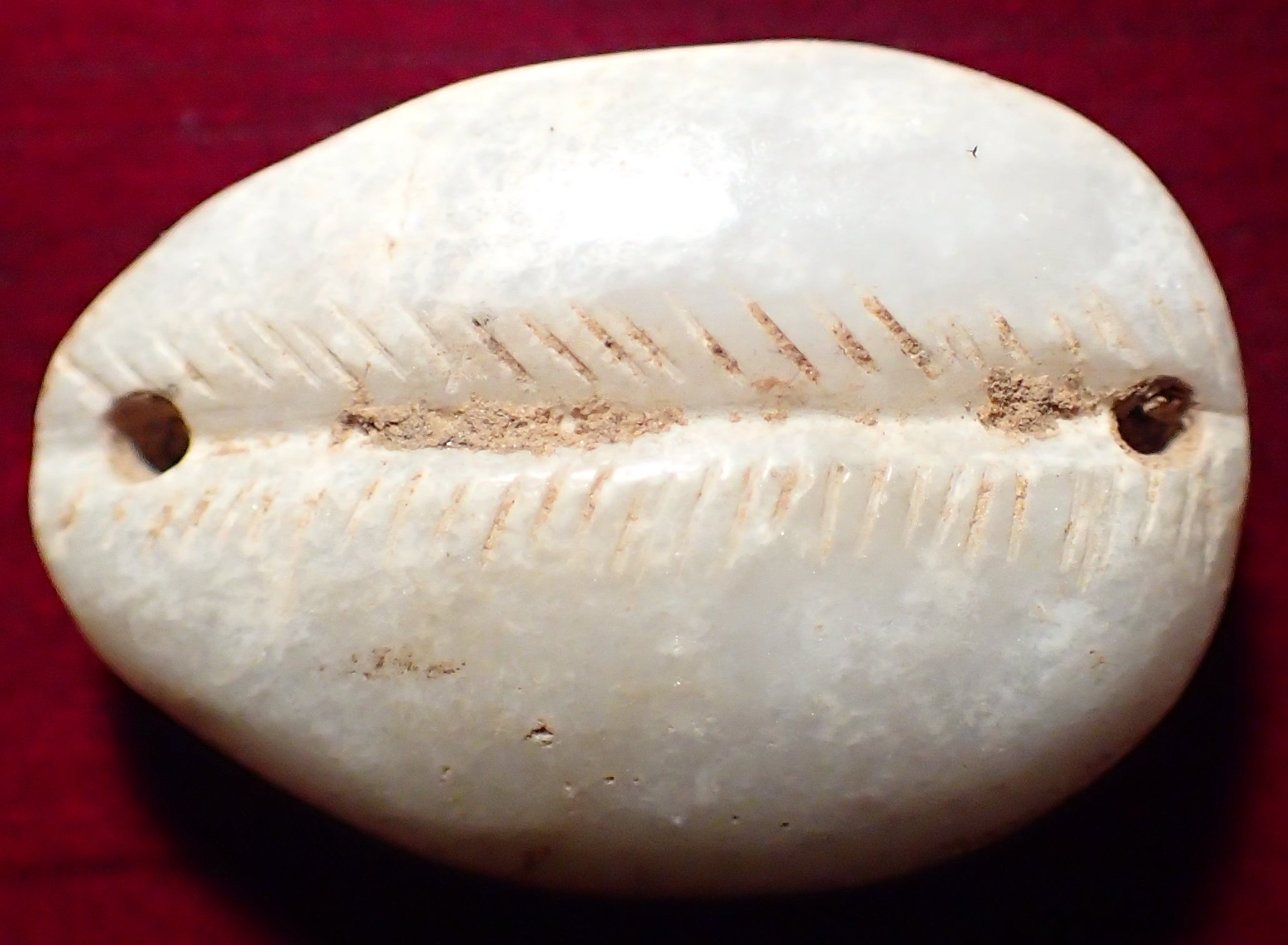 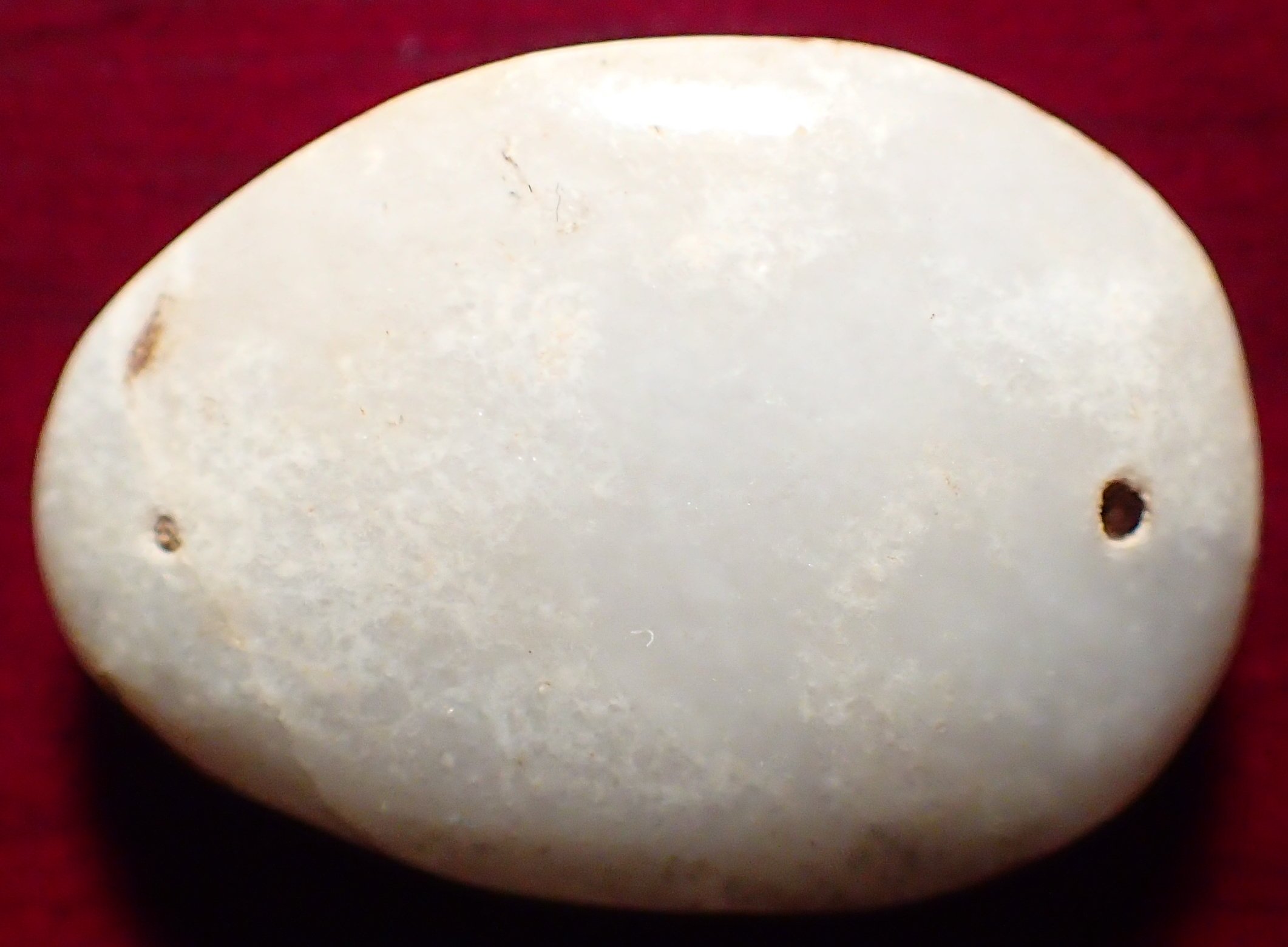 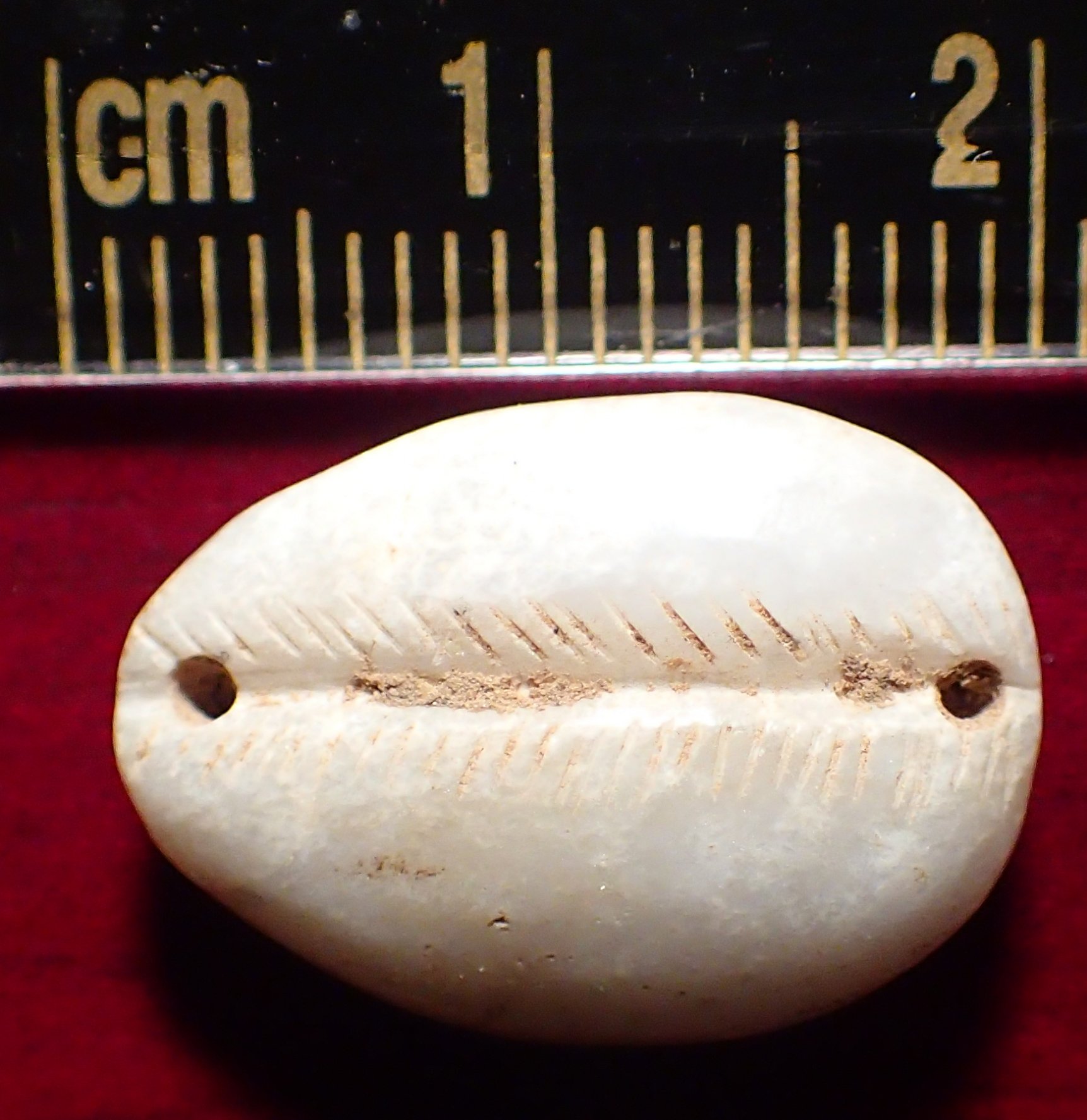 Edited by casualcoincollector
03/24/2019 12:14 am
|
|
Valued Member
United States
333 Posts |
Quote:
That being said there is one piece of primitive money that I have been actively looking for and that is a small Yap Rai Stone. I would love to have an intact example that is under a foot in diameter but they rarely come to the market and they tend to cost a fortune. Dear lord... did you see the one that sold a decade ago for $18,000? Edited by nautilator
03/24/2019 10:02 pm
|
|
Pillar of the Community
United States
574 Posts |
Yeah, they tend to go for an absolute fortune for what they are but I'm looking for one that is a lot smaller and a lot cheaper. I can't seem to find them now but I came across records a while back of two Yap Rai being sold at auction (reputable auction house, not ebay). If I remember correctly the auction was in 2012 one Rai was 3.25 inches in diameter and the other was about 6 inches in diameter and they sold for around $1300 and $1800. That is more along the lines of the kind of Yap Rai that I would be interested in but those are the only records that I could find of small ones coming to market. So I kind of doubt that this is something that I will ever be able to actually get ahold of. Edited by casualcoincollector
03/24/2019 10:58 pm
|
|
Pillar of the Community
Canada
999 Posts |
These currency pieces from Transnistria are made from a plastic composite. 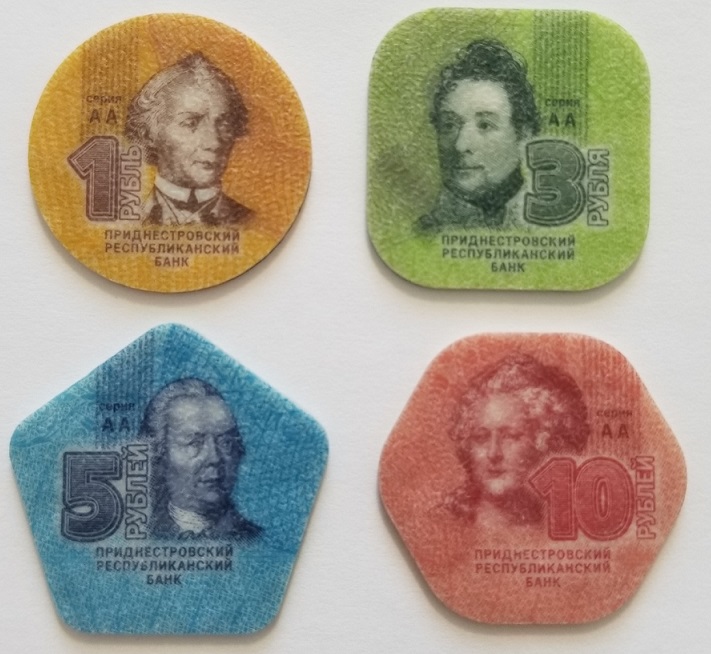 |
| |
Replies: 480 / Views: 54,255 |








 First Page
 Previous Page


 Posted 03/15/2019 10:18 pm


