First Page
 Previous Page


 Posted 09/08/2021 8:12 pm


Quote:
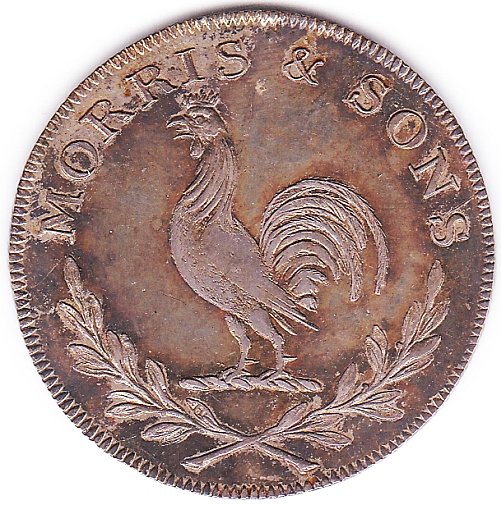
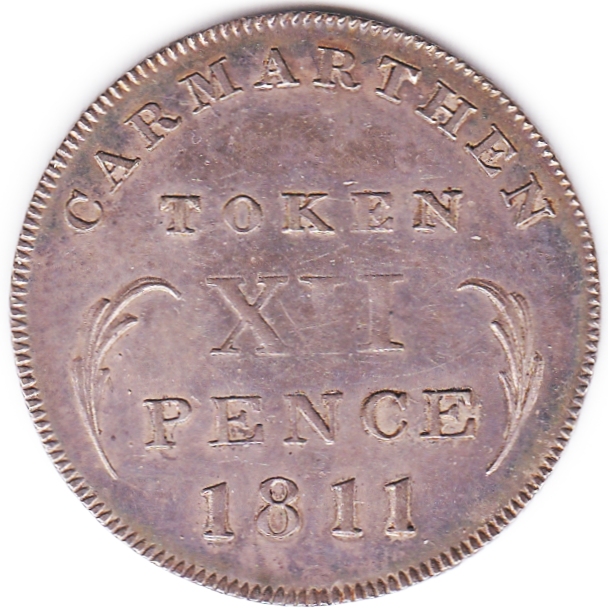
commems: Cool token. What was the level of circulation such pieces?
commems: Cool token. What was the level of circulation such pieces?
In most cases, no exact mintage figures have survived, but a fair estimate for a small hyper-local issuer like Henry Hunt of Sussex would probably be in the few hundreds.
Middleweight issuers, like the Workhouses and Counties and Cities themselves, were granted Royal Licenses and had to meet certain weight specifications and stay under production ceilings ordered by the Crown...well, by the government.
The really large issuers of silver tokens, such as the Bank of England and the Channel Islands, kept meticulous mintage records. When the Regal coinage kicked back in and those entities were forced to eventually withdraw and redeem the token issues, similarly meticulous data were assembled on their melting numbers.
Jersey's a good example, as The Royal Mint's records have been preserved, showing that in 1813 and 1814 they struck a total of 38,739 18d tokens and 71,104 3/- tokens with a nominal value of £13,571/0/6. (Cribbed from Harold Fears at his excellent website jerseycoins.com.)
As for current survivors, I ran some pretty thorough searches of auction archives with all the usual suspects (DNW, Spink, Noble, Baldwin's, and Heritage) and found that no more than ten of my Rowfant shilling have changed hands since 1998. That fits nicely with the "RR" scarcity rating assigned by both Davis and Dalton, which indicates "Very Rare." Census reports at NCG and PCGS both turn up zero.
"If everything seems to be under control, you're just not going fast enough."
--- Mario Andretti