| Author |
 Replies: 7,432 / Views: 408,677 Replies: 7,432 / Views: 408,677 |
|
|
|
Moderator
 United States
34563 Posts |
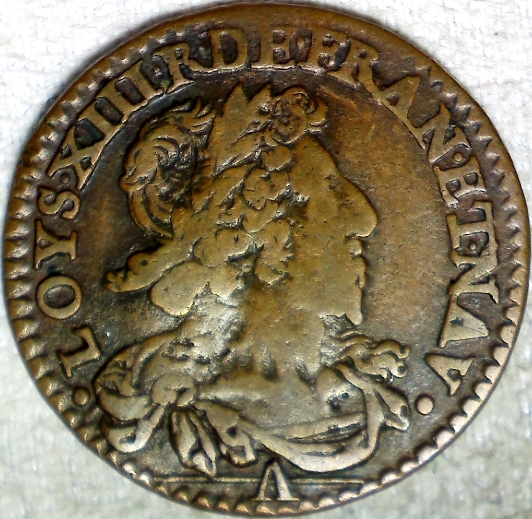
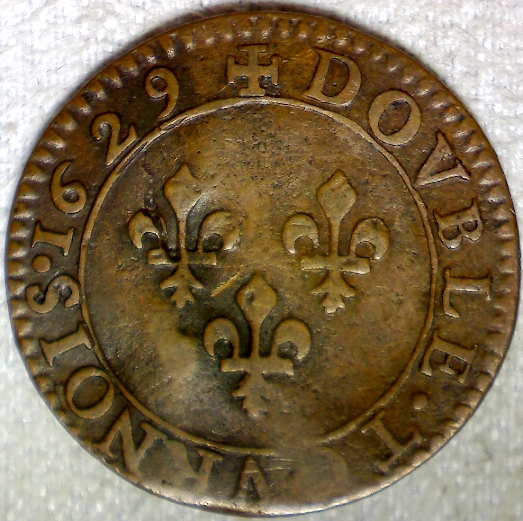
Here is a moderately ruffled collar worn by Gaston d'Orleans on this Double Tournois from the French region of Dombes dated 1630 AD: 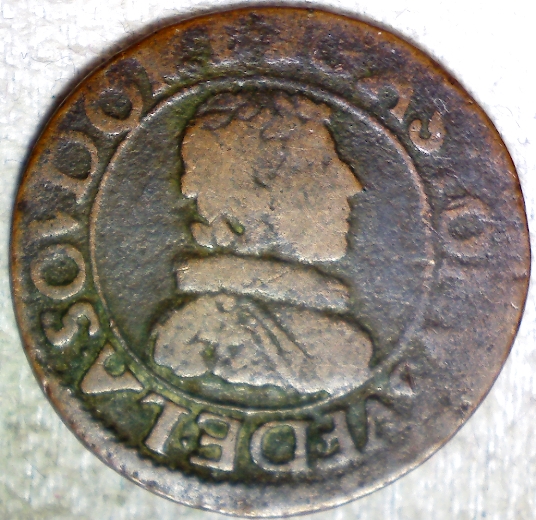 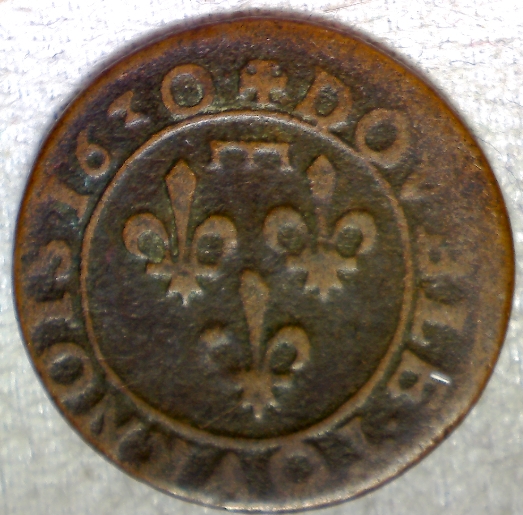 "If you climb a good tree, you get a push."
-----Ghanaian proverb
"The danger we all now face is distinguishing between what is authentic and what is performed."
-----King Adz
|
|
Bedrock of the Community
United States
12057 Posts |
@TDZ you are correct of course, I should refrain from posting while halfway asleep!
Member ANA - EAC - TNA - SSDC - CCT #890 "Most of the things worth doing in the world had been declared impossible before they were done." -- Louis D. Brandeis |
|
Pillar of the Community
United States
6883 Posts |
Im almost afraid to ask but where is @pepactonius
|
|
Pillar of the Community
United States
1156 Posts |
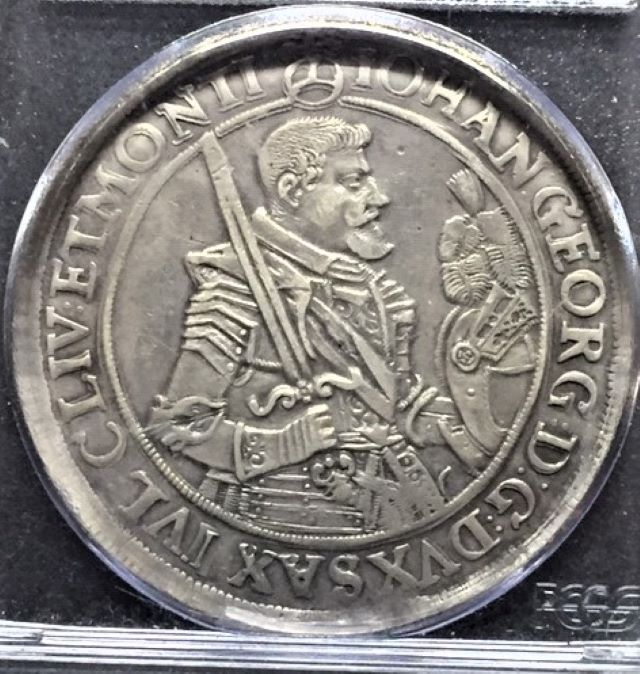
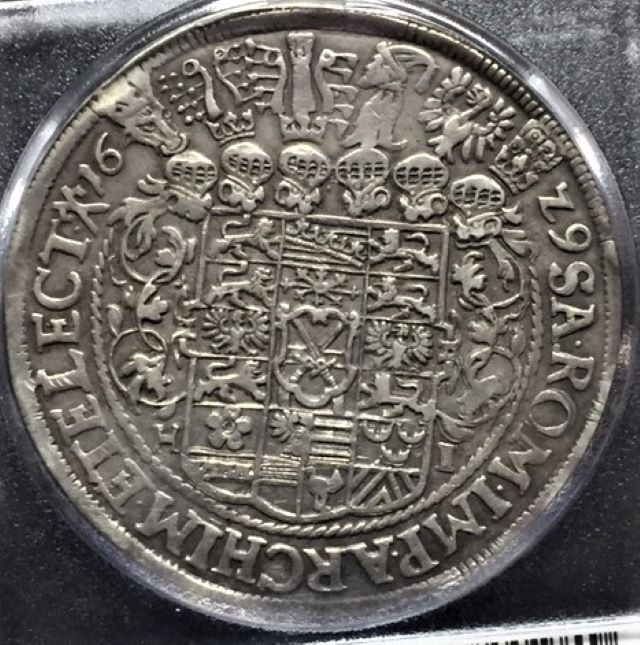
1629 scudo issued by Odoardo Farnese, the Duke of Parma and Piacenza, from 1622 - 1646. 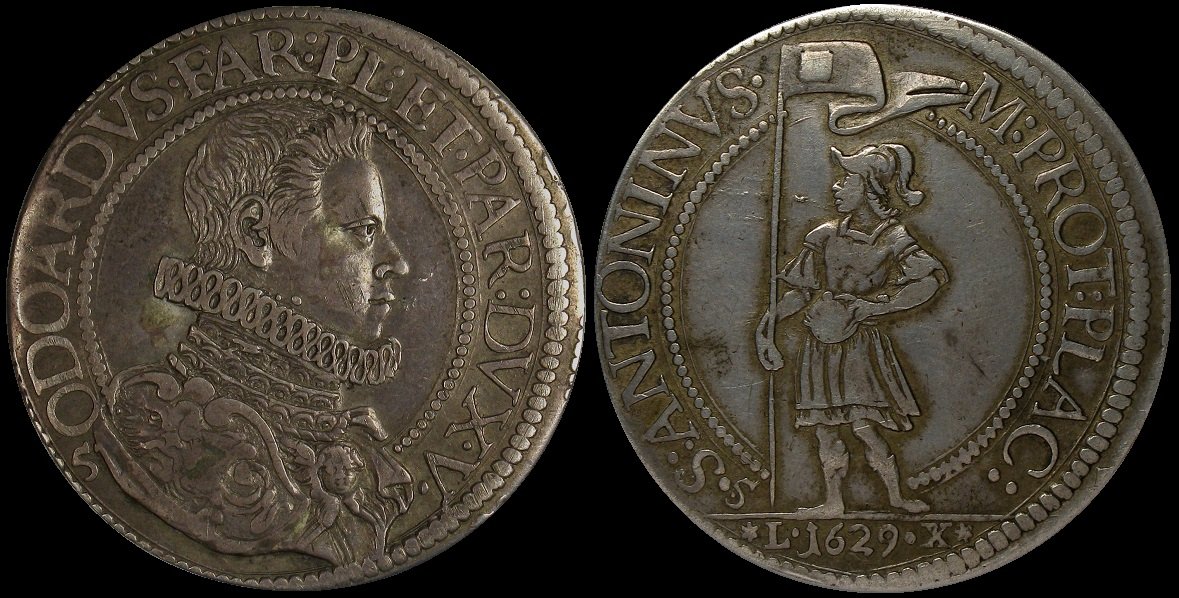 |
|
Pillar of the Community
 United States
8059 Posts |
Quote:
Im almost afraid to ask but where is @pepactonius Fingers crossed that all is OK. Spectacular coin @jgenn. From a fashion standpoint, I can't help point out that Odoardo has exactly the same hairstyle as Ferdinand III, and that both are cleanshaven. Unlike this French chap... 1629 Duchy of Lorraine teston, Badonvillers mint. 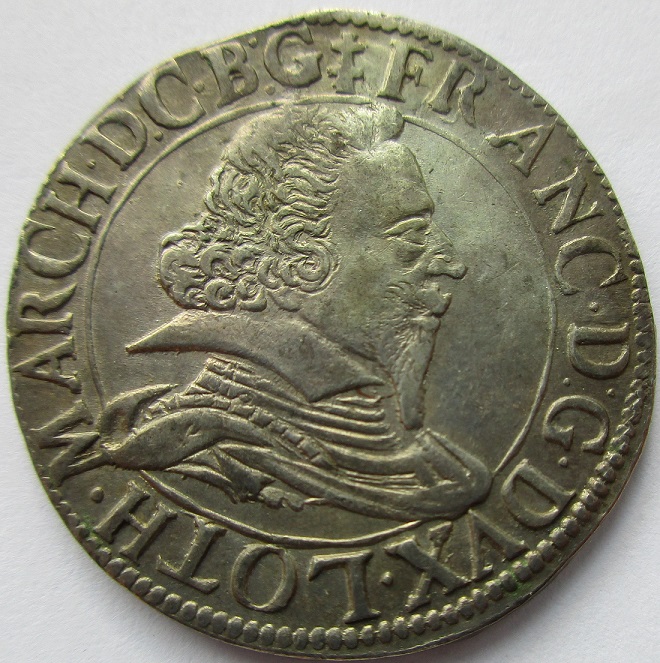 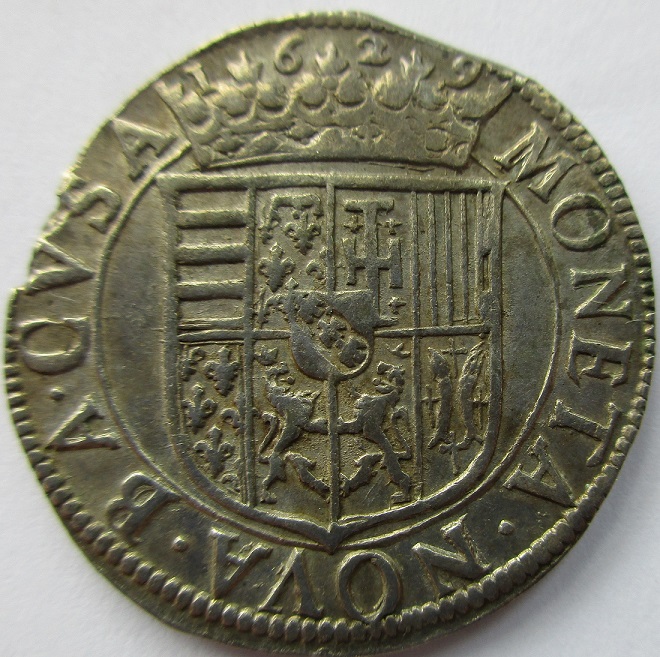 |
|
Pillar of the Community
United States
6883 Posts |
|
|
Moderator
United States
34563 Posts |
"If you climb a good tree, you get a push."
-----Ghanaian proverb
"The danger we all now face is distinguishing between what is authentic and what is performed."
-----King Adz
|
|
Pillar of the Community
United States
1156 Posts |
1628 thaler issue of Zygmunt III Vasa, King of Poland 1589-1632 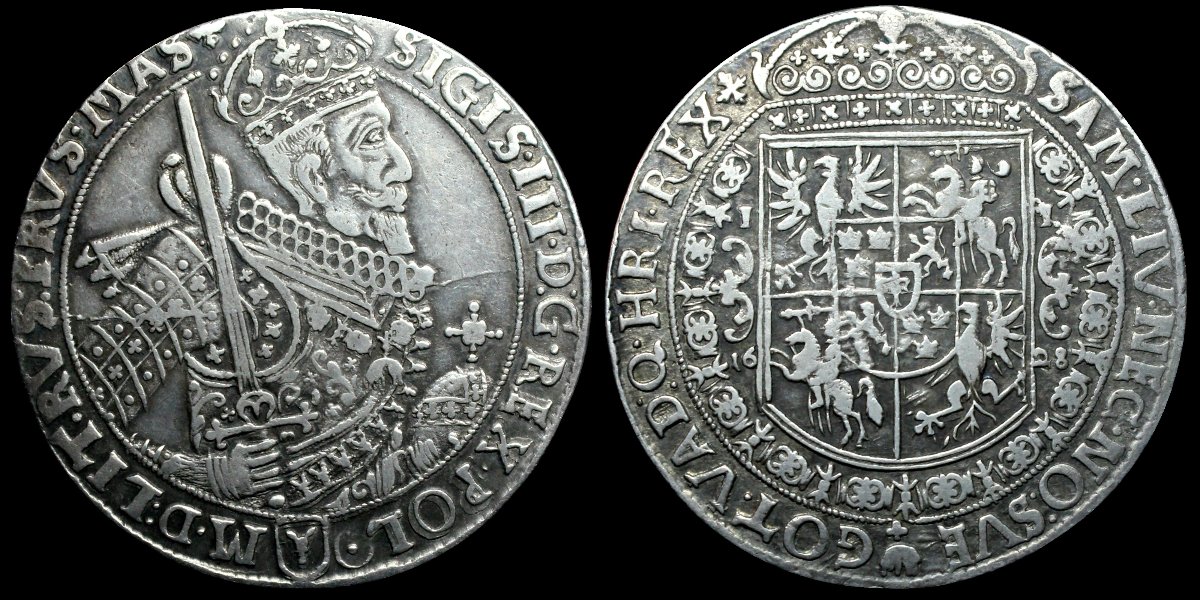 Edited by jgenn
02/16/2021 01:54 am
|
|
Pillar of the Community
United States
8059 Posts |
Beautiful! I still haven't managed the discipline to save up for a Polish thaler (and they keep getting more expensive  ). And the 40 year parade of Sigismund's coins begins. 1628 Swedish occupation of Elbing, 1/24 thaler. So, today we have coins of these two warring cousin-kings, Sigismund III Vasa of Poland-Lithuania, and Gustav Adolph of Sweden 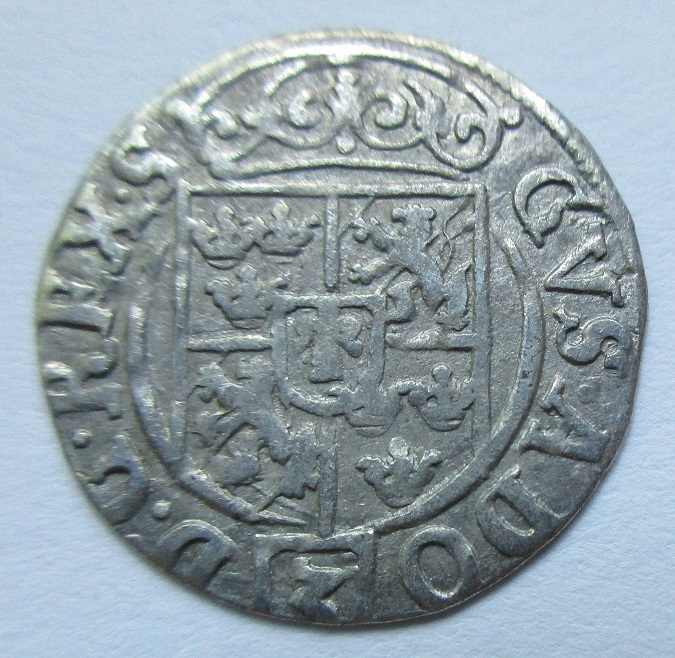 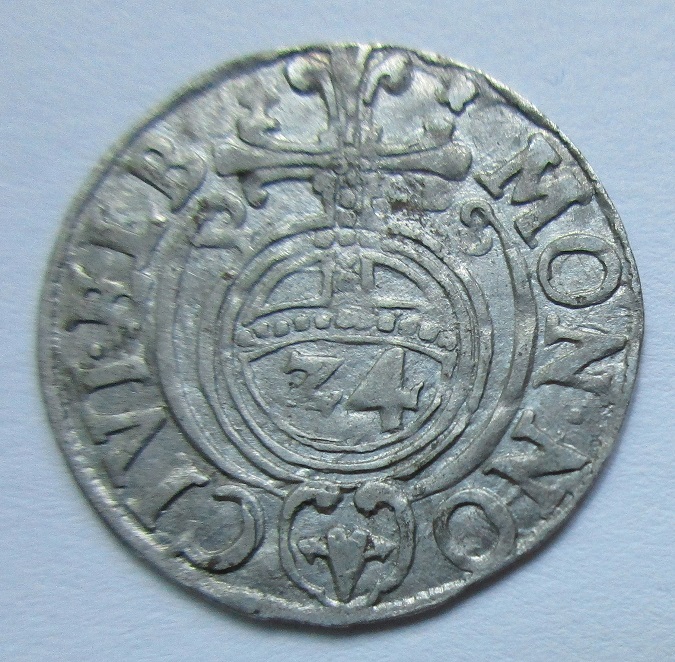 |
|
Moderator
United States
34563 Posts |
"If you climb a good tree, you get a push."
-----Ghanaian proverb
"The danger we all now face is distinguishing between what is authentic and what is performed."
-----King Adz
|
|
Pillar of the Community
United States
8059 Posts |
1627 Duchy of Lorraine teston 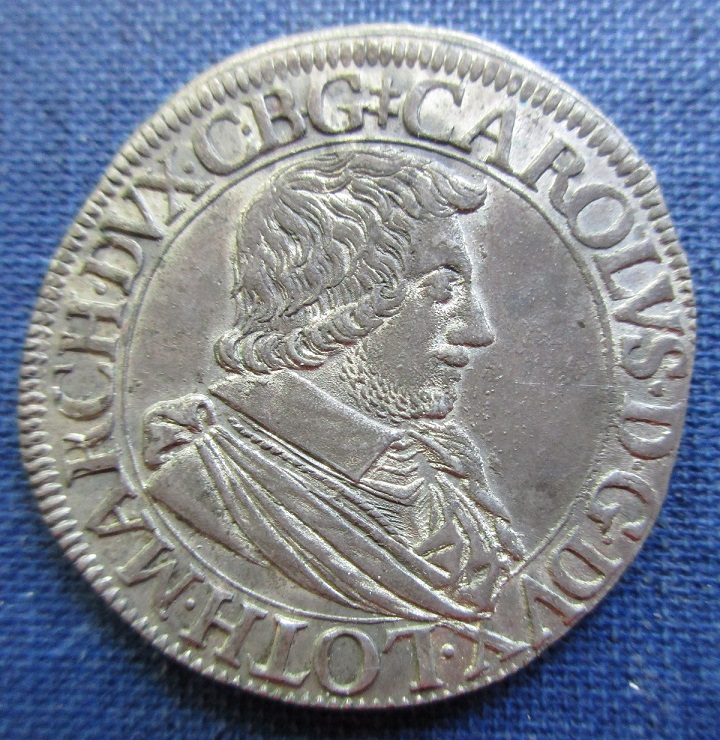 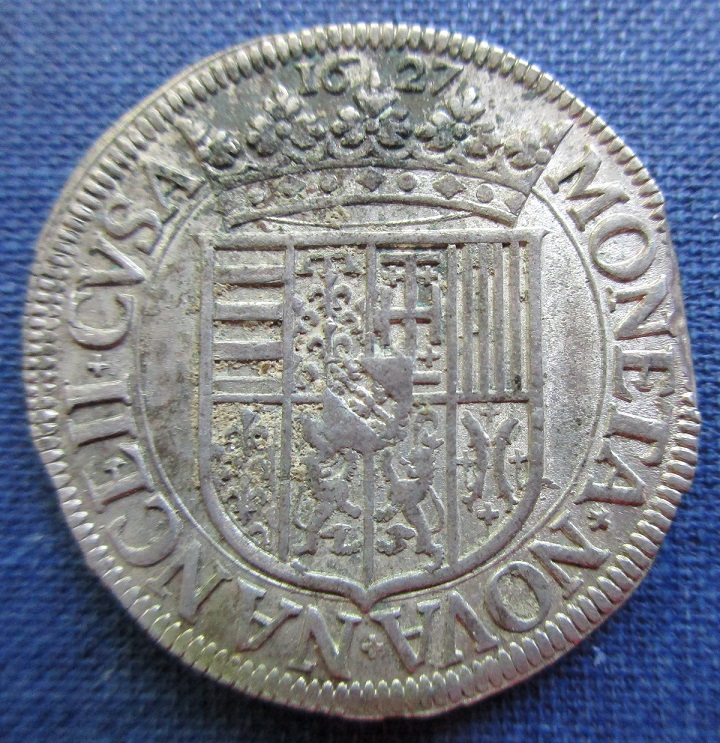 |
|
Pillar of the Community
United States
1186 Posts |
1627 K-B Hungarian Denar under King Ferdinand II. 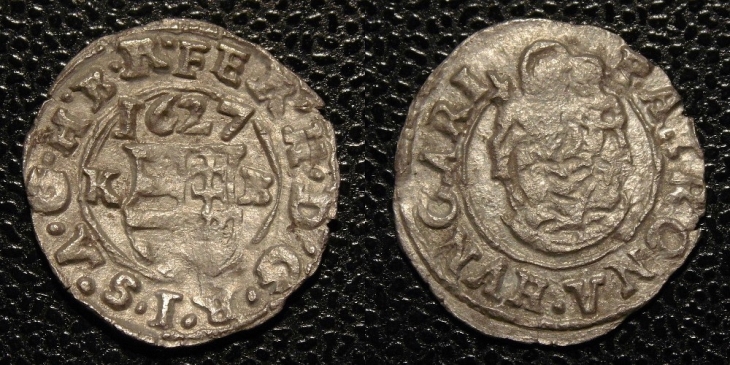 |
|
Pillar of the Community
United States
8059 Posts |
1626 Poland-Lithuania Commonwealth, 18 groschen, Gdansk This denomination very popular with collectors was struck in Gdansk/Danzig 1608-1626, and in Bydgoszcz/Bromberg 1620-1624. I know I'm not the only CCF member with some nice examples  . There are 4 major subtypes from Gdansk: - 1623-26 has the thick ruffed collar and the date split between obv (16) and rev (last two digits) - 1616-22 Sigismund wears a flat collar and the entire date is at 11:00 rev - 1615-1616 the ruffed collar is shown in 3-dimensions rather than edge-on - 1608-1615 the ruffed collar is thin and shown edge-on. The Numista listing has a nice gallery of these subtypes https://en.numista.com/catalogue/pieces170610.html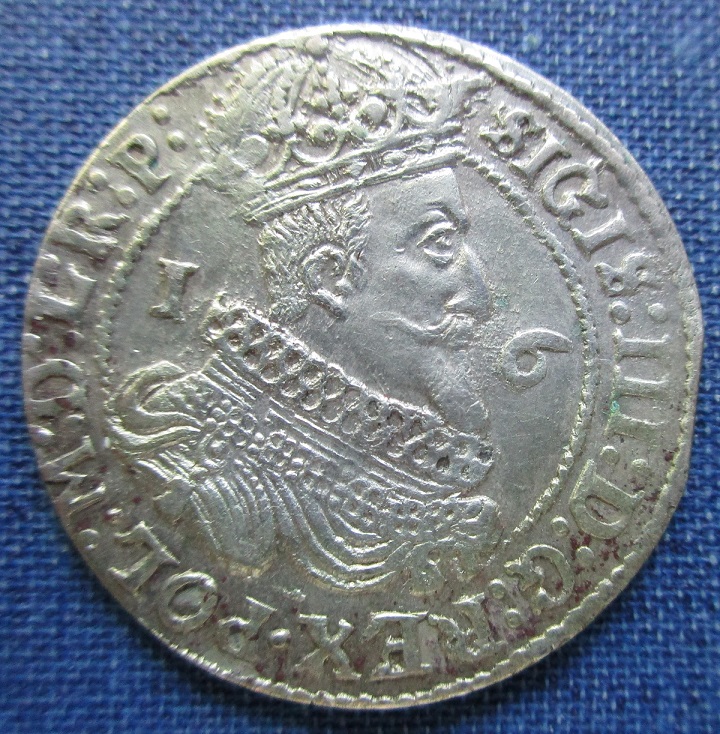 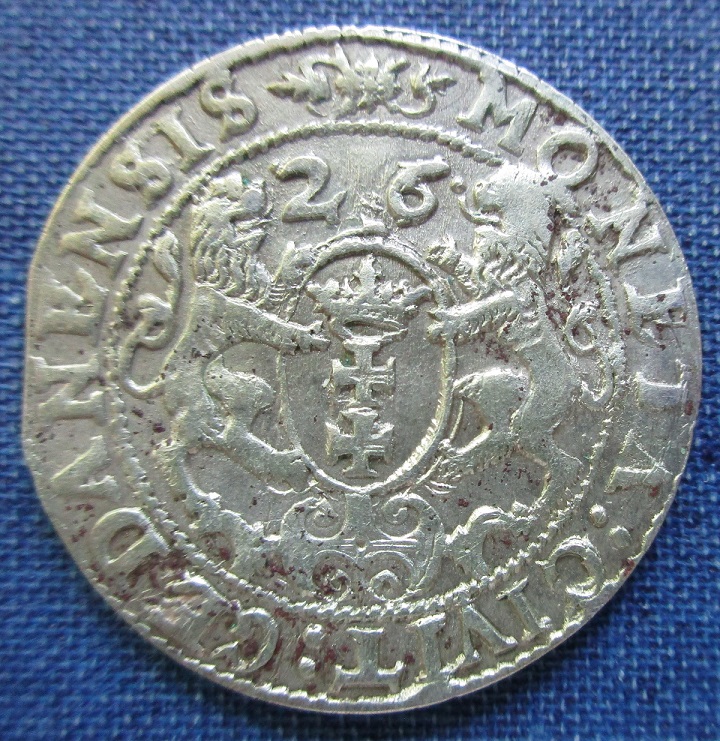 |
|
Pillar of the Community
United States
2643 Posts |
Ferdinand II 3 kreuzer. 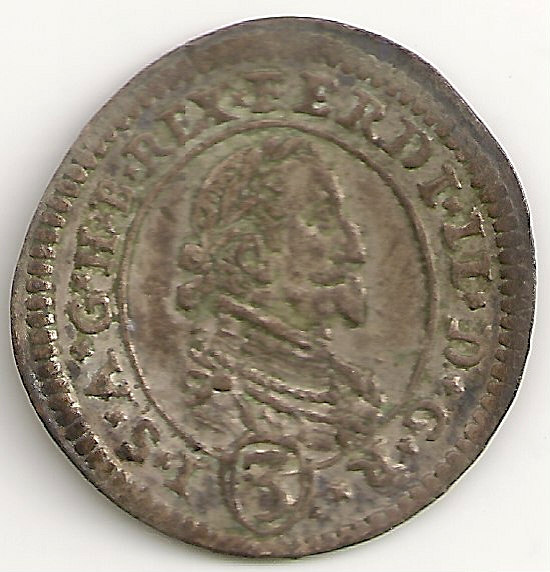 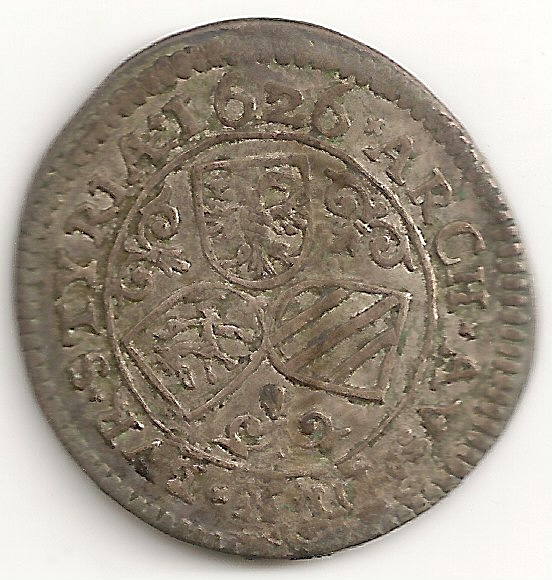 |
|
Pillar of the Community
4628 Posts |
As far as fashion goes, seems the French are ahead of the Poles, Habsburgs and everyone else in the late 1620s. The clean shaven ruff look is so 1550 - 1600 and maybe into the 1610s - but our French friends have the longish and curled hair so much more common of the 1630s and 1640s before the long but unpermed hippie hair came into fashion.
The 1620s conformist look of all the Siggies, Ferdies and Christians is very 1963 Crewcut where as Gaston and Louis have that 1965 Rolling stones look!
As for deaths you are all right. In the 1620s people did not bathe much (As the rapid spread of plague showed), many cities had dirty wooden building and people threw their excreta out the window with scraps, pigs ran wild and fed on waste. Clothes were seldom changed unless your were nobility.
If you survived childhood and 1/3 of people did not - you may live to 35 - 45, if you were really poor living in a dirty city 30 was more likely and deaths from war and roustabouting were not unknown. Even royalty seldom lived past 55. After 1670ish with the rise of science and bathing a new fashion amongst the rich you get the longer lived monarchs like Louis 14 and George 2. Plus your academics like Newton and Wren who lived well into their 70s and 80s.
But in 1629 - well James 1 and Henry 4 (Aged 58 and 56) had lived full lives, had the latter not been killed his life may have lasted one more decade at most (Henri did not bathe and apparently stank, and had black teeth). Elizabeth was very lucky making it to almost 70.
The longest lives were in the country, a healthy peasant, assuming he did not catch plague. suffer a serious famine or 3 or was arrested or drafted off as cannon fodder by the nearest baron may have made 50 himself easily. Many wise women and so called witches were in fact healthy old ladies who lived into their 60s. Less people meant less filth and the nice country air along with regular hard and healthy work kept one quite healthy by early modern standards.
A good example was my peasant ancestor Catherine Hammerton (Born 1610/11 and dyed 1694) who made 83 years in the Oxfordshire countryside.
|
| |
Replies: 7,432 / Views: 408,677 |







 First Page
 Previous Page


 Posted 02/14/2021 1:02 pm