| Author |
 Replies: 6,699 / Views: 165,405 Replies: 6,699 / Views: 165,405 |
|
|
|
Bedrock of the Community
Canada
24885 Posts |
2013 Banco Central de Reserva del Peru. 1 Nuevo Sol 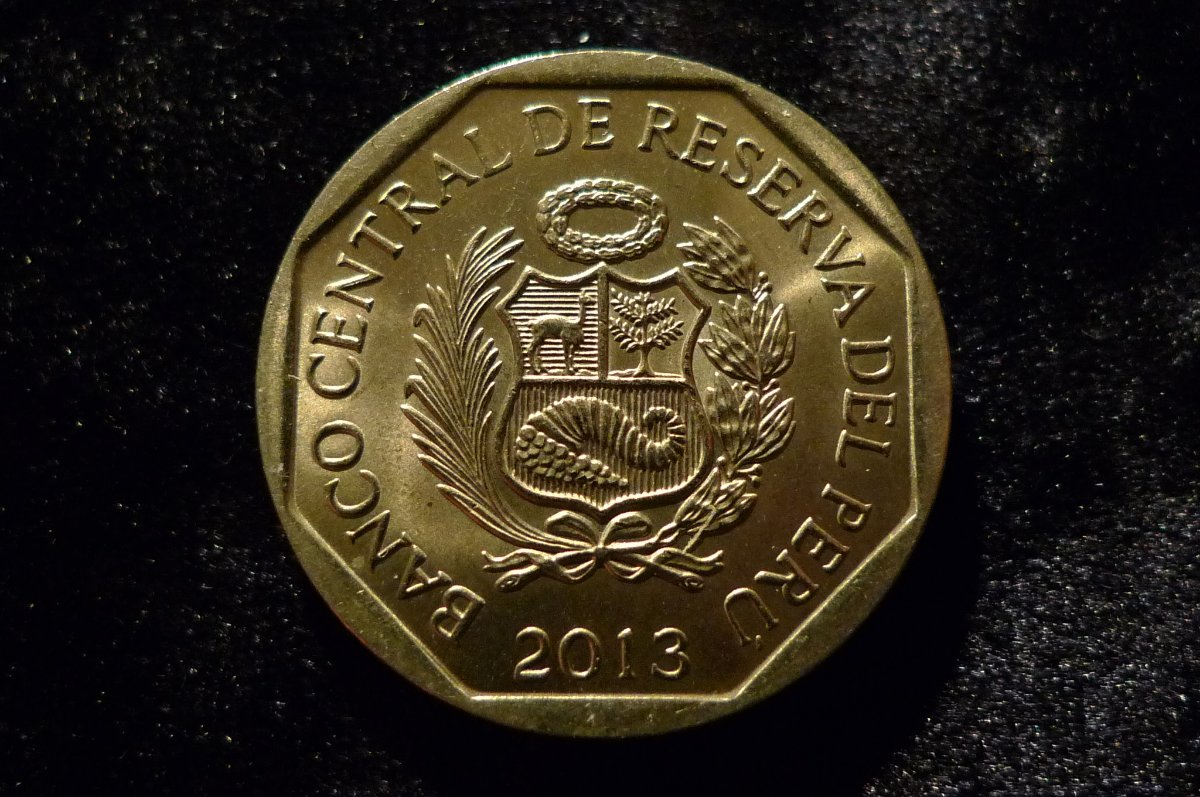 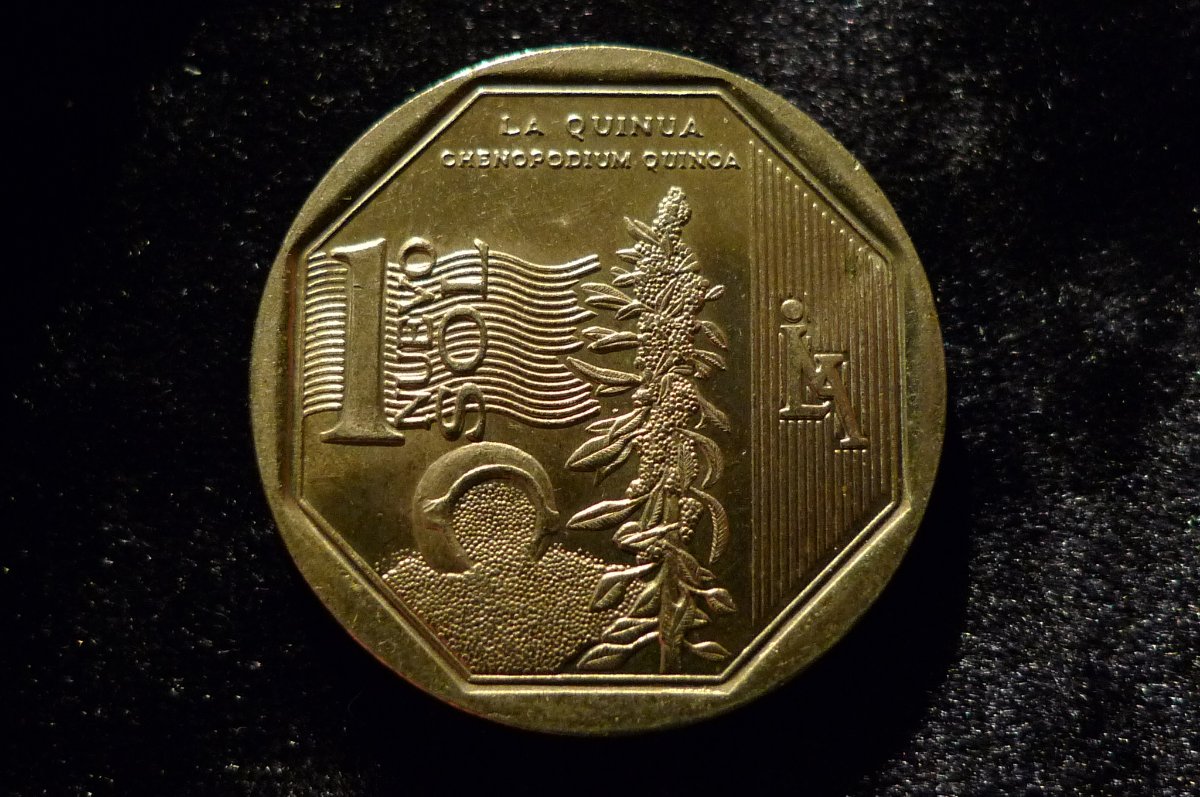 |
|
Bedrock of the Community
United Kingdom
18783 Posts |
1967 British sixpence with the entwined rose, shamrock, thistle and leek for the four constituent countries of the United Kingdom. Another design by Edgar Fuller and Cecil Thomas: 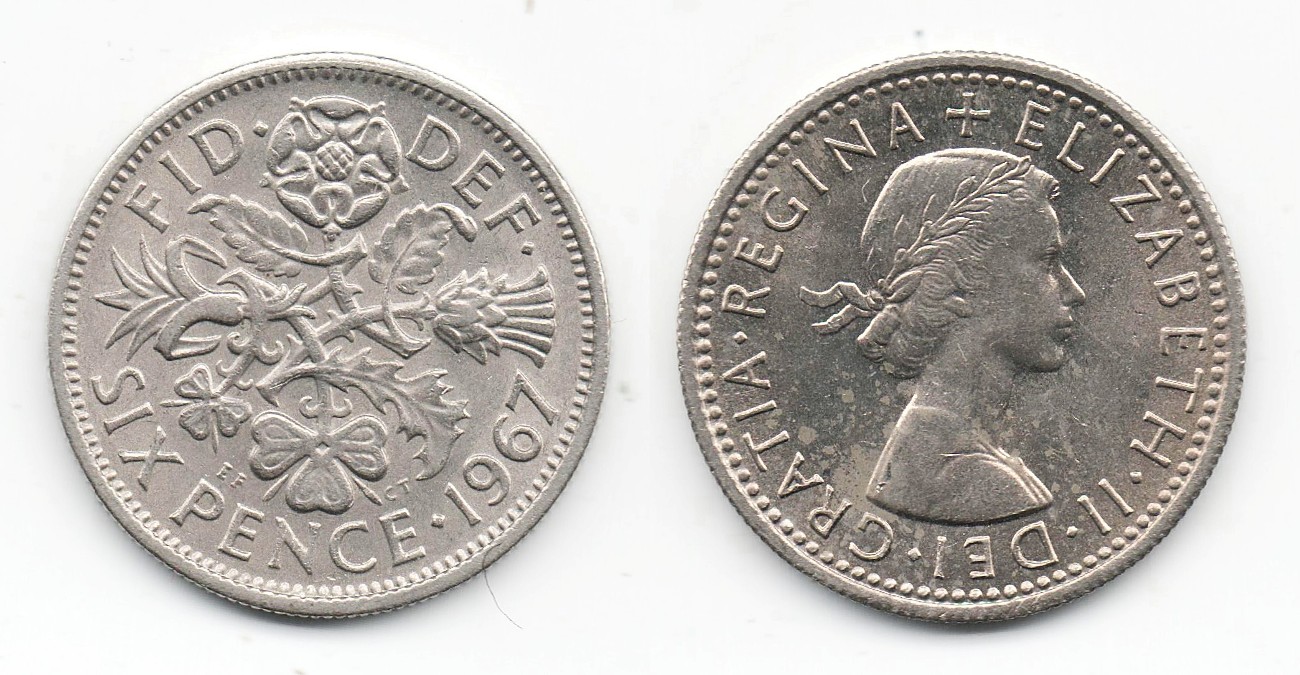 |
|
CCF Master Historian of Commemorative Coins
  United States
12552 Posts |
Quote:
1967 British sixpence with the entwined rose, shamrock, thistle and leek for the four constituent countries of the United Kingdom. Another classic design. I always like the use of allegory on coins! Thanks for posting! Collecting history one coin or medal at a time! (c) commems. All rights reserved.
|
|
Bedrock of the Community
United Kingdom
18783 Posts |
Ghirlanda flower on a Maltese 25 cent coin: 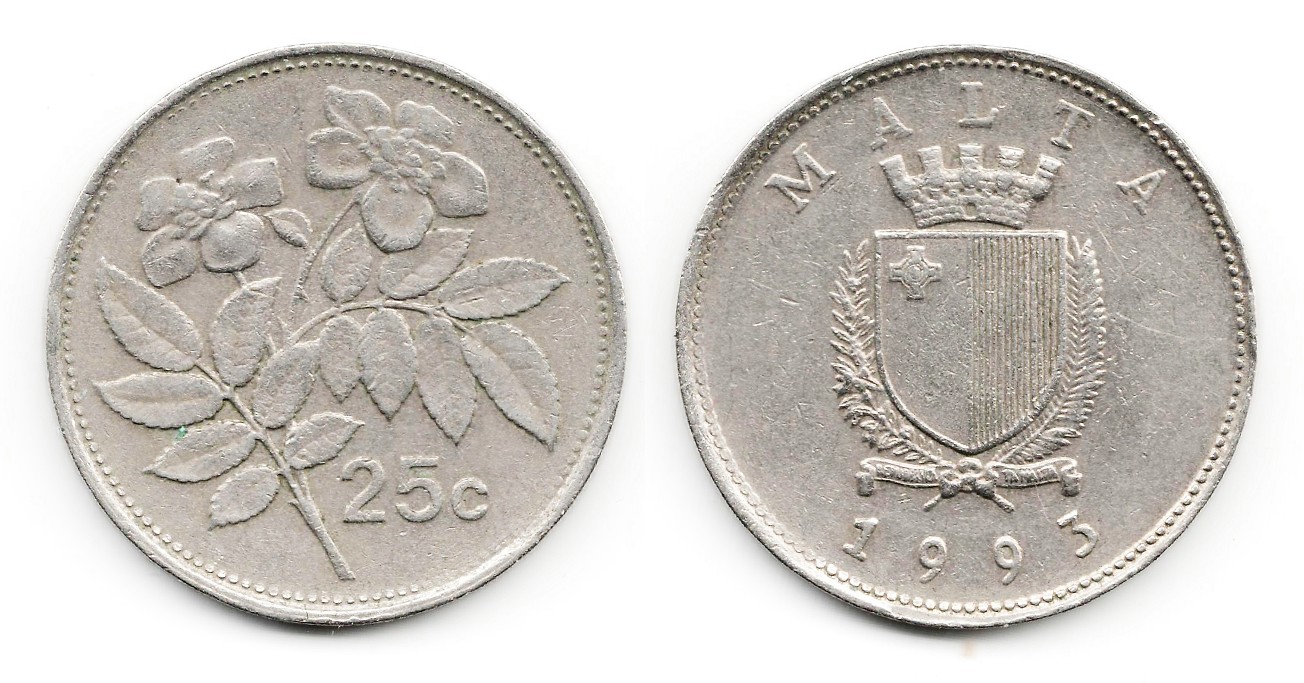 |
|
Pillar of the Community
 Sweden
2124 Posts |
I must say I haven't been aware of the rich and beautifully rendered flora on British coins, @NumisRob. Very enjoyable!  A step away from the agricultural fixation on French "floral" coins: The Tree of Liberty (l'Arbre de la Liberte) - in a more artistic than natural representation, but appealing in a way. It is a tradition going back to the French Revolution, when trees were planted under ceremonial forms around the country, as a symbol for life, continuity, growth, strength and power. The tree shown is an oak tree, with olive branches in front of it. (Perhaps there is a rule against showing vegetables on French coins, unless there is at least one olive branch included ...   ) 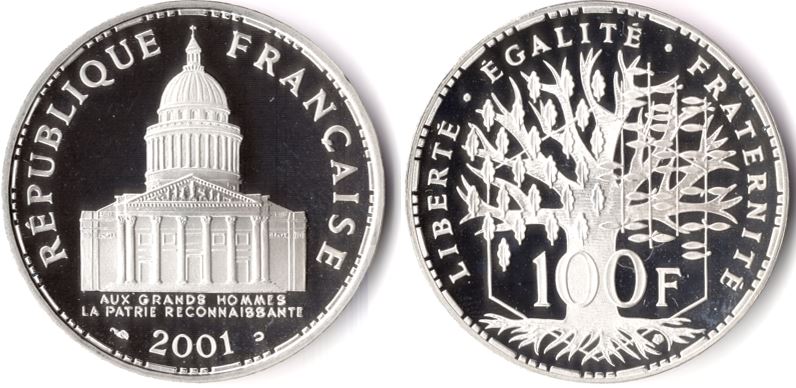 |
|
CCF Master Historian of Commemorative Coins
United States
12552 Posts |
Quote:
The tree shown is an oak tree, with olive branches in front of it. The use of oak and olive tree branches on US coins is common. The olive is meant to represent a desire for peace while the oak branch symbolizes strength and independence (and a willingness to defend/fight for it). A parallel meaning to their use on French coins? Collecting history one coin or medal at a time! (c) commems. All rights reserved.
|
|
Pillar of the Community
Sweden
2124 Posts |
I believe the symbolism is the same in France, generally speaking. The olive branch is certainly a peace symbol, the oak (leaves) symbolizes strength. In France I think* the oak is also specifically seen as a symbol for the strength of the Republic and for the justice upheld by the Republic (in contrast to the somewhat more arbitrary justice upheld by the monarchy). It also seems that oak leaves and branches appear mostly on the coins of the republican periods in France (but there are also a lot of olive branches), while monarchs and emperors stick to olive branches (despite not always being overly pacifistic themselves). * Not being French myself, I have to guess a bit  |
|
Bedrock of the Community
United Kingdom
18783 Posts |
To go with the oak tree, here are a British George V silver threepence and sixpence. The threepence has three acorns, and the sixpence six! 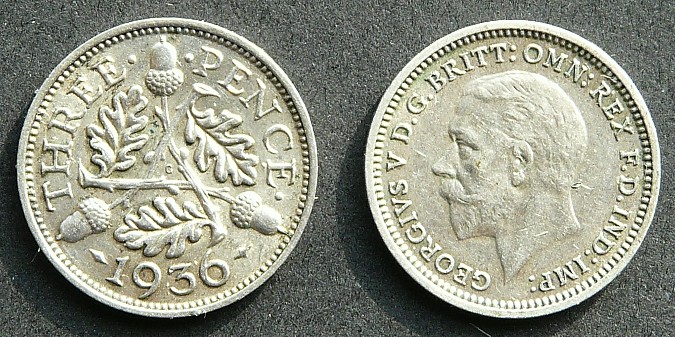 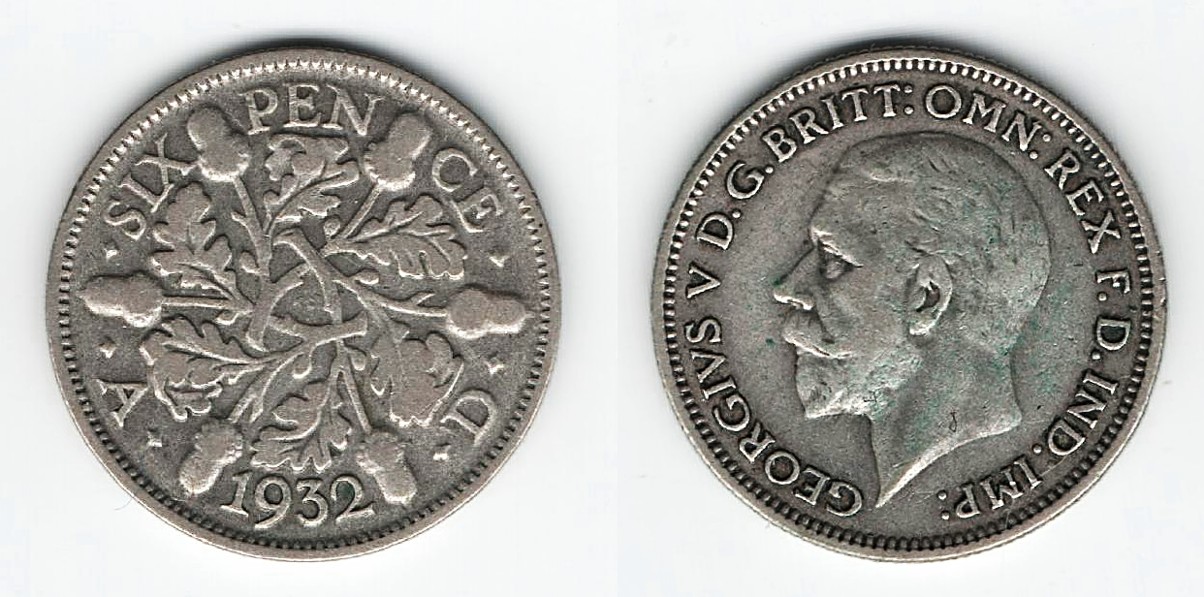 |
|
CCF Master Historian of Commemorative Coins
United States
12552 Posts |
Of course, England gave the world: "Mighty oaks, from little acorns grow." So, it seems an appropriate design for its coins! Collecting history one coin or medal at a time! (c) commems. All rights reserved.
|
|
Bedrock of the Community
Canada
24885 Posts |
1969 The Bahamas. 15 Cents - Elizabeth II Reverse Hibiscus (Hibiscus rosa-sinensis) 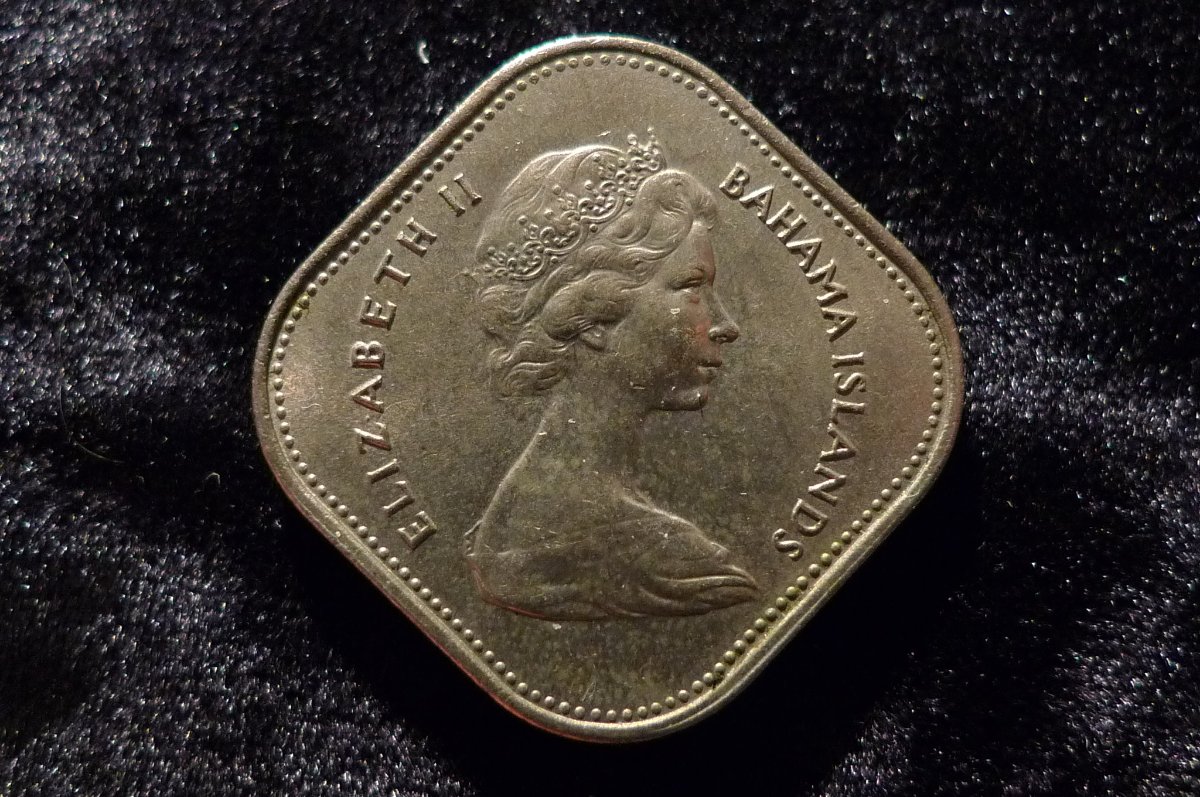 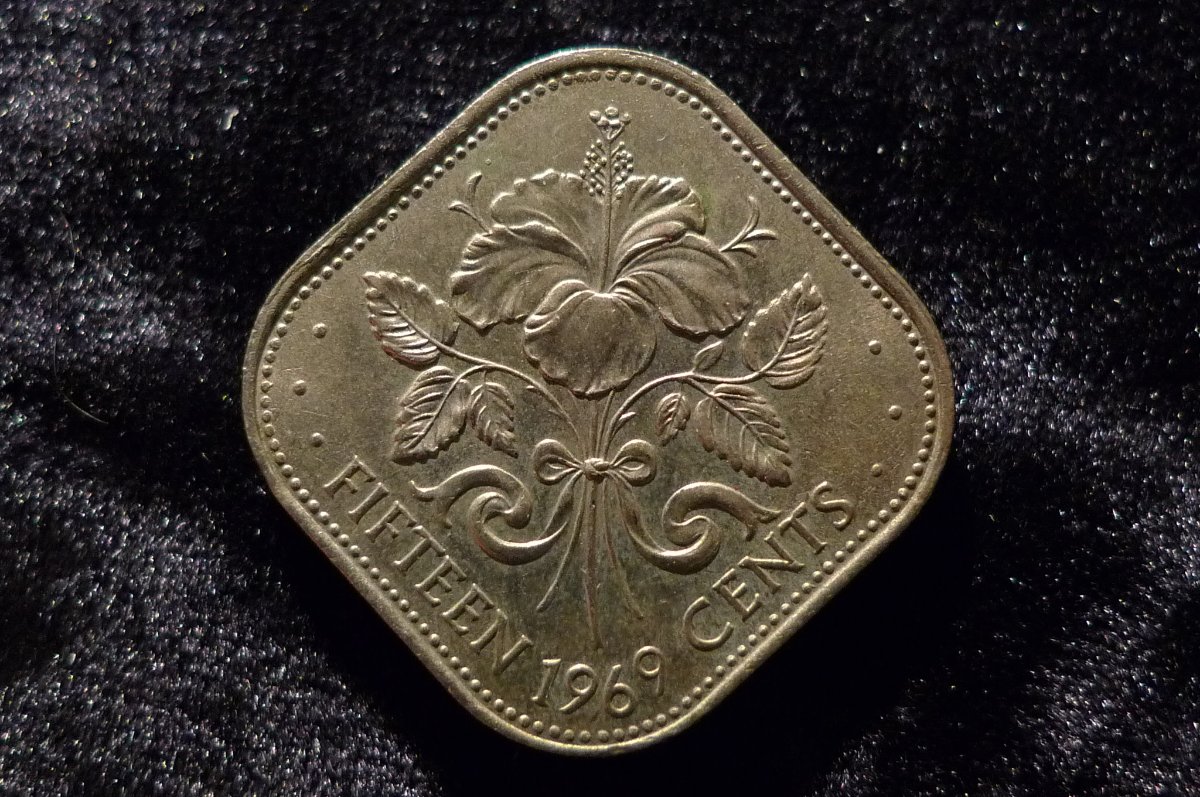 |
|
Pillar of the Community
Canada
2754 Posts |
Quote:
A parallel meaning to their use on French coins? Prior to posting this 1943 1 franc coin, I attempted to do my own search of the flora symbolism just to better understand it. In doing so, I came across this thread on this forum from 2009 which started out as a quest for rating the condition and values, but quickly evolved to the oaks symbols. Still not sure I understand completely, but some great discussion by some very knowledgeable people just like on this thread, but some 12 years earlier. https://goccf.com/t/54703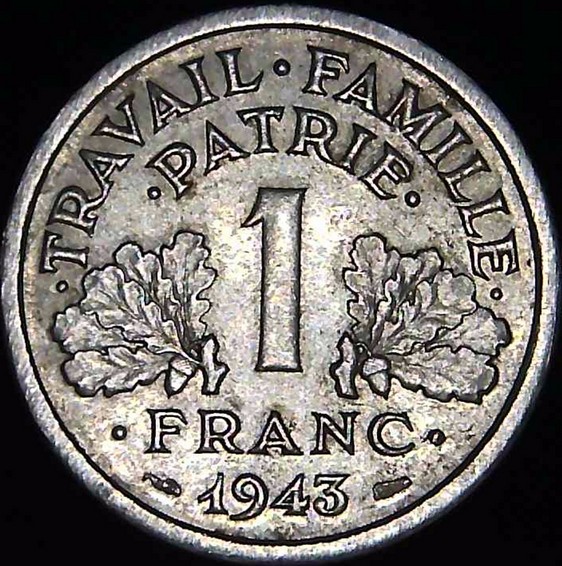 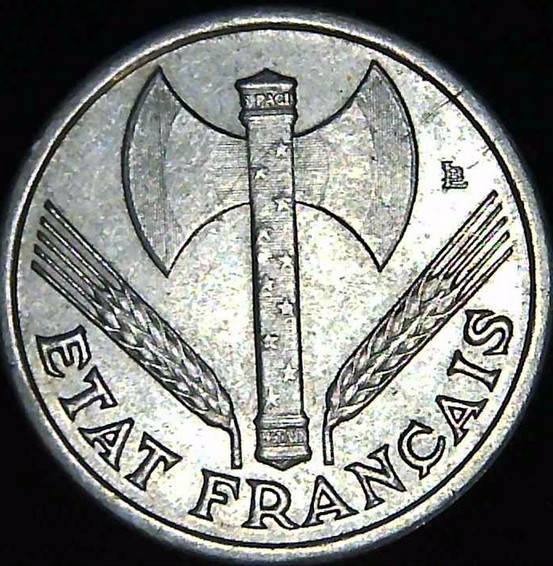 ....... for what it's worth.... and great sctuff ! |
|
CCF Master Historian of Commemorative Coins
United States
12552 Posts |
@wannabefree: Thanks for the post and the link to the previous CCF discussion - quite a discussion of history! I thought it was terrific!
Collecting history one coin or medal at a time! (c) commems. All rights reserved.
|
|
CCF Master Historian of Commemorative Coins
United States
12552 Posts |
The RCM issued its first commemorative nickel dollar in 1970; it marked the 100th anniversary of Manitoba joining the Canadian Confederation. Manitoba was the first addition to the original Confederation that was formed in 1867; it joined founding members New Brunswick, Nova Scotia, Ontario and Quebec. The commemorative design presents a prairie crocus, the provincial flower of Manitoba, with three blossoms - two open and one closed. The design is the work of Raymond Taylor, a Canadian artist who won an open design competition staged by the Mint in 1969. Taylor's design was a unanimous choice among the selection committee and earned him $3,500 for his efforts. Walter Ott, an engraver within the RCM, modeled the design from which the dies were ultimately created. 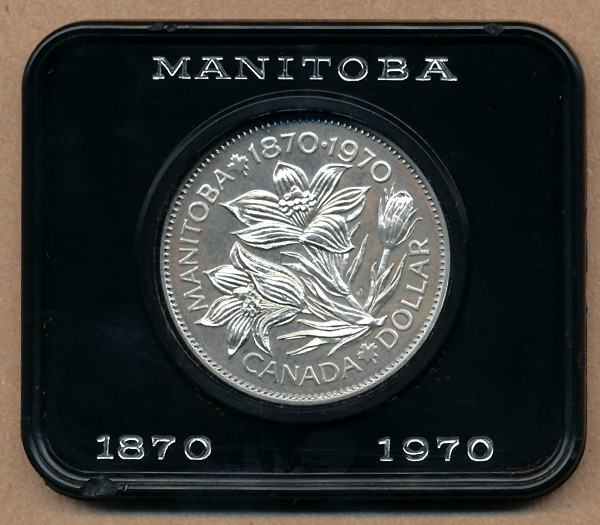 For a more complete discussion of this Canadian commemorative dollar, check out: - 1970 Manitoba Dollar and Expo '70 in OsakaCollecting history one coin or medal at a time! (c) commems. All rights reserved.
|
|
Bedrock of the Community
Canada
24885 Posts |
1914 A Germany 1 Mark - Wilhelm II type 2 - small shield. 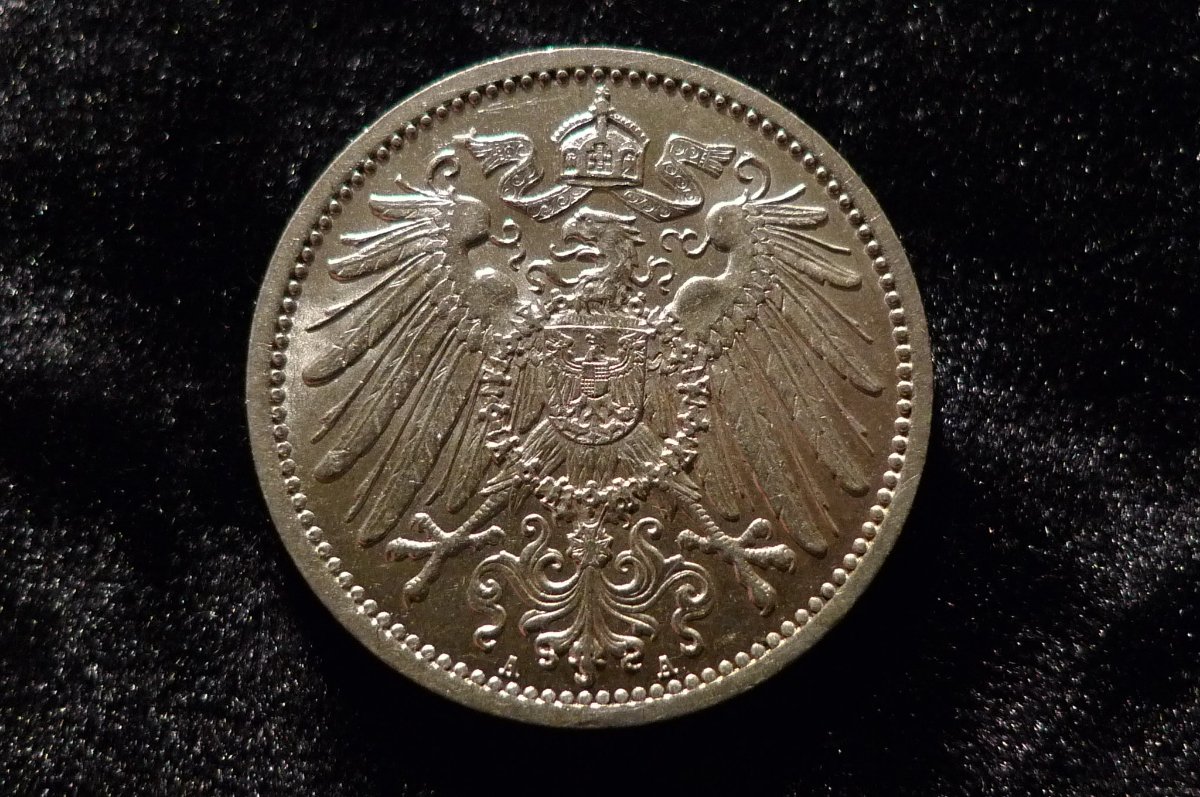 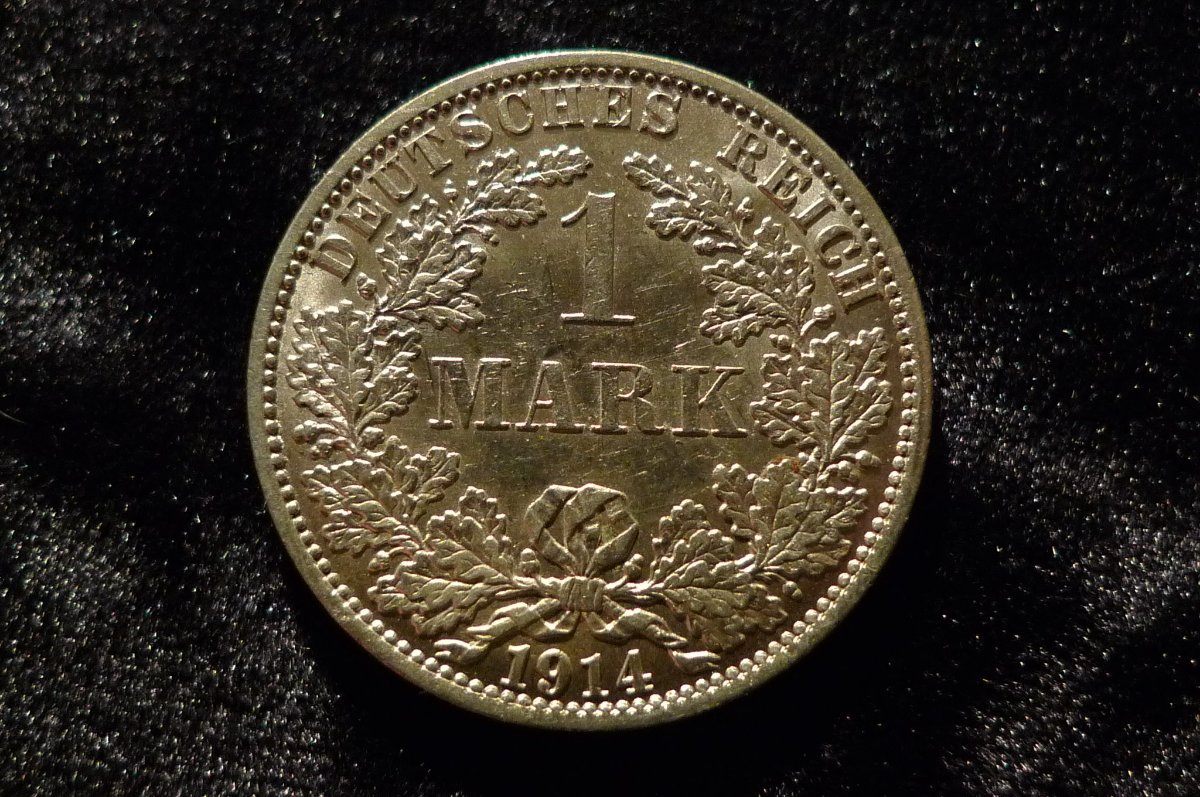 |
|
Bedrock of the Community
United Kingdom
18783 Posts |
Olive branches and Cedar of Lebanon on a 1972 Lebanese 25 piastres: 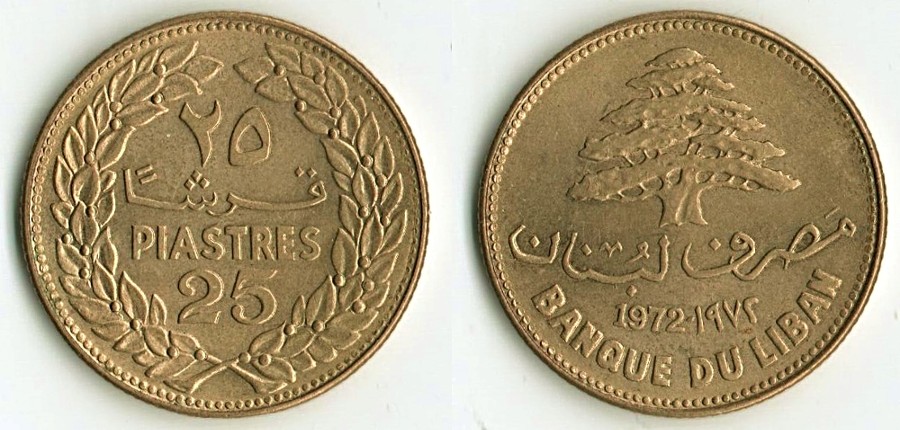 Edited by NumisRob
05/10/2021 04:54 am
|
| |
Replies: 6,699 / Views: 165,405 |







 First Page
 Previous Page


 Posted 05/08/2021 05:02 am





