| Author |
 Replies: 1,334 / Views: 44,281 Replies: 1,334 / Views: 44,281 |
|
|
|
Bedrock of the Community
United Kingdom
18558 Posts |
Italy 1000 Lire 1997: 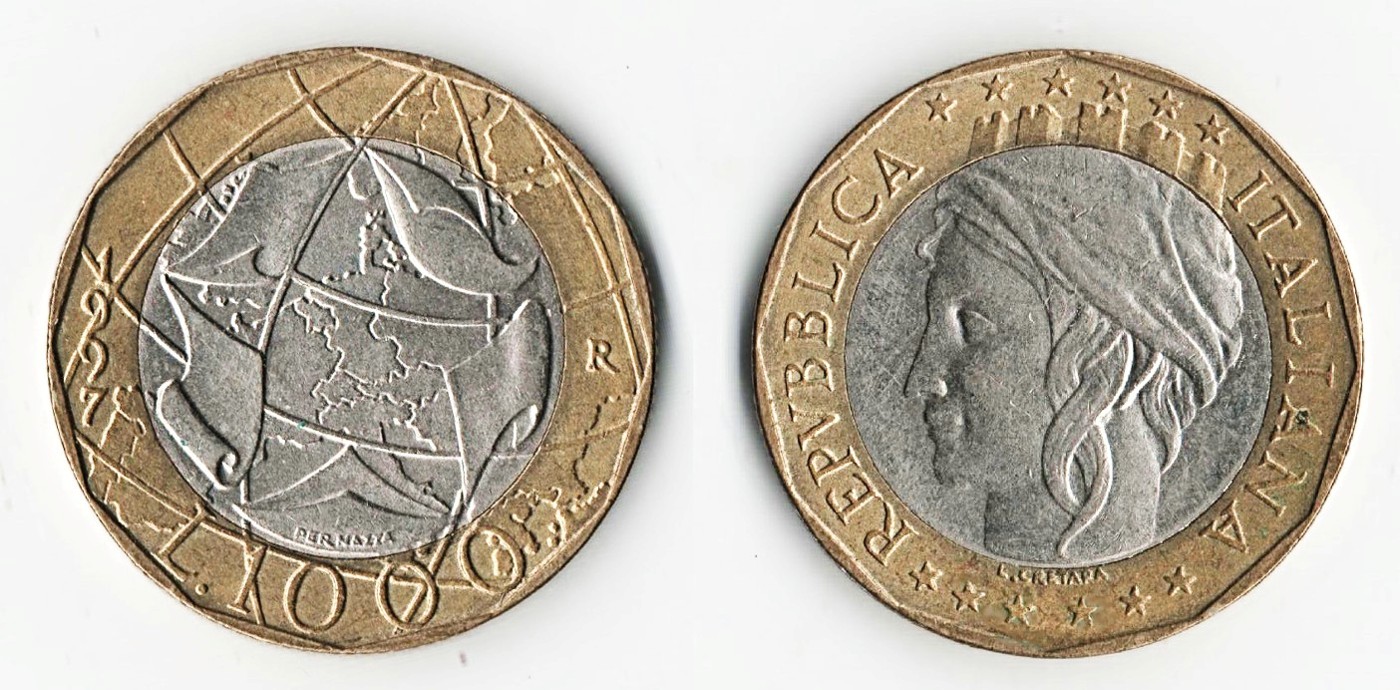 |
|
Pillar of the Community
Australia
9735 Posts |
1995 200 Escudos from Portugal. 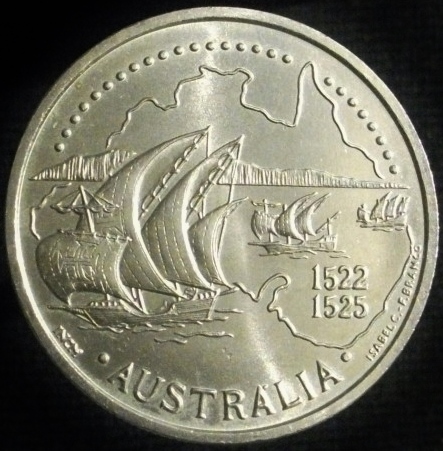 2006 50 cents from Australia. 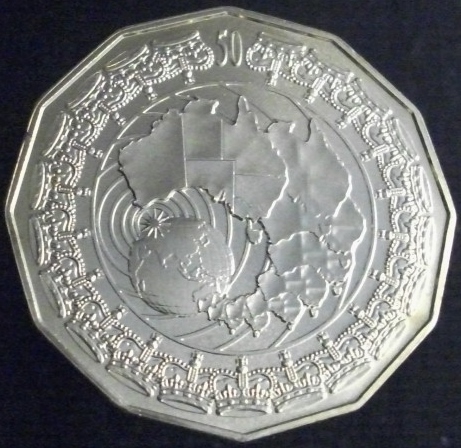 Steve :) |
|
CCF Master Historian of Commemorative Coins
  United States
12500 Posts |
Quote:
Italy 1000 Lire 1997: @NumisRob: Do you have the "Reunited" Germany version as well? Collecting history one coin or medal at a time! (c) commems. All rights reserved.
|
|
CCF Master Historian of Commemorative Coins
United States
12500 Posts |
Here's my example of the 1935 Old Spanish Trail commemorative half dollar. The coin was issued to commemorate "the four hundredth anniversary of the Expedition of Cabeza de Vaca and the opening of the Old Spanish Trail." (Public Law 74-97) Its obverse depicts the skull of a cow, while its reverse features a map of the Gulf Coast states (from east to west) of Florida, Alabama, Mississippi, Louisiana and Texas with the alleged "Old Spanish Trail" expedition route of Alvar Nunez Cabeza de Vaca in (or about) 1535. The reverse also includes a blooming yucca tree in the center foreground. The "Cabeza de Vaca" portion of the explorer's name translates to "Cow's Head" - hence, the obverse design in absence of confirmed paintings/drawings of the man himself. (I've covered the issues with the coin's history previously, see links below). Lyman William (LW) Hoffecker, the man behind the coin, created the preliminary designs. 1935 Old Spanish Trail Half Dollar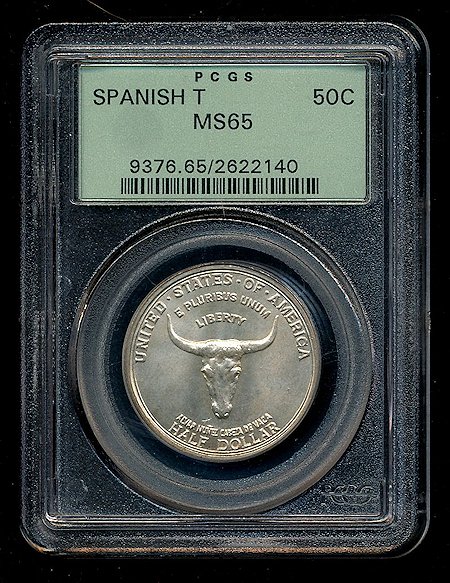 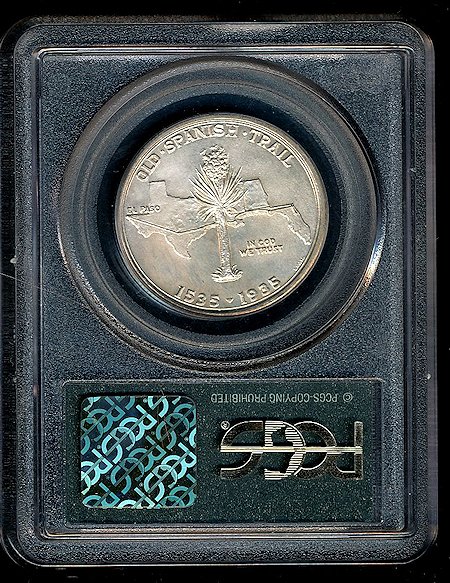 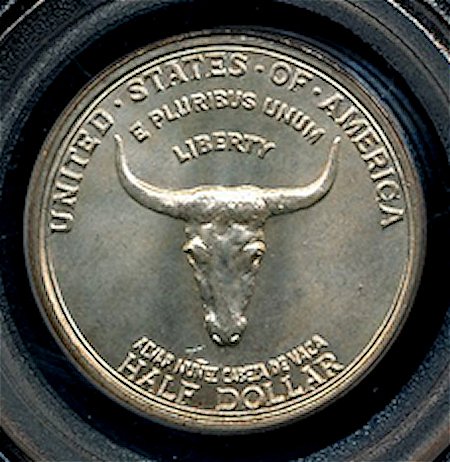 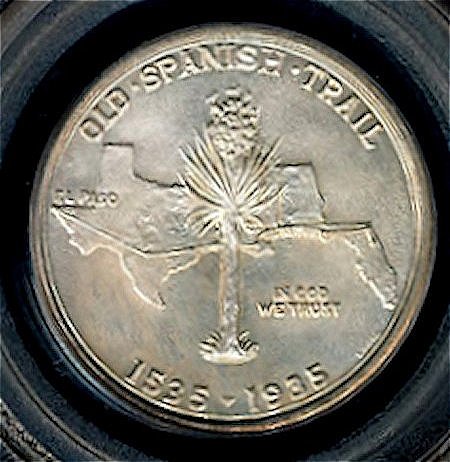 The trail shown on the Old Spanish Trail half dollar is a rough approximation of the route taken by Alvar de Nunez's expedition from the time the expedition team arrived on the gulf coast of Florida to when a small remnant of it landed (it is believed) on Galveston Island off the coast of present-day Texas. (It should be noted that Alva de Nunez was not initially the leader of the expedition, he only rose to such a position only after much of the original contingent, including its leader, had perished.) The coin also (theoretically) depicts Cabeza de Vaca's journey across Texas, but it doesn't show his travels into New Mexico, Arizona or the northern provinces of Mexico. It's interesting to note, however, that the coin does depict a trail that terminates in El Paso, Texas - the home of Hoffecker's coin shop - even though Nunez traveled beyond Texas. It does make one wonder... Disregarding the inaccuracy of the coin's trail route for a moment, the coin's theme/subject is also a bit of a misnomer. The name "Old Spanish Trail" is actually associated with a trail that connected Santa Fe, New Mexico with southern California. The creation of the trail was largely driven by the desire/need to link Santa Fe and Los Angeles for trading purposes; it developed in the late 1820s / early 1830s (vs. Nunez's trip in the 1530s). The trail shown on the coin was never part of this trade route through the western expanse of the future US states of New Mexico, Arizona, Colorado, Utah, Nevada and California. So, while Alvar de Nunez Cabeza de Vaca was the first European to explore and document many of the areas of the American West in which he traveled, the path he took never became a "trail" that was followed by others. In fact, when he set out across Texas, he was in search of a Spanish outpost in Mexico rather than embarking on a journey of exploration. As he didn't know the location of the post, he was not able to travel directly to it and the actual path he followed is not known. Map of Actual Old Spanish Trail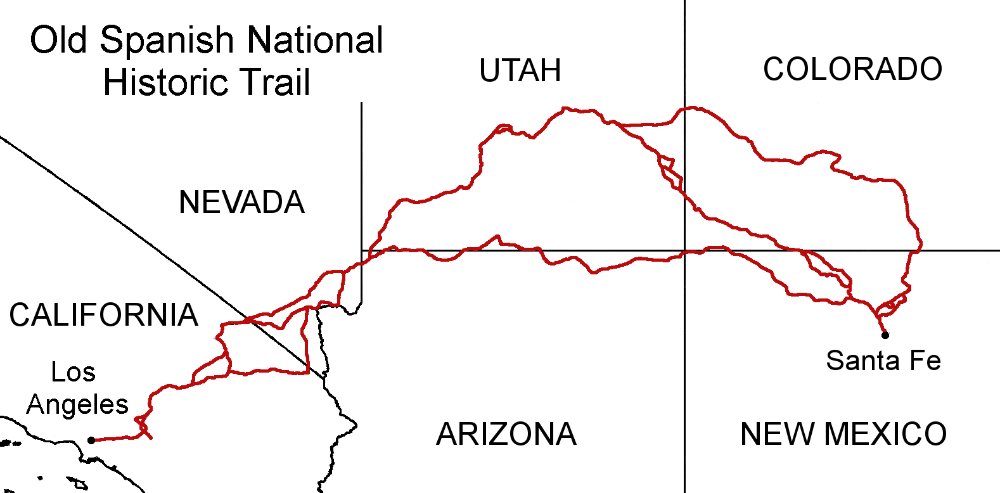 (Image Credit: Public Domain.) (Image Credit: Public Domain.)In the end, however misnamed and historically inaccurate the coin may be, it does feature a map and thus "makes the cut" for this thread! To learn more about the Old Spanish Trail half dollar, check out: - 1935 Old Spanish Trail- 1935 Old Spanish Trail - Redux- Quick Bits #20 - 1935 Spanish Trail Designers- 1935 Old Spanish Trail - Coins with Flora ThreadFor more posts about commemorative coins and medals, check out: Read More: Commems Collection. Collecting history one coin or medal at a time! (c) commems. All rights reserved.
|
|
Moderator
United States
194674 Posts |
Wonderful examples!  I supposed this counts...  1923-S Monroe Doctrine Half Dollar 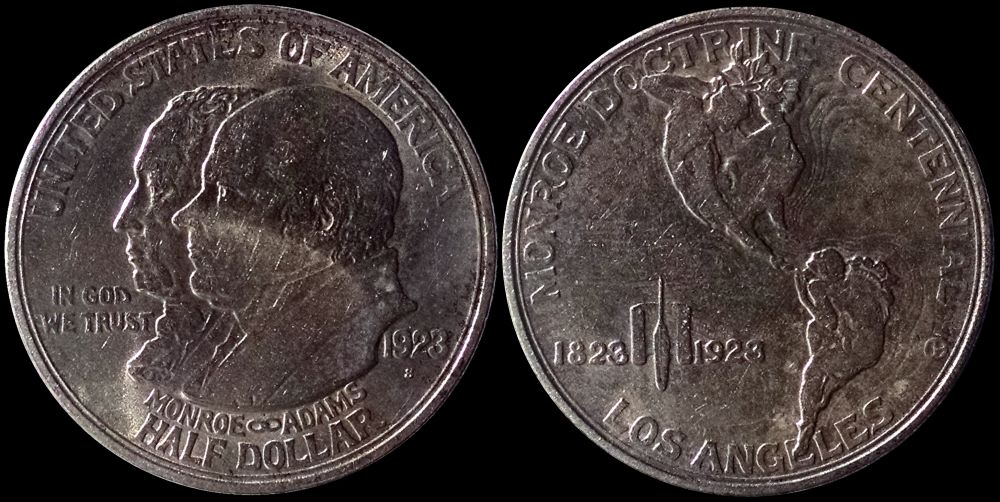 |
|
Bedrock of the Community
Canada
24885 Posts |
2002 Austria. 5 € cent. 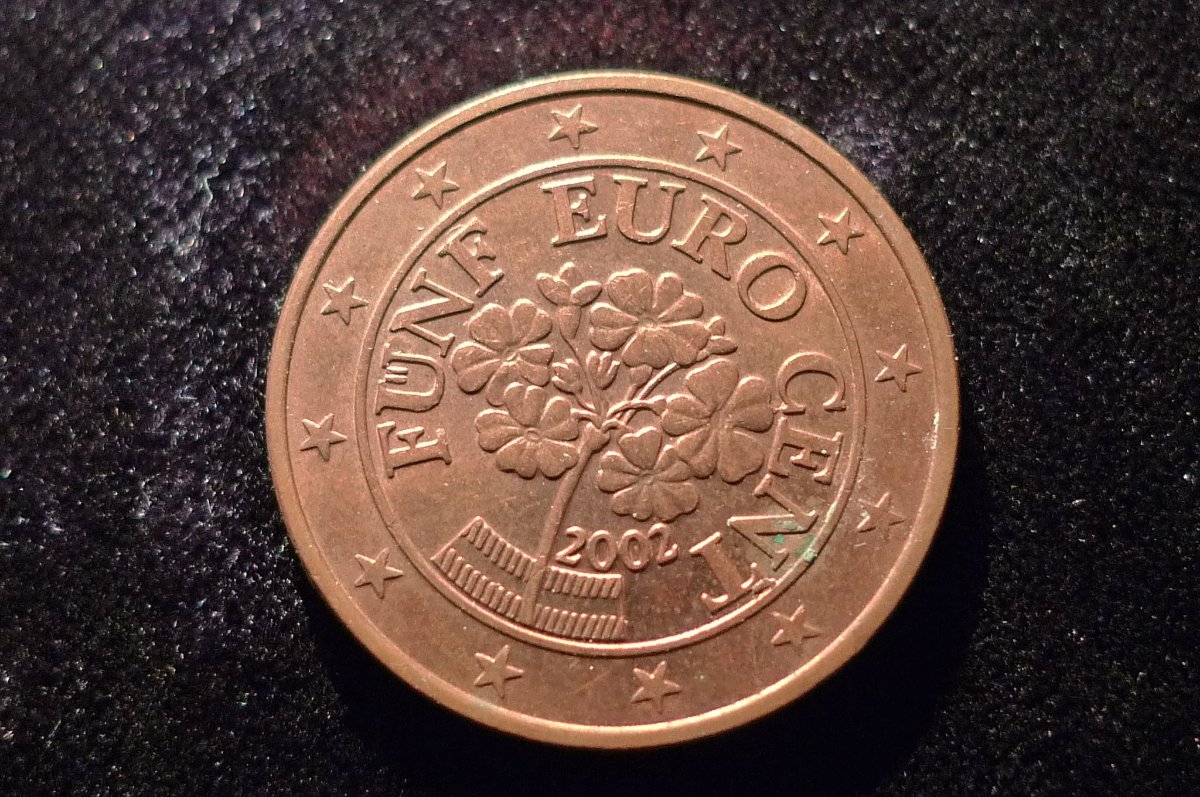 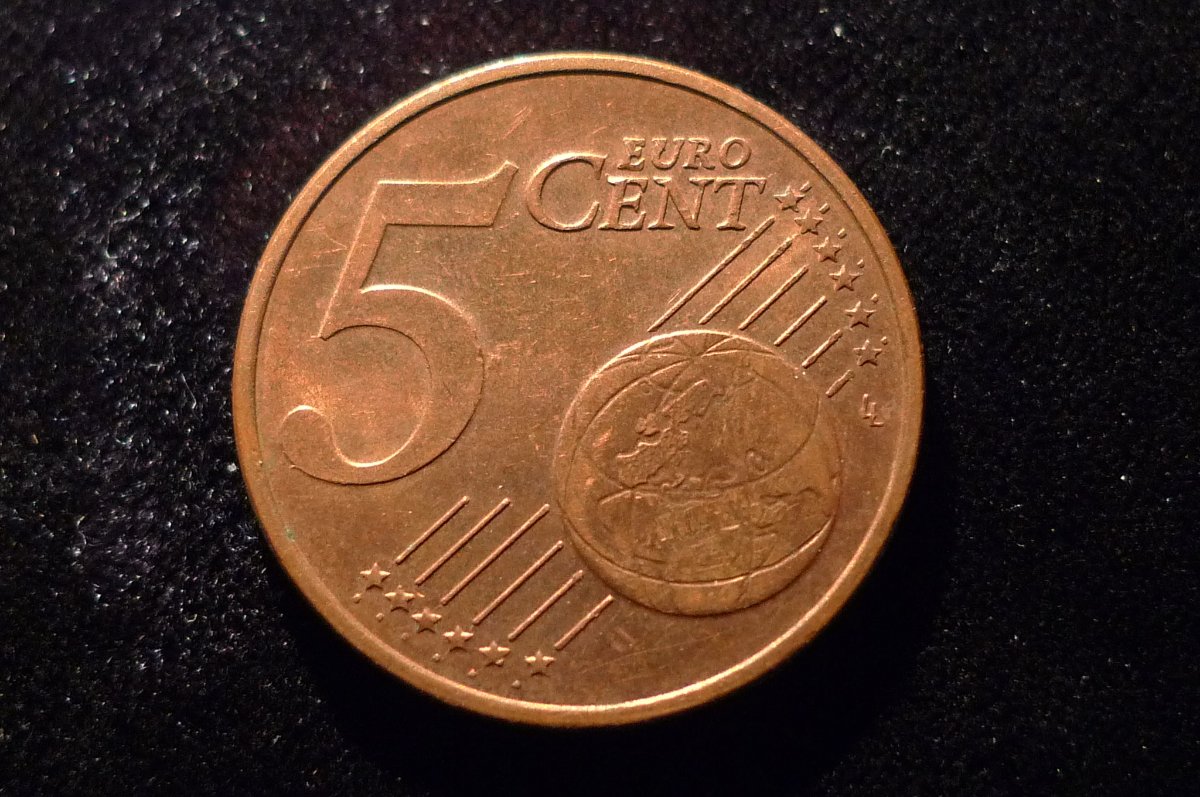 |
|
CCF Master Historian of Commemorative Coins
United States
12500 Posts |
The 1936 Cleveland-Great Lakes Exposition half dollar was issued "in commemoration of the centennial anniversary in 1936 of the city of Cleveland, Ohio, to be known as the Great Lakes Exposition, and to commemorate Cleveland's contribution to the industrial progress of the United States for the past one hundred years." (Public Law 74-552) The Great Lakes Exposition was held during the summers of 1936 and 1937. The Exposition was held on reclaimed land along the Lake Erie lakefront and enjoyed approximately 11 million visitors between its two seasons. The obverse design of the coin features a left-facing portrait of General Moses Cleaveland, the man who led the survey team that picked the site for Cleveland - at the mouth of the Cuyahoga River. On the coin's reverse is a map of the Great Lakes area with its major port cities noted via stars. The largest star seen - with one of the points of the over-sized caliper pointing to it - represents Cleveland. A caliper, as depicted, was used in early navigation as a distance measuring device - its two pointed tips can be used to accurately mark the distance between two points on a map. The stars on the map represent the cities (from east to west) of: - Rochester, NY - Toronto, Ontario (Canada) - Buffalo, NY - Cleveland, OH (the largest star) - Detroit, MI - Chicago, IL - Milwaukee, WI - Duluth, MN The lakes on the map (from east to west) are: - Lake Ontario - Lake Erie - Lake Huron - Lake Superior (norhthern most) - Lake Michigan Satellite Image of Great Lakes Region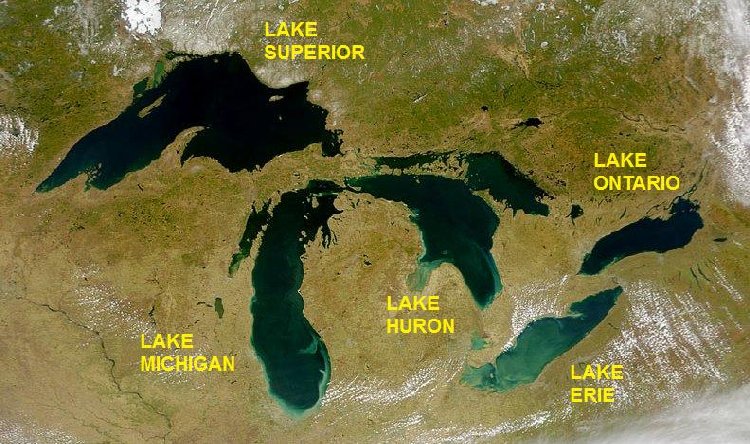 (Image Credit: SeaWiFS Project, NASA/Goddard Space Flight Center. Public Domain.)1936 Cleveland Centennial and Exposition Half Dollar (Image Credit: SeaWiFS Project, NASA/Goddard Space Flight Center. Public Domain.)1936 Cleveland Centennial and Exposition Half Dollar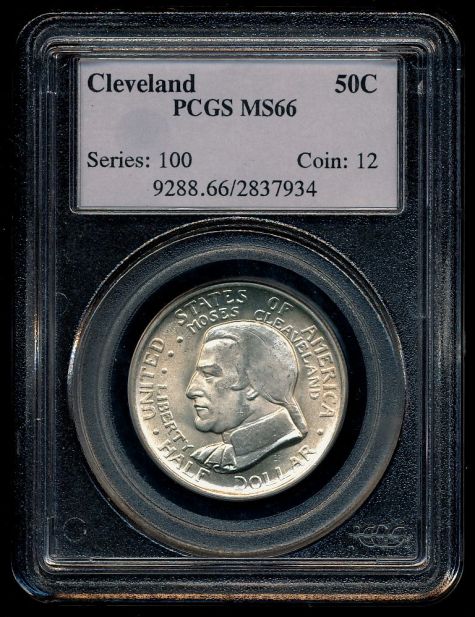 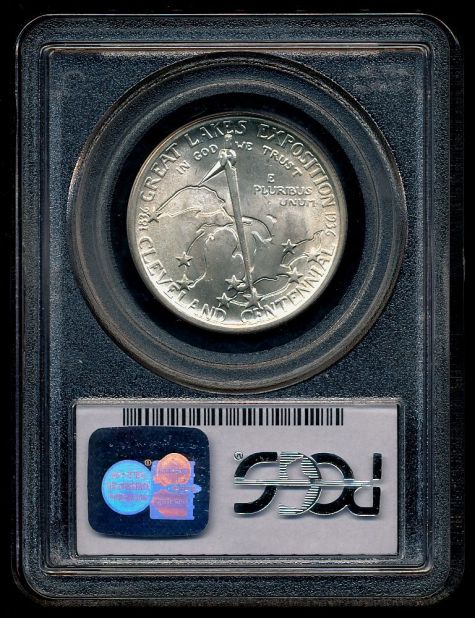 For more about the Cleveland commemorative half dollar and its original holders, check out: - 1936 Cleveland Centennial and Exposition- 1936 Cleveland Centennial and Exposition - Revisited / Ephemera- 1936 Cleveland Centennial and Exposition - Ephemera II- What if? A 1937 Cleveland Centennial Half Dollar- 1936 Cleveland Centennial Half Dollar - Coins Designed by a Woman ThreadFor other posts about commemorative coins and medal, see: Read More: Commems Collection. Collecting history one coin or medal at a time! (c) commems. All rights reserved.
Edited by commems
08/25/2021 11:13 am
|
|
Bedrock of the Community
Canada
24885 Posts |
1965 Republic of the United States of Brazil (1889-1967) 10 Cruzeiros. 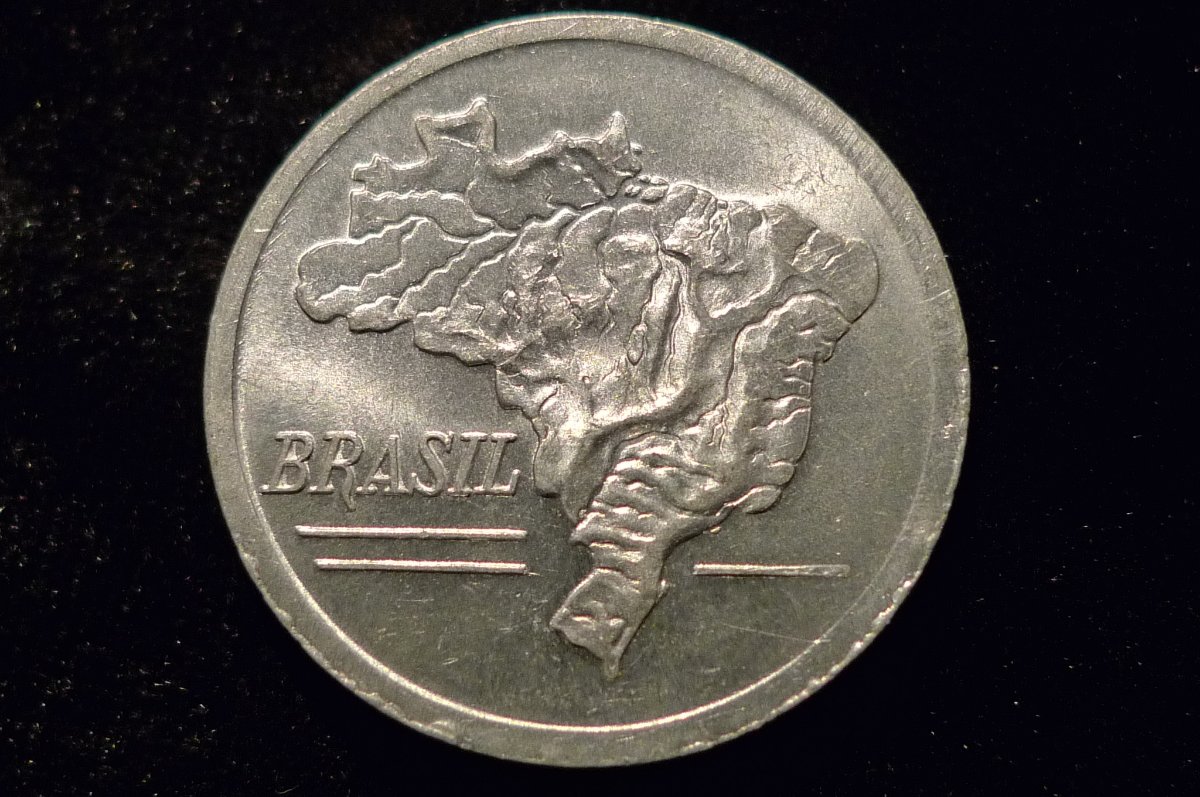 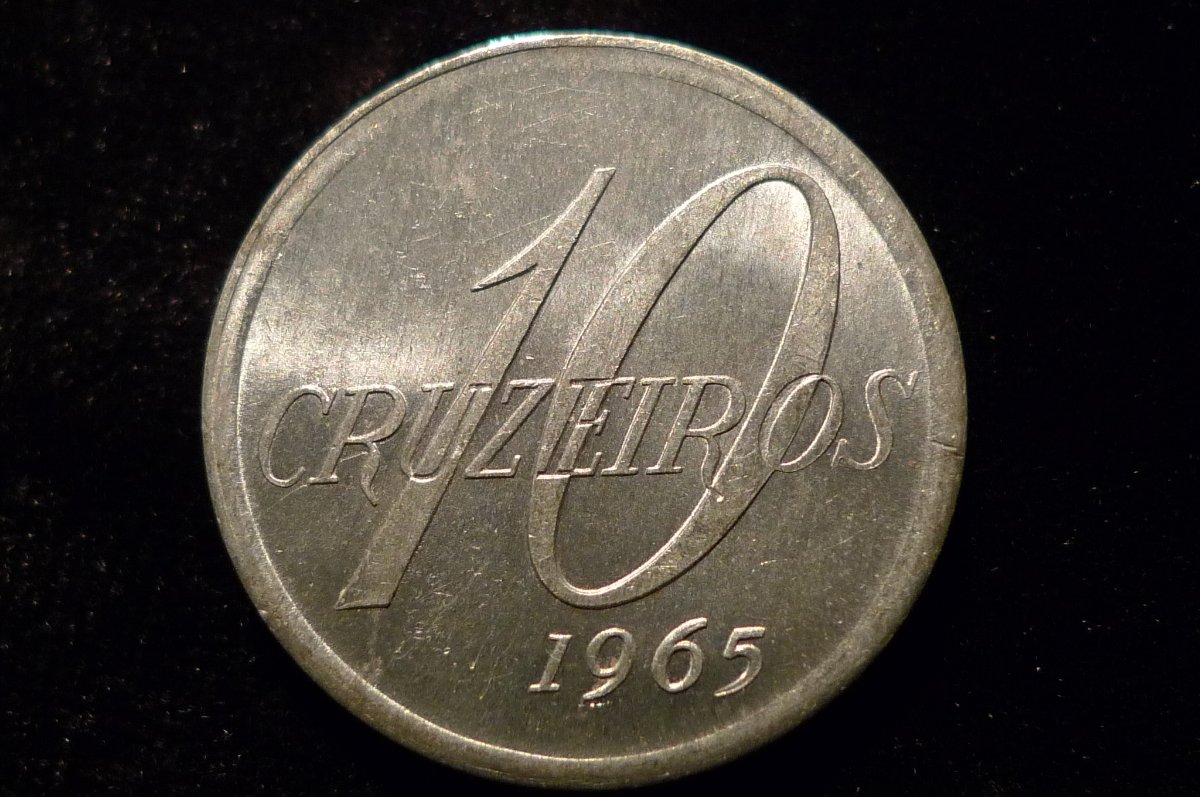 |
|
Moderator
United States
194674 Posts |
Lovely examples! |
|
CCF Master Historian of Commemorative Coins
United States
12500 Posts |
The Carver-Washington (C-W) commemorative half dollars, struck from 1951 through 1954, feature an obverse design of right-facing, conjoined portraits of George W. Carver (front) and Booker T. Washington; the reverse of the coin is dominated by an inaccurate political map of the continental United States (Alaska and Hawaii were not states at the time). The coin was designed by Isaac Scott Hathaway. The C-W series was the result of an amendment to / extension of the Booker T. Washington Birthplace Memorial coin series (1946-51) and was issued "to commemorate the lives and perpetuate the ideals and teachings of Booker T. Washington and George Washington Carver, two great Americans." (Public Law 82-151) I've discussed each honoree in more detail in my "Conjoined Portraits" post about the coin - see below for a link. The final reverse design presents a map of the US at its center with the inscription "FREEDOM AND OPPORTUNITY FOR ALL ** AMERICANISM **" encircling it. A large "U. S. A." extends across the map. I've railed against the map in other of my posts, so I won't repeat myself here. I will only say that the map is poorly rendered, contains a large number of misshapen and incorrectly outlined states, is missing Delaware and lacks the borders that define West Virginia. It's interesting to note that the map reverse was not the first design proposed. Previously, a design that featured a prominent American Legion emblem was proposed; the center emblem was encircled by the long and strong inscription: Outer Ring - "BOOKER T. WASHINGTON BIRTHPLACE MEMORIAL, VA * GEORGE W. CARVER NAT'L MONUMENT FOUNDATION, MO *" and, Inner Ring - "UNITED AGAINST THE SPREAD OF COMMUNISM - NATIONAL AMERICANISM COMMISSION." It all made for a very busy design. Though the Commission of Fine Arts (CFA) approved the reverse design, it was stopped by the US State Department which thought it was too strong in its anti-communism message - it was a delicate time for US-Russia relationships. (Political correctness in 1950?) With this decision made, an alternate design with the map of the US and a less militant inscription was prepared and approved by the CFA. The Mint and Treasury Department were not happy with the artistic execution of either of the coin's sides, but moved ahead with the designs as they had already been approved. Chief Sculptor-Engraver Gilroy Roberts made what refinements he could before the master die for the coins was finalized and the mints began striking them. 1951-54 George Washington Carver - Booker T. Washington Half Dollar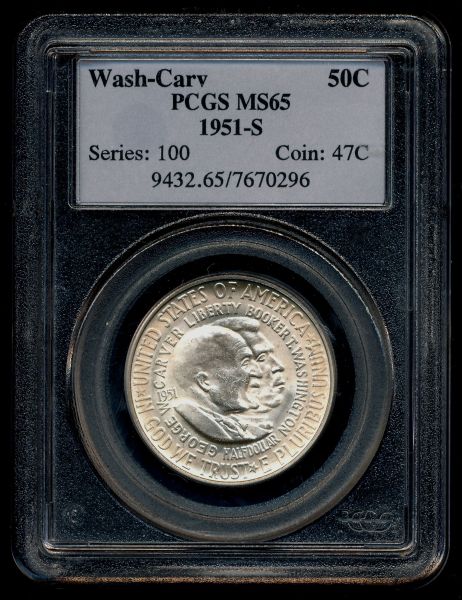 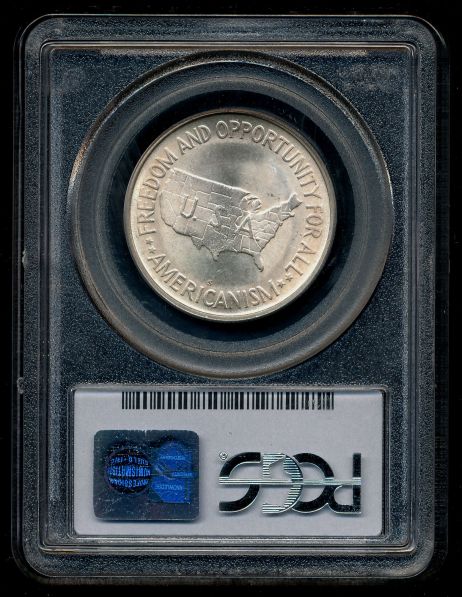 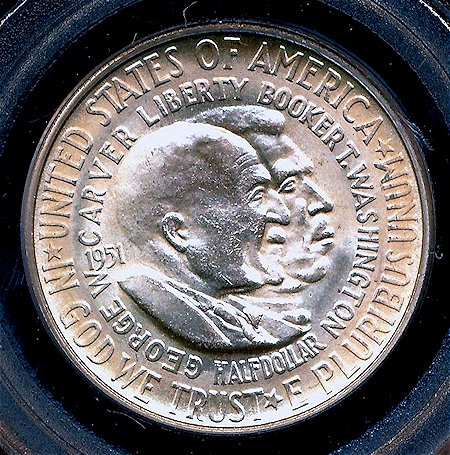 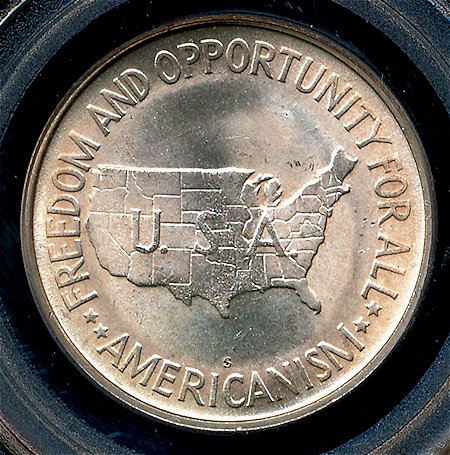 You can learn more about the Carver-Washington half dollar here: - 1951-54 Carver-Washington Half Dollar- Carver vs. Carver-Washington- 1951-54 Carver-Washington - Coins with Stars Thread- 1951-54 Carver-Washington - Coins with Cojoined Portaits ThreadView other of my posts about the original Booker T. Washington half dollar and other commemorative coins and medals here: Read More: Commems Collection. Collecting history one coin or medal at a time! (c) commems. All rights reserved.
|
|
Bedrock of the Community
Canada
24885 Posts |
2005 Austria. 2 € cent. 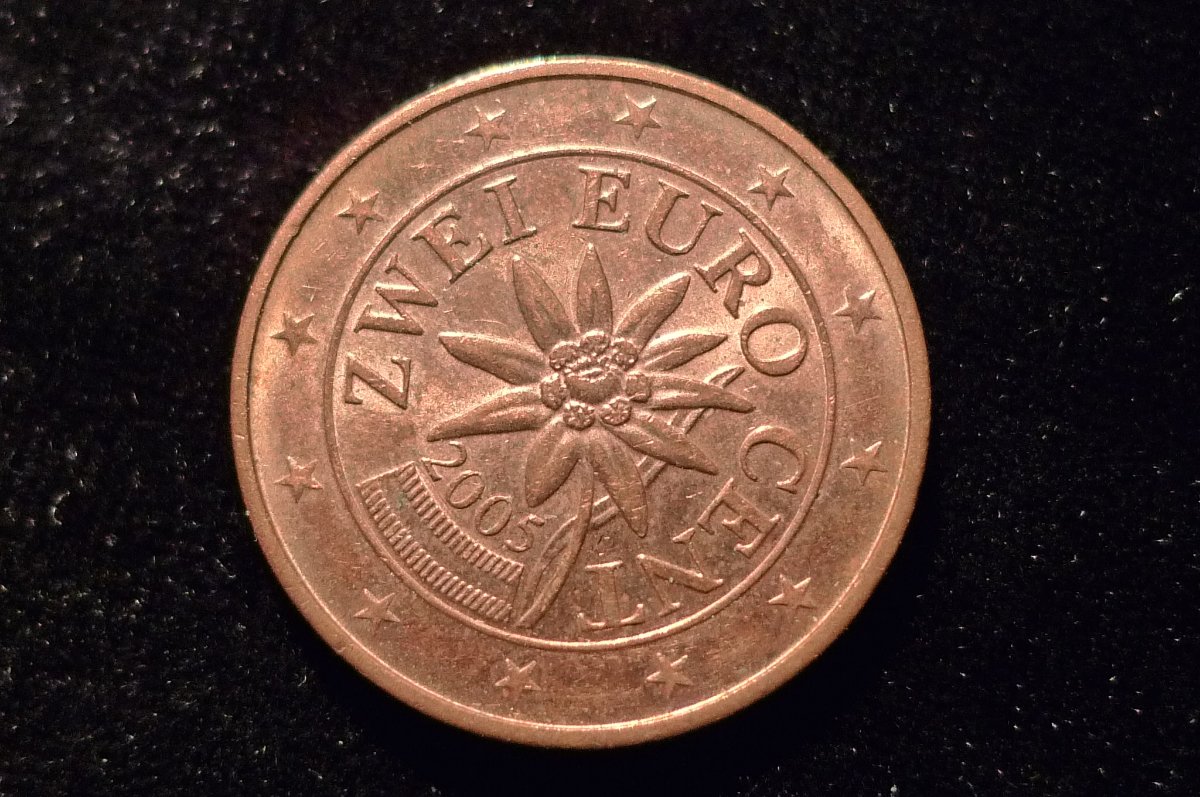 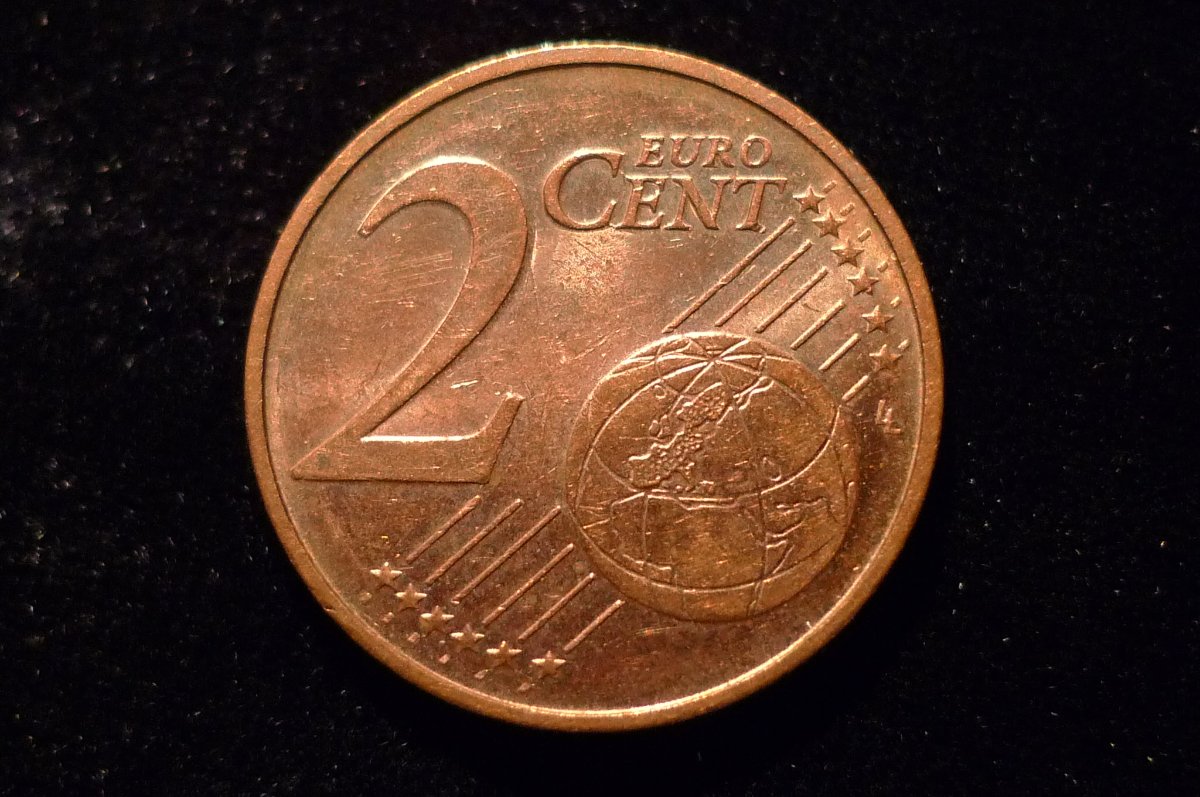 |
|
Moderator
United States
194674 Posts |
Great pair! |
|
CCF Master Historian of Commemorative Coins
United States
12500 Posts |
The 1923 US commemorative half dollar was issued to mark the centennial of the enunciation of the Monroe Doctrine. It features, simultaneously, the least map-like maps and the most stylistically-creative maps in the classic US series. The coin's designs are credited to noted artist/sculptor Chester Beach; see my post in the "Coins with Hands" thread (link below) for a discussion of the coin's design controversy and its un-credited artistic reference. jbuck posted his example a few days back, but I wanted to post mine also and include a little historical context. You can see jbuck's coin above.The obverse of the coin depicts conjoined portraits of 5th US President James Monroe and his Secretary of State, John Quincy Adams (forward portrait). Adams was the primary author of the Doctrine's principles as delivered by Monroe during his 1823 speech to the US Congress. (To read a full transcript of what is referred to as the "Monroe Doctrine," visit: OurDocuments.Gov - Monroe Doctrine.) Realistic Map of Western Hemisphere, Circa 1920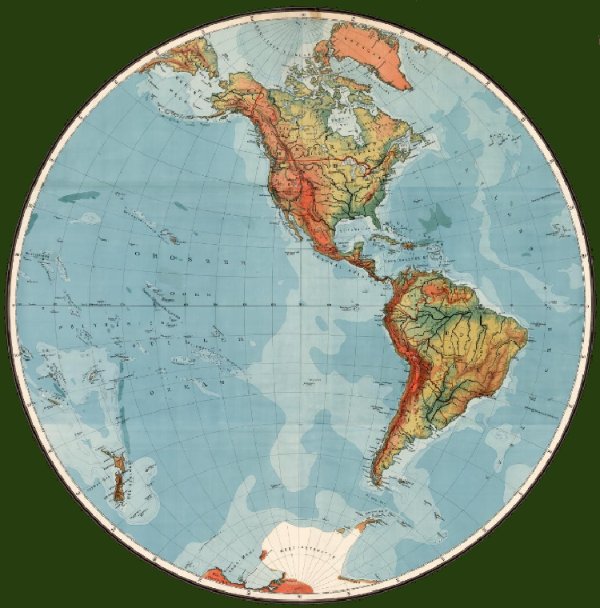 (Image Credit: Map by Friedrich Umlauft and JG Rothaug, Courtesy of David Rumsey Map Collection, David Rumsey Map Center, Stanford Libraries.) (Image Credit: Map by Friedrich Umlauft and JG Rothaug, Courtesy of David Rumsey Map Collection, David Rumsey Map Center, Stanford Libraries.)The coin's reverse presents stylized versions of North and South America - the primary land masses of the Western Hemisphere. The maps of the two continents are represented by two contorted female figures that mimic their general shape. Alone, the female figures do not create fully-formed continent shapes, so Beach used a combinaton of branches and a cornucopia to fill out the shapes for each and more fully form the continents for his hemispehere map. I don't believe there is an official, technical term for a map created via contorted allegorical female figures - I propose "fanciful." 1923 Monroe Doctrine Centennial Half Dollar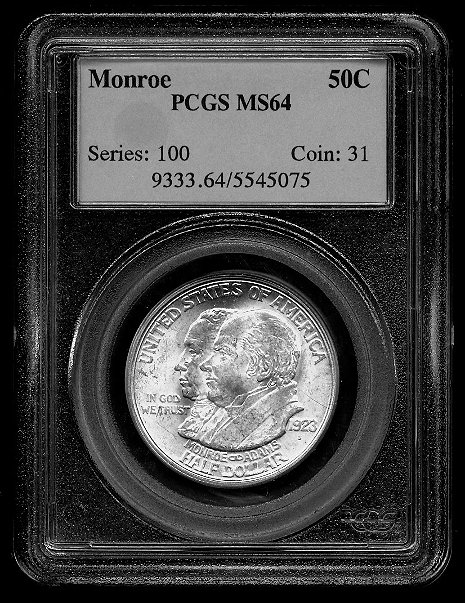 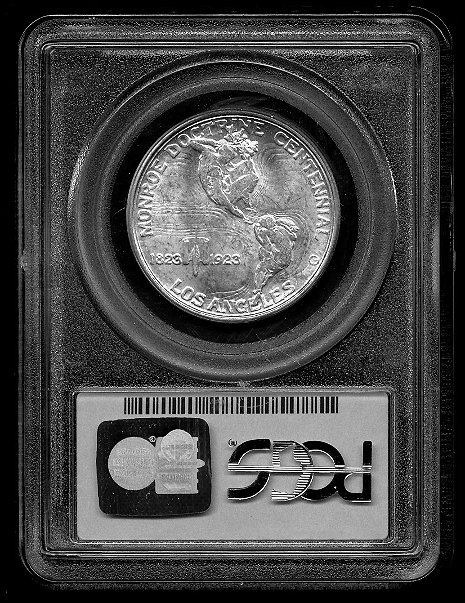 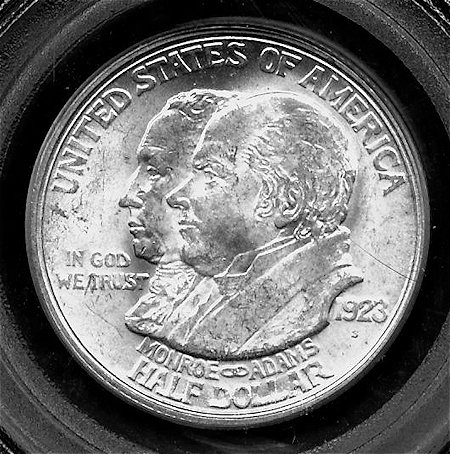 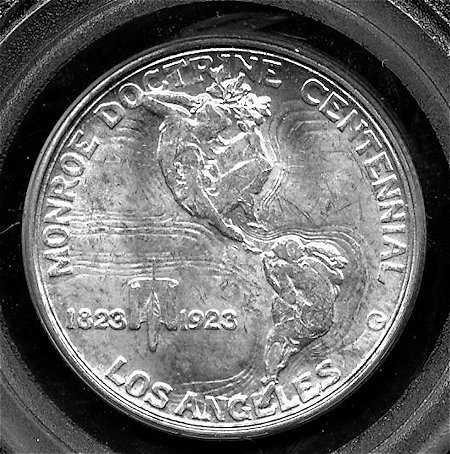 For more on the history of the Monroe Doctrine half dollar and discussions of its interesting design, check out: - 1923 Monroe Doctrine Centennial - 1923 Monroe Doctrine Centennial - Coins with Hands Thread - Design Controversy - 1923 Monroe Doctrine Centennial - Coins with Flora Thread - 1923 Monroe Doctrine Centennial - Coins with Conjoined Portraits Thread For other posts about commemorative coins and medals, see: Read More: Commems CollectionCollecting history one coin or medal at a time! (c) commems. All rights reserved.
Edited by commems
08/27/2021 09:19 am
|
|
Moderator
United States
194674 Posts |
Quote:
jbuck posted his example a few days back, but I wanted to post mine also and include a little historical context. You can see jbuck's coin above. Well done! I was hoping you would add some of your wisdom! As I have mentioned before, my example is forever linked with you since we were at the same coin show when I purchased it. |
|
CCF Master Historian of Commemorative Coins
United States
12500 Posts |
Here's a US Mint-struck commemorative medal for the (1903) 1904 Louisiana Purchase Exposition (LPE, Exposition); the Exposition was originally scheduled to open in 1903, the true centennial anniversary year of the Louisiana Purchase, but construction and setup delays pushed the opening a full year. The Exposition ran from April 30. 1904 through December 1, 1904; an estimated 20 million people attended. The Exposition (also often referred to as the 1904 St. Louis World's Fair) was staged to celebrate the centennial of the US' purchase of the Louisiana Territory from France in 1803 (for just $15 million!); it was also used to showcase the latest technological advances and aspects of modern culture - not only in the US, but around the world as 62 countries exhibited. Map Showing Louisiana Purchase (Pink Color on Map)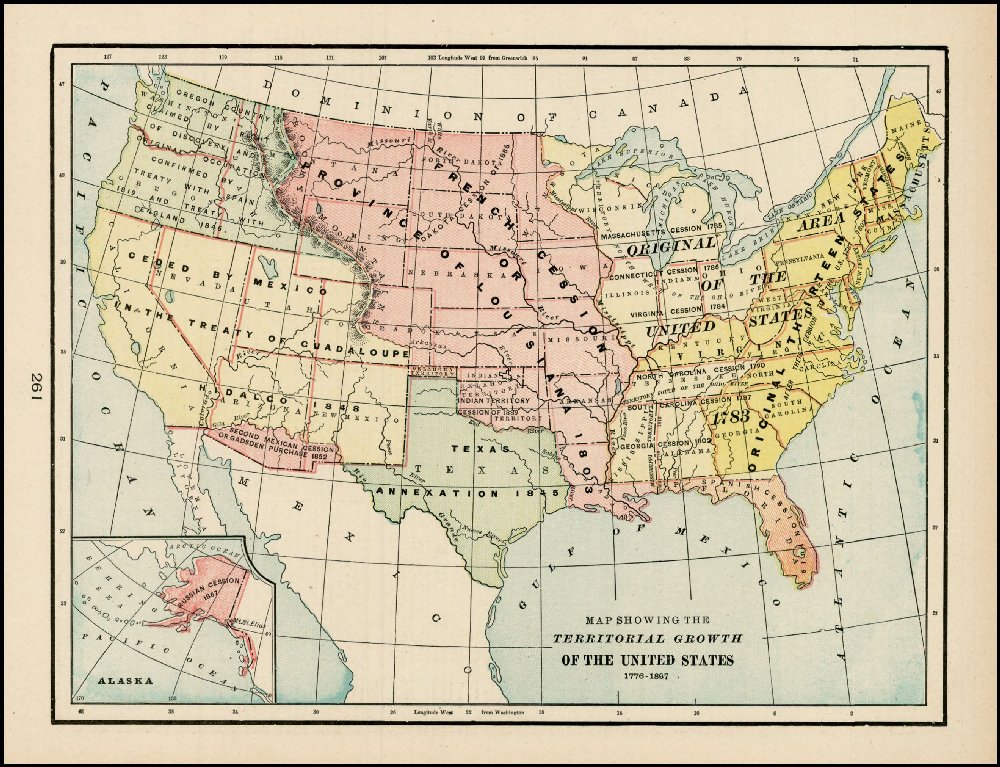 (Image Credit: The Barry Lawrence Ruderman Map Collection, courtesy of Stanford University Libraries.) (Image Credit: The Barry Lawrence Ruderman Map Collection, courtesy of Stanford University Libraries.)The obverse of the medal features the left-facing conjoined portraits of Thomas Jefferson (front portrait) and Napoleon Bonaparte. At the time of the Louisiana Purchase transaction, Bonaparte was the First Counsul of the French Republic - its leader. (He would assume the title of Emperor in 1804.) Jefferson was serving as the third US president at the time and was a driver behind the deal with France. The reverse of the medal presents a relief map of the continental US with the area acquired by the US via the Louisiana Purchase raised and captioned. On one variety of the medal, a star indicates the location of St. Louis, the host city for the Exposition, while on another version the star is missing (each variety is shown here). The Official Medals of the Louisiana Purchase Exposition were struck by the US Mint on the grounds of the Exposition; it had a booth in the US Government Building. The souvenir medals were struck in copper, bronze, yellow-bronze, silver and gold-plated bronze and sold directly by the Mint out of its booth. LPE Official Medal - Silver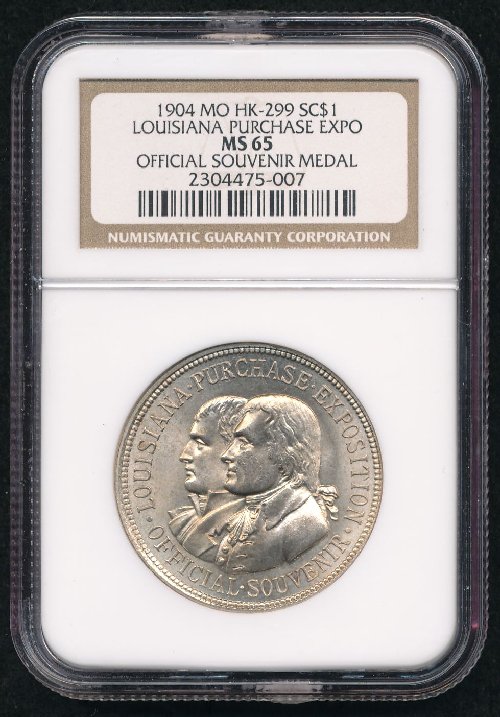 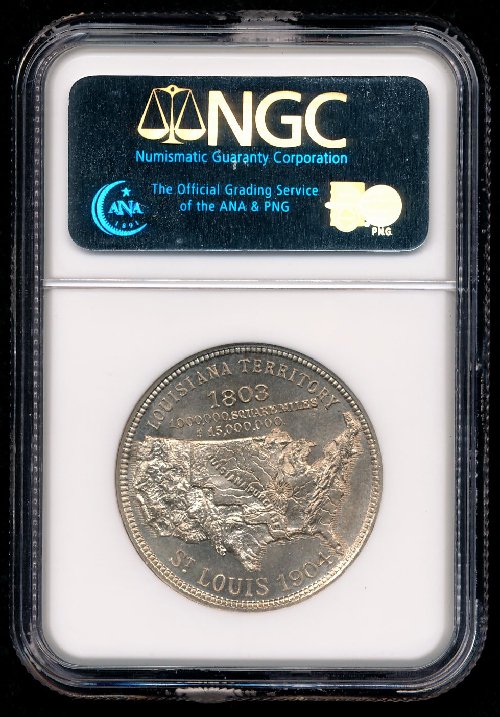 LPE Official Medal - Gold-Plated Bronze, with Star LPE Official Medal - Gold-Plated Bronze, with Star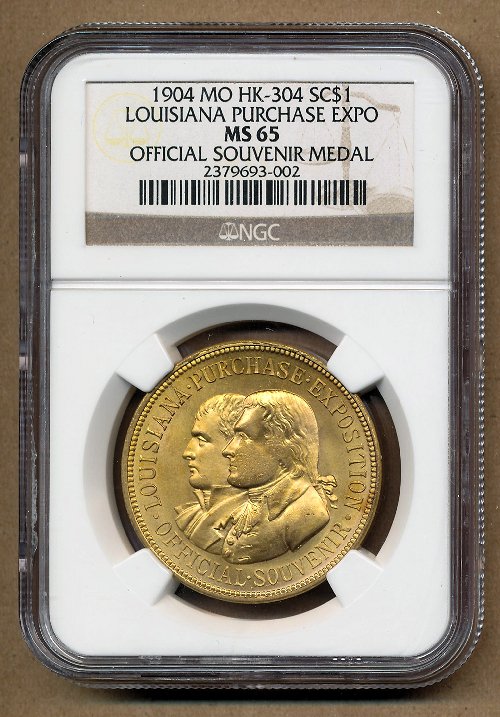 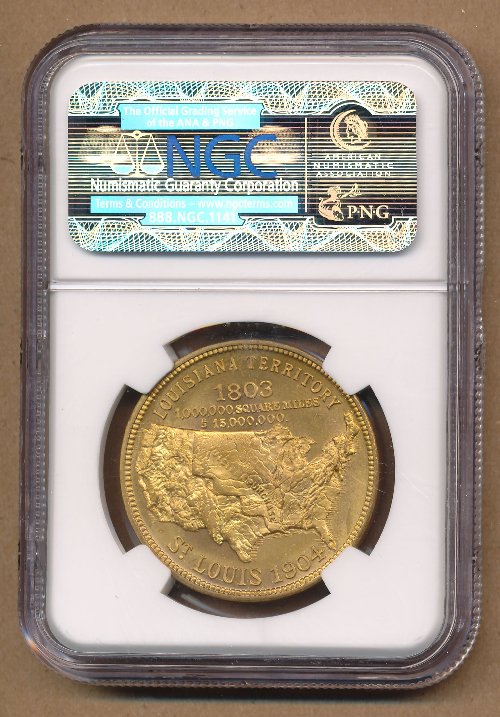 LPE Official Medal - Gold-Plated Bronze, without Star LPE Official Medal - Gold-Plated Bronze, without Star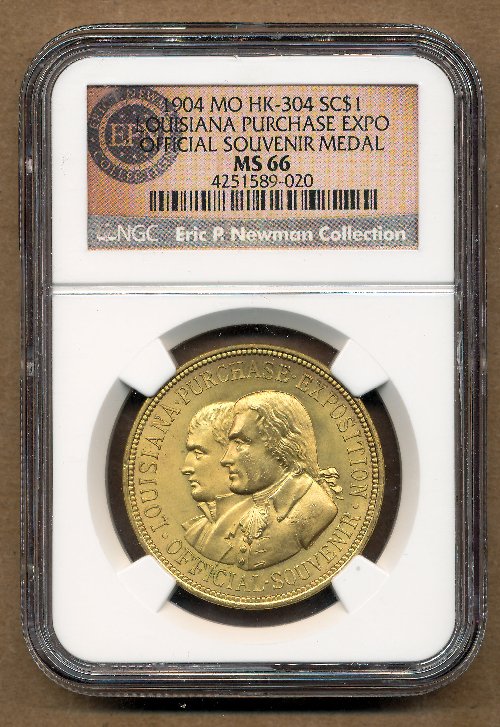 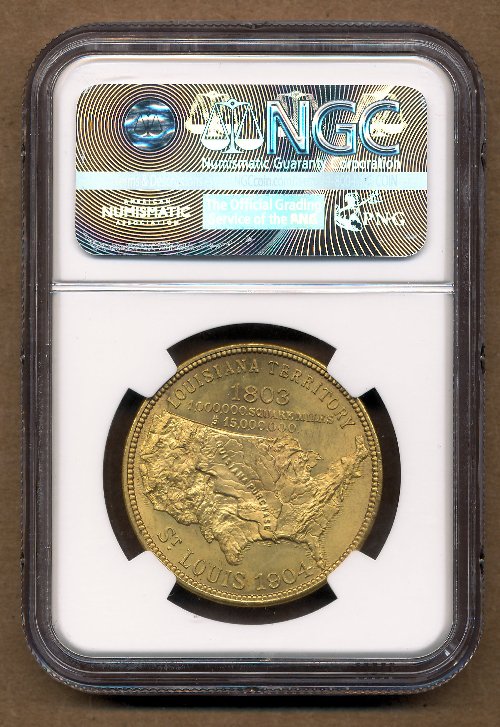 LPE Official Medal - Close-up of Star vs. No Star Varieties LPE Official Medal - Close-up of Star vs. No Star Varieties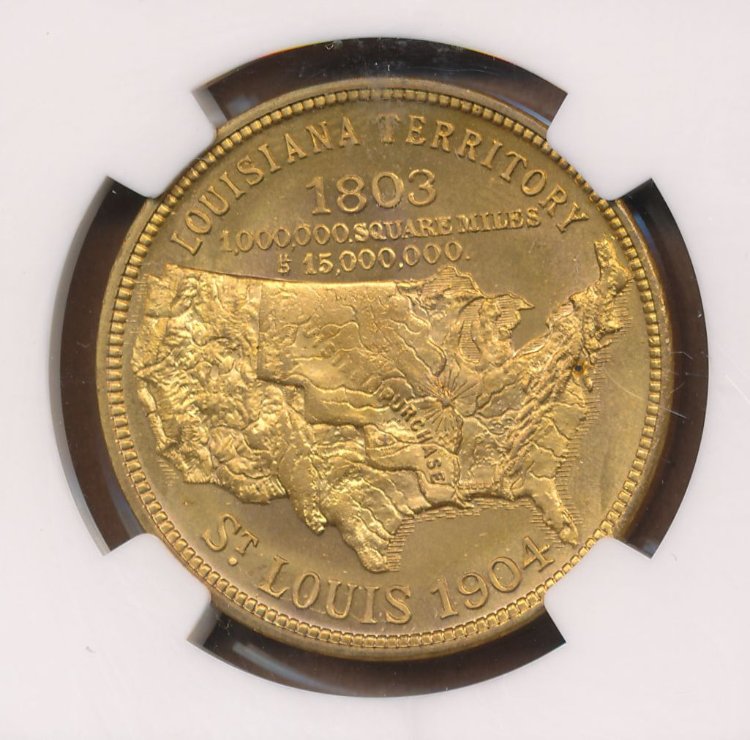 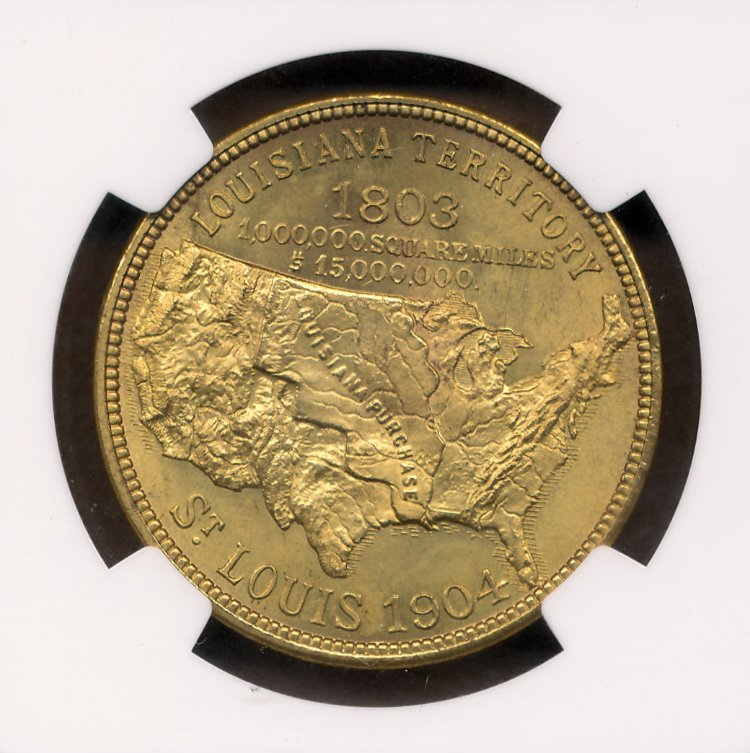 Collecting history one coin or medal at a time! (c) commems. All rights reserved.
|
| |
Replies: 1,334 / Views: 44,281 |






 First Page


 Posted 08/24/2021 08:02 am





