| Author |
 Replies: 78 / Views: 5,856 Replies: 78 / Views: 5,856 |
|
|
|
Pillar of the Community
  United States
2703 Posts |
Wow that is a beautiful double tournois! Hard to find them so nice.
Here we have a clean shaven, younger version of the same Henri as King of Navarre, before he became King of France. 1583 Franc, Feudal France, Kingdom of Navarre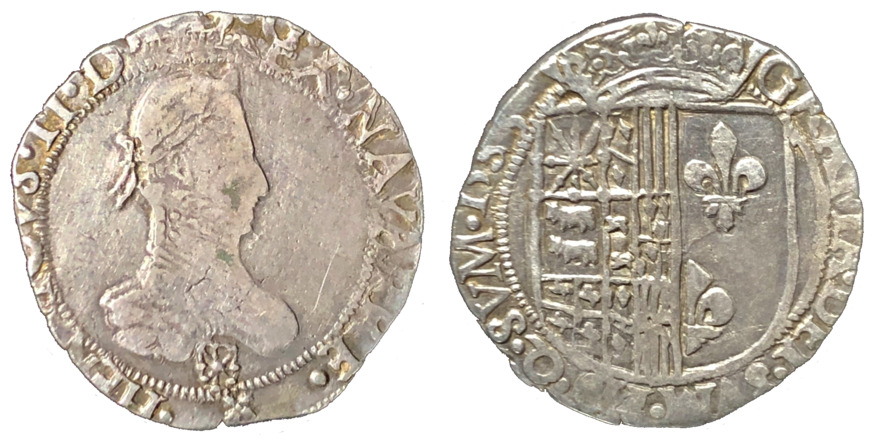 35mm
Edited by t360
02/13/2022 4:57 pm
|
|
Bedrock of the Community
United States
12057 Posts |
My dad was born as Heinrich but always went by Henry after the family moved to the US from Germany in the 1950s. Here's a great pair of Henry's to start out with. Most of the information on these is in the photos. Henry III - 1248 - Penny (Canterbury) - Nicole 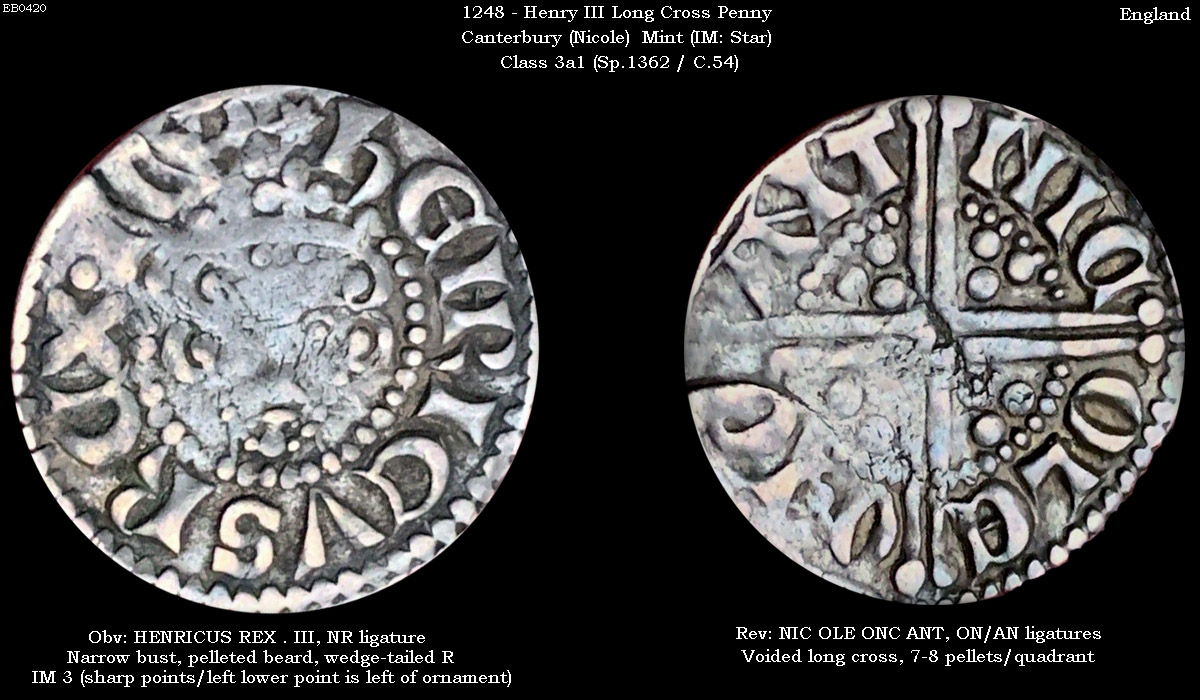 Henry VIII - 1530 - Penny (Durham) - Cuthbert Tunstall 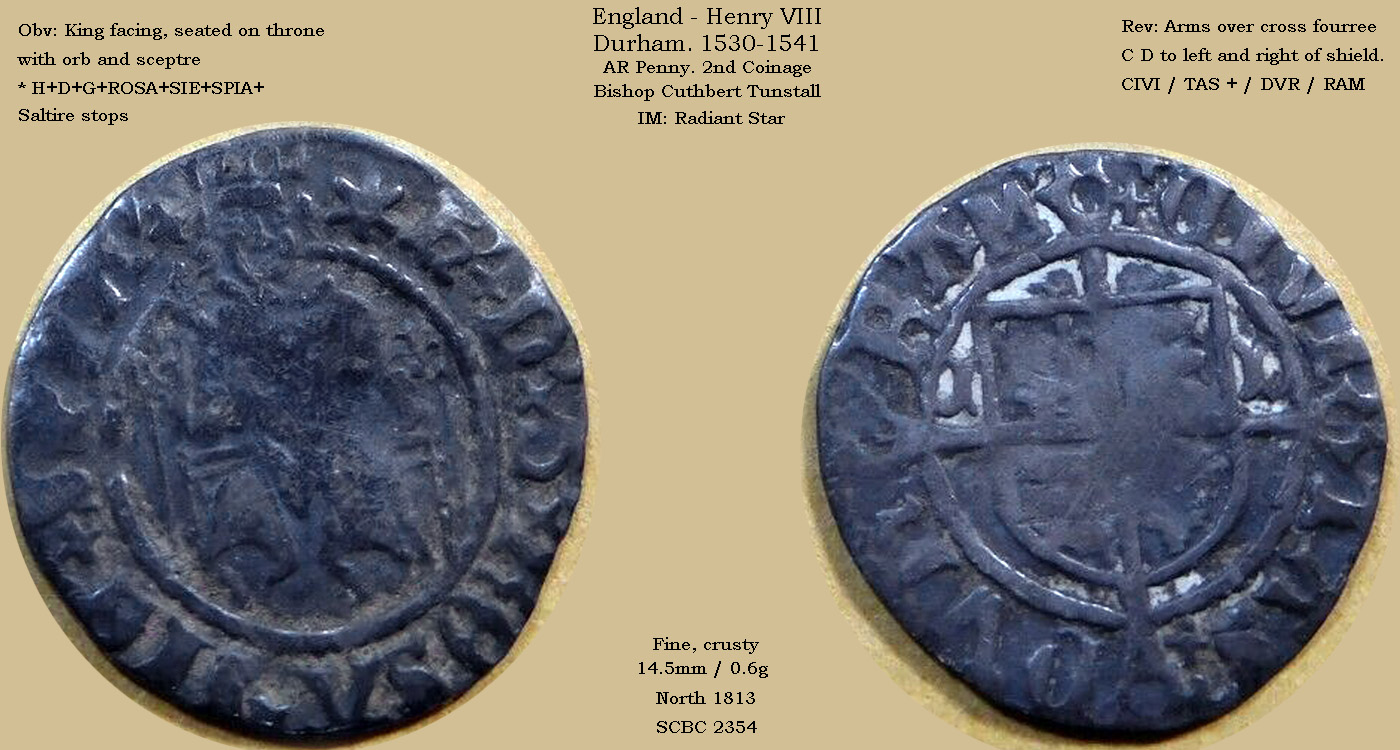 Member ANA - EAC - TNA - SSDC - CCT #890 "Most of the things worth doing in the world had been declared impossible before they were done." -- Louis D. Brandeis |
|
Bedrock of the Community
United States
12057 Posts |
A silver 1960 5 Escudos from Portugal commemorating the 5th centennial anniversary of the death of the Infante Prince Henrique (Henry) the Navigator. 13 Nov. 1460 to 13 Nov. 1960. The motto is Talant De Bien Faire -- the desire to do well. 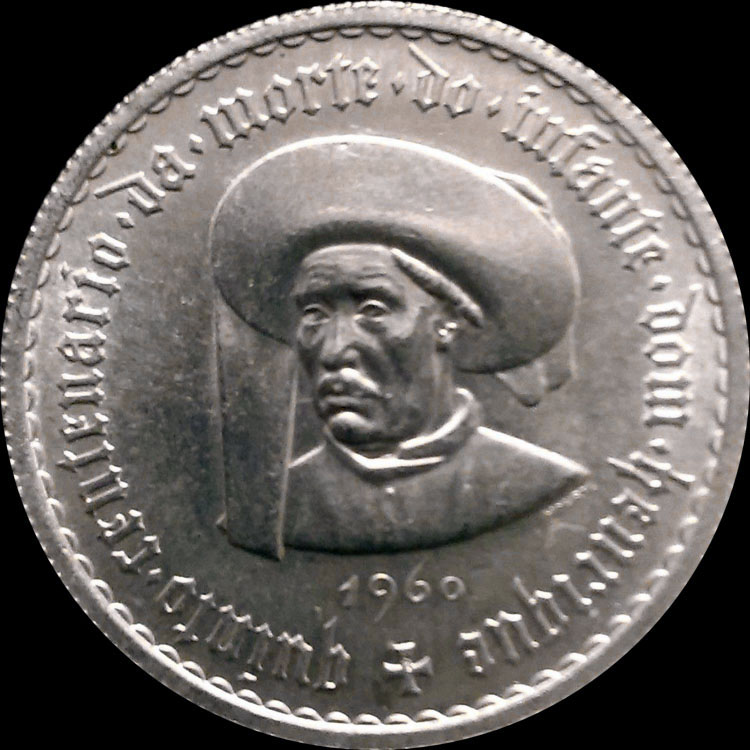 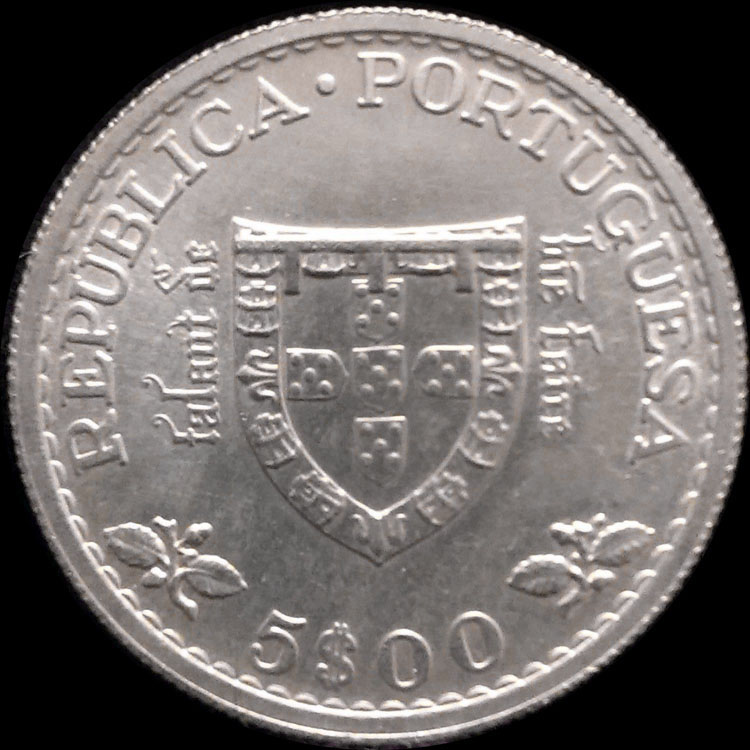 Member ANA - EAC - TNA - SSDC - CCT #890 "Most of the things worth doing in the world had been declared impossible before they were done." -- Louis D. Brandeis Edited by paralyse
02/13/2022 4:48 pm
|
|
Bedrock of the Community
United Kingdom
19132 Posts |
Another Henry III penny - a short cross one, Class 7b, Canterbury Mint - the moneyer is also called Henry! 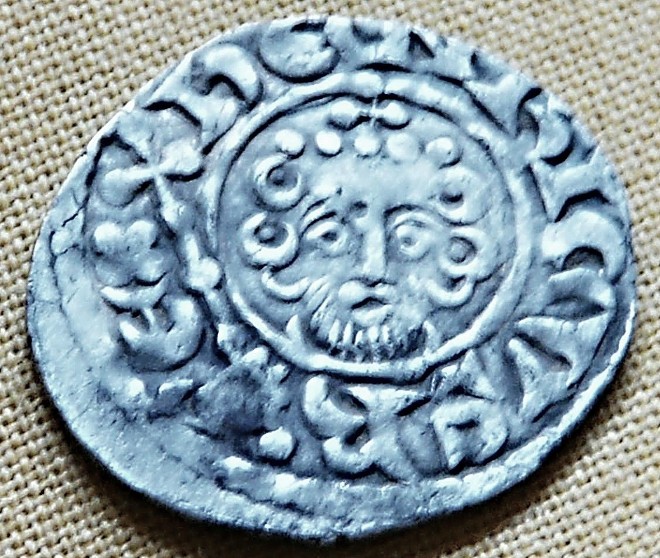 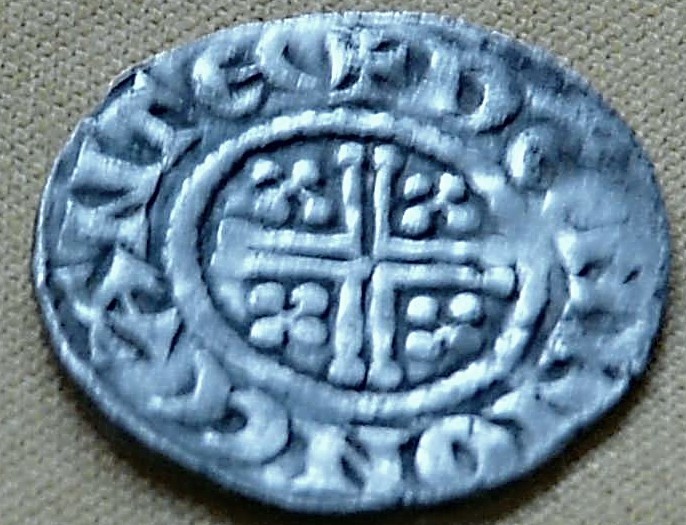 |
|
Bedrock of the Community
United States
12057 Posts |
That's a super nice example with a very clear portrait.
Member ANA - EAC - TNA - SSDC - CCT #890 "Most of the things worth doing in the world had been declared impossible before they were done." -- Louis D. Brandeis |
|
Moderator
United States
197800 Posts |
|
|
Pillar of the Community
 Sweden
2124 Posts |
Quote:
a beautiful double tournois! Hard to find them so nice. I know  . Took me a while to find that one. That Henry III portrait is marvelous, @NumisRob! His French namesake about 300 years later looked like this: Henri III, France 1577, 2 deniers, Paris (A).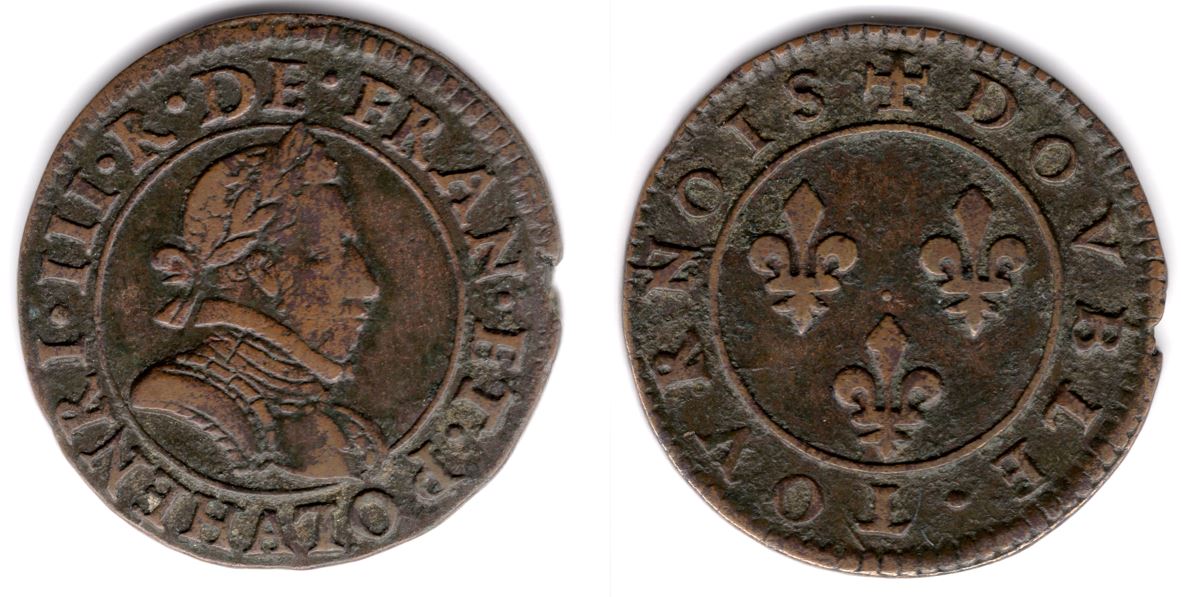 No year on this one, but the first copper doubles were minted in 1577 and from 1578 the year was minted on them. Edited by erafjel
02/14/2022 2:32 pm
|
|
Pillar of the Community
Sweden
2124 Posts |
Let's do Henri II while we're at it. A teston like your opening post coin, @t360. Henri II, France 1553, teston, Paris (A).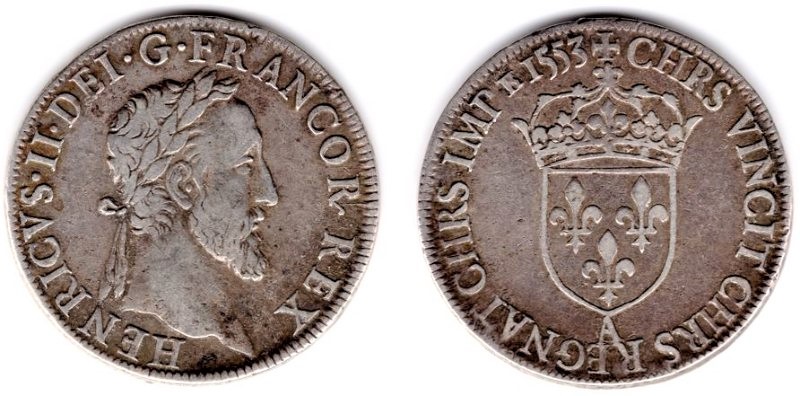 One of the first milled French coins, using a hand-driven screw press (balancier). |
|
Pillar of the Community
United States
2703 Posts |
Beautiful milled teston!  Looks like there is a little golf club shaped die chip in the R of FRANCOR. I wonder if there is any story behind France's first milled coins?Edited by t360
02/15/2022 1:57 pm
|
|
Moderator
United States
197800 Posts |
Looking good! |
|
Pillar of the Community
Sweden
2124 Posts |
Quote:
I wonder if there is any story behind France's first milled coins? There is, of course  . It was Henri II who introduced milled coinage in 1551, after hearing about it being used in Germany (or more precisely in Augsburg, a free imperial city in the Holy Roman Empire). Henri sent Aubin Olivier, "a good and excellent workman in iron," to Augsburg to learn the new technique. He then opened a new mint with Aubin as chief engineer, the Monnaie des etuves ("The Oven Mint," named so since the building had housed ovens; later it was also called Monnaie du Moulin, "The Mill Mint"), separate from the ordinary Monnaie de Paris. There testons were minted, using water-powered rolling of metal sheets and cutting of flans from those, as well as hand-driven screw presses for the striking, the "balanciers." The quality of the milled testons was vastly superior to that of the hammered ones, and everyone liked it. Except, that is, the Cour des Monnaies - the royal office in charge of minting, created 1552, shortly after the new mint was opened, and given control over all mints except Moulin des etuves which stayed under the direct control of the king. Clearly that was a source of irritation and a rift in their otherwise upheld minting monopoly and they worked against the idea of mechanized minting best they could. Perhaps there was also some resistance among the mint workers, being concerned about their job security and status as skilled craftsmen. When Henry died in 1559, milled minting was soon abandoned, except for medals, certain jetons, and the new copper small change that was introduced in 1577. The workers of Moulin des etuves became unemployed and took off to England and Navarre. Attempts to reintroduce milling were met with disinterest from Henri's successors. Not until 1640, under Louis XIII, was milling reintroduced in France, resulting in the beautiful louis d'ors and silver ecus that came to characterize French coinage for the next century and a half. Edited by erafjel
02/15/2022 6:12 pm
|
|
Pillar of the Community
United States
2703 Posts |
Thank you @erafjel for providing the very interesting history behind the first milled coins of France!
|
|
Pillar of the Community
United States
2703 Posts |
A day without French Royal coins is like a day without sunshine, so here's one more... 1575 King Henri III of France wearing a frilly collar. 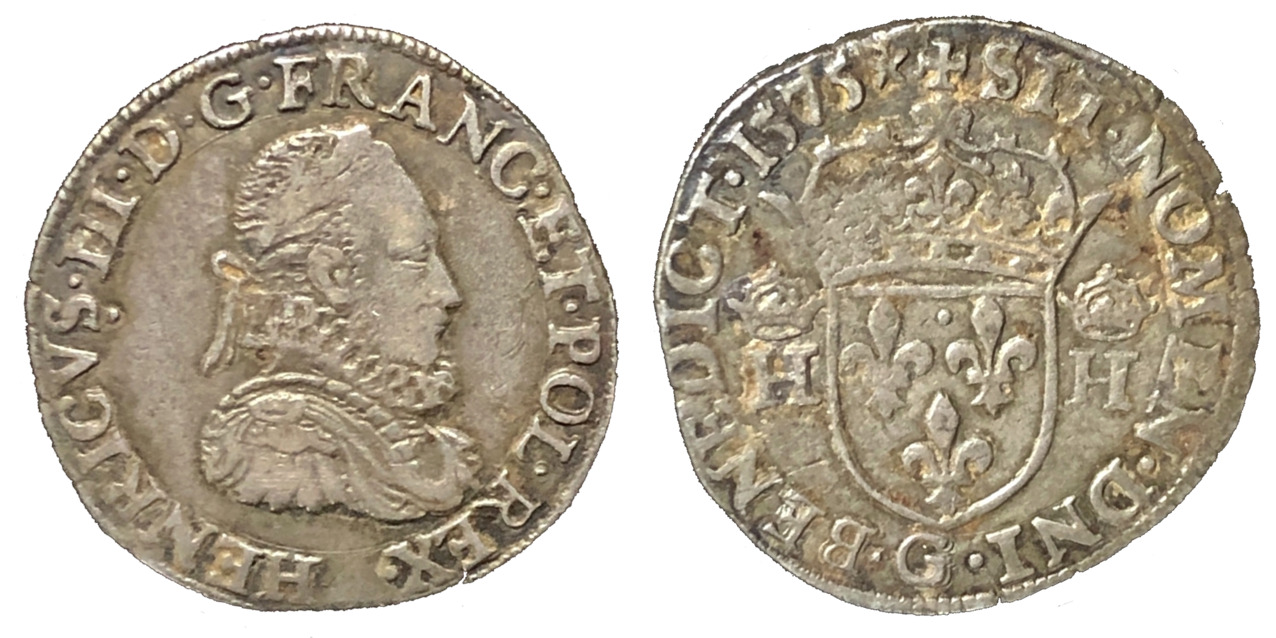 Poitiers mint (G) 7,074 pieces struck
|
|
Moderator
United States
197800 Posts |
Very interesting, erafjel! Quote:
1575 King Henri III of France wearing a frilly collar. Nice example! |
|
Pillar of the Community
Sweden
2124 Posts |
Quote:
1575 King Henri III of France Nice and rare! Quote:
A day without French Royal coins is like a day without sunshine I will soon bring back the sun, but for today I'm going a bit south. Henri III/II, Bearn/Navarre 1580, 1 franc, Pau.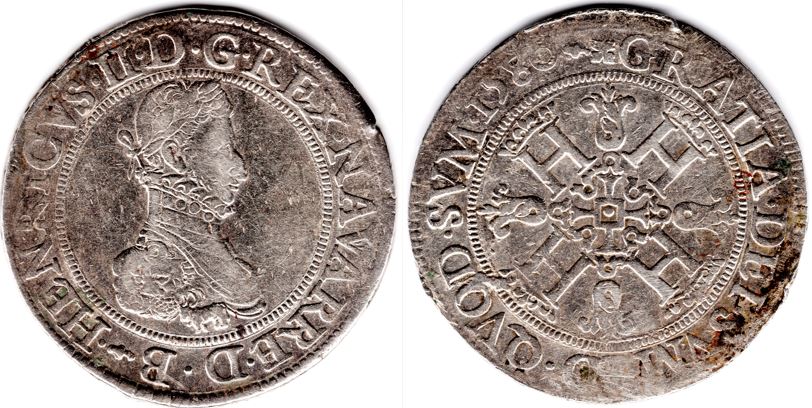 Before becoming king Henri IV of France (and Navarre), he was king Henri III of Navarre and Viscount Henri II of Bearn. Bearn was the province of Navarre where the royal family had its origins, and so it had certain privileges, like minting its own regional money. Pau was the only mint in Navarre that used milling (with equipment and staff from France, after France abandoned the technique). |
| |
Replies: 78 / Views: 5,856 |





 First Page


 Posted 02/13/2022 4:35 pm


