| Author |
 Replies: 5,545 / Views: 438,429 Replies: 5,545 / Views: 438,429 |
|
|
|
Valued Member
United States
227 Posts |
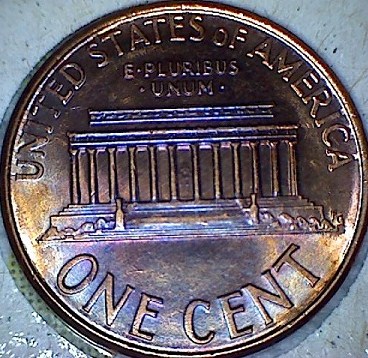
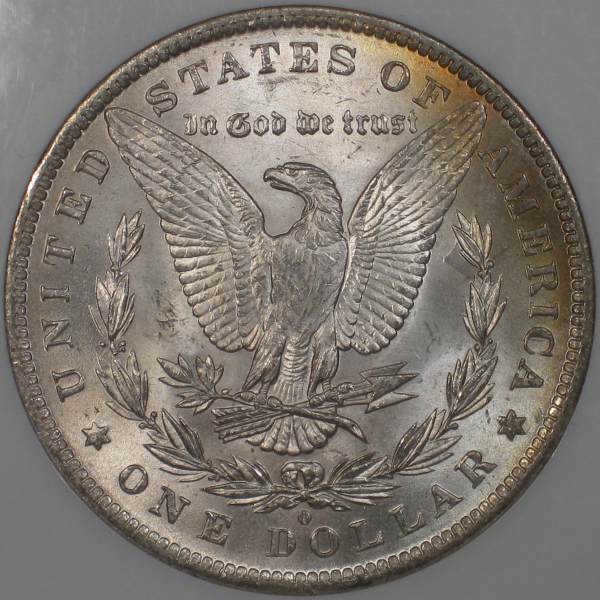
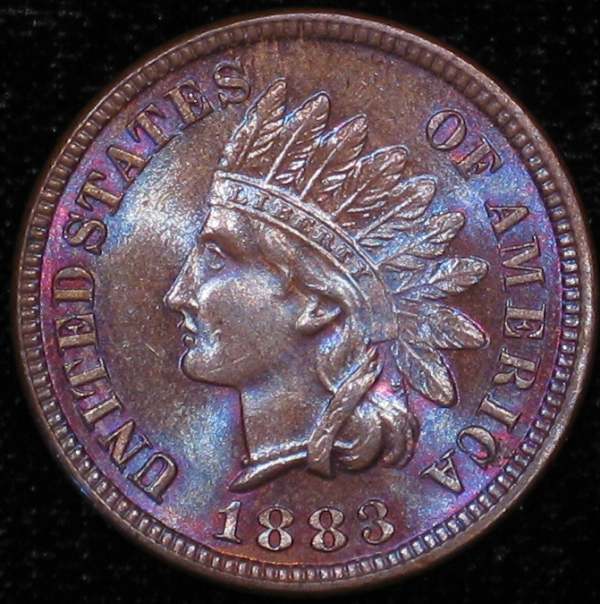
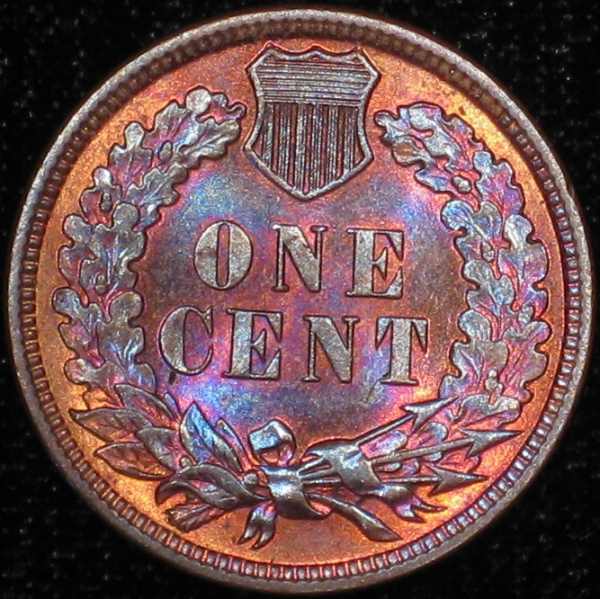
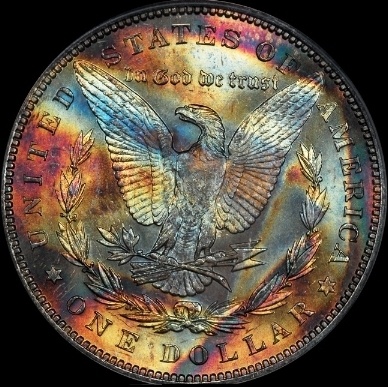
Quote:jdbooth: What? No comments? Not too many pictures at once? Do the pictures look good or bad? Did you like the 1972 DDO I snuck into the bunch? Nothing at all? They're very nice jdbooth, and good quality pictures as well. I've been told that the deep blue and purple are indicators of AT, but that was for silver. How does copper tone differently and how do you know those are naturally toned? |
|
Valued Member
United States
236 Posts |
Honestly? I don't know. They were all once part of my main small cent collection and only put together as a toned collection in the last 5 years. So...I can't say for sure when and where I collected most of them.
I have been collecting since the mid 80's and in my experience artificial toning is usually splotchy and uneven due to being exposed to some chemical or another over a rather short period of time compared to natural toning, which is basically the same thing but happens by accident and over years.
I am sure that some of mine are unintentionally, but still artificially toned. I really do not care how they are toned and who or what caused it as long as they look good. Premium prices might be the intention of some and for others it might just be to see if the can tone a coin. It is inconsequential to me. I pay for the coin and not the toning.
If backed into a corner buy someone say that one of my coins IS artificially toned, I would probably get defencive with a quick retort, but cannot say one way or another for sure whether any of my collection come by their color naturally or unnaturally.
|
|
Valued Member
United States
88 Posts |
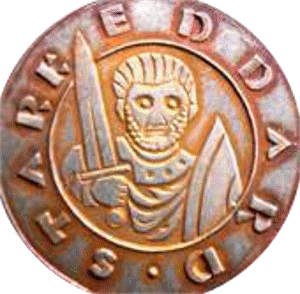
The reason I posted my pics of intentionally toned fantasy coins was to (hopefully) bring up the topic of toning chemistry... and what constitutes artificial vs natural, and frankly... does it make any difference? If anybody cares to know, I have accumulated some recipes for intentional toning (I prefer that term, at least when applied to custom coin/tokens) simply by observing how different storage affects coins over a period of months/years at different temperatures. I've also experimented with heat coloring on diverse metals, anodizing, and chemical toning treatments.
Many folks seem to be scared to talk about this. I think that toned coins can really be quite lovely, and that it is certainly possible to intentionally tone coins in EXACTLY the same way that they are naturally toned, but to speed the process from many years to a few months. Are they worth more than untoned coins? I'd say yes, if the effect is pleasing. But simply recognize that you're paying for someone's TIME in creating AND curating an art object. In the case of naturally toned coins you pay a bit extra for the effort that somebody spent, first to search and find the coin, then to carefully protect the toned effect. In the case of artificial or intentional toning, you're paying for the effort and attention devoted to creating the effect, then protecting and curating it. In either case there is a value to it, and those values should be more-or-less equivalent.
My opinion: ALL toning should be considered artificial and you should be willing to pay just exactly what it's worth to you as such, as an object of beauty created by a human being. To pay more than that for some esoteric effect simply because it's purported to be natural would be worse than foolish as it would encourage artists to degrade their souls to palm off their work as natural.
But hey... I'm a maker so I have a different viewpoint than most. My research to date has been haphazard and trial/error. I've accumulated some recipes but I have not conducted serious academically rigorous systematic research into the matter. But I will say this: With about $10,000 in equipment and a couple months I could set up a lab specifically for the purpose of systematically researching and developing toning techniques. With that level of investment I guarantee that you could show me the toned coin and I could design the process to undetectably duplicate (or emulate) it. This is not magic folks, it's high-school level chemistry and a bit of physics. If I could do it, it's probably already been done. If they're not talking about it, then they are keeping it secret. Why would they do that?
Because people are paying too much!
Edited by tmaring
06/11/2012 10:36 am
|
|
Bedrock of the Community
United States
37035 Posts |
|
|
Pillar of the Community
United States
594 Posts |
|
|
Pillar of the Community
United States
716 Posts |
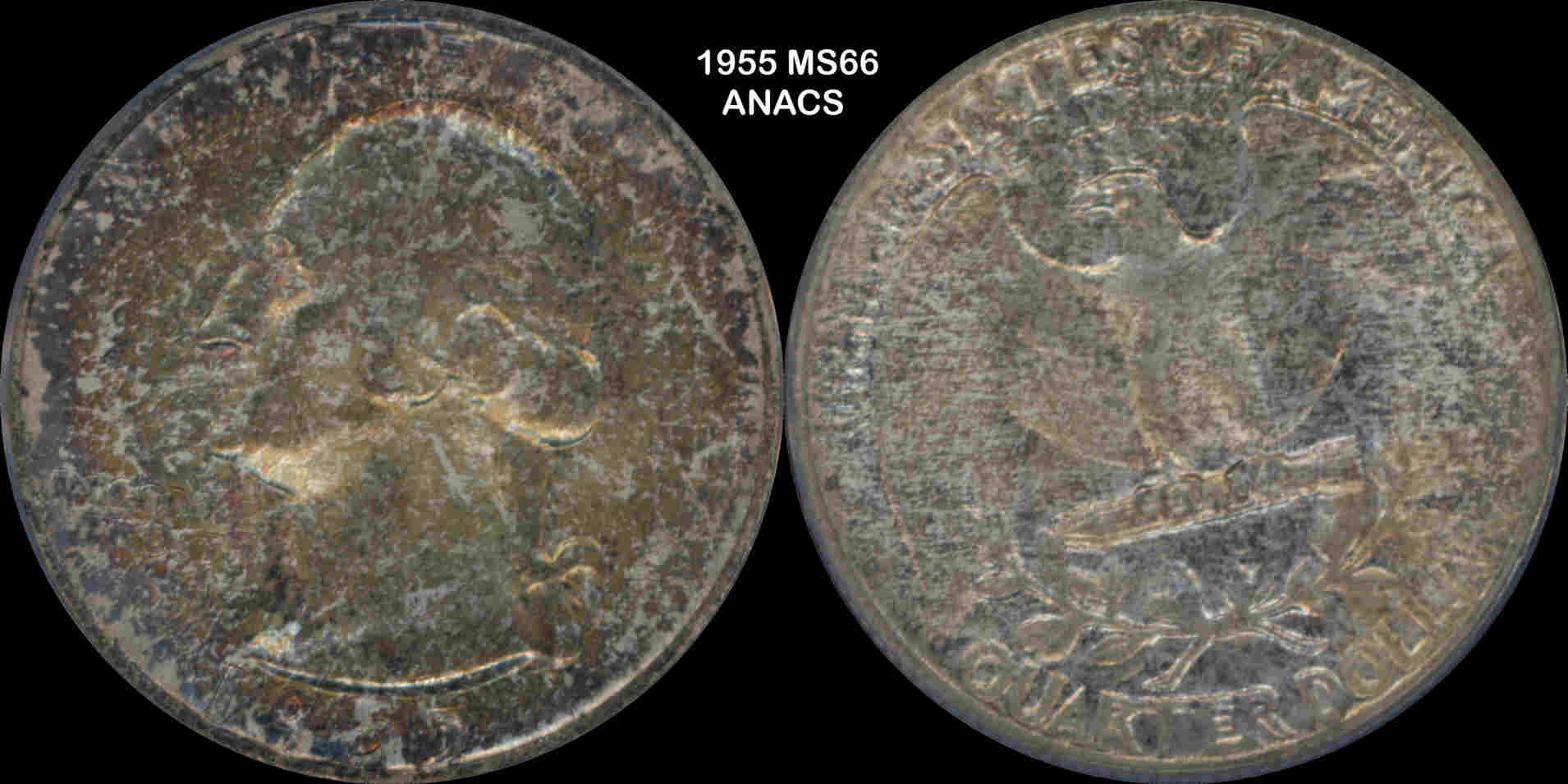
One of my toned 40%er JFK: 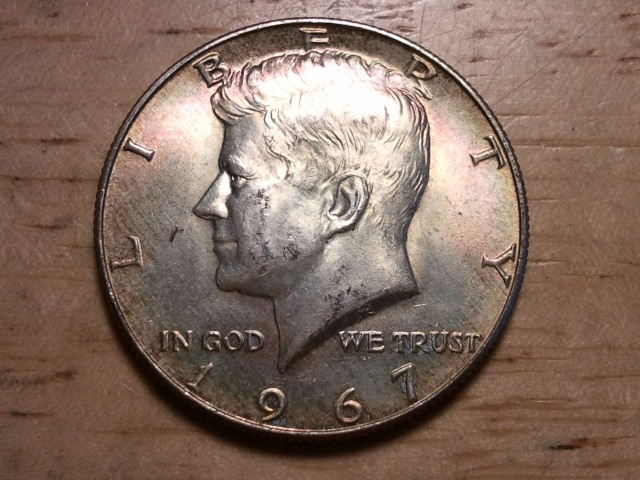 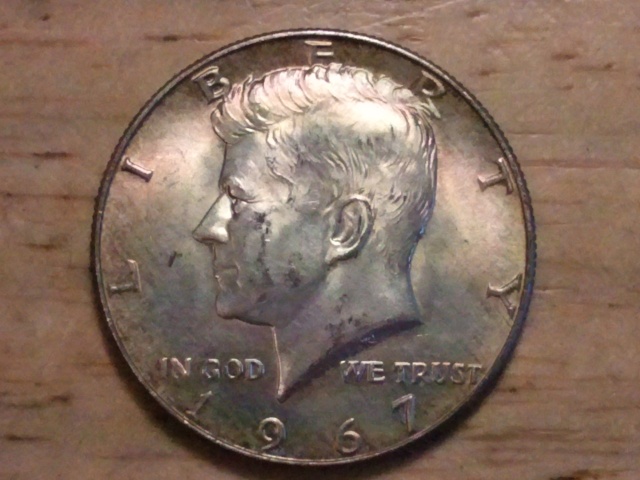 |
|
Pillar of the Community
United States
1027 Posts |
|
|
Valued Member
United States
236 Posts |
This is my take on artificial or intentional toning. If you are subjecting a coin to what would be the same conditions that a coin would have Normally been subjected to and not have sustained actual damage in the process, than I am all for it.
What I mean is, placing it in a controlled environment that mimics a place where a coin might have been normally stored in during the period for that coin to have caused "natural toning" and somehow speed up the said process. What harm are you doing? Its not like you're out minting your own coinage.
|
|
Valued Member
United States
236 Posts |
Beautiful coins IndianGoldEagle, Rocktowngal, Yinzi50, and clairhardesty.
Keep em coming everyone!
|
|
Pillar of the Community
United States
1027 Posts |
Edited by clairhardesty
06/14/2012 1:17 pm
|
|
Valued Member
United States
236 Posts |
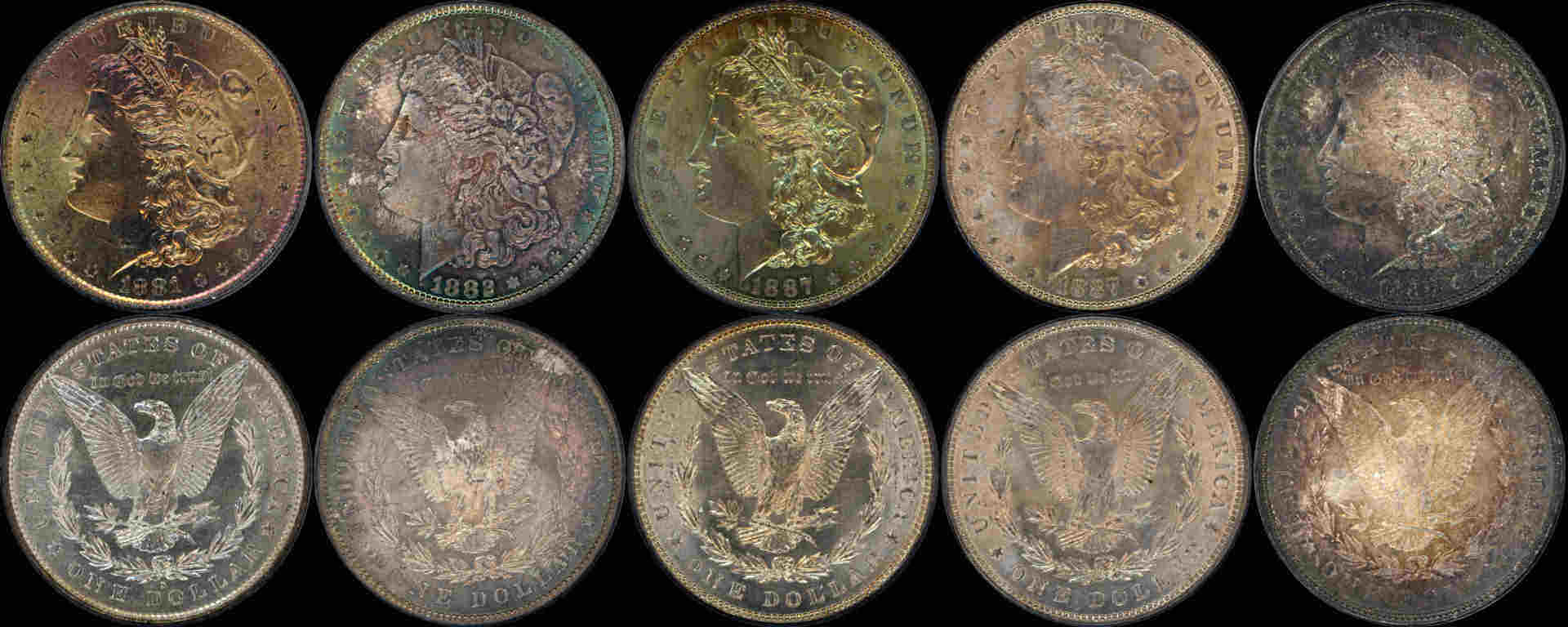
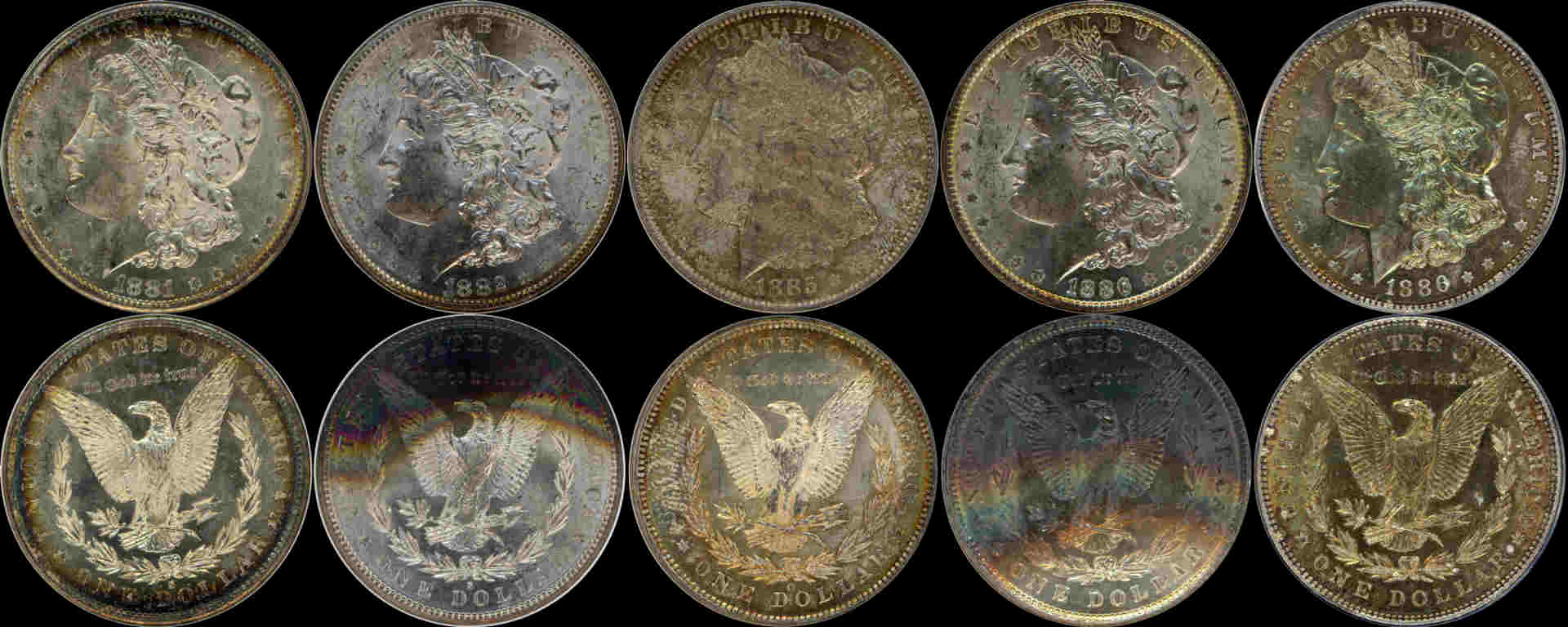
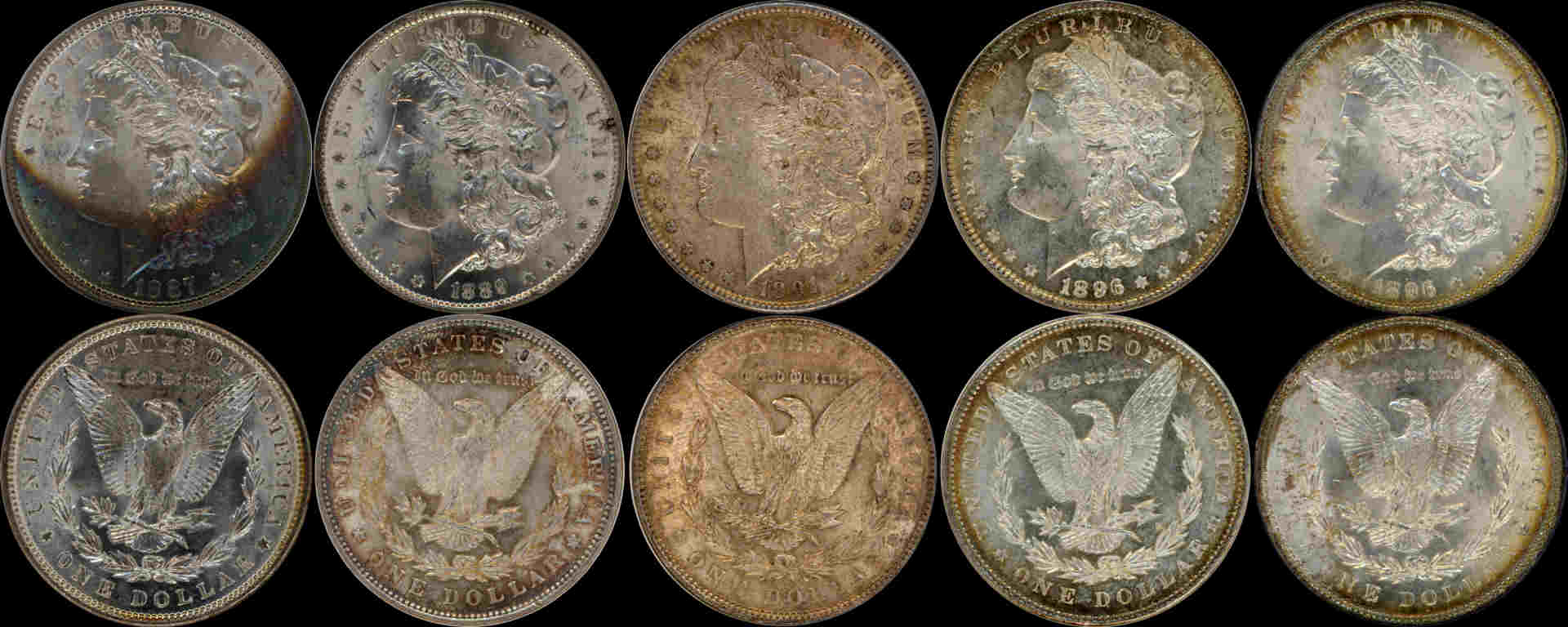
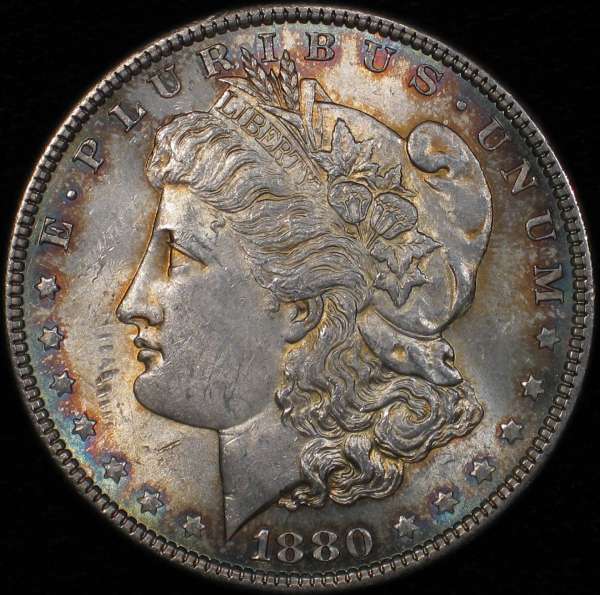
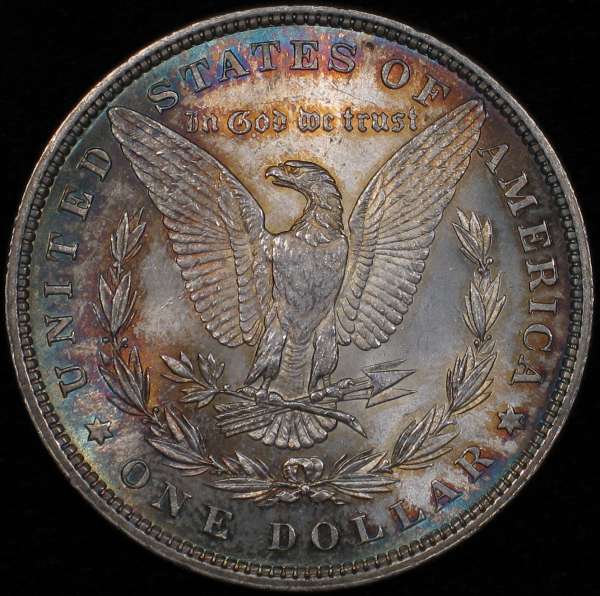
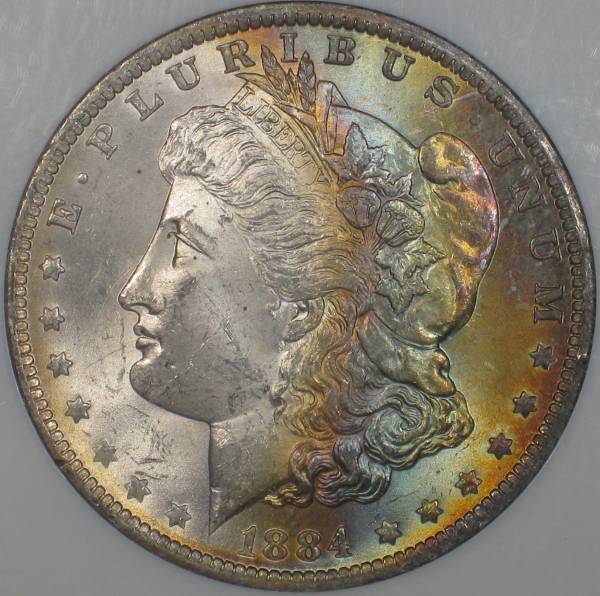
Makes me think about starting a Morgan collection. Must have been difficult letting those go.
|
|
Pillar of the Community
United States
5854 Posts |
|
|
Pillar of the Community
United States
746 Posts |
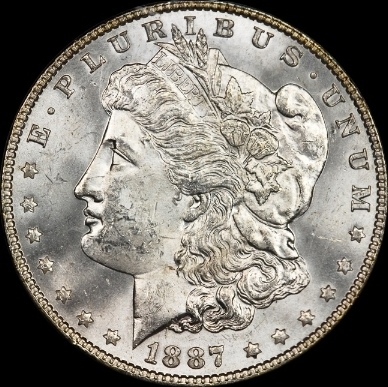
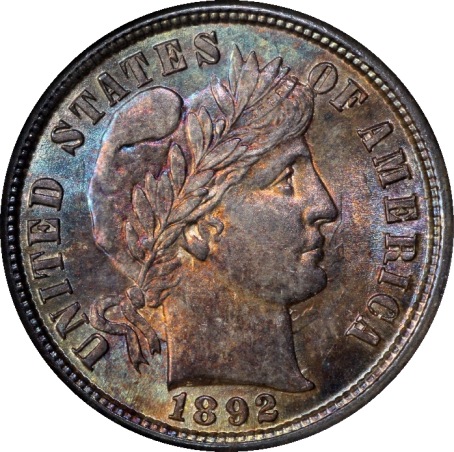
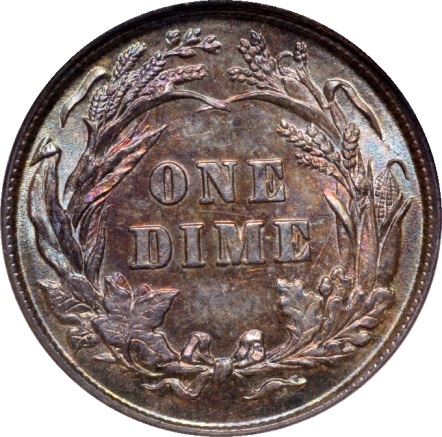
I have several toned coins.This one is one of my favorits. 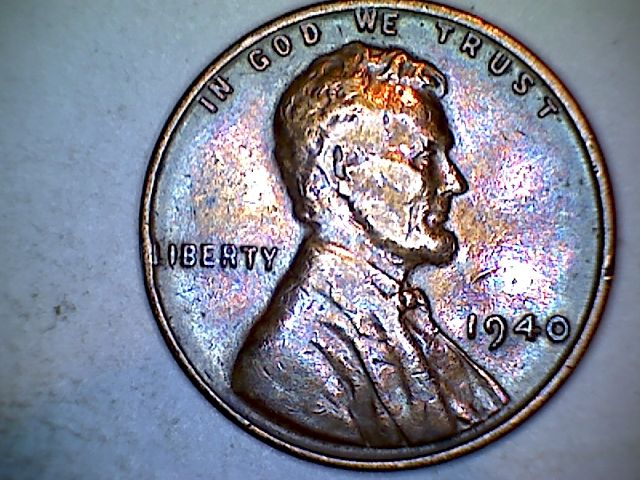 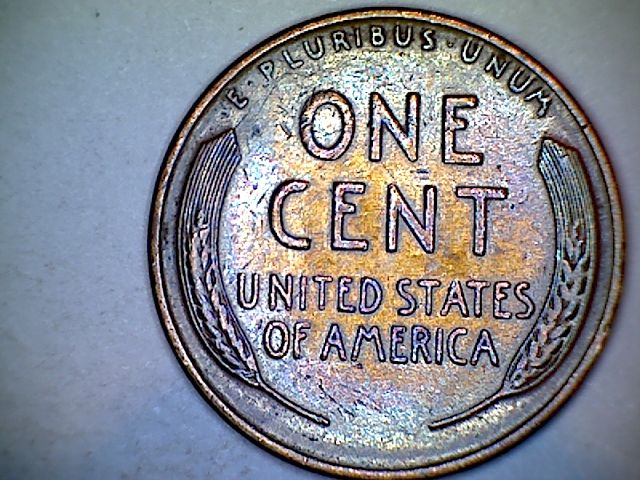 |
|
Pillar of the Community
Canada
4944 Posts |
Wow! Look at all those Morgans!
|
|
Valued Member
United States
227 Posts |
|
| |
Replies: 5,545 / Views: 438,429 |







 First Page
 Previous Page


 Posted 06/09/2012 6:17 pm