| Author |
Replies: 24 / Views: 1,458 |
Page 2 of 2
|
|
|
|
Pillar of the Community
United States
1120 Posts |
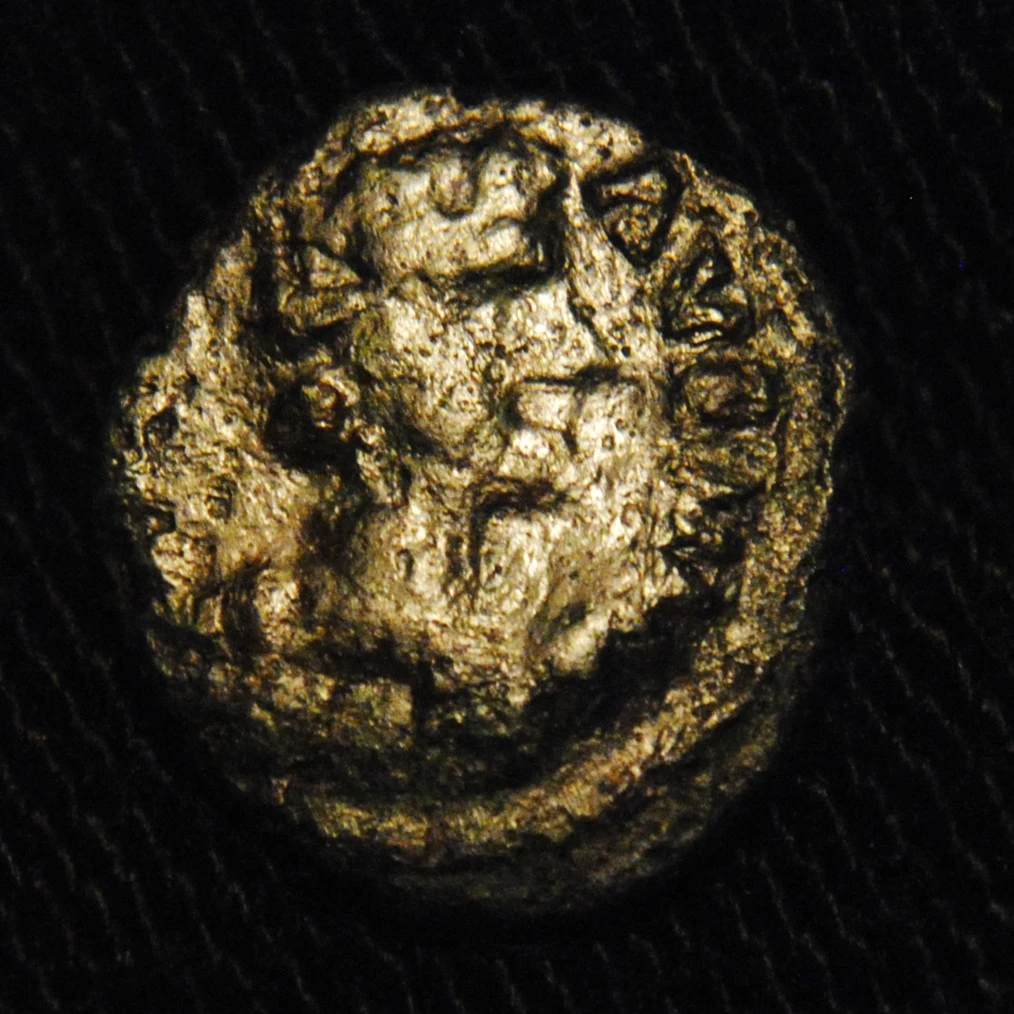
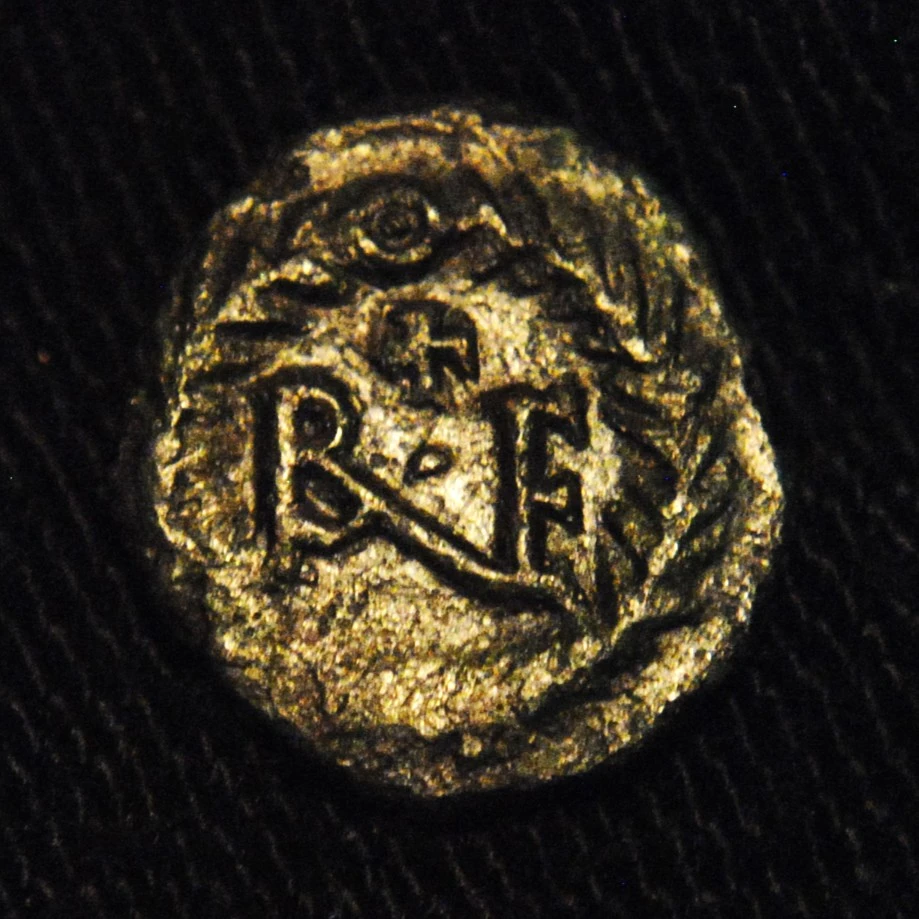
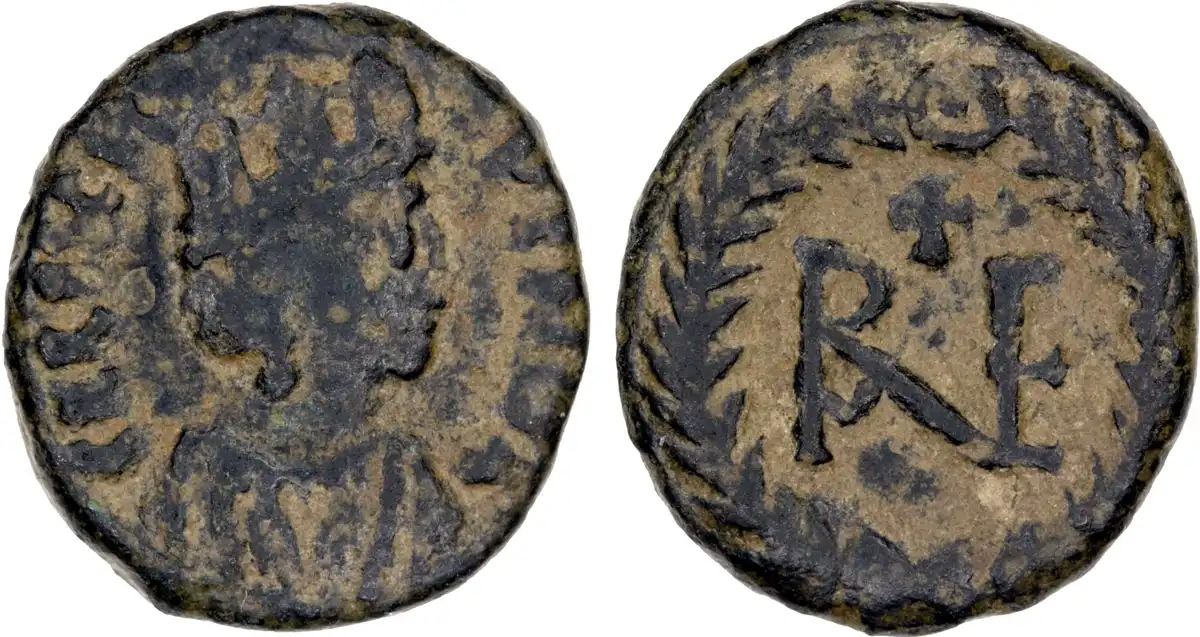
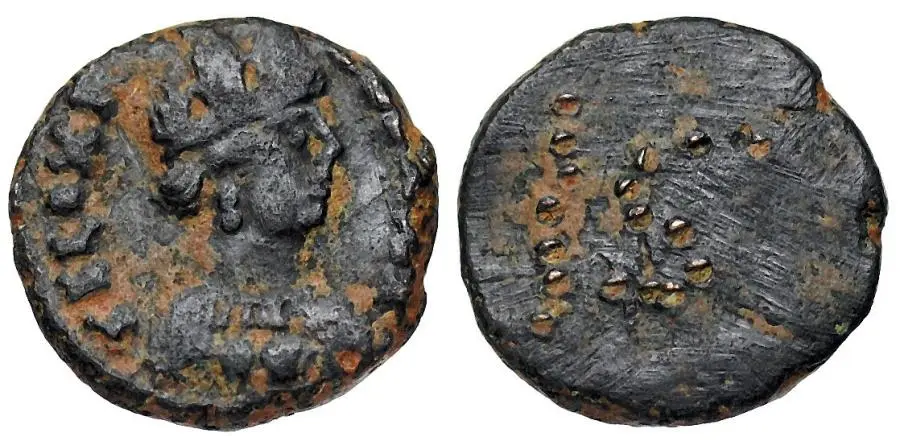
Victor those are some great examples. I always wondered how the Western Empire would have evolved if it weren't for the Gothic War. I'm sure they would have been a lot better off. I have these coins in my collection:  ATHALARIC 20 nummi (21-22 mm, 4.77 gm) OBV: IMVICTA ROMA, helmeted bust of Roma to right REV: Palm or fig tree between two eagles EXE: dot XX dot Municipal Rome mint 526-534 A.D.  GEPIDS. Uncertain king. 454-552. AR Quarter Siliqua (16mm, 0.83 g, 6h). Imitating a Ravenna mint Quarter Siliqua of Theoderic in the name of Anastasius I. Sirmium mint. Pearl-diademed, draped, and cuirassed bust right / Theoderic monogram.
Edited by travelcoin 12/06/2025 12:13 pm
|
|
Pillar of the Community
  United States
937 Posts |
I'm sorry to tell you, but your INVICTA ROMA is a Bulgarian fake.
|
|
Pillar of the Community
United States
1120 Posts |
Victor, after looking at your examples, that doesn't surprise me. Even though I know little about these types, I had my doubts on that one. It almost feels like it's made of tin. I paid next to nothing for it so it's worth the learning experience.
Edited by travelcoin 12/06/2025 3:31 pm
|
|
Moderator
 United States
34511 Posts |
@vic, hope you don't mind me adding to the thread with this 2.5 Nummia minted in Rome. This one was minted in Rome a little later than yours, under the reign of Justinian. It came from a fellow CCF'er and I have it attributed as Demo 180.  
"If you climb a good tree, you get a push." -----Ghanaian proverb
"The danger we all now face is distinguishing between what is authentic and what is performed." -----King Adz
|
|
Pillar of the Community
  United States
937 Posts |
Quote: hope you don't mind me adding to the thread The more Goths the merrier...said nobody in Medieval times.  Baduila (also known as Totila) ruled the Ostrogoths from A.D. 541- 552. Despite being a great general and nearly recapturing all the territory lost to the Byzantine Empire during the Gothic War, his Empire only outlasted him by about 13 years. After his death, a series of defeats and reversals led to a loss of power for the Goths and their territory was taken over by the Lombards in A.D. 565. The reverse legend of this coin is a bit ironic as FLOREAS SEMPER translates as "Always Grow"  Baduila (541-552) Decanummium (16mm 5.1g). Rome D N BADVILA REX. Helmeted and cuirassed bust facing. FLOREAS SEMPER. King standing right with shield and spear. Metlich 98b; MEC 162.
|
|
Moderator
 United States
34511 Posts |
Quote: The more Goths the merrier Yesss! Here is my example of a 2.5 Nummia of King Baduila (Demo 242 and MEC I 163):  
"If you climb a good tree, you get a push." -----Ghanaian proverb
"The danger we all now face is distinguishing between what is authentic and what is performed." -----King Adz
|
|
Pillar of the Community
  United States
937 Posts |
Witigis was a seasoned veteran of the Ostrogothic army and commander under King Theodoric. He was taken captive by the Byzantine general Belisarius and died in Constantinople in A.D. 342.  Witigis A.D. 536- 539 Æ 10 Nummi (4.63g 15mm) Ravenna mint INVICTA ROMA, helmeted bust of Roma right of fine style D N/WIT/ICES/REX within wreath terminating in X. Metlich 92
|
|
Pillar of the Community
  United States
937 Posts |
Here is a coin struck under Theodoric the Great  OSTROGOTHS Theoderic A.D. 493-526 AE Decanummium (17mm 1.3g) Municipal issue. Ravenna mint. FELIX RAVENNA; Draped bust of Ravenna right, wearing mural crown. Eagle left, star on either side; in exergue X. COI 77; MEC 1; MIB 76
Edited by Victor 12/07/2025 5:06 pm
|
|
Moderator
 United States
193047 Posts |
Amazing examples! 
|
|
Pillar of the Community
  United States
937 Posts |
my latest Athalaric  Athalaric. A.D. 526- 534. AE Decanummium (17mm 3.6g) Rome mint. INVICTA ROMA, helmeted and draped bust of Roma right. D N/ATHAL/ARICVS/REX within wreath. X (mark of value) on bottom of wreath. COI 86; MIB 78; MEC 133-4.
|
|
Moderator
 United States
193047 Posts |
Quote: my latest Athalaric Very nice! 
|
|
Pillar of the Community
  United States
937 Posts |
Here is a recent addition  Baduila (Totila) A.D. 541- 552 2 or 2½ Nummi. 1/350 lb (8mm 0.6g). Rome mint. D N B [...], Helmeted and mantled bust facing / Lion standing right. COI 99; MIB -; MEC 1, -.
|
|
Moderator
 United States
193047 Posts |
Quote: Here is a recent addition Fantastic! 
|
|
Pillar of the Community
United States
4988 Posts |
|
|
Pillar of the Community
  United States
937 Posts |
I just got a coin that I have been waiting for years to get and it is the most Roman inspired coin produced by the Ostrogoths.  Theodahad A.D. 534-536 AE Follis (40 nummi) (25mm 9.5g) Rome mint. D N THEODA - HATVS REX; bust of Theodahad right wearing Spangenhelm and "ostrogothic" garment. VICTORIA - PRINCIPV[M]; Victory standing on prow r., holding palm in left and wreath in right; across fields S- C. MIB 81; MEC 141; COI 89b On the obverse Theodahad looks very much like a Roman emperor and has a cross on his chest. The reverse is the very familiar Victory on a prow with S-C (SENATVS CONSVLTO) across the fields. Because of the S-C, this coin is often referred to as "the last sestertius"; though the Roman senate really had nothing to do with the issue. here is a common Victory on prow coin issued during the reign of Constantine I  The reverse legend is a variation (spelling error) with PRINCIPV instead of PRICIPVM. The reverse legend of VICTORIA PRINCIPV (Victory of the Princes) is also very close to sounding like something a Roman would have on a coin, like the coin below with VICTORIAE LAETAE PRINC PERP legend which translates to Joyous victory of the eternal prince.  Constantine I A.D. 318 AE nummus 18mm 2.9g IMP CONSTANTINVS AVG; high crested helmet, cuir., spear across r. shoulder, shield with horseman leaping over fallen enemy. VICTORIAE LAETAE PRINC PERP; two Victories stg., facing one another, together holding wreath inscribed VOT PR on altar. in ex. BSIS star RIC VII Siscia 50 Coins of Constantine I often depict him wearing a ridge helmet (see above coin); and a similar helmet was used later by Germanic kings. This Germanic helmet didn't have a plume or cheek flaps, but the type is still recognizable, especially the stars to the right and left of the cross-bar and was called a spangenhelm. As late as the seventh century, a helmet was used in place of a crown in the coronation of Egbert, a King of Kent who ruled from 664 to 673.
|
|
Page 2 of 2
|
Replies: 24 / Views: 1,458 |
Page 2 of 2
|