| Author |
 Replies: 19 / Views: 871 Replies: 19 / Views: 871 |
Page 2 of 2
|
|
|
|
Bedrock of the Community
United States
78574 Posts |
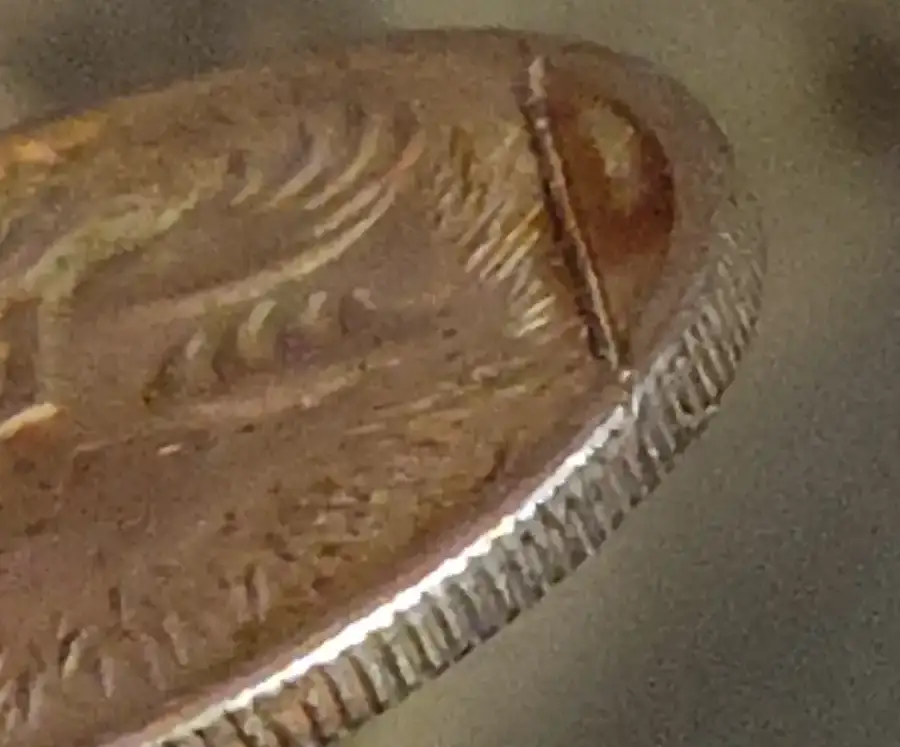
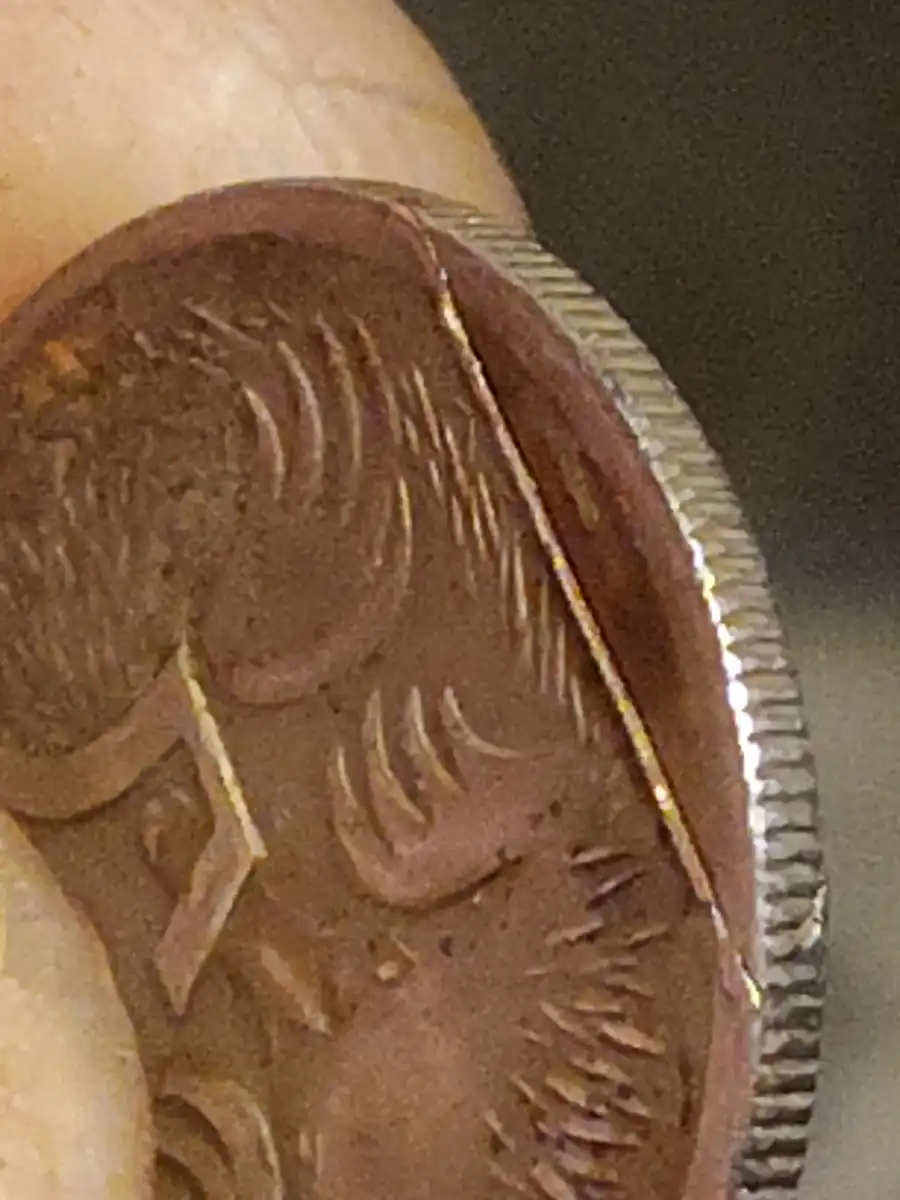
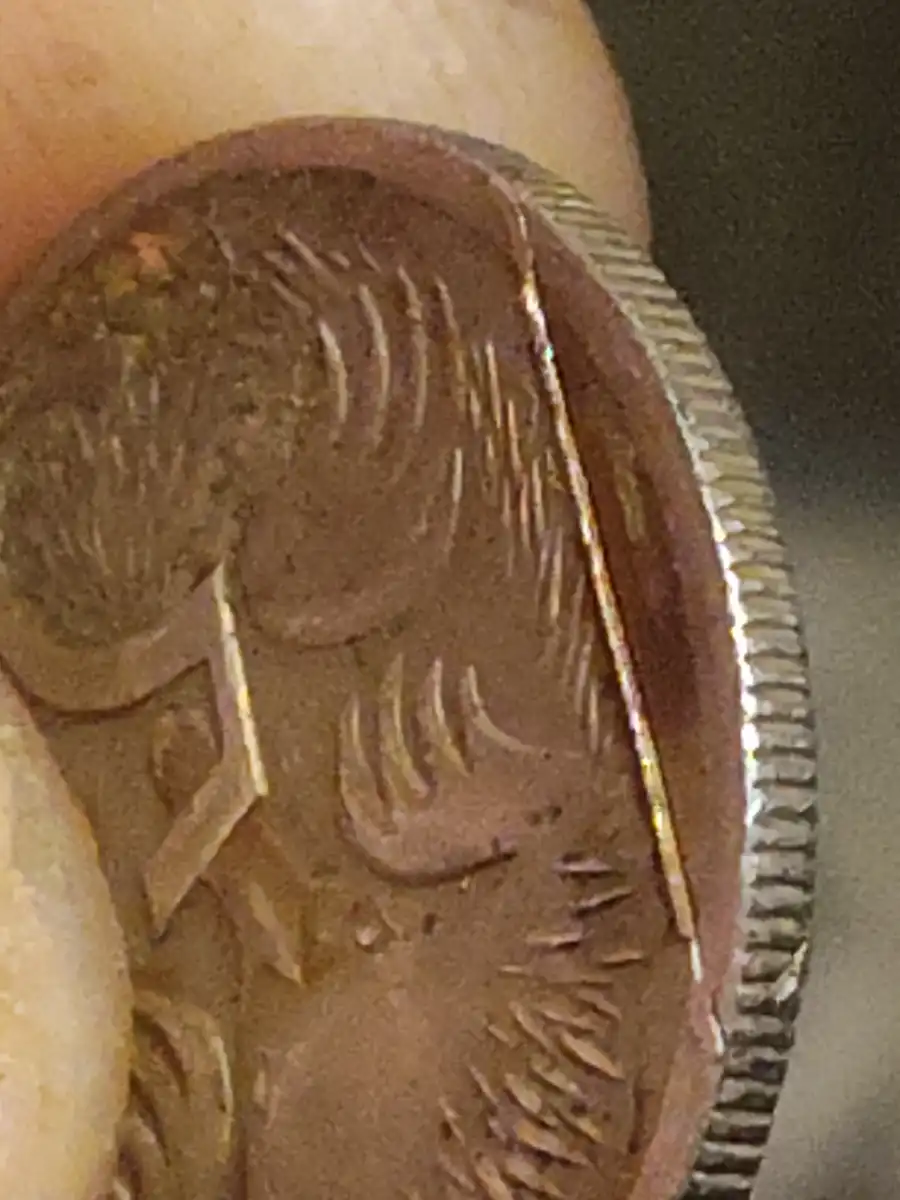
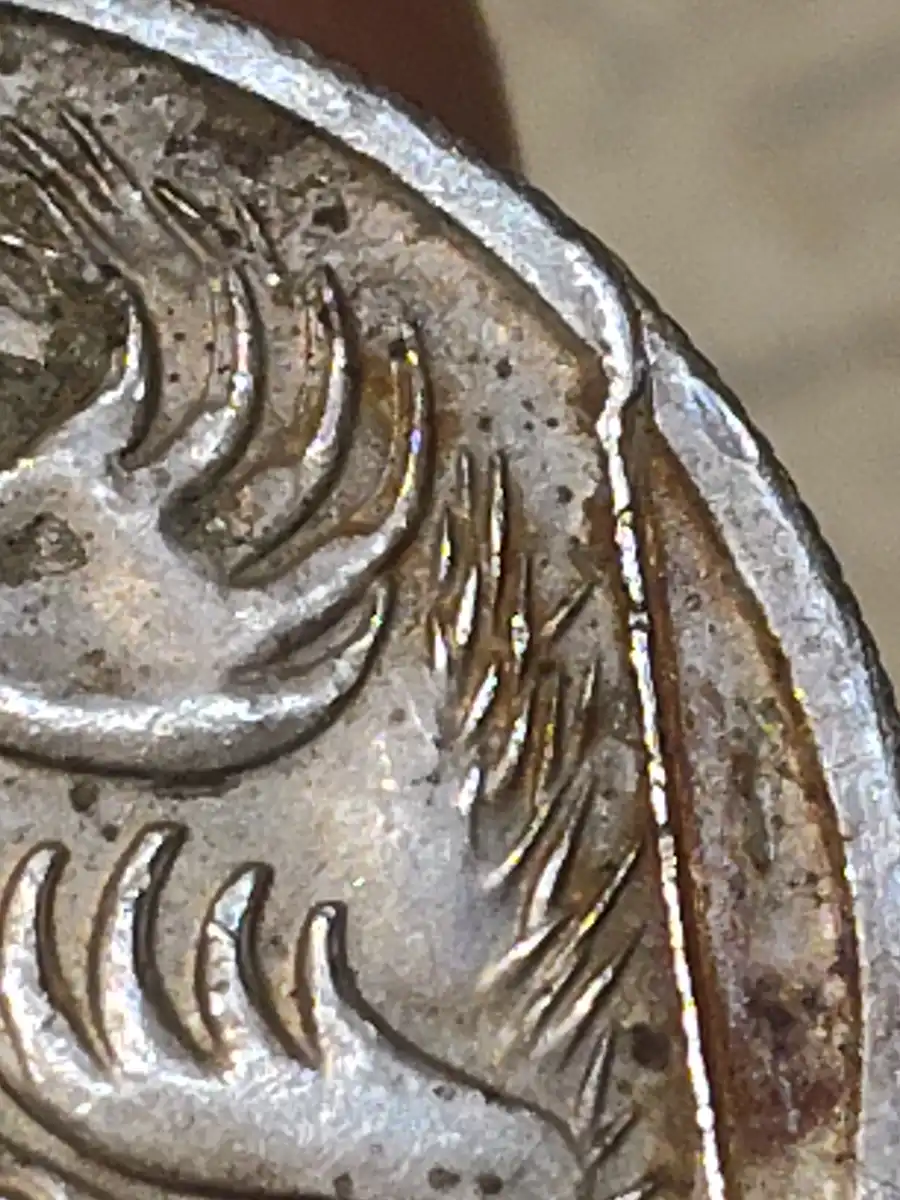
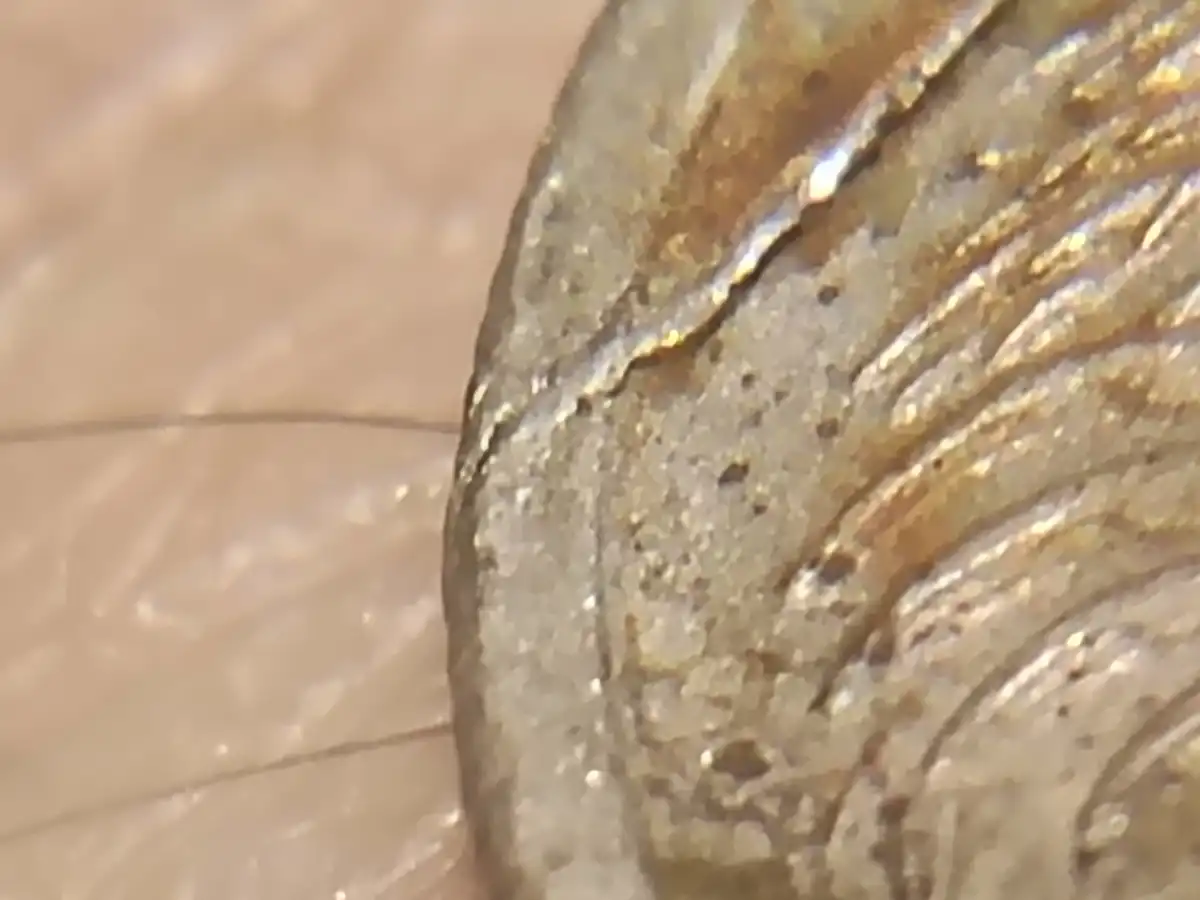
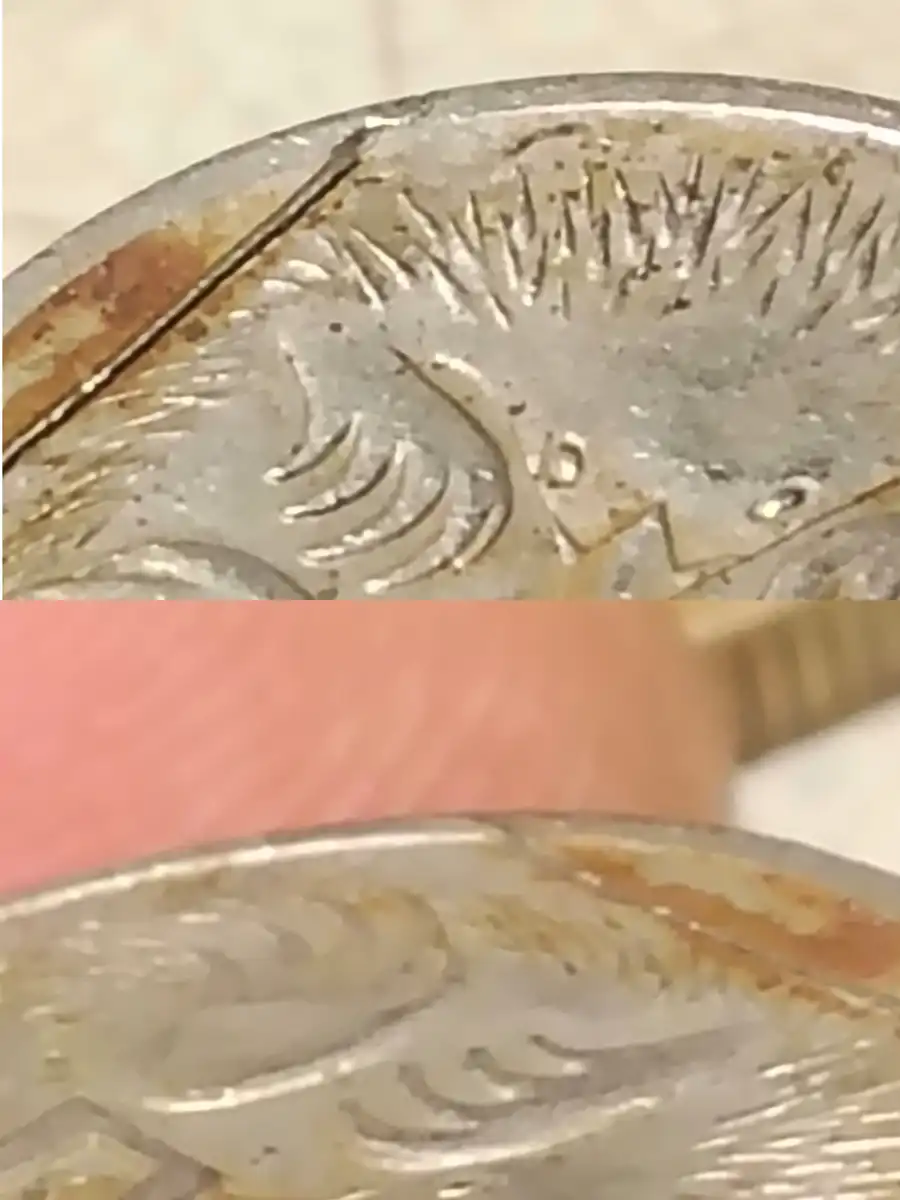
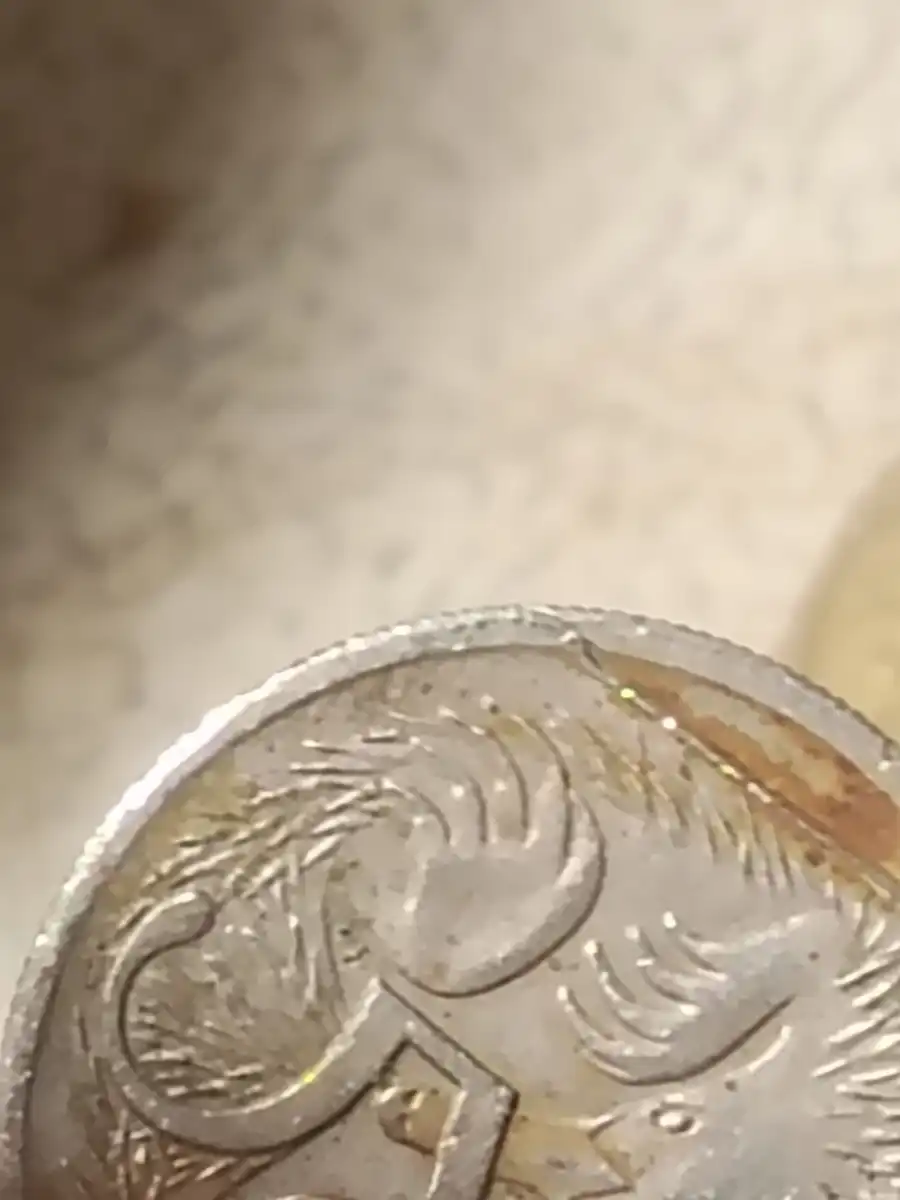
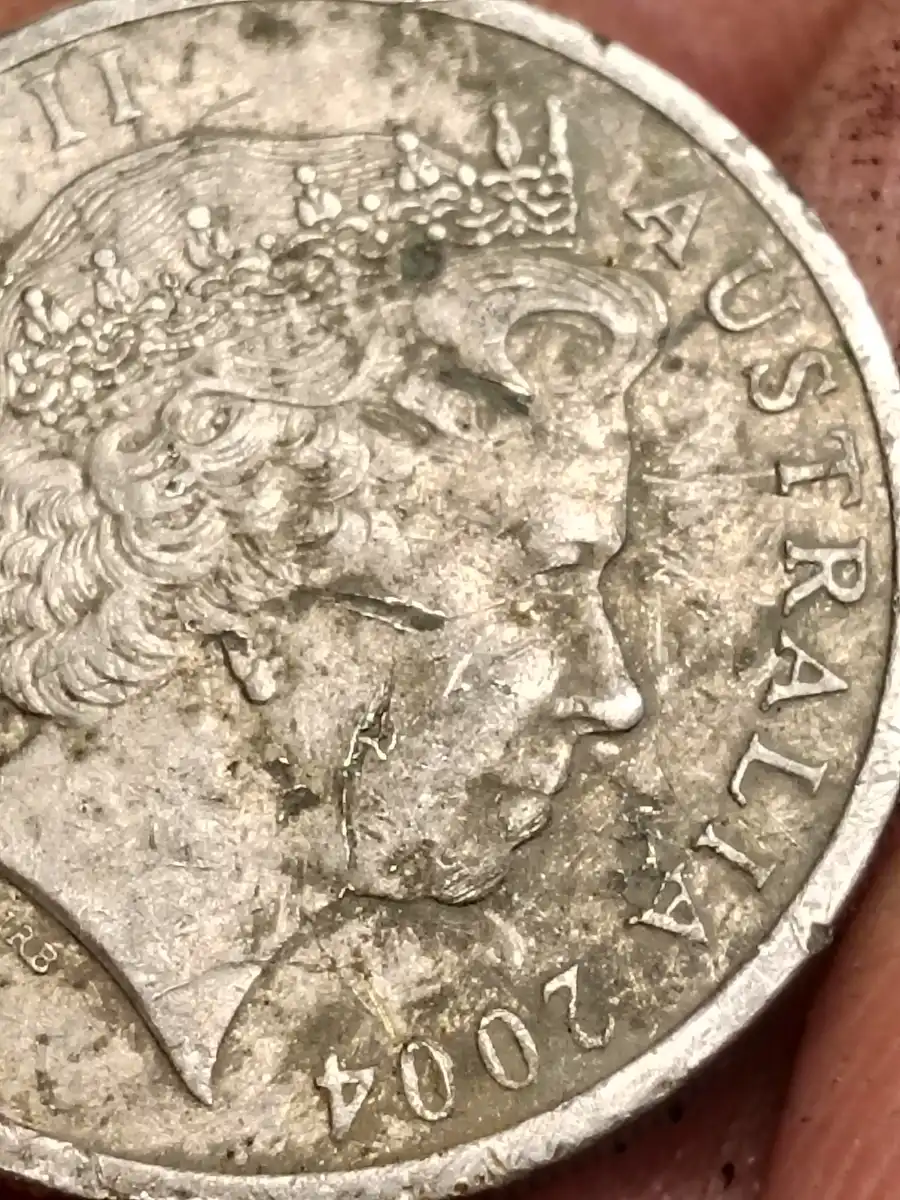
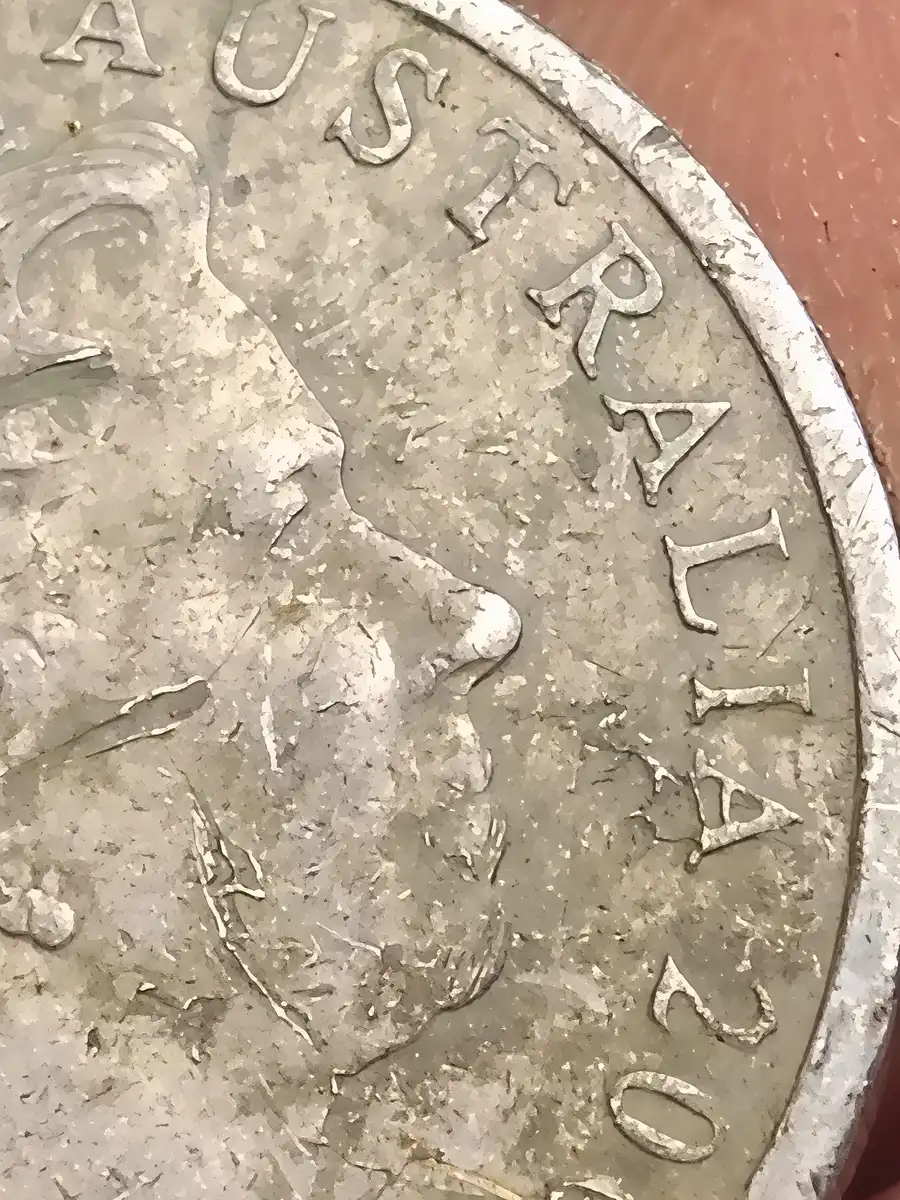
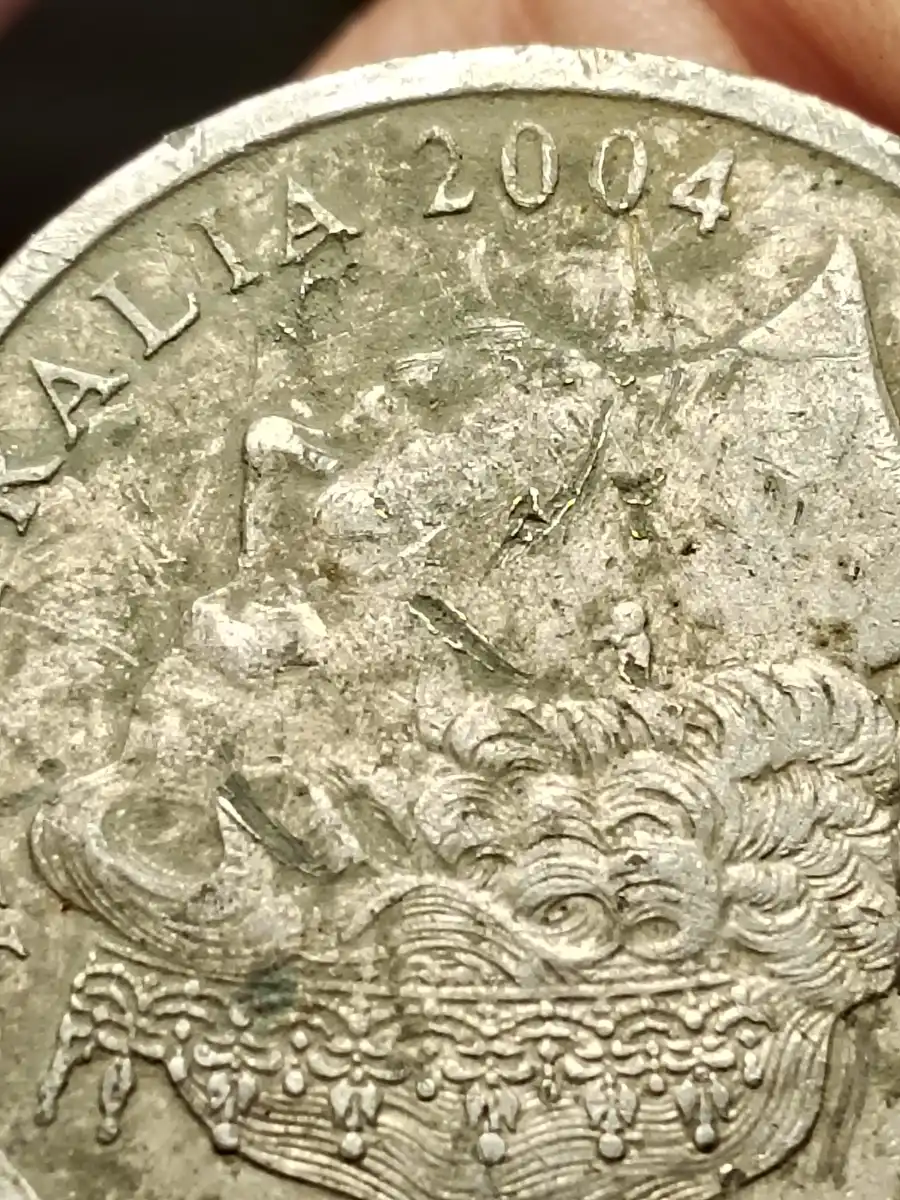
Thank you for the extra photos, and for your follow up reply.  As for your coin, in my opinion, it looks like PMD. It looks like something scratched the coin, and pushed the metal over to the side. The reason I asked if it was raised or incused, was to determine if it was damage or not. Errers and Varietys.
Edited by Errers and Varietys
04/19/2026 11:39 pm
|
|
Valued Member
Australia
397 Posts |
An interesting coin and would be really cool if it was a genuine error. I suspect PMD but I am definitely not an expert. There is a link on the left off the page that takes you to "Numismatic Glossary". That should help with understanding the difference between misaligned die and off-centre strike. Hope that helps. Happy hunting. |
|
Valued Member
 Australia
102 Posts |
|
|
Moderator
 Australia
16979 Posts |
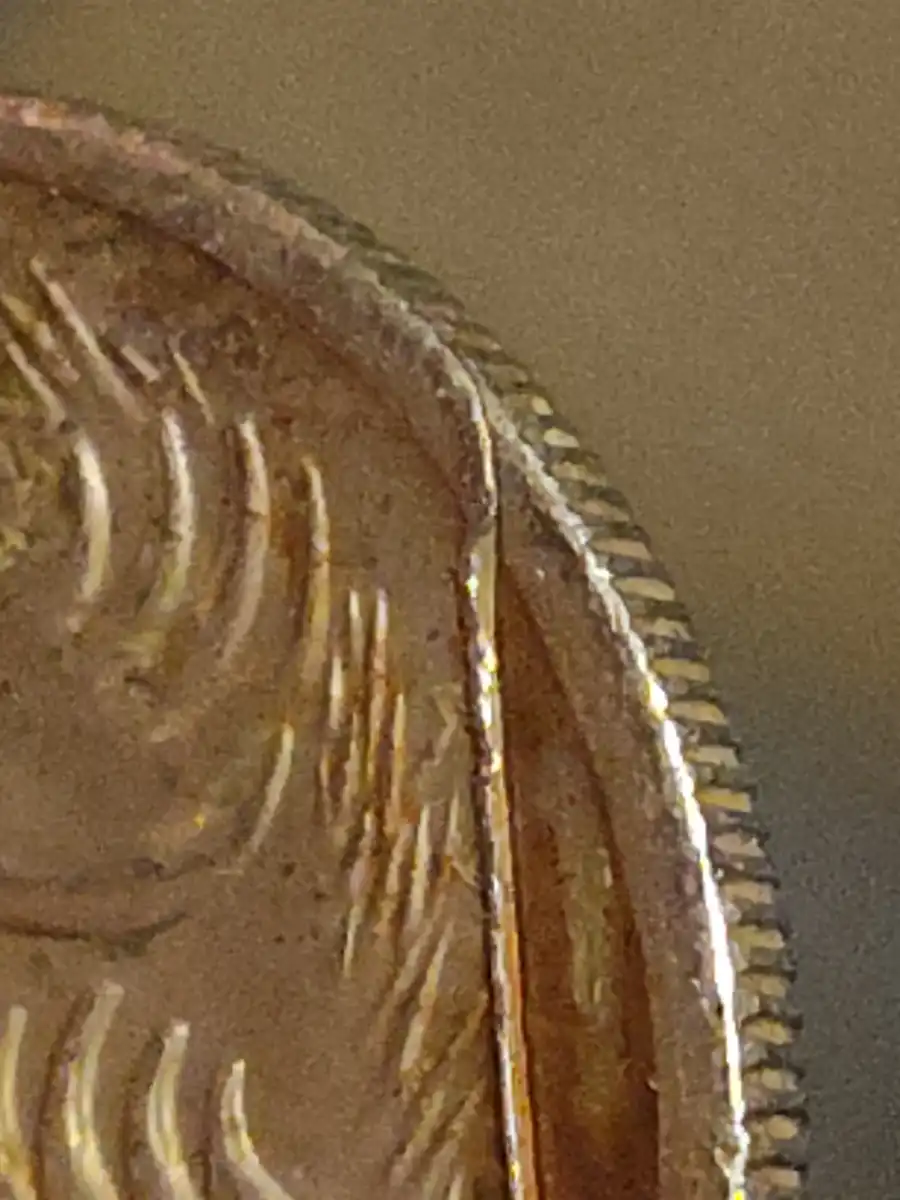
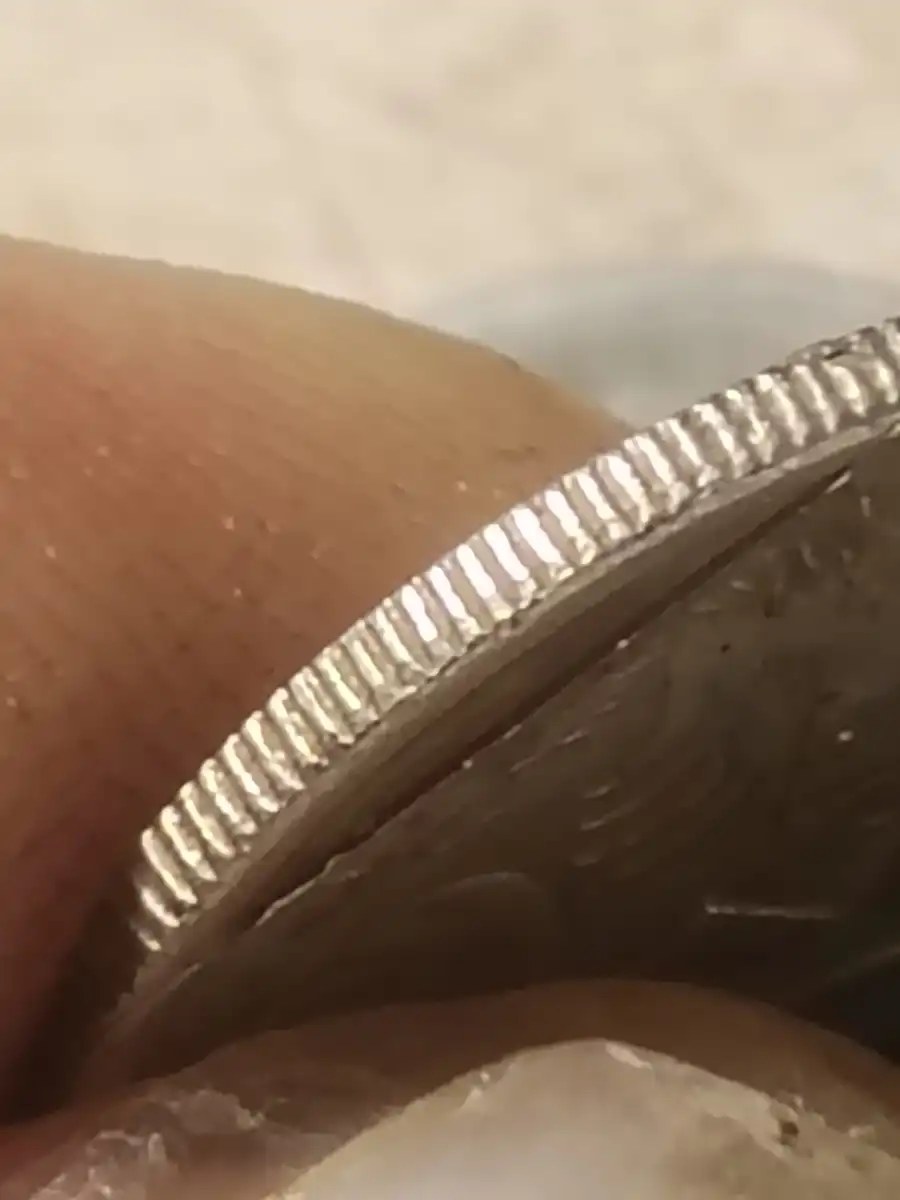
PMD is the easiest way to explain this phenomenon - something sharp sliced off a thin layer of the top coin, pushing the metal along like a knife pushes up a thin layer of butter along a straight edge. The main reason why this can't be a mint error is there isn't really any way of creating such a raised ridge during the striking of a coin. The only way to create a liong raised line on a coin during the mint process is a die crack... and dies simply don't crack in straight lines like this. Further, the coin itself is cracking, as is evident by the magnified view of the coin's edge - something applied such force to the edge of the coin that it started to tear apart.
Don't say "infinitely" when you mean "very"; otherwise, you'll have no word left when you want to talk about something really infinite. - C. S. Lewis
|
|
Bedrock of the Community
Canada
21871 Posts |
It is PMD, there is no way that could happen when the coin was struck. From the photos it looks like the top part of the rim has been pushed in. Looks like Sap beat me to it He was. posting while I was typing. Glad our answers were basically the same Edited by JimmyD
04/20/2026 10:51 am
|
|
Valued Member
Australia
102 Posts |
Thank you for replies :+)
|
|
Valued Member
Australia
102 Posts |
Reminds me a little of this coin I saw. I think they labelled it a crack I'm assuming in the die, however the link is gone so it won't open 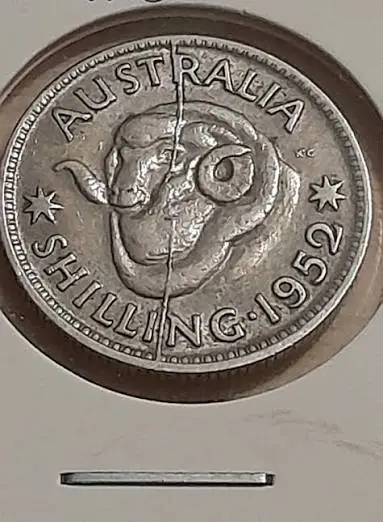 |
|
Valued Member
Australia
102 Posts |
Honestly, it baffles me how anyone is able to lay that thin line, onto and into the coin, cutting a section at the rim and splashing a block I've over it, without any signs of damage to the coin. How could anyone actually realistically achieve such a thing?
|
|
Moderator
Australia
16979 Posts |
Quote:
Reminds me a little of this coin I saw. I think they labelled it a crack I'm assuming in the die, however the link is gone so it won't open Yes, that's a die crack. Quite an unusual die crack in being so long and prominent, but nevertheless a die crack. You'll notice it isn't straight. What you can't notice because that picture doesn't show it, is for that shilling, the coin itself won't be cracking on the edge. Quote:
Honestly, it baffles me how anyone is able to lay that thin line, onto and into the coin, cutting a section at the rim and splashing a block I've over it, without any signs of damage to the coin. How could anyone actually realistically achieve such a thing? The coin exists, therefore it must have happened. While it could (in theory) have happened in the mint, a freshly minted coin gotten caught on a conveyor or gears or something, you do not need the mint to explain how it was made, since conveyors and gears also exist outside of the Mint. Therefore it isn't a mint error. In terms of not always having an explanation for exactly how PMD has occurred, here is the process. We look at a pattern of "damage" (such as with the shilling you posted) and ask "how could this have happened in the Mint". If we have an answer (in the case of the shilling, the answer is "yes, a cracked die") then it can be designated a mint error. Or perhaps a "variety" rather than an error; there is a technical difference though common usage tends to prefer "error" due to the perception that "errors" are worth more than "varieties". But if we do not have an answer, then " PMD" must be the default answer, simply because of Occam's Razor: it is the most probable answer, therefore the most likely to be true. What we cannot do is say "I can't possibly imagine how this damage occurred, therefore it must have somehow happened in the Mint". Don't say "infinitely" when you mean "very"; otherwise, you'll have no word left when you want to talk about something really infinite. - C. S. Lewis
|
|
Valued Member
Australia
102 Posts |
What if it's a Retained Cud? It has weakness around and behind it, notice how the rim shallows out in that section, and the I behind it is also weak, maybe possibility it's a Retained Cud? Couldn't be a possibility? 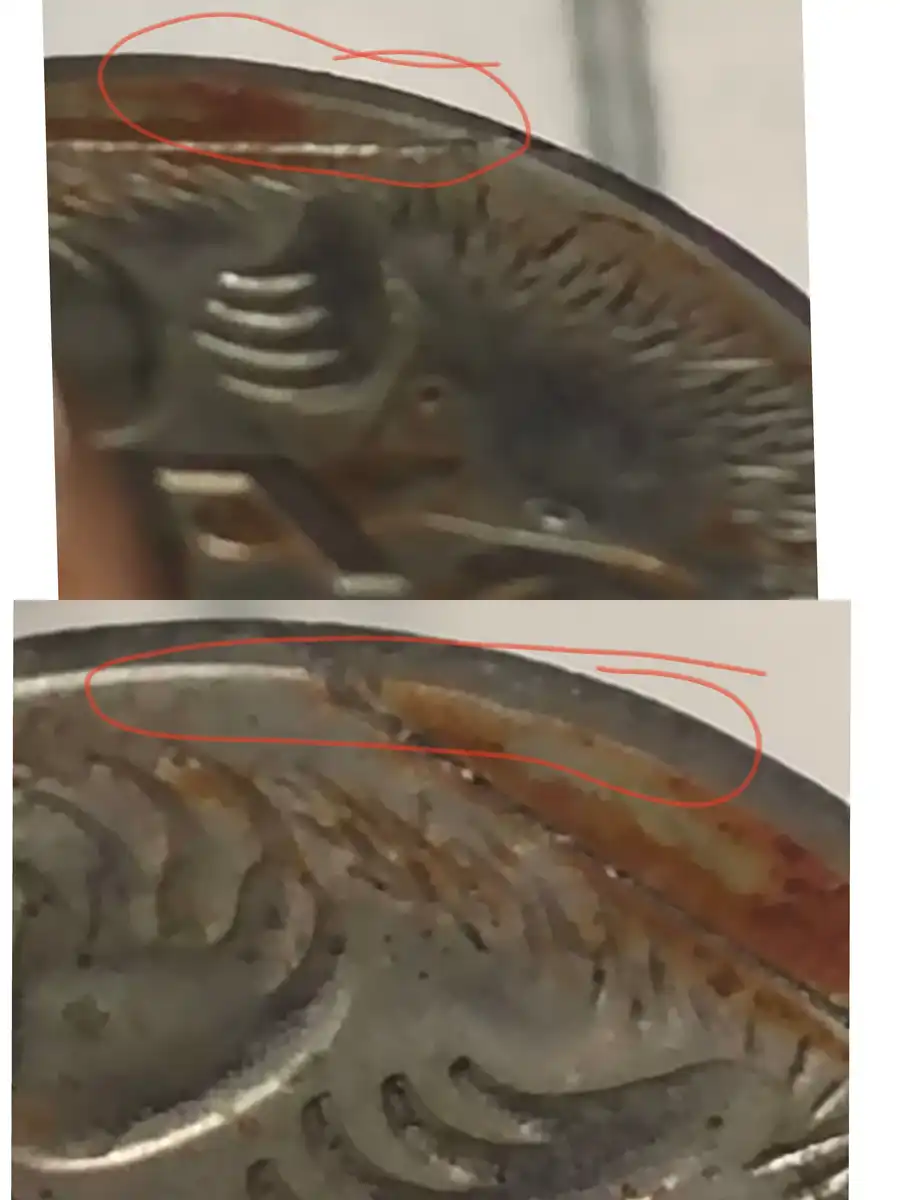 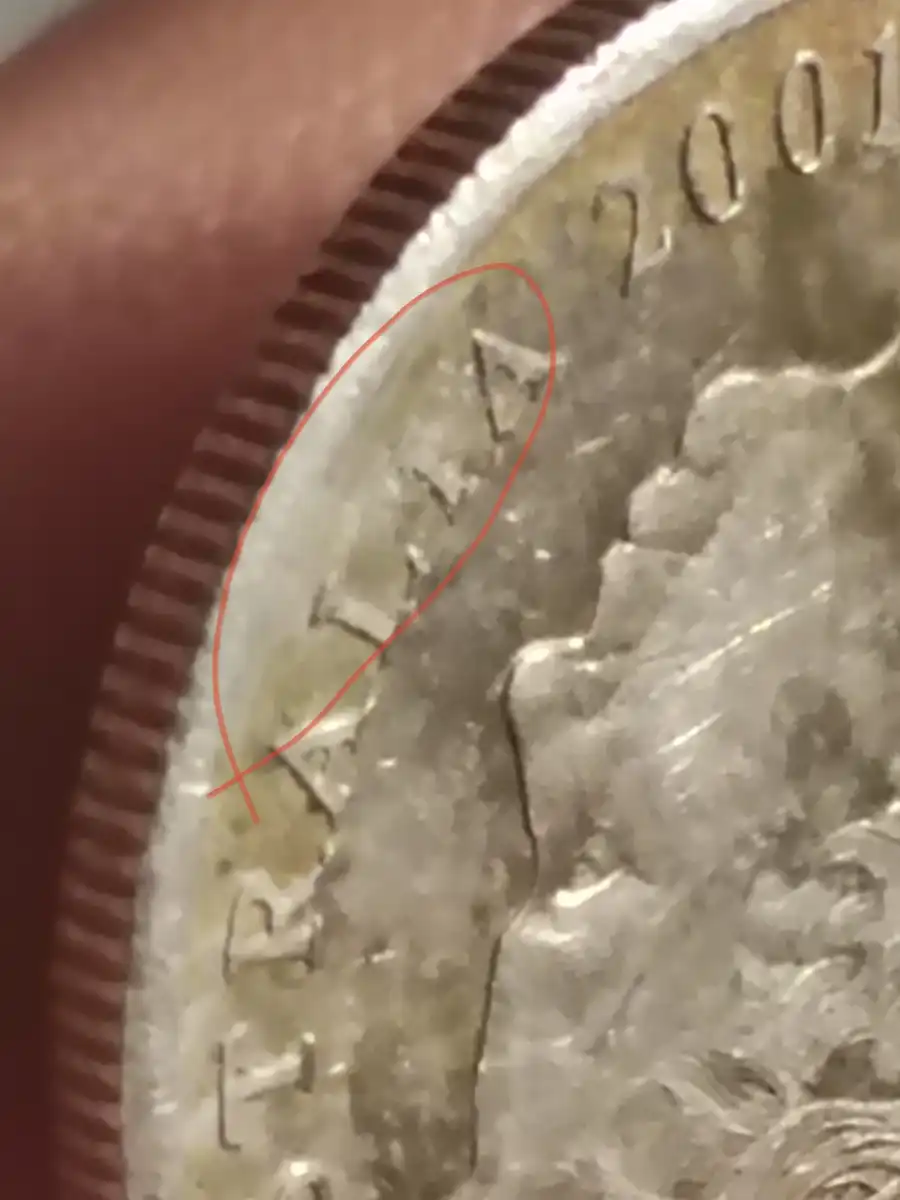 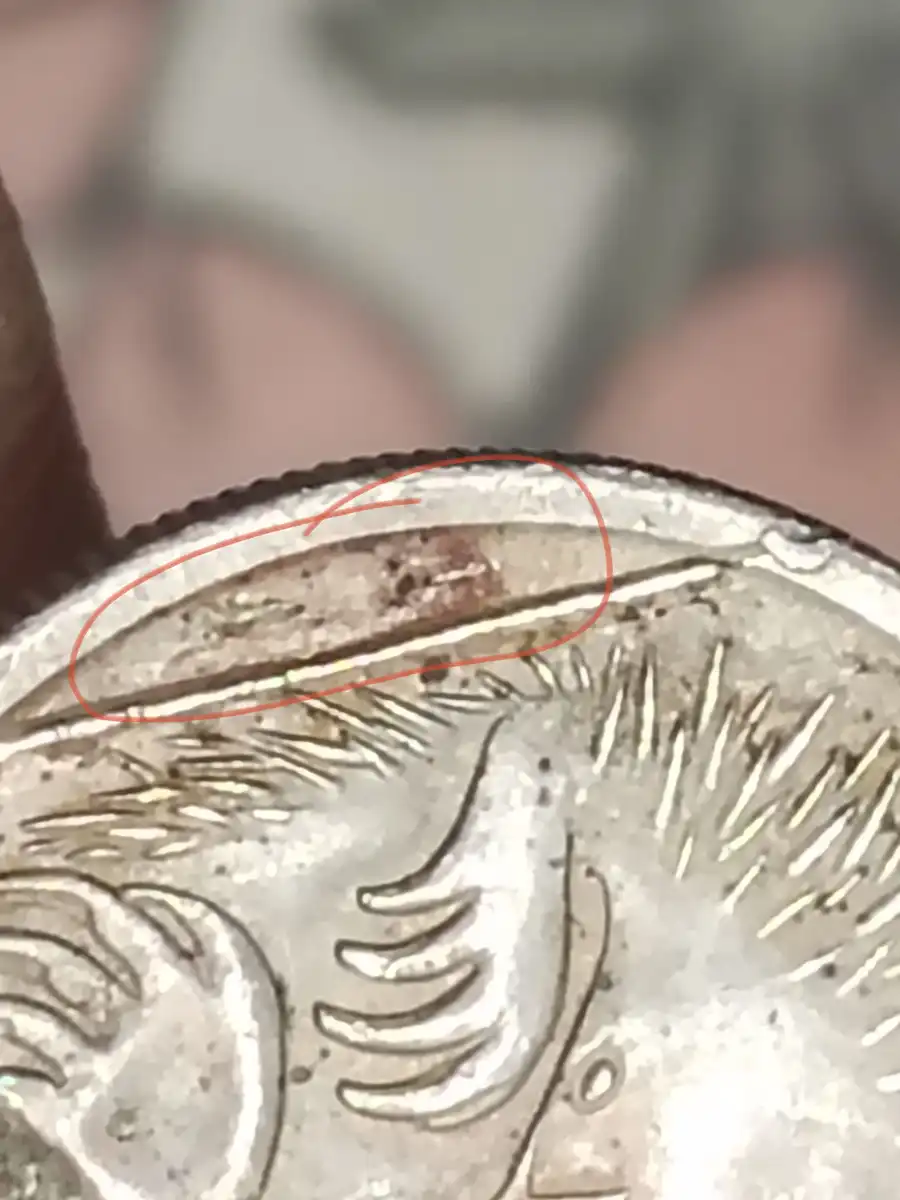 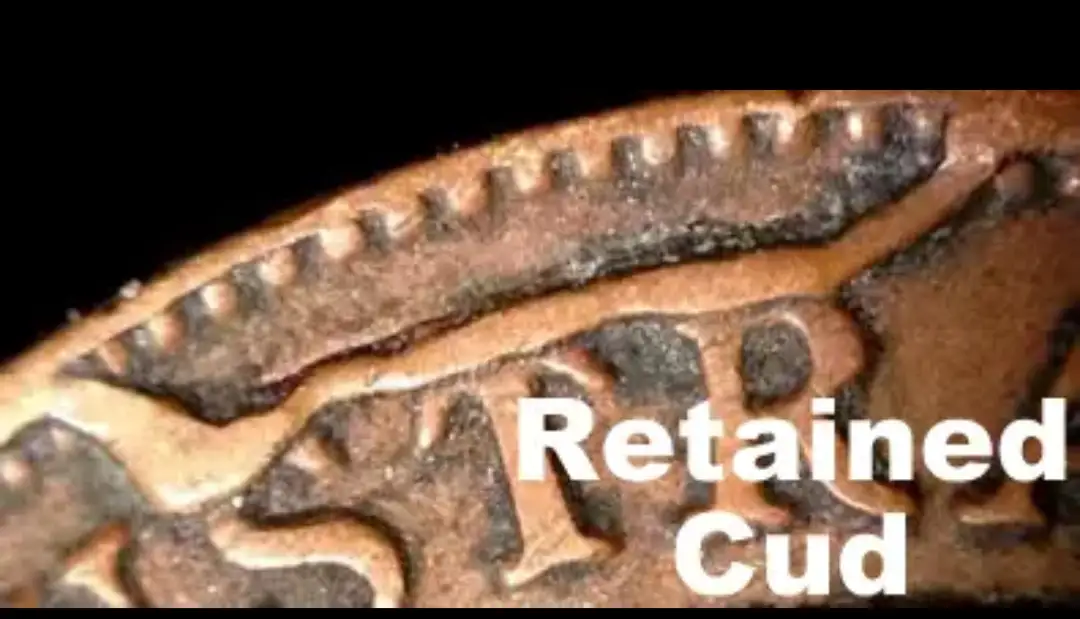 |
|
Valued Member
Australia
102 Posts |
|
|
Moderator
Australia
16979 Posts |
Quote:It has weakness around and behind it, notice how the rim shallows out in that section, and the I behind it is also weak, maybe possibility it's a Retained Cud? Couldn't be a possibility? Not really, no. A " Retained Cud" is where the piece of metal that breaks off the die is still hanging there, somewhat loosely. You'll notice the little piece of the design on the "retained" portion has been displaced somewhat - it's moved, because the piece of the die that has (almost) broken away is no longer in the correct place. I'm not seeing any such movement on your coin. You'll also notice (again) that the cracks around the Retained Cud are not straight. Quote:
New theory it's the actual rim that's come off and it got there. That's not really a "new theory"; it's basically what we were saying back in my first post. Rims don't just "come off" during the striking of a coin; the coin's rim is not a separate piece of metal that's attached during striking, it's all one solid piece of metal. For the rim to "come off" it has to be broken off, or torn off, after the coin is struck. Something sharp, and straight, did this breaking-off, causing the metal to pile up in front of the blade. Don't say "infinitely" when you mean "very"; otherwise, you'll have no word left when you want to talk about something really infinite. - C. S. Lewis
|
|
Valued Member
Australia
102 Posts |
Edited by JustRandomCoins
04/21/2026 09:21 am
|
|
Bedrock of the Community
United States
78574 Posts |
 That coin above is just showing damage ( PMD). Could have been on the road or in a parking lot. Might have been very well been stepped on, or ran over by cars. You need to study the minting process in order to understand how actual genuine errors and varieties happen. Not trying to be mean or anything. Just trying to help you learn and better understand how errors happen. https://www.ramint.gov.au/collect/c...ting-processErrers and Varietys.
Edited by Errers and Varietys
04/21/2026 11:37 pm
|
|
Valued Member
Australia
102 Posts |
The last photos I was looking again trying to figure out how there are raised bit, but obviously it's because something struck it cause the metal to move upward towards the A, like der. It's so obvious now. I thought ooh raisend parts it's a winner, maybe I need better lighting... Should I delete this post? Should I be using page forum to advertise wht I have as such not to ask questions on stuff in unsure about. Example a have a few 2021 10c 'O' Cuds and one nose one, I guess Cud thing. Just that I don't think learning the minting process better will answer that for me. But the nose isn't listed does that mean it's not an error? Who declares anything an error and who makes up the names? Is the lyrebird from a worn die? Or was it run over? Where do I ask these questions if not here? 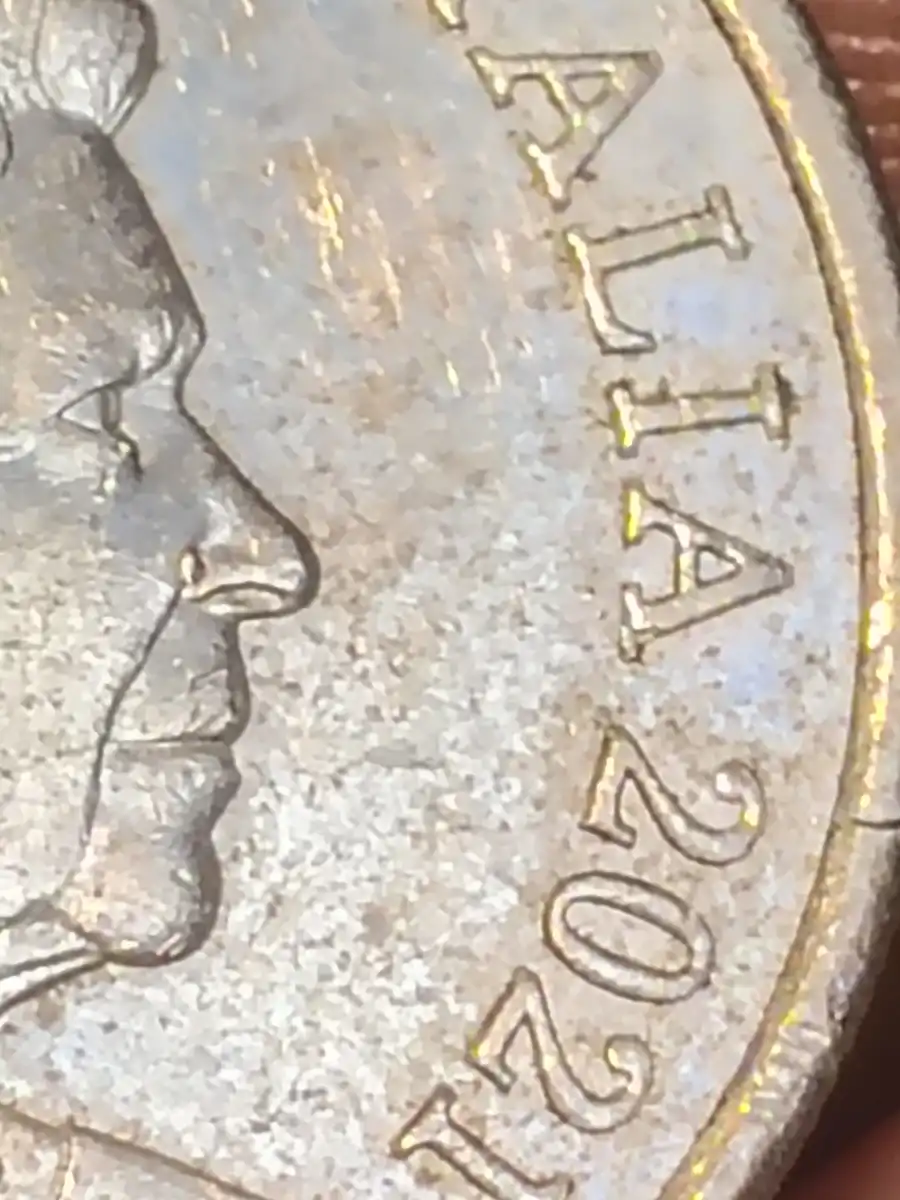  Edited by JustRandomCoins
04/22/2026 02:27 am
|
|
Page 2 of 2
|
Replies: 19 / Views: 871 |
Page 2 of 2
|








 First Page


 Posted 04/20/2026 12:29 am