







 Replies: 2 / Views: 39



 Posted Today 3M ago


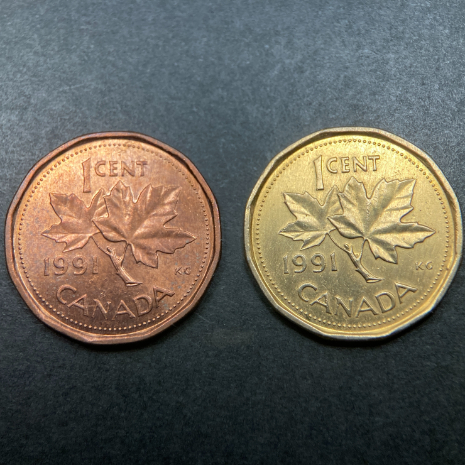
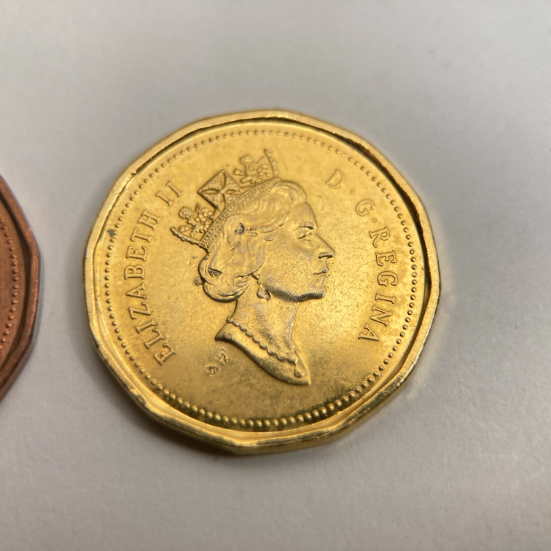
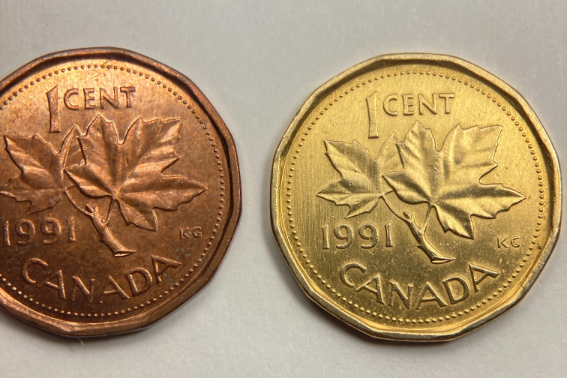
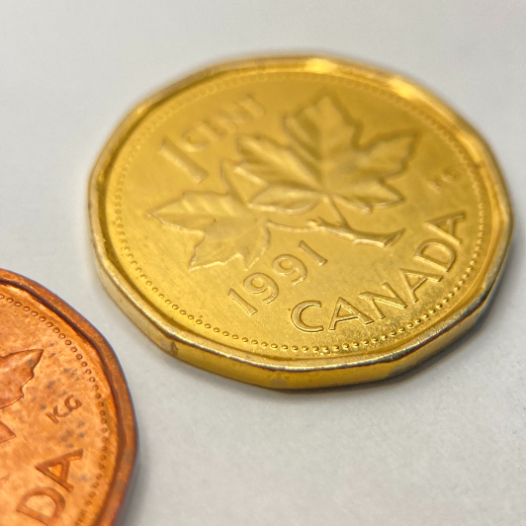
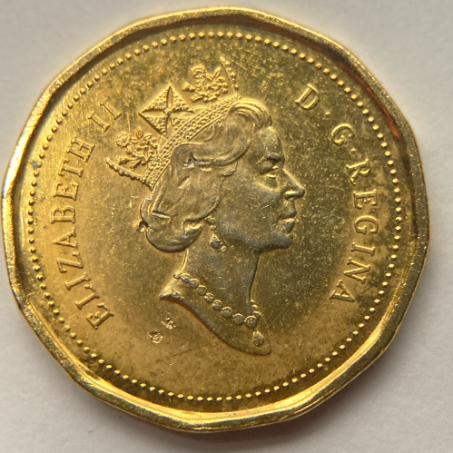
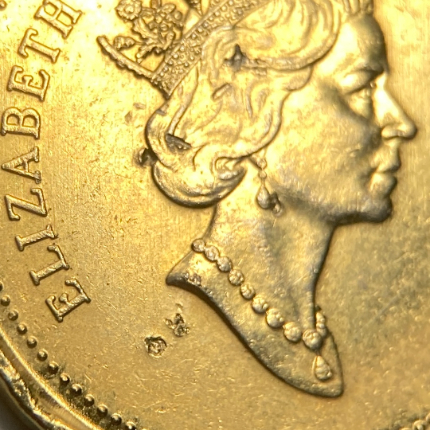
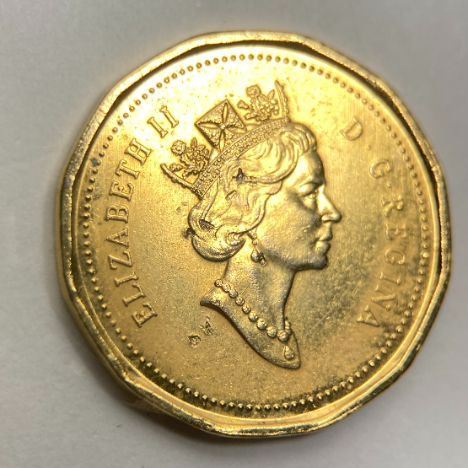
We can't tell if it's a "science experiment" or not, as we weren't there to watch it happen. I suspect it's just some kind of post-mint marketing gimmick, perhaps intended for sale to tourists.
If it's "slightly magnetic" then it's probably had an extra plating of nickel, to make the brass layer stick better (the Mint itself uses this process on it's "triple-plated" blanks). Which is odd; 1991 cents are still made of bronze, and the easiest way to turn a solid bronze coin yellow is to plate it with a thin layer of zinc then heat it at a couple hundred degrees until the zinc melts into the copper to form brass. This treatment shouldn't affect the magnetism.
If it's "slightly magnetic" then it's probably had an extra plating of nickel, to make the brass layer stick better (the Mint itself uses this process on it's "triple-plated" blanks). Which is odd; 1991 cents are still made of bronze, and the easiest way to turn a solid bronze coin yellow is to plate it with a thin layer of zinc then heat it at a couple hundred degrees until the zinc melts into the copper to form brass. This treatment shouldn't affect the magnetism.
Don't say "infinitely" when you mean "very"; otherwise, you'll have no word left when you want to talk about something really infinite. - C. S. Lewis


