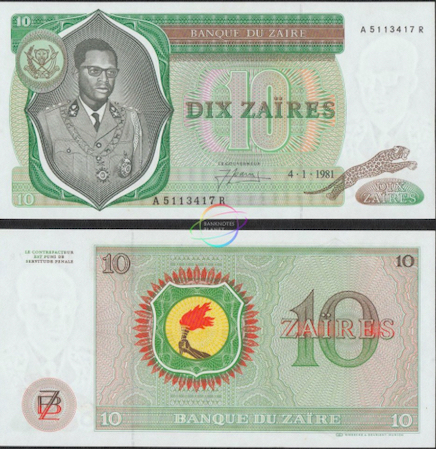
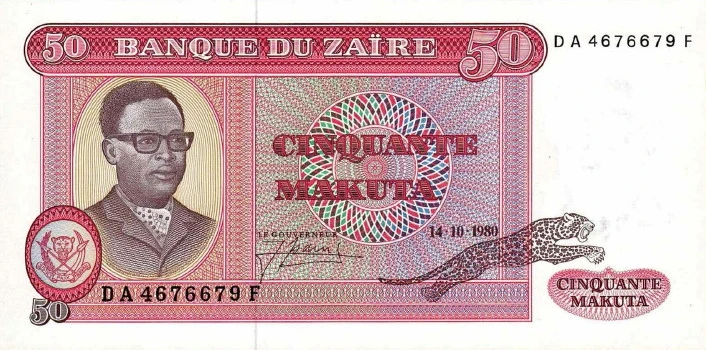
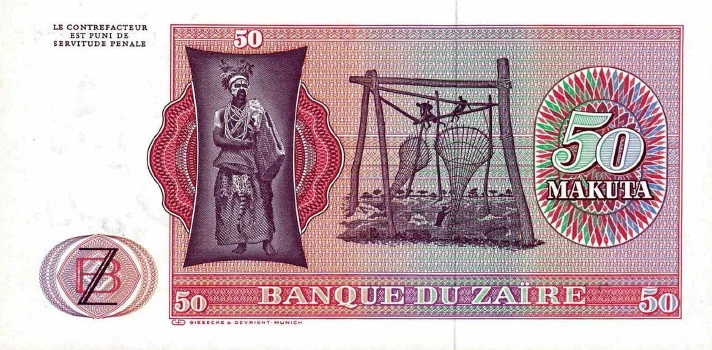
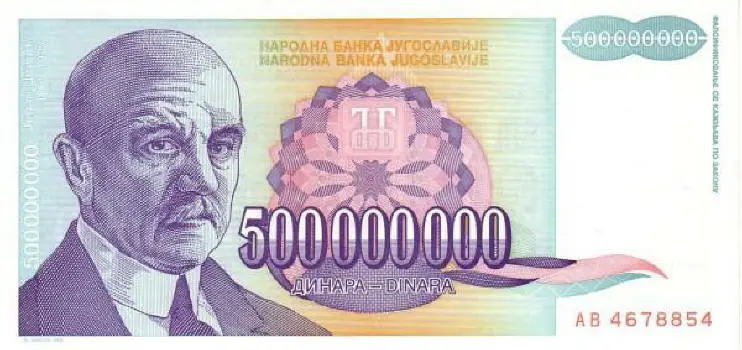
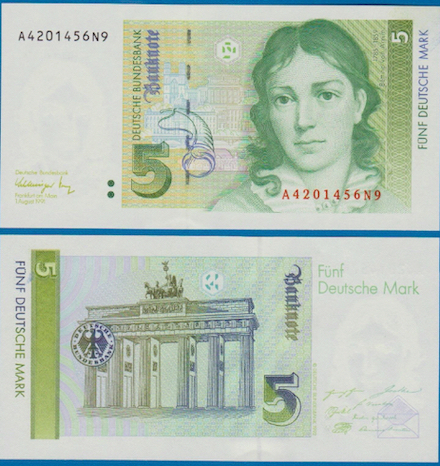
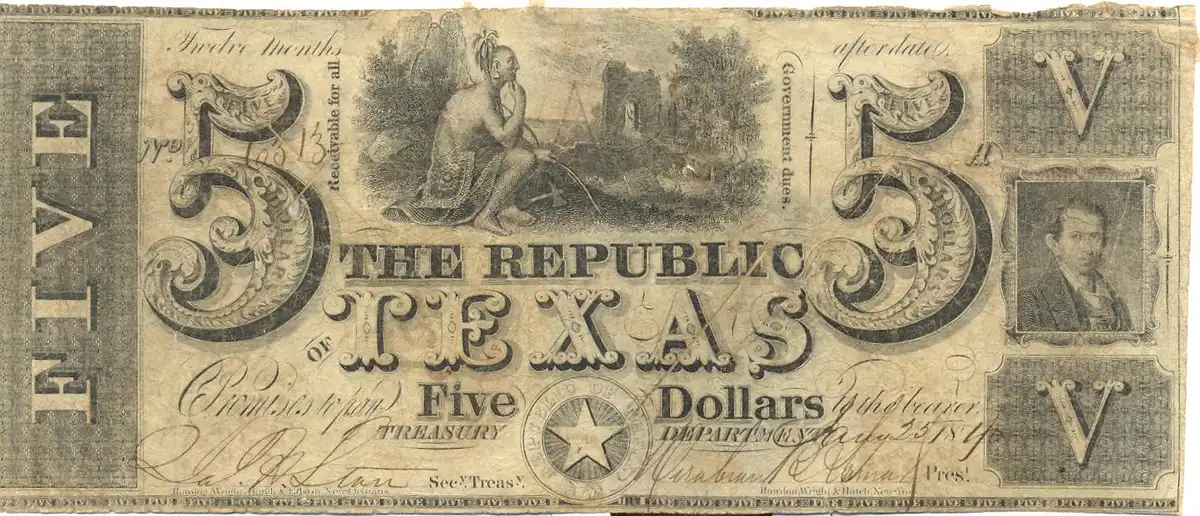
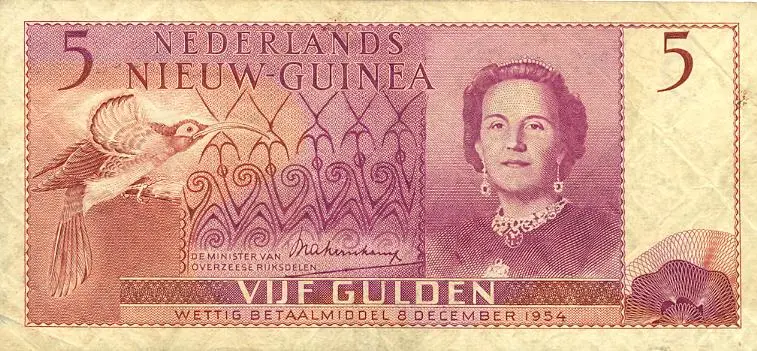
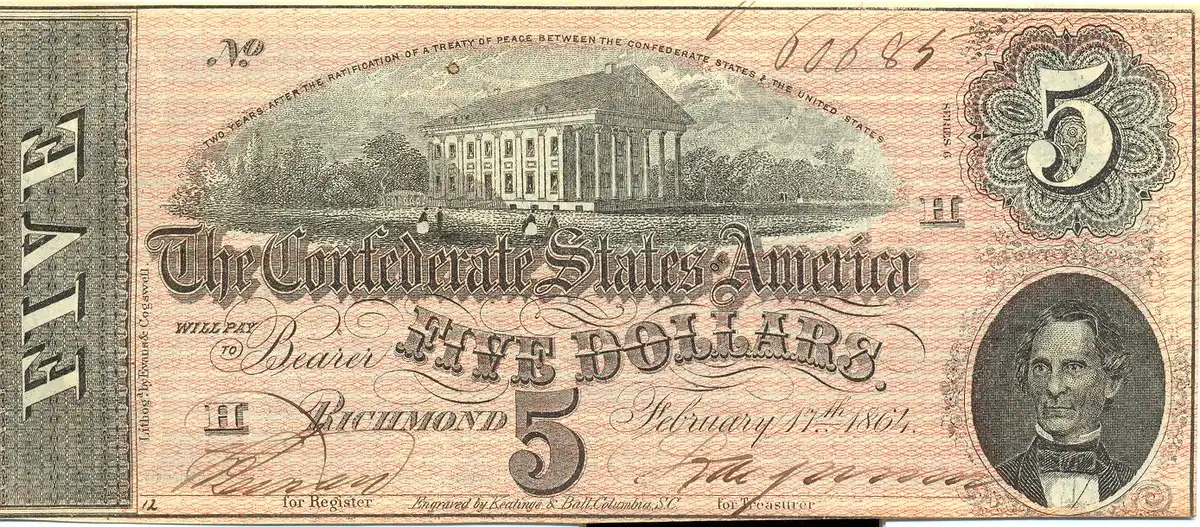
Forgot to post the requested "history" of my notes. Texas and the Confederate States probably need no introduction to our American audience, but Netherlands New Guinea might need some explaining.
In 1949, the Netherlands formally recognized independence of their former colony of the Netherlands East Indies as Indonesia. All of it, that is, except for the western half of the island of New Guinea. The Dutch colonial authorities argued that the Papuan natives (and Eurasian refugees from the rest of Indonesia) living there were ethnically, religiously and culturally distinct from the rest of Indonesia, and the people there deserved some say in their future, with an eye towards eventual full independence for West Papua. Indonesia disagreed with this principle, believing that all of the former NEI territories belonged to them. After a decade of stalled negotiations, Indonesia invaded West Papua in 1962 and although the Dutch defenders and native militias held their own, the Netherlands government back home had no stomach for another protracted jungle war, so in accordance with a United Nations agreement, control was formally handed to the UN in late 1962. The UN handed the territory to Indonesia in early 1963 and a "plebiscite" was arranged for 1969, but this was widely regarded as having been rigged as all the delegates were hand-picked by the Indonesian occupiers; the plebiscite "unanimously" voted for unification with Indonesia.
For the period the territory was a separate state (1949-1963), banknotes were issued in the name of Netherlands New Guinea. Coins were considered unnecessary, as there was a surplus of old Netherlands Indies coins which Indonesia did not want any more, so those old coins provided all the small change the territory needed. For the period 1963-1969, Indonesia issued separate coinage for the territory.
Don't say "infinitely" when you mean "very"; otherwise, you'll have no word left when you want to talk about something really infinite. - C. S. Lewis





 First Page
 Previous Page

 Replies: 45 / Views: 1,616


 Posted 11/18/2026 10:39 am


 (really like the back design of that Malaya & British Borneo $1.00 @NumisRob)