| Author |
 Replies: 2,524 / Views: 133,971 Replies: 2,524 / Views: 133,971 |
|
|
|
Bedrock of the Community
Canada
24885 Posts |
1989 Republica de Venezuela. 2 Bolivares 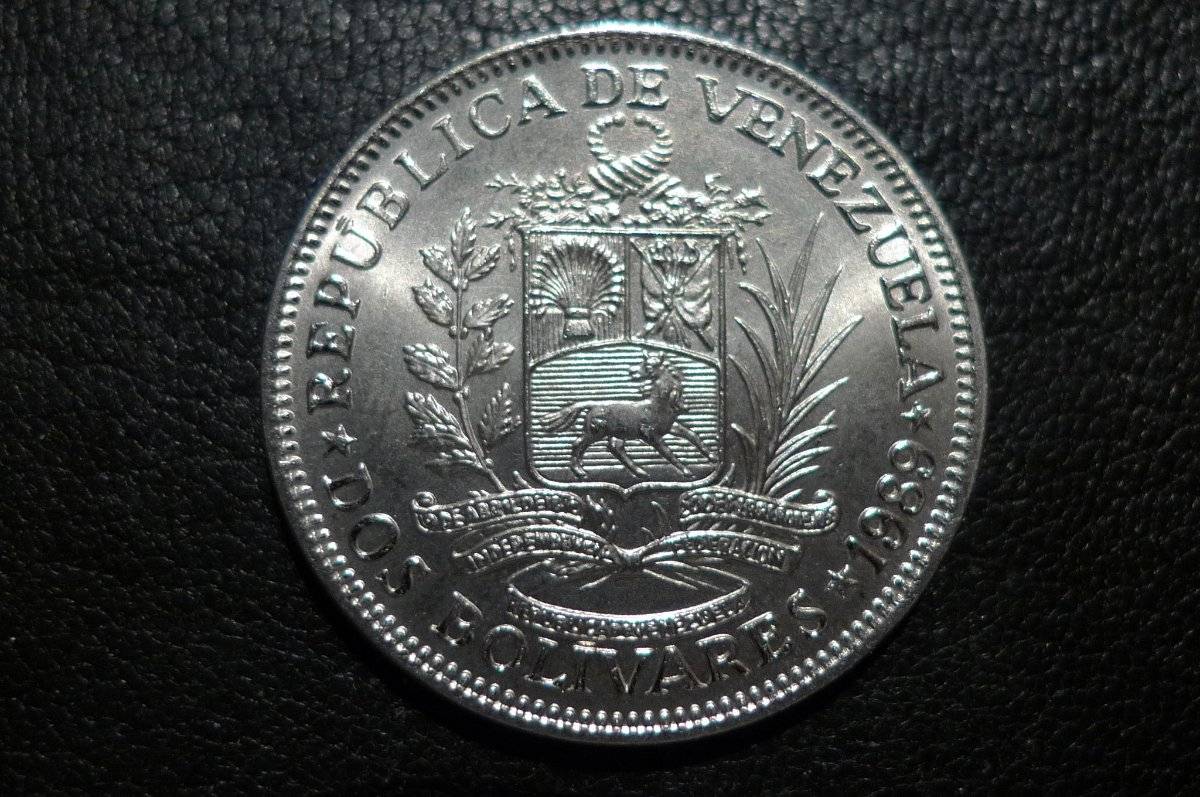 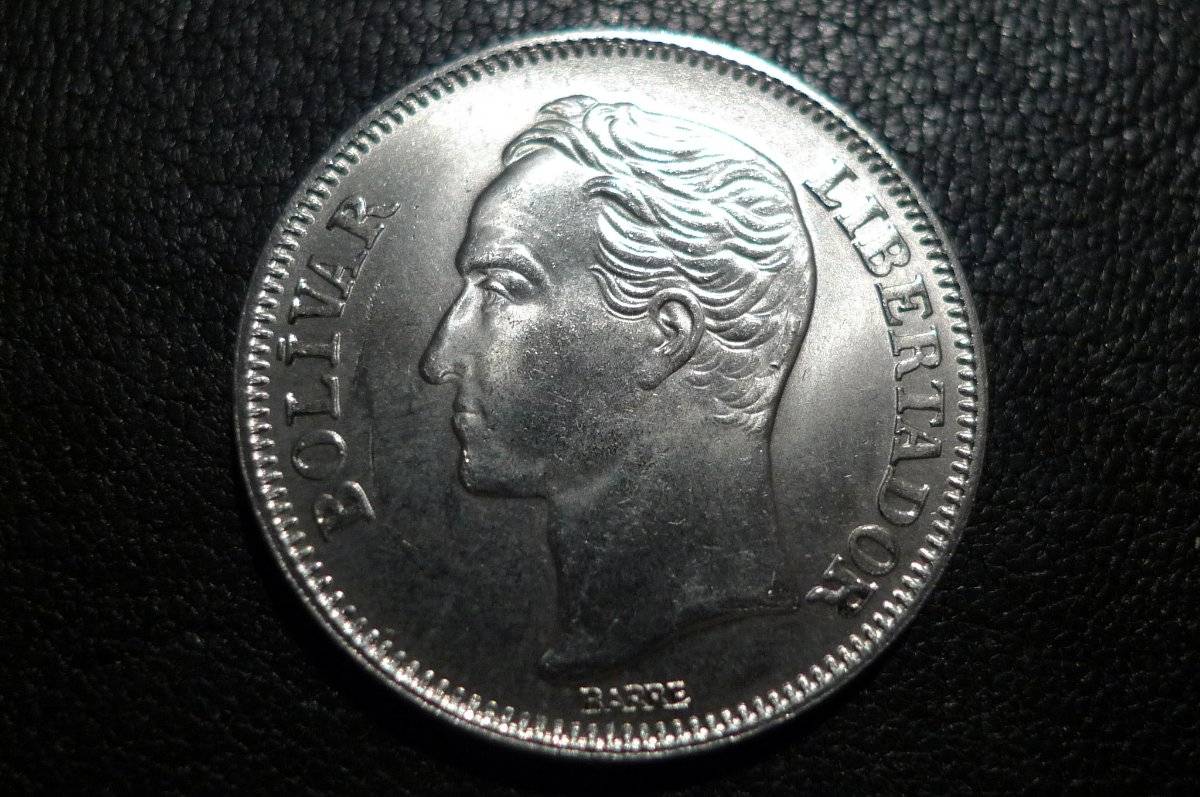 |
|
Moderator
 United States
193047 Posts |
Looking good!  |
|
Bedrock of the Community
Canada
24885 Posts |
1973 Greece. 10 Drachmai Regime of the Colonels. 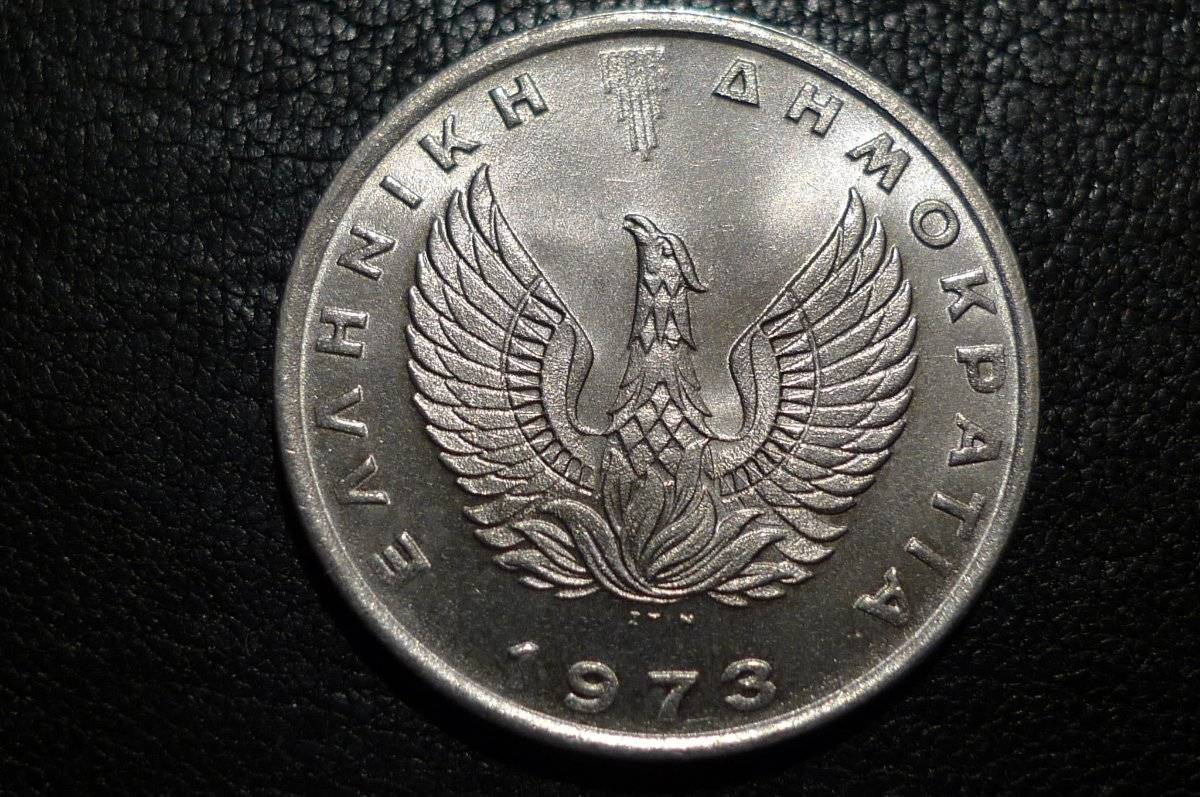 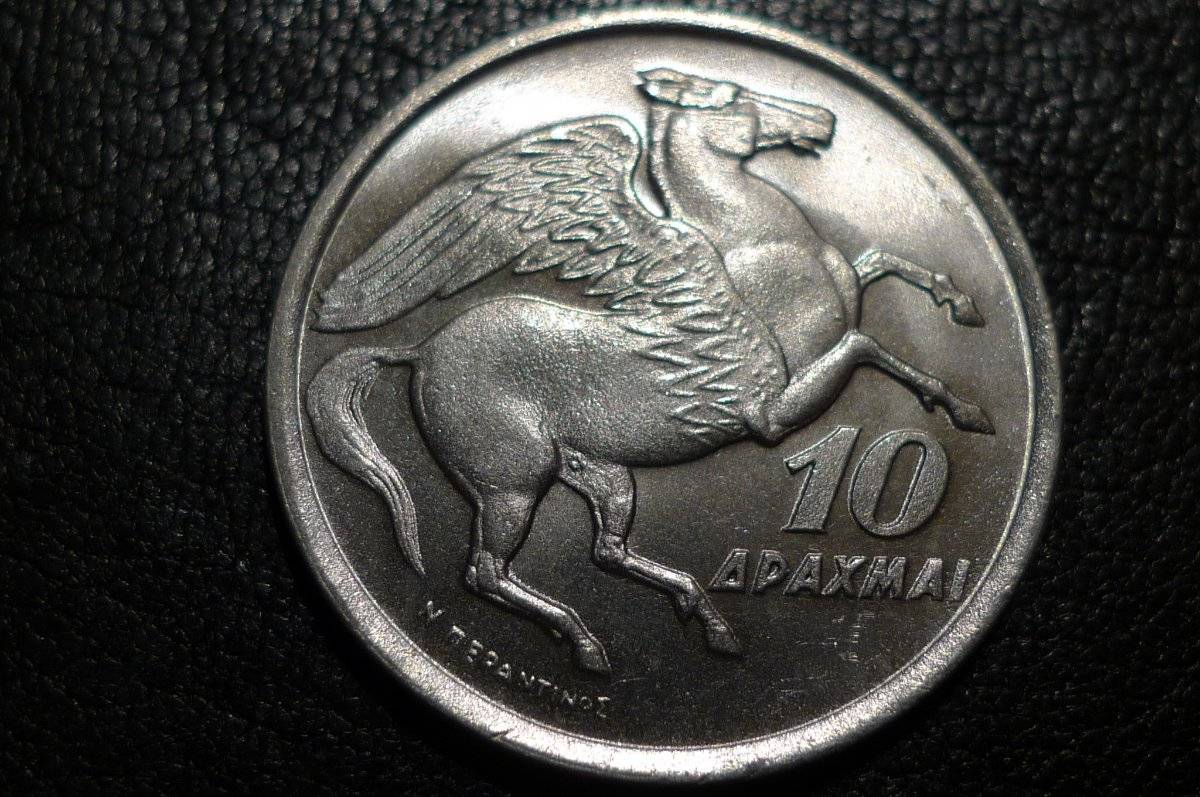 (Coin # 2) |
|
Pillar of the Community
 United States
8011 Posts |
Nice about this thread that we have everything from ancients to medievals to modern. I will fill in between @erafjel's early medievals and more modern coins with a couple. First, this 2 denier from the Duchy of Lorraine, Duke Thiebaut II 1303-1312 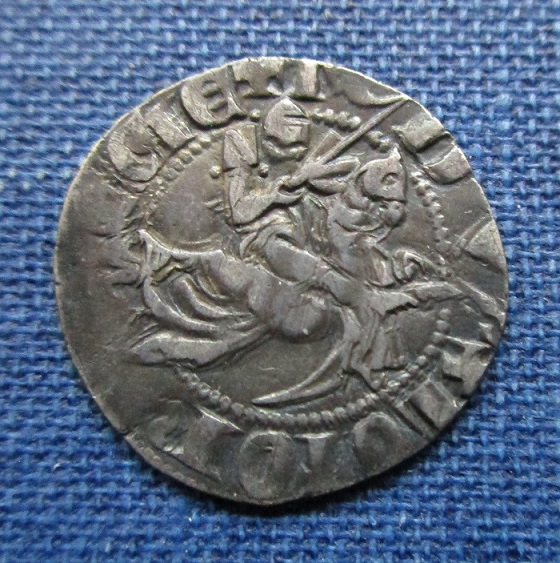 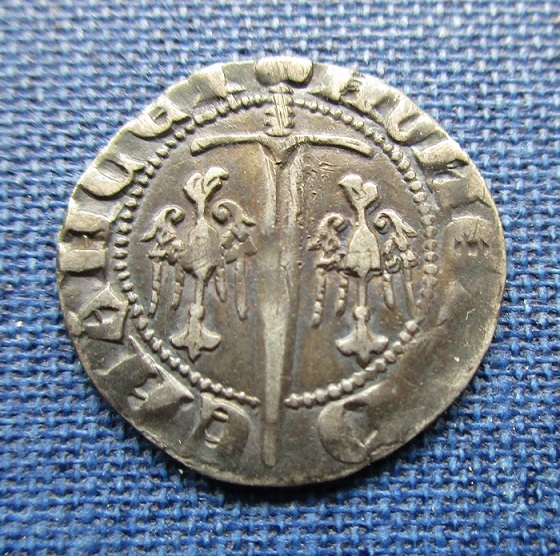 |
|
Pillar of the Community
United States
8011 Posts |
Duchy of Brabant, cavalier d'or, 1434-37 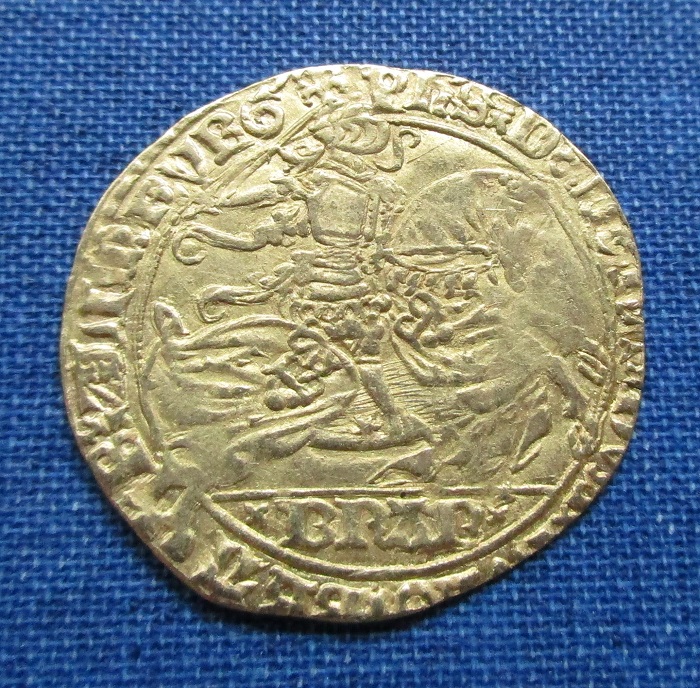 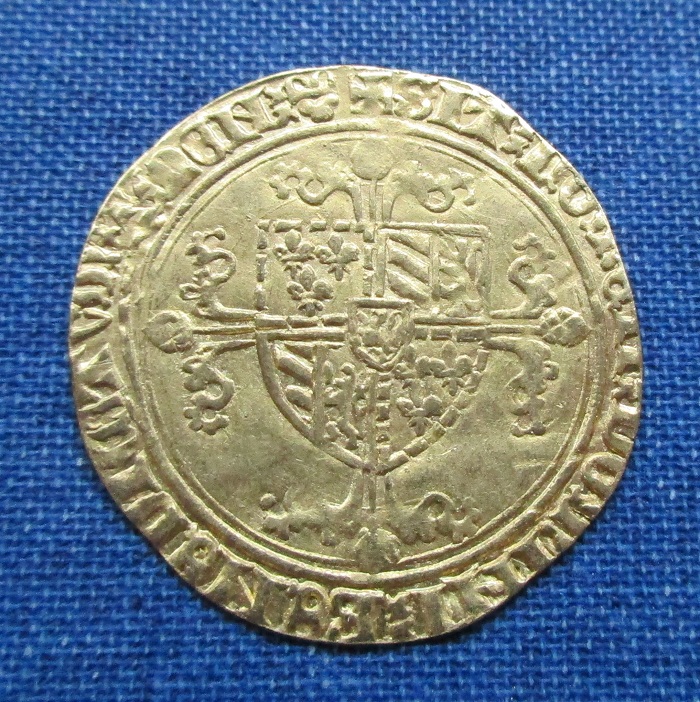 |
|
Moderator
United States
193047 Posts |
Nice examples! |
|
Pillar of the Community
Sweden
2124 Posts |
Quote:
2 denier from the Duchy of Lorraine, Duke Thiebaut II 1303-1312 A wonderful coin! What a forceful and dynamic image this is, so far from the many medieval coins showing static buildings, crosses, a portrait at best. The horse and knight look like they are on their way out of the coin, the hooves and lance have already crossed the border out into the text field. (The cavalier d'or in your second post, which has the same motif, is also lovely!) I recognized the motif at once when I saw it, as would many collectors of French coins. It is the same as on the well known franc à cheval ("franc with horse"), emitted by king John II of France in 1360, as ransom money for his release from captivity with the English during the hundred years war. This was the first coin to carry the denomination franc (although that was synonymous with livre tournois at the time), and is kind of iconic in French numismatics (and yes, it is the coin in my avatar). This way to portray the king breaks with the traditional way he is shown on gold coins at this time, which is standing or sitting, with his royal regalia, very still and very arranged for a portrayal. The motif was taken up and copied by his successor Charles V and several feudal lords in the decades that followed. But I was not aware that there were also precedents, like your Lorraine coin a couple of decades before and (as I have now learnt after doing some research) even earlier in the 13th century. I understand that the origin may come from seals used by lords (and kings?) where they wanted to put forward an image of themselves as forceful warriors. So, time to end the medieval history part and show the coin! Here is a close-up of my favorite horse coin: 1 franc (à cheval), John II, 1361-64. 27 mm and 3.8 g - it is very thin! 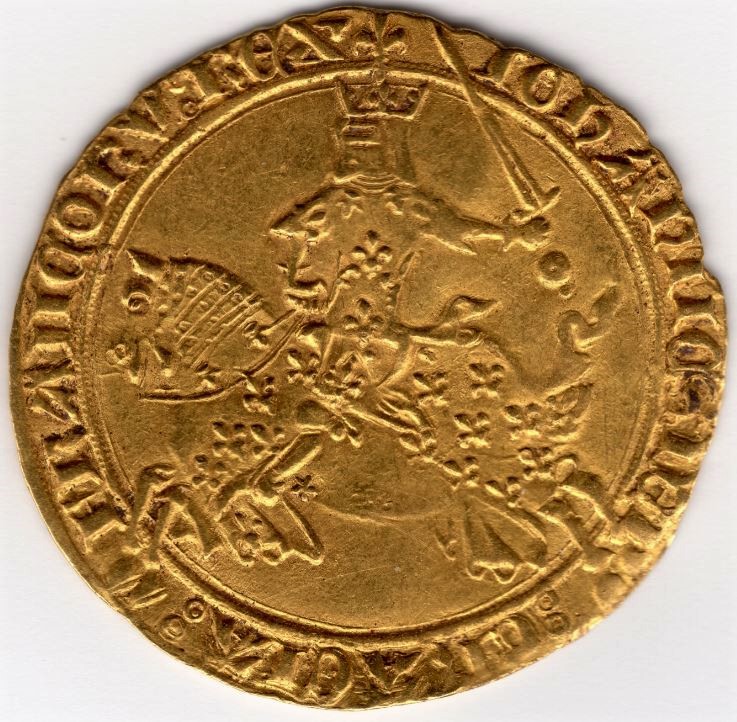 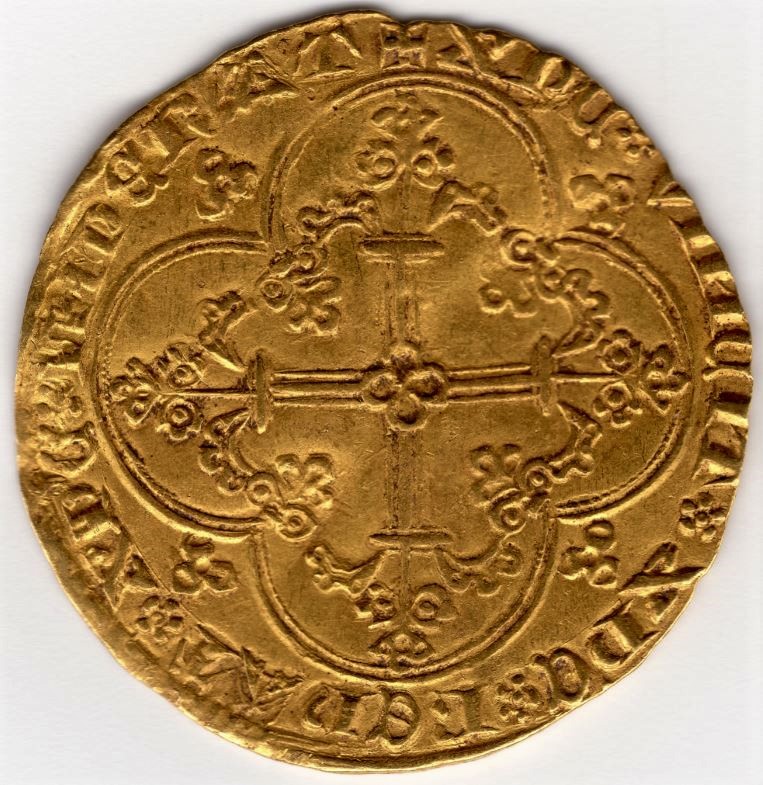 |
|
Moderator
United States
193047 Posts |
Quote:
So, time to end the medieval history part and show the coin! Here is a close-up of my favorite horse coin: We do enjoy the history, but your coin is a bonus! |
|
New Member
United Kingdom
17 Posts |
2010 Mexican silver proof. 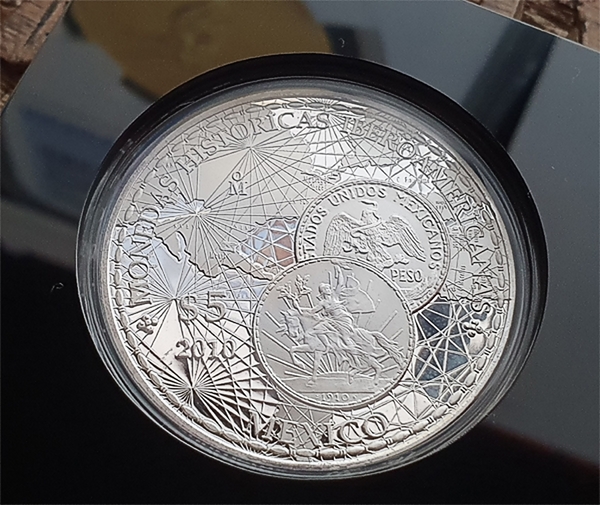 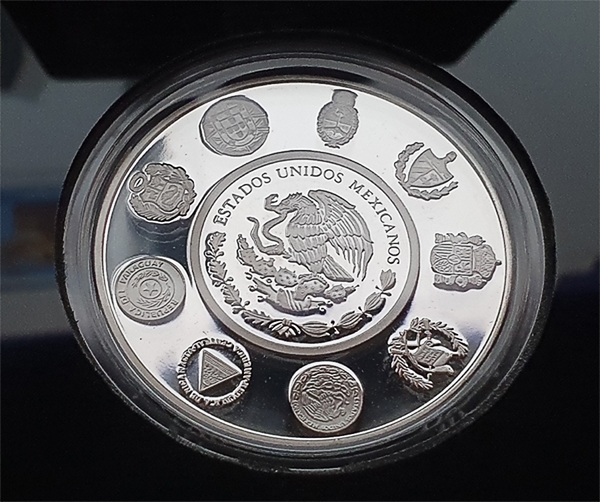 |
|
Bedrock of the Community
Canada
24885 Posts |
1977 Botswana. 25 Thebe 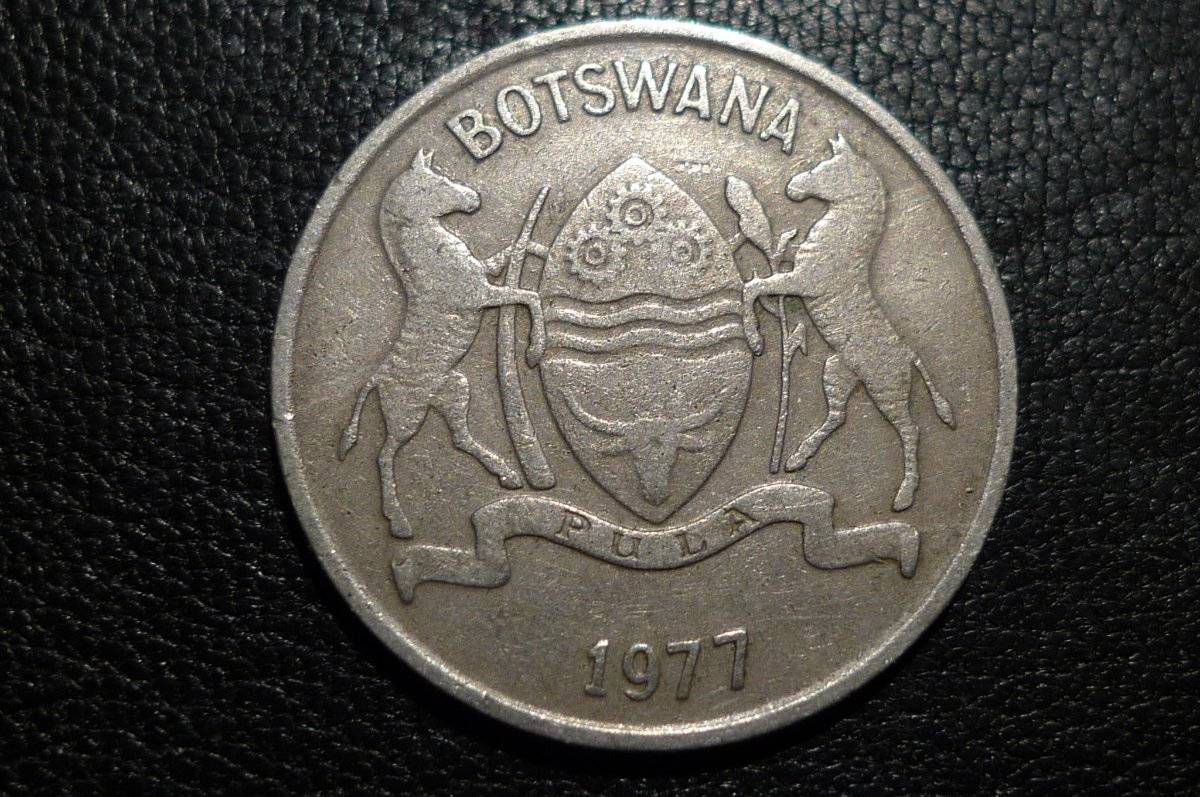 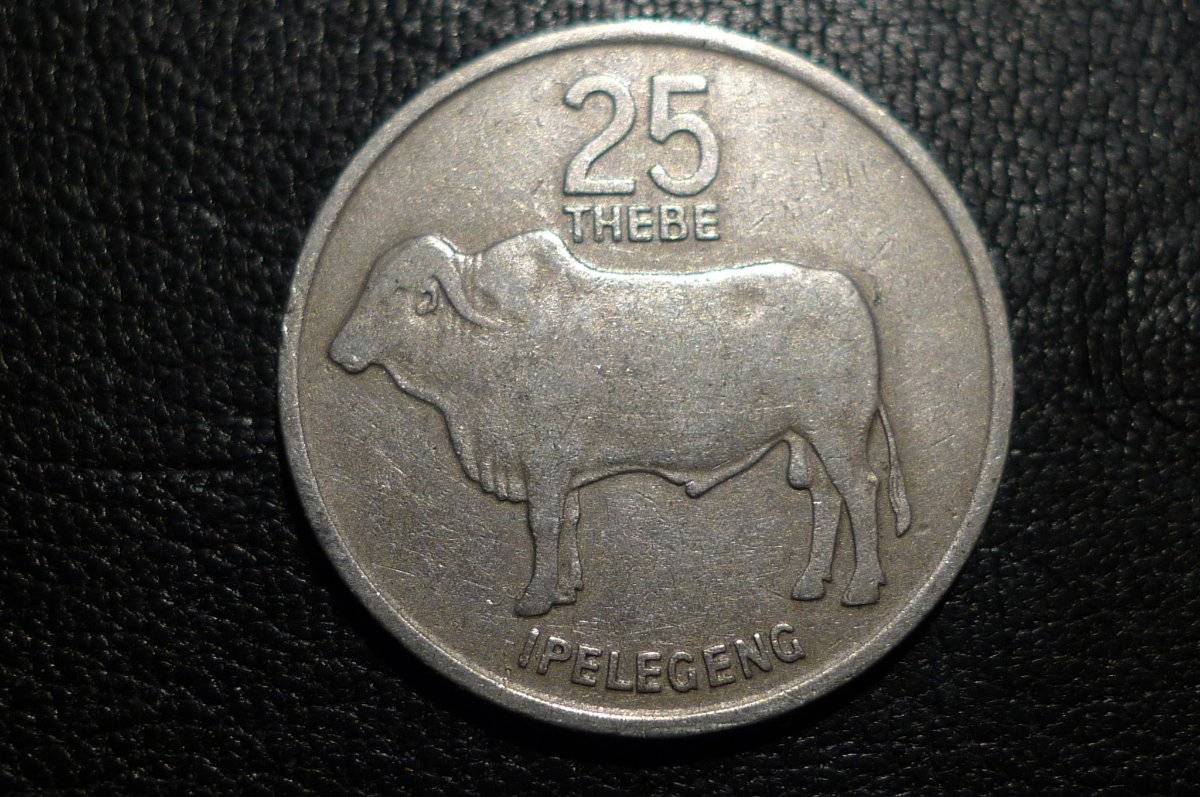 |
|
Pillar of the Community
United States
8011 Posts |
Quote:
So, time to end the medieval history part and show the coin! Here is a close-up of my favorite horse coin:
1 franc (à cheval), John II, 1361-64. 27 mm and 3.8 g - it is very thin! Wonderful history and a beautiful coin! We see this device of the sovereign or a knight on horse often in 14th - 15th century coins in France and Low Countries (I am glad you enjoyed the Lorraine coin). Maybe there are other places? A bit later it becomes common in Central and Eastern Europe. For Lithuania, I think it shows up consistently from the late 1400s until the 21st century! |
|
Moderator
United States
193047 Posts |
Lovely examples! |
|
Bedrock of the Community
Canada
24885 Posts |
1962 South Africa. 1 Cent 1st decimal series. 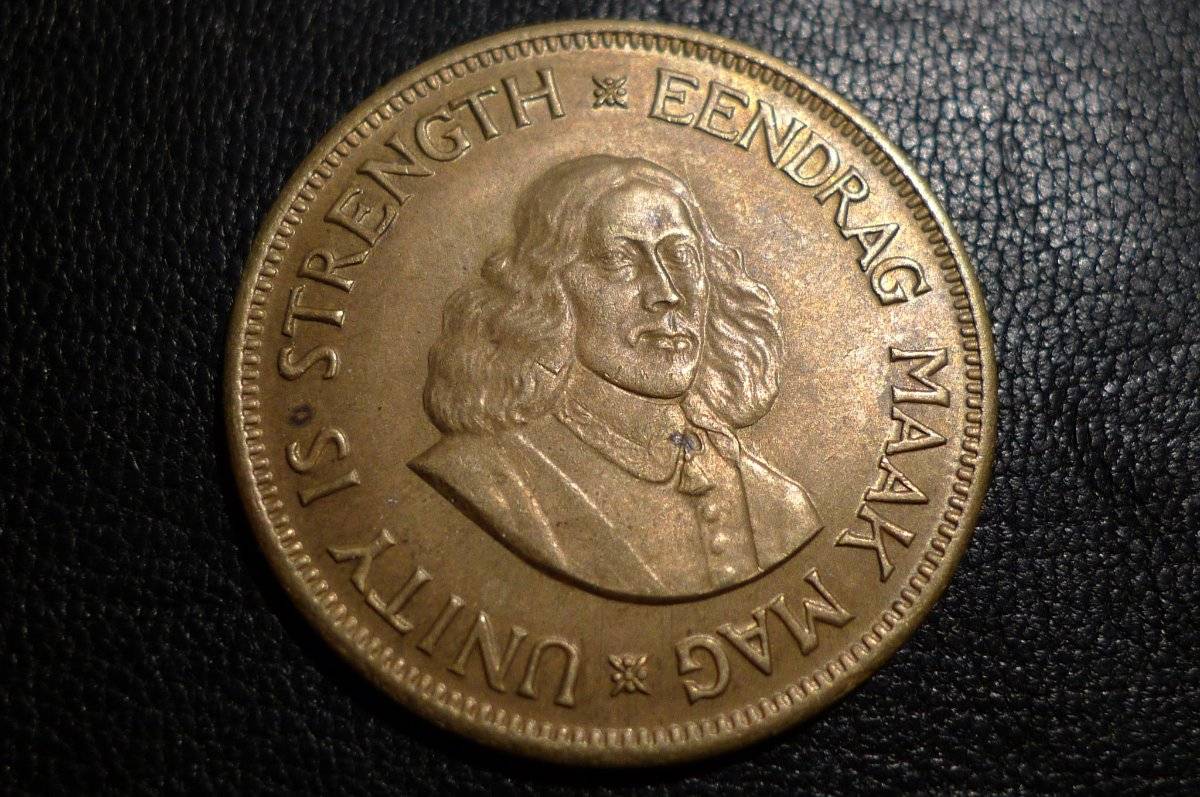 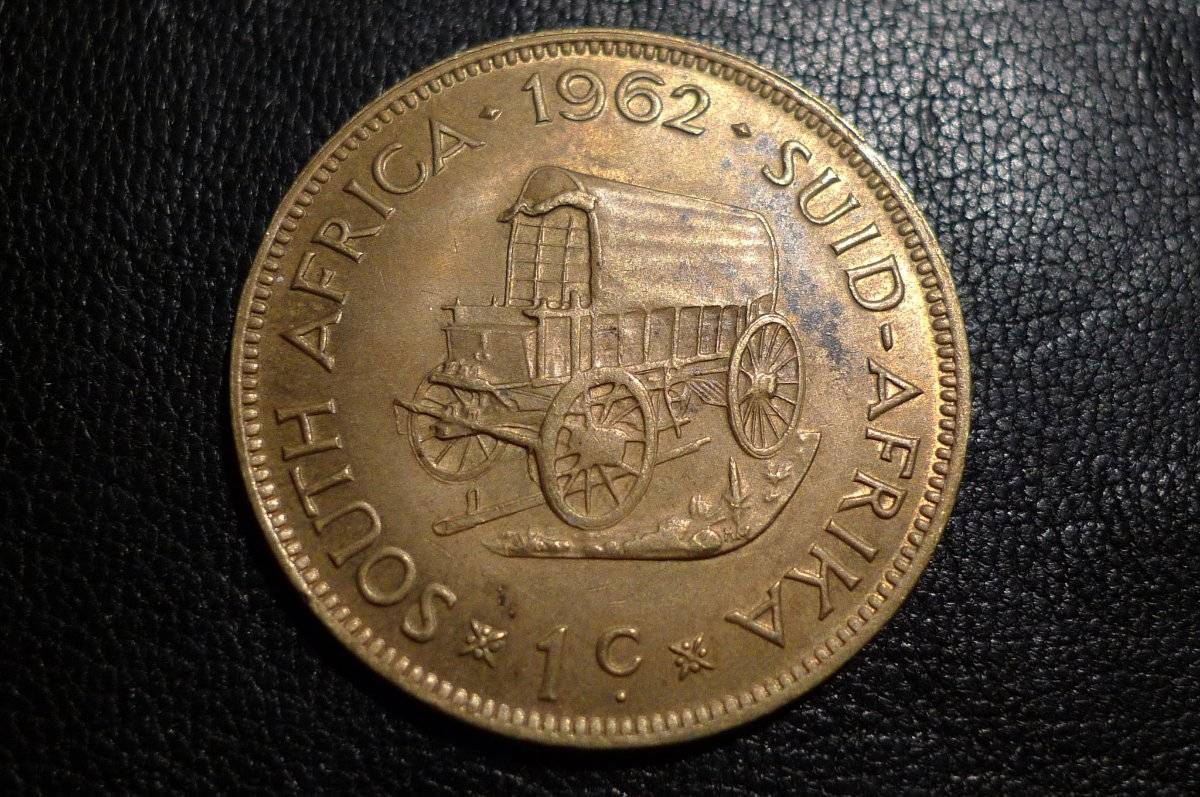 |
|
Moderator
United States
193047 Posts |
Very nice! |
|
Bedrock of the Community
Canada
24885 Posts |
1984 India. 20 Paise. 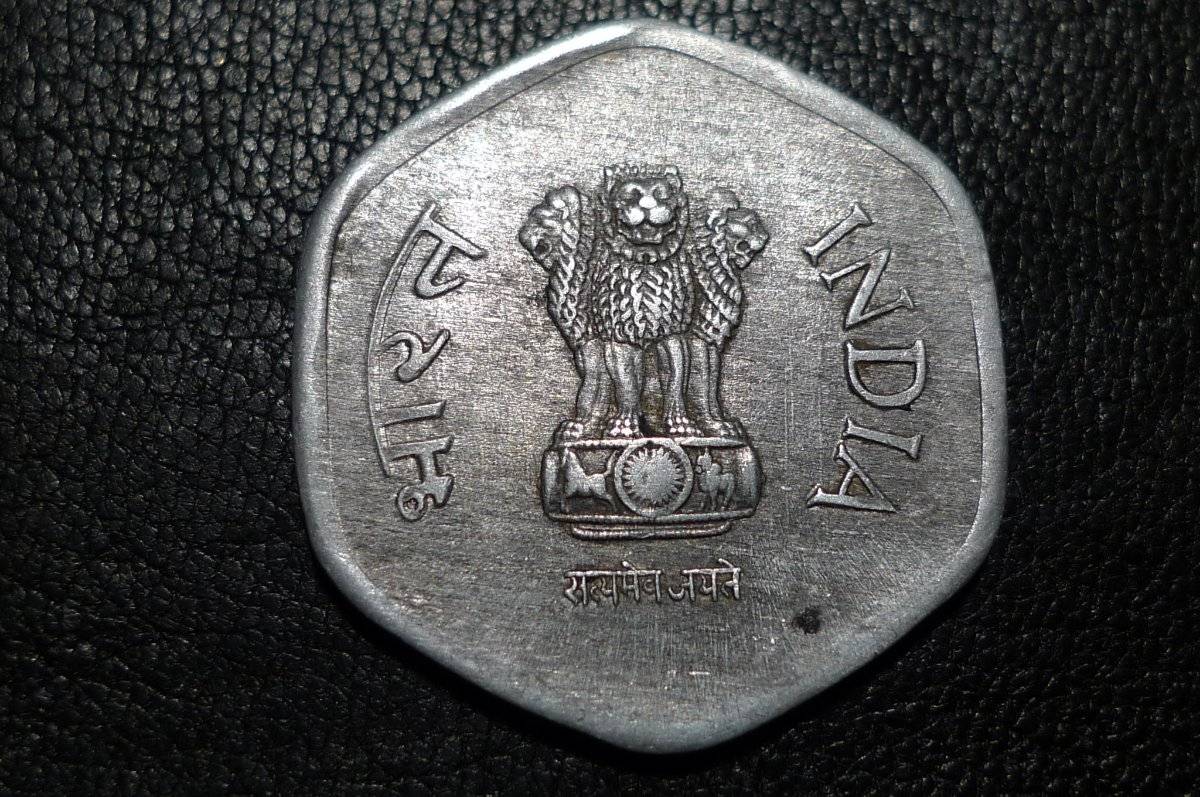 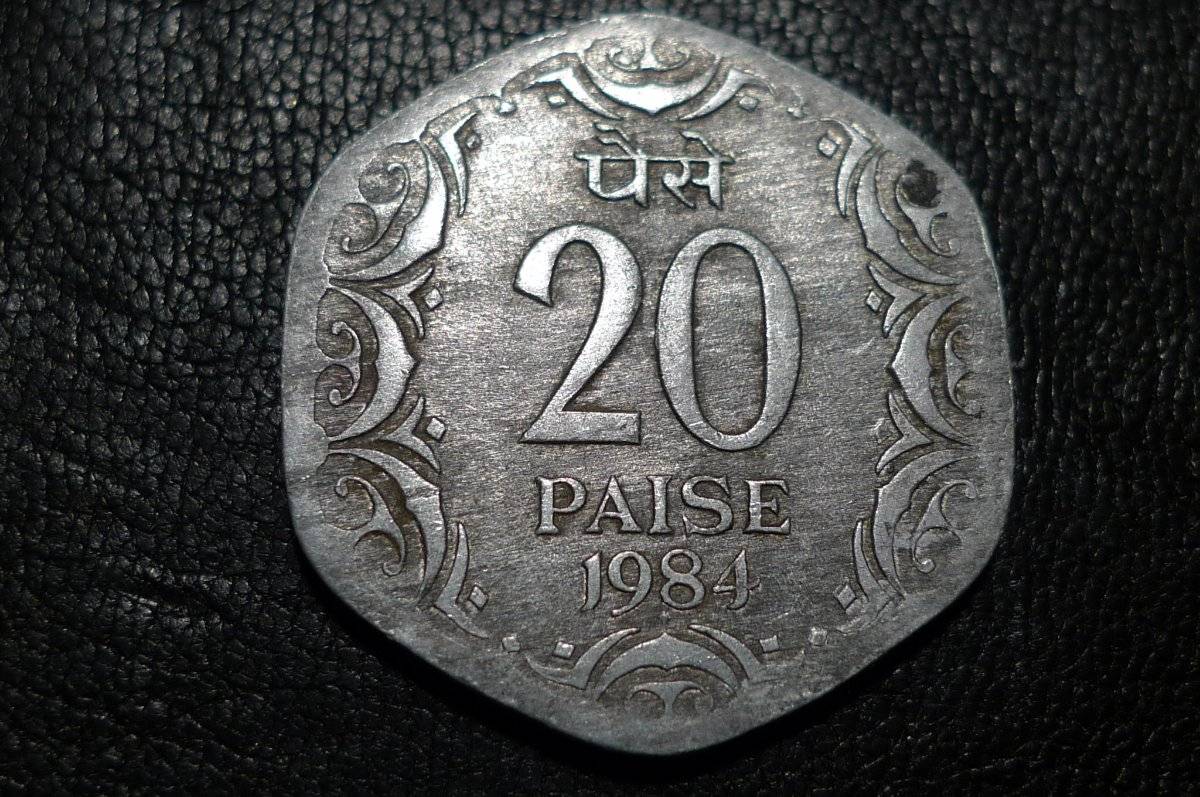 |
| |
Replies: 2,524 / Views: 133,971 |







 First Page
 Previous Page


 Posted 12/30/2019 1:58 pm





