| Author |
 Replies: 1,033 / Views: 89,106 Replies: 1,033 / Views: 89,106 |
|
|
|
Valued Member
United States
81 Posts |
|
|
Pillar of the Community
United States
4883 Posts |
My finds from today, both with diameters in the 16-17 mm range. First up, a 1697 3 pfennig from Silesia, .73 of a gram in weight - 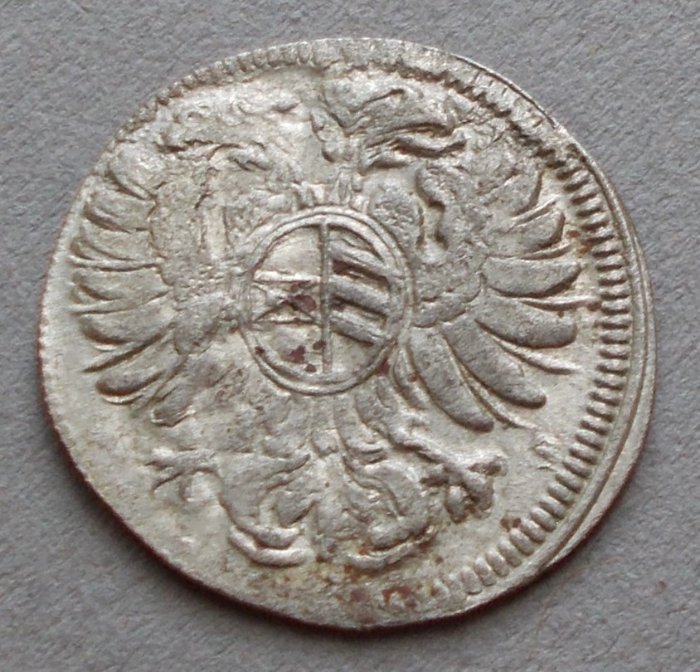 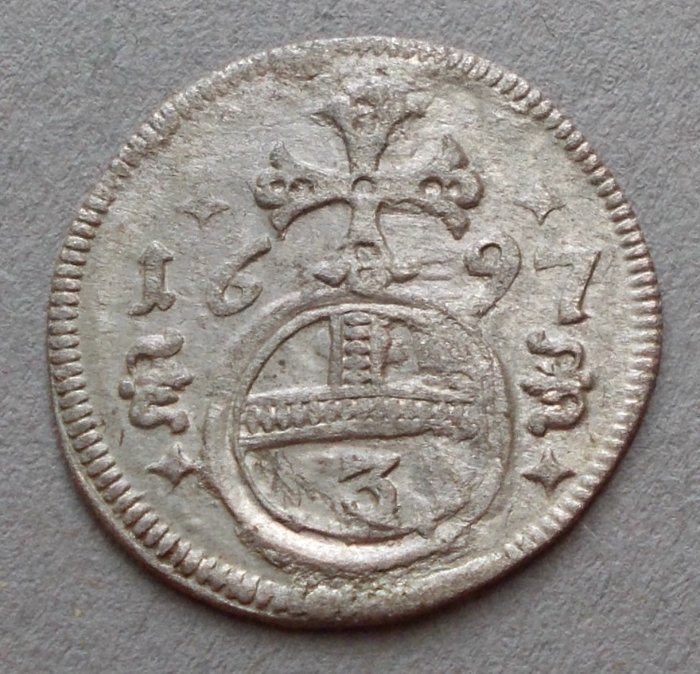 The other I can't get a handle on, although I'm certain it's also a German State issue. Dated 1625, it's denominated at a 96th of a thaler. This one comes in at .77 of a gram. 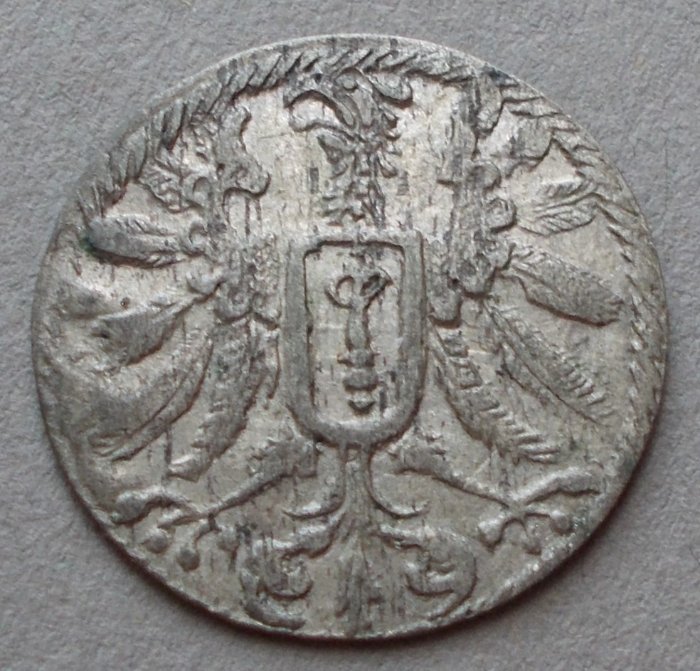 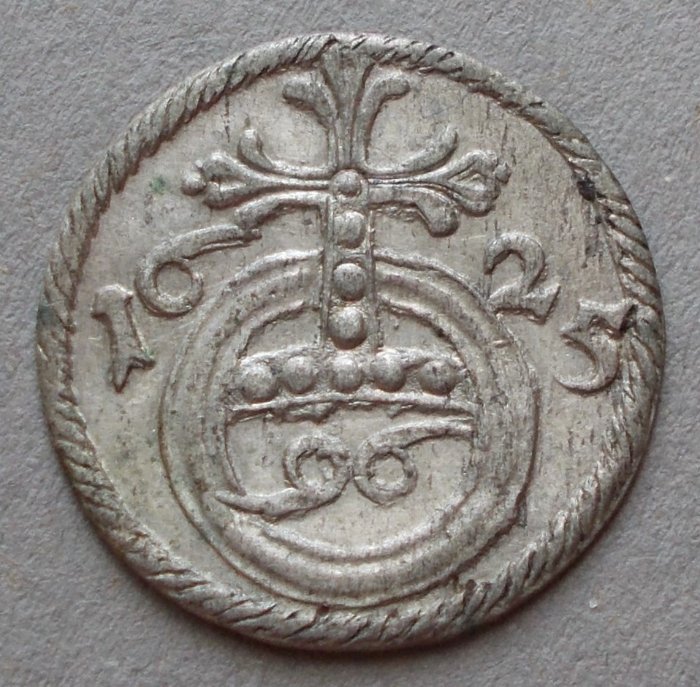 Colligo ergo sum
|
|
Moderator
 United States
195985 Posts |
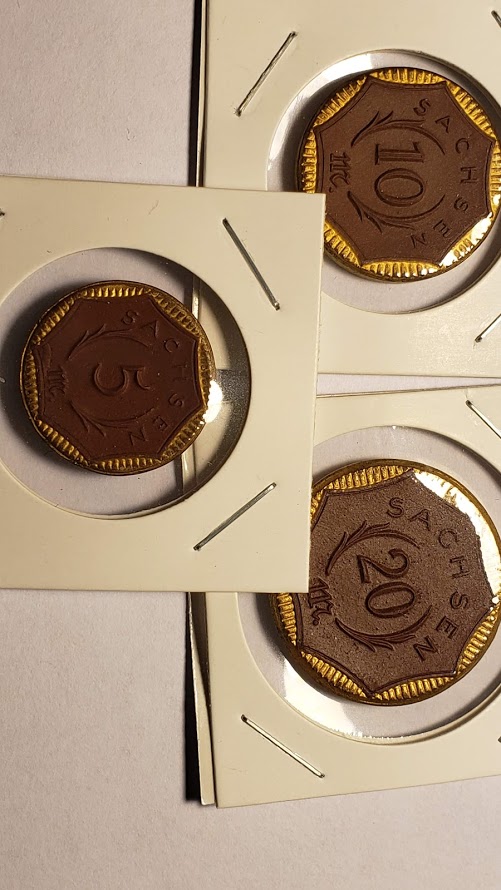
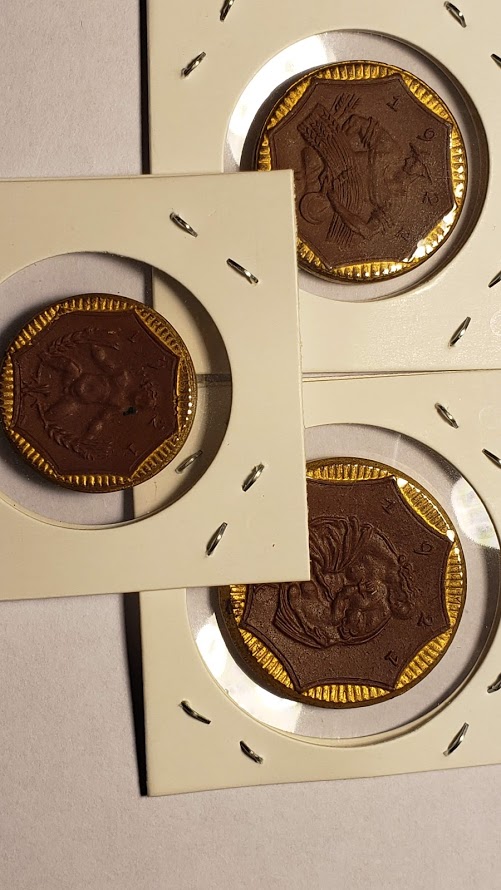
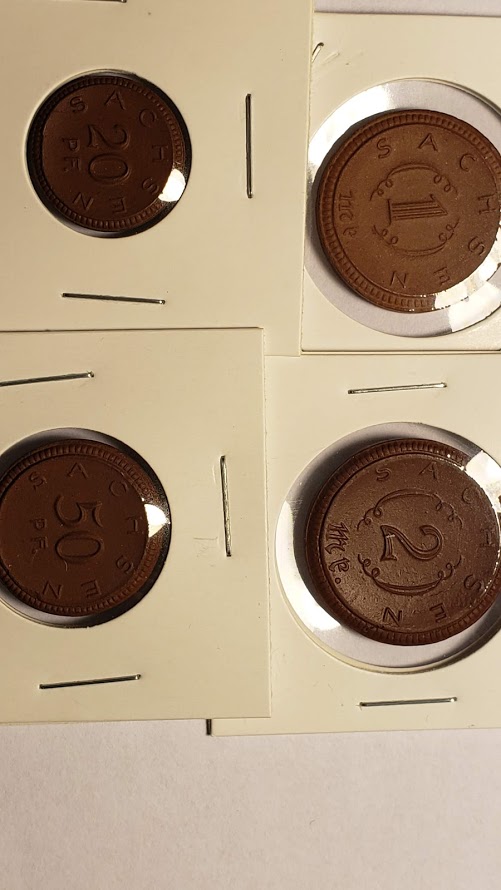
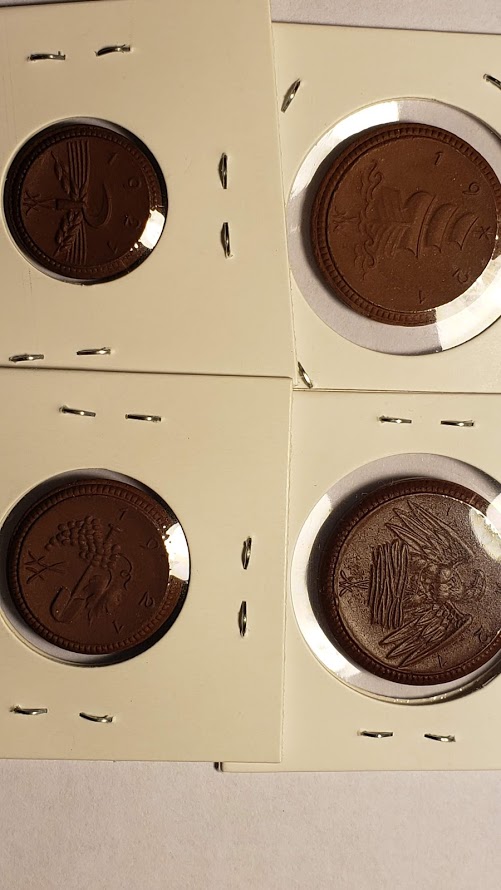
Quote: inherited this set of porcelain German Saxony notegeld coins. Not a clue what they are worth, but they sure are unique! Those are very nice. I really like how they look.  |
|
Valued Member
United States
272 Posts |
|
|
Valued Member
United States
272 Posts |
|
|
Valued Member
United States
272 Posts |
|
|
Moderator
United States
195985 Posts |
Nice group! |
|
Valued Member
United States
272 Posts |
|
|
Moderator
United States
195985 Posts |
Very nice! |
|
Pillar of the Community
United States
4883 Posts |
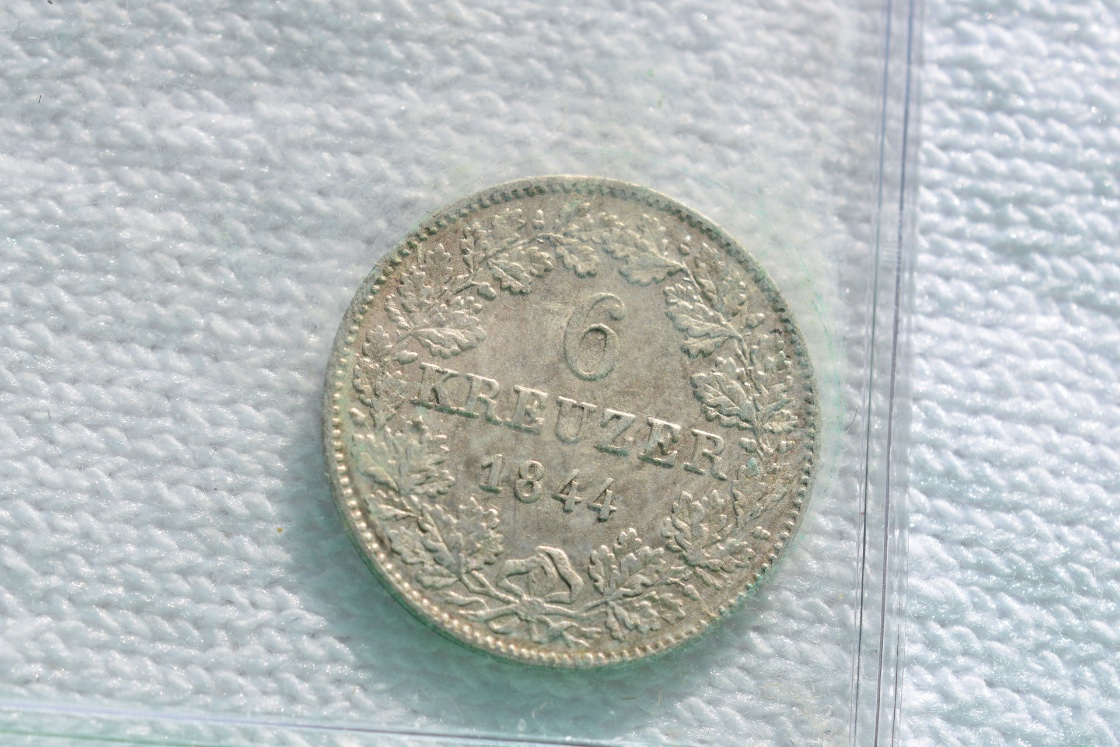
Prussian issue, minted in Frankfurt. Although marked as being silver, the fineness is actually quite low at .222, so it probably would be more accurately identified as a billon coin. 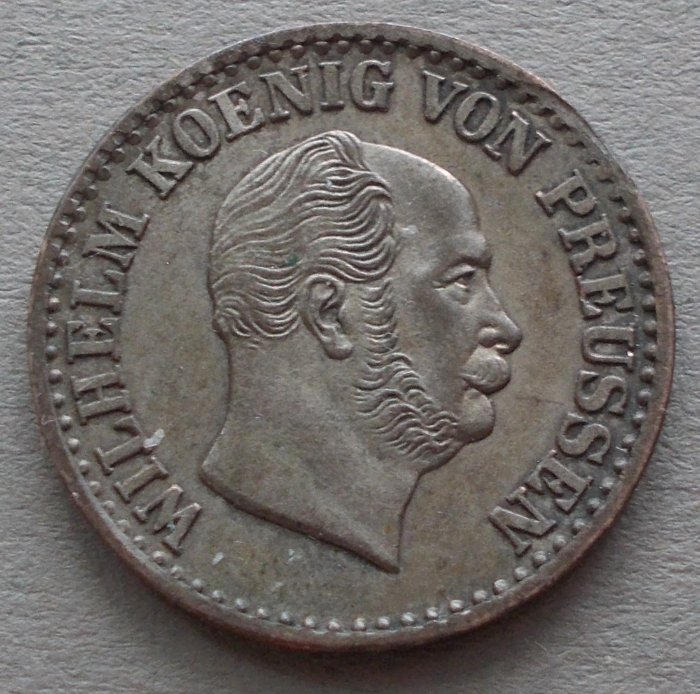 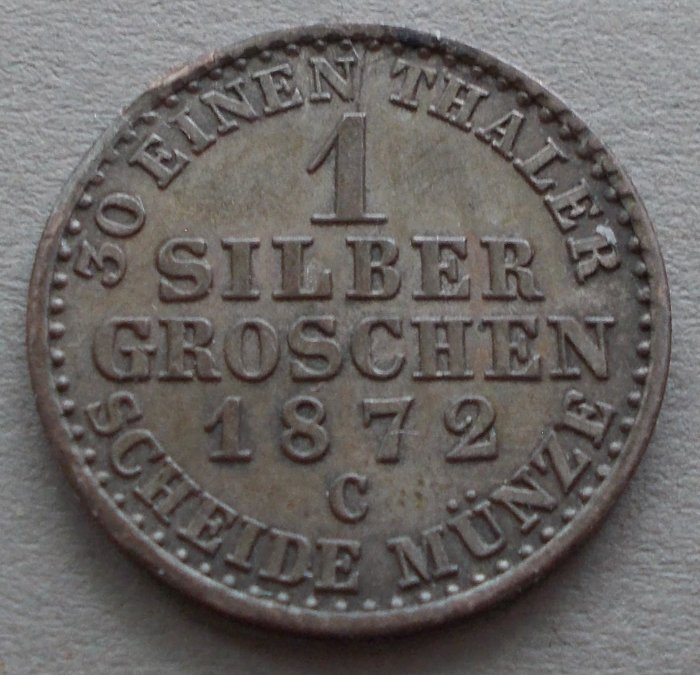 Colligo ergo sum
|
|
Moderator
United States
195985 Posts |
Quote:
Prussian issue, minted in Frankfurt. Although marked as being silver, the fineness is actually quite low at .222, so it probably would be more accurately identified as a billon coin. Excellent! |
|
Valued Member
United States
110 Posts |
Found this one in a garage-sale coin collection. Looks like it has had a hard life. Any info about it would be appreciated. 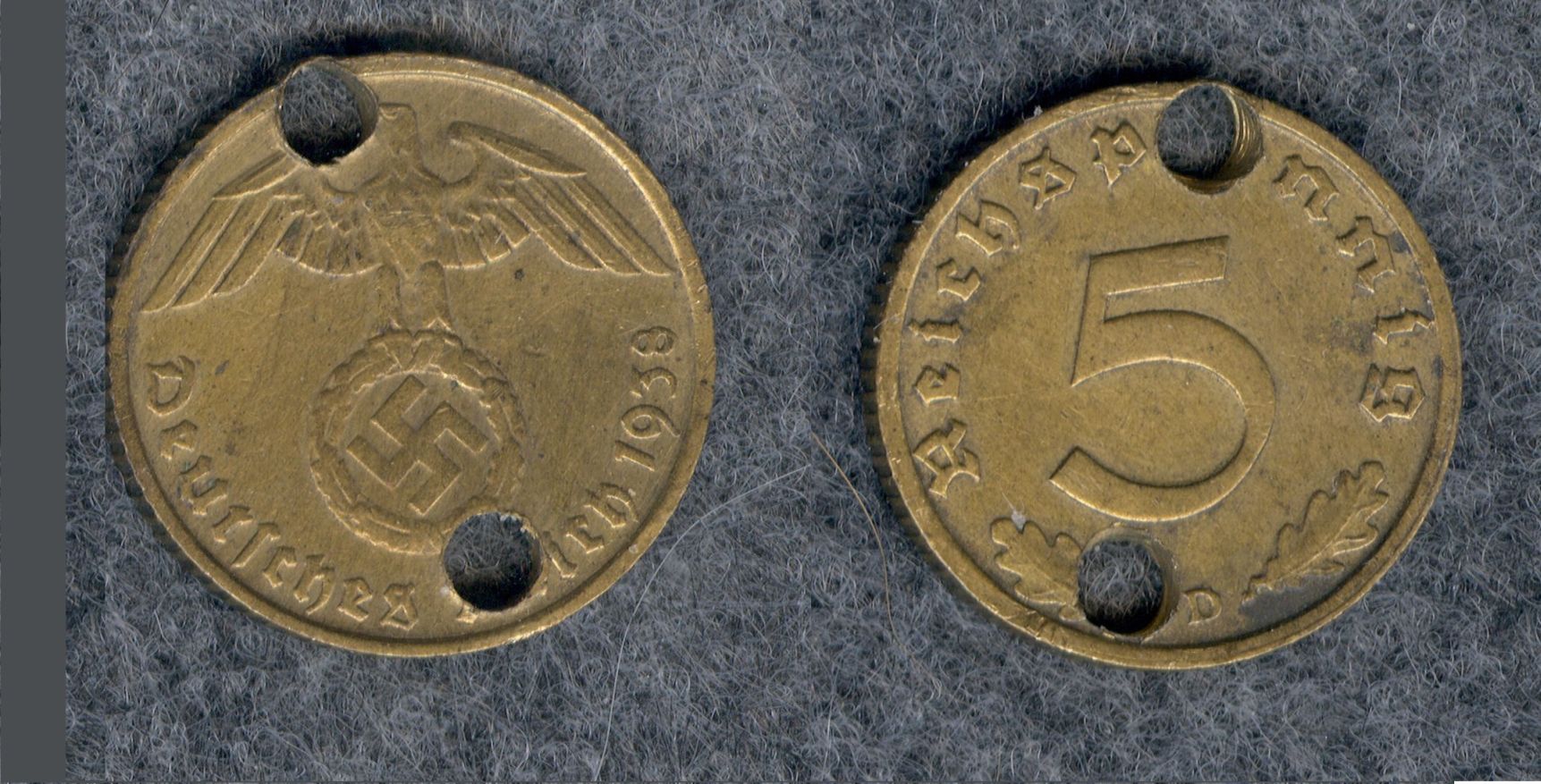 |
|
Bedrock of the Community
United States
12057 Posts |
@CoinsInVT -- Lovely porcelain Notgeld set!
The coins were struck using a type of porcelain known as Böttger-Porzellan (Boettgerware), glazed, fired, and then painted with gold paint or (much more rarely) applique gold leaf.
Many of them were fired at the famous Meissen factory in Saxony, northeast of Dresden, and can be found with the "crossed swords" Meissen trademark.
The issues made for actual circulation tended to be plain, without additional color, and range from clay red to chocolate brown. Much like the Serienscheine (fancy, ornate Notgeld paper money issues of 1921-1923), examples such as yours were decorated and sold as sets in presentation boxes to tourists and residents. As the clay used to fire the porcelain was abundant and basically free, they turned a tidy, if small, profit.
I think yours is probably one of those presentation sets, denominated from 5 Pfennig to 2 Mark and dated 1921; the obverses feature the "crossed swords" of Meissen and pictorial representations of German industry, trade, and agriculture. Yours appear to have been well taken care of.
I'd value your set at around $50-$70, with a 15-20% premium if you have the presentation box. A set identical to yours sold at Heritage Auctions in 2008 for $64 (+BP.) German collectors might pay more, especially since these issues are also of interest to collectors of Meissen porcelain. It's a lovely set and you should keep it and treasure it, and maybe it will spark an investigation into how it came into your possession all the way from Germany.
@pocketchange2, your coin is a brass 5 Reichspfennig issued by the German Third Reich in 1938. The obverse features the Reichsadler in its early, less aggressive Third Reich form, carrying a wreathed Swastika in its talons. The reverse has the mint mark "D" indicating that your 5 RPf. was struck in München (Munich.) It's been holed (twice) which usually means it was part of a coin bracelet or necklace. 17.7 million were minted at Munich in 1938, the 2nd highest mintage of all of the 1938 issues; the coins with the "B" mintmark (Hanover) are the lowest mintage at only 3.47m.
As the war progressed, the coin was switched to a zinc composition in 1940, which lasted for the duration of the war; the eagle was given a more warlike, menacing pose, and the size of the Swastika was reduced.
Value is minimal due to the holes, but if you can divorce numismatics from German history (i.e. if it's not offensive to you) you might want to keep it in your collection anyway.
@The rest of CCF, keep those German beauties coming!!
Member ANA - EAC - TNA - SSDC - CCT #890 "Most of the things worth doing in the world had been declared impossible before they were done." -- Louis D. Brandeis Edited by paralyse
08/11/2019 7:43 pm
|
|
Moderator
United States
195985 Posts |
Nice find! |
|
Pillar of the Community
United States
4883 Posts |
Württemberg 1 Kreuzer, again a billon issue at only .166 fine. This was the first year for this type, with 86.000 being struck. Diminutive at just 14 mm in diameter. 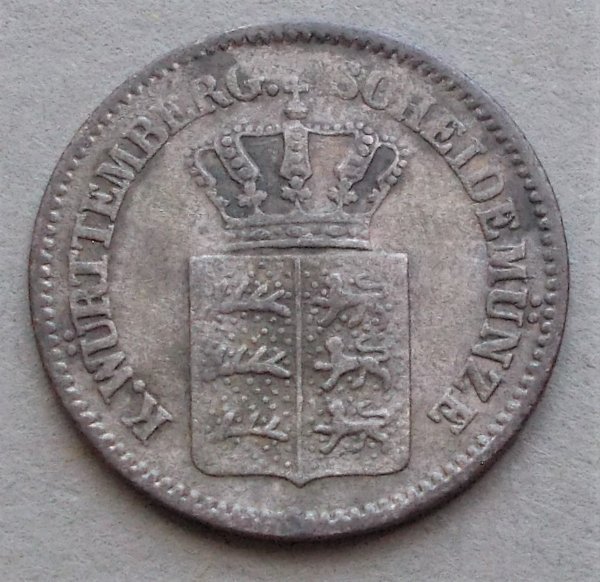 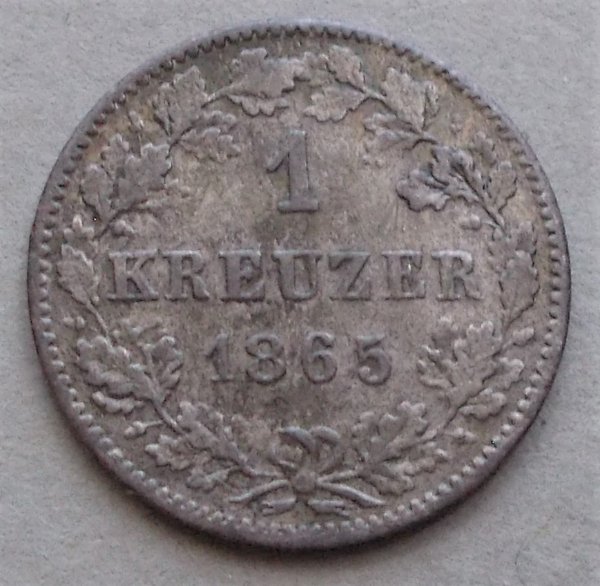 Colligo ergo sum
|
| |
Replies: 1,033 / Views: 89,106 |







 First Page
 Previous Page



 Posted 07/23/2019 10:10 pm