First Page




 Posted 12/02/2016 09:08 am


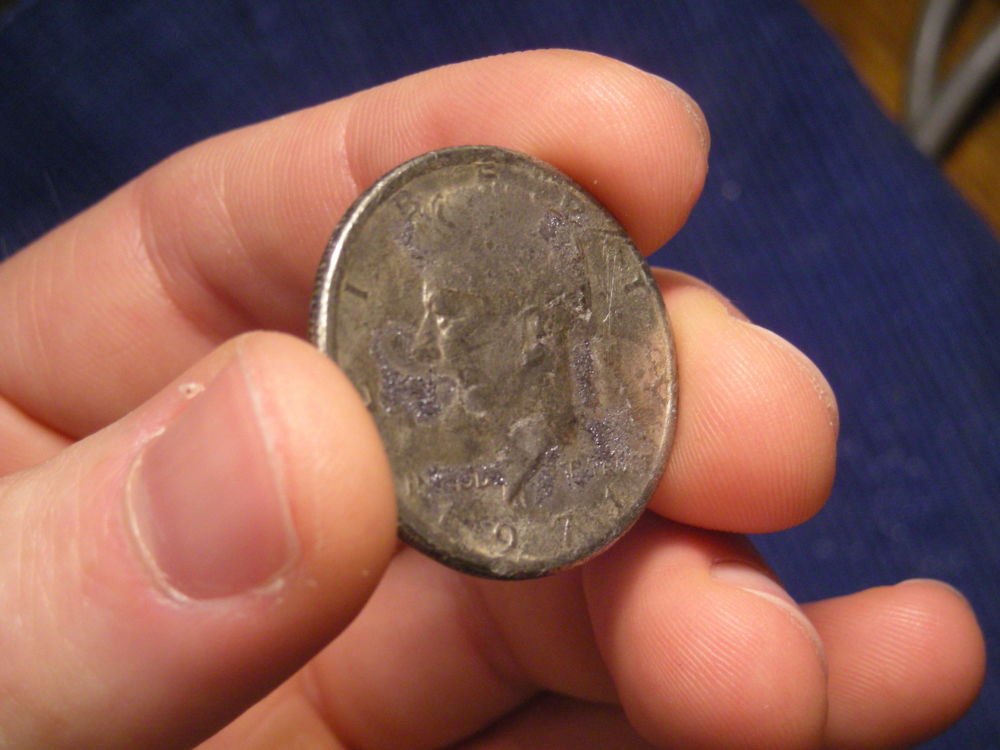
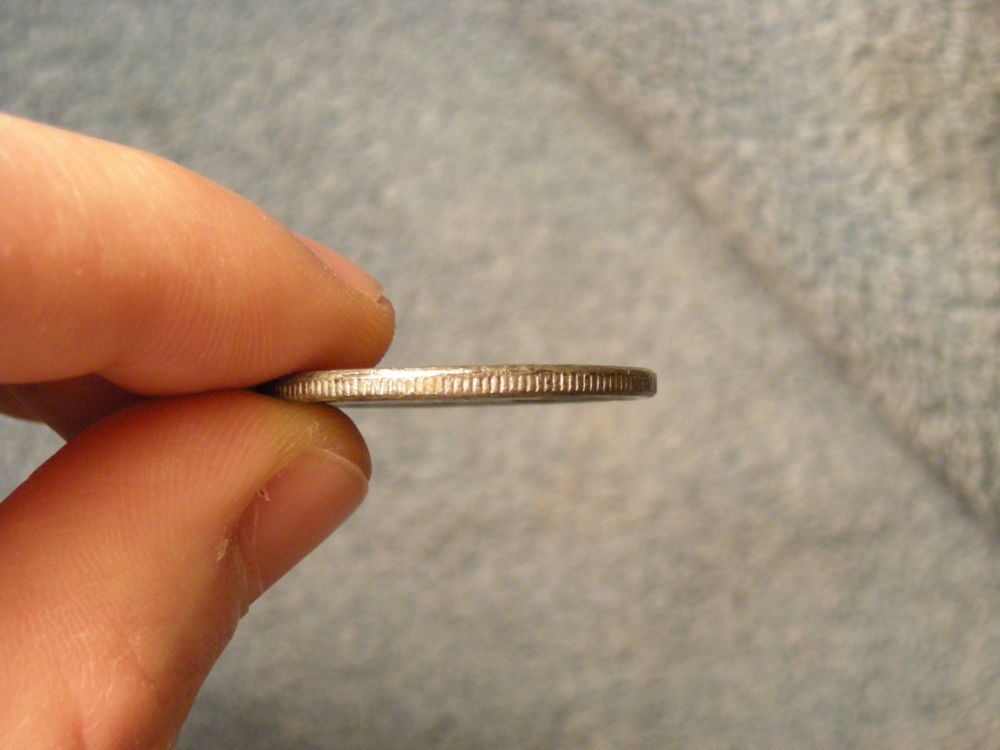
I don't think I have a picture saved on this computer (I'm at work right now) of the half, but here is one of my counterfeit 2004 nickel. Obviously it's worth it to someone to make these things.

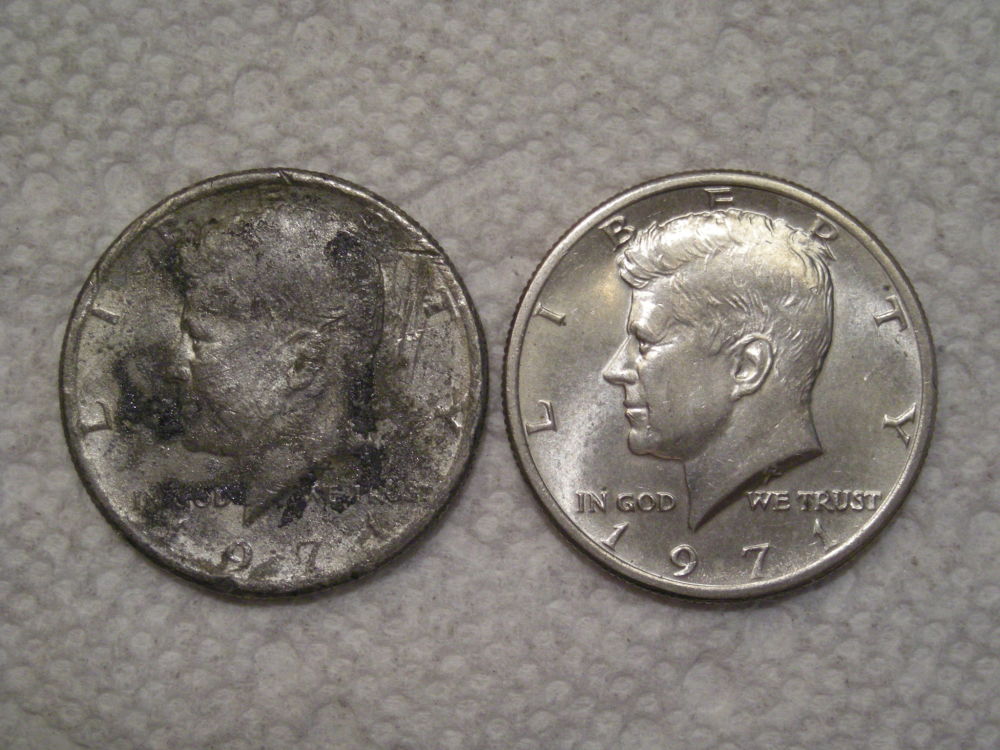
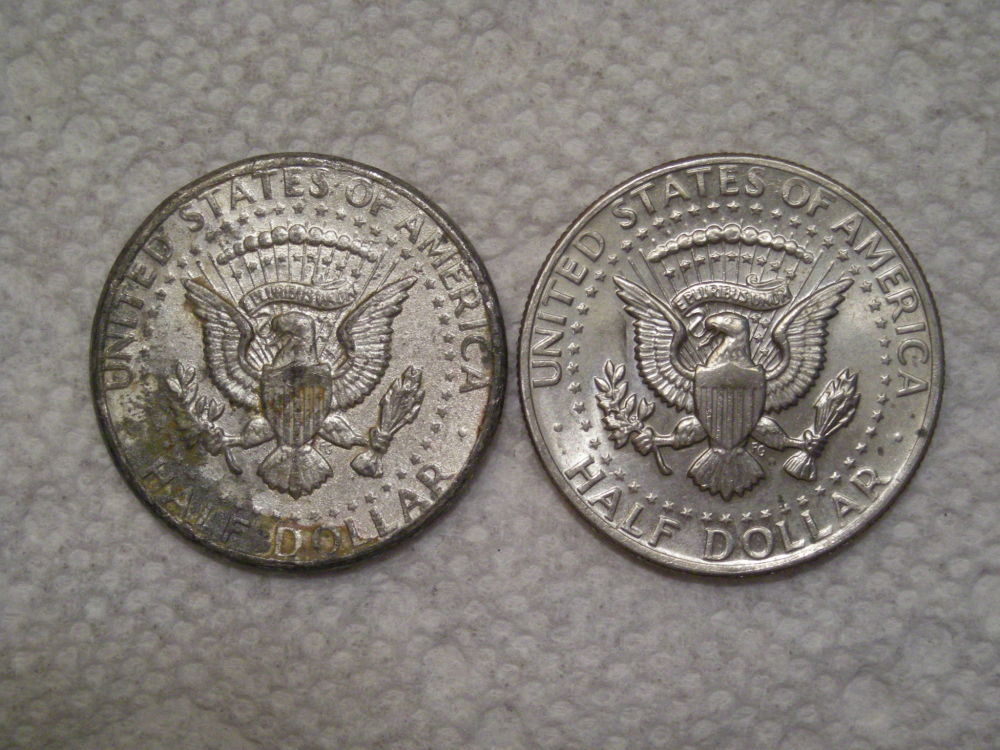
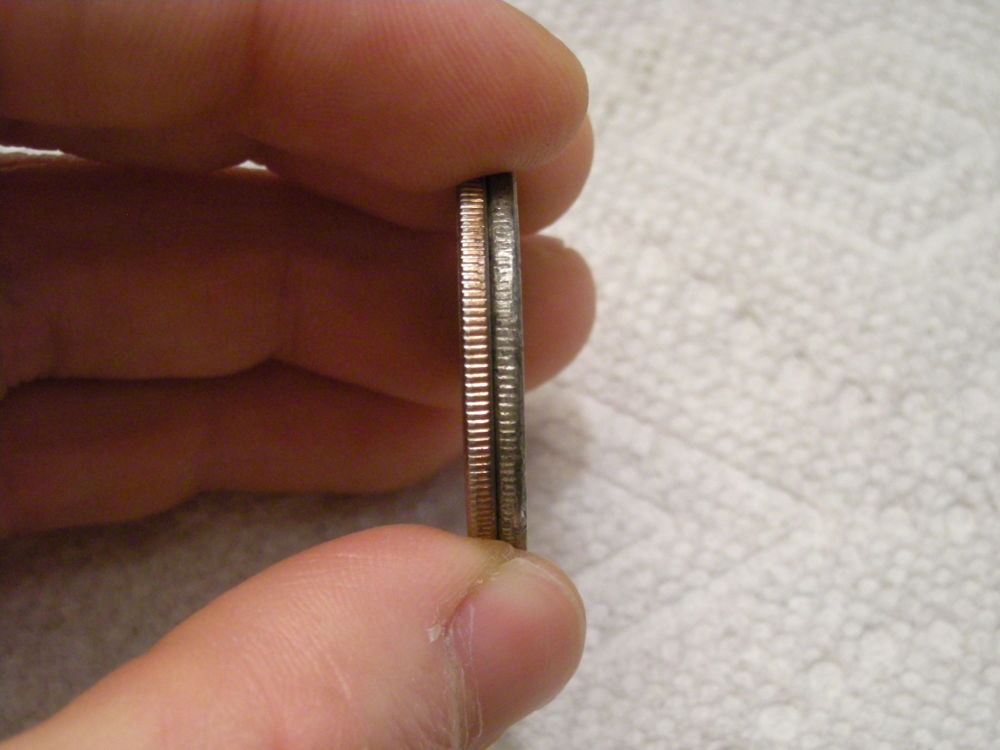
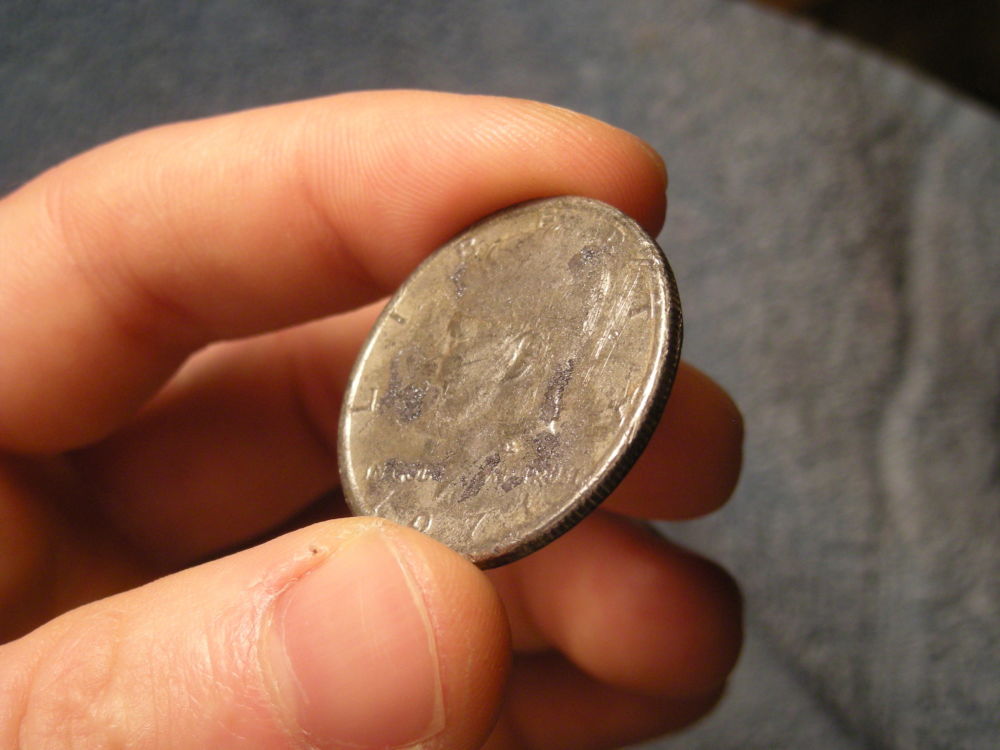
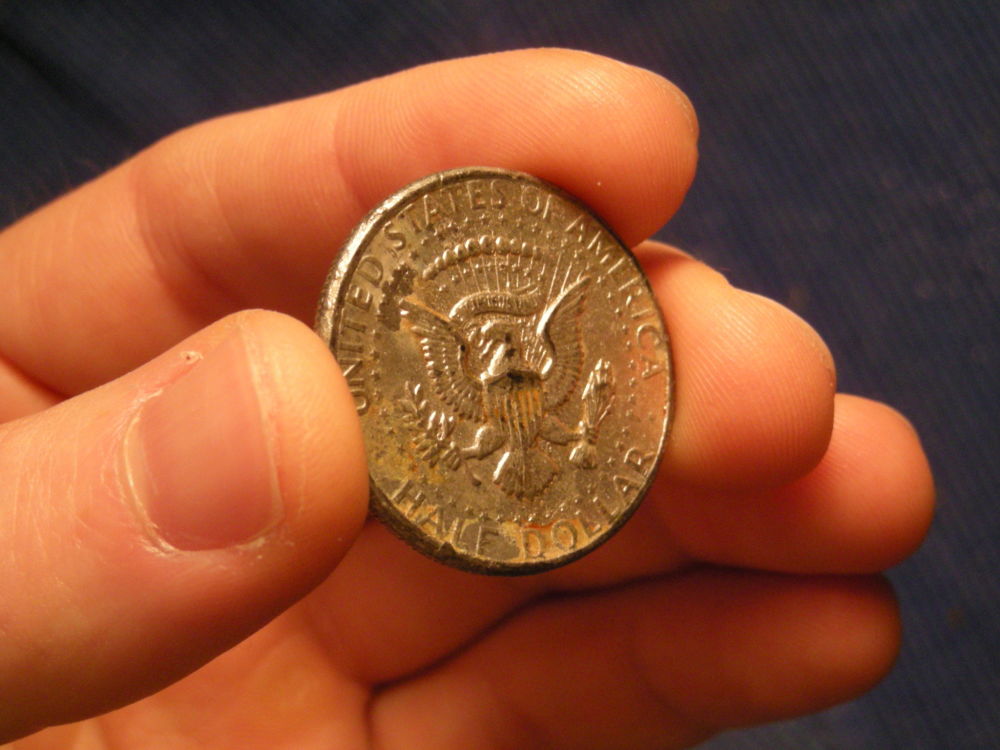
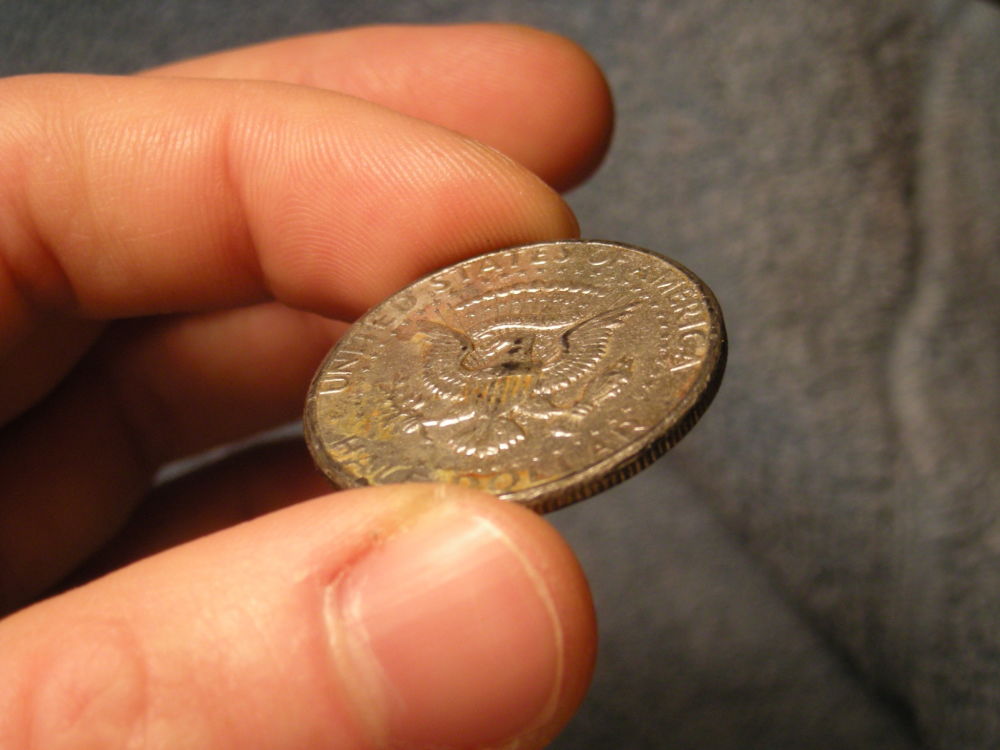
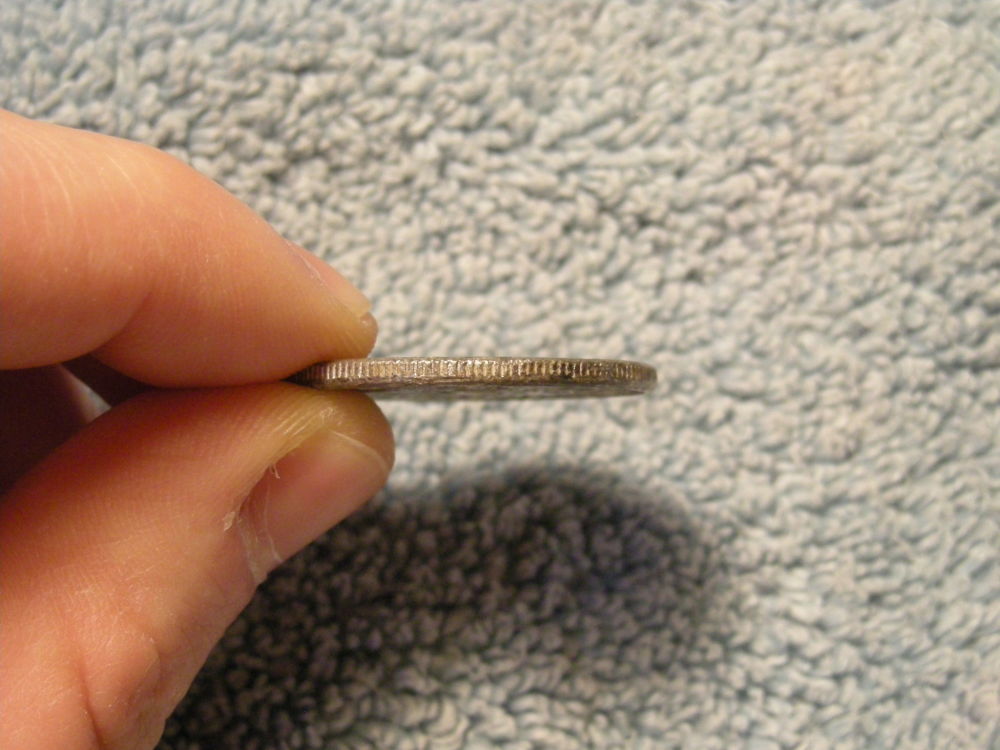
I'll fire up the camera, scale, and XRF scanner when I get home and post some definitive numbers on the half I own. If the weight matches up that's a start to determine what you actually have.
Here is a quick test too, Have you tried to see if it's magnetic? All of my modern counterfeits are magnetic.

I'll fire up the camera, scale, and XRF scanner when I get home and post some definitive numbers on the half I own. If the weight matches up that's a start to determine what you actually have.
Here is a quick test too, Have you tried to see if it's magnetic? All of my modern counterfeits are magnetic.
Edited by davec13
12/02/2016 09:12 am
12/02/2016 09:12 am