| Author |
 Replies: 981 / Views: 97,761 Replies: 981 / Views: 97,761 |
|
|
|
Pillar of the Community
United States
9395 Posts |
Quote:
@pepactonius - I wanted to just let you know how I have enjoyed the postings here and on the German States thread. The depth and breadth of your collection is astounding. Furthermore, the quality of your images are top notch. I hope there is more to come. Quote:
Your interest too is most peculiar. I generally ignore half thalers and wont even consider fractional coinage. But you have a good mix of everything, including some very obscure pieces from places I've never even heard of. I salute you. I have no idea how you manage what must be an immensely sizable collection but all the more kudos to you My collection isn't really as broad as it looks -- take a look at some of the "Days of ..." threads over in the US section. For many types (like Buffalo nickels, Indian Head cents, Barber coinage, etc.), I have only a few coins to post. According to Numista, I have 1430 coins (excludes gold/silver stack and most US silver/gold coins). My main subcollections are: - OFEY (One from Each Year) -- 1498-2019 are complete. Some of the German coins come from this subcollection, as I try to avoid posting too many Hungarian denars, Lithuanian half-groats, Swedish Livonian shillings,etc. - OFEC/OFEI (One From Each Country/Issuer) -- Many of the German coins are from this subcollection. This is Numista-based. - OFEG (One For Each Gimmick) -- low-priority subcollection with unusual coins: colorized, extra large/small/old, glued-on items, holograms, ultra high relief, unusual composition, etc. - Dollars, Crowns, etc. -- Quite a few US, not so many foreign. - US type -- Been doing this for 60+ years - Gold/silver stack -- mostly pre-33 bullion coins here. |
|
Pillar of the Community
United States
9395 Posts |
Quote:
I second that. I'm not sure who does your photography but it's most excellent. Especially in the German State thread, you capture the detail on fractional/tiny coinage perfectly. Each image is vibrant and enjoyable to look at. Thanks. I just use a setup functionally equivalent to the $400 setup discussed in this thread: http://goccf.com/t/158182Unless you are a pro, you don't need a fancy camera or lens to take coin pics. The most important factor in coin photography is the lighting. |
|
Pillar of the Community
United States
9395 Posts |
Union of South Africa -- 5 shillings, 1960:  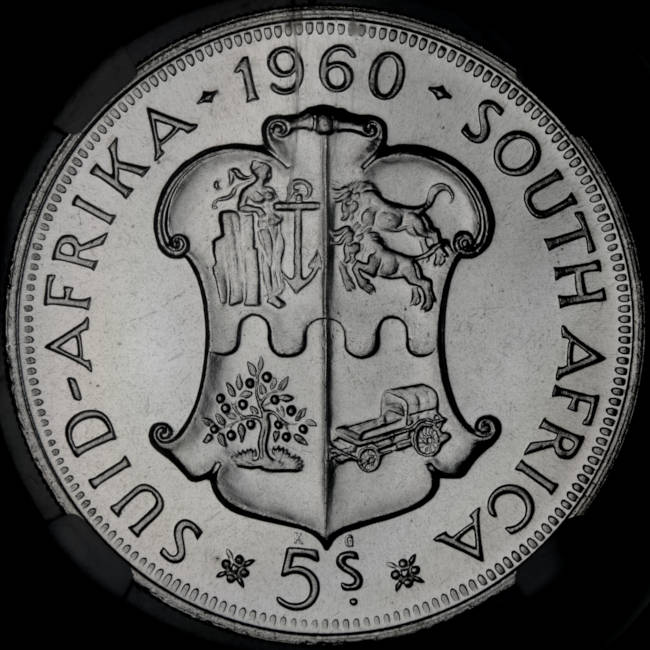 |
|
Pillar of the Community
2087 Posts |
{Just joking} What do you mean crowns... as this coin would say the word is "Thaler".....The coin is a strike from between 1515 and 1520, most likely this variety was struck 1519. 1520 was the date they actually got permission to produce the coin. The coin is, of course, the grand-daddy of crowns... a Joachimsthaler guldengroschen 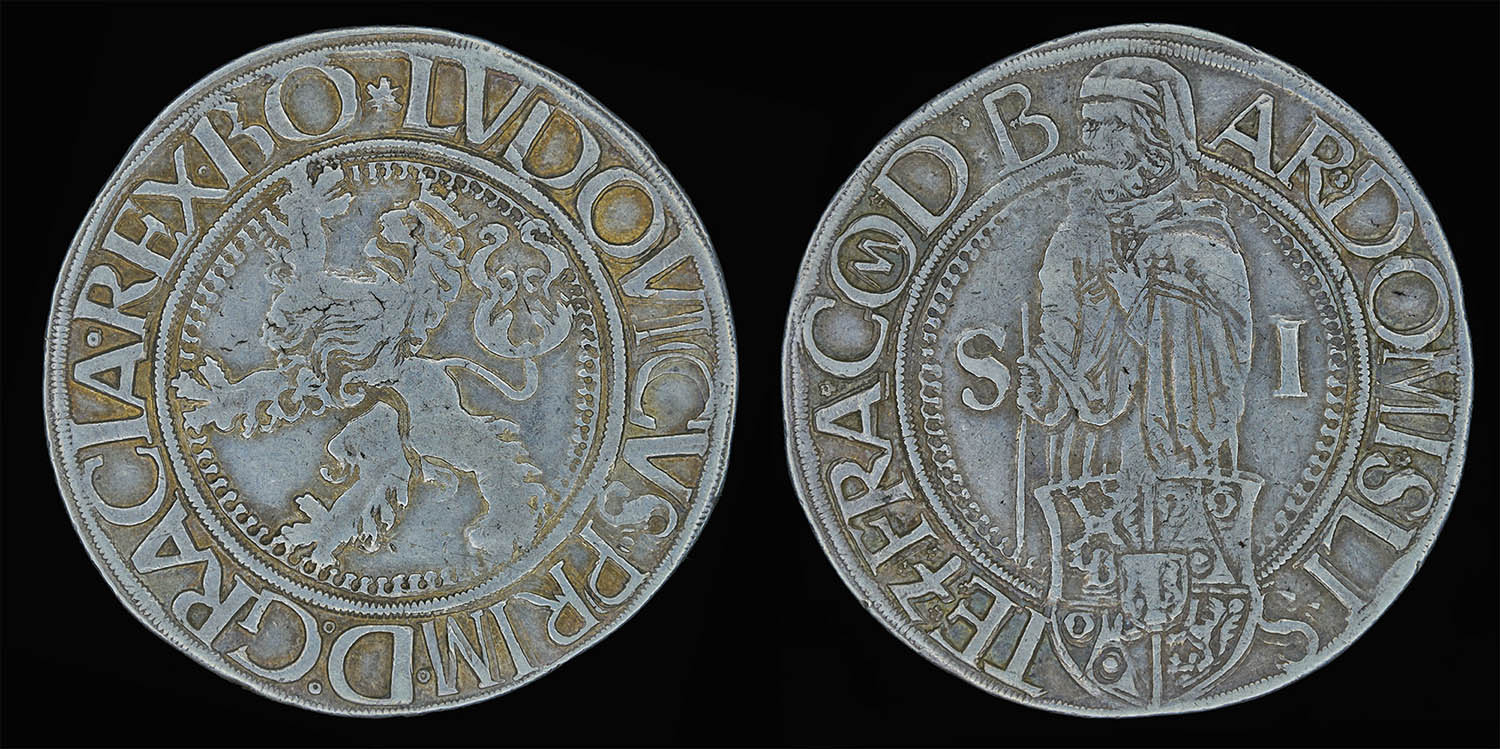 Edited by austrokiwi
05/05/2019 1:22 pm
|
|
Pillar of the Community
2087 Posts |
Matt proof Ethiopian Birr 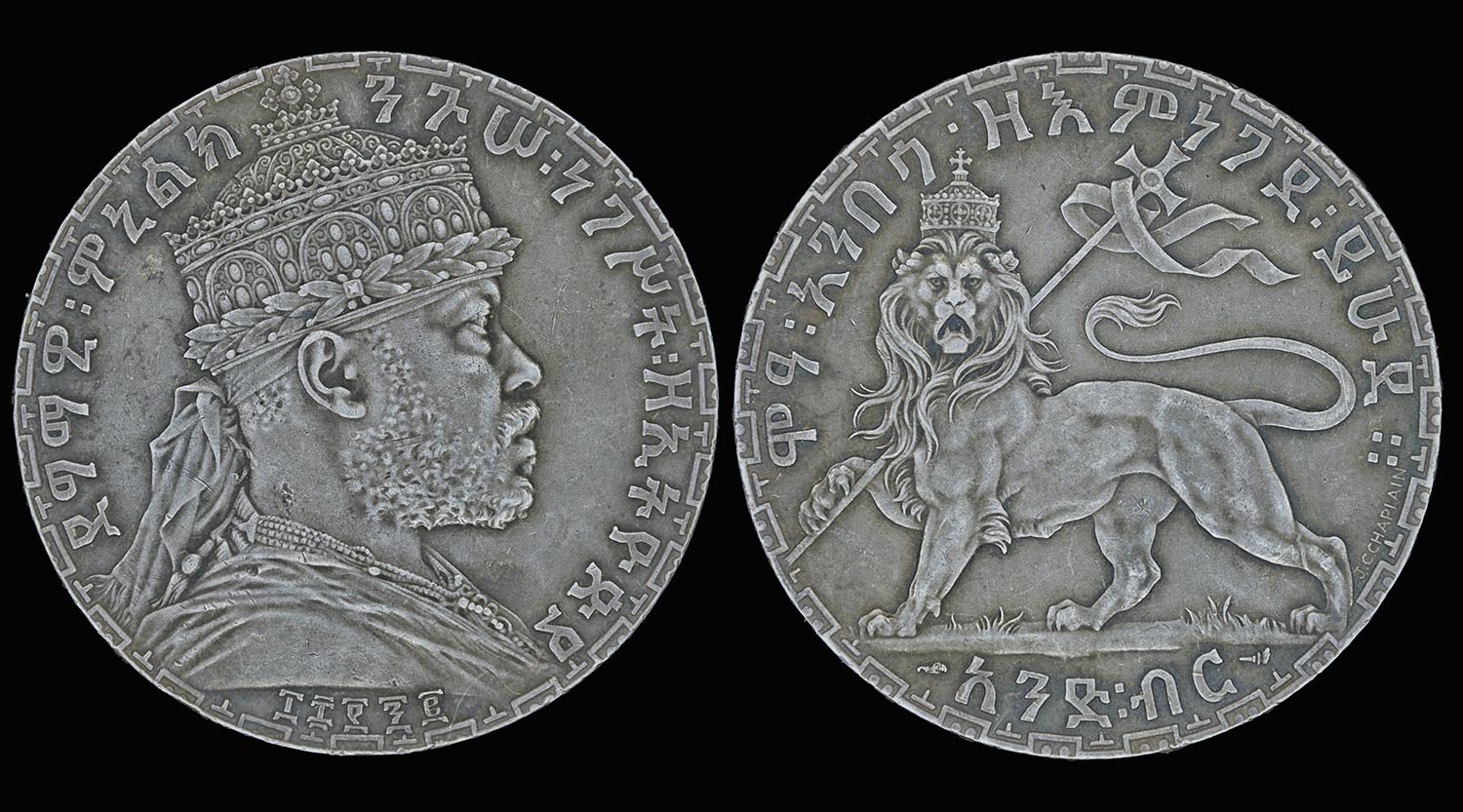 |
|
Pillar of the Community
United States
584 Posts |
|
|
Valued Member
 United States
414 Posts |
Nice pieces austrowiki! Very nice birr! One of my favorite coins - simply a superb lion design.
As for the Joachimsthaler, I always thought the guldiner was the granddaddy of thalers :)
|
|
Moderator
 United States
195906 Posts |
Looking good!  |
|
Pillar of the Community
United States
584 Posts |
Is "Joachimsthaler" the first use of the word, "thaler?"
|
|
Pillar of the Community
2087 Posts |
Quote:
Is "Joachimsthaler" the first use of the word, "thaler?" In relation to coins yes. Thaler means from the valley. a Thal is a valley. Like the Thayatal ( modern spelling drops the "H" in Thal and thaler) between Austria and the Czech Republic. Guldengroschen were first produced in Hall mint in Tyrol in 1486. They were expensive coins costing almost as much as they were worth to make. They were really just that times version of a collectors coin. When the Schlicks opened up their silver mines( funded by Saxon bankers)in the joachimsthal, they produced their own Guldengroschen: a silver Groschen worth a gulden( gold ducat) The mines were located in Joachimsthal ( st Joachims valley) the coin ended up with three nicknames: Joachimer which became Jefimok in Russia. Schlickiener... which was probably disparaging. The Schlick families father had been enobled and some nobles at the time believed it was achieved by fraudulent means... so the Schlicks' were looked down upon by the members of the Bohemian Land Diet. The Nickname that passed into Germany was thaler. Which became dollar ( as early as at least 1553)in England. Unlike the Tyrolean coin, the Bohemian was a commercial success Edit: I used to believe Dollar was an Americanisation of Daalder, as argued by Petr Vorel. However, I recently had another collector point out "Dalers" was being used (Dale = Thal)in English publications as early as 1553. For anyone who is interested in the earliest reference to "Spanish dollar" that has been pointed out to me so far is from 1581 when the term "Philippes Dolar" was used. Edited by austrokiwi
05/07/2019 1:38 pm
|
|
Pillar of the Community
United States
584 Posts |
Thanks for that excellent post, austrokiwi.
|
|
Moderator
United States
195906 Posts |
Quote:
Thanks for that excellent post, austrokiwi. Yes, thank you! I learned a lot that I did not know. |
|
Pillar of the Community
2087 Posts |
I missed cableguys post"
Guldiner = Guldengroschen If you go back to my explanation of where thaler comes from you will understand why the JOachiims thaler is the true grandaddy... not the guldiner
|
|
Valued Member
United States
414 Posts |
awesome history austro! Thank you for that. Being of Russian ancestry, the point you made about the Jefimok was particularly interesting.
|
|
Pillar of the Community
United States
9395 Posts |
One of the most common crowns: Kingdom of Belgium -- 5 francs, 1873: 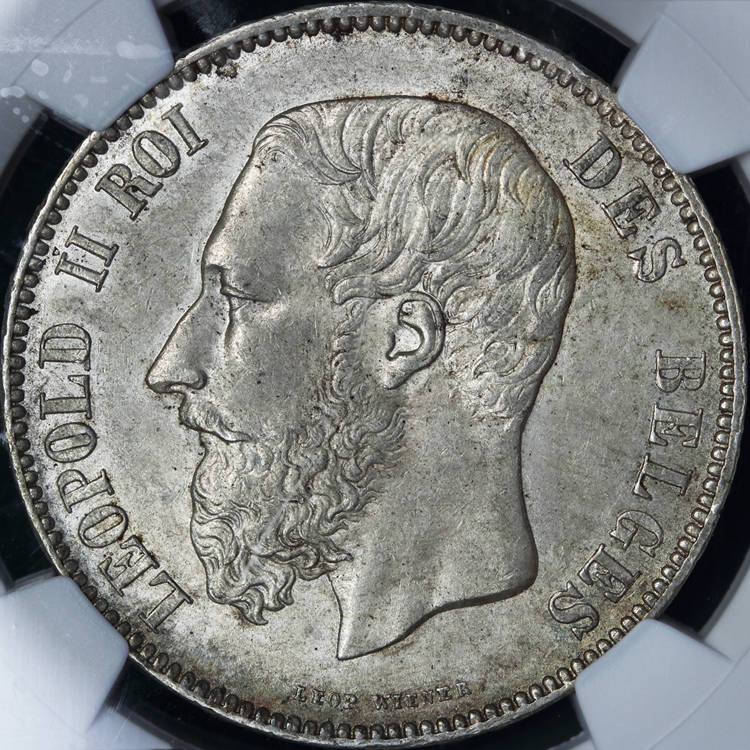 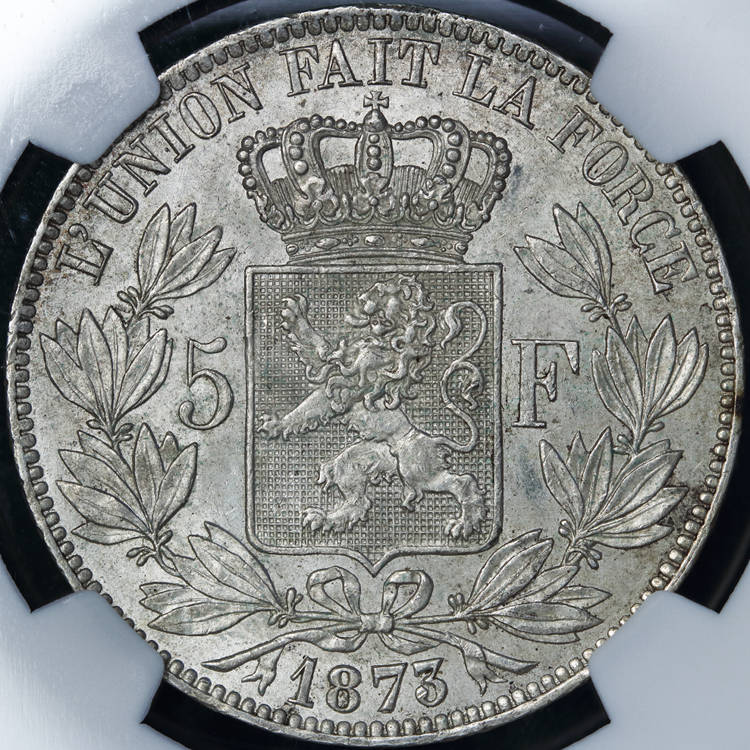 |
| |
Replies: 981 / Views: 97,761 |








 First Page
 Previous Page


 Posted 04/29/2019 12:02 pm


