Coin Community Family of Web Sites
300,000 items to help build your collection! Specializing in Modern Numismatics Royal Canadian Mint products, Canadian, Polish, American, and world coins and banknotes. Coin, Banknote and Medal Collectors's Online Mall Vancouvers #1 Coin and Paper Money Dealer Royal Estate Auctions - $1 Coin AuctionsShop CCF Members on eBay!


Username:
Password:
Save Password
Forgot your Password?


This page may contain links that result in small commissions to keep this free site up and running.

Welcome Guest! Registering and/or logging in will remove the anchor (bottom) ads and the security checks. It's Free!

Definitive Test For Black Beauty Nickels

To participate in the forum you must log in or register.
First Page Previous Page  Showing last 15 replies.
Author Previous TopicReplies: 310 / Views: 80,597Next Topic
Page: of 21
Pillar of the Community
United States
1776 Posts
 Posted 10/06/2026  2:41 pm  Show Profile   Bookmark this reply Add colonialjohn to your friends list
So the study so far will contain three specimens:

1. 1958-P Jefferson BB in ~AU/UNC (Raw). Glossy Black appearance.
2. 1959-P Jefferson BB in ~AU/UNC (Raw). Glossy Black appearance.
3. 1958 or 1959-P Normal Nickel Looking Jefferson ~AU/UNC (Raw).
4.?

This comment period may direct us to look at other specimens but I want to limit it to maybe 4-6 specimens. Since sintered is OUT still looking for OTHER recommendations preferably of the same 5C Jefferson denomination. A great question does a BB occur on another date/mintmark other than Philadelphia in 1958 & 1959? Keep the inquires/pics coming here & privately to my E-Mail. JPL
Edited by colonialjohn
10/06/2026 2:48 pm
Pillar of the Community
United States
2826 Posts
 Posted 10/06/2026  3:36 pm  Show Profile   Bookmark this reply Add CoinHI to your friends list
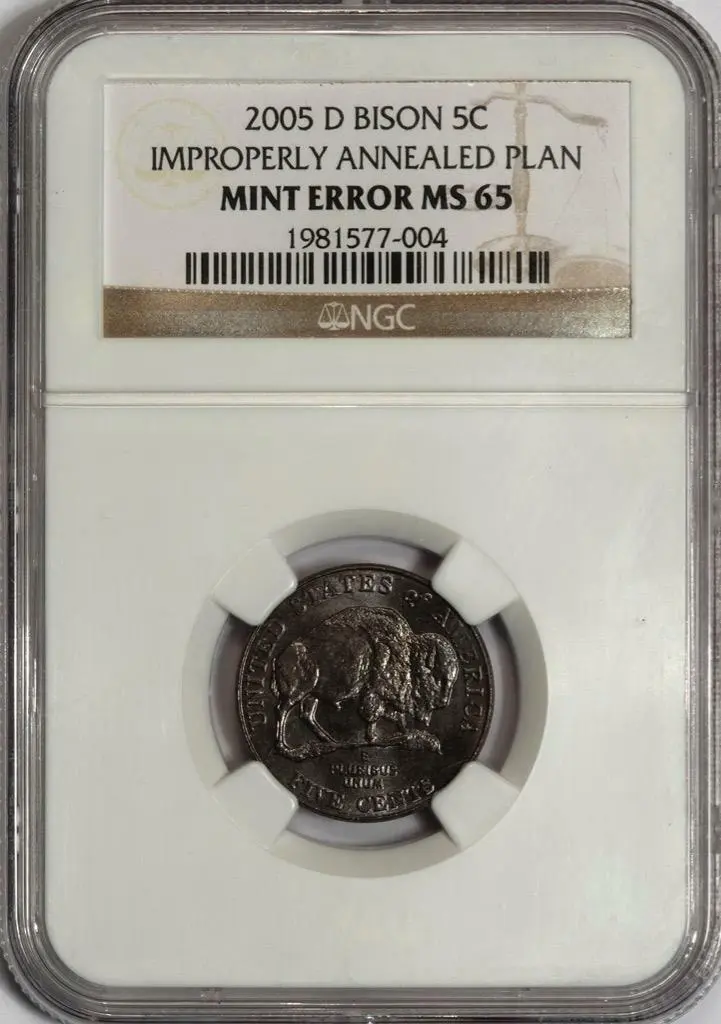
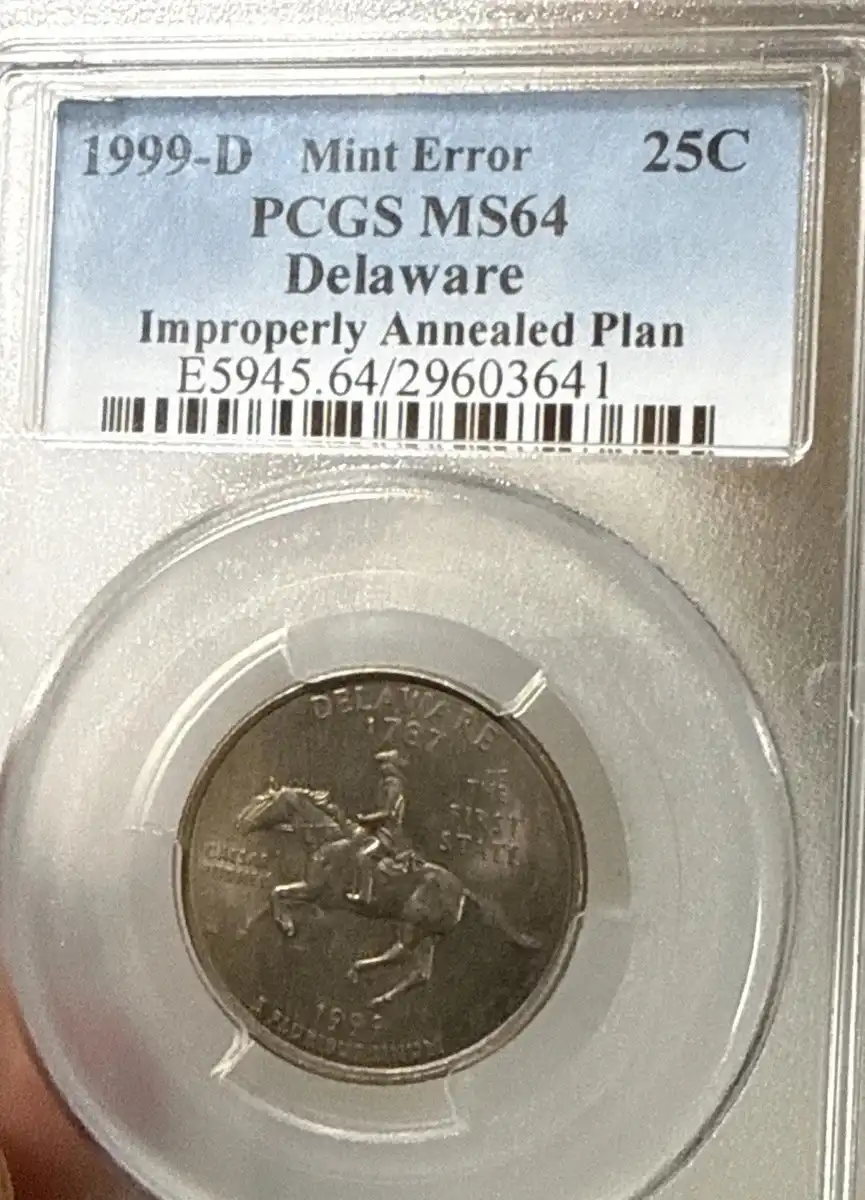
A quick ebay search and I found these coins.

Improperly annealed planchets come in many different denoms, years, and colors. The Black Beauties are the more minor forms of this error but gained popularity early on amongst error collectors and hence got a fancy name.

I had a top expert convinced my above 1959 example was not an improperly annealed error which is what prompted me to get it graded. That example was obvious to me as a genuine error but I would not expect minor examples to be accurately labeled by the majority of TPG workers especially outside of the 1958-59 Jefferson examples.


Definitive-Test-For-Black-Beauty-Nickels
"Pride is yoked with callous behavior, as humility is with compassion." St. Gregory Palamas

Top Finds - 1969-S 1c FS-101 http://goccf.com/t/477681 1976 D WQ FS-101 http://goccf.com/t/382777 - 1968 D 1c FS-801 http://goccf.com/t/422254
Cool clashed dies - 1972 D 1c http://goccf.com/t/429855&SearchTerms=CCL
Struck-In Rim Burr - 1969 S 1c http://goccf.com/t/425587&SearchTerms=burr
Floating (Type II) Counterclash - 1978 D 1c http://goccf.com/t/434991&SearchTerms=1978


Edited by CoinHI
10/06/2026 3:43 pm
Pillar of the Community
United States
1776 Posts
 Posted 10/06/2026  5:31 pm  Show Profile   Bookmark this reply Add colonialjohn to your friends list
I probably could spend the remaining years of my life doing XRF/SEM-EDS dual analysis papers on improper annealed types but like you said these Jeffersons have a lot of hype, the guys on this forum having been going on this merry-go-round for nearly a decade. This seems to be a good example of taking an improper annealed situation (i.e., Black Beauty Jefferson nickel) and putting it under an intensive metallurgical analysis. I did suggest to Mike Byers let me know if you have other error examples that could benefit from this service. We discussed one different type of error that could not work I think it was a Shield Lincoln Cent that many people thought was a high purity Cu blank type piece. This was a no-go based on our discussions then the BB's popped up. Perhaps after this project another error type is in order?

Improper annealing shows up across all denominations in a few predictable ways. When a blank is overheated or exposed to too much oxygen, the surface chemistry shifts: copper migrates toward the surface, nickel retreats, and oxide films thicken. On clad coins like dimes and quarters, this produces patchy copper blushes, orange or brown washes, or even full gunmetal surfaces similar to Jefferson BBs. On copper plated zinc cents, the plating itself can darken, burn, or turn uneven because the thin copper shell reacts quickly to thermal mistakes.

Under annealed blanks behave differently—they stay too hard. That hardness prevents proper metal flow during striking, so devices look weak, grainy, or uneven. Over annealed blanks go the opposite direction: they become too soft, leading to mushy details and an "orange peel" texture. Across nickels, dimes, quarters, dollars, and cents, these color shifts and strike distortions are all variations of the same root cause: the furnace didn't set the metal's hardness and surface chemistry correctly.

You are right this is just one example in this UNIVERSE of improper annealed U.S. coin errors.
Edited by colonialjohn
10/06/2026 5:34 pm
Pillar of the Community
United States
1776 Posts
 Posted 10/08/2026  08:29 am  Show Profile   Bookmark this reply Add colonialjohn to your friends list
If anyone has a Black Beauty outside of 1958 - P or 1959-P Jefferson nickel please post a picture if the coin is raw and not slabbed. Similar to the recent 2005-D Bison in a PCGS. When posting explain the surfaces as glossy or rough and the coloration. Just curious. I may test one or two outside of 1958 and 1959 from the Philadelphia mint and prefer possibly something from the late 1950's or early 1960's in a U.S. nickel denomination for this project. The coin will need to be rim polished but the area on the rim to be treated the area is ~1-2 mm in length. Will contact in January 2027 to send to me. Can be done privately via my E-Mail. Again raw and will be edge polished. After the paper is written coin will be returned.
Pillar of the Community
United States
6207 Posts
 Posted 10/10/2026  03:50 am  Show Profile   Check tropicalbats's eBay Listings Bookmark this reply Add tropicalbats to your friends list
I likely have such things from BU rolls mostly. But I am away from home right now and best if you PM me first week of November and I can get you pics or send you coins. I know I have dates outside of your focus dates.


Pillar of the Community
United States
1776 Posts
 Posted 10/10/2026  10:11 am  Show Profile   Bookmark this reply Add colonialjohn to your friends list
OK Tropicalbats. As previously mentioned there are now three specimens in the analytical testing pool:

1. 1958-P UNC RAW BB. Acquired.
2. 1959-P UNC RAW BB. Acquired.
3. To be purchased a normal nickel looking 1958-P or 1959-P AU/UNC as a standard testing specimen.
4. TBD = A black glossy or non-glossy blue or non-blue toned Jeff 5C specimen. RAW or TPG labeled improperly annealed. Outside of the 1958 & 1959-P Jeff 5C population.

As I go through the universe based on the level of the collector on ebay so to speak I do see grayish specimens called BB's and others where the surface is NOT glossy but rough which is diagnostic of environmental damage or if outside of 1958-P & 1959-P probably just black darkened due to sulfides/chlorides ONLY and these are just environmental damage. However I think what will be VERY INSTRUCTIVE is a raw/BLACK/glossy or not glossy/near UNC or UNC black specimen not of 1958-P or 1959-P. We see two good candidates recently by CoinHI but if slabbed is the person willing to break them out for this study, retain the TPG label of course with the coin and PROCEED with the testing which again will require 1-2 mm of edge polishing. Of course with slabbed PCGS/NGC improper annealed coins not of 1958-P or 1959-P is their a blue undertone due to cobalt and if not this would be good a good candidate anyway. As we proceed forward it can be shown that all other nickels outside of the current two Philly years of 1958 & 1959 are not BB's since the Co levels are not elevated. Elevated to what level? We currently do not know. Co appears in nickel as an ore refined contaminant. But in 1958-1959 current research shows just at single digit ppm levels if not a BB type. To be determined. So having said this should narrow your field of pics submissions but a dark specimen of this period without a blue glossy tone is also a MUST IMO to report on why dozens of people now on ebay are selling BB's currently and they are not of the diagnostic glossy/blue tone appearance. JPL
Edited by colonialjohn
10/10/2026 10:25 am
Pillar of the Community
United States
1776 Posts
 Posted Yesterday   09:56 am  Show Profile   Bookmark this reply Add colonialjohn to your friends list
OK Tropicalbats. As previously mentioned there are now three specimens in the analytical testing pool with two further candidates:

1. 1958-P UNC RAW BB. Acquired. Both unpolished & edge polished target points.
2. 1959-P UNC RAW BB. Acquired. Both unpolished and ege polished target points.
3. To be purchased a normal nickel looking 1958-P or 1959-P AU/UNC as a standard testing specimen. Probably rainbow toned. No edge polishing. Examine the elements causing rainbow toning.
4. Sintered Planchet (Proposed). No edge polishing. Same reason as (3) examine the elements causing surface sintering.
5. TPG broken out Environmental Damage Black Jefferson nickel (Proposed). No edge polishing. Same reason as (3) examine the elements causing the surface damage - granted which will vary from one specimen to another.

From previous experiences and other similar analyses we expect something of this order when comparing a sintered planchet to a Black Beauty: A Jefferson nickel exhibiting a sintered-planchet appearance is generally believed to result from a metallurgical defect in the coinage strip itself. During alloy production and rolling, poorly bonded metal regions, trapped oxides, inclusions, or microscopic voids can become incorporated into the strip. When the coin is struck, these weakened areas may fracture or pull apart, exposing a rough, porous surface. Unlike post-mint corrosion, the defect is intrinsic to the metal and often produces a granular, sponge-like appearance under magnification.

Under SEM (Scanning Electron Microscopy), a sintered-planchet surface typically reveals interconnected pores, fractured grain boundaries, and irregular cavities. EDS analysis usually shows copper and nickel from the base alloy, but oxygen is often substantially elevated because the rough internal surfaces and pore walls readily oxidize. A normal 2003 nickel might produce approximately 74-76 wt% Cu, 24-26 wt% Ni, and less than 1 wt% O, while a sintered area could show 55-75 wt% Cu, 15-28 wt% Ni, and 10-35 wt% O. These values vary widely depending on how much oxide-rich porosity lies within the beam interaction volume.

A Black Beauty nickel, by comparison, is fundamentally an improperly annealed planchet rather than a structurally defective one. SEM examination generally shows a relatively intact struck surface with preserved flow lines and a dark oxide coating. EDS commonly reports elevated oxygen, often in the 5-20 wt% range, but the underlying copper-nickel ratio frequently remains close to the expected 3:1 relationship. In your preferred Black Beauty framework, occasional cobalt or silicon detections may occur at selected hotspots, but improper annealing remains probably? the primary classification, with any cobalt enrichment viewed only as a possible contributing factor rather than proof of cause.

A rainbow-toned 2003 nickel represents yet another mechanism. The colorful appearance is produced by an extremely thin transparent oxide film that creates optical interference effects. Under SEM, the surface generally appears normal and smooth with intact strike characteristics. EDS results commonly remain very close to those of a normal nickel, perhaps showing 1-5 wt% oxygen from the thin oxide layer. Copper and nickel values usually remain near their expected levels because the toning film is far thinner than the porous oxide layers often associated with sintered surfaces or heavily oxidized Black Beauties.

An important principle in interpreting all three coins is that EDS weight percentages are normalized to approximately 100%. When an oxide coating contributes oxygen to the spectrum, the apparent copper and nickel percentages automatically decrease even if the underlying alloy has not changed at all. Thus, elevated oxygen on a Black Beauty or rainbow-toned nickel does not necessarily indicate altered alloy composition. For this reason, experienced SEM/EDS investigators place great emphasis on morphology first and chemistry second. A sintered planchet is identified primarily by its porous microstructure, a Black Beauty by its oxide-coated but otherwise intact surface, and a rainbow-toned nickel by its normal surface morphology accompanied by only a very thin oxidation film.
Since currently on ebay now we seem to have a heavy mix of Sintered & BB & Environmental Damage pieces. I think the MAIN confusion is more with a Sintered. Some planchet. However an environmental damage Jefferson's is also informative. I may consider also a fifth specimen which is TPG black and tagged Environmental Damaged. See here = Copper and nickel sulfides are important candidates when evaluating unusually dark Jefferson nickels because many of these compounds are naturally black or blue-black in color. Nickel sulfide (NiS) typically forms a dark gray to black surface film, while copper sulfide (CuS, covellite) is commonly black with a characteristic bluish-black metallic appearance. Even very thin sulfide layers can dramatically darken a coin's surface because sulfides absorb much of the visible light reaching the metal beneath.

In a copper-nickel alloy such as a Jefferson nickel, sulfur present during annealing or subsequent environmental exposure can react with both copper and nickel at the surface. The resulting sulfide films may appear charcoal gray, deep black, or occasionally exhibit a bluish cast depending on thickness, composition, and lighting conditions. Copper sulfide is particularly notable because its blue-black coloration can sometimes resemble the darkest shades observed on Black Beauty nickels.

From an SEM/EDS perspective, sulfide involvement would be suggested by measurable sulfur peaks accompanying the dark surface. In such a case, the black appearance could result from a mixture of nickel sulfides, copper sulfides, and oxides rather than oxides alone. However, sulfur must be demonstrated analytically; color by itself cannot distinguish between oxide and sulfide films.

For Black Beauty research, copper sulfide and nickel sulfide should be considered possible contributors to surface darkening, especially if sulfur is detected in SEM/EDS spectra. Nevertheless, the preferred classification remains Black Beauty (improperly annealed planchet). Sulfides may help explain why some specimens appear exceptionally dark or exhibit a subtle blue-black tone, but they would represent a secondary metallurgical factor rather than a replacement for the improper annealing diagnosis itself.

A practical diagnostic guideline is: high oxygen with little sulfur favors oxide-rich darkening, while significant sulfur accompanying the dark surface raises the possibility that black nickel sulfides and blue-black copper sulfides are contributing to the Black Beauty appearance. In many cases, the actual surface may consist of a complex mixture of oxides and sulfides rather than a single compound.
E-Mail me or comment if you think these (5) should not handle this scientific inquiry properly or if a better Specimen #4 or #5 exist? JPL

Pillar of the Community
United States
1776 Posts
 Posted Yesterday   5:07 pm  Show Profile   Bookmark this reply Add colonialjohn to your friends list
https://www.ebay.com/itm/3071708766...rson+nickels
Sintered or Environmental Damage? Probably Environmental Damage. Certainly not improperly annealed.
Pillar of the Community
United States
1776 Posts
 Posted Yesterday   5:11 pm  Show Profile   Bookmark this reply Add colonialjohn to your friends list
https://www.ebay.com/itm/8003601735...kels&etmp=no

A circulated Black Beauty? Probably.
Pillar of the Community
United States
1776 Posts
 Posted Yesterday   5:29 pm  Show Profile   Bookmark this reply Add colonialjohn to your friends list
https://www.ebay.com/itm/3983736098...erson+nickel

So it can be confusing. Sintered yet glossy with a cartwheel? How? Sintered planchet errors exist on a spectrum. In mild cases, the alloy particles bond imperfectly during strip production, creating microscopic voids and slight compositional irregularities, yet the blank remains dense enough to strike normally and retain much of its original luster. These pieces may show only unusual color, subtle granularity under magnification, or a slightly different surface texture while still exhibiting cartwheel effect and strong design detail as in this ebay ANACS specimen.

At the severe end of the spectrum, incomplete bonding produces extensive porosity, oxidation, and a rough, sponge-like surface. These coins often appear dull, dark, and heavily textured because light is scattered by countless microscopic pits and voids. An improperly annealed "Black Beauty" differs in that the metal itself is generally sound; the abnormal appearance results primarily from oxidation and furnace-atmosphere issues during heat treatment rather than inadequate metallurgical consolidation of the planchet. Thus, a mildly sintered blank can retain significant luster, whereas a severely sintered blank tends to look porous and lifeless.

Some Black Beauties my appear dark gray, charcoal, bronze, or blue-gray appearance while preserving enough original flow lines to produce a subdued or even fairly strong cartwheel effect.

I guess this is why a Sintered Planchet in a TPG confirmed is REQUIRED candidate.
Pillar of the Community
United States
1776 Posts
 Posted Yesterday   5:39 pm  Show Profile   Bookmark this reply Add colonialjohn to your friends list
https://www.ebay.com/itm/3071864713...ckel&etmp=no

So a rainbow toned Jefferson from the 1950's or from 1958-P or 1959-P how does this compare to a UNC Sintered Glossy piece as previously seen? So the five candidates previously mentioned sound required in this study? Seems so ... don't get me wrong TPG services seem today to know the differences between a BB or improper annealing, sintered, environmental damage & normal rainbow toning. IMO.
Pillar of the Community
United States
2826 Posts
 Posted Yesterday   6:45 pm  Show Profile   Bookmark this reply Add CoinHI to your friends list

Quote:
Major grading companies no longer use the term sintered planchet in their current attribution vocabulary*, and you will not see it on modern labels. PCGS, NGC, ANACS, and CACG all use improper annealing as the standardized designation. The shift happened as TPGs aligned terminology with metallurgical accuracy: U.S. Mint planchets are not powder metal, so "sintered" was always a misnomer.

I thought we established that "sintered" planchets are a misnomer so why include these for study?


Quote:

So that I get a clearer picture of what is bothering you guys on these BB's


While this study will be interesting I don't see how it ends the confusion in determining these errors. The main source of confusion is the term "Black Beauty" which was never scientific and locks collectors into looking for one shade of a multi shade phenomenon. It also inadvertently includes obvious environmentally damaged coins into question.

As Spru pointed out (page #8 here), 15 years before this topic started a book (2002) was published describing what was causing the errors. In 2010 Mike Diamond published a response from the US Mint affirming annealing as the cause. The main question this topic was meant to answer was already answered over a decade prior and yet the confusion persists.

Without access to SEM/EDS analysis collectors and TPG's will have to rely on visual clues to determine these errors for years to come and mistakes will be made.

I'm not against this study being done. I'm very interested in seeing the SEM/EDS results on IAP errors. My point is focusing the study on an old term which is increasingly being phased out will maintain the confusion rather than clear it up.

Including IAP nickel examples with the red/coppery tone will give a fuller picture of the atom migration within these errors. I know my 1959 example is not eligible but why not include these examples in your study request?
"Pride is yoked with callous behavior, as humility is with compassion." St. Gregory Palamas

Top Finds - 1969-S 1c FS-101 http://goccf.com/t/477681 1976 D WQ FS-101 http://goccf.com/t/382777 - 1968 D 1c FS-801 http://goccf.com/t/422254
Cool clashed dies - 1972 D 1c http://goccf.com/t/429855&SearchTerms=CCL
Struck-In Rim Burr - 1969 S 1c http://goccf.com/t/425587&SearchTerms=burr
Floating (Type II) Counterclash - 1978 D 1c http://goccf.com/t/434991&SearchTerms=1978


Pillar of the Community
United States
1776 Posts
 Posted Yesterday   8:04 pm  Show Profile   Bookmark this reply Add colonialjohn to your friends list
My mistake Coin HI. I forgot Sintered was an obsolete TPG current term. Its eliminated from this study. What then are these so-called sintered coins currently in TPG holders? I guess you can say each one needs to be examined on a case by case basis. For another day.

The reason I can not use your PCGS, NGC or ANACS coins as the coin must exist in Raw Form. A coin generally cannot be analyzed by SEM/EDS while encapsulated in a plastic slab, because the electron beam must directly strike the coin's surface inside a vacuum chamber. The slab physically blocks access to the surface, and the plastic itself would contribute carbon- and oxygen-rich signals unrelated to the coin. The primary limitation is not plasticizers, but rather the inability of the SEM/EDS system to directly image and analyze the metal surface through the holder.

By contrast, XRF analysis can often be performed through a slab, as X-rays can penetrate many grading-holder plastics with only modest attenuation of the signal. While raw coins typically provide the most accurate XRF results, slabbed XRF is routinely used in numismatics and museum studies. SEM/EDS generally requires the coin to be removed from the slab, whereas XRF frequently does not but for this study I prefer raw coins even for the XRF preliminary analysis to totally avoid any plasticizer issues in the final assay.

You are right without more sophisticated equipment in all collectors hands we will still witness the chaos currently on ebay on what is a BB and what is simply environmental damage/corrosion/heavily toned BLACK due to environmental exposure ONLY. But this is one reason I may include a BLACK/Porous environmental damage coin in the study.

So a Black Environmental Damaged Coin + Rainbow Toned still seems reasonable with the two BB's of 1958-P & 1959-P. An improper annealed coin outside of 1958-P and 1959-P may also be beneficial? I like to limit this study to 5 coins to keep it manageable so that now sintered is OUT perhaps an improperly annealed Jeff other than 1958-P or 1959-P for obvious reasons? Are BB's just hyped up improper annealed coins for these two years? Probably. Lets confirm it.
Edited by colonialjohn
Yesterday 8:31 pm
Pillar of the Community
United States
2826 Posts
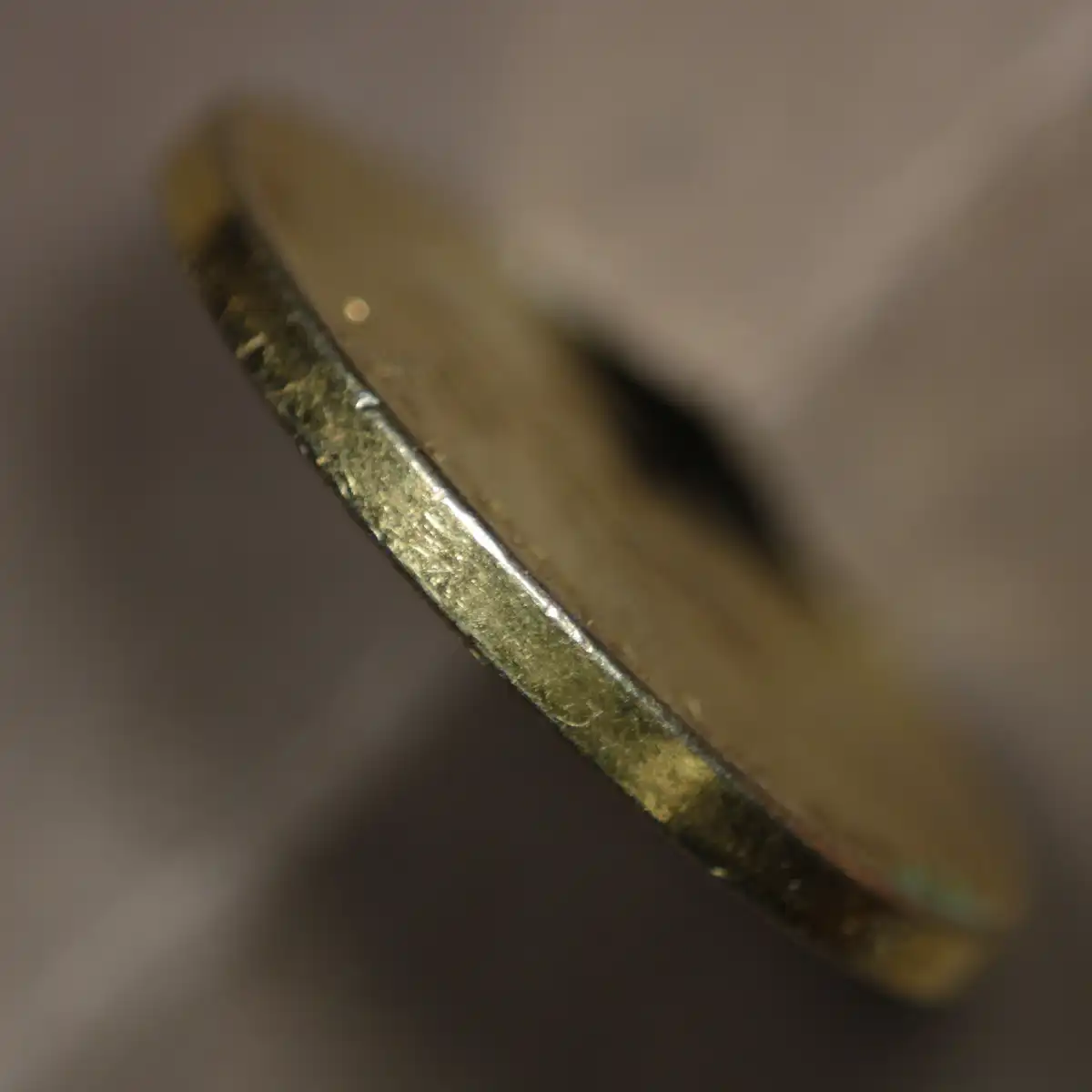
 Posted Yesterday   9:33 pm  Show Profile   Bookmark this reply Add CoinHI to your friends list
I completely understand needing a raw example.

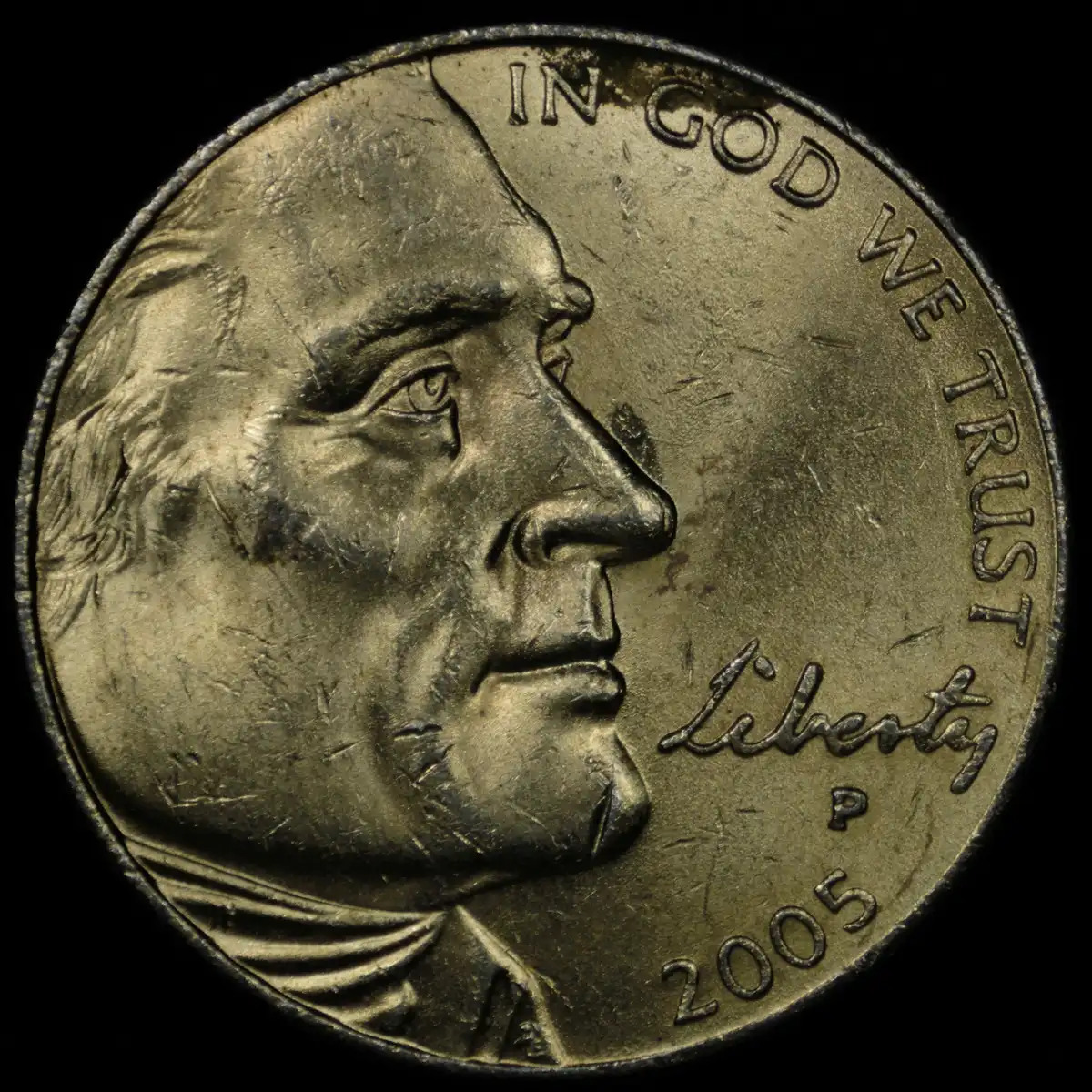
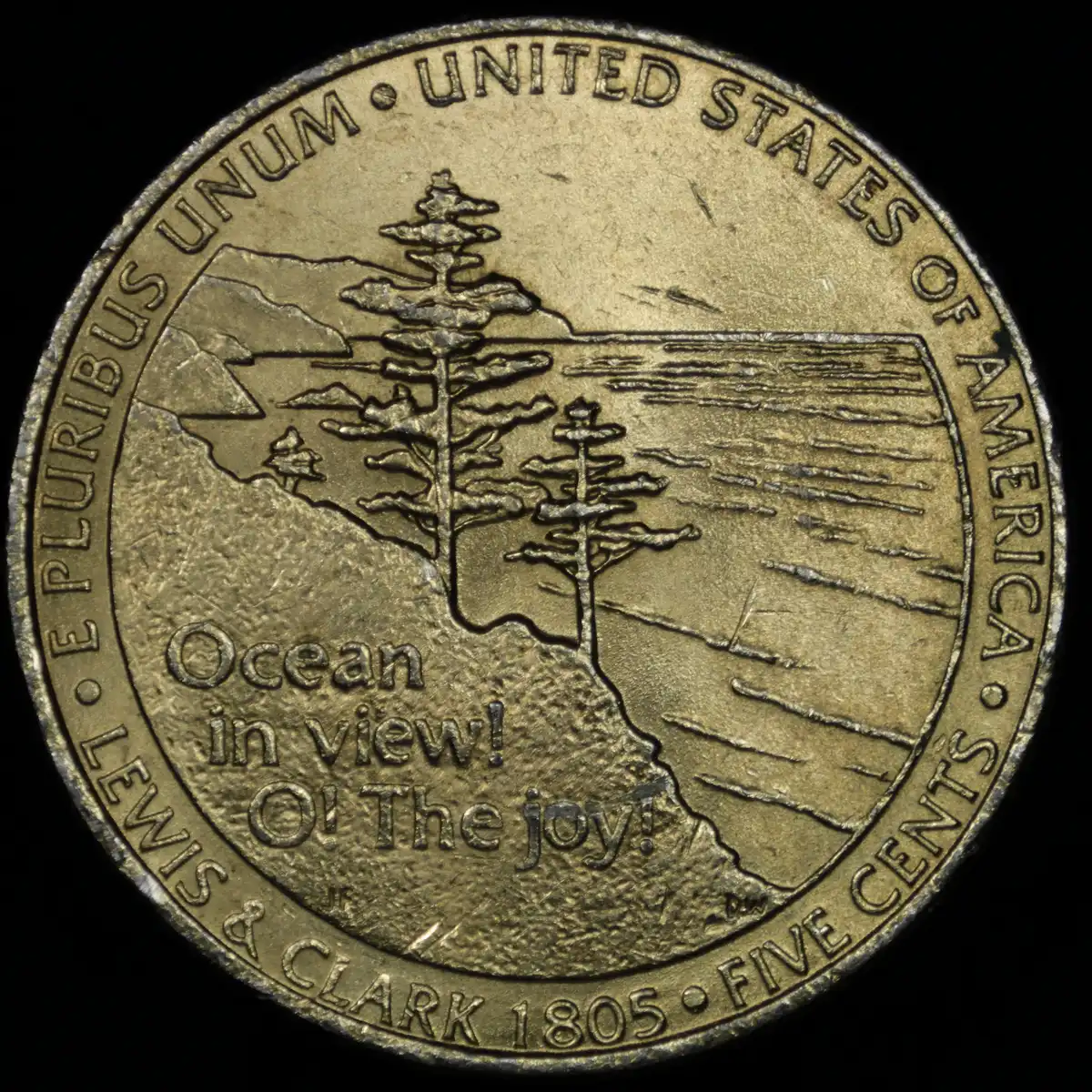
I have this raw nickel I could send you for the study.

If you don't want to use it, having a red/coppery version of these IAP errors would be beneficial for the study imo.

Definitive-Test-For-Black-Beauty-Nickels
"Pride is yoked with callous behavior, as humility is with compassion." St. Gregory Palamas

Top Finds - 1969-S 1c FS-101 http://goccf.com/t/477681 1976 D WQ FS-101 http://goccf.com/t/382777 - 1968 D 1c FS-801 http://goccf.com/t/422254
Cool clashed dies - 1972 D 1c http://goccf.com/t/429855&SearchTerms=CCL
Struck-In Rim Burr - 1969 S 1c http://goccf.com/t/425587&SearchTerms=burr
Floating (Type II) Counterclash - 1978 D 1c http://goccf.com/t/434991&SearchTerms=1978


Pillar of the Community
United States
1776 Posts
 Posted Yesterday   10:10 pm  Show Profile   Bookmark this reply Add colonialjohn to your friends list
Excellent piece HI just E-Mail me and I will give you my address to send. Tropicalbats has also offered some pieces for preliminary examination. So lets review:

1. 1958-P BB. Confirmed. Acquired. Ready for Analysis.
2. 1959-P BB. Confirmed. Acquired. Ready for Analysis.
3. To be Acquired (TBA) = Black Environmental Damaged Jeff 5C.
4. (TBA) Improperly Annealed Jefferson 5C outside of 1958-P/1959-P. AU/UNC. Your coin HI. Possibly.
5. (TBA) Normal nickel 1958- P or D UNC Rainbow toned.

I see not point in analyzing an untoned 1958-P or 1959-P in UNC as this study is about just comparing these toned and environmentally damaged surfaces of 1-5 above. JPL
Previous TopicReplies: 310 / Views: 80,597Next Topic
Page: of 21
First Page Previous Page  Showing last 15 replies.
To participate in the forum you must log in or register.


Disclaimer: While a tremendous amount of effort goes into ensuring the accuracy of the information contained in this site, Coin Community assumes no liability for errors. Copyright 2005 - 2026 Coin Community Family- all rights reserved worldwide. Use of any images or content on this website without prior written permission of Coin Community or the original lender is strictly prohibited.
Contact Us  |  Advertise Here  |  Privacy Policy / Terms of Use

Coin Community Forum © 2005 - 2026 Coin Community Forums
It took 0.47 seconds to rattle this change. Forums