| Author |
 Replies: 38 / Views: 3,922 Replies: 38 / Views: 3,922 |
Page 3 of 3
|
|
|
|
Moderator
 United States
197031 Posts |
Quote:
My buddy runs a painting business, so maybe I can eventually add some xylene to the conservation arsenal. I don't really want to purchase an industrial sized can of it. It would be nice to do some testing before a bigger financial commitment.  |
|
Bedrock of the Community
United States
27514 Posts |
Quote:
I don't really want to purchase an industrial sized can of it. The big box stores have gallon cans of it, but that would be a lifetime supply. If you do get some from your buddy, be sure to use it outside - it's kinda stinky. Inordinately fascinated by bits of metal with strange markings and figures
|
|
Pillar of the Community
 United States
6939 Posts |
Before: 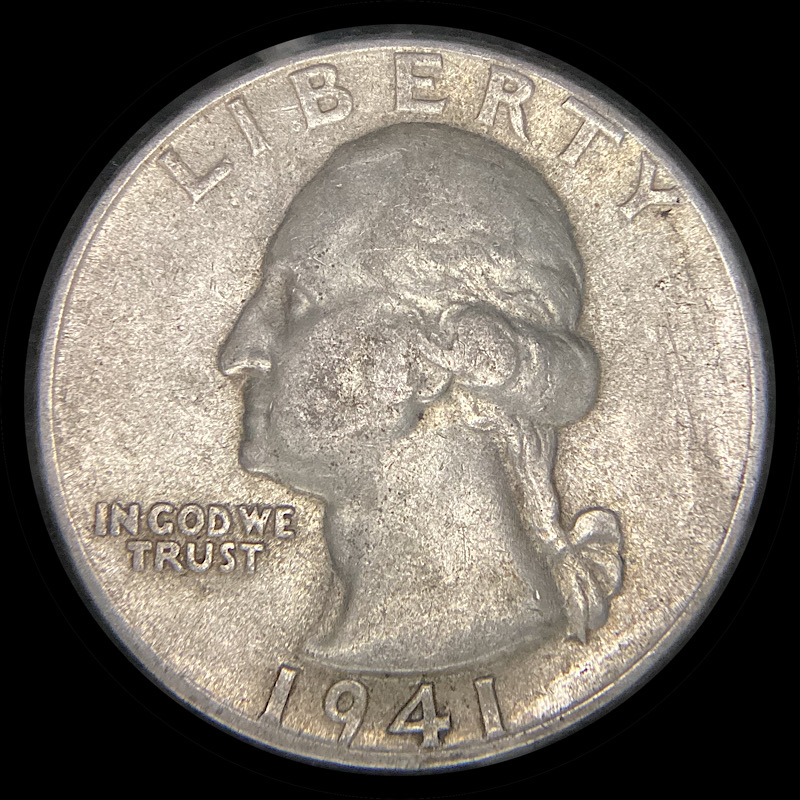 After: 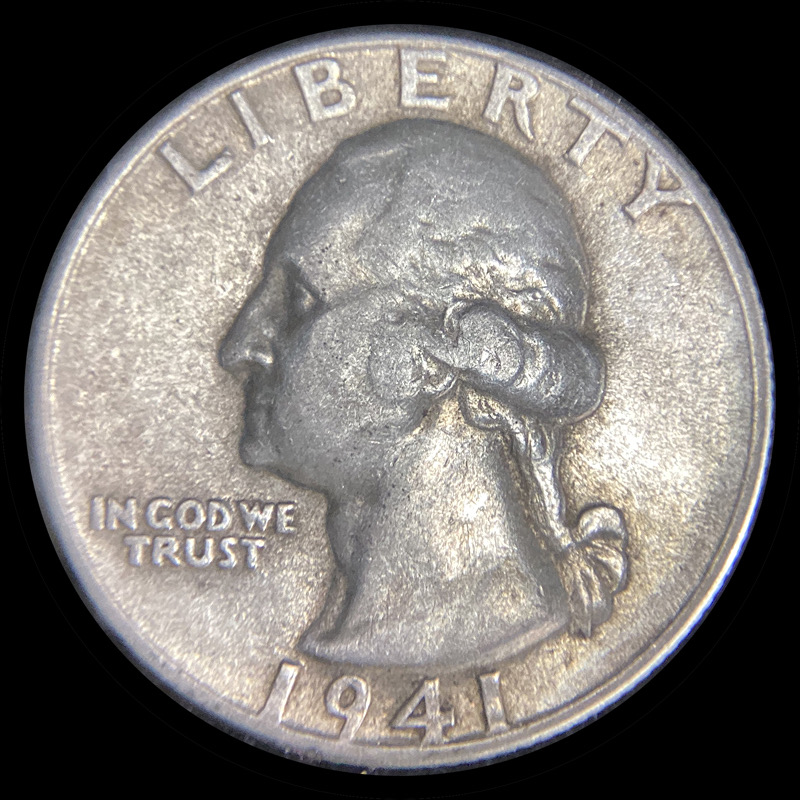 Before: 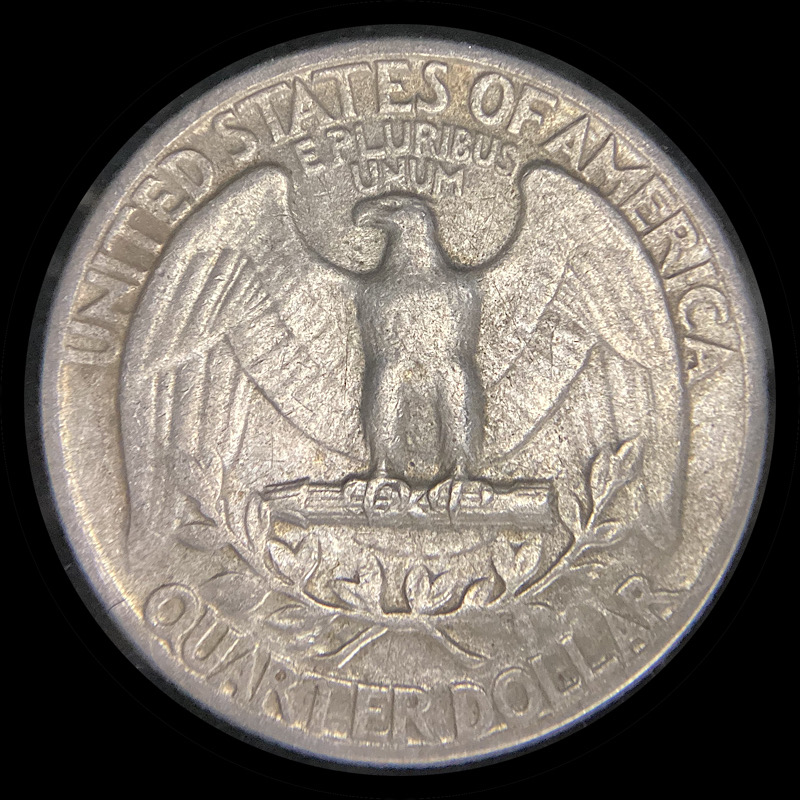 After: 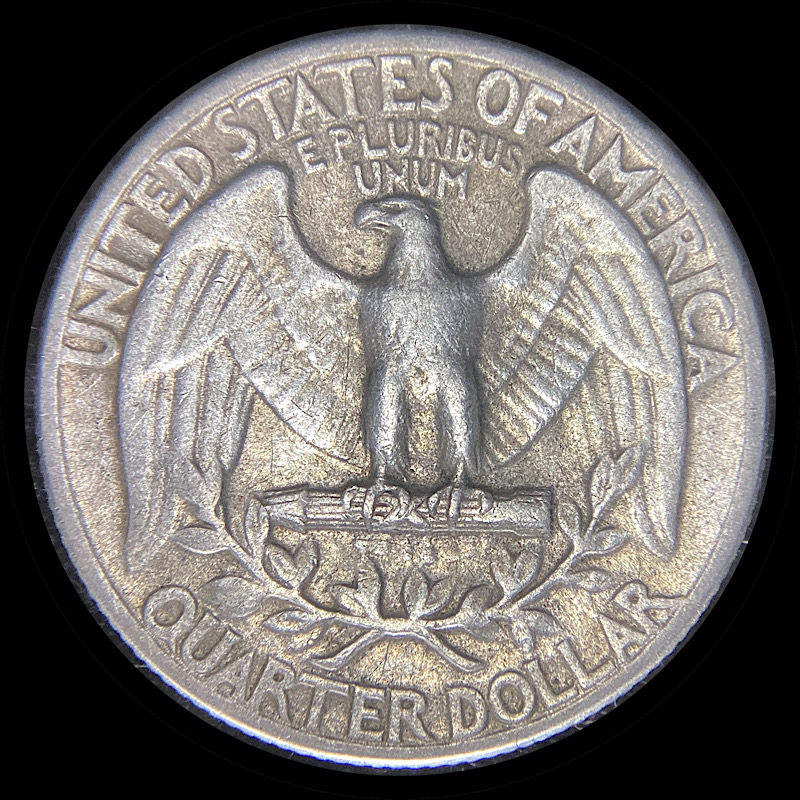 |
|
Moderator
United States
197031 Posts |
Looks better now.  |
|
Bedrock of the Community
United States
27514 Posts |
Brandmeister, what were your treatments?
Inordinately fascinated by bits of metal with strange markings and figures
|
|
Pillar of the Community
United States
6939 Posts |
Treatment #1: boiling water in a glass jar for 30 minutes. Net result: not much noticeable. Still able to scratch gunk with toothpick and fingernail, still sticky.
Treatment #2: pure acetone for 3-4 hours. Net result: not much noticeable.
Treatment #3: overnight soak in 70% isopropyl alcohol (12-16 hours). Net result: visible reduction in haze, especially on devices. Silver quarter no longer sticky to the touch. No longer able to push fingernail or toothpick into surface toning (although if I scratched hard with the toothpick, it might scuff it).
Treatment #4: pure acetone for an hour or two. Net result: not much noticeable. I just did that to dry out any water content from the 70% alcohol.
I would say that the overnight alcohol soak is what produced the improvement.
|
|
Moderator
United States
197031 Posts |
Thank you for the breakdown. |
|
Valued Member
United States
77 Posts |
Brandmeister, replying to this topic of where to get cheap Xylene. Still don't know how to quote. Hope this works. https://goccf.com/t/482953&whichpage=2#4345704I went looking for Xylene in qt cans. Checked Amazon and could only get it in multiple qt quantities. And it was expensive. Gallons only in HD or Lowe's. Went to a local paint store and they had qts of Xylene in metal cans for around $7 or $8. Exactly what I was looking for. |
|
Valued Member
United States
77 Posts |
Brandmeister said on 8/21/2025 "I am still new to cleaning and conserving coins. Mostly what I know is BadThad's polarity ladder of Distilled Water > Acetone > Xylene > Sodium Sesquicarbonate > Verdicare, as demonstrated by DOCC. But the only coin-safe solvents I currently own are water and acetone.
Is there a coin conservation site somewhere that discusses what solvents are effective against what deposits?"
I would like to know where the demonstration by DOCC is located-is there a link to a post? The only parts of BadThad's polarity ladder I've seen so far are your first three and the last. Where was the Sodium Sesquicarbonate discussed?
|
|
Valued Member
United States
77 Posts |
Just searched for Sodium Sesquicarbonate and got this from Wikipedia: https://en.wikipedia.org/wiki/Sodiu...quicarbonate "Sodium sesquicarbonate is used in the conservation of copper and copper alloy artifacts that corrode due to contact with salt (called "bronze disease" due to its effect on bronze). The chloride from salt forms copper(I) chloride. In the presence of oxygen and water, even the small amount of moisture in the atmosphere, the cuprous chloride forms copper(II) chloride and hydrochloric acid, the latter of which dissolves the metal and forms more cuprous chloride in a self-sustaining reaction that leads to the entire destruction of the object. Treatment with sodium sesquicarbonate removes copper(II) chlorides from the corroded layer." |
|
Valued Member
United States
77 Posts |
And, a cheap source of mostly Sodium Sesquicarbonate is Savogran's Phosphate Free TSP-PF. It contains some EDTA which will bind with any soluble metals which come off of the coins surface and Sodium metasilicate which I think is a water wetter, but that is trusting my memory, which can be dangerous.
Savogran is now owned by the Sunnyside Company.
Edit: My memory is wrong. According to Wikipedia again, Sodium metasilicate is used in soaps and detergents "as an emulsifying and suspension agent."
That means it will break up oils and remove them from surfaces. But it will also cause glass to become cloudy. And we've been told to use glass containers for cleaning. Maybe best not to use this and get pure Sodium sesquicarbonate.
Edited by jerrytheplater
10/06/2025 2:15 pm
|
|
Pillar of the Community
United States
6939 Posts |
|
|
Moderator
United States
108935 Posts |
I had used 99% isopropyl alcohol on a 'sticky' covered coin, and most of the gunk came off but not all. I use 99% isopropyl alcohol when working on and cleaning fiber optic cables. It is virtually free of any foreign debris and water to stain a coin (of to mar up a fiber end)
|
|
Valued Member
United States
77 Posts |
I've been reading about the solvents being mentioned in this and other posts. I wanted to fit them into BadThad's solvent ladder in their proper place. I copied the chart below from one of my searches and deleted a lot of the solvents listed. The numbers are relative terms. Polarity decreases as you go down the chart.
Burdick & Jackson solvents are arranged in order of decreasing polarity index, a relative measure of the degree of interaction of the solvent with various polar test solutes.
Polarity Index (P´)
1. Distilled Water 10.2 Most Polar
2. Acetone 5.1
2A. Methyl Ethyl Ketone (Butanone) 4.7
2B. Isopropyl Alcohol (2-Propanol) 3.9
3. Xylene 2.5
3A. Hexane 0.1 Most Non-Polar
|
|
Moderator
United States
197031 Posts |
Worthy of a bookmark. Thank you for sharing. |
|
Page 3 of 3
|
Replies: 38 / Views: 3,922 |
Page 3 of 3
|





 First Page
 Previous Page


 Posted 08/22/2025 3:09 pm


