Replies: 3 / Views: 213


 Posted Today 5H 5M ago


Well based on my research this is what I found in case anyone is interested..
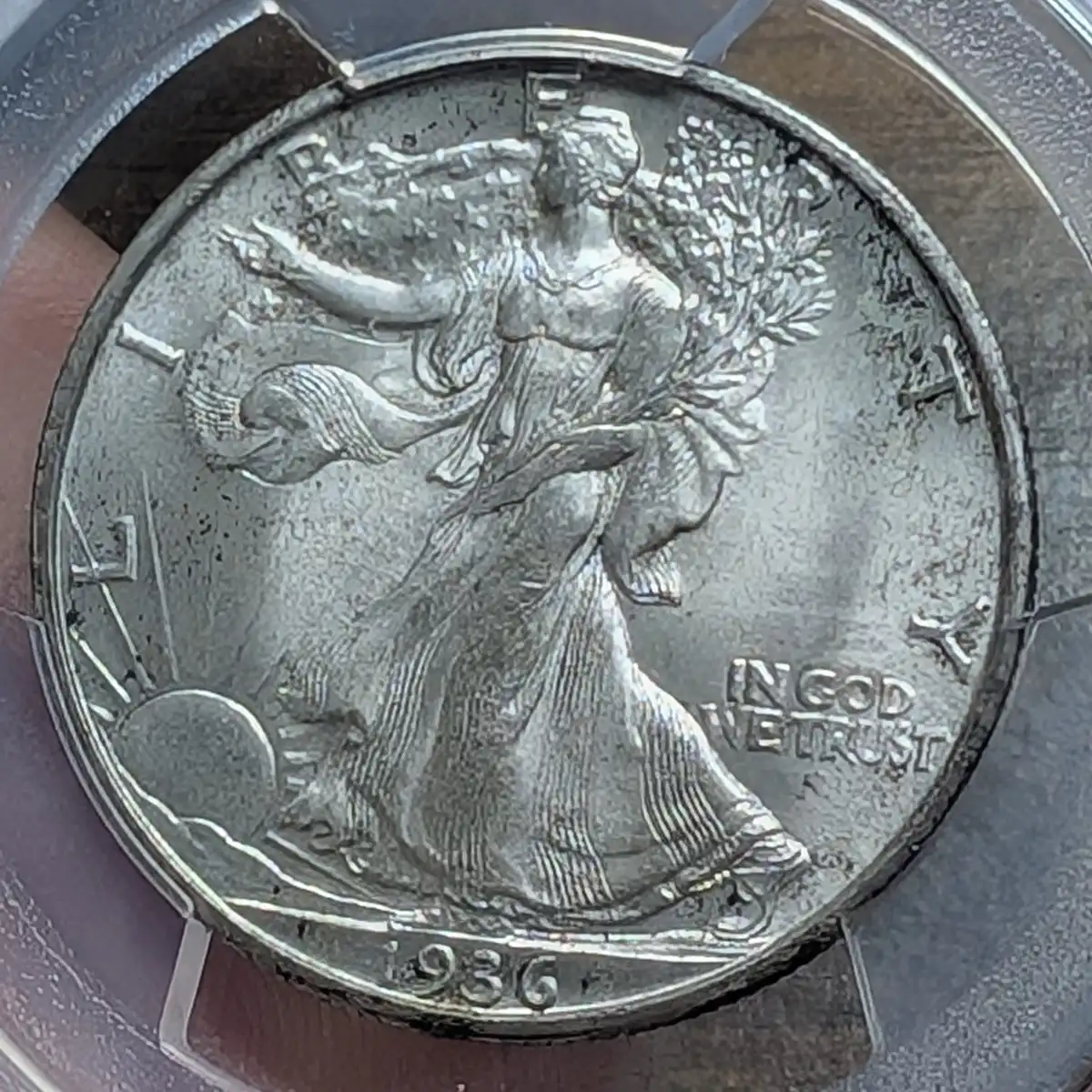
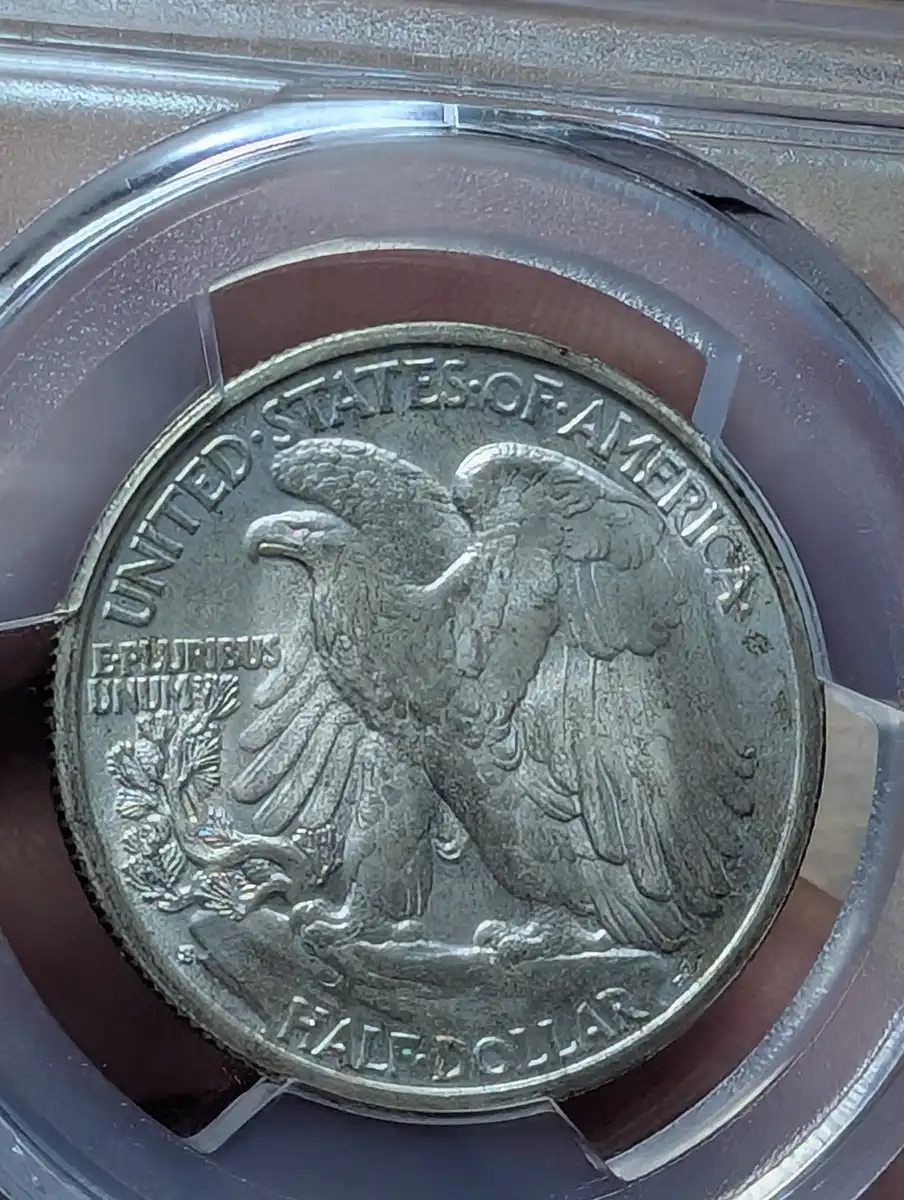
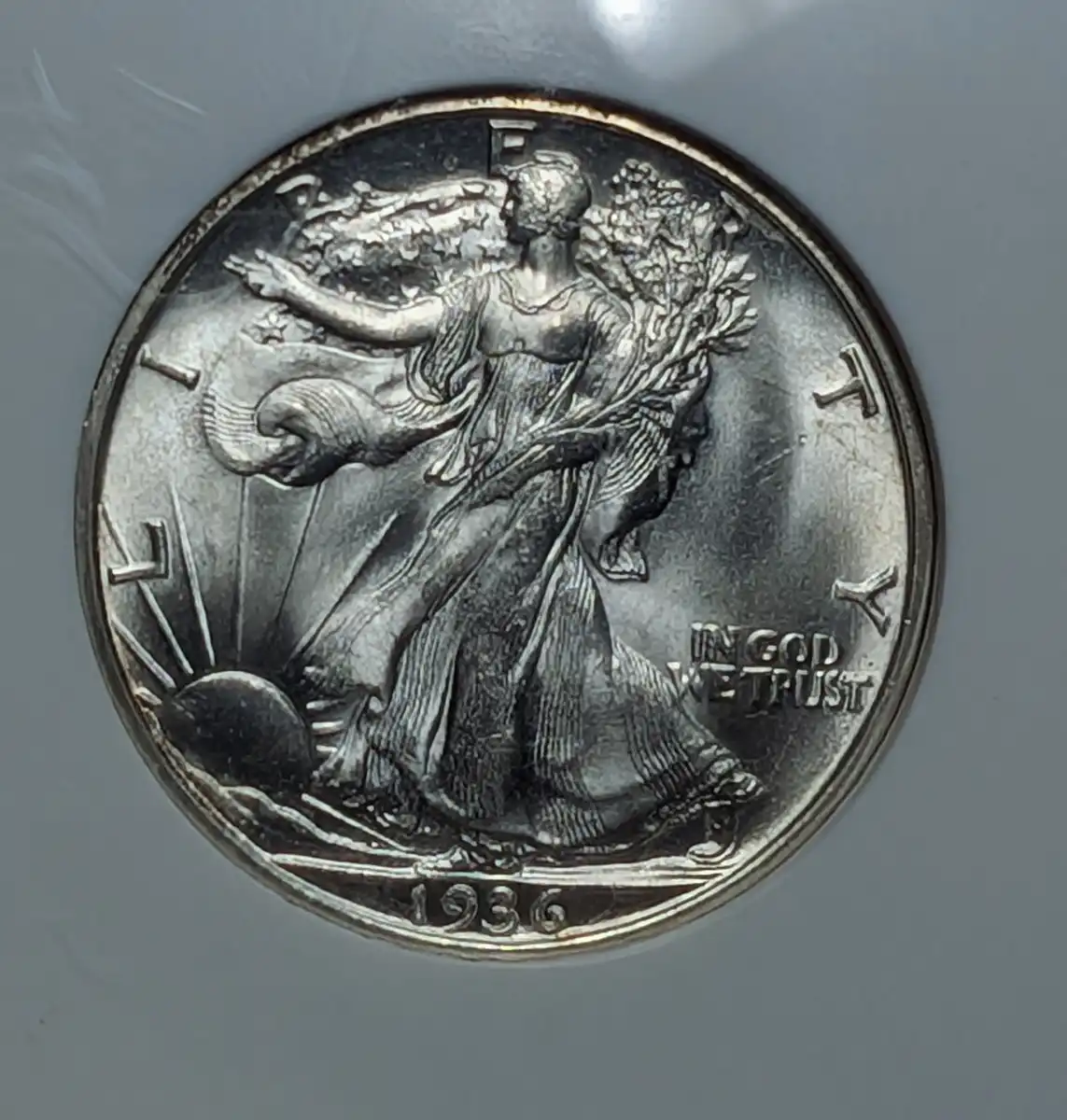
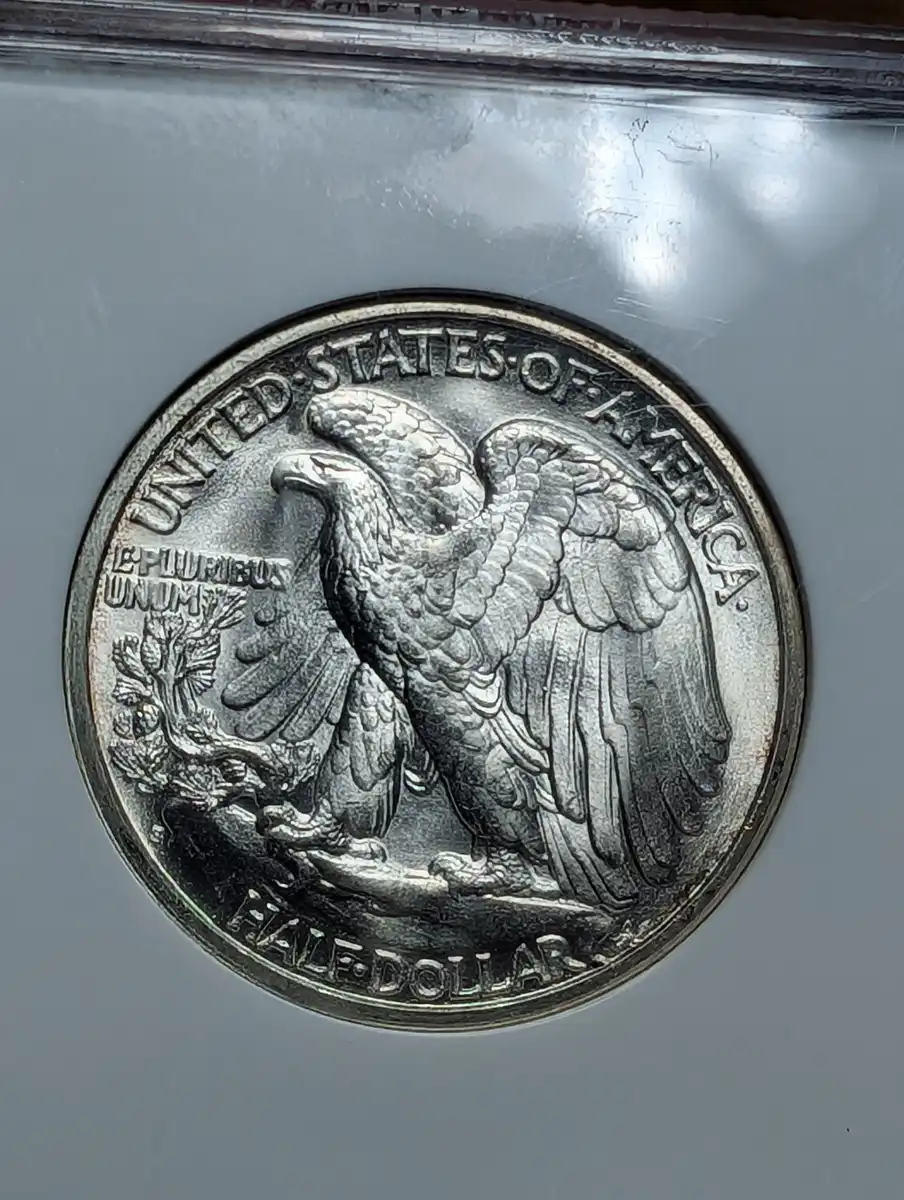
Early Die State (EDS) coins - the dies are fresh of the furnace so the steel surfaces are smooth and tight. Because the metal has no microscopic flow channels eroded into it yet, it strikes the planchet with a deep sikly uniform texture.
Mid Die/Late Die State (MDS/LDS) - Light is forced into sharp rotating spokes because it's bouncing off the thousands of microscopic ruts dug into the die from repeated use.
"Cartwheel luster is actually a sign of die wear not die freshness."
Hopefully someone more knowledgable can confirm. I started researching based on two coins. One is extremely clean surface wise and has some toning. However it really doesn't have a traditional booming luster, it really looks more satin like the modern Peace dollars. The other has booming luster and has a totally different look. That's what led me to researching what causes satin vs a booming luster..
Edited by LibertyEagle20
Today 1M ago
Today 1M ago