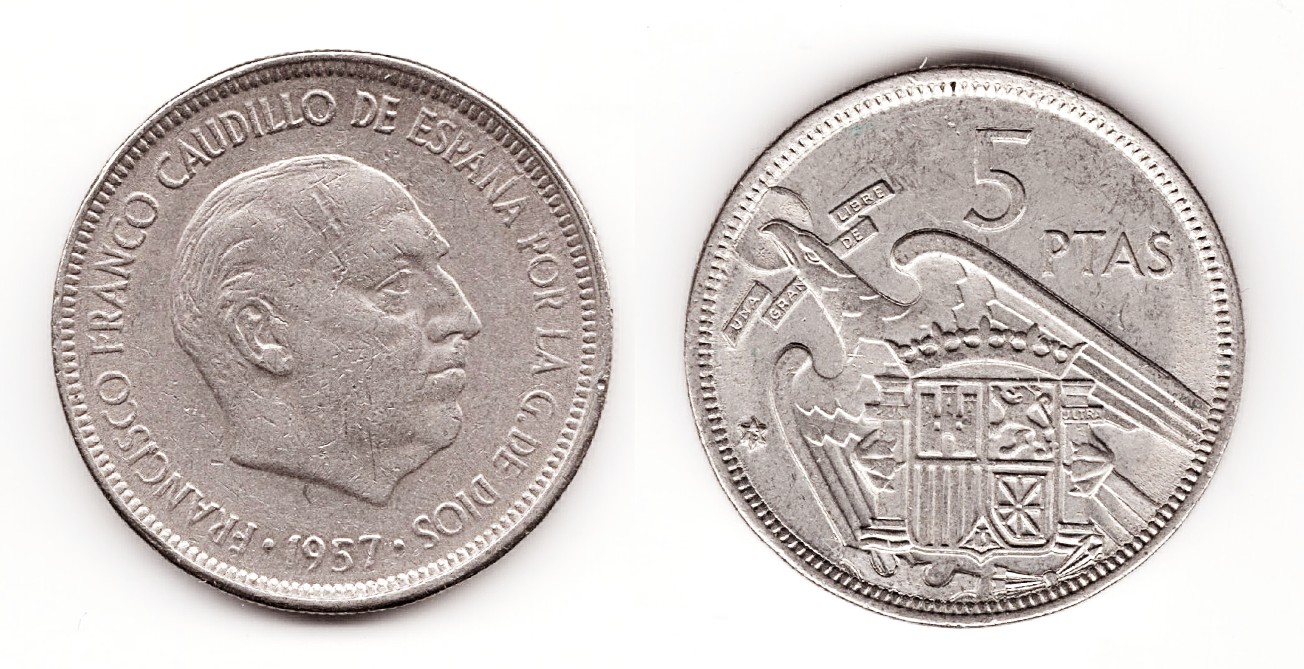
The Japanese call such little extras as
GLB49's nickel "omake". Although prices are high in Japan, the custom of "omake" means they aren't as high as they first appear, at least for regular customers.
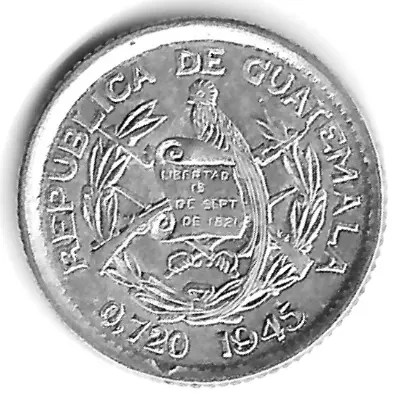
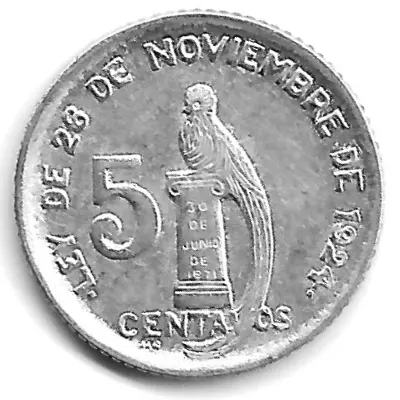
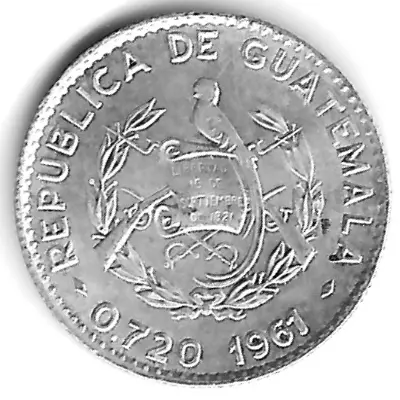
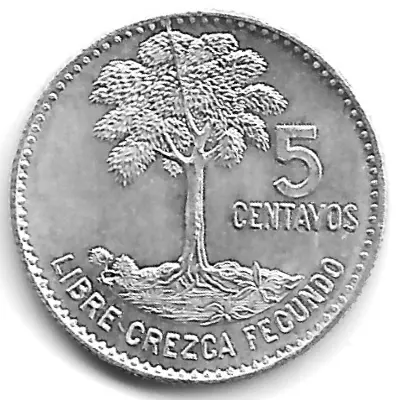
Here is a nice trio of small pieces, the Guatemalan 5 centavos-de-quetzal. It appears that, at some point, someone figured it was redundant having a quetzal bird on both sides of the coin. The tree design has continued in use on this denomination down to the present day, although the composition is now steel.
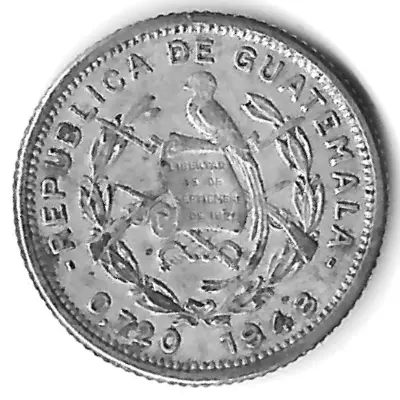
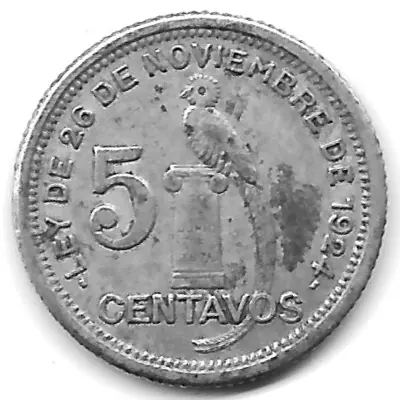
Personally I think the quetzal on the pillar looks a bit goofy on the 1943 version, as compared with the 1945. If you read closely, you will see references on these two coins to the 1821 Act of Independence of the Central American Republic (you may recall that coins of Costa Rica, for instance, often are inscribed "America Central" along with the country name), the constitutional reforms of 1871, and the law of 1924 which established the quetzal currency.






 First Page
 Previous Page


 Posted Today 7H 18M ago