As this coin isn't "ancient or mediaeval", I'll be moving it tot he World Coins subforum.
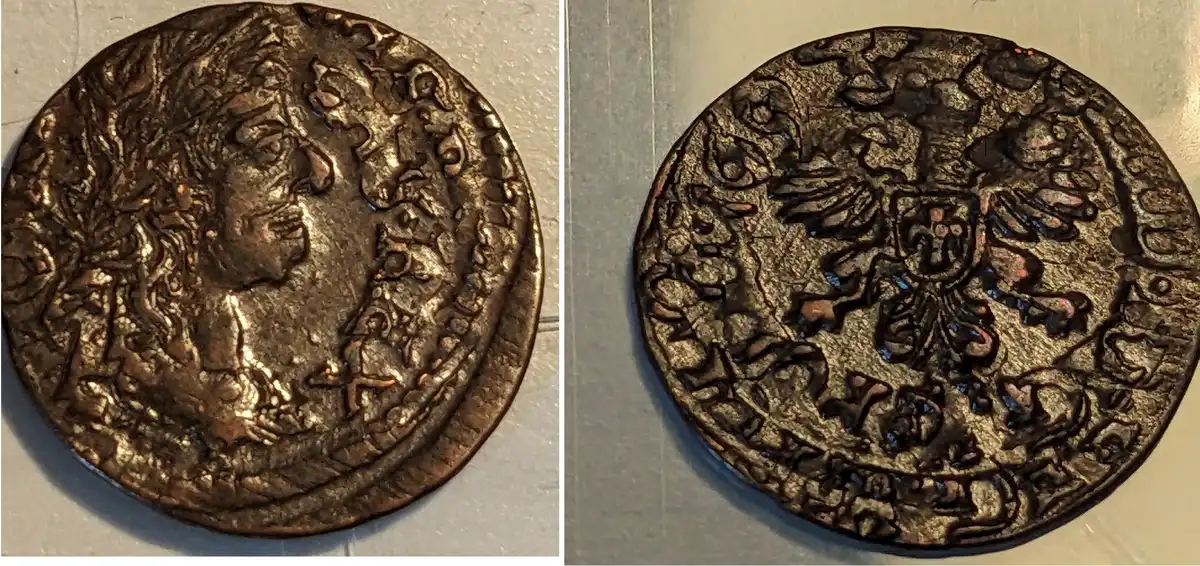
As for the doubling, given the apparent prevalence of it on this coin type, I would presume it to be a byproduct of the method of manufacture. Many European countries at this time period were striking coins using a "rocker press", a process not entirely unlike that used to make those souvenir elongated coins. In this process, the coin is rolled-over twice by the dies, back and forth; if the coin moves in between rolls, then it gets two impressions, thus "double-struck".
Don't say "infinitely" when you mean "very"; otherwise, you'll have no word left when you want to talk about something really infinite. - C. S. Lewis











 Posted Yesterday 7:08 pm


