| Author |
 Replies: 198 / Views: 31,347 Replies: 198 / Views: 31,347 |
|
|
|
Moderator
  United States
34542 Posts |
"If you climb a good tree, you get a push."
-----Ghanaian proverb
"The danger we all now face is distinguishing between what is authentic and what is performed."
-----King Adz
|
|
Moderator
United States
34542 Posts |
"If you climb a good tree, you get a push."
-----Ghanaian proverb
"The danger we all now face is distinguishing between what is authentic and what is performed."
-----King Adz
|
|
Moderator
United States
34542 Posts |
Only the tiniest bit of exonumia is visible at the Ethnological Museum of Barcelona (Museo Etnológico de Barcelona) in Spain. It is located a little down the hill from the Montjuic Castle in Barcelona. In between WWI and WWII, Spain endured a civil war (1936-1939 AD) and following this time, the government introduced ration cards to regulate consumption of food and other basic commodities. According to a placard, rationing stayed in place until 1952. 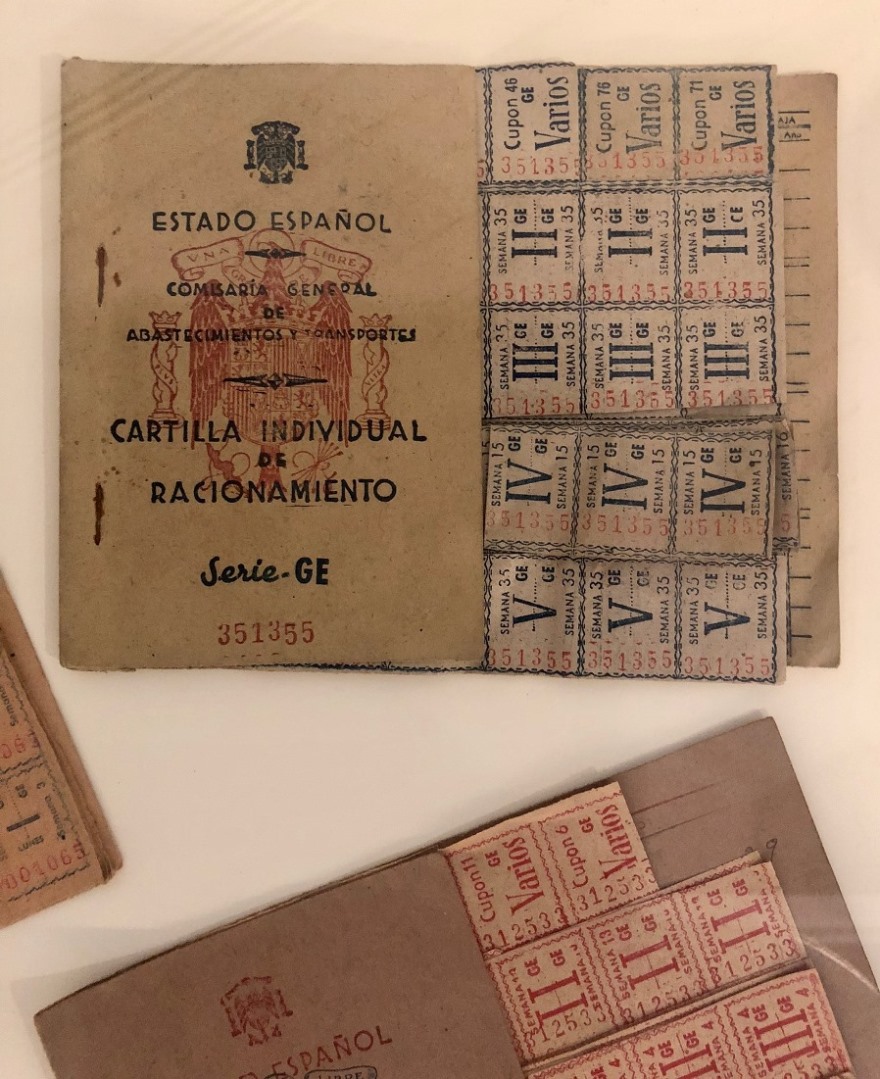 "If you climb a good tree, you get a push."
-----Ghanaian proverb
"The danger we all now face is distinguishing between what is authentic and what is performed."
-----King Adz
|
|
Moderator
United States
195203 Posts |
Very interesting, Spence! Great photos.  |
|
Pillar of the Community
 United States
8047 Posts |
No way I can keep up with the travels of @spence, but I spent last weekend in D.C., and have one unexpected, and some predictable things to post. We went to the National Geographic Museum to see the exhibit on the Church of the Holy Sepulchre, and also checked out their current exhibit on the Titanic. This 1906-O Morgan half is certainly the coin on the thread with the most morbid history. It was among the personal possessions of John Gill, who did not survive the sinking, but whose body was recovered in the subsequent weeks. Mr. Gill was buried at sea, and the contents of his pockets, including this coin, returned to his family (sorry for the crummy photo).  |
|
Pillar of the Community
United States
8047 Posts |
From the National Museum of American History (reported upthread about 8 months prior by another poster, too). The 1933 Double Eagle: 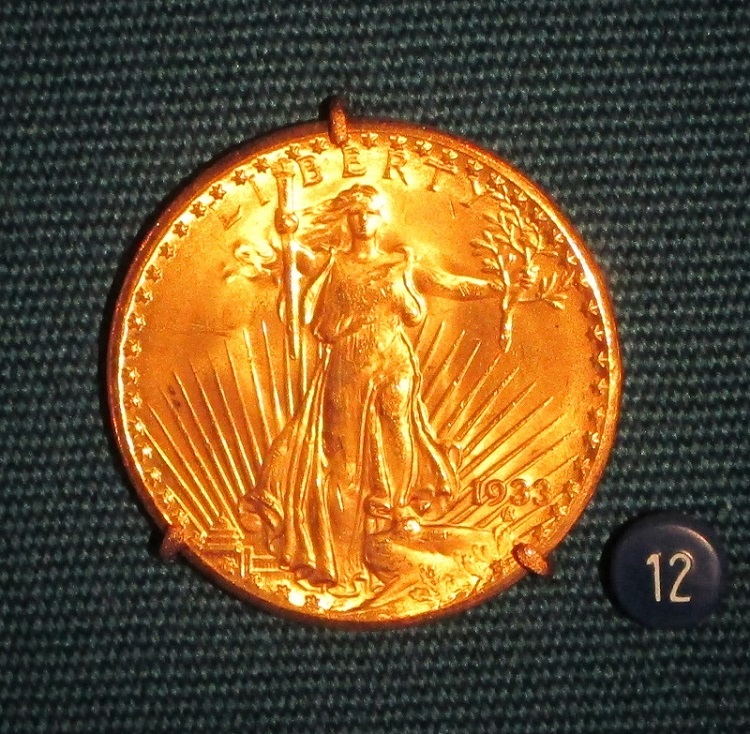 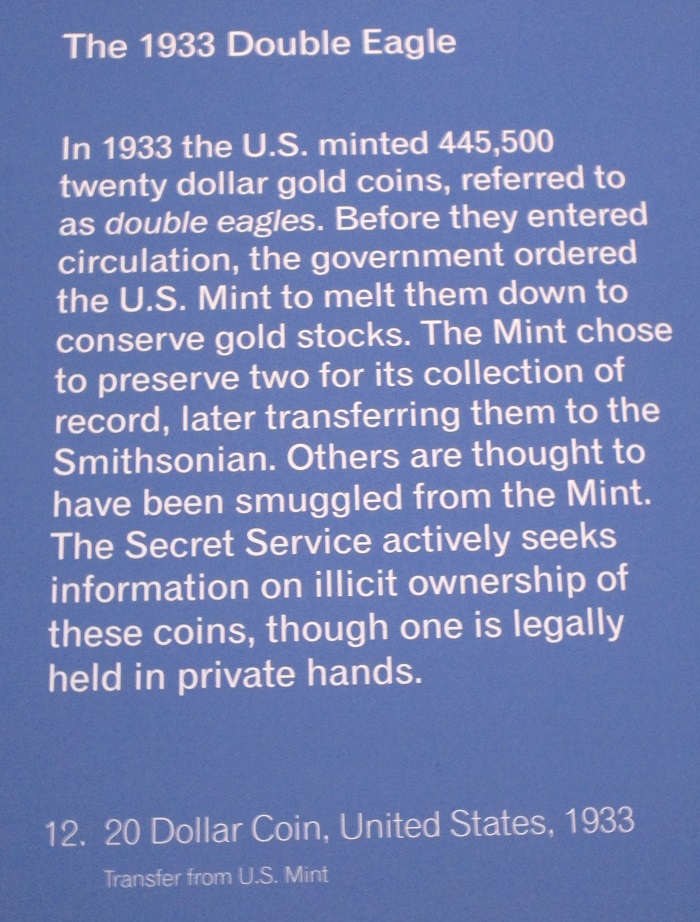 Selections from the Josiah Lily collection: 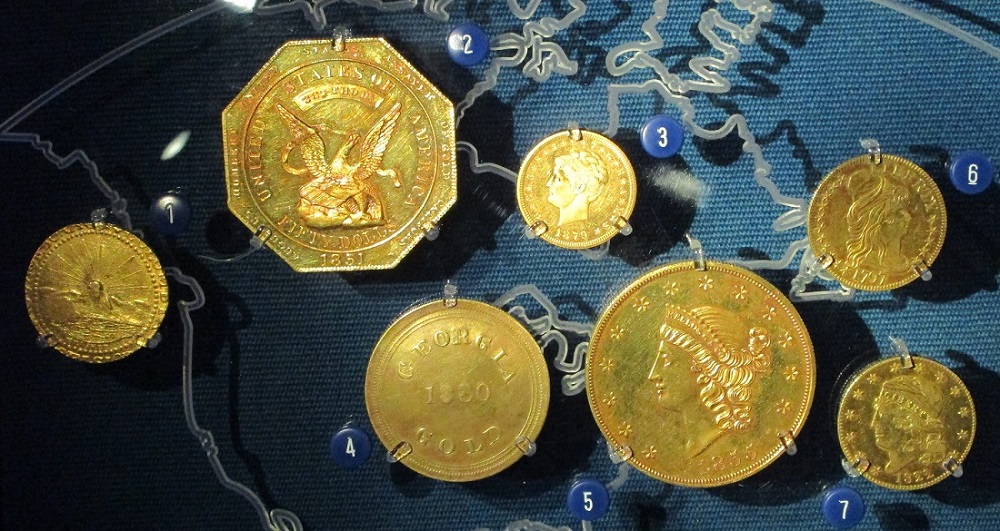 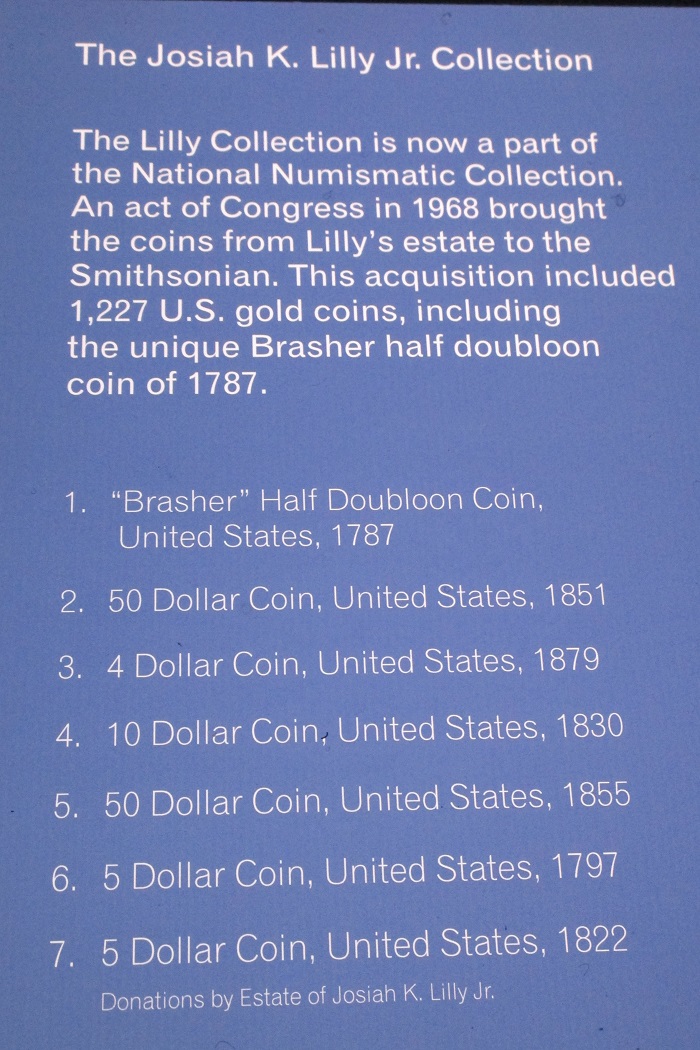 The 1913 Liberty nickel (another ugly photo) 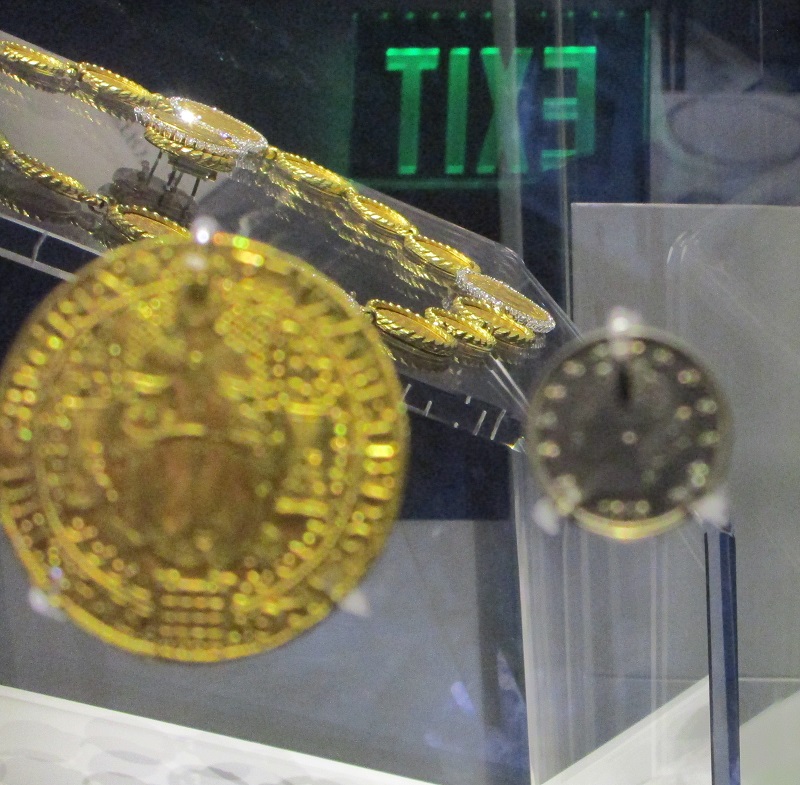 The exhibit has changed quite a bit since the first time I saw it in 2014, when most (if not all) of these rarities plus their 2 1804 silver dollars were displayed in a single case. |
|
Moderator
United States
195203 Posts |
Very interesting, tdziemia! |
|
Moderator
United States
34542 Posts |
Quote:
(another ugly photo) Yes great additions @tdziemia! I can attest to the difficulty of taking decent pics through fingerprint-smeared plexiglas boxes! "If you climb a good tree, you get a push."
-----Ghanaian proverb
"The danger we all now face is distinguishing between what is authentic and what is performed."
-----King Adz
|
|
Pillar of the Community
United States
8047 Posts |
Quote:
I can attest to the difficulty of taking decent pics through fingerprint-smeared plexiglas Indeed I was having a hard time figuring out why I could never get a few of these to come into focus, yet others were quite sharp  Really enjoyed looking at the posts from your recent(?) travels (Middle East and SPain). Were you able to get to the SUnday morning coin & stamp market in the Plaza Mayor in Madrid? I still have a Spanish medieval I picked up there on my one and only trip to Madrid in 1980. Edited by tdziemia
08/25/2018 5:14 pm
|
|
Moderator
United States
34542 Posts |
This one is a bit of a numismatic stretch (even by my standards), but I'm happy to report that there is a small museum room at the Peabody Hotel in Memphis Tennessee. Among all of the Peabody-branded merchandise from over the past 149 years, here is an interesting key-fob that looks something like a bronze token. If you are ever in the area, be sure to catch the duck march and then head up the marble stairs to the museum! 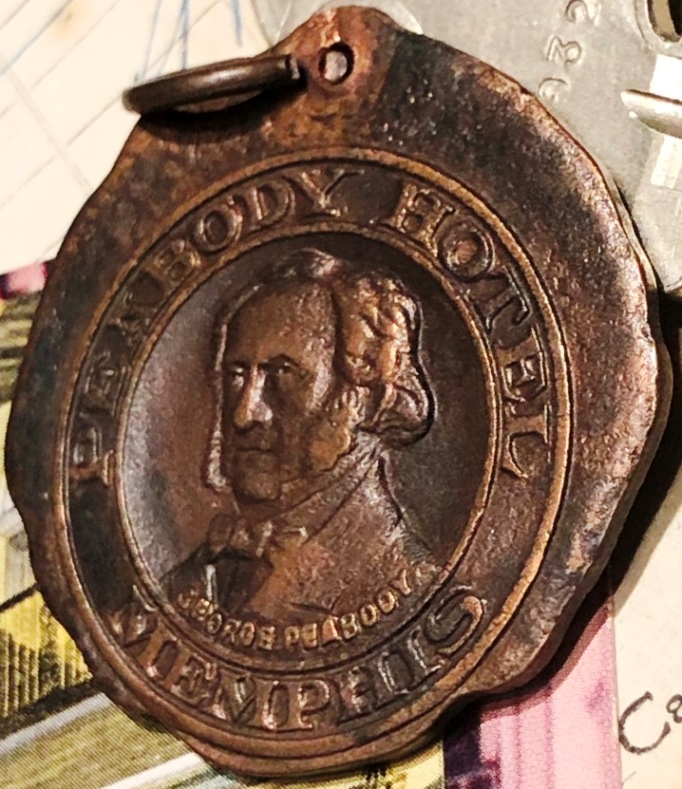 Added: Quote:
Were you able to get to the SUnday morning coin & stamp market in the Plaza Mayor in Madrid? Yes we made it to the Plaza Mayor, but unfortunately not on a Sunday.  "If you climb a good tree, you get a push."
-----Ghanaian proverb
"The danger we all now face is distinguishing between what is authentic and what is performed."
-----King Adz
Edited by Spence
08/31/2018 9:52 pm
|
|
Moderator
United States
195203 Posts |
Very interesting! |
|
Moderator
United States
34542 Posts |
In the capitol city of Luxembourg, there is a Museum of Banking (literally "Musee de la Banque"). Unfortunately, no photographs are allowed in this somewhat small museum that is actually dedicated to the banking industry more than money itself. There are multiple racks of modern Luxembourgian paper money and coins as well as some older 20th Century issues. Most interestingly for me, there are several dies used for striking coins. I had only seen these things in pictures previously. One oddity is the looping film reel that seems to be a compilation of cinematic bank vault heists. This one is worth a stop, but only for an hour or so. Below is a coin of mine dating to 1930 AD Luxembourg that came to me from my grandfather. When he was collecting, some numismatists had the unfortunate habit of "improving" their coins by whizzing them. This 25 Centimes coin is a good example of that. 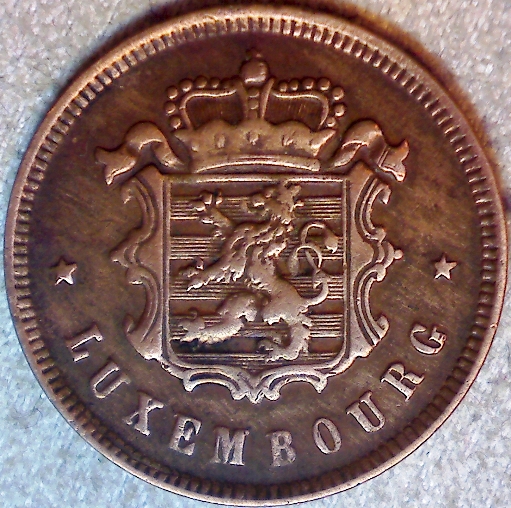 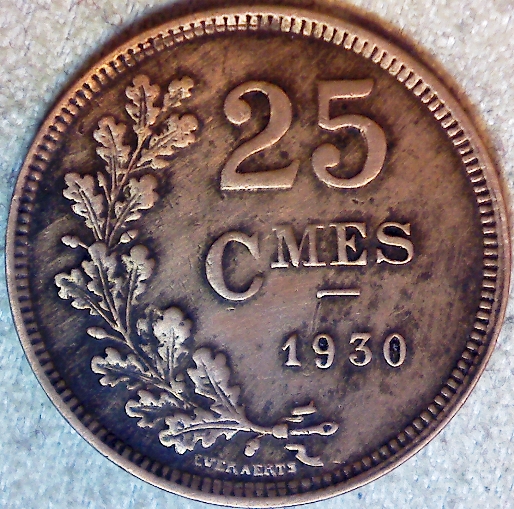 "If you climb a good tree, you get a push."
-----Ghanaian proverb
"The danger we all now face is distinguishing between what is authentic and what is performed."
-----King Adz
Edited by Spence
10/12/2018 8:08 pm
|
|
Moderator
United States
34542 Posts |
Just down the road (rue du Saint-Esprit) from the Museum of Banking is the Museum of the City of Luxembourg AKA "Lëtzebuerg City Museum". Sadly, I don't have any pics from here either, but one thing that I really liked with the complete treatment of this region's 1000+ year history. For example, I learned that in 963 AD, Count Siegfried acquired the fort known as "Lucilinburhuc" on the River Alzette in trade from some for some land in the Ardennes. The first town wall was constructed toward the end of the 12th Century while in 1244 AD, the Countess Emesinde granted the city a Charter of Freedom. Starting in the mid 16th Century, this region has been passed around to several European rulers like a hot potato: Burgundy, Spain, France (under Louis XIV), Austria, France again, the Netherlands, and Germany. In 1839, it became a distinct country, although a bunch of French-speaking land was ceded to Belgium at this time. For the numismatist, there are a few medieval coins on display as well as lead/cloth pilgrim badges and several medals from more recent important historic events. Below you will find my earliest coin of Luxembourg--issued under the authority of Wenceslaus I between 1353 and 1383 AD. It is attributed as Roberts 7648 and Probst L150-1. 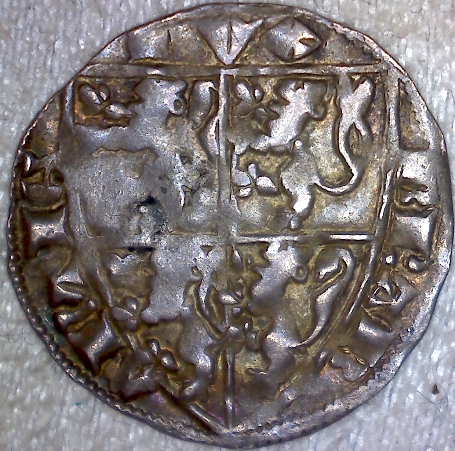 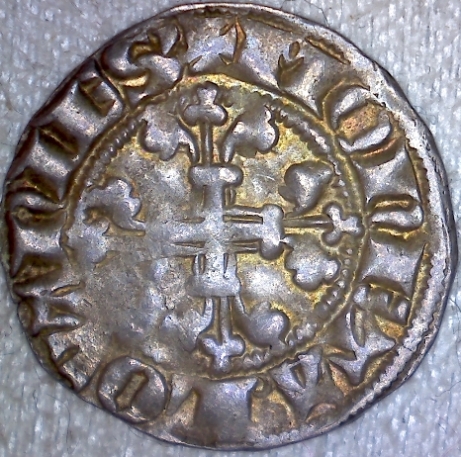 "If you climb a good tree, you get a push."
-----Ghanaian proverb
"The danger we all now face is distinguishing between what is authentic and what is performed."
-----King Adz
|
|
Pillar of the Community
Australia
9776 Posts |
|
|
Moderator
United States
34542 Posts |
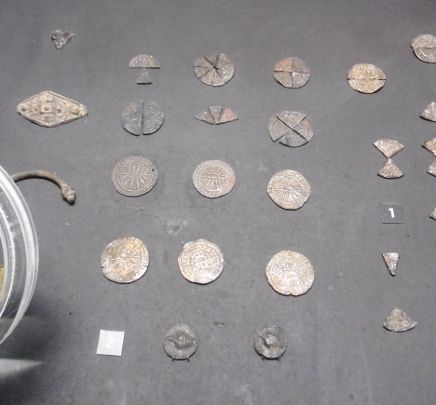
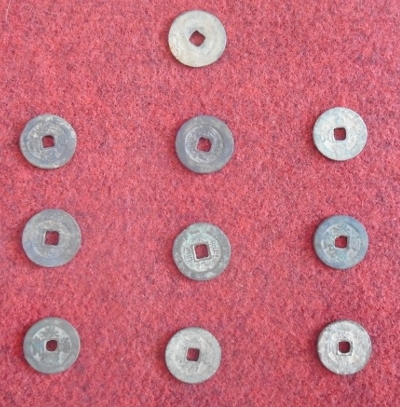
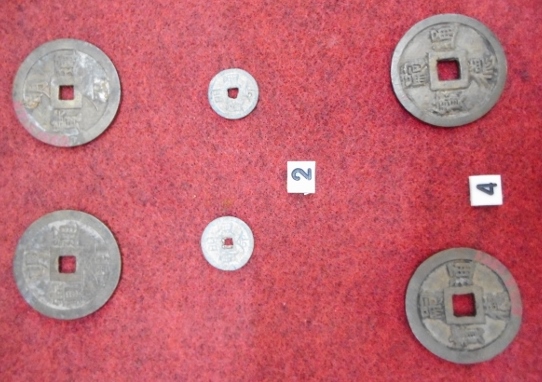
Hey @TM this is a perfect addition to this thread--thank you so much for your post. Not having been there myself, can you please clarify if this was the Gia Long Palace Museum or somewhere else? Also, in addition to the cast cash in the bottom pics, can you provide any commentary about the cut coins in your first pic?
"If you climb a good tree, you get a push."
-----Ghanaian proverb
"The danger we all now face is distinguishing between what is authentic and what is performed."
-----King Adz
|
| |
Replies: 198 / Views: 31,347 |







 First Page
 Previous Page


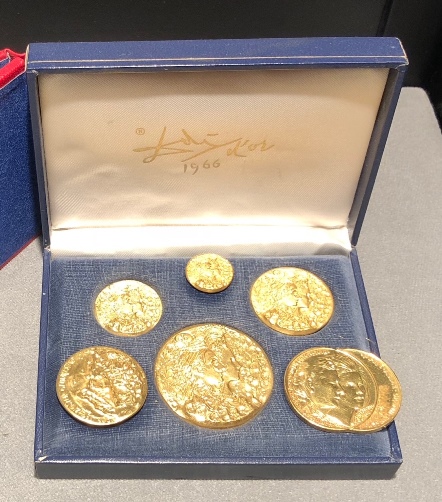
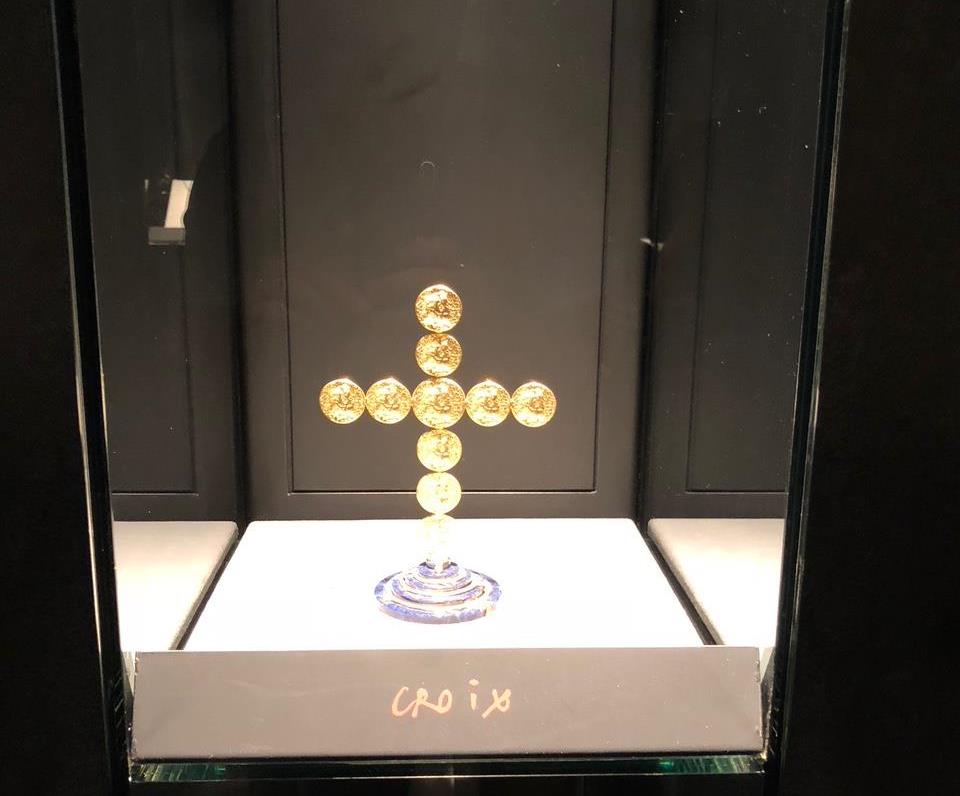
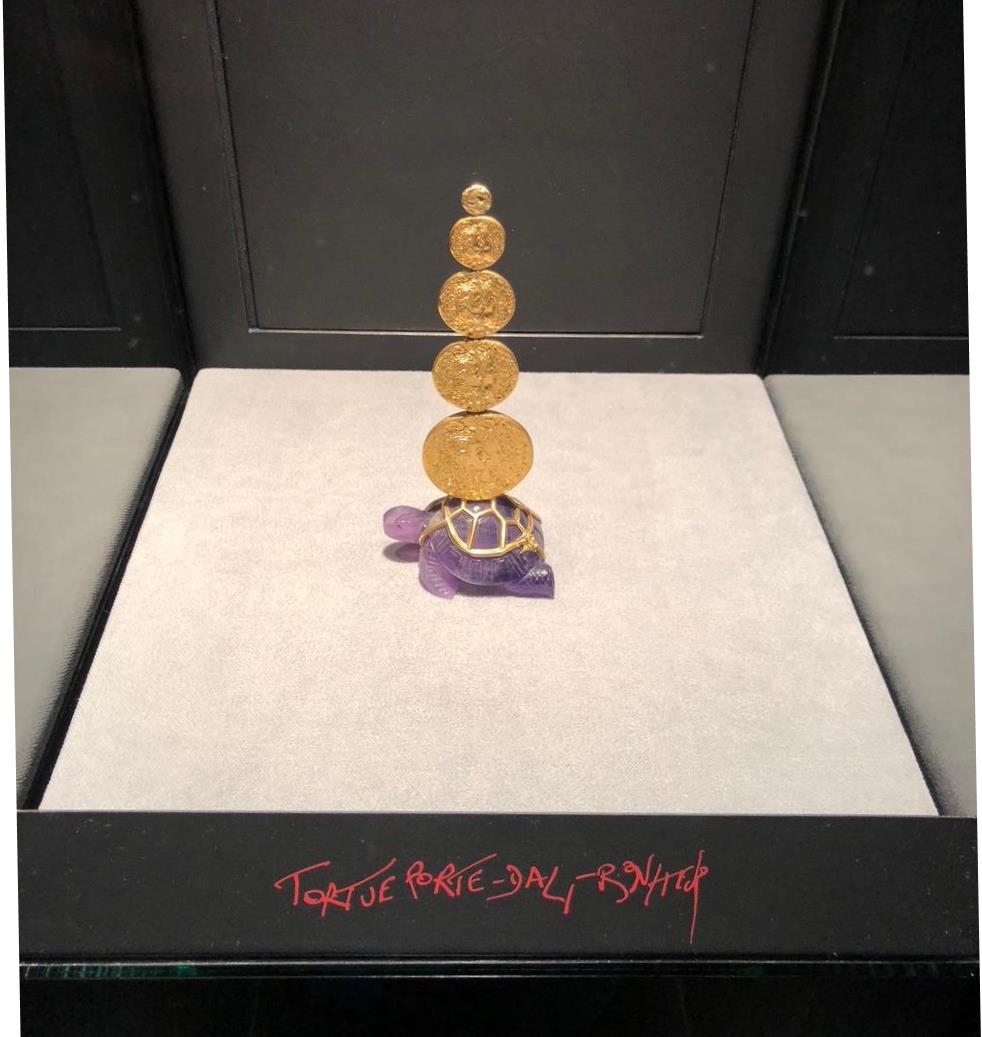
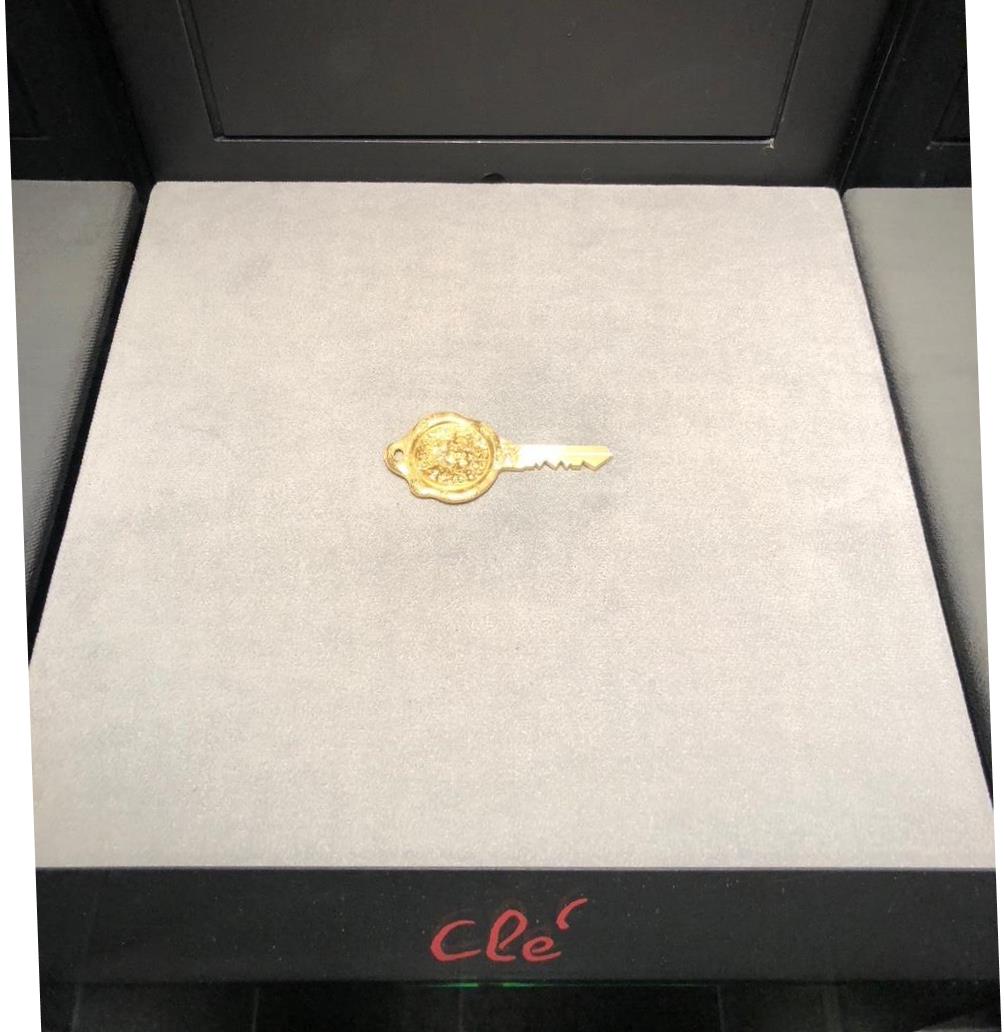

 Posted 08/05/2018 8:14 pm