| Author |
 Replies: 198 / Views: 31,346 Replies: 198 / Views: 31,346 |
|
|
|
Pillar of the Community
Belgium
1194 Posts |
|
|
Moderator
 United States
195203 Posts |
Excellent!  |
|
Moderator
 United States
34542 Posts |
Quote:
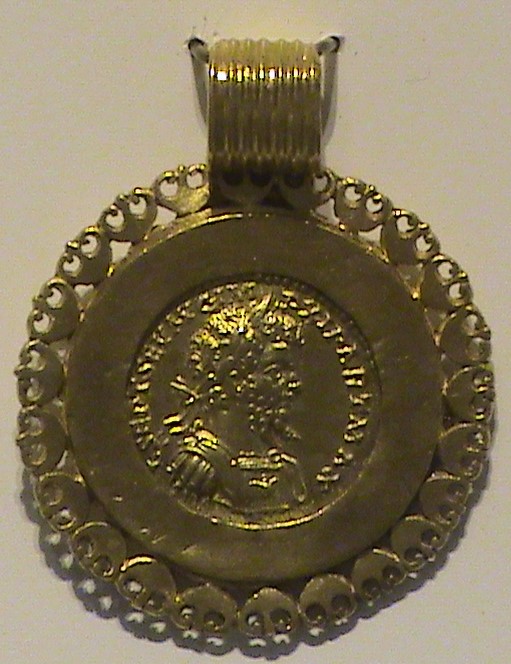
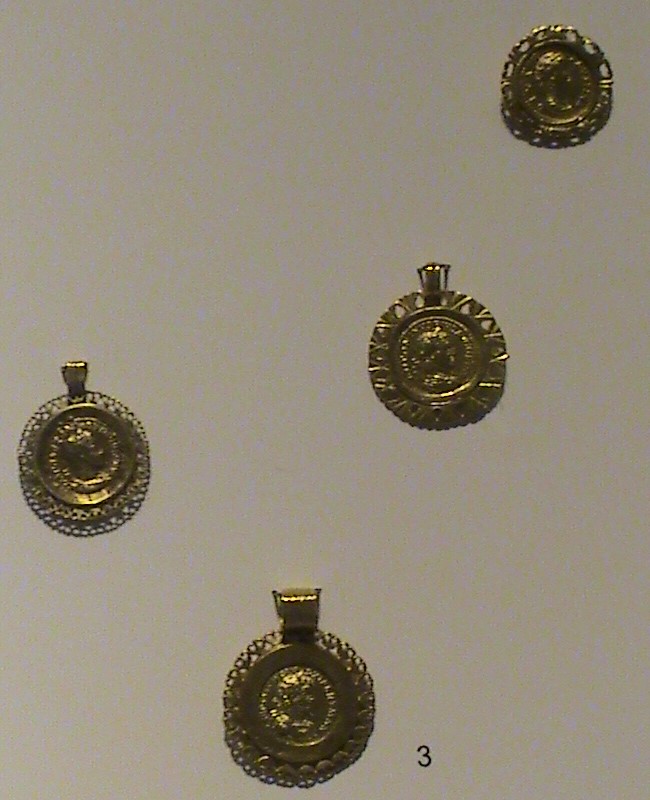
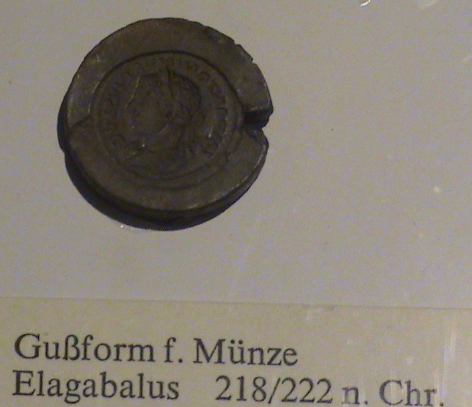
I am living about six months a year near to Arlon , so I visite it often. Albert, I don't make it to the French-speaking side of Switzerland that often, but I'll try to drop you a note the next time I do and perhaps we can walk through the Musee archeologique d'Arlon together.  Also, great additions to this thread from Cologne. I really like that coin mold from Elagabalus. "If you climb a good tree, you get a push."
-----Ghanaian proverb
"The danger we all now face is distinguishing between what is authentic and what is performed."
-----King Adz
|
|
Moderator
United States
34542 Posts |
"If you climb a good tree, you get a push."
-----Ghanaian proverb
"The danger we all now face is distinguishing between what is authentic and what is performed."
-----King Adz
|
|
Valued Member
Canada
113 Posts |
On a recent trip to Spain, I visited the following:
In Barcelona, the National Art Museum of Catalonia has two small rooms of coins that were used in Catalonia from about 5th Century BC to relatively recent. There were a number of hoards.
In Madrid, the National Archaeology Museum has many rooms with a display cabinet showing coins contemporary with the artifacts in the rest of the room. Again a substantial number of hoards. There were also several rooms about money in general.
Sorry, I didn't take any pictures.
Jan
|
|
Moderator
United States
195203 Posts |
Quote:
Sorry, I didn't take any pictures.  At least you got to see it. |
|
Moderator
United States
34542 Posts |
Quote:
I didn't take any pictures. At a number of museums, you aren't permitted to take photos (even with the flash off). I'm glad that you reported in with this information though! "If you climb a good tree, you get a push."
-----Ghanaian proverb
"The danger we all now face is distinguishing between what is authentic and what is performed."
-----King Adz
|
|
Moderator
United States
34542 Posts |
I was recently in Harper's Ferry, West Virginia--very nice hiking on the Appalachian Trail plus lots of Civil War history to absorb. While there, I managed to take a pic of the iconic building that remains from John Brown's 1859 anti-slavery revolt (and of course graces the rev of one of our 2016 Washington quarters). 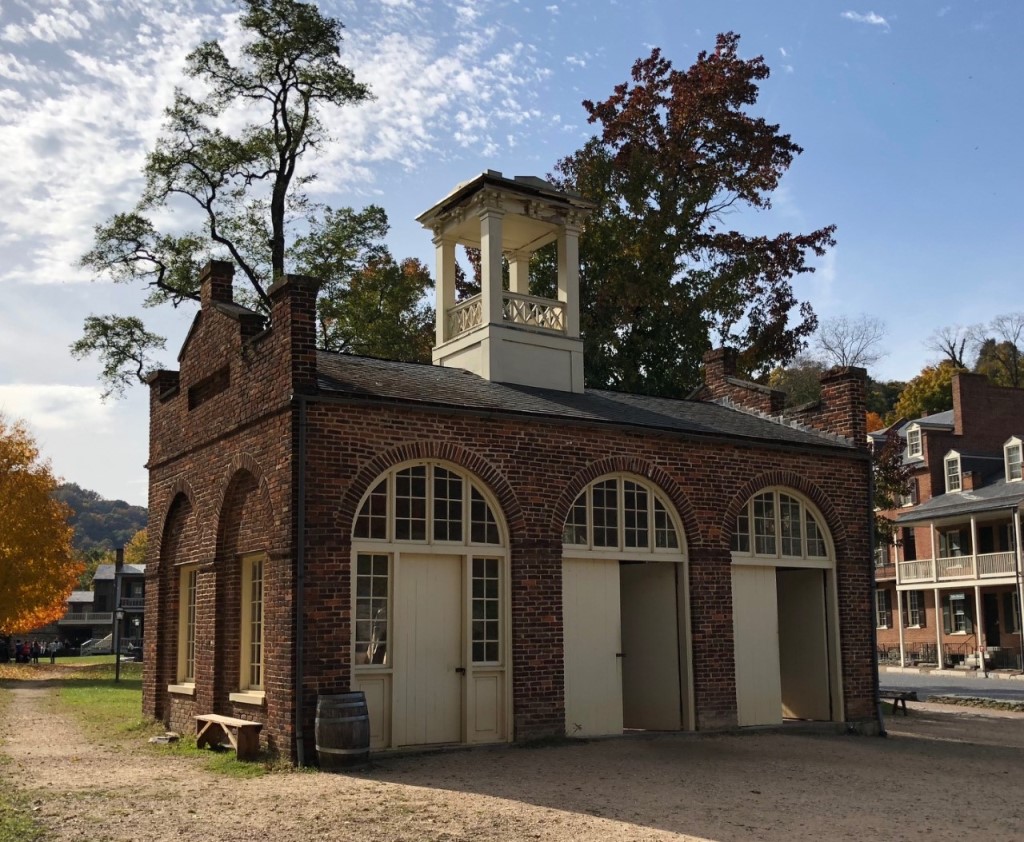 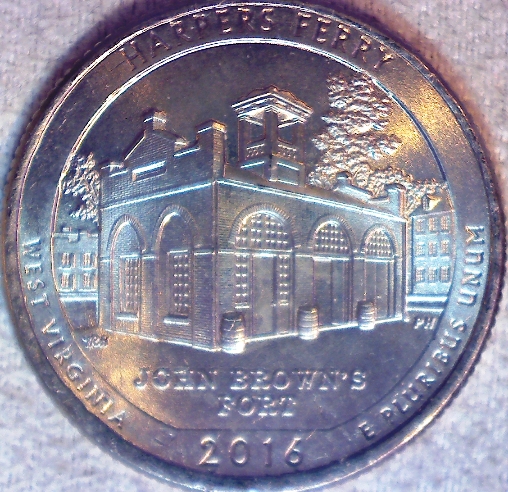 While walking around the lower town, I poked my head into the John Brown museum. The three time-coordinated videos provided a nice primer on the revolt, but the only vaguely numismatic display was of the hard times tokens, "Am I not a man and a brother" and "Am I not a woman and a sister". I don't have either of these items in my admittedly small token collection, and as far as I know, neither of them has ever been posted in CCF. Here is one brief mention of a modern mule in a prior thread: http://goccf.com/t/169846 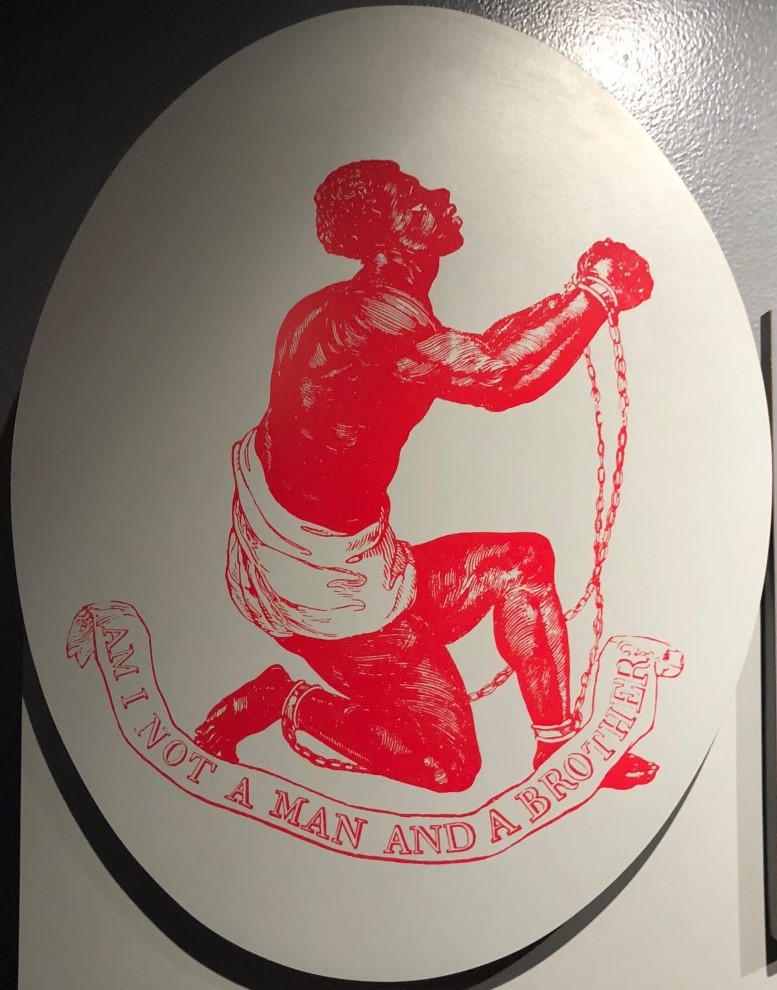 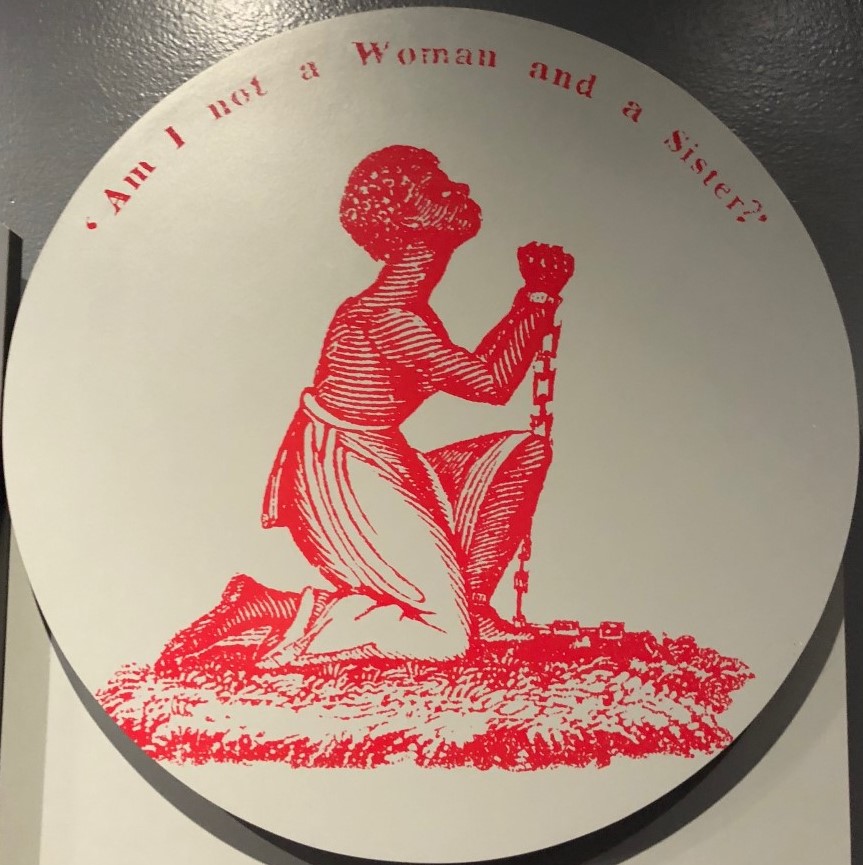 "If you climb a good tree, you get a push."
-----Ghanaian proverb
"The danger we all now face is distinguishing between what is authentic and what is performed."
-----King Adz
|
|
Pillar of the Community
 United States
8047 Posts |
I am catching up, and there are some great recent posts that serve as reminders that museums in small cities can be real gems. Which goes for both Europe and the U.S.
|
|
Moderator
United States
195203 Posts |
Excellent! |
|
Pillar of the Community
Belgium
1194 Posts |
|
|
Moderator
United States
34542 Posts |
Nestled in a building just off the quad at Emory University is the Michael C. Carlos Museum. It is a short uber ride from downtown Atlanta Georgia and well worth the trip. According to a placard, the collection got its start like this: Quote:
In 1920 William Arthur Shelton, financed by Atlanta philanthropist John A. Manget, went to Egypt and the Near East to purchase a substantial number of archaeological artifacts for Emory's Museum. He returned from his expedition with some 250 Egyptian, babylonian, and other Near Easter antiquities for study. Over the years, the collection grew through the University's participation in archaeological excavations in the Near East as well as gifts from other donors. When I visited the Carlos Museum recently, I found quite a bit of drool-worthy material for us numismatists. There were a surprising number of Greek and Roman coins as well as some incredible Egyptian amulets. For example, see below for Tets of Alexander the Great and Philip II, Drachmas of Sikyon and Ephesos, and the obligatory Athenian Tet. At the end, I've added pics of my own Triobol from Sikyon--it is always nice to be able to compare my old worn coins to ones with much more remaining detail. You can even see the scratch mark that I inadvertently made under the dove before I knew about bending the staples on my 2x2s.  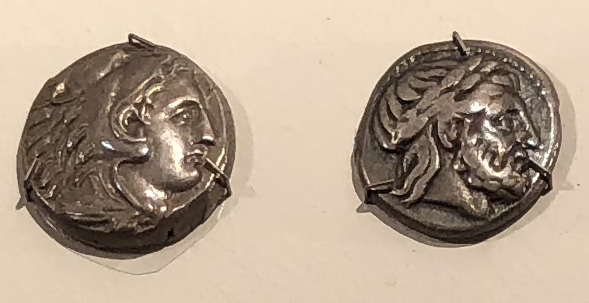 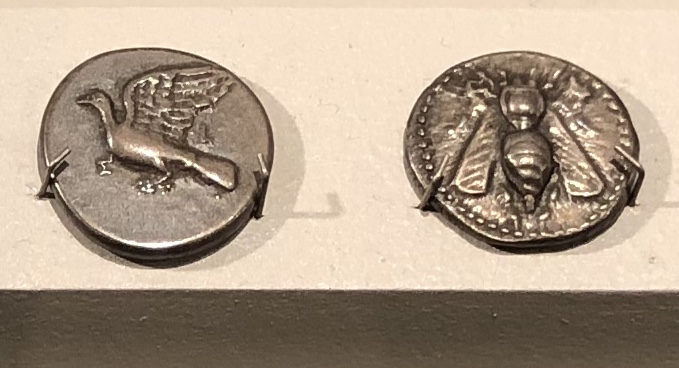 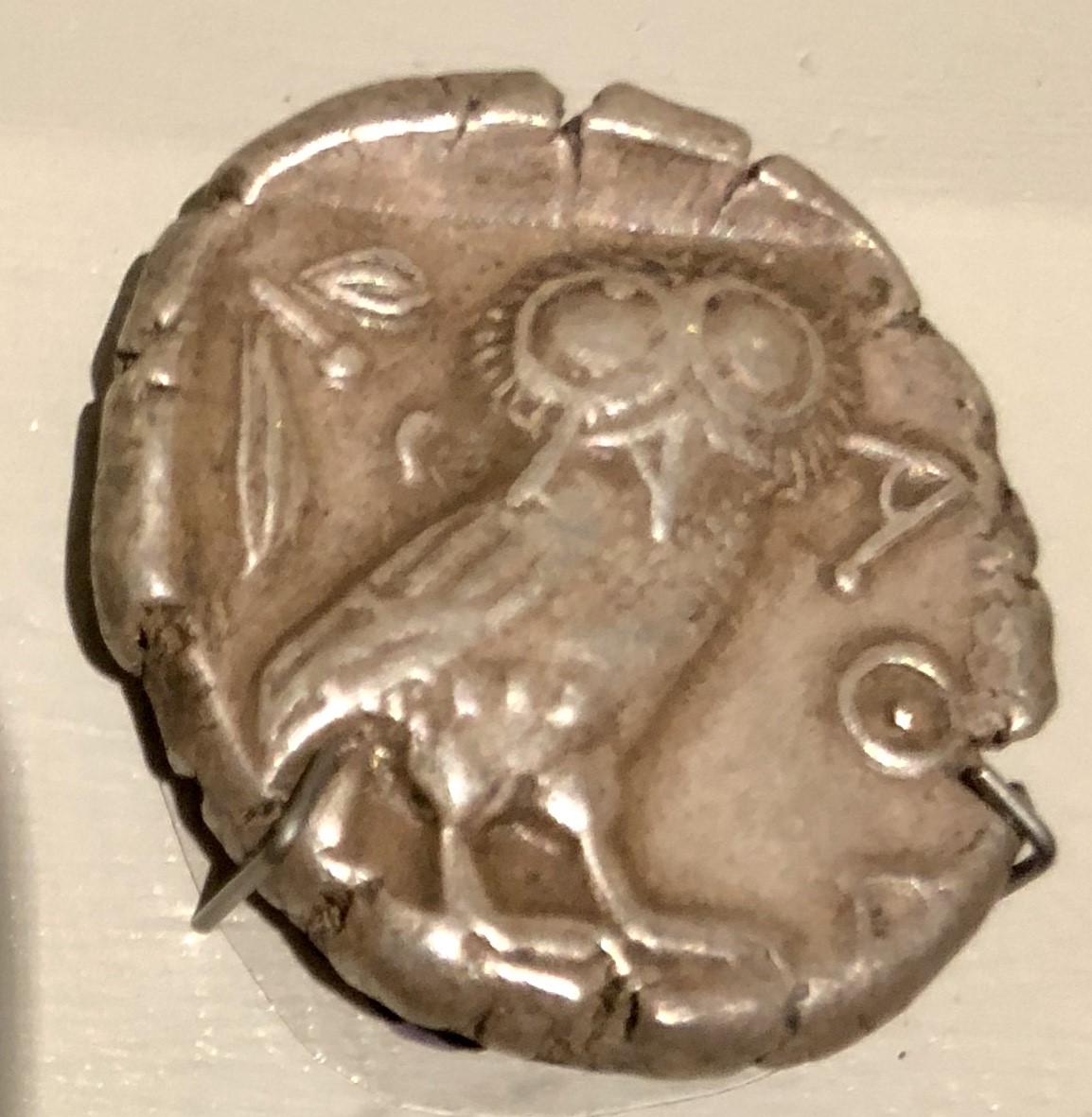 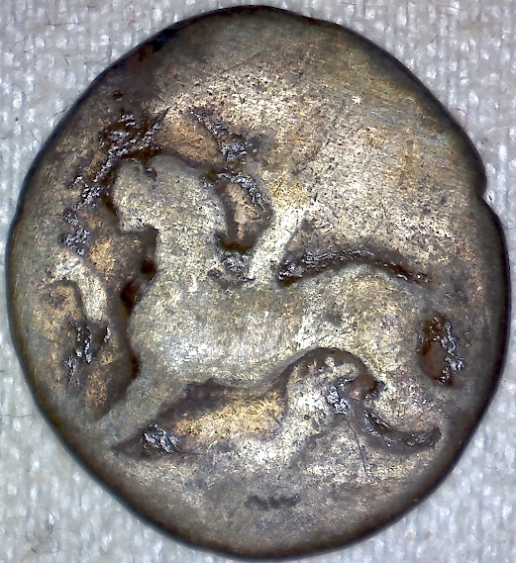 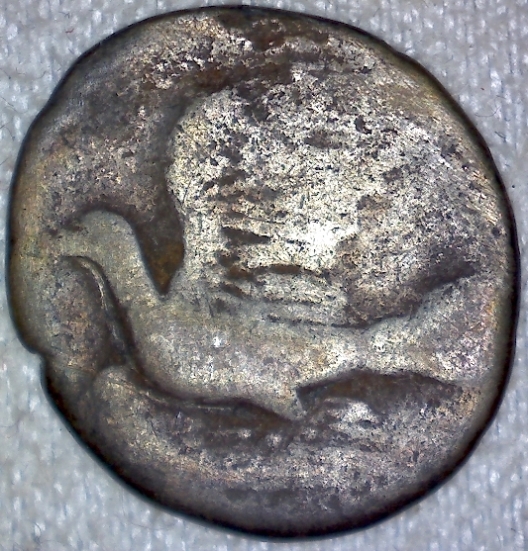 Finally, @albert sorry that I just noticed your invite to the state museum in Trier. Yes, I will connect to you via CCF email when I next have plans to be in that part of Germany. "If you climb a good tree, you get a push."
-----Ghanaian proverb
"The danger we all now face is distinguishing between what is authentic and what is performed."
-----King Adz
|
|
Moderator
United States
195203 Posts |
Very nice! I have been to Emory a few times. I wish I knew that was there. |
|
Moderator
United States
34542 Posts |
It was in the Swiss National Museum (Zürich Landesmuseum) that I learned about the so-called Oath on the Rütli Meadow (Rütlischwur). As the legend goes, three farmers (from the towns of Uri, Schwyz, and Unterwalden) met to create a pact. According to wikipedia, the meeting could plausibly have occurred on November 8, 1307. A little later (in 1481 AD) and after years of infighting, the Treaty of Stans was signed. The 10 cantons mutually recognized their various territories and promised to support each other against all others. More recently, in 1851 the Swiss Franc replaced more than 800 different coins minted by 79 holders of the right of coinage. At that time, it was pegged in value to the French Franc. The Swiss Landesmuseum has a pretty amazing collection of Roman, Dark Age, Medieval, and Renaissance-era coins, along with a pretty neat exhibit of Swiss paper money. You can safely plan on spending several hours immersed in their amazing collection. Swiss Bank Notes: 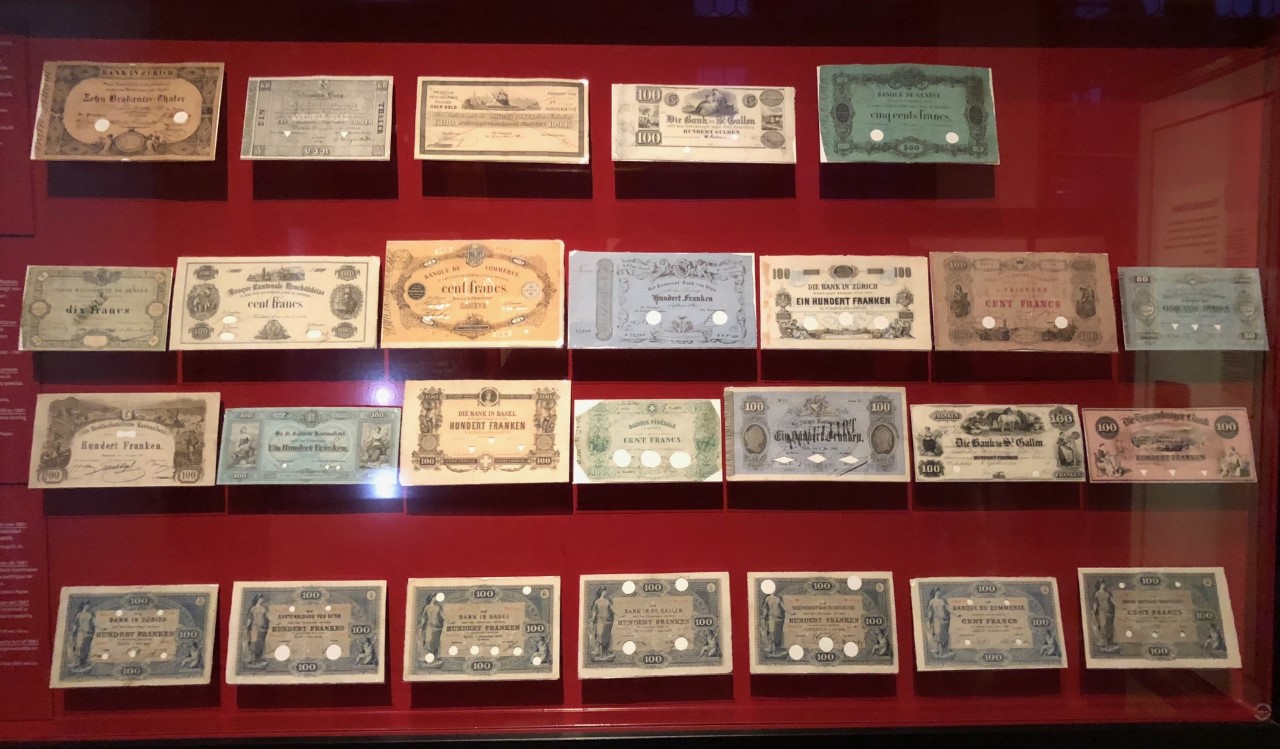 Cast Potin from Basel Canton (135 to 50 BC): 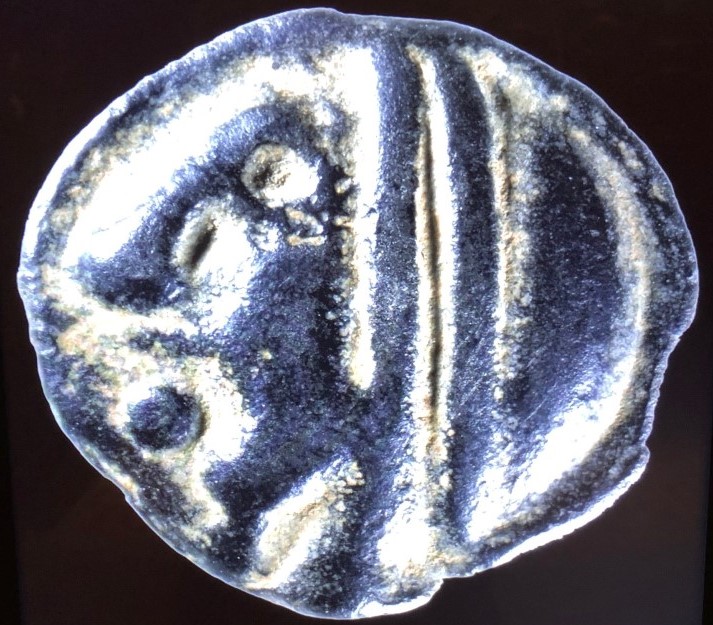 Quinarius from Solothurn Canton (135 to 70 BC): 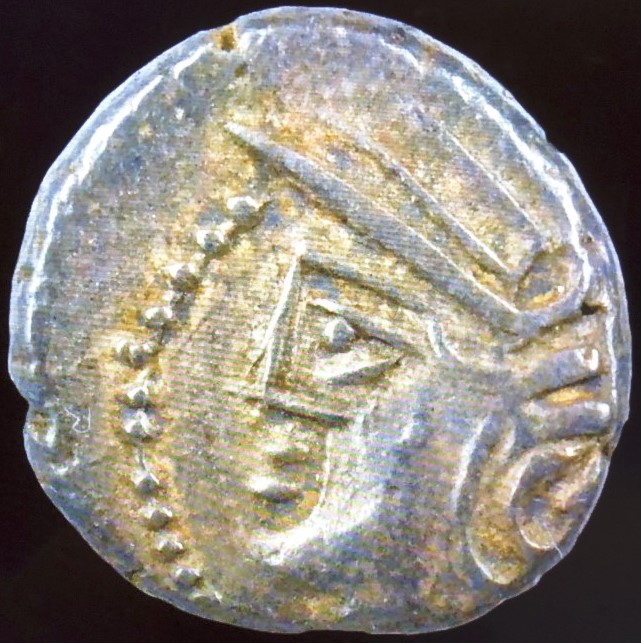 Triens from Ticino Canton (ca. 600 AD): 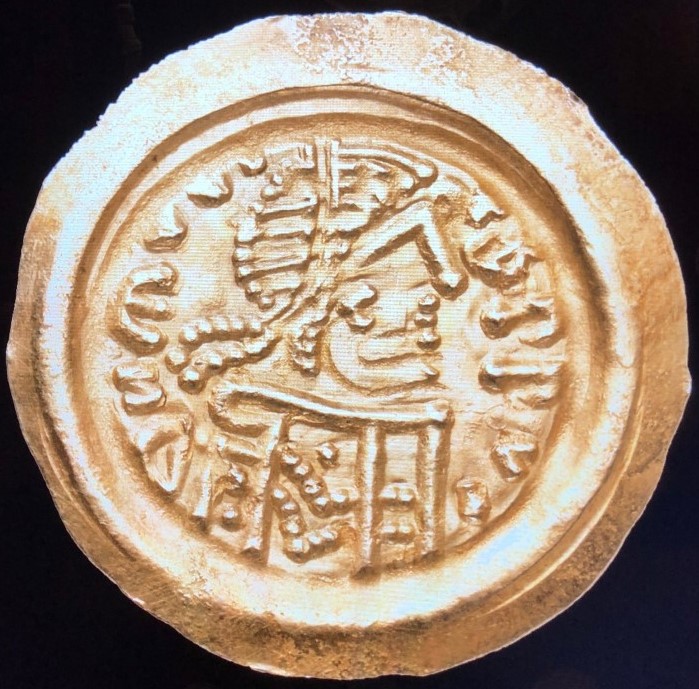 For comparison, here is my oldest coin of Switzerland: A Pfennig of the Swiss Bishopric of Basel that dates to between 1150 and 1200 AD. 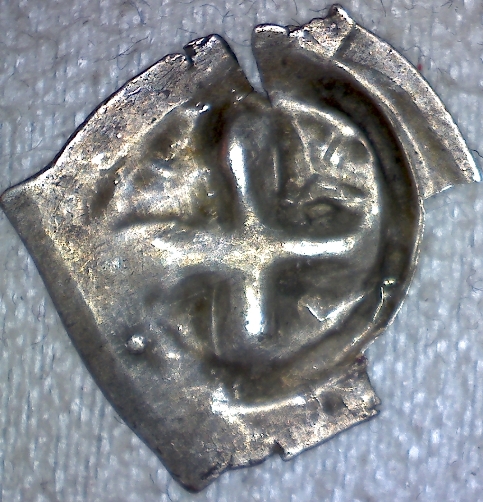 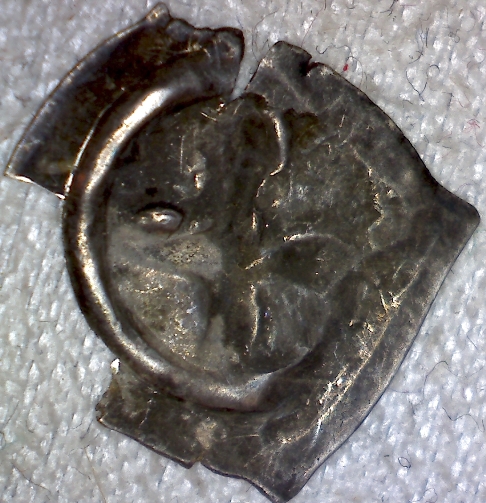 "If you climb a good tree, you get a push."
-----Ghanaian proverb
"The danger we all now face is distinguishing between what is authentic and what is performed."
-----King Adz
|
|
Moderator
United States
195203 Posts |
Very nice! |
| |
Replies: 198 / Views: 31,346 |





 First Page
 Previous Page




 Posted 11/12/2018 10:10 am