| Author |
 Replies: 557 / Views: 24,819 Replies: 557 / Views: 24,819 |
|
|
|
Pillar of the Community
United States
1077 Posts |
commems, I accept your challenge! Here's a British one-penny token, dated 1812, from Roscoe Place, Sheffield, Yorkshire. The issuer was Shaw, Jobson, & Co., whose many factories are shown behind the wall on the obverse. Among their products were candlesticks, edging tools, fenders, fireplaces, irons, stove grates, etc. Withers 1047, Davis Sheffield 141-143.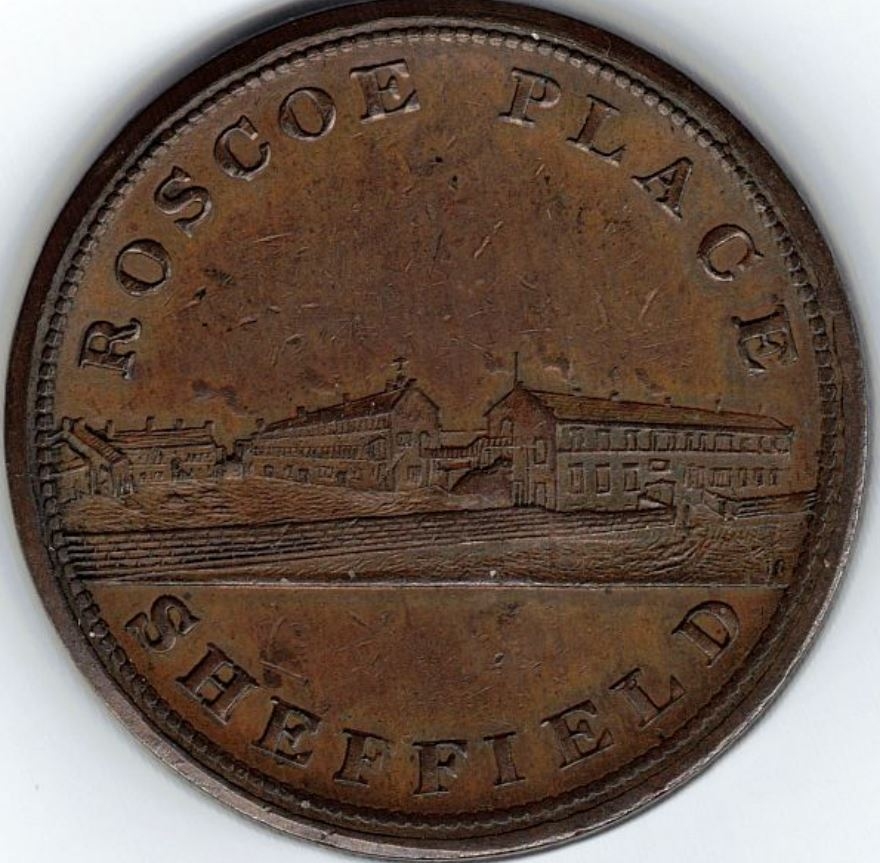 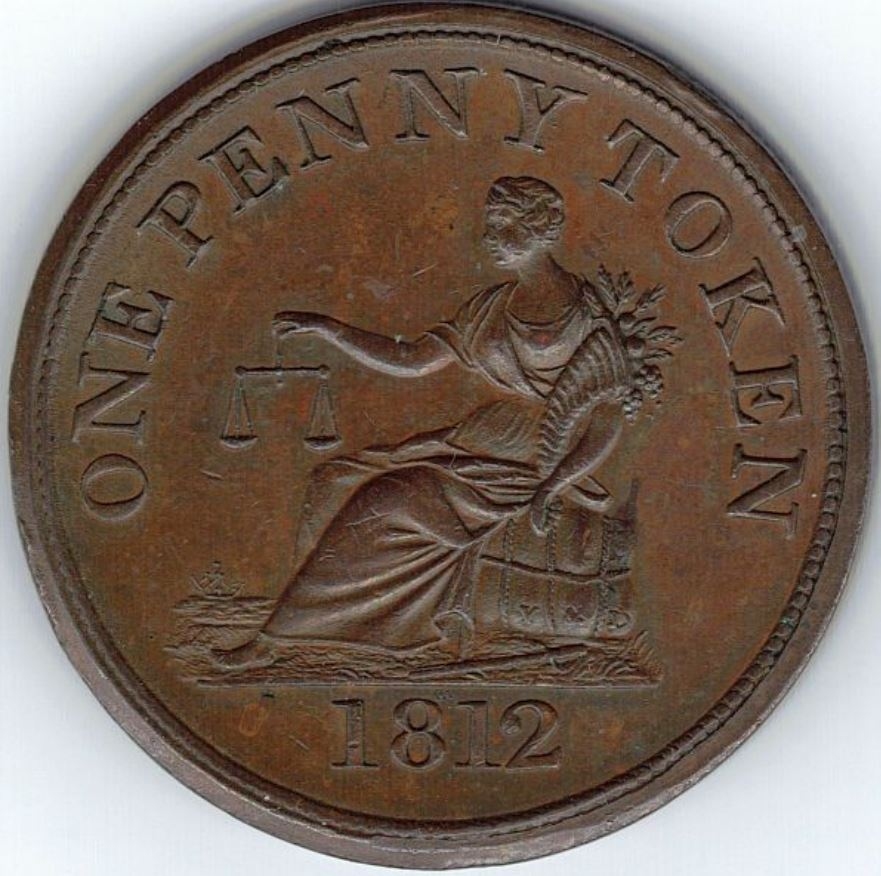
"If everything seems to be under control, you're just not going fast enough."
--- Mario Andretti
|
|
Moderator
 United States
194888 Posts |
Great examples!  |
|
CCF Master Historian of Commemorative Coins
 United States
12514 Posts |
Quote:
commems, I accept your challenge! @daltonista: Great! I plan on sitting back and enjoying your show!  Collecting history one coin or medal at a time! (c) commems. All rights reserved.
|
|
Pillar of the Community
United States
1077 Posts |
This is the very rare 1815 2d token from Rugeley (Staffordshire), issued by Edward Barker, chemist and manufacturer. The product promoted on this token -- the "hydraulic blowing machine" -- was advertised for HVAC applications, and also as an upgrade from the manual bellows needed to maintain the heat and intensity of the flames needed for iron foundries, smithing, and welding. Like the 1797-dated regal issue of the same denomination, this tuppence is 41mm in diameter, but its weight is 39.5 grams, in contrast to the "Cartwheel's" 56.7g (per Numista). Withers 965, Davis 93 (Staffordshire). 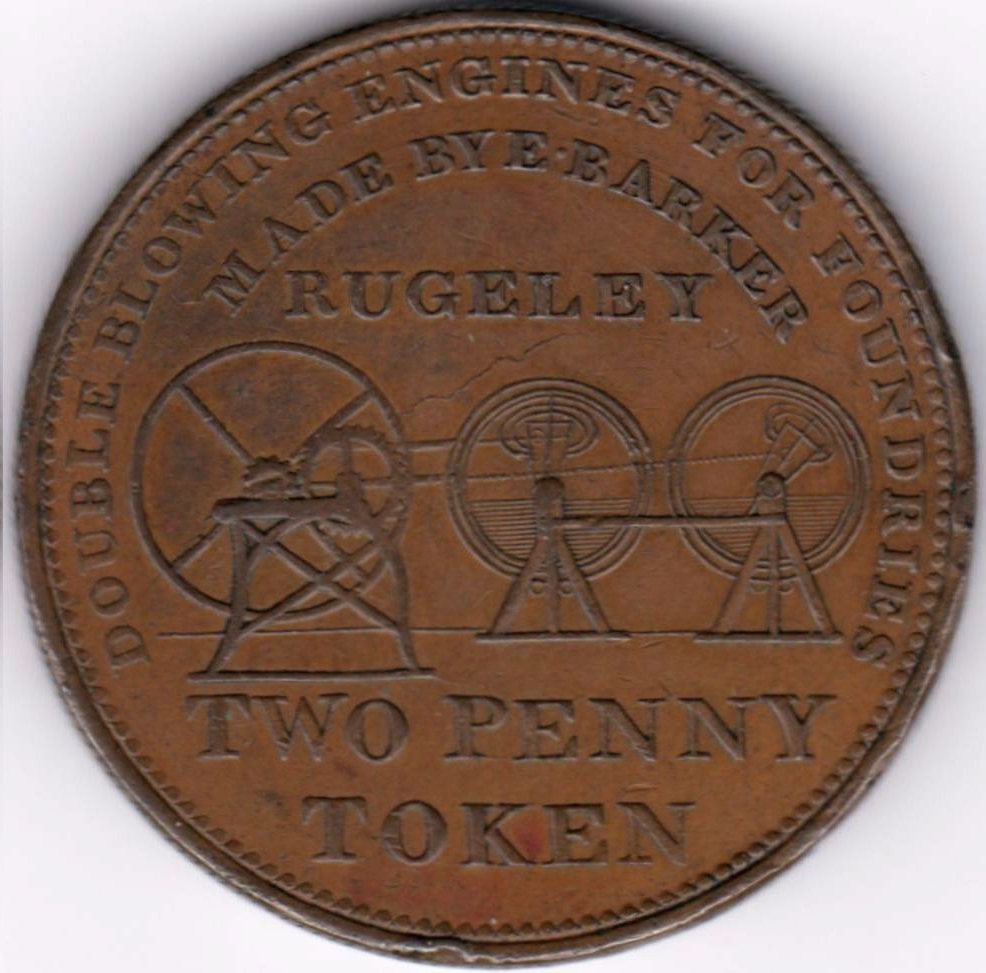 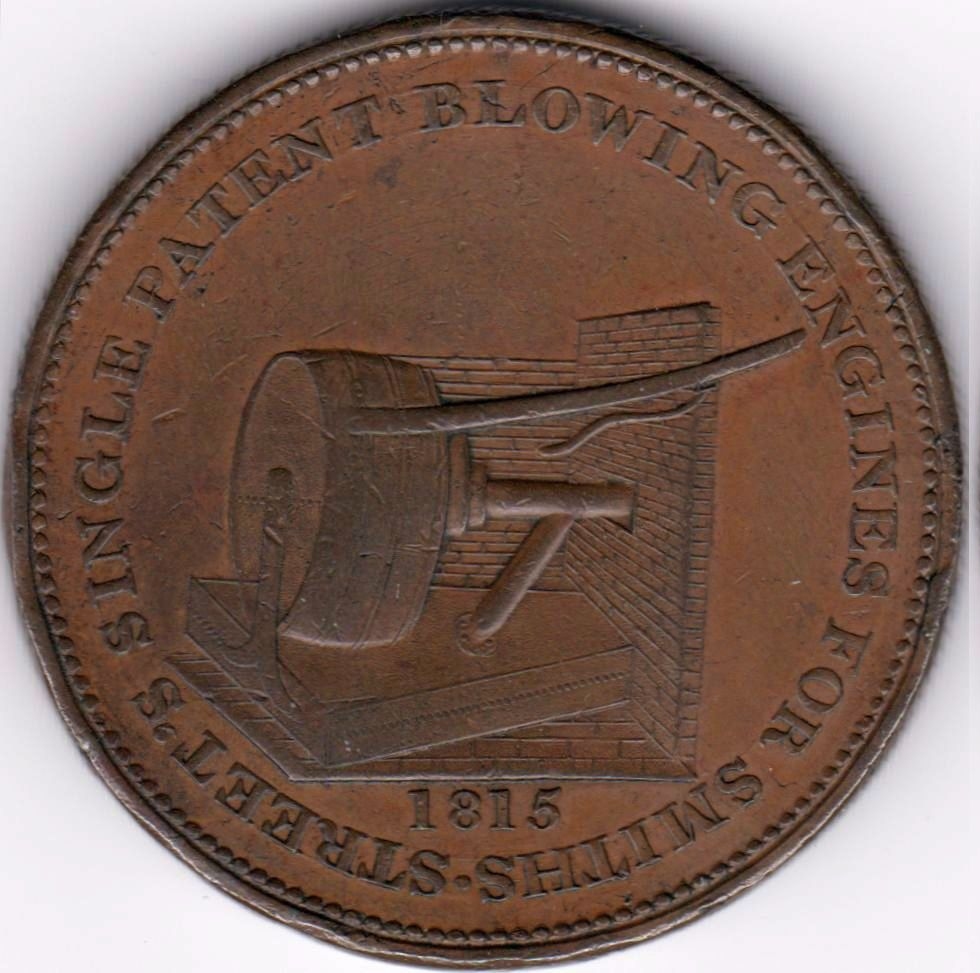 "If everything seems to be under control, you're just not going fast enough."
--- Mario Andretti
|
|
CCF Master Historian of Commemorative Coins
United States
12514 Posts |
Cool piece! I'd never heard of a "hydraulic blowing machine" before. I guess I need to get out more!
Collecting history one coin or medal at a time! (c) commems. All rights reserved.
|
|
Bedrock of the Community
Canada
24885 Posts |
1944 Philippines. 1 Centavo U.S. Administration. 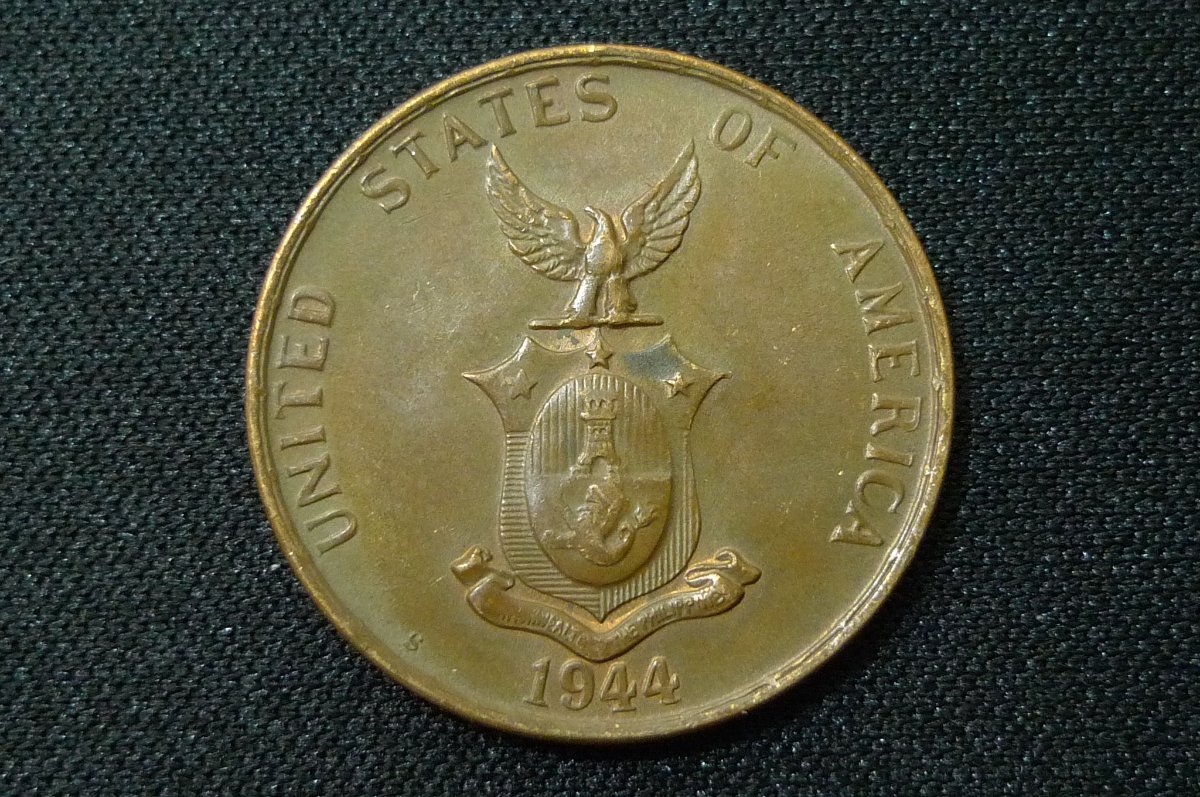 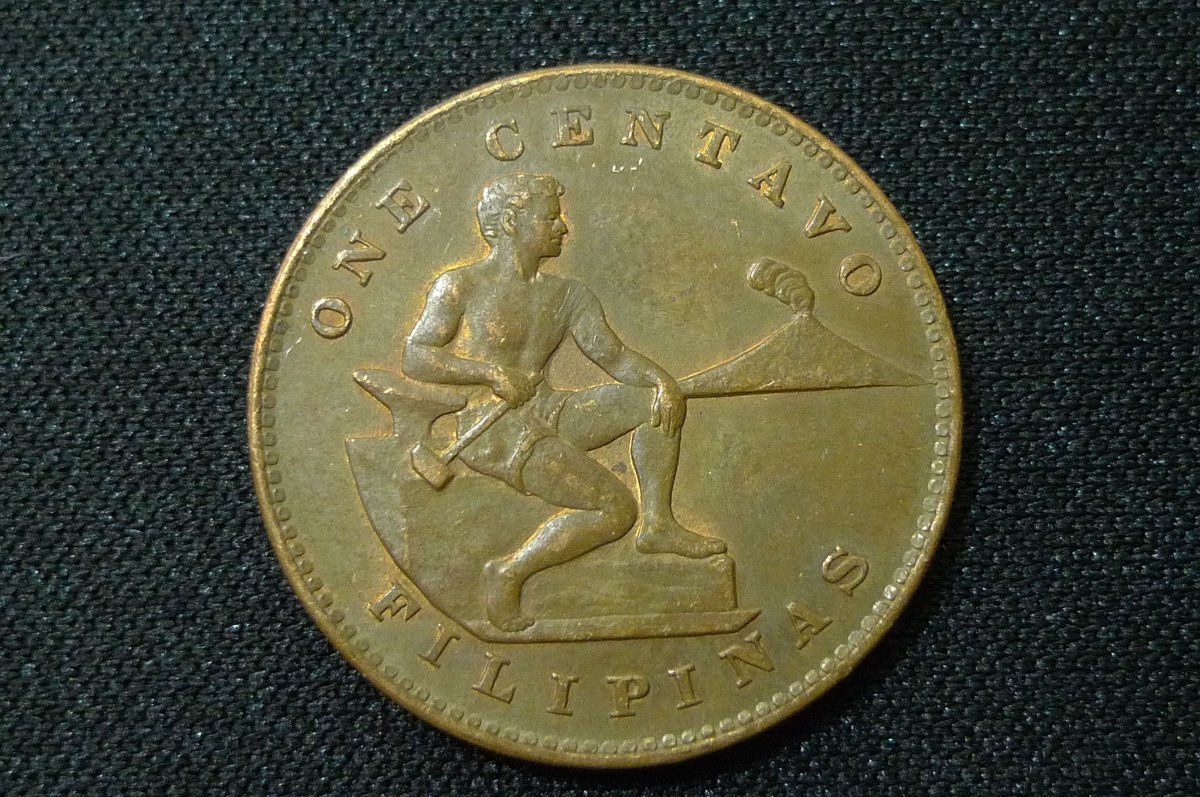 |
|
Moderator
United States
194888 Posts |
Great examples! |
|
Pillar of the Community
United States
1494 Posts |
Egypt 1 pound 1980 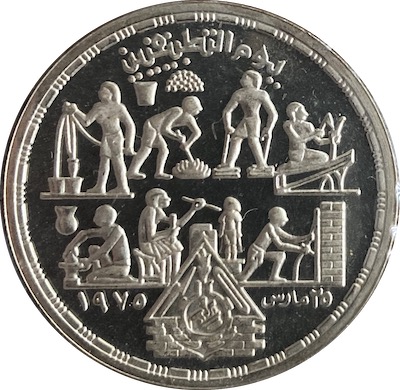 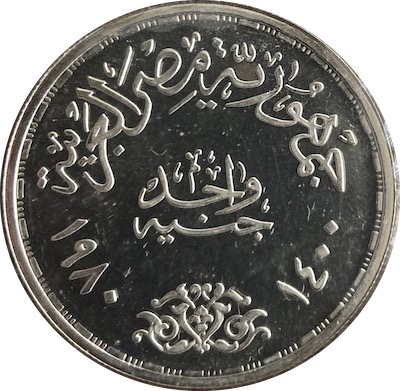 |
|
Pillar of the Community
United States
1077 Posts |
owatchman, I've figured out the potter, the sculptor, and the bricklayer, but can you tell us what those other people are doing so industriously? Meanwhile, from the world of early 19th-century British exonumia, my contribution for today is this 1812 one-penny token issued by John Bunn, whose iron mill was located at Weybridge on the River Wey in Surrey. He also had a warehouse at Dowgate Wharf in London that handled the distribution of his product line, which was comprised predominantly of hoops for barrels and casks. I've included a third photo just to highlight the eccentric, almost ornamental, diecutting that distinguishes the reverse legends on this piece, which was allegedly engraved by P. Wyon and struck by the noted medallist Edward Thomason at his Birmingham "manufactory." Withers 1200; Davis 5 (Surrey); 33mm, 18.4g. 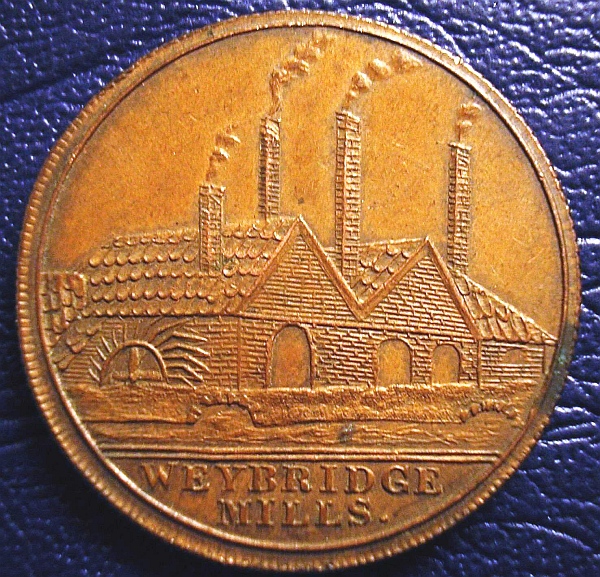 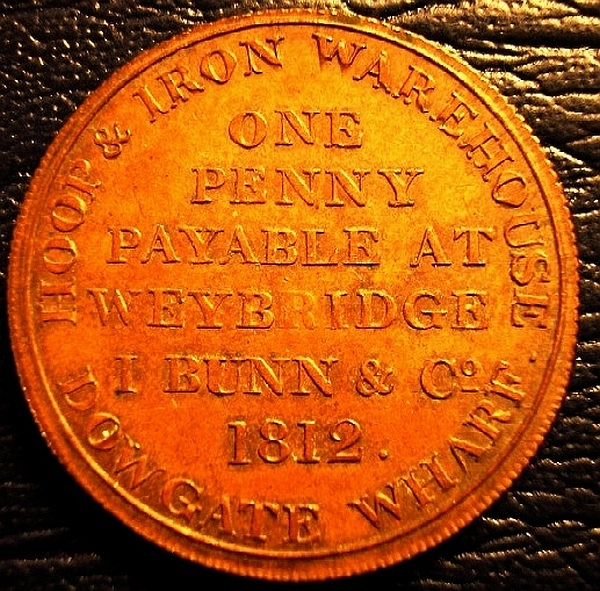 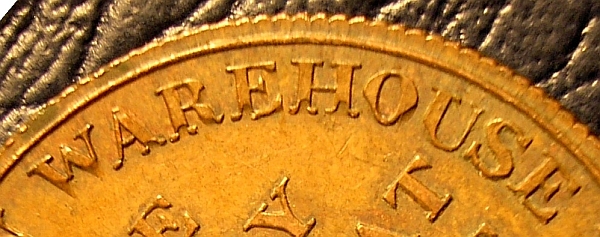
"If everything seems to be under control, you're just not going fast enough."
--- Mario Andretti
|
|
Bedrock of the Community
Canada
24885 Posts |
E.L. Lydiard - 1 cent 1859 - Prince Edward 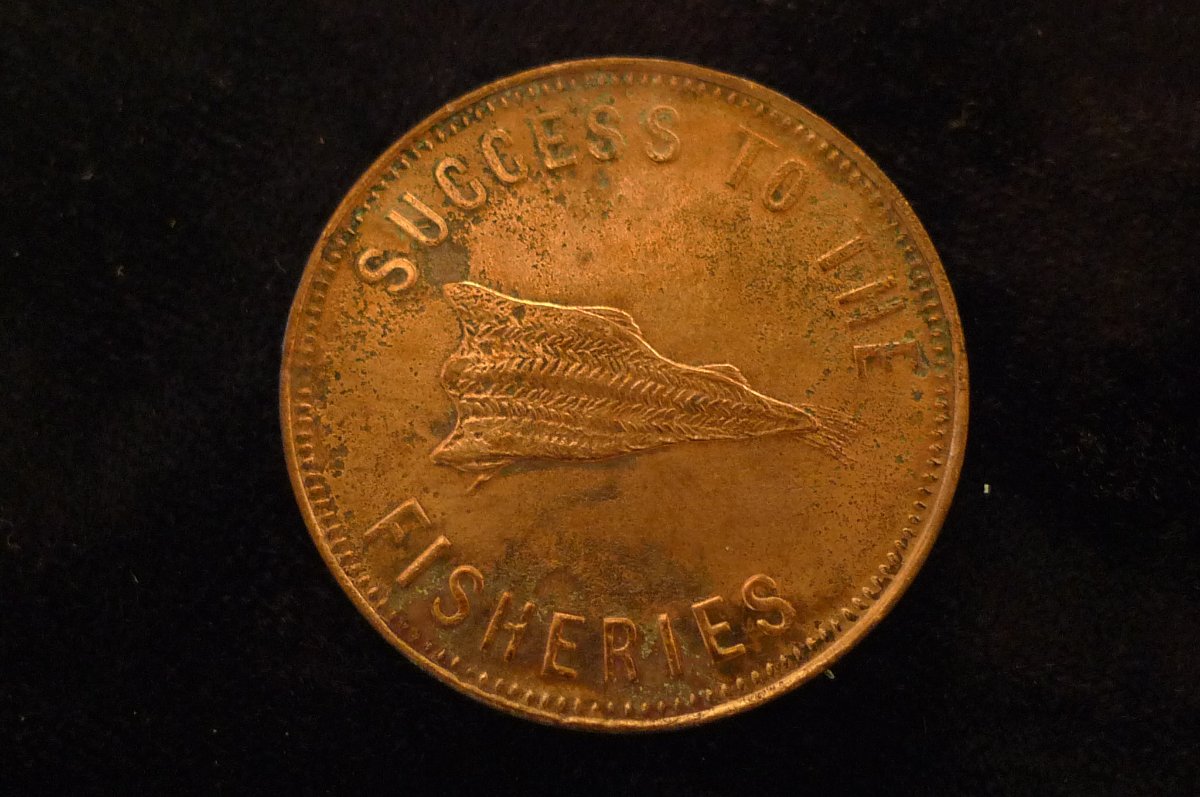 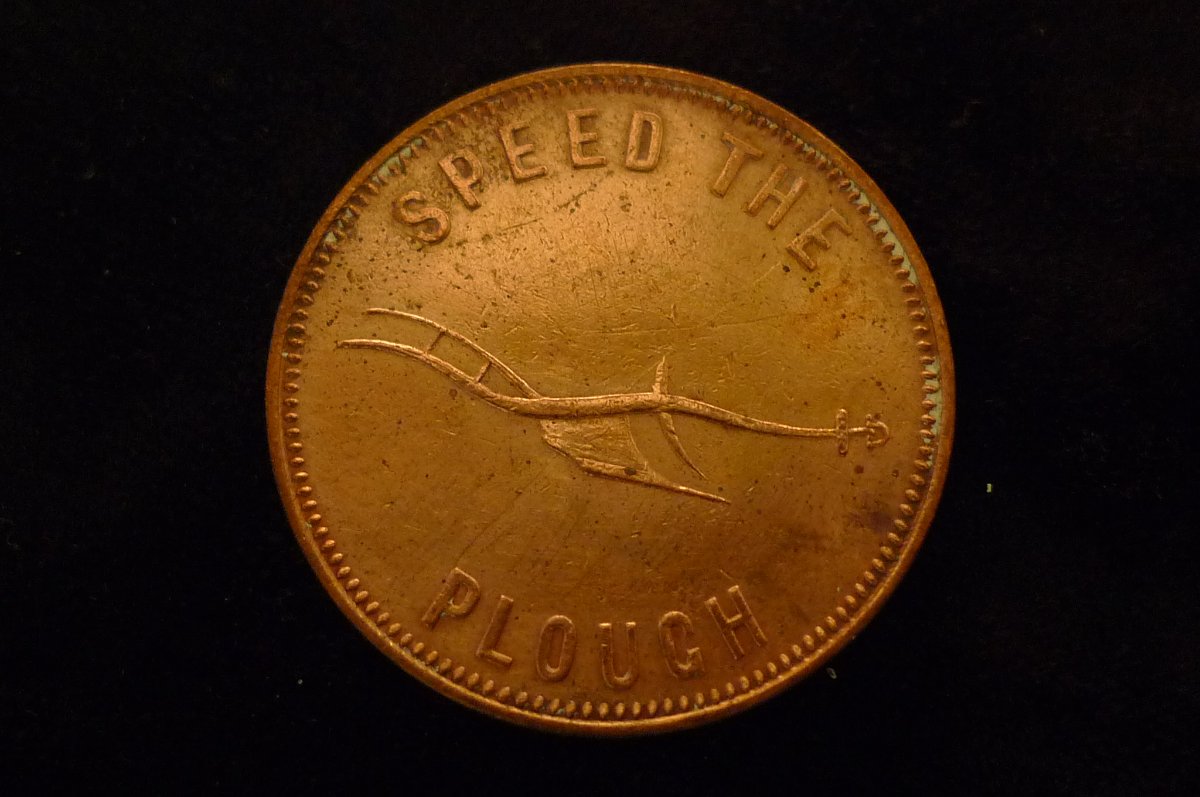 |
|
Moderator
United States
194888 Posts |
Looking good! |
|
Bedrock of the Community
Canada
24885 Posts |
1944 D Philippines. 20 cents.U.S. Administration 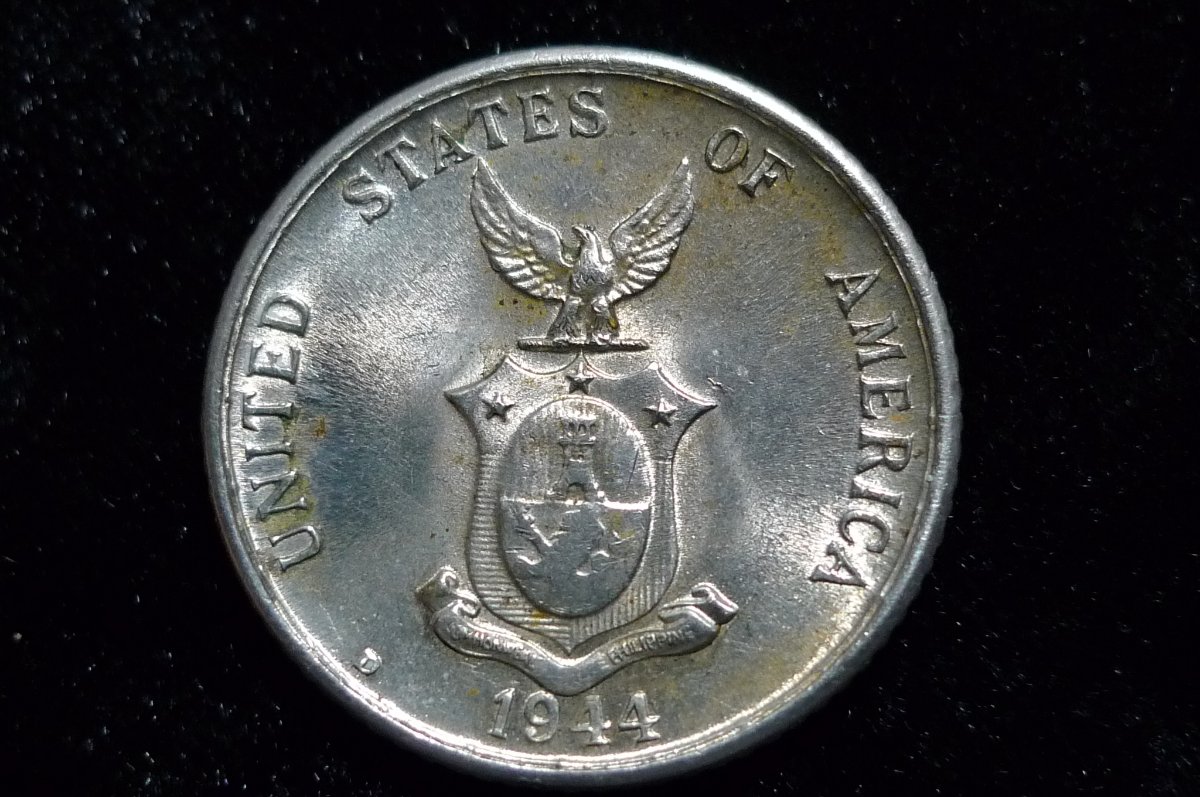 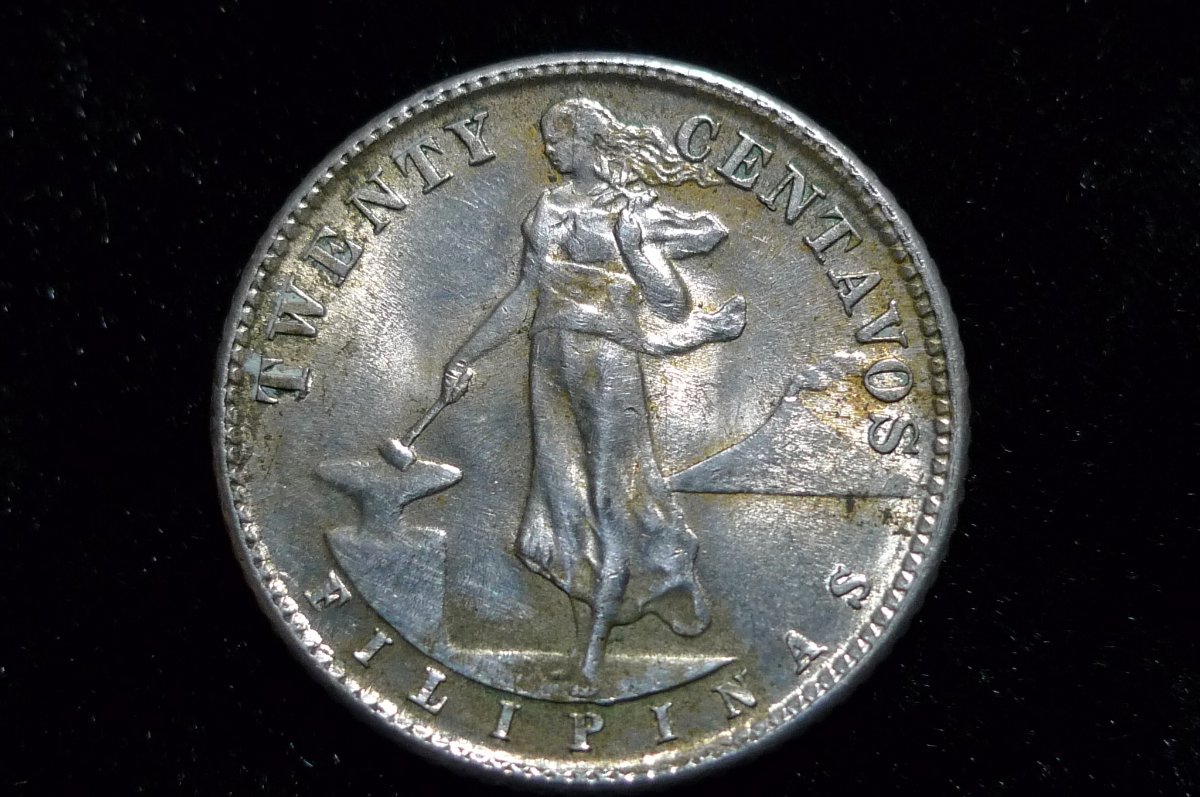 |
|
Pillar of the Community
United States
1494 Posts |
Quote:
I've figured out the potter, the sculptor, and the bricklayer, but can you tell us what those other people are doing so industriously? Honestly, I'm not 100% sure myself. I would guess that it's part of the brick making process, such as gathering the raw materials to make into actual bricks. |
|
Moderator
United States
194888 Posts |
Quote:
1944 D Philippines. 20 cents. U.S. Administration Very nice! |
|
Pillar of the Community
United States
1077 Posts |
Most of us who grew up in the English-speaking world have long known the phrase "carrying coals to Newcastle" as an idiom for pointlessness and redundancy. Issued in 1812 by a Newcastle jeweler and silversmith named Alexander Kelty, this silver shilling token circulated primarily in the Northumberland and Durham areas of England, where coal had been the dominant industry ever since the 14th century. The token shows a wide-angle view of an unidentified mining operation on one side and the arms of Northumberland featuring a pair of hippocampi, four castles, and a lion on the other. As we look at the mine, we can see in the foreground a horse or donkey led by a human on foot and pulling a cart configured as a coal hopper, just like the ones the railroads used when they arrived on the scene close to 30 years later. Most of the coal from this area, however, was shipped via barge on the River Tyne, which may appear to the left in the background of this token's little mining vignette...looks possible, and the geography of the area is right for it, but I'm unable to confirm that even at 20x magnification. Newcastle-on-Tyne, Northumberland: Dalton 8; Davis 8.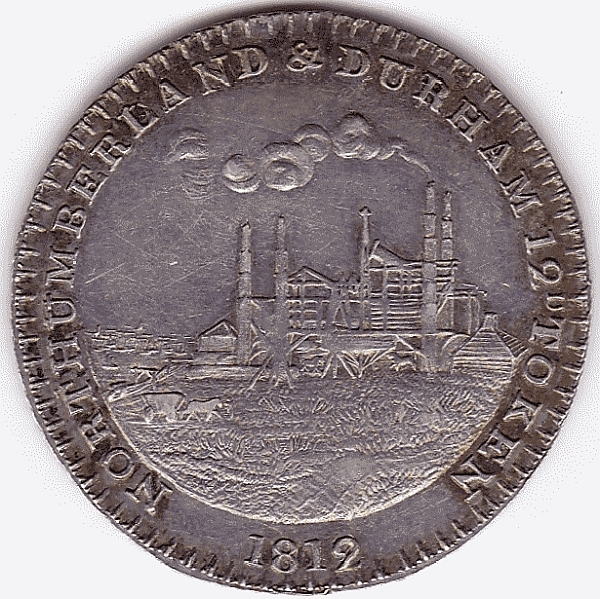 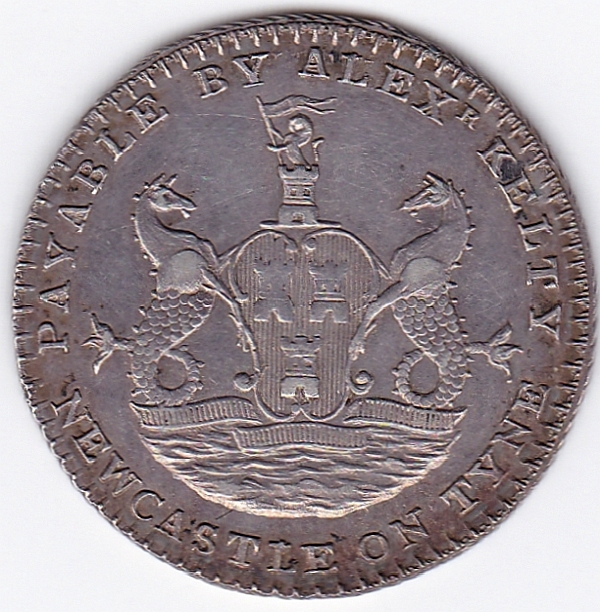 "If everything seems to be under control, you're just not going fast enough."
--- Mario Andretti
|
| |
Replies: 557 / Views: 24,819 |







 First Page


 Posted 09/23/2021 3:53 pm





