| Author |
 Replies: 25 / Views: 4,182 Replies: 25 / Views: 4,182 |
Page 2 of 2
|
|
|
|
Valued Member
 United States
329 Posts |
Sorry about the typo- I've been using my phone internet. I had more pictures of the process but I accidentally deleted them. Let me say this: -The olive oil turned nasty green and thick over the course of 6 months with 12 coins soaking in it. -As you will see the end result is no good and clearly I have accomplished nothing. After the 6 month olive oil bath I swirled the coins in soapy water and an oily residue remained. I then swirled them in an acetone bath for 5 minutes and left them out to dry. 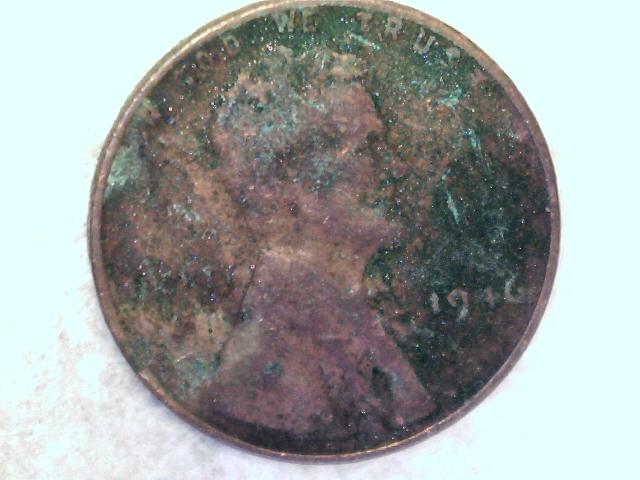 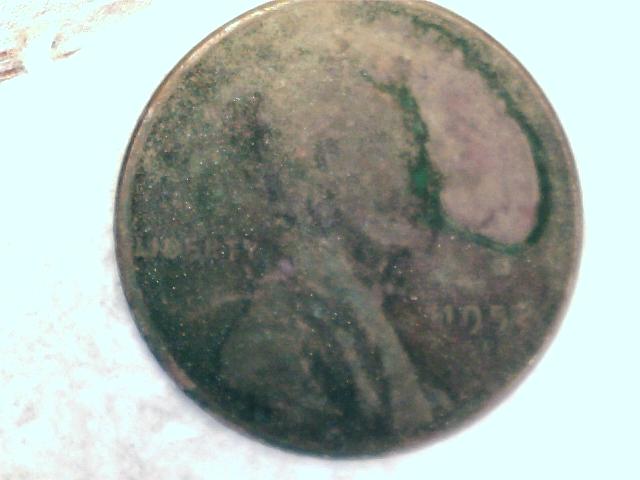 The first image is an example of the coin prior to all this experimenting. The second is the final product. A portion of the verdigris was removed but overall nothing good was done to the coins obviously, and the final difference is not remarkable IMHO. I'm gonna throw these coins in the tumbler for a while now... |
|
Bedrock of the Community
United States
20753 Posts |
I've posted this many times in the past. Using STUFF like Olive Oil, water, dish soaps, etc. are just to vague. Water is different everywhere. Some from wells is actually corrosive. From a house that contains a water softener, even worse. Every batch of water even from the same place could be different from day to day. And Dish soaps too are all different. Dawn may be different from day to day pending how the company makes it that day. Some manufacturers purposely change their product to fool attempted copiers. Using a brush, dish cloth, toothpick, rose thorn, etc are just nuts.
All sorts of methods to clean them is in most instances a waste of time and money. Many people spend more on cleaning STUFF for coins than the coins themselves.
|
|
Valued Member
United States
329 Posts |
Carl this was just an experiment for me to personally see the effects of what various methods I've heard of actually produce. I was not expecting nor did I get good results. I spent $0 on doing this and a total of about 10 minutes of my time. Worth it for me to see what happened :)
|
|
Pillar of the Community
Canada
4227 Posts |
Yeah, I have a bunch of these same looking wheats sitting right in front of me. I know they're likely toast, but was curious. BTW, olive not so good for your health  |
|
Valued Member
United States
329 Posts |
The cent was tumbled in corn cob granules for about 10 hours in a spent brass tumbler. I thought it would remove more of the verdigris... 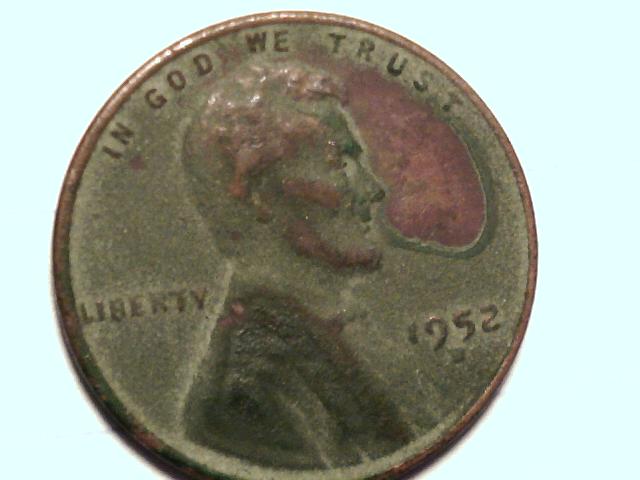 |
|
Pillar of the Community
United States
2077 Posts |
This would be a good test coin for verdicare. It's almost verdigris plated!
|
|
Pillar of the Community
United States
2077 Posts |
Also, is that the same coin as in the post oil photo. When I saw that pic, I figured that all the detail was worn off. It was really just a ton of verdigris.
BTW, If anyone wants to know the secret of taking cents from decent condition to heavily corroded, I have a way. Put them in a Whitman folder and have a cat pee on the folder. They will go from beautiful to completely coated in verdigris in no time at all. Cat is still alive.
|
|
Bedrock of the Community
United States
20059 Posts |
Quote:
-As you will see the end result is no good and clearly I have accomplished nothing. Same thing I saw in my testing with olive oil. Yes, the acids have removed some of the verdigris, but they also attacked and dulled the metal. Your coin has heavy verdigris. When it's reached that stage, the coin is a goner, plain and simple. If you're determined with a heavily corroded coin, you have two choices: 1) Strip the coin completely down to bare metal with acid. 2) Deactivate the verdigris and keep it in an air tight environment. Lincoln Cent Lover!VERDI-CARE™ INVENTOR https://verdi.care/
|
|
Bedrock of the Community
United States
20059 Posts |
Quote:
The cent was tumbled in corn cob granules for about 10 hours in a spent brass tumbler. I thought it would remove more of the verdigris...
Futile, the verdigris has etched into the surface and the lower layer is of a different, more tenacious composition from the top. There's no removing it short of steel wool or acid. |
|
Bedrock of the Community
United States
20059 Posts |
Quote:
This would be a good test coin for verdicare. It's almost verdigris plated! Thanks for the suggestion, but VC was definitely not designed to remove heavy verdigris like this. However, it would deactivate it.  Lincoln Cent Lover!VERDI-CARE™ INVENTOR https://verdi.care/
|
|
Valued Member
United States
331 Posts |
Quote:
BTW, If anyone wants to know the secret of taking cents from decent condition to heavily corroded, I have a way. Put them in a Whitman folder and have a cat pee on the folder. They will go from beautiful to completely coated in verdigris in no time at all. Cat is still alive Old skool that made me crack up. lol |
|
Valued Member
United States
329 Posts |
Thank you to whoever fixed my title typo!
This has kinda turned into an experiment for me at this point. I can see how maybe the top layer of verdigris was removed and now what's left is etched into the coin. Just for poops and laughs I soaked the coin in GUNK for 5 minutes and nothing at all happened. What type of acid are we talking about for stripping the coin? Something I would have access to?
And yes, the pictures, barring the first, are all the same coin
|
|
Moderator
 United States
196946 Posts |
Quote:
Thank you to whoever fixed my title typo! You are welcome. I meant to do it sooner, but I forgot.  |
|
Bedrock of the Community
United States
20059 Posts |
Quote:
What type of acid are we talking about for stripping the coin? Nitric acid works best on metals, but I don't think it's available to consumers. However, you can buy muriatic acid as most hardware stores, it will work too. Lincoln Cent Lover!VERDI-CARE™ INVENTOR https://verdi.care/
|
|
Valued Member
United States
329 Posts |
Different coin, but also started totally covered in Verdigris. 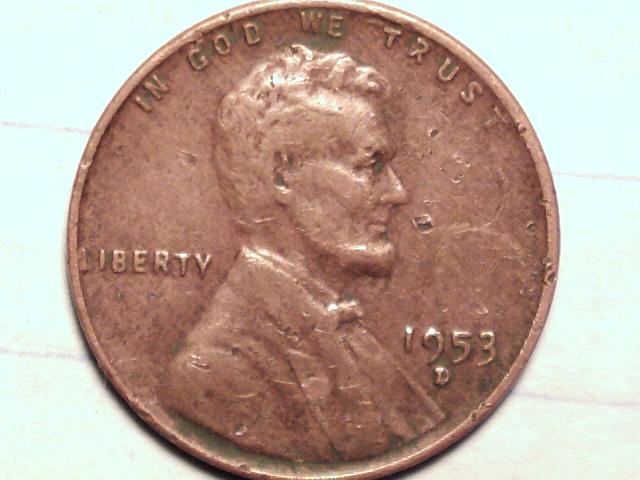 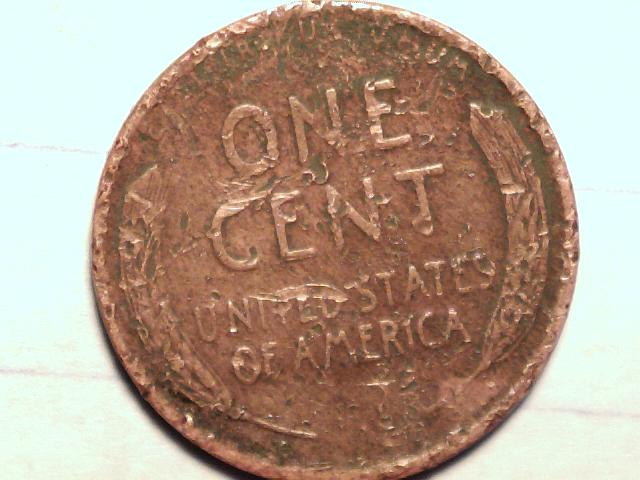 |
|
Page 2 of 2
|
Replies: 25 / Views: 4,182 |
Page 2 of 2
|





 First Page

 Posted 06/20/2013 9:27 pm


