| Author |
 Replies: 95 / Views: 20,770 Replies: 95 / Views: 20,770 |
|
|
|
|
Pillar of the Community
3772 Posts |
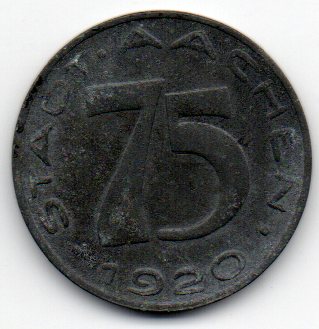 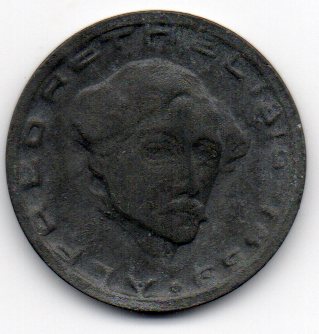 75 Pfennig 1920, Notgeld from Aachen (Aix-la-Chapelle) |
|
Pillar of the Community
United States
2643 Posts |
48 Stuivers -- Lion Daalder from W. Friesland. I scanned this for the how far back can we go thread, but saw 48 hasn't been covered yet. 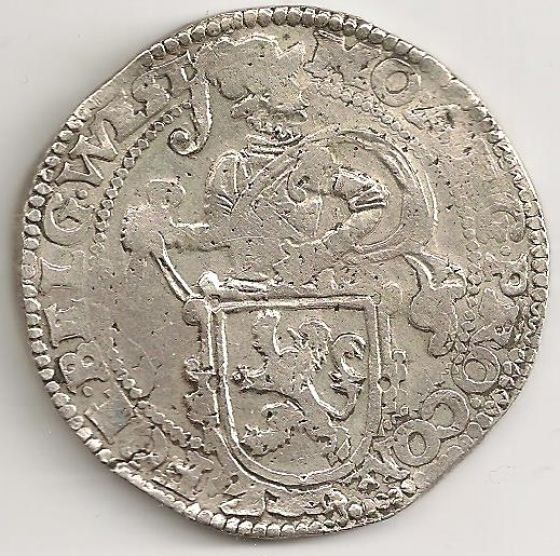 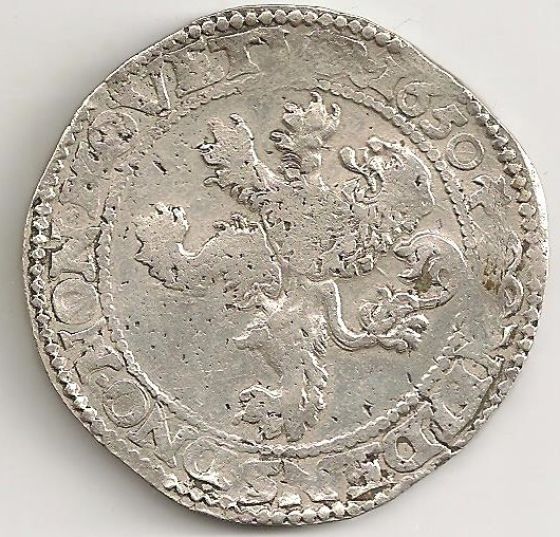 |
|
Pillar of the Community
2087 Posts |
Harrar( Ethiopia) Besa: not listed in Krause. Gill lists it incorrectly as a Token. I may have the reverse upside down  |
|
Bedrock of the Community
United Kingdom
18892 Posts |
A couple of recent ones from Euroland: France - one-and-a-half Euros: 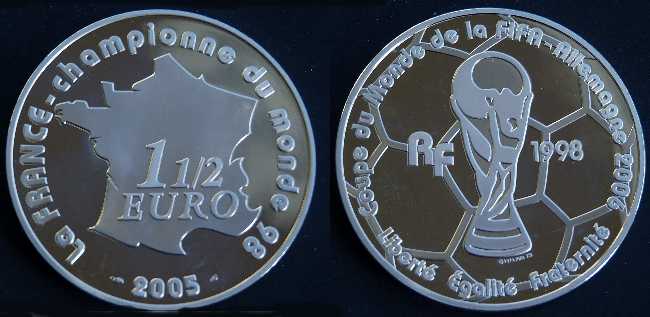 Spain - 12 Euros: 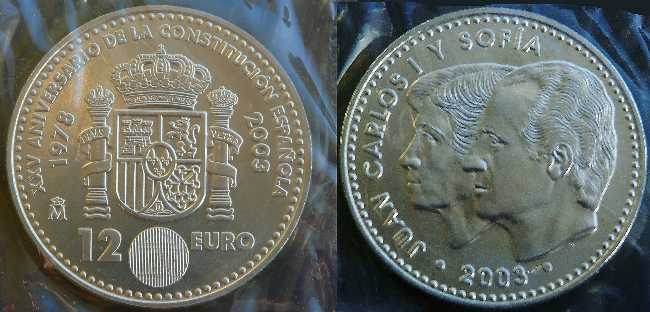 France tends to use unusual denominations for its NCLT coins - they have also issued 25 cent and one-and-a-quarter euro coins. The Spanish 12-euro coins (which are available at face value from banks) continue a series that started in pre-Euro days with silver 2,000-peseta coins. The denomination of 12 euros is equivalent to 1,992 pesetas, and the coins are of the same specification as the old 2,000 pesetas. |
|
Rest in Peace
United States
1501 Posts |
Large for a small coin. 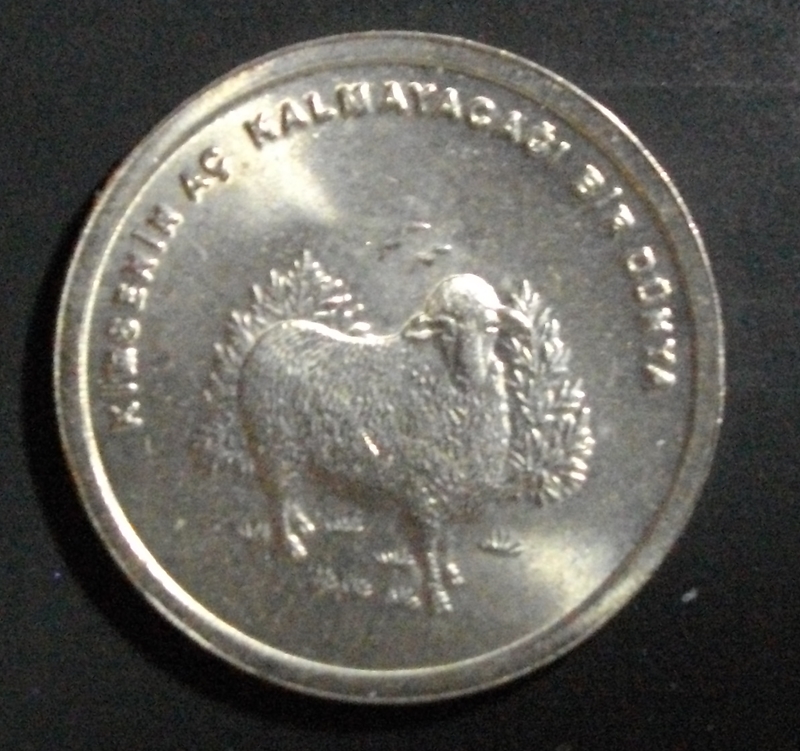 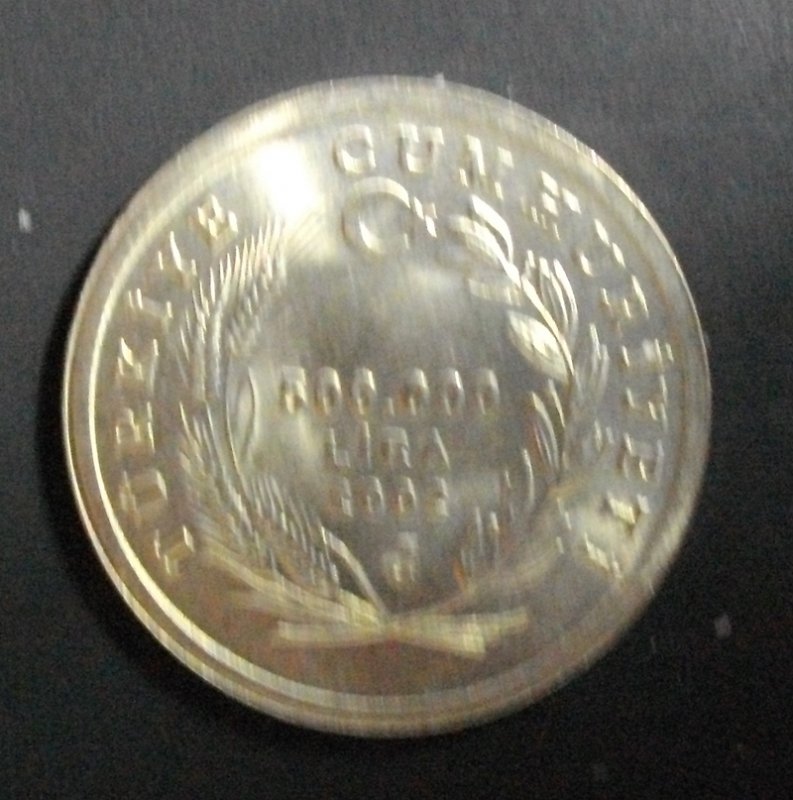 |
|
Pillar of the Community
United States
4132 Posts |
|
|
Pillar of the Community
 Canada
2805 Posts |
 Soviet Union, 3 rubles, 1989 (Armenian Earthquake Relief) The Russian Empire, and its successor state the Soviet Union, both famously made weird fractional denominations like 3 and 15 kopeks. Apparently, this is because Russia was the first country to adopt a decimal system of currency, so nobody had any idea what denominations would be useful. So 3-kopek coins are not difficult to find - but 3- ruble coins are a bit less common. The unraveling Soviet state went out in a blaze of numismatic glory, issuing scores of commemorative coins between 1989 and 1991 as the ruble began to lose almost all of its value. This 3-ruble signifies the beginning of the end. |
|
Pillar of the Community
United States
627 Posts |
|
|
Pillar of the Community
Canada
2805 Posts |
Recently I have been delving into the field of Canadian municipal Trade dollars. The vast majority of these tokens were redeemable in a certain area for $1 during a certain span of time; but here are two with more interesting denominations.  Hinton, Alberta, 2.50 dollars, 1981 The denomination here is actually a commemorative denomination - $2.5 for 25 years.  Wainwright, Alberta, 3 dollars, 2003 |
|
Pillar of the Community
Australia
9839 Posts |
|
|
Pillar of the Community
United States
6370 Posts |
Bump. I liked this thread when it was alive.
|
|
Pillar of the Community
Sweden
1078 Posts |
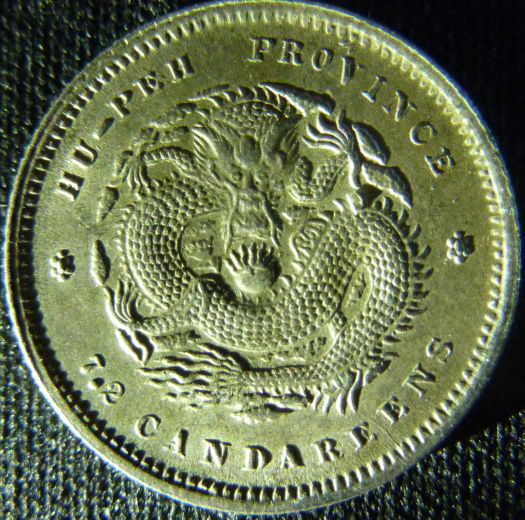 7.2 candareens. Can also be written as 1 Jiao/0.1 Yuan. Regardless, its written denomination is nothing but odd. |
|
Pillar of the Community
Canada
2805 Posts |
   Three odd coins from Brazil, whose currency had inherited an already-low value from its Portuguese overlords and then continued to decline for more than a century after independence. |
|
Pillar of the Community
Canada
2805 Posts |
 El Salvador, 3 centavos, 1974 A strange denomination for a lesser-known country. El Salvador is the only country in North America (...assuming that you include Central America in North America, which you should) to have a Pacific coastline but no Atlantic coastline. |
|
Pillar of the Community
Canada
2805 Posts |
 Portuguese Timor, 30 centavos, 1958 - yet another strange attempt to reconcile a decimal system with a pre-decimal one. |
|
|
Replies: 95 / Views: 20,770 |
|





 First Page
 Previous Page


 Posted 01/18/2015 2:04 pm