| Author |
 Replies: 17 / Views: 680  |
Page 2 of 2
|
|
|
|
Moderator
 Australia
17041 Posts |
Quote:
" For Venice, the image was a radical departure from the normal posture of a generic doge kneeling before Saint Mark, and apparently was a bridge too far for the ruling council of the Republic. After Tron's death, they ruled that no coin could portray the doge in any posture other than the traditional one. It's worse than that. Because the coin designs prior to Tron are different to those that came afterwards, in one important aspect. Tron's radical coin design caused a new "traditional design" to be commenced, which continued until the end of the Serene Republic. Prior to Doge Tron, the standard coin design of Venetian coins was very "byzantine" in appearance - not surprising as Venice was effectively a breakaway Byzantine territory and they still did a lot of trade in that direction (even though the Empire itself had evaporated away by that point) - and the coins showed the Doge in a very Byzantine Imperial stance, standing in his regalia side-by-side with the patron saint (in the case of Venice that would be St Mark). The artwork was still very "Byzantine" in style, with the image of the Doge being symbolic rather than photo-realistic. But Tron putting his photo-realistic portrait right there in everybody's face and St Mark's symbolism getting relegated to the reverse, which generated the outrage. After Tron, every Doge was depicted on the coins side by side with St Mark once again - but now the Doge would be no longer standing, but kneeling. As if in perpetual repentance for allowing that one guy to elevate himself above the patron saint. A coin of Tron's predecessor, Cristoforo Moro: https://en.numista.com/115556A coin of Tron's successor, Nicolo Marcello: https://en.numista.com/116380Don't say "infinitely" when you mean "very"; otherwise, you'll have no word left when you want to talk about something really infinite. - C. S. Lewis
|
|
Pillar of the Community
  United States
8083 Posts |
Thanks for those insights, Sap. The fuller story is pretty compelling. I think the pattern we'll see is that it was largely autocratic principalities that embraced the teston portrait design. I guess we can chalk it up to vanity/ego of the powerful, but the flip side is that these were the guys who also were keeping the Renaissance artists and sculptors employed (OK, some of them had merchants or bankers as patrons, but far fewer I think). So, let's move to The Duchy of Milan and Galeazzo Maria Sforza, where we will see some parallels with Tron's misstep. Galeazzo undertook a major coinage reform in 1474 (like Tron), and (like Tron) decided to break with the 200 year Milanese tradition of featuring Saint Ambrose on the largest silver coin (until then a grosso or "grossone" - big grosso). Possibly he was "one upping" his dad, Francesco, who had put his portrait on a grossone (a 3.5 gram coin) but still kept Saint Ambrose on the reverse: 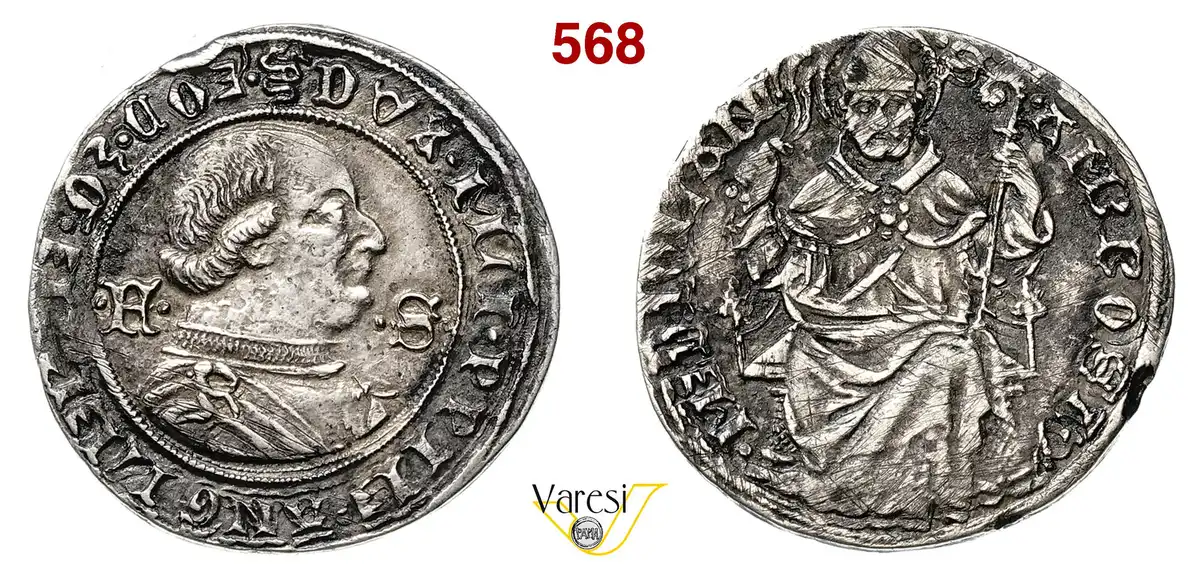 Copyright Nuismatica Varesi 2025. MIR MI#173, N#& 472207 Galeazzo's testone on the other hand, is 99% about Sforza glory: 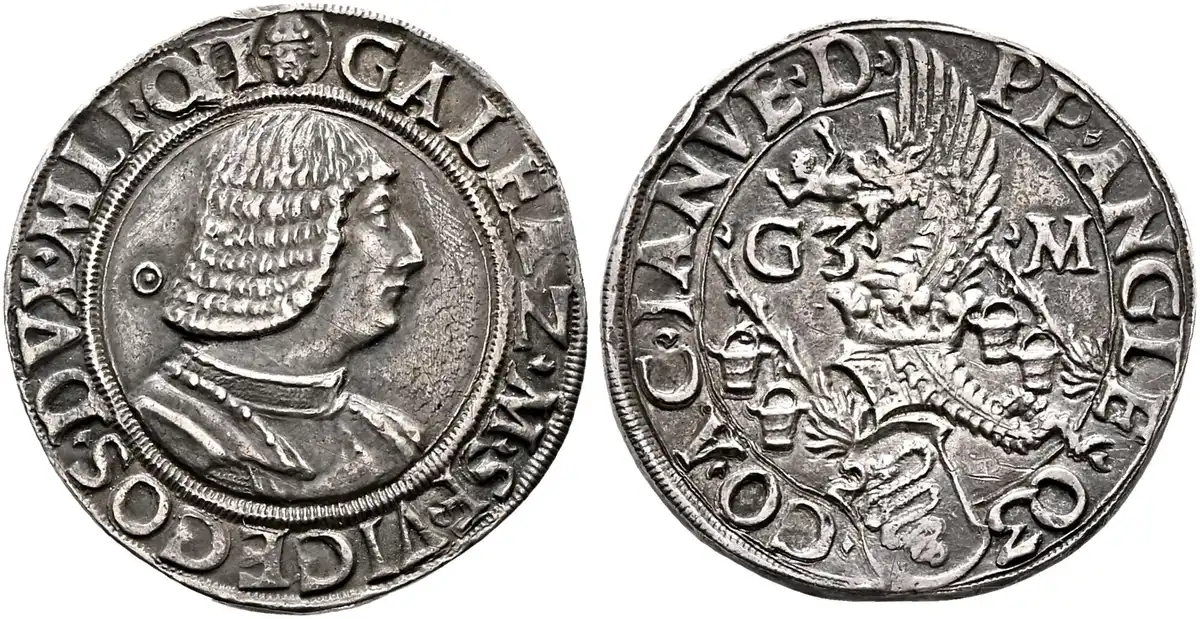 Copyright Sincona 2026. MIR MI#201, N#& 130343 Galeazzo's portrait on one side, Sforza heraldic symbols on the other, and his titles spread across both sides: GALEAZZO MARIA SFORZA VISCONTI, FIFTH DUKE OF MILAN, COUNT OF PAVIA AND ANGERA, AND LORD OF GENOA. Saint Ambrose is relegated to a small medallion at 12:00 on the obverse. Galeazzo Maria would be brutally assassinated on St. Stephen's feast day, 1466. A contemporary portrait by Piero Benci (called della Pollaiuolo) now hanging in the Uffizi (then enemy territory  ): 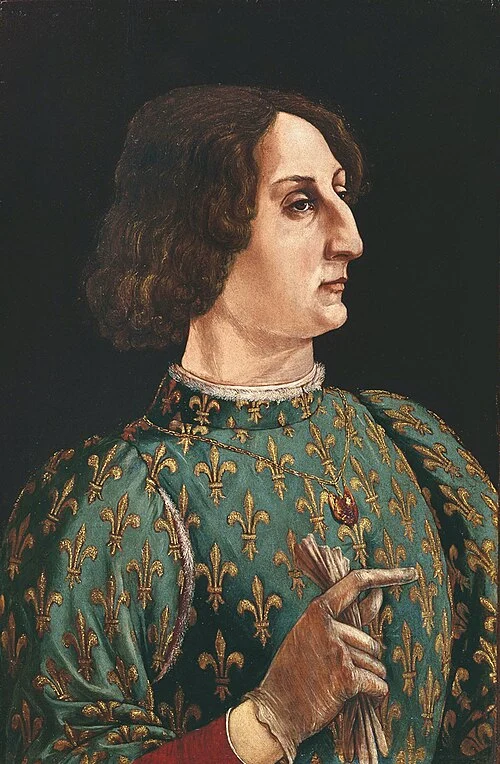 Edited by tdziemia
10/19/2026 1:03 pm
|
|
Moderator
United States
198787 Posts |
Very interesting!  |
|
Pillar of the Community
Portugal
768 Posts |
I think that the offense caused by doge Nicolò Tron in Venice was more against the republican ideal than religion. An elected ruler should not present himself in coins! Kings did that.
This was because before the french had led in representing the monarch in late medieval coins. Frederick II was an outrageous ruler for his time. But Philippe le bel was successful and did it too. They would have broken any toboo that existed on the representation of sovereigns.
What the Italians added and innovated was with their craftsmanship making realistic busts of rulers in coins?
|
|
Pillar of the Community
United States
8083 Posts |
Quote:
I think that the offense caused by doge Nicolò Tron in Venice was more against the republican ideal than religion. An elected ruler should not present himself in coins! Kings did that.
This was because before the french had led in representing the monarch in late medieval coins. Frederick II was an outrageous ruler for his time. But Philippe le bel was successful and did it too. They would have broken any toboo that existed on the representation of sovereigns. Thanks for joining in! Yes, I think Sap also made this point on republican ideals. As the thread develops, we will see that the difference between republics and autocracies played out in the coin designs. The desire for monarchs to have a royal image on coins is much older than the teston. We can consider the English penny, half-groat and groat, pfennigs from as far back as the 1th century Holy Roman Empire states with the emperor's image, and prince-bishops (who were also sovereigns) of northern Europe. The difference with the teston is that it was a large, realistic portrait enabled by the larger "canvas" provided by a large piece of silver and developments in Renaissance art. |
|
Pillar of the Community
United States
8083 Posts |
So, sticking with Italy where it all started ... The new teston coin model was picked up more quickly in some Italian city-states than in others. Asti, just 60 miles southwest of Milan, is a very interesting case. It had been a subject of the French crown since 1389, and at the time of Milan's first teston (which would surely have shown up there) was ruled by Louis, Duke of Orleans, the future Louis XII of France. Sometime in the 1480s he struck this teston: 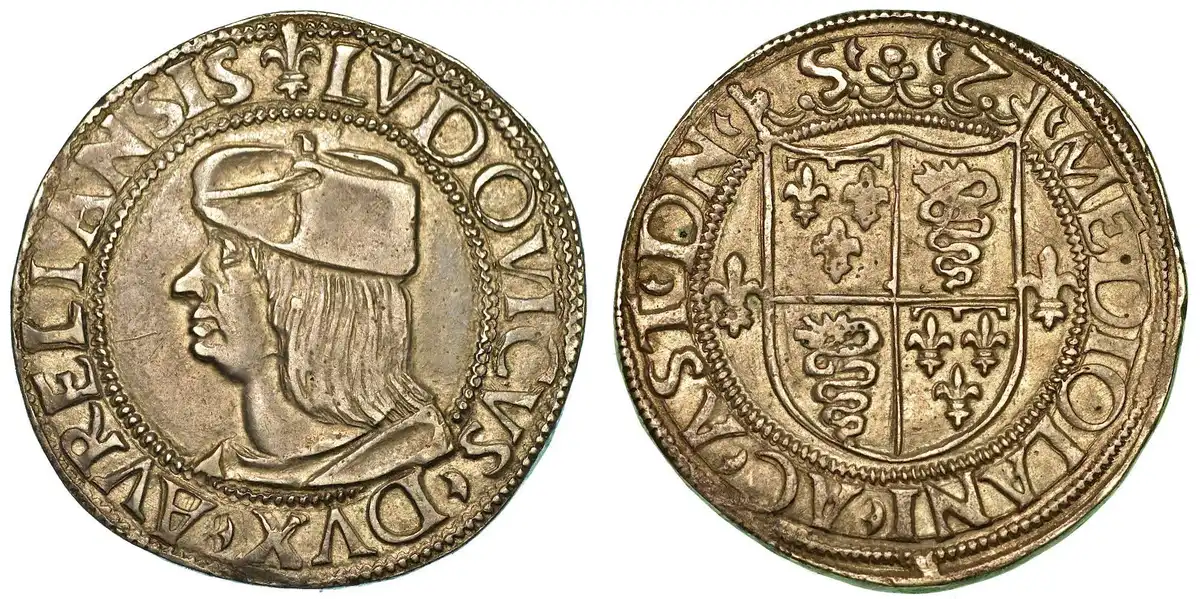 Copyright Cambi & Crippa 2023. MIR #60, N#& 225660 Here is a contemporary portrait of Louis: 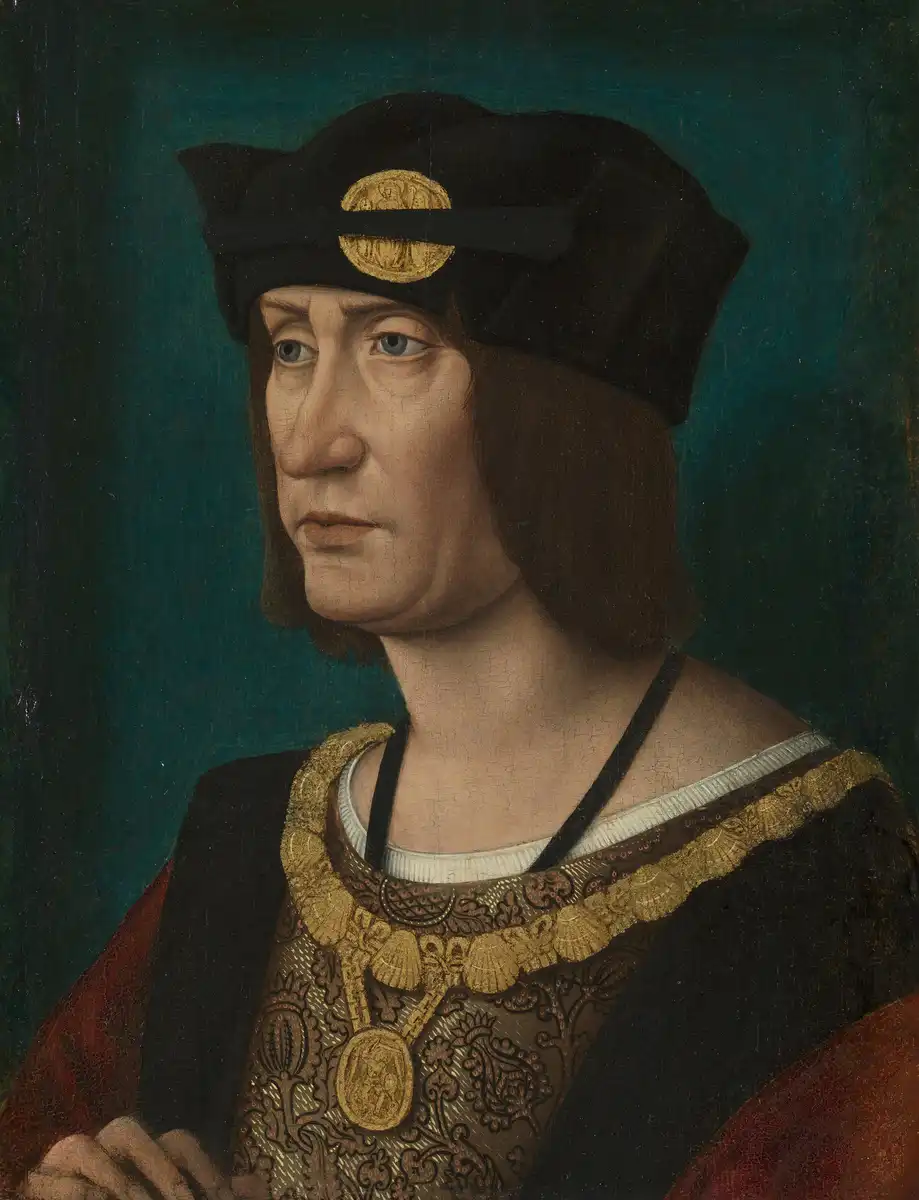 Copyright Royal Collection Trust What makes this example interesting is that there would be no French teston struck for over 20 years! (more on this later) Other sovereigns in the north who soon followed (by or before 1500) included WIlliam IX Paleologus, Marquess of Montferrat 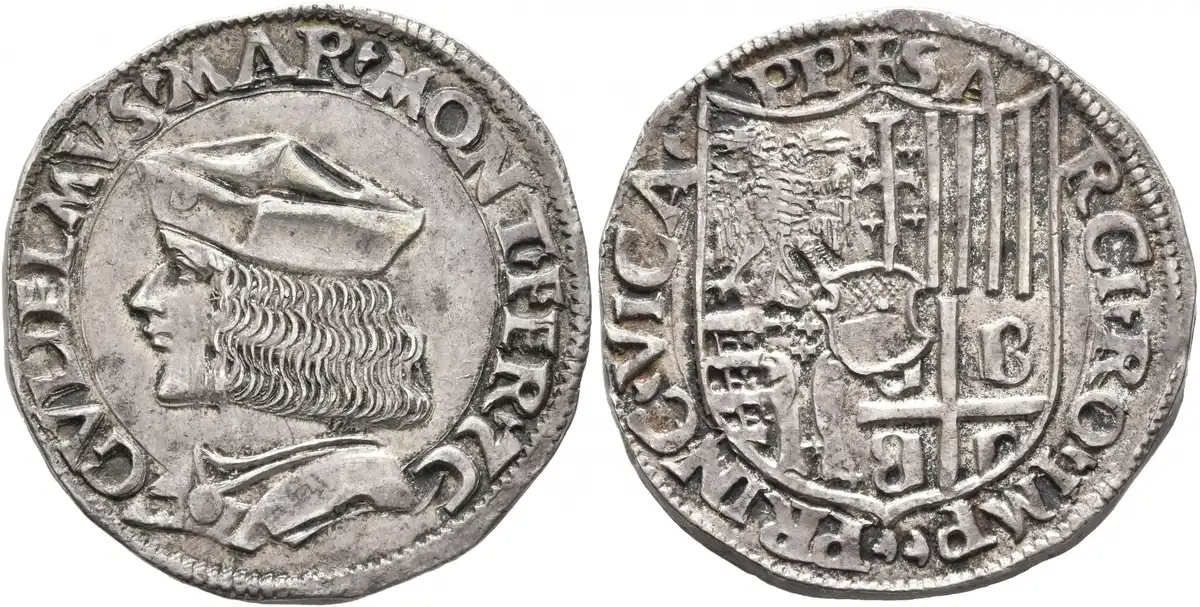 Copyright Leu Numismatik 2022. MIR #185, N#& 55393 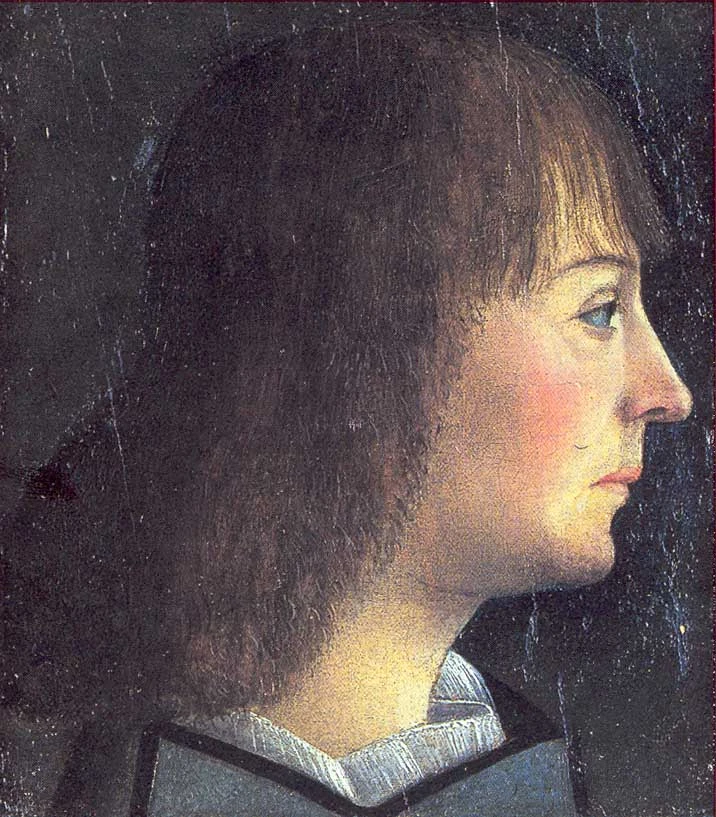 Francesco II, Duke of Mantova 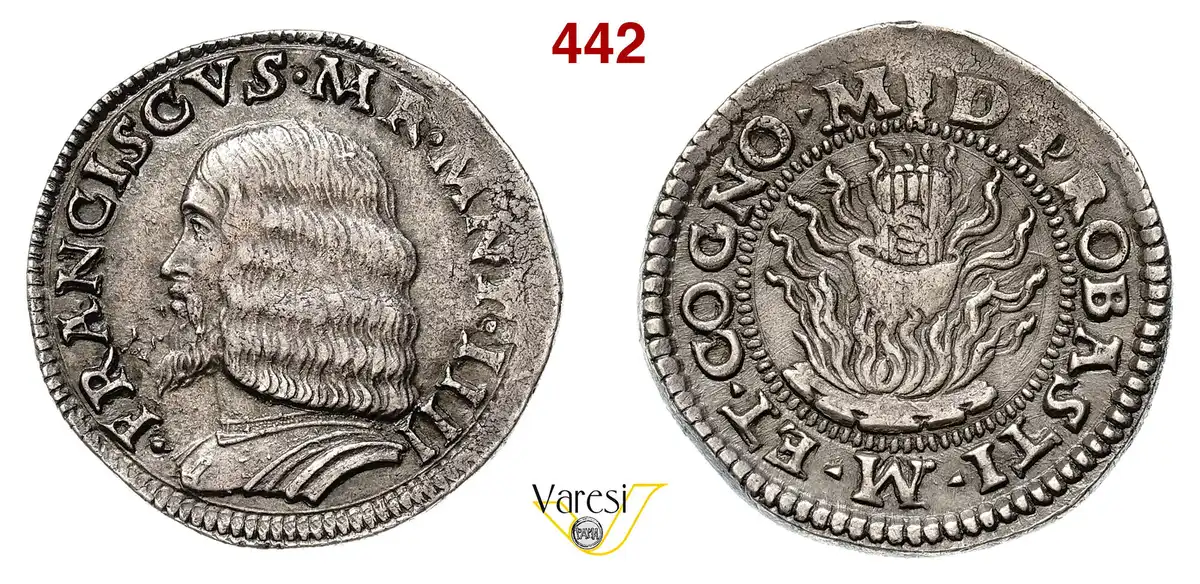 Copyright Numismatica Varesi 2025. MIR #418, N#& 319888 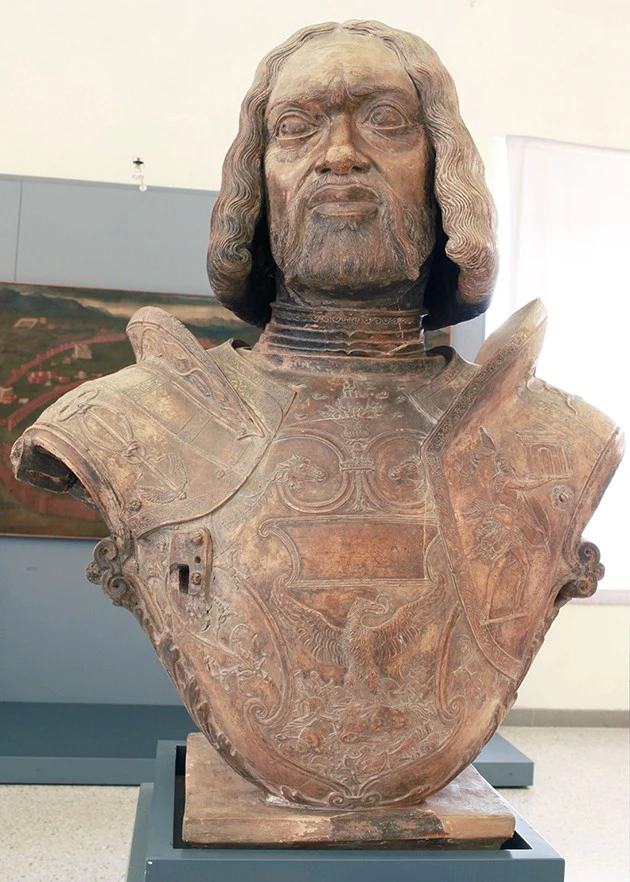 Copyright City Museum of Mantova and Ercole I, Duke of Ferrara 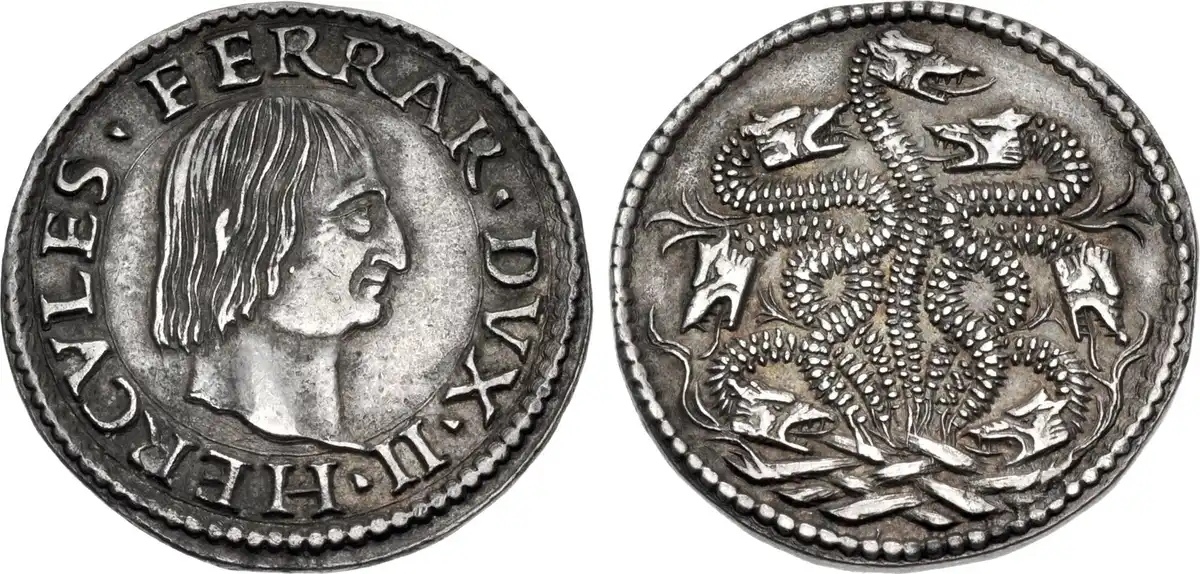 Copyright Classical Numismatic Group 2024. MIR #255, N#& 128415 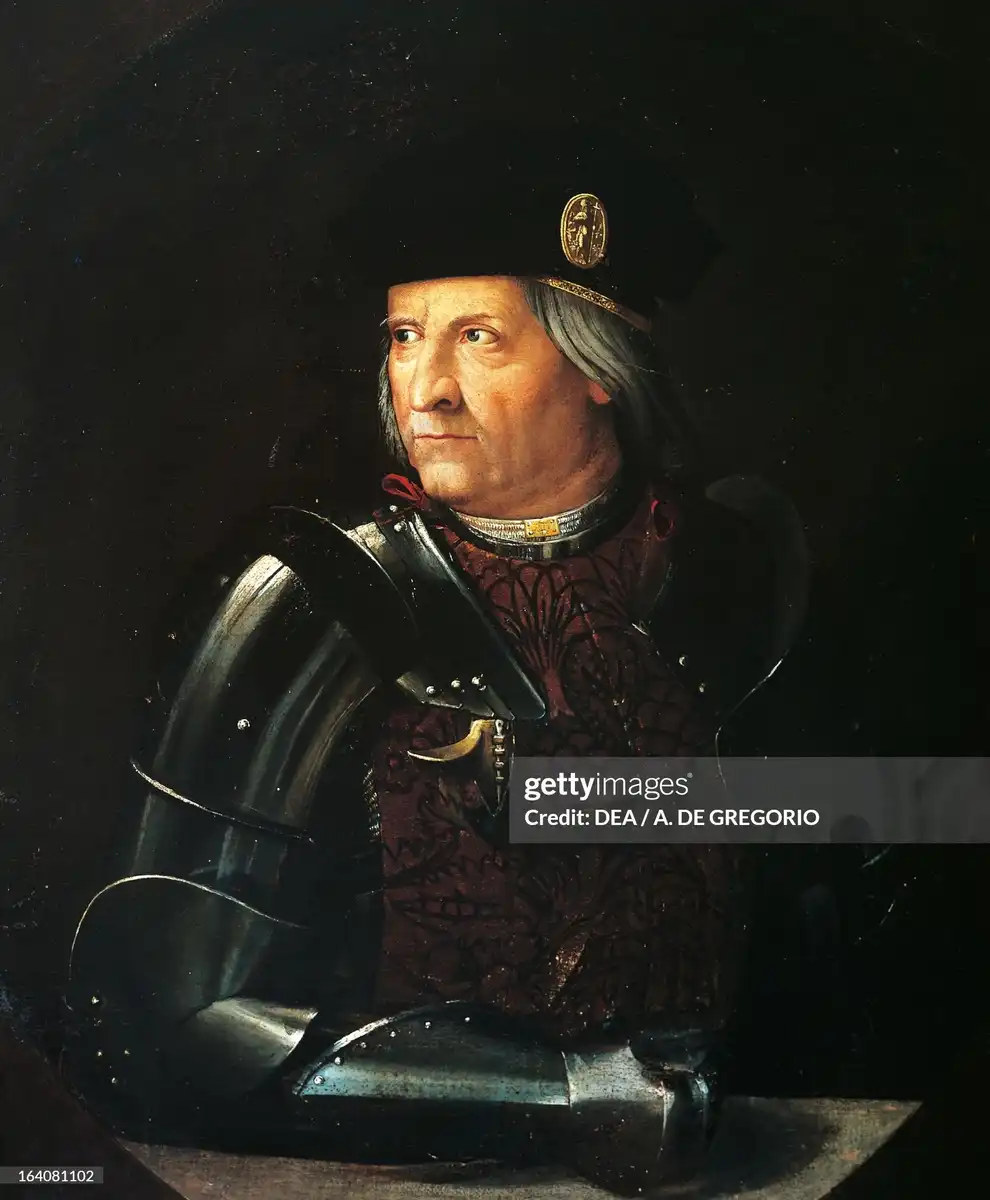 My budget never permitted acquisition of an Ercole teston (this one is dated to around 1493), but I have a grossone with a younger portrait:   Now addressing the prominent city-states that did NOT strike testons in the aftermath of the Venetian/MIlanese innovation: - Florence was nominally a republic until 1532 and did not strike a teston until then, instead sticking with their centuries old St. John the baptist designs for their silver - Genoa likewise was a republic, but was under the rule of the Milan Sforza family for much of the last third of the 15th century. Nevertheless, when Gian Galeazzo Maria Sforza introduced the first large silver coins in Genoa, in 1490, he did not mess with the centuries old standardized gate/cross design, even though he was striking portrait testons in Milan! Maybe he learned from Venice? A Genoa "teston:" https://en.numista.com/419749 As discussed in previous posts, there are more portrait testons from autocracies than from republics as the type gained in popularity. Introduction of the type in other Italian principalities continued through the first decades of the 16th century. Next up: Southern Italy. Edited by tdziemia
10/22/2026 08:23 am
|
|
Moderator
United States
198787 Posts |
Fantastic examples! |
|
Pillar of the Community
United States
8083 Posts |
Thanks. It would be nice if more of them were in my collection, but I've picked up the few I have by chance while collecting other themes.
That said, I really like the idea that a nice 16th century portrait coin of ANY size makes me feel like I own a museum piece!
|
|
Moderator
United States
198787 Posts |
Quote:
I really like the idea that a nice 16th century portrait coin of ANY size makes me feel like I own a museum piece! Indeed! |
|
Pillar of the Community
United States
8083 Posts |
In northern Italy, adoption of the portrait teston design continued between 1500 and 1550, with Renaissance portrait testons being introduced by the - Counts of Desana: https://en.numista.com/453170- Abbot of Fruttuaria: https://en.numista.com/409149- Marquis of Massa Lombarda: https://en.numista.com/559031- Counts of Masserano: https://en.numista.com/480867- Marquis of Saluzzo: https://en.numista.com/131059while other states moved to the larger format using other designs. In comparison with the fragmented geopolitical landscape of northern Italy, there were only two principalities in southern Italy at this time, both autocracies: Papal States, and the Kingdom of Naples. In Papal States, the first teston sized coin appeared in the 1550s, but continued the tradition of previous silver coins like the c. 4 gram "giulio" with the Papal arms on one side, and St. Peter on the other: https://en.numista.com/119343.But, since the popes were neither less autocratic nor less vain than other sovereigns on the Italian peninsula (AND they had plenty of Renaissance sculptors at their disposal), it was only a matter of time until their first portrait teston appeared, during the reign of Gregory XIII (1572-1585). He issued several, including this one:   Naples was something of an anomaly. According to Grierson and Travaini in MEC 14 (p. 362), it was Ferdinand I of Naples (rather than Tron or Sforza) who introduced the Renaissance portrait to European coinage in his gold ducat and silver double carlino struck around 1459 to commemorate his coronation. But the double carlino was a "one off" and given its rarity probably not struck for standard circulation. There would not be another large (over 4 grams) silver coin struck in Naples until Charles V's mid-16th century currency reform and introduction of the scudo and its fractions. But Ferdinand I continued to use his portrait on two versions of the 4 gram carlino/coronato which must have been made in large quantity given the numbers surviving in collections. Here is an example of Ferdinand I's second portrait "coronato" type, struck 1488-1494:   According to Grierson and Travaini (MEC 14, p.362) the image of St. Michael destroying the serpent is meant to remind Ferdinand's foes of what happened to the barons who revolted in 1485-1486 (grisly public executions which were the norm for the day). Next: Grab your skis as we head to Switzerland Edited by tdziemia
10/23/2026 07:59 am
|
|
Moderator
United States
198787 Posts |
Very interesting! Quote:
Next: Grab your skis as we head to Switzerland  |
|
Pillar of the Community
United States
8083 Posts |
Not surprisingly, Switzerland also quickly picked up on the larger silver coin being struck in Milan (today's border is less than 50 miles from Milan). Sort of ... They called their 9 gram silver coin a dicken (something like "thick one"). And as the Swiss Confederacy was a union of (mostly) city-based republics, those Republican ideals mentioned earlier by jecz 79 and Sap came through in the coins' designs. No autocrats. Just local patron saints. Here is an undated dicken of the City of Berne struck before 1492 with a portrait of their patron, Saint Vincent, who died in 303 A.D. (HMZ-2#163; N#101470):  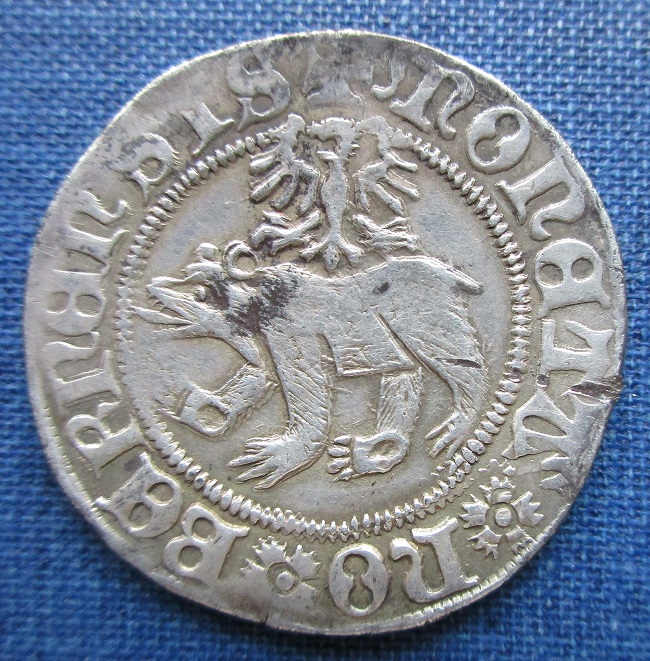 ... and a contemporary "portrait" painted from the imagination rather than from life, by Tomas Giner in the 1460s 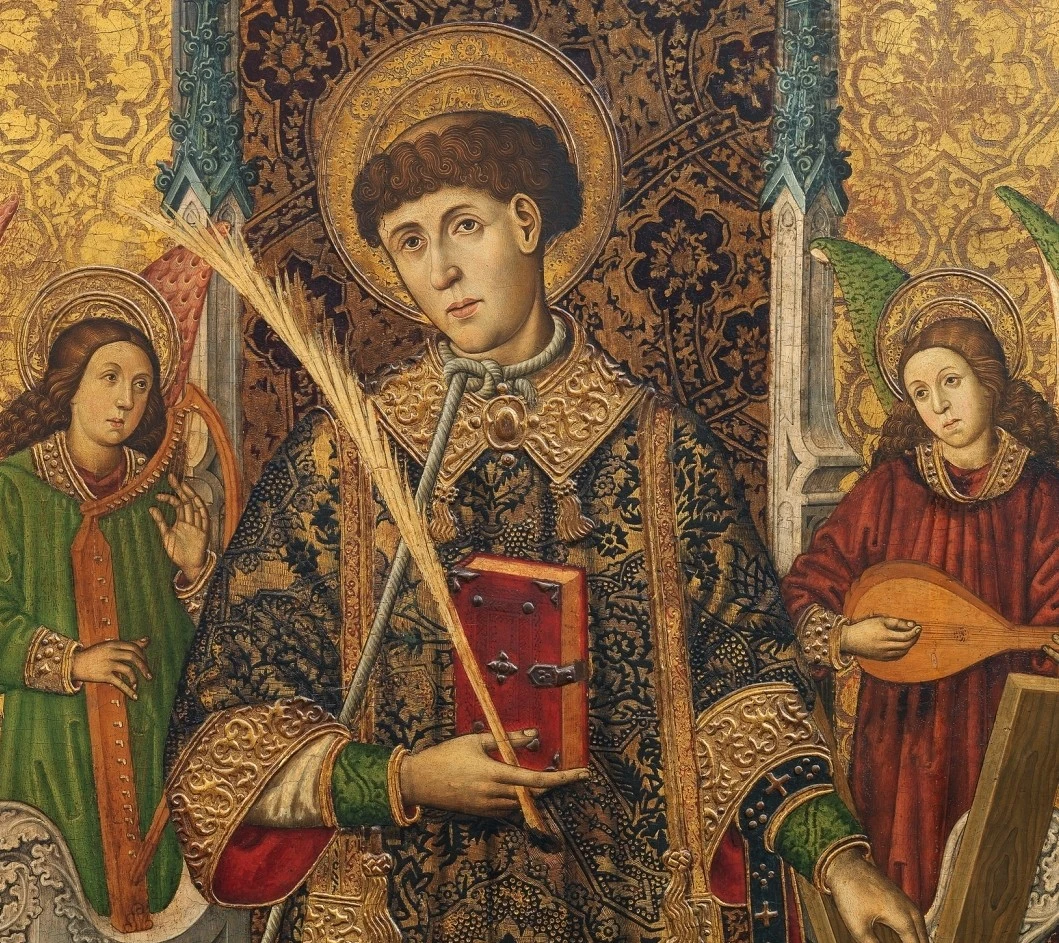 Copyright Museo del Prado Other early adopters: Fribourg (Saint Nicholas) https://en.numista.com/102181Lucerne (Saint Leodegar) https://en.numista.com/287939the Old Swiss Confederacy (Saint Peter) https://en.numista.com/195530Solothurn (Saint Ursus) https://en.numista.com/357221Other Swiss cantons picked up on this model a bit later. Edited by tdziemia
10/29/2026 9:48 pm
|
|
Moderator
United States
198787 Posts |
Very nice! |
|
Pillar of the Community
United States
8083 Posts |
I'm sure the question on the tip of everyone's tongue is: What about France?!? After all, the term for this coin as I first learned it is the (French) teston. As it turns out the French royals were relatively late adopters (since, as we've seen, a half dozen Italian city-states, Swiss cantons, etc. had already struck examples by 1500). In fact, by 1500 two of their close neighbors to the east, the Duchies of Savoy and Lorraine had already struck testons. Charles I of Savoy struck the first testons there around 1483: https://en.numista.com/198081Here is a comparison of a 1490s teston of Philip II of Savoy (MIR CE#277, N#577264) 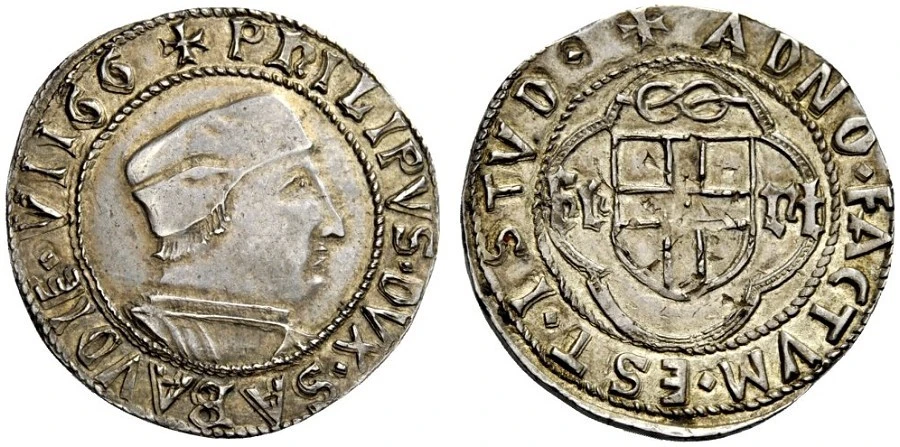 with a contemporary Renaissance portrait by Macrino d'Alba 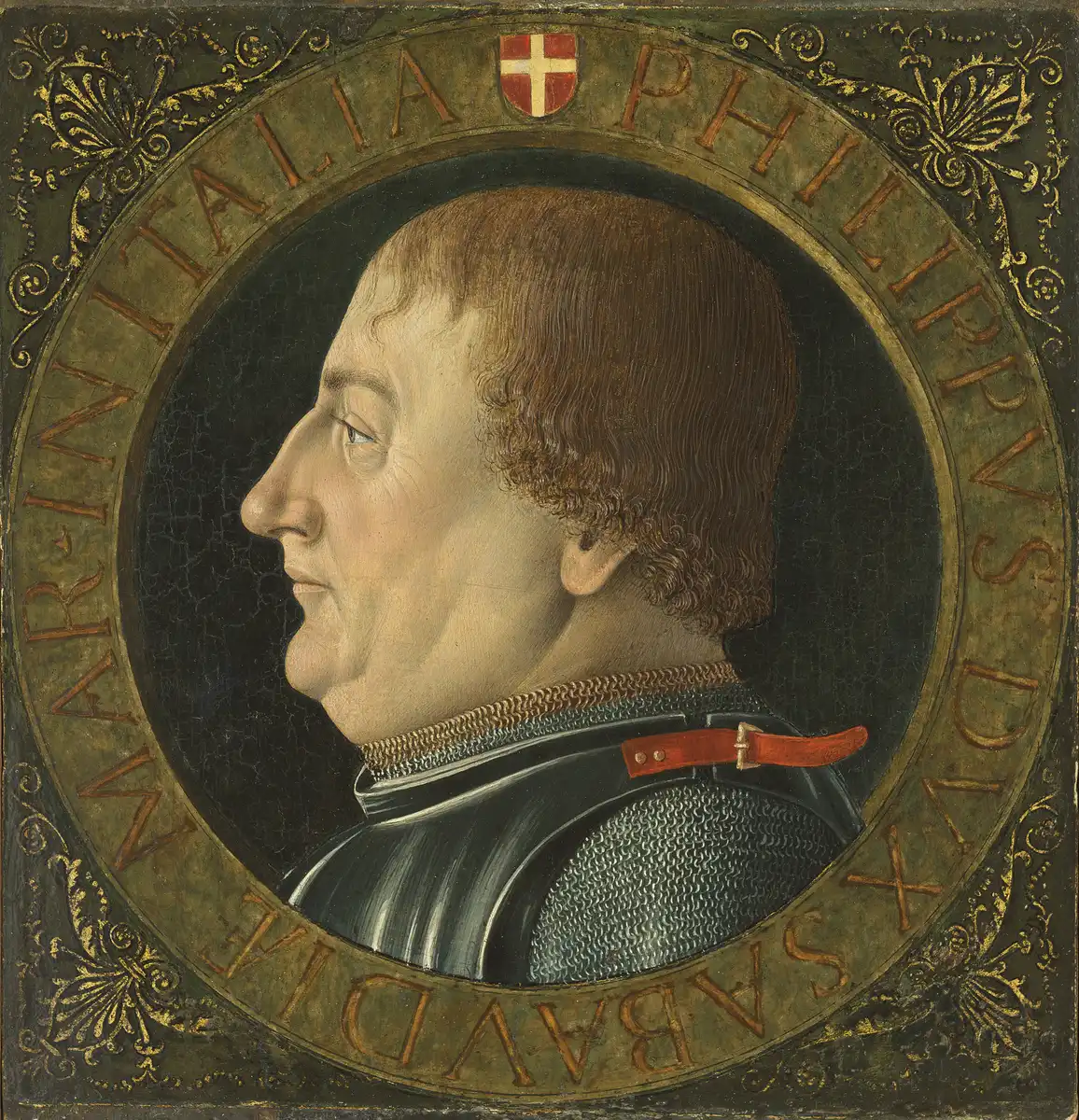 Copyright Christie's 2019 Just north, Duke Rene II of Lorraine struck the first teston there around 1500: https://en.numista.com/322308His successor, Antoine struck them in greater numbers and for a longer time (1513-1544). Here is one dated 1537 (MB#16, N#140095: 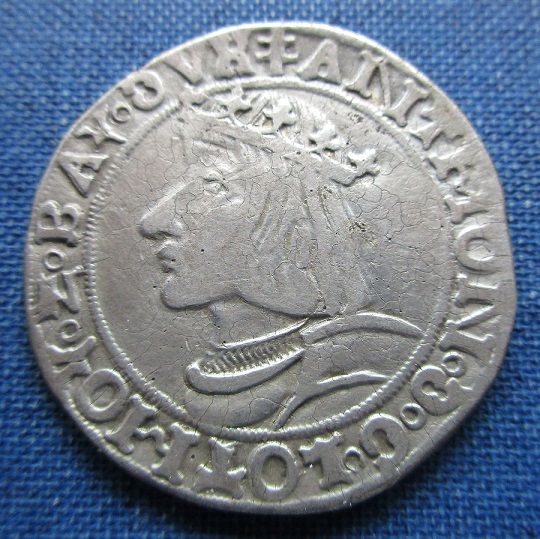 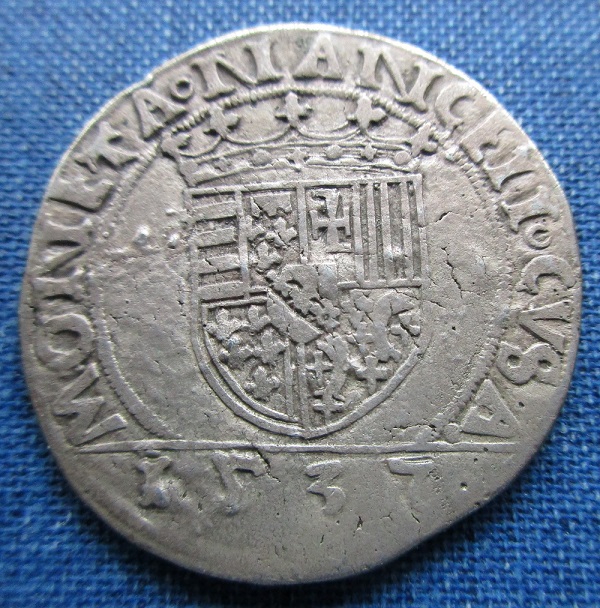 And a portrait by Hans Holbein (he grew a beard by then, but the nose is unmistakeable): 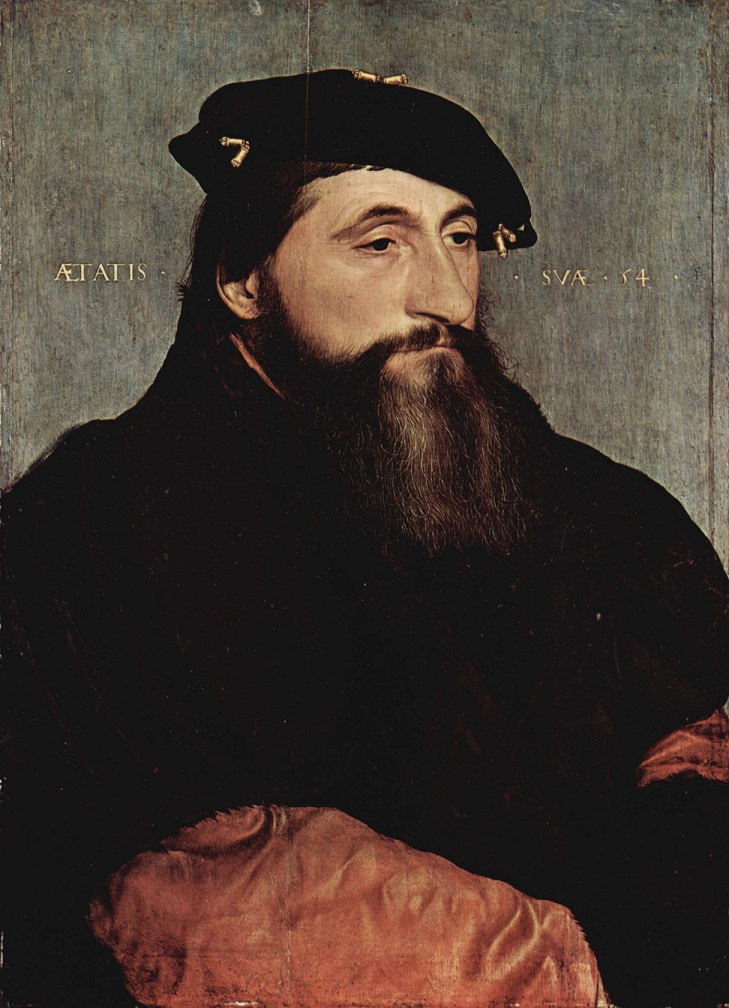 |
|
Moderator
United States
198787 Posts |
Very interesting! |
|
Page 2 of 2
|
Replies: 17 / Views: 680 |
Page 2 of 2
|





 First Page


 Posted 10/19/2026 08:42 am


