




 Replies: 2 / Views: 53




 Posted Today 13M ago


Does the car happen to have a coin slot or other money-container in it, by any chance?
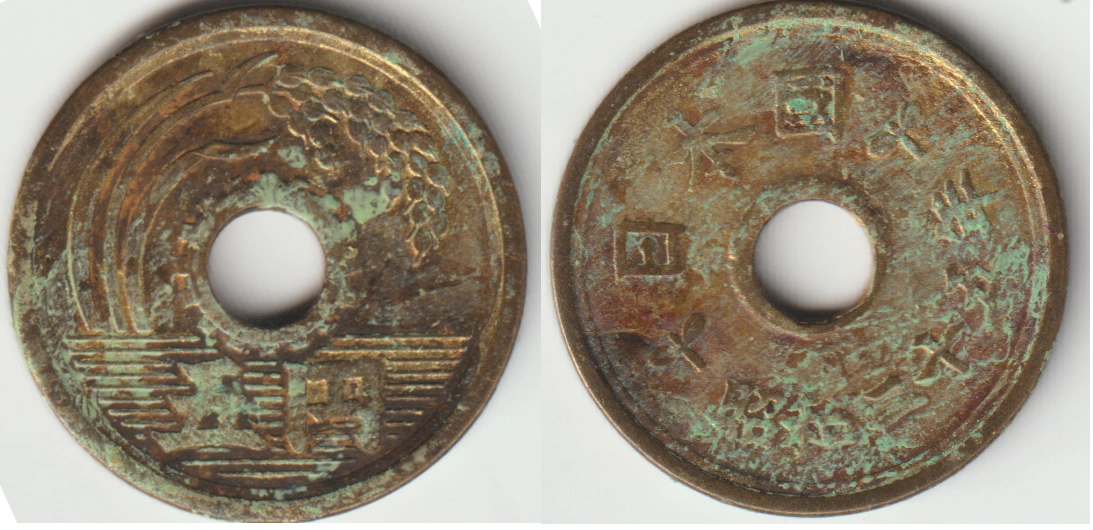
There is a long-standing tradition in Japan about purses, wallets and similar things-designed-to-carry-money, that they should not be sold empty - they should come with a coin already in it, so the new owner of the purse might always have good luck. Not too dissimilar to the "find a penny, pick it up..." tradition you have over there in America, I suppose. The 5-yen coin seems to be the usual coin of choice to uphold this tradition, because the Japanese for "five yen" sounds the same as a phrase meaning "good fortune".
I once found in a deceased estate a Japanese-made coin purse that someone had been using to keep their foreign coins. Sewn into a little pouch in the side of the purse was one of these 5-yen coins, dating from the 1960s - and it looked very, very green and sickly, being as it had been in close physical contact with plasticized pseudo-leather for several decades.
Don't say "infinitely" when you mean "very"; otherwise, you'll have no word left when you want to talk about something really infinite. - C. S. Lewis


