| Author |
 Replies: 25 / Views: 4,289 Replies: 25 / Views: 4,289 |
|
|
|
Pillar of the Community
Netherlands
1204 Posts |
|
|
Pillar of the Community
 United States
5155 Posts |
Yes Dutch, your coin as well. With the same "disclaimer." In a sense, WC is correct but its really not scholarly work its sellers of ancient coins whom lump all the coins together as Carthage. I would suspect your coin like his was manufactured in Phoenician held Sicily. Rather than North Africa. BTW- That doesn't make the coin any less cool.
I personally would rather have a silver shekel minted in Sicily then one minted in Carthage but beggers can't be choosers.
|
|
Pillar of the Community
Canada
1411 Posts |
Anoob, you know I have been studying this type. In SNG Copenhagen, it is listed under both mainland Carthage and in Sicily. It is not listed in Jenkin's Coins of Punic Sicily. So  |
|
Pillar of the Community
United States
5155 Posts |
Alright but both sources are from from the '70s.  And you coin looks alot like SNG COP 1022. Siculo-Punic. I urge you to look for more modern stuff from the 2000's like Burgos, Mildenburg and Manfredi... And I will leave it at that..  |
|
Pillar of the Community
United States
3364 Posts |
I'm resurrecting this post because of the subject, and because a few of the posters are still active here. After reading the WW2 accounts of the battle for Tunis, and picking up a bullion Tunisian 20F, I started to get interested in the ancient history. Which meant Carthage coins, especially from the period from the fall of Tyre to the Punic wars. Carthage was the center of Phoenicia from ca 330 BC to ca 260 BC. In the current market, outstanding Carthage silver and electrum from that period sell in 5 figures and up. The coins are well made and beautiful. At the other end of the market is a huge amount of bronze, mostly Tanit and a horse head, and more rarely a palm tree and Pegasus. I'm interested in the silver shekels that fall in between these extremes, like the OP's shekel. Here's a beautiful example. https://cngcoins.com/Coin.aspx?CoinID=53454It seems peculiar that this shekel is 2 grams underweight. There are a lot of coins like this. Some dealers call them fractional shekels, 3/4 or 2/3, but is this correct? I wonder whether they are full shekels that have been clipped or shaved. When I compare the example coin with full weight coins, the portrait and horse are well centered and preserved but the fields appear to be reduced significantly. On some of the light shekels there is significant corrosion, but not on this example. Carthage produced fractional silver shekels, especially 1/4, but these came later than 260 BC. "Two minutes ago I would have sold my chances for a tired dime." Fred Astaire
Edited by thq
01/20/2025 6:08 pm
|
|
Pillar of the Community
Portugal
747 Posts |
I am ignorant of the cartagian issues. But it is strange that a city state which took so much of its wealth from the silver mines of hispania does not have much surviving silver coins.
Roman determination to erase Carthage?
|
|
Pillar of the Community
United States
3364 Posts |
From what I've read much of the early Carthage silver was coined in Sicily. Carthage was at its peak before the Punic Wars and it's not surprising that the Romans would take everything of value, leaving us a lot of inexpensive worn and corroded bronze coins. Also, the later Carthage coinage became more and more debased, with shekels made of billon and bronze. Much of the Carthage silver that survives from the later period was coined in Spain. In this period the Tyrian shekel was highly valued (especially in Israel, for Temple offerings) because of its silver, but by that point Tyre was no longer Phoenician.
"Two minutes ago I would have sold my chances for a tired dime." Fred Astaire
|
|
Pillar of the Community
Portugal
747 Posts |
Thank you. I have only picked a bronze corroded carthagian here in the Iberian Peninsula. Never seen a single silver one for sale in person.
Whatever happened they are not common. Should read up what the spanish have written on the topic, some day.
|
|
Pillar of the Community
United States
3364 Posts |
Here's a 14mm bronze Carthage coin with Pegasus and a date palm. Probably Sicily mint 350-300 BC in NGC Choice XF. Very dark but sharply struck with minimal corrosion. 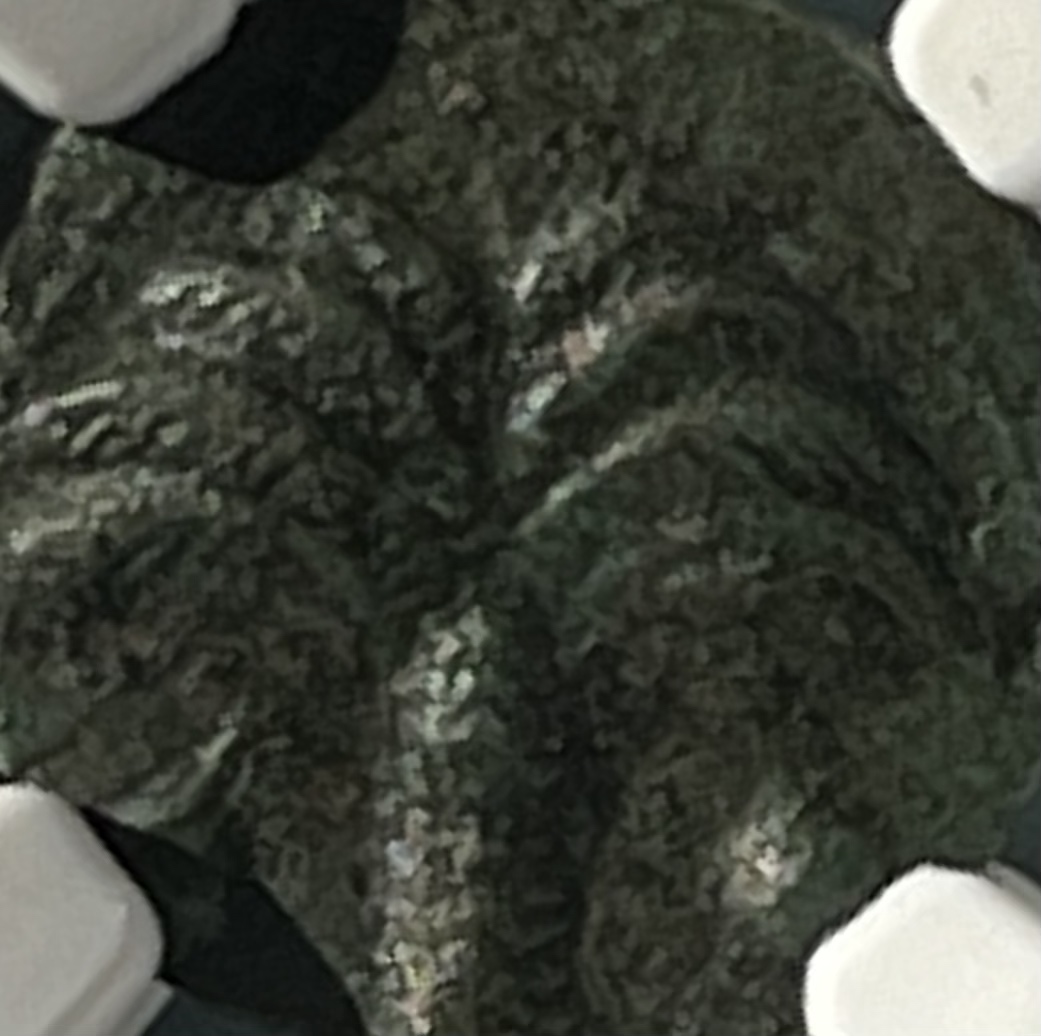  "Two minutes ago I would have sold my chances for a tired dime." Fred Astaire
Edited by thq
01/29/2025 2:59 pm
|
|
Pillar of the Community
United States
3364 Posts |
Punic Iberia silver shekel, ca 237-209 BC. This is probably young Melqart, maybe based on Hamilcar or Hannibal. To me it looks like Dean Martin. The reverse is dished. 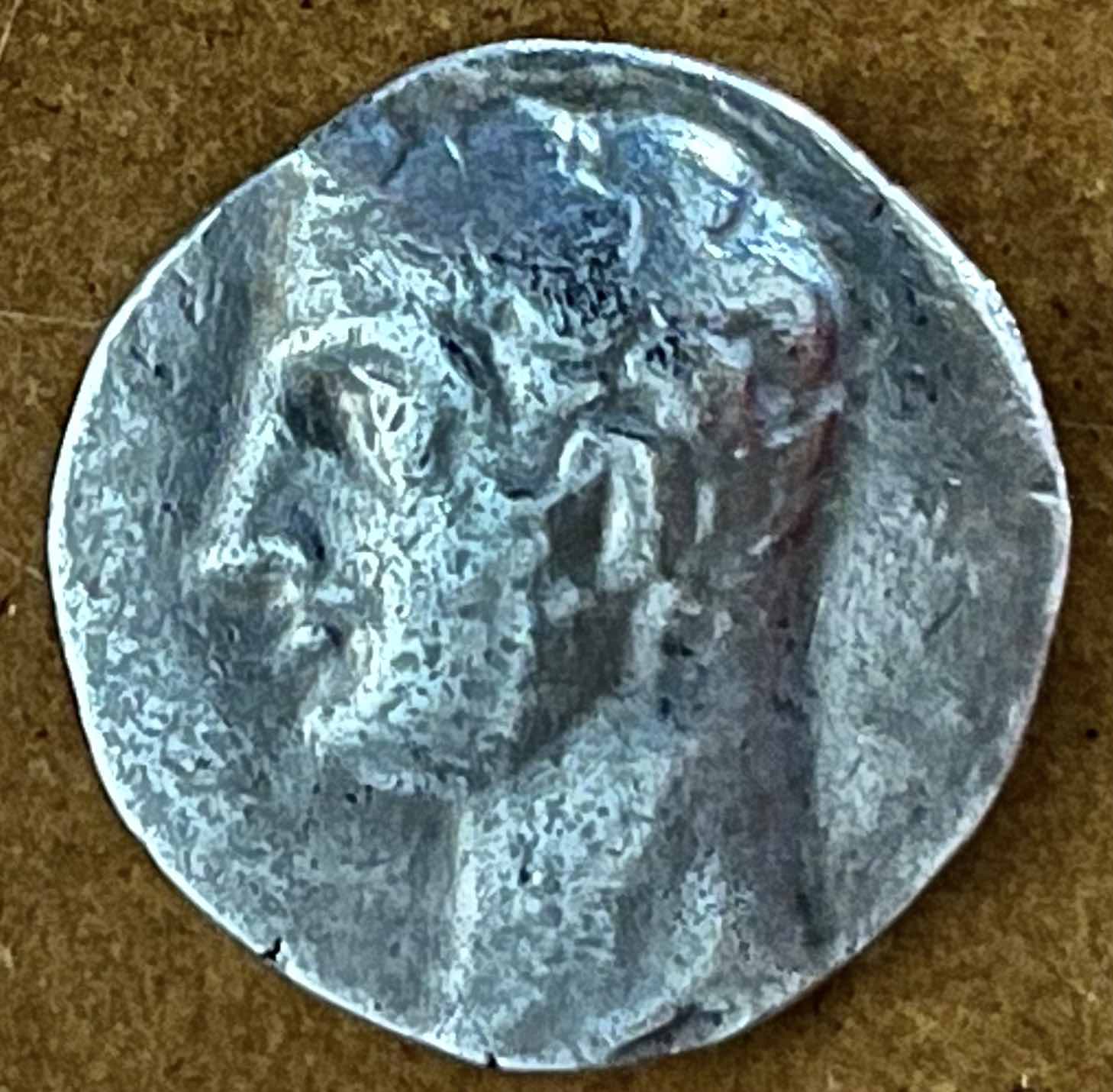 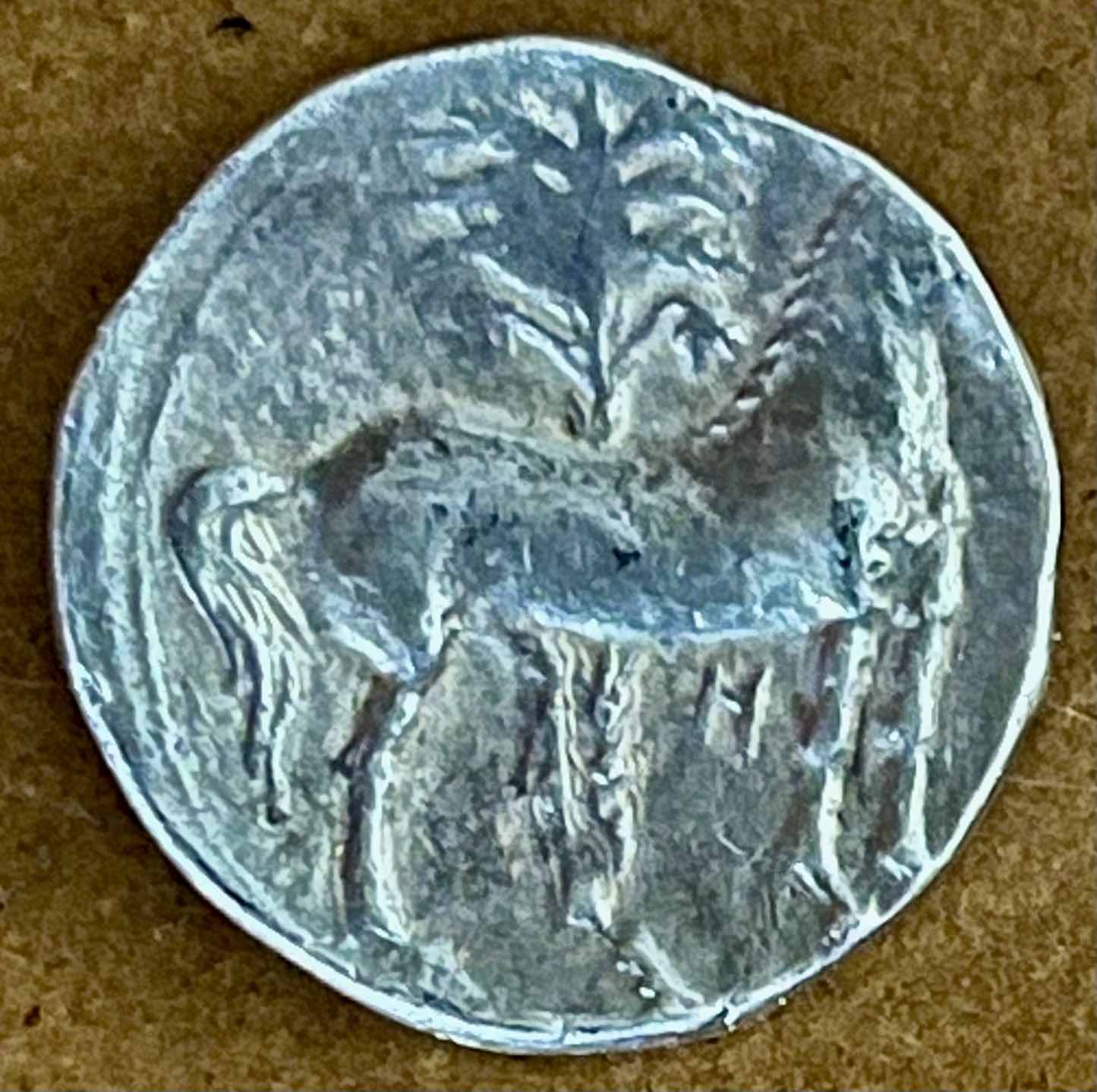 "Two minutes ago I would have sold my chances for a tired dime." Fred Astaire
Edited by thq
02/15/2025 5:56 pm
|
| |
Replies: 25 / Views: 4,289 |





 First Page


 Posted 08/29/2013 10:25 am


