| Author |
 Replies: 26 / Views: 1,829 Replies: 26 / Views: 1,829 |
|
|
|
Pillar of the Community
 Sweden
1878 Posts |
Quote:
Let this thread be a reminder to everyone: whenever using acetone with plastic objects, always test the plastic in acetone first. And test it for as long as you plan to soak your coins.
Plastic is so ubiquitous in our modern society, we sometimes don't even notice or think about it. All kinds of everyday objects can be damaged by acetone, just because they're made of plastic or held together by plastic parts. The surface finishing on your furniture, the lenses in your eyeglasses, even your clothing can be made of acetone-soluble plastic. Coins are one of the few everyday objects we can be quite certain won't dissolve in acetone, since we know they're made of metal.
My general rule: don't use acetone in or on anything you might want to keep and use afterwards for any other purpose. Absolutly, I make so you wont  Edited by Moniker
05/17/2024 07:05 am
|
|
Moderator
 United States
198004 Posts |
Quote:
I don't use acetone very much, and don;t like to keep large amounts of it around due to its hazardous properties, so I buy it at CVS in small plastic containers. I see no problem with this. You are probably going to use that small amount of acetone rather quickly. Quote:
Let this thread be a reminder to everyone: whenever using acetone with plastic objects, always test the plastic in acetone first. And test it for as long as you plan to soak your coins. Quoted for truth.  Quote:
My general rule: don't use acetone in or on anything you might want to keep and use afterwards for any other purpose. And this, too. I have an old glass bowl just for my acetone use. |
|
Valued Member
Italy
290 Posts |
Might be useful to share that one plastic which is not dissolved by acetone is "nylon" -- you know that black plastic you see used for kitchen utensils? I was looking for a way to handle coins while in acetone without using my naked fingers or metal (which can scratch the coin easily) or gloves (both nitrile and latex and pretty much everything which is used for adherent gloves melts in acetone; only safe one is butyl which is expensive and not easy IMO to work with). So, I got a pair of nylon tongs and tested it in pure acetone for weeks without any issues!  random picture posted below  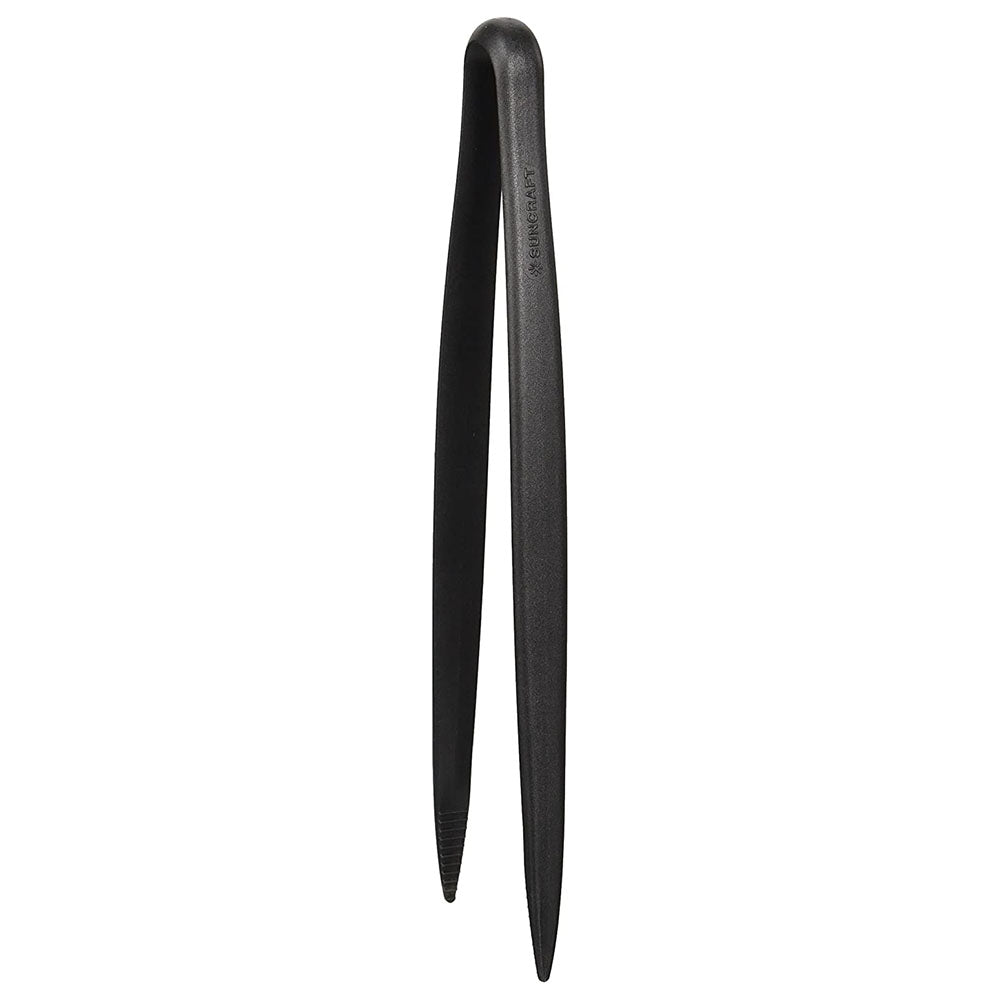 |
|
Moderator
United States
198004 Posts |
Excellent! |
|
Moderator
United States
110030 Posts |
nice info Joe. Nylon tweezers.. Quote:
Shoould have warned you that acetone and plastic don't mix! actually it does - and THAT is the problem... |
|
Bedrock of the Community
 United States
18975 Posts |
well, we learned something for future reference didnt we moniker but in your defense I don't remember anyone every mentioning that but then again I don't think anyone would have ever thought of using plastic. one coin in a small glass bowl my friend works well
|
|
Pillar of the Community
Canada
1812 Posts |
 I use a baby food bottle, just the right size and the top screws on to slow evaporation. Edited by Sharks
05/22/2024 11:41 am
|
|
Pillar of the Community
Sweden
1878 Posts |
Hehe well its on me, I still use plastic as spacer I use a black peang like that from ikea. Stole this from the lady works perfect and I don't need to use much. To my defence they are sold in plastic containers here 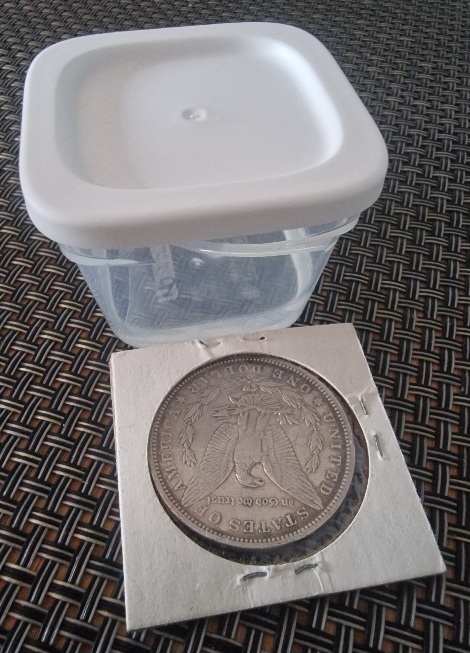 |
|
Pillar of the Community
Sweden
1878 Posts |
maybe I should buy these and give it a go 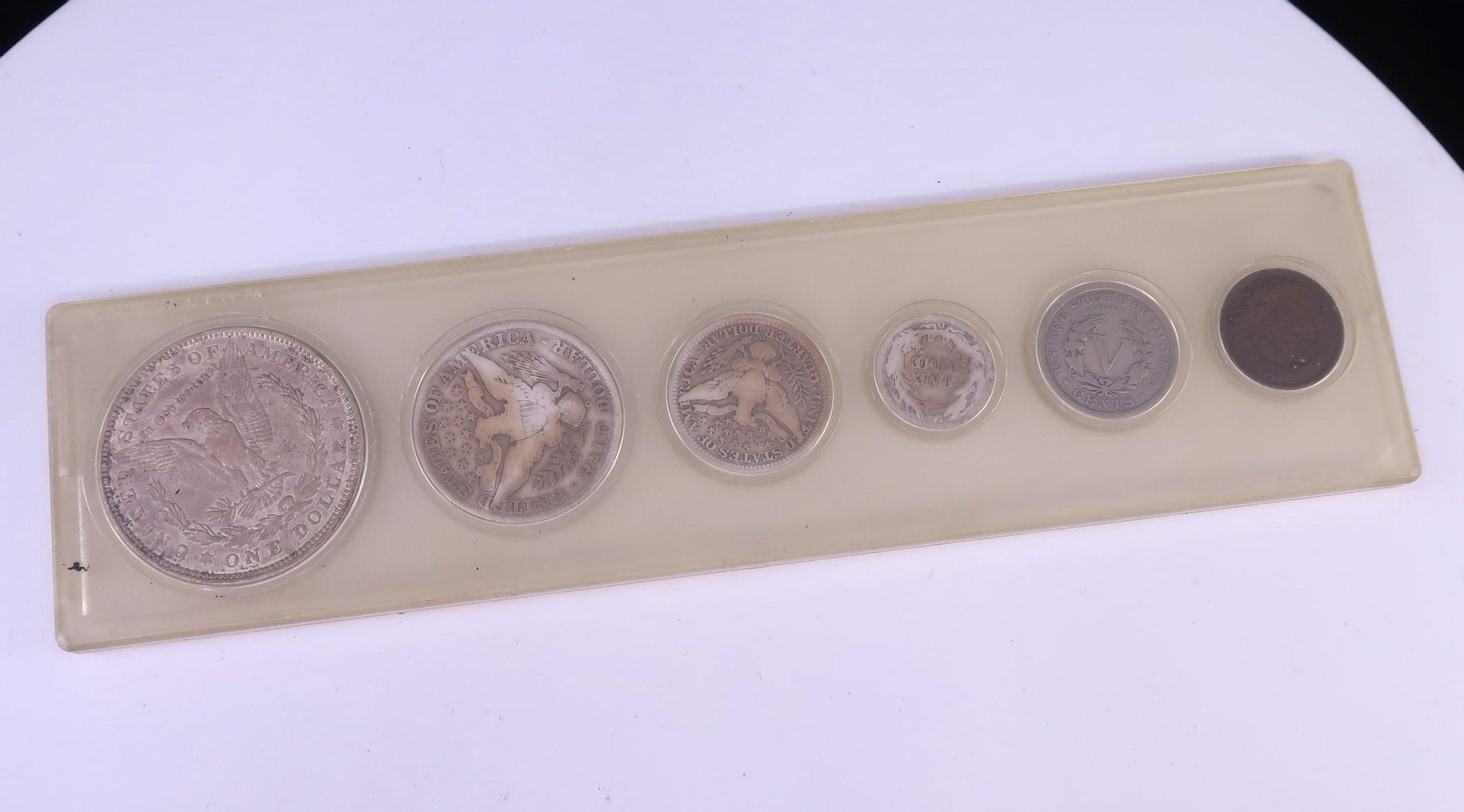 Edited by Moniker
05/24/2024 2:29 pm
|
|
Moderator
United States
198004 Posts |
Might as well.  |
|
Pillar of the Community
Canada
5422 Posts |
Acetone in plastic container?
Not in Canada . Sold in metal can only.
Acetone (100 per cent ,high grade industrial ) would
melt the plastic!
|
| |
Replies: 26 / Views: 1,829 |





 First Page


 Posted 05/17/2024 10:21 am


