First Page
 Previous Page


 Posted 11/11/2012 5:57 pm


The priority of edge or strike is a slightly different point.
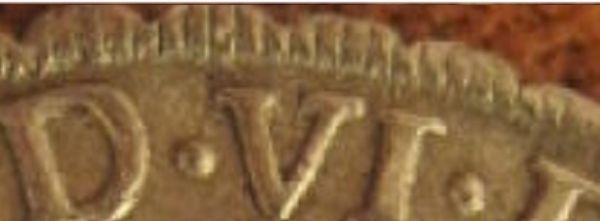
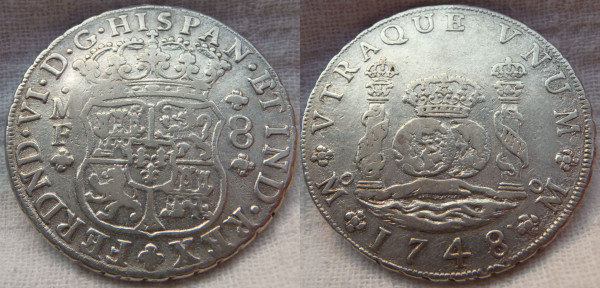
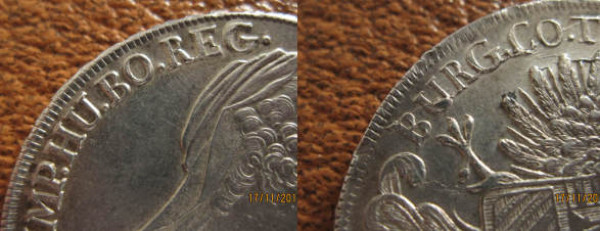
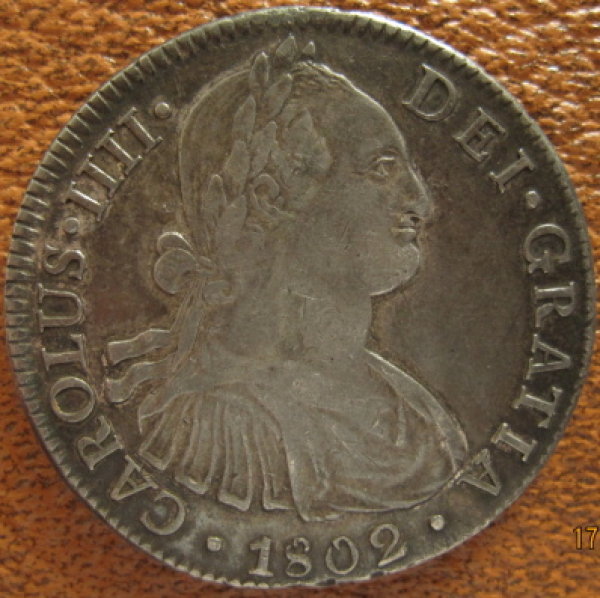
The discussion here is about a counterfeit die made from a coin. The die made from a coin is too small - it is coin sized NOT DIE SIZED. So the fake die has to be PERFECTLY aligned with the planchet or you see some of the end (edge) of the die. On a real coin the die being much bigger than the planchet will never show such a termination arc. In the case of your coin the alignment looks almost perfect - perhaps only a 1/2 mm off. What I am concerned that I am seeing is that the face die ended before the actual edge of the coin was reached. In the picture above the real die #2 extends outward BEYOND the edge of the coin so the dentils run to the edge of the metal.
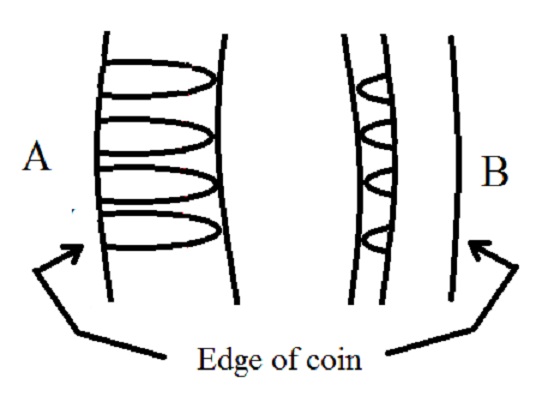
Here is a sketch of what I am trying to say. The appearance of a real coin at left (A) where the dentils run all the way to the edge of the coin and the edge at the right (B) where the dentils stop at an arc BEFORE the edge is reached.
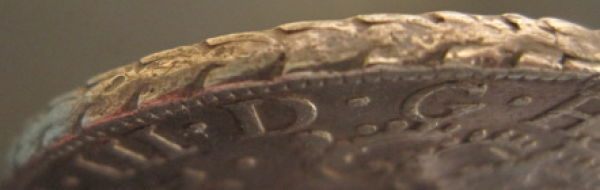
Now about priority. The element added first will be displaced (damaged) by the second application. The following picture is a COUNTERFEIT Portrait 8R that was struck first and edged later. The wear spots dramatically emphasise the distortion of the coin caused by the application of the edge after the coin was struck.
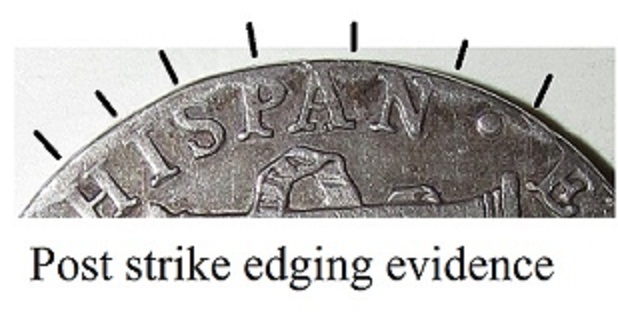
This is an extreme but conclusive example of what I mean. Had the coin been struck after the edge was applied the distortion would have been flattened out by the strike.
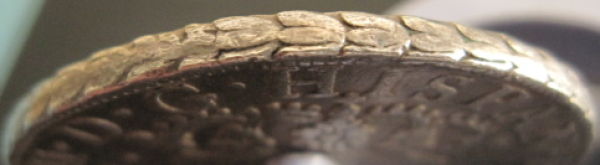
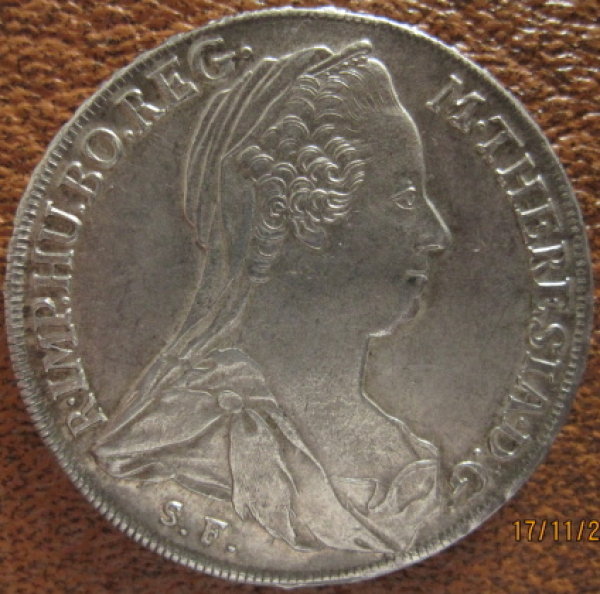
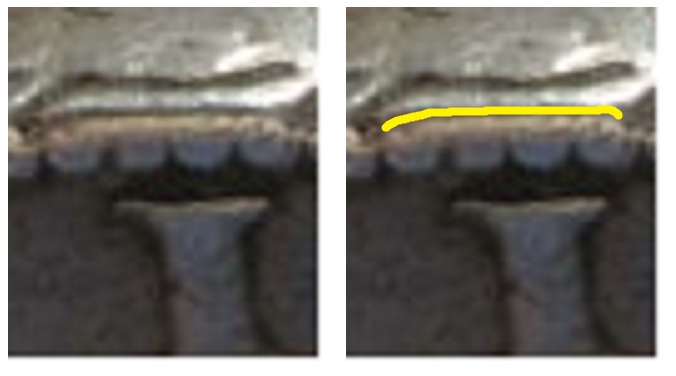
Often when a coin is edged first - the edge design gets compressed by the strike and the dentils can be variable in length. The dentils in that case should follow the metal available which was altered by the edging. The following a a piece of one of the pictures in this post that illustrates a coin the was edged BEFORE the strike.
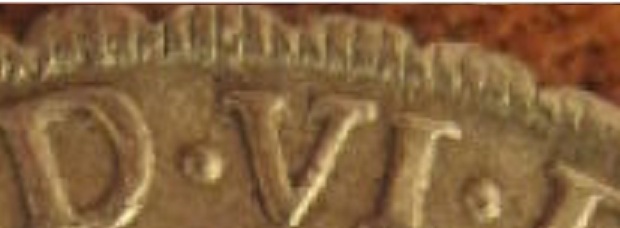
The dentils extend as far as there is metal and if you looked at the edge at this point the design should be compressed.
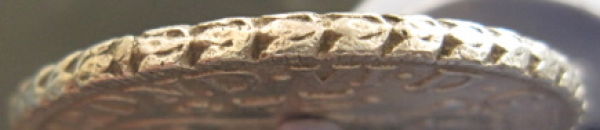
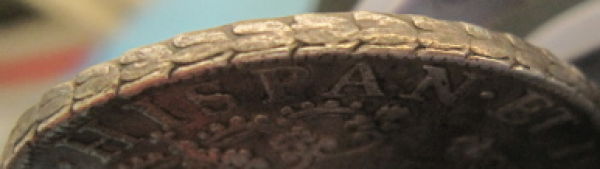
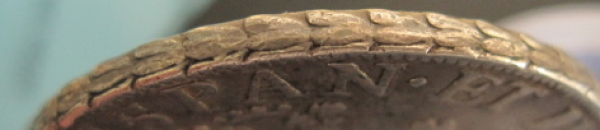
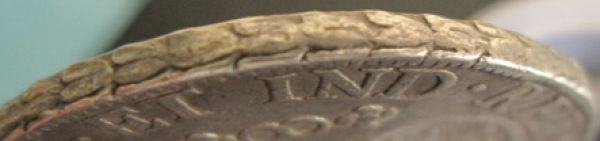
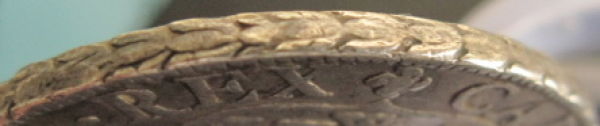
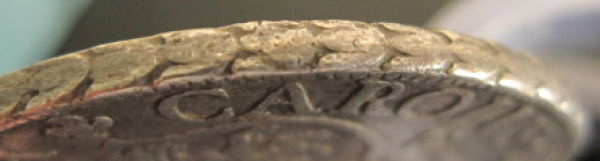
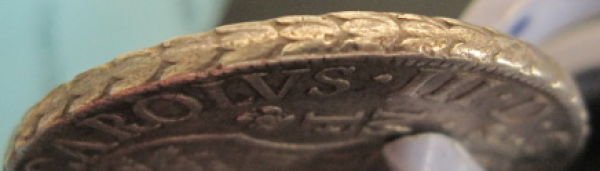
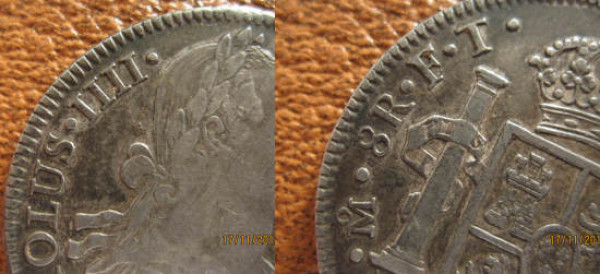
BUT what I see on your coin is neither really. The line seem to indicate the edge and faces did not alter either. The edge does not look compressed by the edge application and the dentils stop just short of the edge of the coin. I would of course check the opposite side at this point to see if the edge was not centered.
But in most cases, what I am seeing here would push me toward believing the coin is just a fake.
The discussion here is about a counterfeit die made from a coin. The die made from a coin is too small - it is coin sized NOT DIE SIZED. So the fake die has to be PERFECTLY aligned with the planchet or you see some of the end (edge) of the die. On a real coin the die being much bigger than the planchet will never show such a termination arc. In the case of your coin the alignment looks almost perfect - perhaps only a 1/2 mm off. What I am concerned that I am seeing is that the face die ended before the actual edge of the coin was reached. In the picture above the real die #2 extends outward BEYOND the edge of the coin so the dentils run to the edge of the metal.
Here is a sketch of what I am trying to say. The appearance of a real coin at left (A) where the dentils run all the way to the edge of the coin and the edge at the right (B) where the dentils stop at an arc BEFORE the edge is reached.
Now about priority. The element added first will be displaced (damaged) by the second application. The following picture is a COUNTERFEIT Portrait 8R that was struck first and edged later. The wear spots dramatically emphasise the distortion of the coin caused by the application of the edge after the coin was struck.
This is an extreme but conclusive example of what I mean. Had the coin been struck after the edge was applied the distortion would have been flattened out by the strike.
Often when a coin is edged first - the edge design gets compressed by the strike and the dentils can be variable in length. The dentils in that case should follow the metal available which was altered by the edging. The following a a piece of one of the pictures in this post that illustrates a coin the was edged BEFORE the strike.
The dentils extend as far as there is metal and if you looked at the edge at this point the design should be compressed.
BUT what I see on your coin is neither really. The line seem to indicate the edge and faces did not alter either. The edge does not look compressed by the edge application and the dentils stop just short of the edge of the coin. I would of course check the opposite side at this point to see if the edge was not centered.
But in most cases, what I am seeing here would push me toward believing the coin is just a fake.