| Author |
 Replies: 23 / Views: 4,893 Replies: 23 / Views: 4,893 |
Page 2 of 2
|
|
|
|
Valued Member
 Canada
252 Posts |
I keep my eyes open for that one. I have not had a chance to read the CCN article. Which issue is the article in?
|
|
Pillar of the Community
1844 Posts |
still not in yet ? not sure why unless John is still searching for info...I think I will fir off another email and pic and maybe get an answer
|
|
Pillar of the Community
Canada
618 Posts |
EF45-10 cent blundered I on DEI is $1,500.
Ebay--search "blundered"
Marker also known as Logo punch position mark.
|
|
Pillar of the Community
 Canada
9909 Posts |
The EF45 on ebay had no offers at $1500 BIN,and no bidders at $1000 start auction.A VG example sold for about $100.The EF 45 may sell at about $600. "Dipping" is not considered cleaning...
-from PCGS website
|
|
Valued Member
Canada
252 Posts |
|
|
Valued Member
Canada
252 Posts |
Well I thought I would bump this post up, since I picked up another low grade example of this variety. Anyone else have any to post a picture of. I am thinking the number of these is well under 100 most likely under 50.
|
|
Pillar of the Community
Canada
1581 Posts |
First appeared in Charlton in 2011?
I don't think its well enough known to make conclusions.
Like the 1858 large 5c/5.
Anyone else think about the amazing number of different types of varieties for 1858/1859?
|
|
Valued Member
Canada
252 Posts |
This variety was in the 2009 Charlton in the 10 cent varieties section page 388.
Thinking it should be fairly well known after close to 5 years in Charlton. They are just not seen in the market due to scarcity showing up 1 or 2 a year for sale.
Zonads find is only 2 years in Charlton.
|
|
Valued Member
Canada
252 Posts |
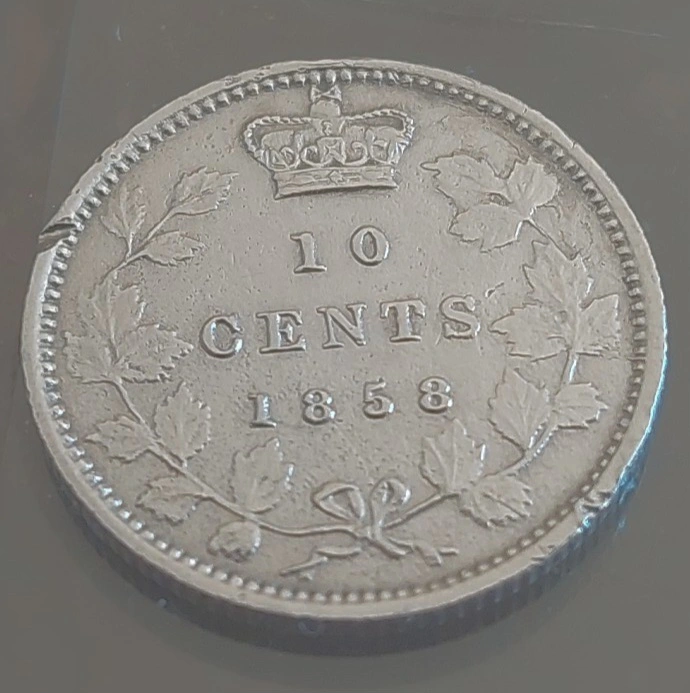
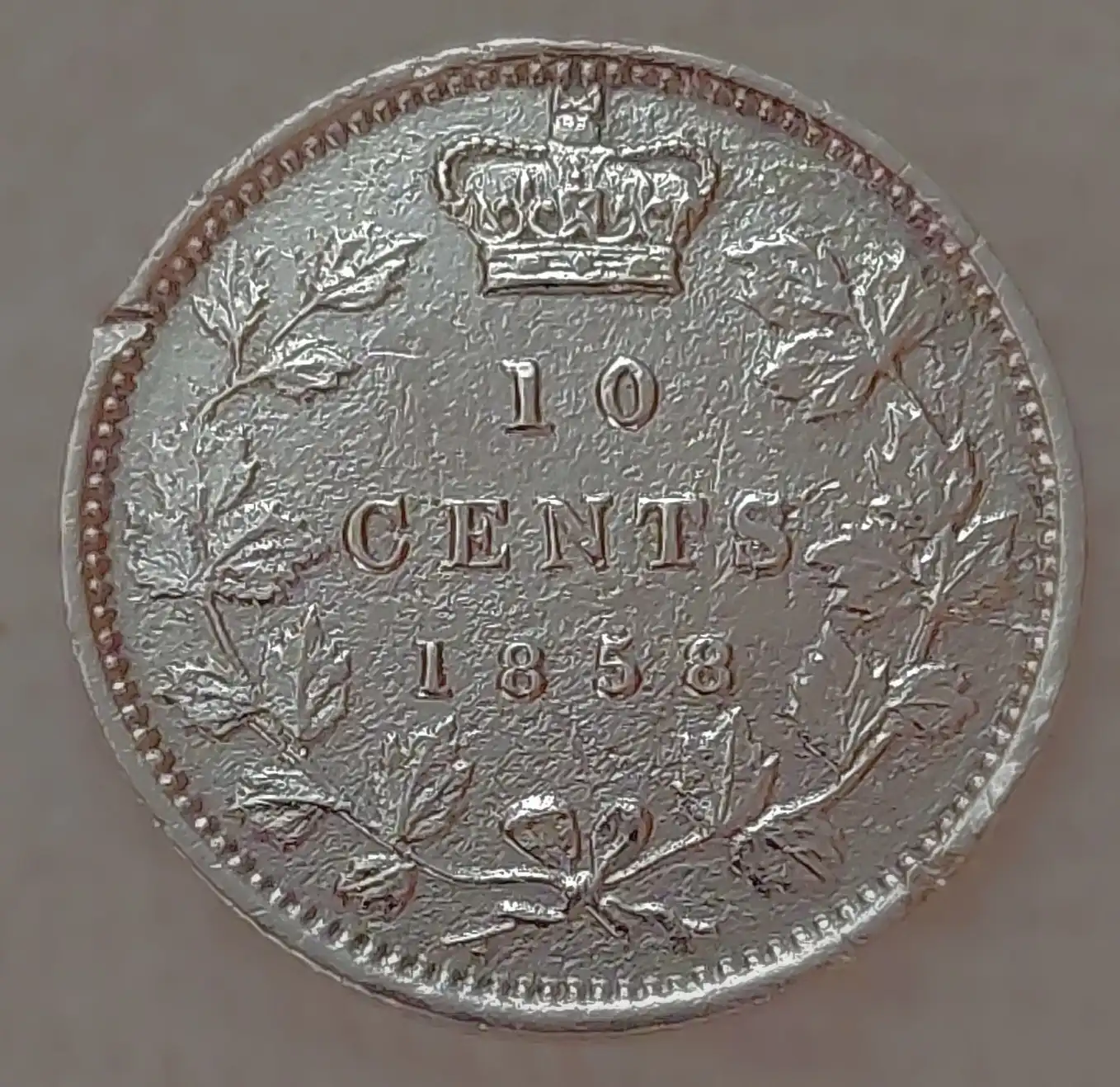
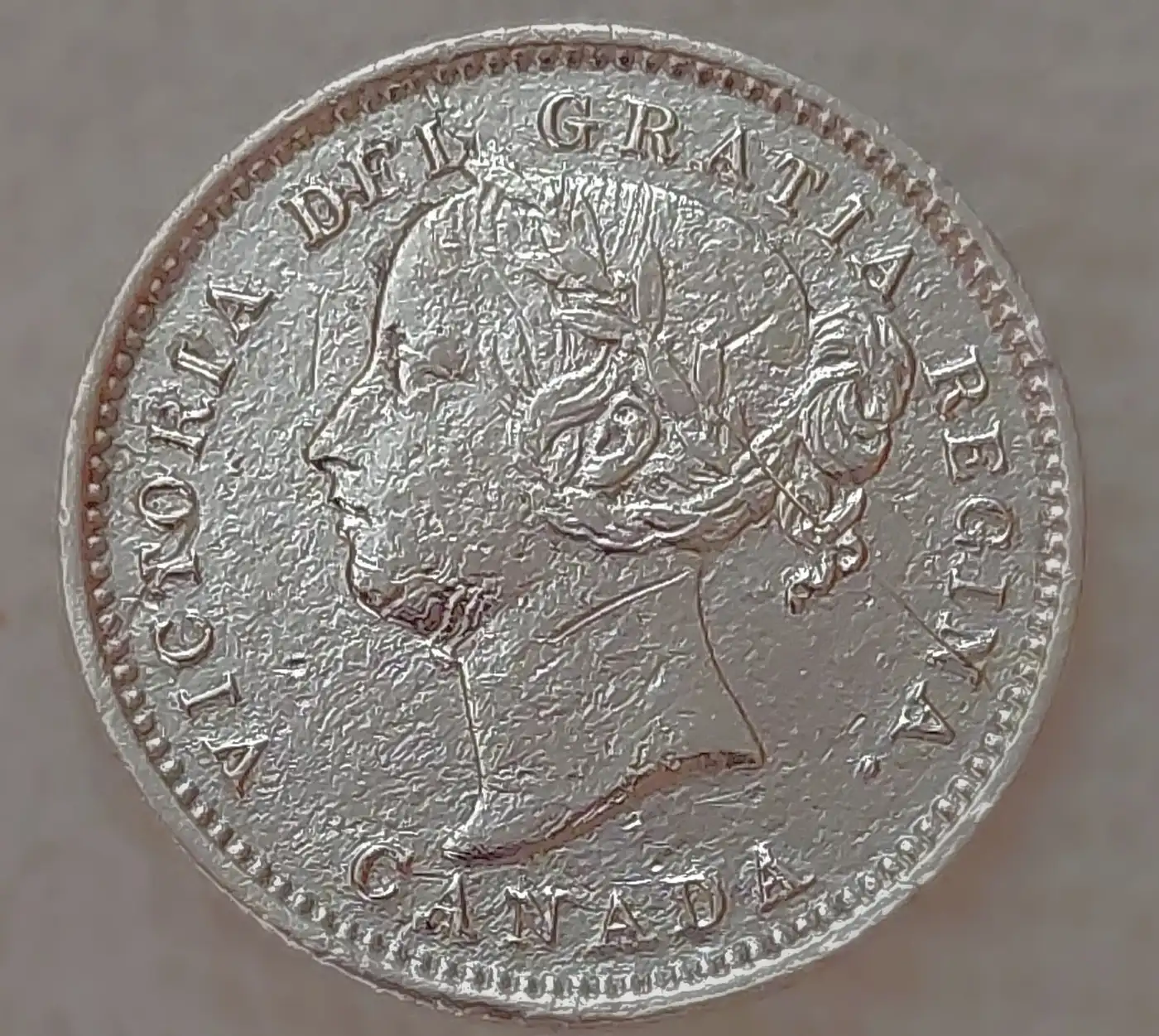
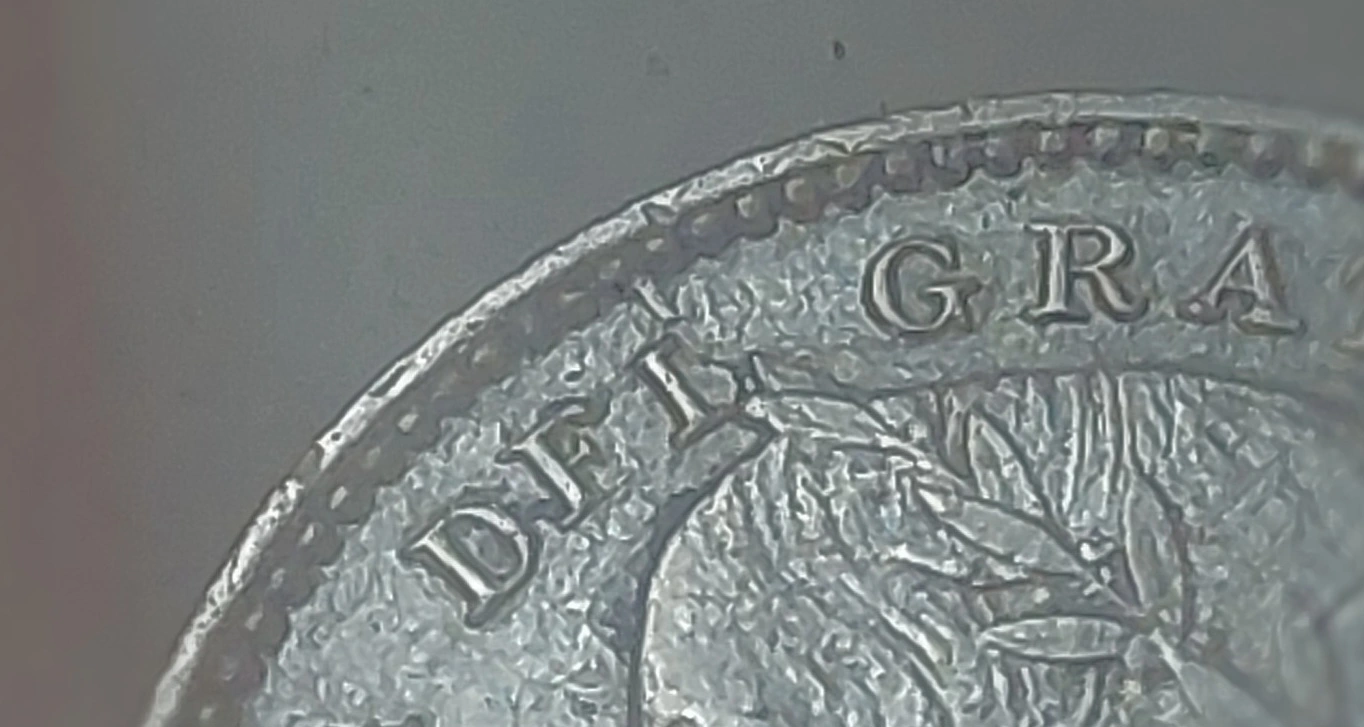
After an extensive review of my personal hoard of nine specimens of the 1858 "Blundered I" (I for 1 in DEI), I am proposing that this variety was struck using at least two distinct reverse working dies. My study—which includes a certified ICCS VF-20 and an EF-40 currently consigned at Heritage—shows two consistent, non-overlapping die failure patterns.
Die A: The 10:00 Wreath Failure (Common)
The Diagnostic: A sharp die crack originating from the denticle at 10 o'clock, traveling through the maple leaves, and terminating precisely under the 3rd leaf on the left side of the wreath.
Observations: This appears to be the workhorse die. My EF-40 specimen at Heritage is a clear example of this state.
Die B: The 4:00 Lower Failure (Scarce)
The Diagnostic: A smaller, more subtle break originating between the denticles at 4 o'clock, extending under the 6th leaf, and terminating before reaching the vine.
Observations: This state is significantly scarcer in my research pool, representing a minority of the nine-coin sample.
Analysis
Because the "Blundered I" punch is identical across both Die A and Die B, the error almost certainly originated on the Master Hub. The different failure points (10:00 vs. 4:00) prove that multiple working dies were used. In my study, I have found zero specimens showing both breaks and zero specimens entirely free of a break, suggesting these working dies were under extreme stress from the first strike.
Community Feedback Requested:
Have you seen an 1858 "Blundered I" that lacks both of these specific breaks?
Do you have a specimen that shows the 10:00 and 4:00 breaks on the same coin?
Can anyone confirm these specific breaks on a standard 1858 10-cent (non-blundered)?
Edited by collector67
02/25/2026 3:19 pm
|
|
Pillar of the Community
Canada
5660 Posts |
We discussed this coin at length on the old CCRS coin site10-15 years ago. There was a great deal of opinion on the designation of "blundered I", as some info from some ardent collectors and folks with access to the mint records. Our opinion was that it wasn't a blundered I at all, it was an alignment mark for the die. You can find them some other early Canadian coinage as well. I'm in the alignment mark school, not an "I" mistake.
|
|
Valued Member
Canada
252 Posts |
TPG are attributing as Blundered I as well as recent reference material. May is more focused determining die pairing as there appears to be more then one reverse die pairing.
Edited by collector67
02/27/2026 3:05 pm
|
|
New Member
Canada
19 Posts |
Edited by majoly83
03/01/2026 11:52 am
|
|
Valued Member
Canada
252 Posts |
Your die break is at 4 o'clock 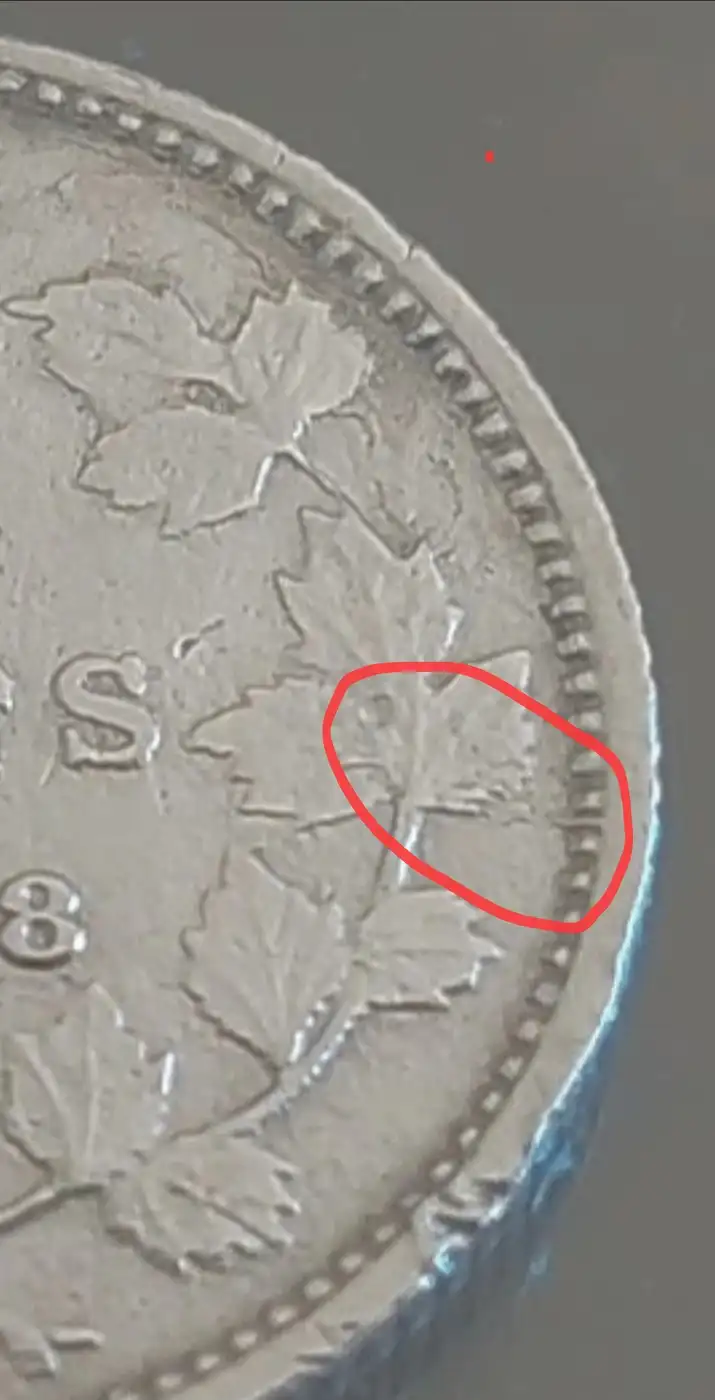 Or between 3 and 4 I posted 4 Edited by collector67
03/01/2026 12:59 pm
|
|
Pillar of the Community
United States
1378 Posts |
Quote:
Because the "Blundered I" punch is identical across both Die A and Die B, the error almost certainly originated on the Master Hub. I respectfully disagree with this statement. First, the die records still exist and show only one 1858 ten-cent obverse matrix and one ten-cent 1858 obverse punch were created. Second, although the 1858 ten-cent obverse punch no longer exists, the singular 1858 ten-cent obverse matrix does still exist. I have personally examined it, and it has no such mark above the I in DEI. It seems to me that one obverse die was married to both your reverse Dies A and B. The so-called "blundered I" mark was on that obverse die, not the punch or matrix. http://www.victoriancent.com2011 & 2025 Fred Bowman Literary Award, 2025 Guy Potter Literary Award, 2022 Paul Fiocca Award, & 2020 J. Douglas Ferguson Award. Life Member of RCNA.
Edited by bosox
03/01/2026 7:27 pm
|
|
Moderator
 United States
108650 Posts |
can you post up images of the reverse of the first coin, and maybe you should start a new topic for the one you just picked up for a separate discission on it.
|
|
Page 2 of 2
|
Replies: 23 / Views: 4,893 |
Page 2 of 2
|




 First Page


 Posted 01/04/2013 03:59 am